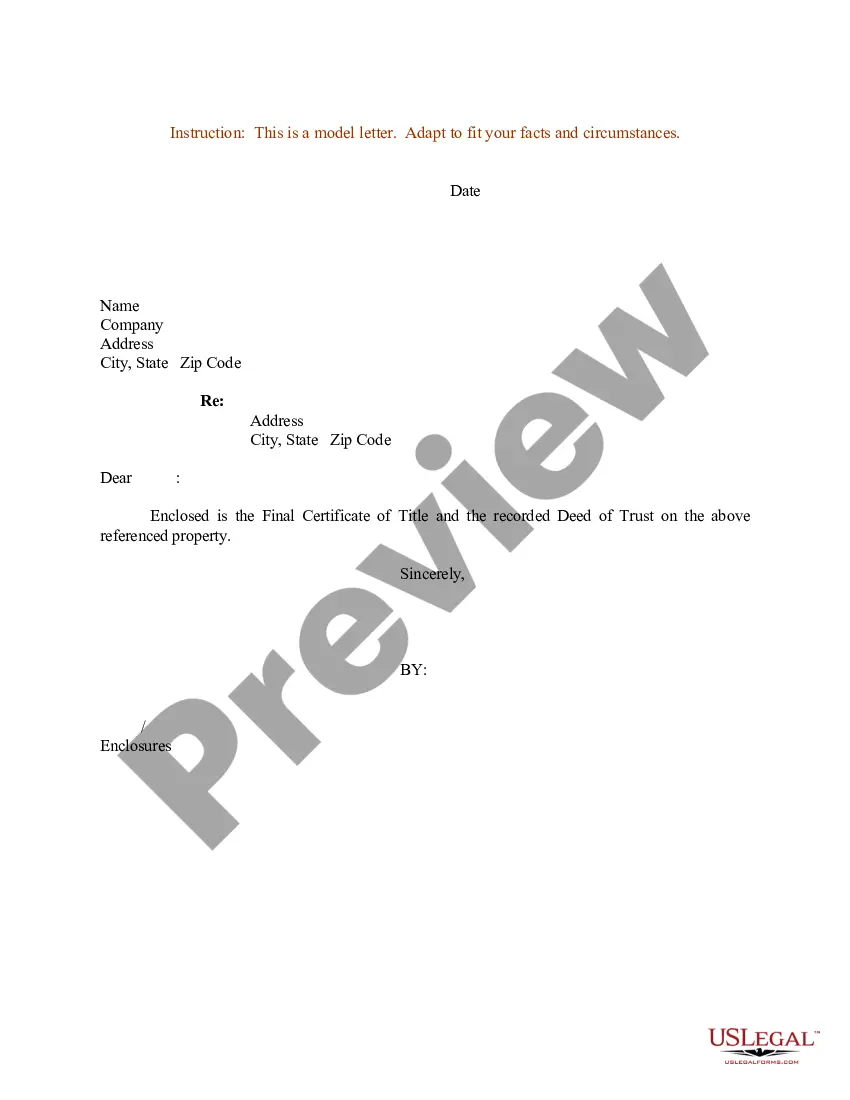
Trust Title To Property
Description
Get your form ready online
Our built-in tools help you complete, sign, share, and store your documents in one place.
Make edits, fill in missing information, and update formatting in US Legal Forms—just like you would in MS Word.
Download a copy, print it, send it by email, or mail it via USPS—whatever works best for your next step.
Sign and collect signatures with our SignNow integration. Send to multiple recipients, set reminders, and more. Go Premium to unlock E-Sign.
If this form requires notarization, complete it online through a secure video call—no need to meet a notary in person or wait for an appointment.
We protect your documents and personal data by following strict security and privacy standards.

Make edits, fill in missing information, and update formatting in US Legal Forms—just like you would in MS Word.

Download a copy, print it, send it by email, or mail it via USPS—whatever works best for your next step.

Sign and collect signatures with our SignNow integration. Send to multiple recipients, set reminders, and more. Go Premium to unlock E-Sign.

If this form requires notarization, complete it online through a secure video call—no need to meet a notary in person or wait for an appointment.

We protect your documents and personal data by following strict security and privacy standards.
Looking for another form?
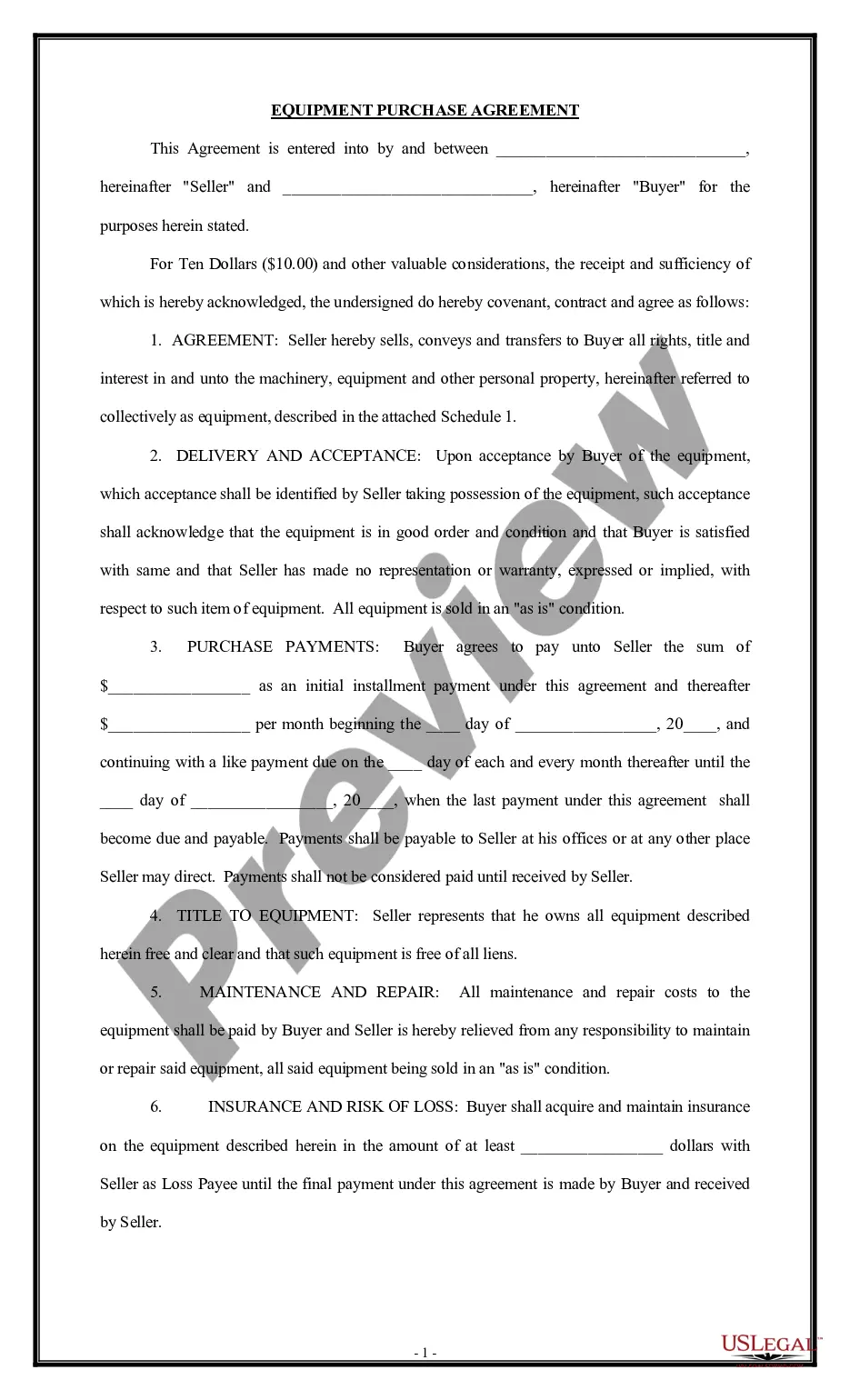

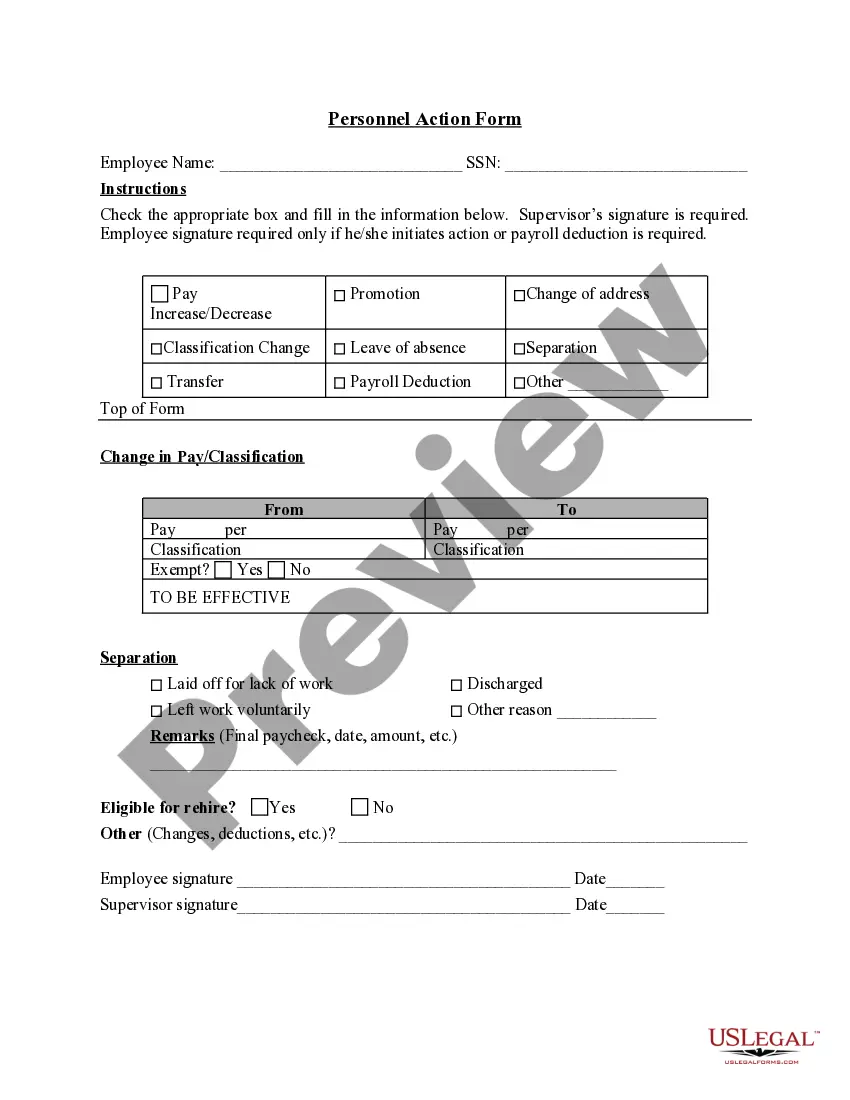
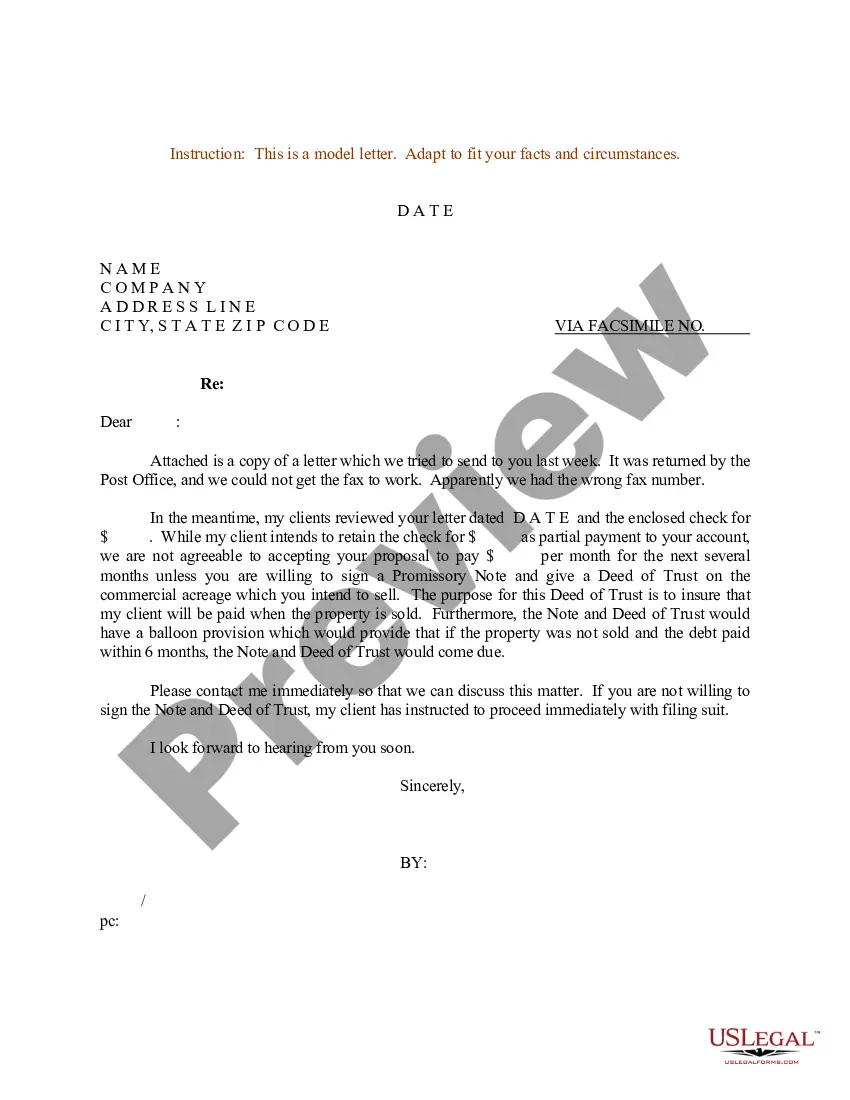
How to fill out Sample Letter For Deed Of Trust And Final Certificate Of Title?
Identifying a reliable resource to obtain the latest and most pertinent legal templates is a significant part of managing bureaucracy.
Acquiring the correct legal documents necessitates precision and meticulousness, which underscores the importance of obtaining Trust Title To Property samples solely from trustworthy sources, such as US Legal Forms. A faulty template can squander your time and delay your situation. With US Legal Forms, there's little to worry about. You can access and review all information regarding the document’s applicability and significance for your situation and within your state or area.
Eliminate the frustration associated with your legal documentation. Explore the comprehensive US Legal Forms directory to find legal samples, evaluate their relevance to your circumstances, and download them instantly.
- Utilize the catalog navigation or search bar to find your template.
- Review the form’s details to ensure it meets the regulations of your state and locality.
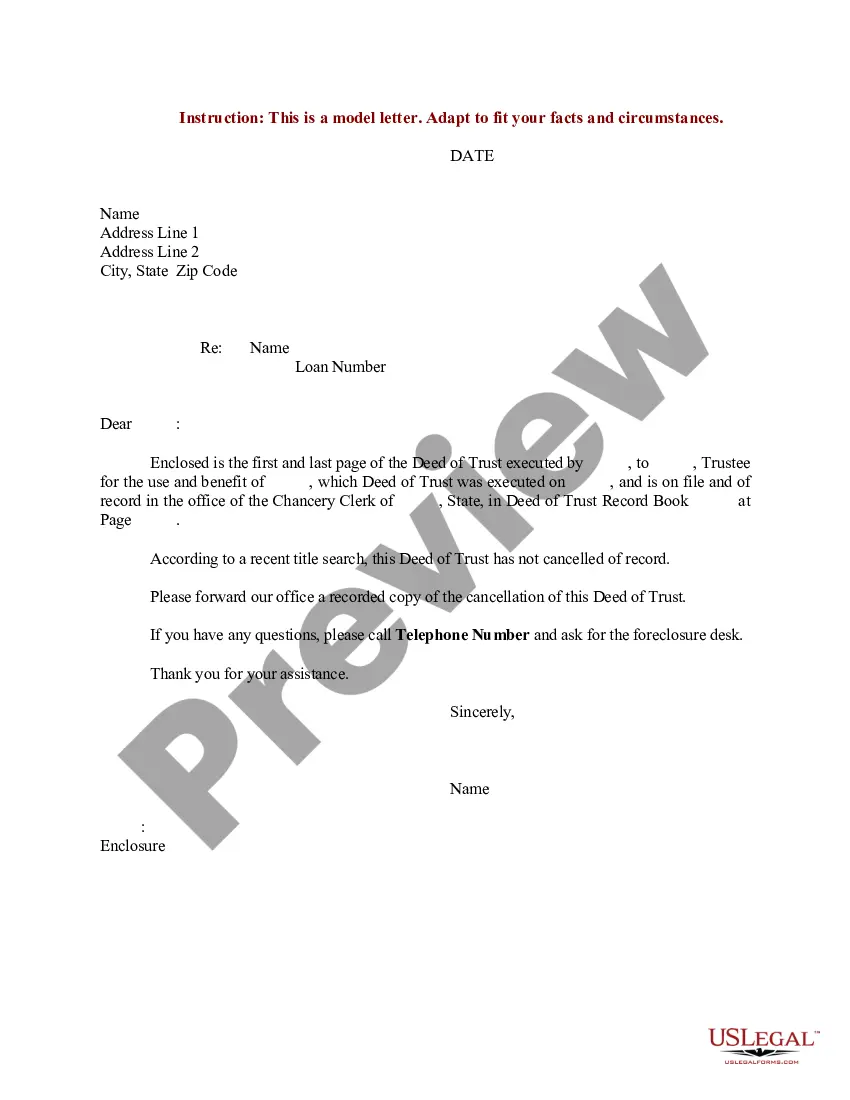
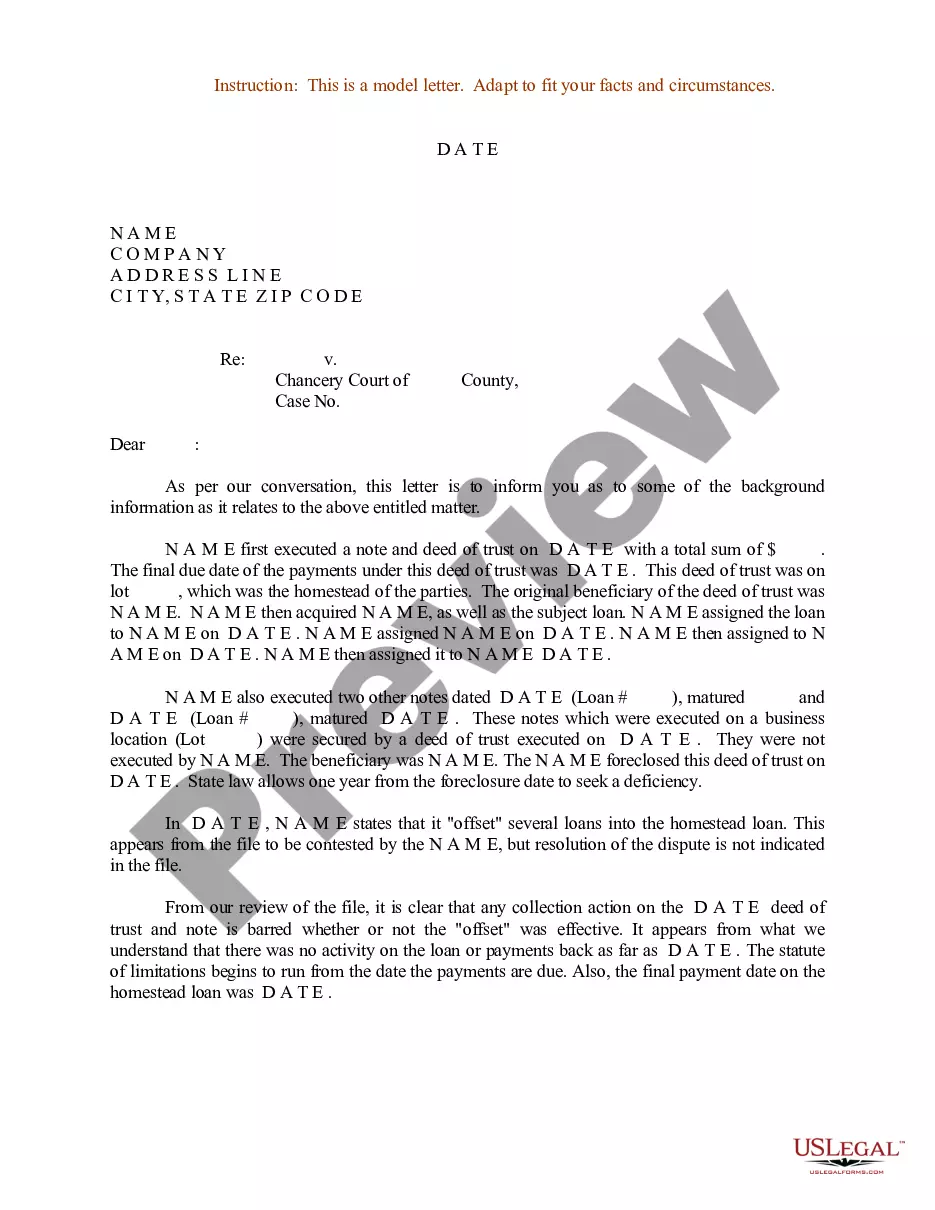
- Open the form preview, if available, to confirm it is the desired form.
- Return to the search to locate the appropriate template if the Trust Title To Property does not match your requirements.
- Once you are confident in the form’s suitability, download it.
- If you are an authorized user, click Log in to verify and access your chosen templates in My documents.
- If you do not yet have an account, click Buy now to purchase the template.
- Select the pricing option that aligns with your needs.
- Proceed with registration to finalize your purchase.
- Complete the payment process by selecting a payment method (credit card or PayPal).
- Choose the document format for downloading Trust Title To Property.
- After obtaining the form on your device, you can edit it using an editor or print it for manual completion.
Form popularity
FAQ
The short answer is yes, wills are considered public information. In Texas, most probate cases are considered public matters and will appear on public records. This means that, essentially, anyone who is interested in your estate plans can legally see them.
The short answer is yes, wills are considered public information. In Texas, most probate cases are considered public matters and will appear on public records. This means that, essentially, anyone who is interested in your estate plans can legally see them.
Below are ways to store the original copy of your last will and testament so that it is accessible to your executor after you are gone: Safe deposit box. Many individuals believe the safest place to store a will is a safe deposit box. ... Attorney. ... In house. ... The county clerk.
Texas law allows a copy of a will to be probated if the original cannot be found. A party seeking to probate a copy, rather than the original, must prove the will in the same manner provided for an attested will or holographic will.
Probating a Copy of a Will in Texas. There is a presumption under Texas law that if the decedent's original will cannot be found or produced, the will is void or revoked. In other words, even if you have a copy of the will, the probate court will still treat it as if there was no will at all.
You Can Provide a Copy of Your Will to Anyone You Choose Probate is a public process in Texas. While the inventory of your estate may not become part of the public record, the probate process itself is not confidential. There are estate planning strategies that you can use to enhance your privacy.
Availability. Probate records of Texas have been kept by the probate clerk in each county courthouse. You can obtain copies of the records from the clerk's office. In most counties, all information pertaining to a probate case is recorded in the "probate minutes."
Banks are required to keep the copy of the will for four years. If a financial institution refuses to allow a search, then Texas Probate Code Section 38B allows a probate court to order a search of a safe deposit box.
To be valid, you must write the Will completely in your own handwriting and sign it. There is no requirement that witnesses or a notary sign the document. at least two credible witnesses over the age of 14 must sign it in your presence.
Probate records and wills are available online from all over the U.S. and are what I consider another hidden gem of information that can assist you in advancing your family history and genealogy research.