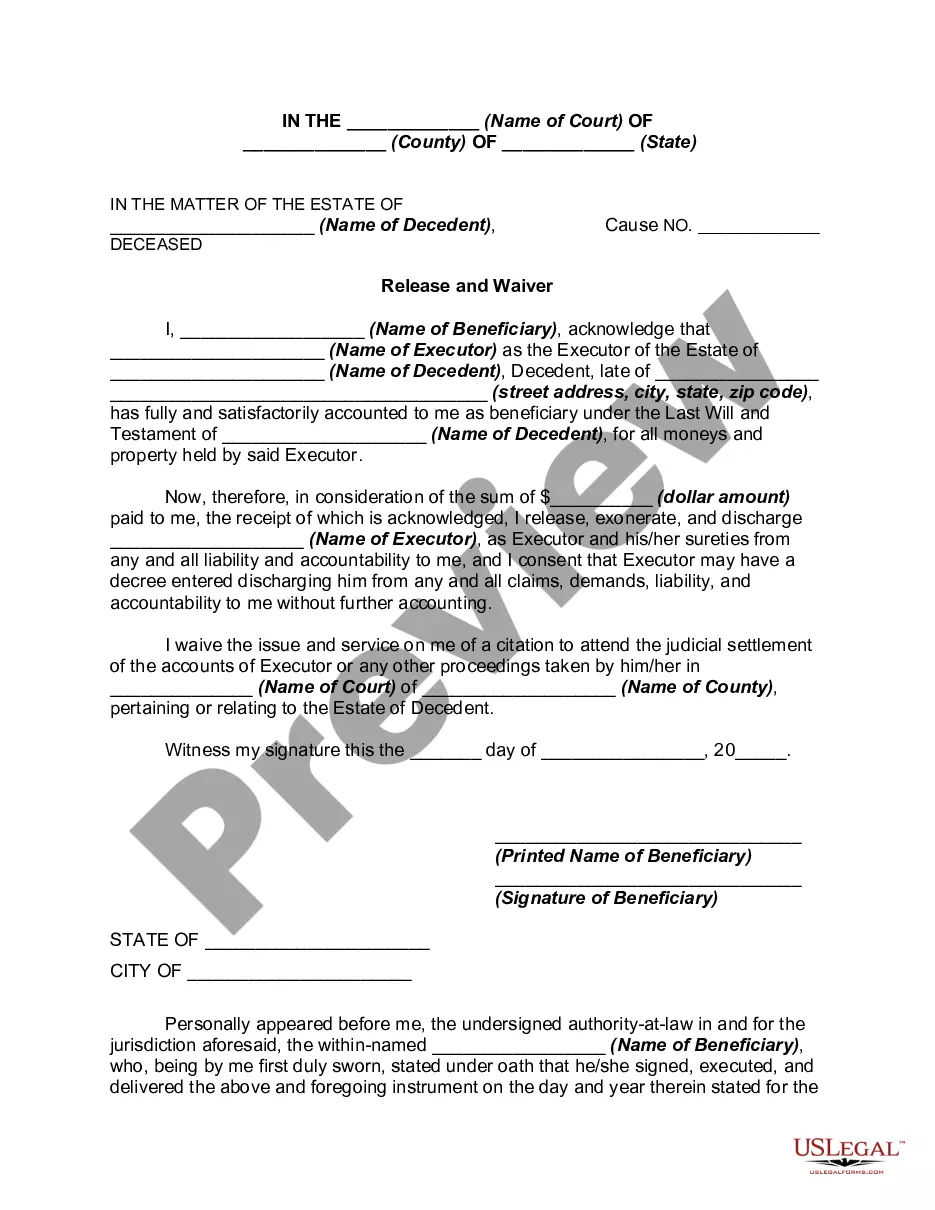
Release Of Executor Form With Signature
Description
Get your form ready online
Our built-in tools help you complete, sign, share, and store your documents in one place.
Make edits, fill in missing information, and update formatting in US Legal Forms—just like you would in MS Word.
Download a copy, print it, send it by email, or mail it via USPS—whatever works best for your next step.
Sign and collect signatures with our SignNow integration. Send to multiple recipients, set reminders, and more. Go Premium to unlock E-Sign.
If this form requires notarization, complete it online through a secure video call—no need to meet a notary in person or wait for an appointment.
We protect your documents and personal data by following strict security and privacy standards.

Make edits, fill in missing information, and update formatting in US Legal Forms—just like you would in MS Word.

Download a copy, print it, send it by email, or mail it via USPS—whatever works best for your next step.

Sign and collect signatures with our SignNow integration. Send to multiple recipients, set reminders, and more. Go Premium to unlock E-Sign.

If this form requires notarization, complete it online through a secure video call—no need to meet a notary in person or wait for an appointment.

We protect your documents and personal data by following strict security and privacy standards.
Looking for another form?
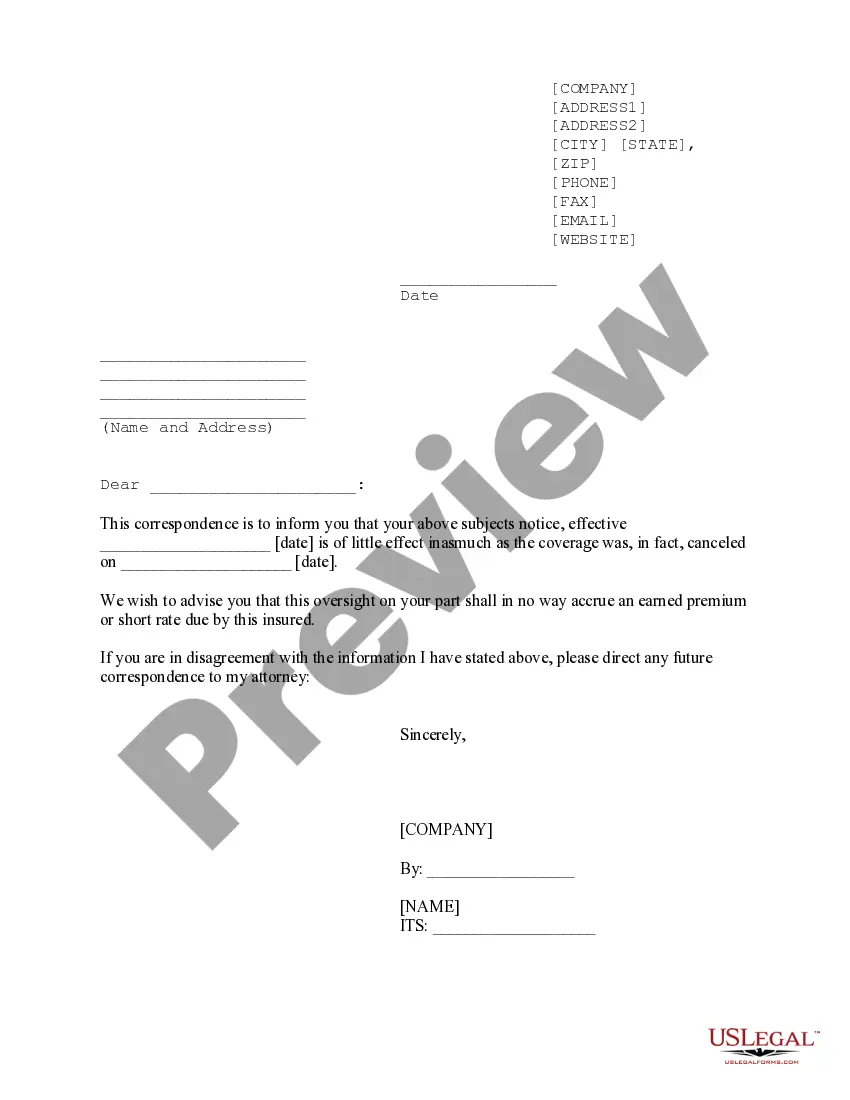


How to fill out Release And Exoneration Of Executor On Distribution To Beneficiary Of Will And Waiver Of Citation Of Final Settlement?
Dealing with legal paperwork and processes can be a lengthy addition to your schedule.
Release Of Executor Form With Signature and similar documents usually necessitate that you search for them and figure out how to fill them out proficiently.
For that purpose, whether addressing financial, legal, or personal issues, utilizing a comprehensive and user-friendly online directory of forms when necessary will significantly aid you.
US Legal Forms is the premier online source for legal templates, providing over 85,000 state-specific documents and a range of tools to help you finalize your paperwork effortlessly.
Is it your first experience using US Legal Forms? Register and create your account in just a few moments, and you will gain entry to the form library and Release Of Executor Form With Signature. Then, follow these instructions to complete your form.
- Explore the collection of relevant documents available to you with just one click.
- US Legal Forms offers state- and county-specific documents accessible at any time for downloading.
- Protect your document management tasks with a high-quality service that allows you to create any form within minutes without any additional or concealed charges.
- Simply Log In to your account, find Release Of Executor Form With Signature, and obtain it directly from the My documents section.
- You can also access previously downloaded documents.
Form popularity
FAQ
Serve the 210-day waiting period Once the grant of probate is issued, a 210-day waiting period must pass before the executor can distribute the estate, unless all beneficiaries consent or there is a court order.
All beneficiaries do not need to formally approve estate accounts; however, it is best practice for the Executor(s) and main beneficiaries to sign the estate accounts to show a legal agreement across all parties. Nevertheless, the beneficiaries are entitled to receive a copy of them and review the information.
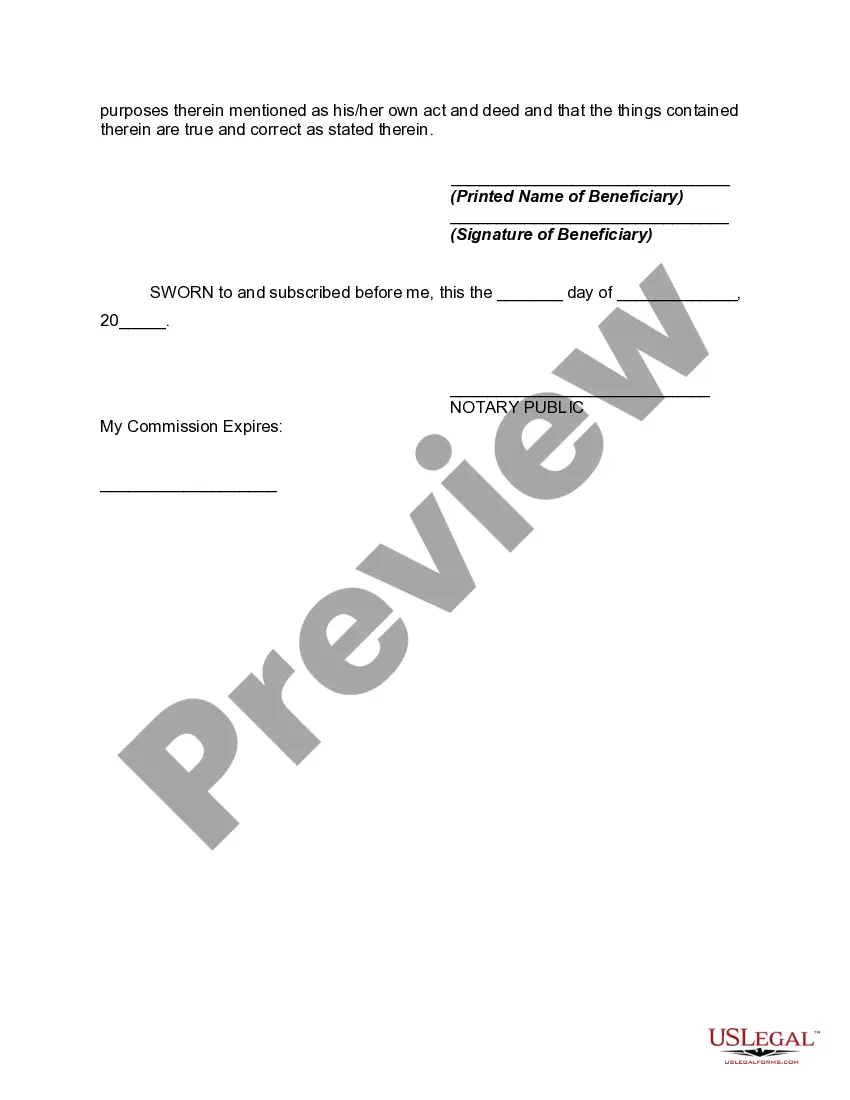
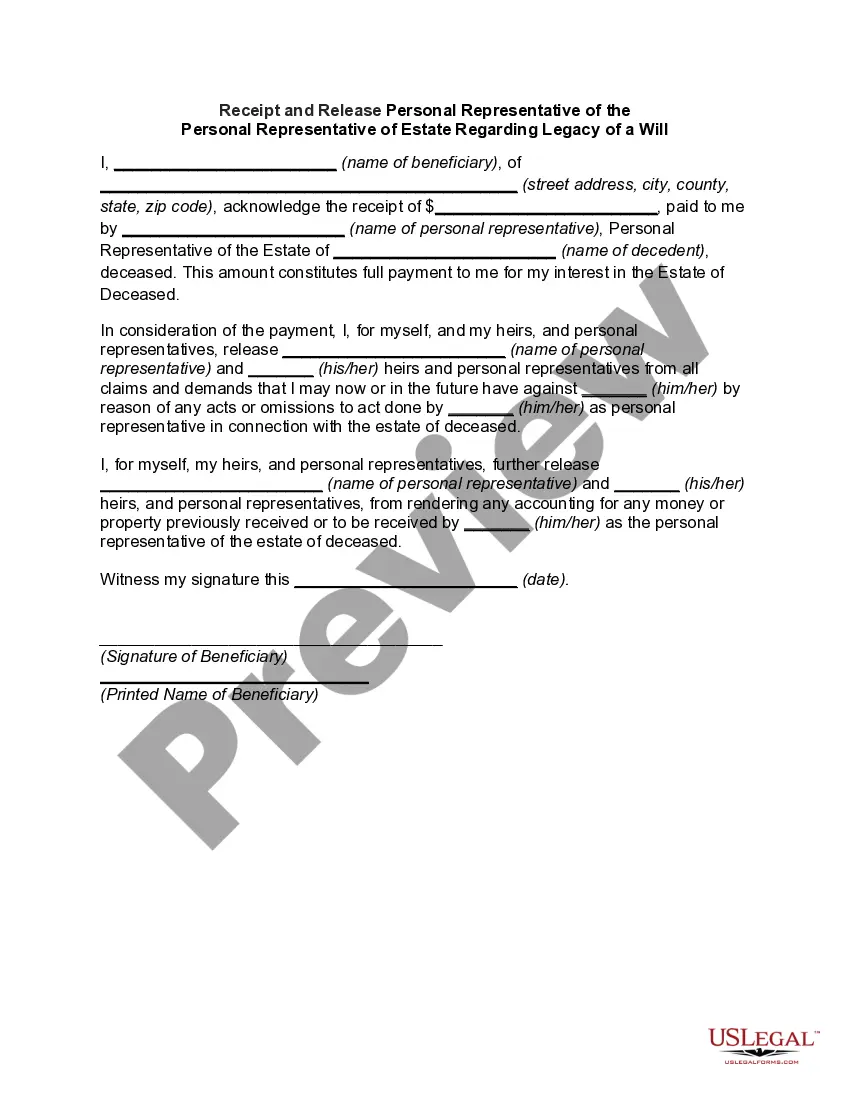
The significance of a release A release is a binding contract, which bars the signer from suing the person that they have released. An estate trustee should require a signed release when it makes sense to be prudent and to document the acceptance of the beneficiary of the administration.
Depending on the complexities of the probate process and the specifics of the case, it could take many months, or even up to a year, for the funds to be distributed. If you have been named in the will, it is important to understand this fact, and how the delay could impact your finances for the short term.
In the context of an estate, it means the beneficiaries agree to relinquish any claim they may have against the executor. When the estate falls short, however, demanding a release is good practice.