New York State Beneficiary Laws For Inheritance
Description
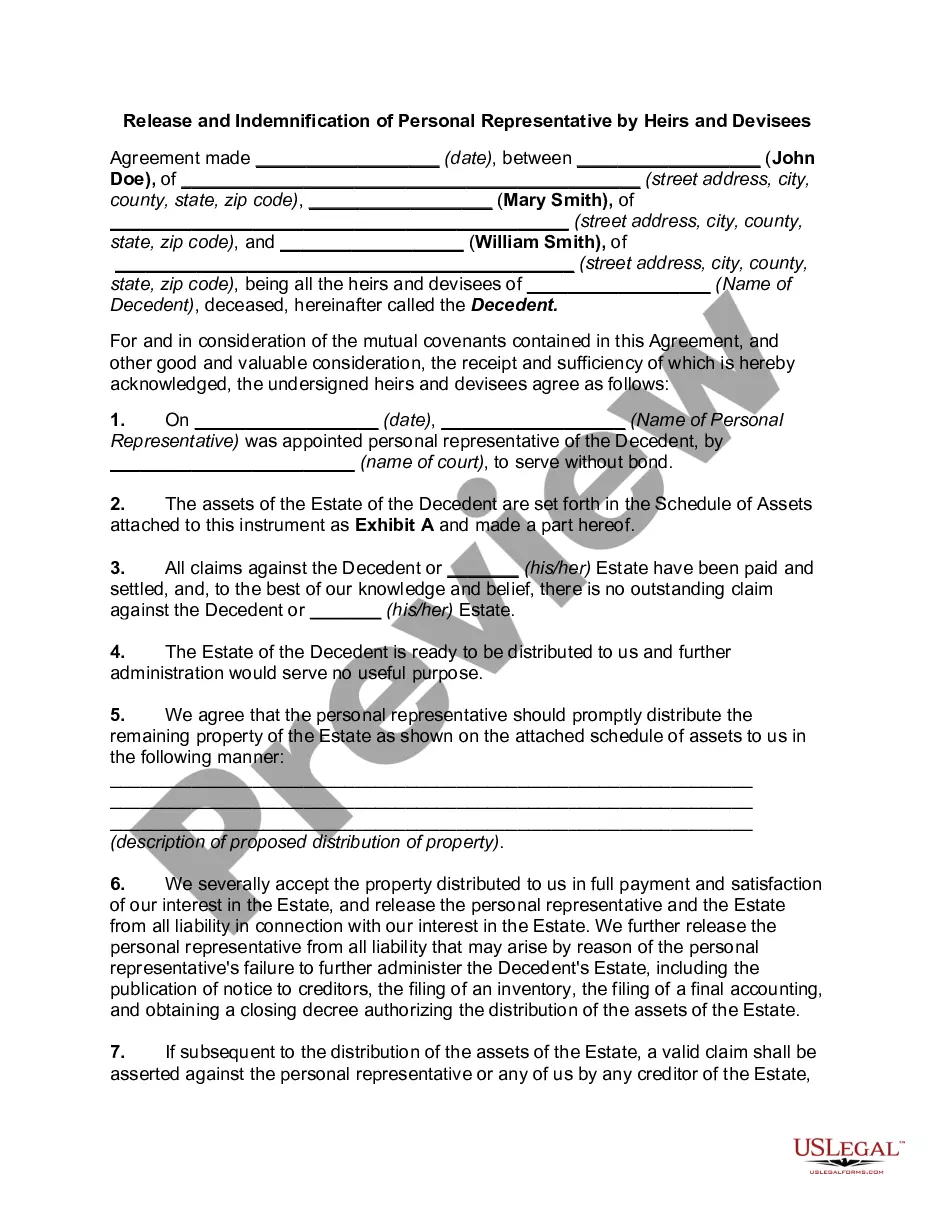
Get your form ready online
Our built-in tools help you complete, sign, share, and store your documents in one place.
Make edits, fill in missing information, and update formatting in US Legal Forms—just like you would in MS Word.
Download a copy, print it, send it by email, or mail it via USPS—whatever works best for your next step.
Sign and collect signatures with our SignNow integration. Send to multiple recipients, set reminders, and more. Go Premium to unlock E-Sign.
If this form requires notarization, complete it online through a secure video call—no need to meet a notary in person or wait for an appointment.
We protect your documents and personal data by following strict security and privacy standards.

Make edits, fill in missing information, and update formatting in US Legal Forms—just like you would in MS Word.

Download a copy, print it, send it by email, or mail it via USPS—whatever works best for your next step.

Sign and collect signatures with our SignNow integration. Send to multiple recipients, set reminders, and more. Go Premium to unlock E-Sign.

If this form requires notarization, complete it online through a secure video call—no need to meet a notary in person or wait for an appointment.

We protect your documents and personal data by following strict security and privacy standards.
Looking for another form?








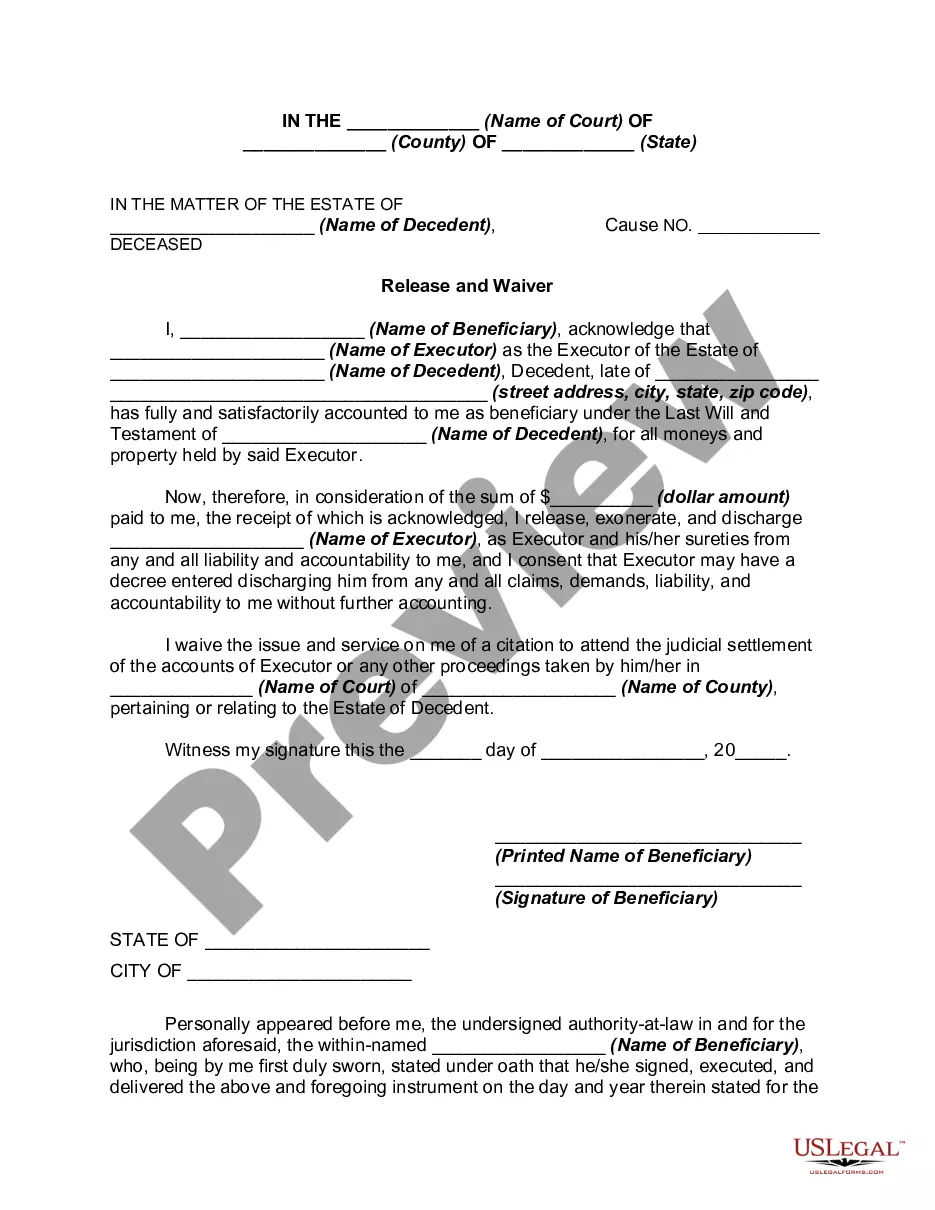
How to fill out Release And Exoneration Of Executor On Distribution To Beneficiary Of Will And Waiver Of Citation Of Final Settlement?
Acquiring legal document samples that comply with federal and state regulations is crucial, and the internet provides a plethora of choices to select from.
However, why waste time hunting for the correct New York State Beneficiary Laws For Inheritance template online when the US Legal Forms digital library already has such forms gathered in one location.
US Legal Forms is the largest online legal repository with over 85,000 editable templates created by attorneys for every professional and personal circumstance.
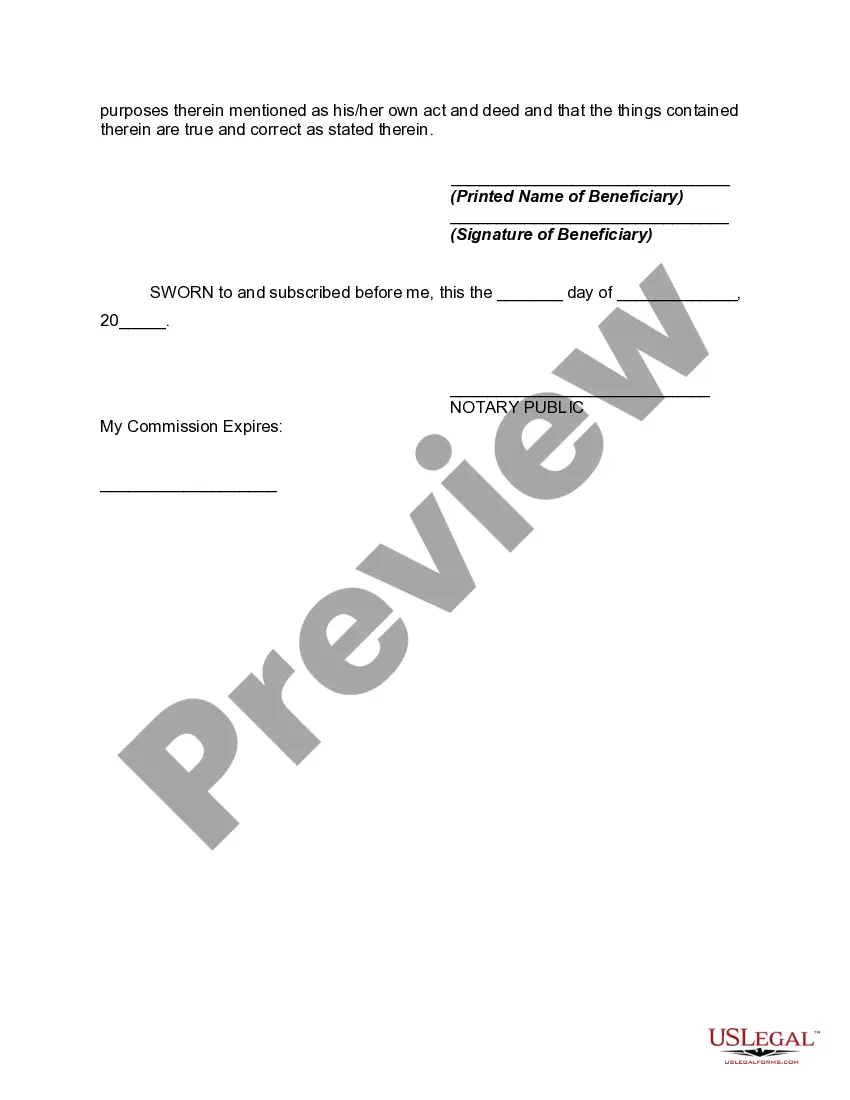
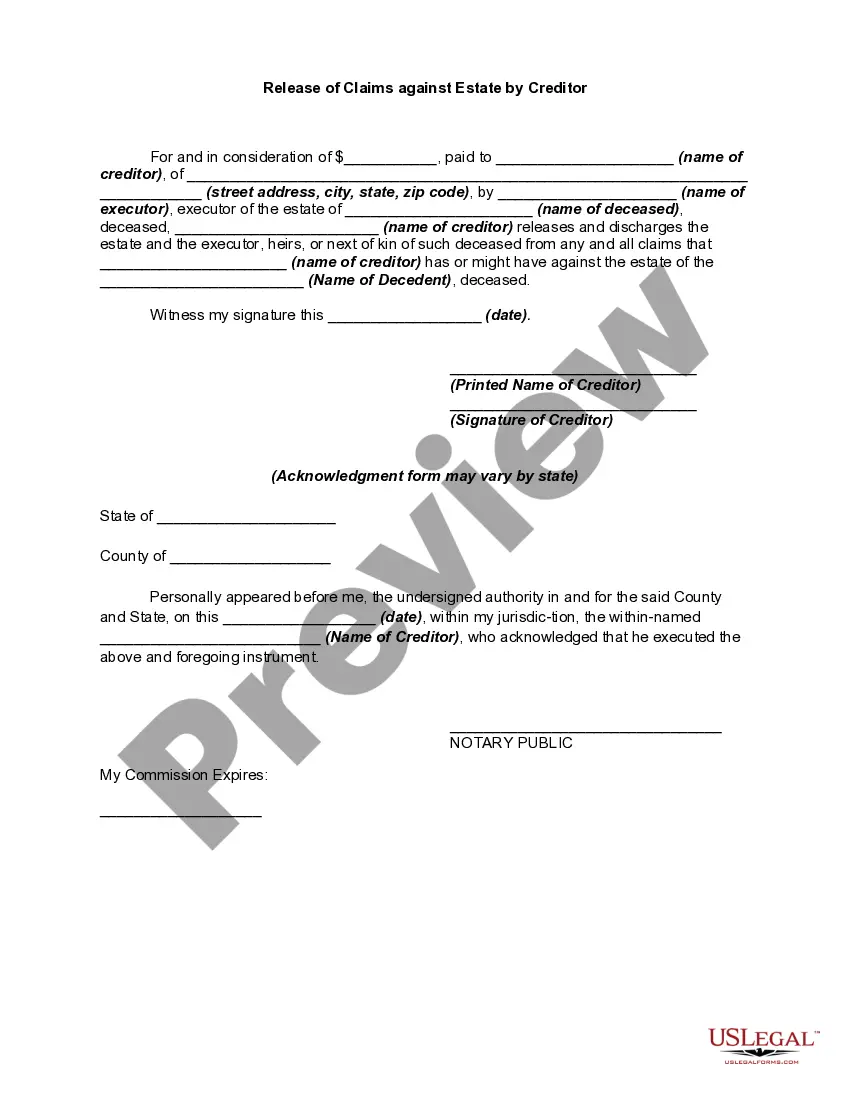
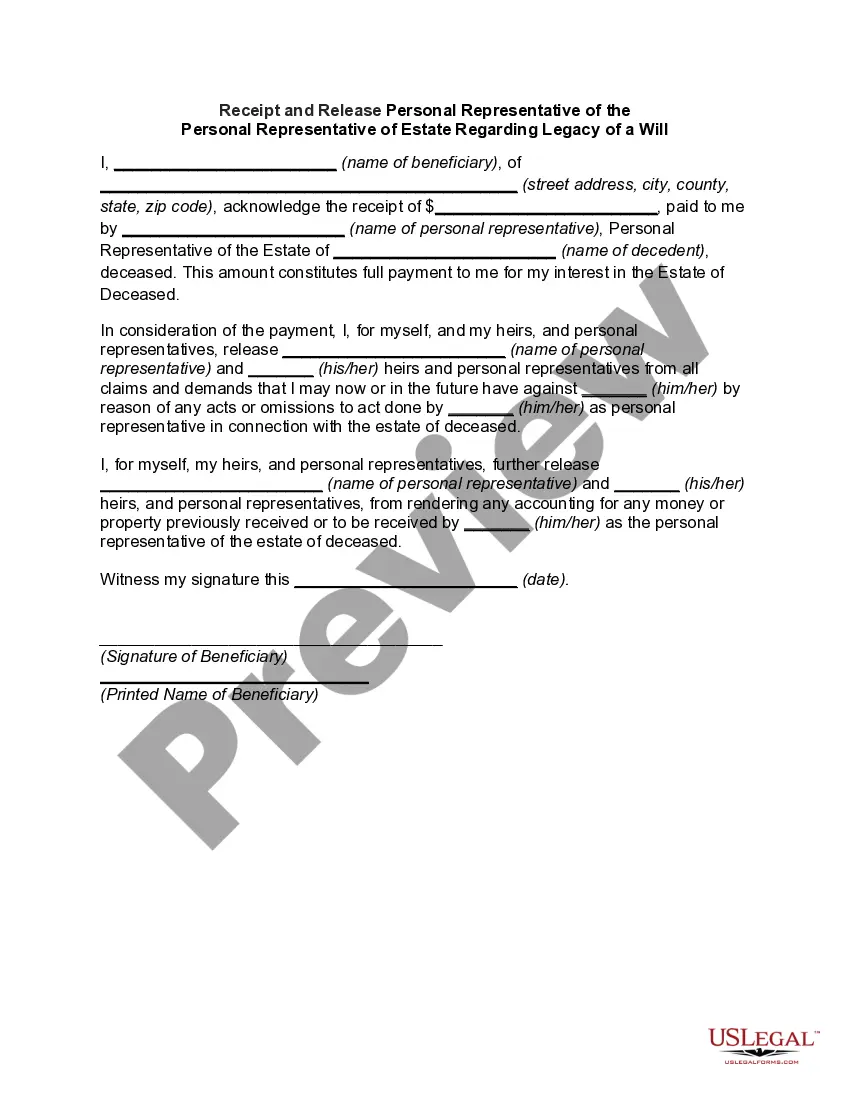
Review the template using the Preview function or through the text description to confirm it meets your needs.
- They are easy to navigate with all documents organized by state and intended use.
- Our experts keep up with legal changes, ensuring that your paperwork is always current and compliant when obtaining a New York State Beneficiary Laws For Inheritance from our site.
- Acquiring a New York State Beneficiary Laws For Inheritance is quick and straightforward for both existing and new users.
- If you already possess an account with an active subscription, Log In and save the document sample you need in your desired format.
- If you are new to our platform, follow the steps below.
Form popularity
FAQ
Yes, in New York State, wills must be filed with the court to initiate the probate process. This legal requirement ensures that the deceased's wishes are honored and that the estate is administered according to the law. Understanding the significance of this step is crucial, and resources like US Legal Forms can provide guidance on navigating the filing process under New York State beneficiary laws for inheritance.
In New York State, reporting inheritance primarily involves notifying the probate court if the deceased left a will. Beneficiaries should also consult with tax professionals to understand any reporting requirements related to federal taxes. Using platforms like US Legal Forms can simplify the process of reporting and managing inheritance under New York State beneficiary laws for inheritance.
New York State has specific inheritance rules that determine how assets are distributed when a person dies intestate, or without a will. Typically, these rules prioritize spouses and children, but may extend to other relatives depending on the situation. Familiarizing yourself with New York State beneficiary laws for inheritance ensures that you understand your rights and responsibilities.
While New York does not impose inheritance taxes, the federal estate tax applies if the estate value surpasses $12.92 million in 2023. Beneficiaries can inherit amounts above this threshold without state taxes, but they may need to consider federal estate tax implications. Consulting with a legal expert can clarify how New York State beneficiary laws for inheritance affect large estates.
In New York State, there is no inheritance tax, which means that beneficiaries can inherit any amount without incurring tax obligations. However, federal estate tax may apply if the total value of the estate exceeds a certain threshold. It’s important to be aware of both New York State beneficiary laws for inheritance and federal regulations when planning your estate.
In New York State, the order of inheritance follows a clear hierarchy established by law. If a person dies without a will, their estate typically goes to their spouse and children first. If there are no children, the estate may pass to parents, siblings, or other relatives. Understanding the New York State beneficiary laws for inheritance can help you navigate this process.
In New York, heirs must generally file a claim for their inheritance within a specified time frame, which is usually determined by the statute of limitations. Typically, this period can range from 6 months to 2 years, depending on the circumstances surrounding the estate. It’s crucial to be proactive and understand the timelines involved in New York state beneficiary laws for inheritance to ensure you do not miss your opportunity. For assistance in navigating these timelines, UsLegalForms provides valuable resources and templates.
Yes, under New York state beneficiary laws for inheritance, beneficiaries have specific rights regarding the inheritance they are entitled to receive. Beneficiaries can request information about the estate and its assets, and they have the right to receive their share once the estate has been settled. It’s important to understand that these rights can vary depending on the specifics of the estate plan and any existing wills. For detailed guidance on your rights and responsibilities, consider utilizing resources from UsLegalForms.
In New York, certain legal documents can override a beneficiary designation. For instance, a will may clearly state how assets should be distributed, which can contradict previous beneficiary designations. Additionally, divorce can affect beneficiary status, as a former spouse may no longer be entitled to inherit under New York state beneficiary laws for inheritance. It is crucial to regularly review and update your legal documents to ensure they reflect your current wishes.
Filling out beneficiary paperwork involves several clear steps to comply with New York state beneficiary laws for inheritance. First, gather the necessary information, including the decedent’s details and the assets involved. Next, accurately complete each section of the paperwork, ensuring that all required signatures and dates are included. If you find this process overwhelming, US Legal Forms provides user-friendly resources to guide you through the entire process efficiently.