Name Beneficiary Executor Without Them Knowing
Description


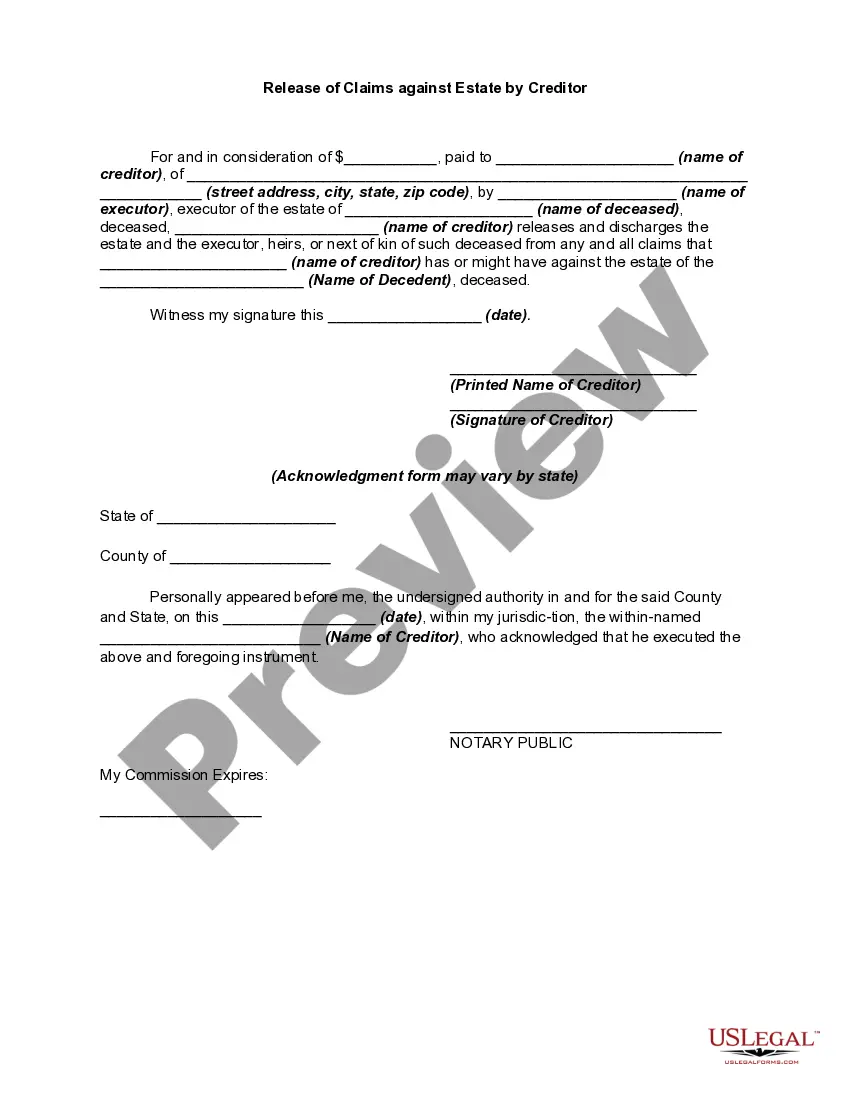
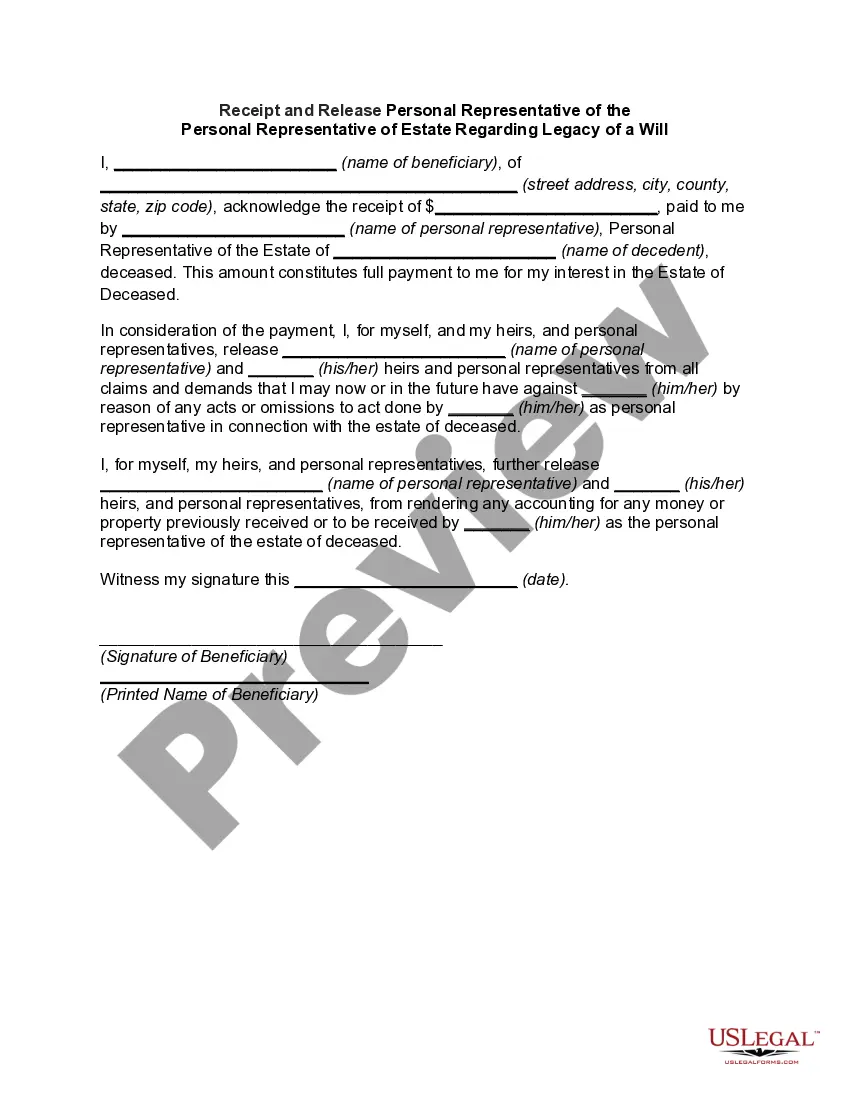
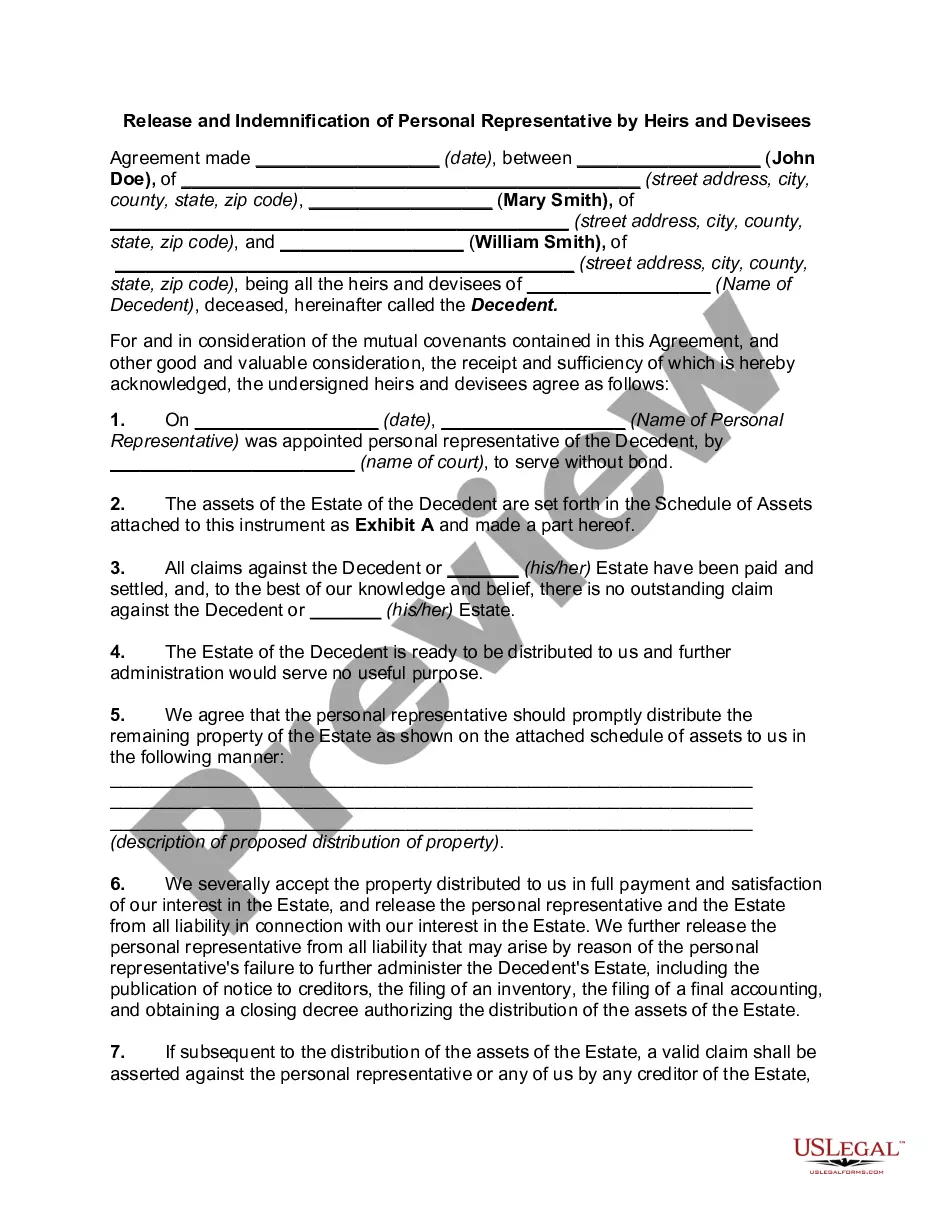
Get your form ready online
Our built-in tools help you complete, sign, share, and store your documents in one place.
Make edits, fill in missing information, and update formatting in US Legal Forms—just like you would in MS Word.
Download a copy, print it, send it by email, or mail it via USPS—whatever works best for your next step.
Sign and collect signatures with our SignNow integration. Send to multiple recipients, set reminders, and more. Go Premium to unlock E-Sign.
If this form requires notarization, complete it online through a secure video call—no need to meet a notary in person or wait for an appointment.
We protect your documents and personal data by following strict security and privacy standards.

Make edits, fill in missing information, and update formatting in US Legal Forms—just like you would in MS Word.

Download a copy, print it, send it by email, or mail it via USPS—whatever works best for your next step.

Sign and collect signatures with our SignNow integration. Send to multiple recipients, set reminders, and more. Go Premium to unlock E-Sign.

If this form requires notarization, complete it online through a secure video call—no need to meet a notary in person or wait for an appointment.

We protect your documents and personal data by following strict security and privacy standards.
Looking for another form?









How to fill out Release And Exoneration Of Executor On Distribution To Beneficiary Of Will And Waiver Of Citation Of Final Settlement?
Utilizing legal templates that adhere to federal and local regulations is crucial, and the web provides numerous selections to pick from.
However, what is the purpose of spending time searching for the appropriate Name Beneficiary Executor Without Them Knowing example online when the US Legal Forms digital library already compiles such templates in one location.
US Legal Forms is the largest online legal directory featuring over 85,000 editable templates created by attorneys for various business and personal situations. They are easy to navigate, with all documents categorized by state and intended use.
Search for another sample using the search feature at the top of the page if necessary. Click Buy Now once you have located the appropriate form and choose a subscription option. Create an account or Log In and complete the payment using PayPal or a credit card. Choose the optimal format for your Name Beneficiary Executor Without Them Knowing and download it. All templates available through US Legal Forms are reusable. To re-download and complete previously acquired forms, access the My documents section in your account. Make the most of the most comprehensive and user-friendly legal document service!
- Our experts keep up with legal updates, ensuring your documents are always current and compliant when obtaining a Name Beneficiary Executor Without Them Knowing from our platform.
- Acquiring a Name Beneficiary Executor Without Them Knowing is quick and straightforward for both existing and new users.
- If you already possess an account with an active subscription, Log In and save the document template you require in the appropriate format.
- If you are unfamiliar with our website, follow these steps.
- Review the template using the Preview feature or via the text description to confirm it meets your requirements.
Form popularity
FAQ
Yes, the executor and beneficiary can be named as the same person in the Will. It's perfectly normal and legal. It's actually a common approach because the executor should be someone you know and trust and it's common sense that your beneficiaries fall into that column.
As a practical matter, it's wise to name an executor who lives close to you. It will be more difficult for the executor to handle day-to-day matters from a distance. But if the best person for the job lives far away, there's no law against naming that person in your will.
Does a will supersede a life insurance beneficiary? A will won't supersede the beneficiaries listed on a life insurance policy. In most cases, the beneficiary listed on the life insurance policy has the right to claim the payout regardless of the instructions in the will.
A beneficiary can override an executor if the executor fails to follow the terms of the Will. Beneficiaries can override an executor if the executor breaches their fiduciary duty. A beneficiary who simply disagrees with an executor or does not like the executor's decisions cannot override the executor.
If the deceased individual had a will, then typically, the will names someone to be the executor. However, Safi pointed out, if someone passes away without a will, then one of their close family members can apply to the court to become the executor of the estate before legally administering it.