Name Beneficiary Executor With Trust
Description


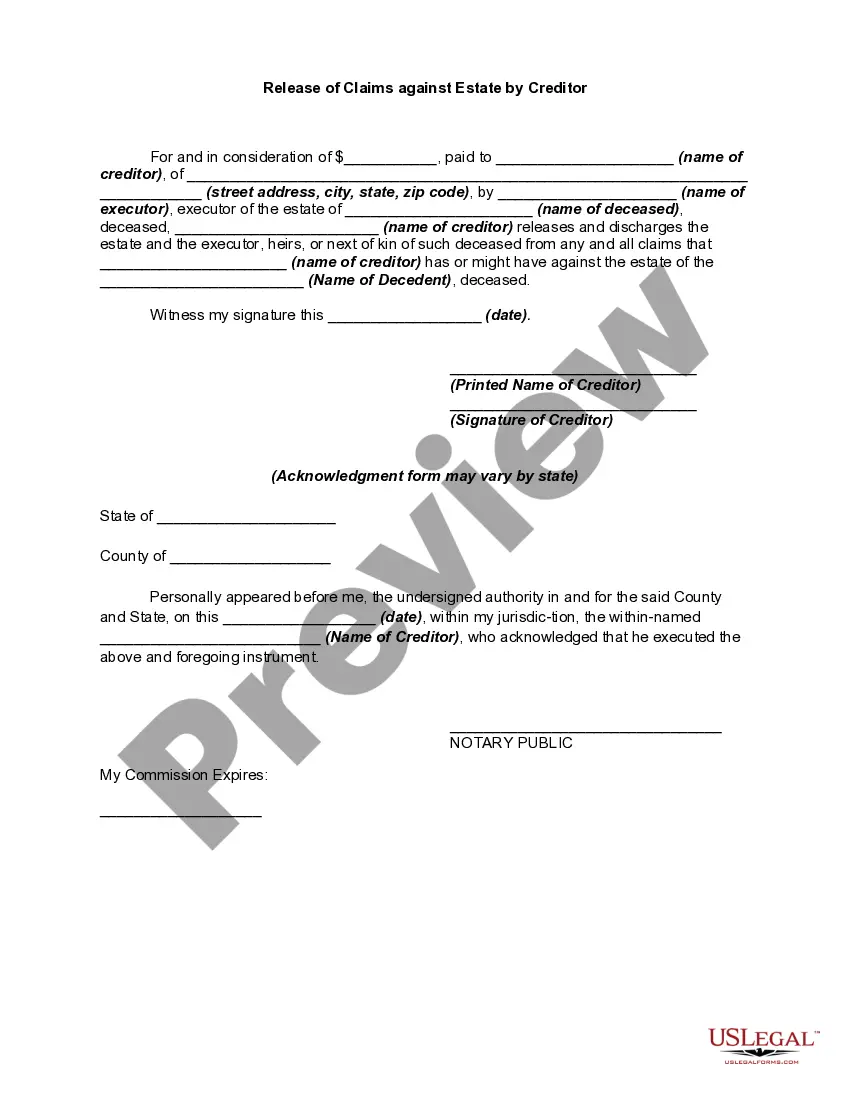
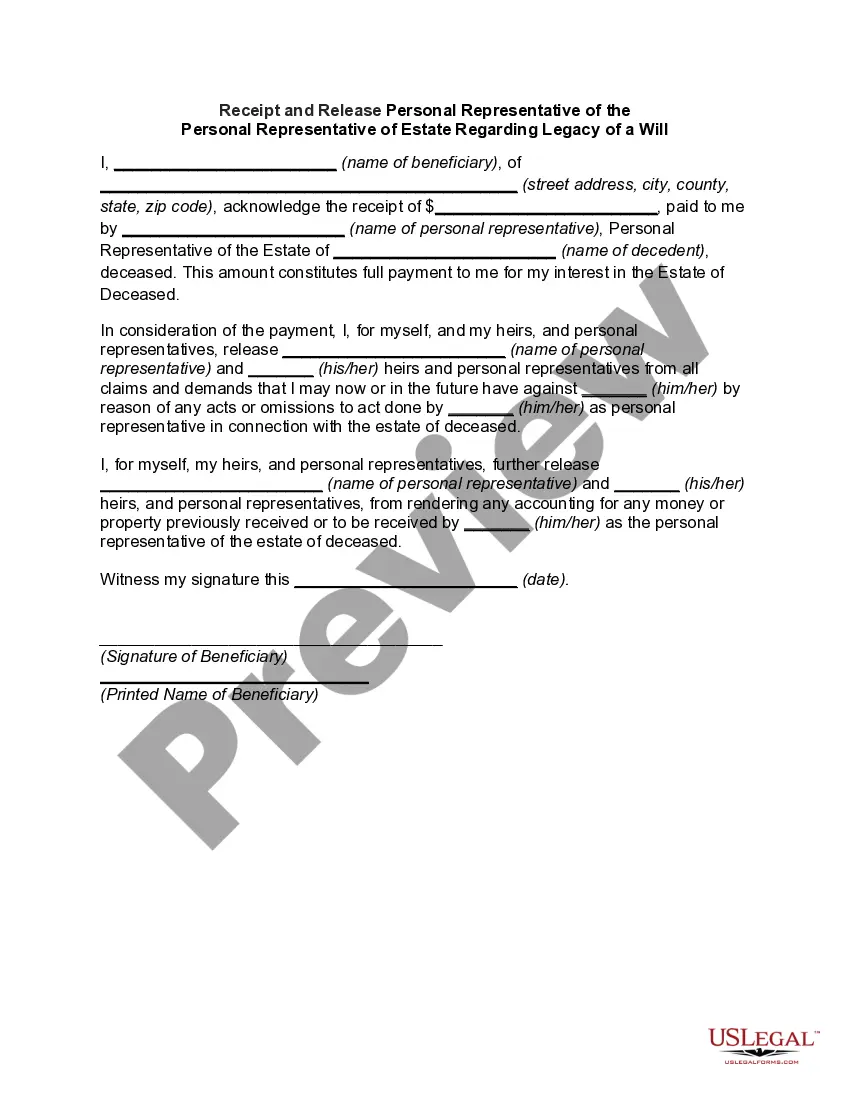
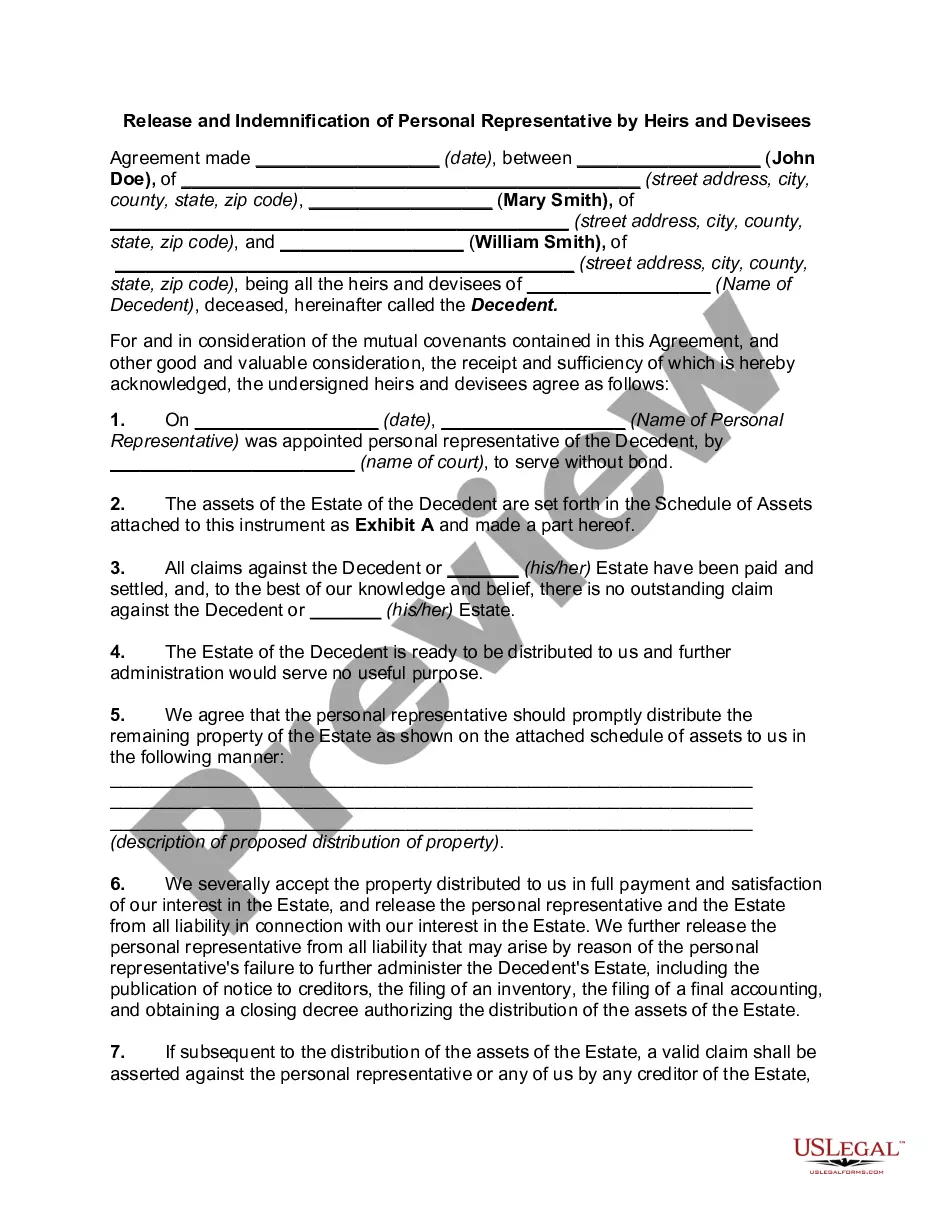
Get your form ready online
Our built-in tools help you complete, sign, share, and store your documents in one place.
Make edits, fill in missing information, and update formatting in US Legal Forms—just like you would in MS Word.
Download a copy, print it, send it by email, or mail it via USPS—whatever works best for your next step.
Sign and collect signatures with our SignNow integration. Send to multiple recipients, set reminders, and more. Go Premium to unlock E-Sign.
If this form requires notarization, complete it online through a secure video call—no need to meet a notary in person or wait for an appointment.
We protect your documents and personal data by following strict security and privacy standards.

Make edits, fill in missing information, and update formatting in US Legal Forms—just like you would in MS Word.

Download a copy, print it, send it by email, or mail it via USPS—whatever works best for your next step.

Sign and collect signatures with our SignNow integration. Send to multiple recipients, set reminders, and more. Go Premium to unlock E-Sign.

If this form requires notarization, complete it online through a secure video call—no need to meet a notary in person or wait for an appointment.

We protect your documents and personal data by following strict security and privacy standards.
Looking for another form?





How to fill out Release And Exoneration Of Executor On Distribution To Beneficiary Of Will And Waiver Of Citation Of Final Settlement?
The Title Beneficiary Executor With Trust you see on this page is a reusable legal document created by expert attorneys in accordance with federal and local statutes and regulations. For over 25 years, US Legal Forms has supplied individuals, companies, and legal professionals with more than 85,000 validated, state-specific documents for any business and personal situation. It’s the quickest, easiest, and most dependable method to acquire the papers you require, as the service ensures the highest standard of data security and anti-malware safeguards.
Acquiring this Title Beneficiary Executor With Trust will involve just a few straightforward steps.
Pick the format you desire for your Title Beneficiary Executor With Trust (PDF, Word, RTF) and download the template onto your device. Complete and sign the documents. Print the template to fill it out manually. Alternatively, utilize an online multifunctional PDF editor to quickly and accurately complete and sign your form with a valid signature. Download your documents again. Use the same document as needed. Access the My documents tab in your profile to redownload any previously downloaded forms. Subscribe to US Legal Forms to have verified legal templates for all of life’s situations at your fingertips.
- Search for the document you require and examine it.
- Browse the file you looked for and preview it or review the form description to confirm it meets your requirements. If it doesn’t, use the search feature to discover the appropriate one. Click Buy Now when you have located the template you need.
- Register and Log In.
- Select the pricing plan that fits you and create an account. Use PayPal or a credit card to make a fast payment. If you already possess an account, Log In and check your subscription to continue.
- Acquire the fillable document.
Form popularity
FAQ
Provide the following information on the beneficiary designation: The full name of the trust as it shows on the trust document. The date the trust was created. The name of the trustee, followed by the word ?trustee?, or if you cannot provide a trustee, ETF may accept another contact person. The trustee's address.
Name a Trust Provide the following information on the beneficiary designation: The full name of the trust as it shows on the trust document. The date the trust was created. The name of the trustee, followed by the word ?trustee,? or if you cannot provide a trustee, ETF may accept another contact person.
Write only one beneficiary on each line. Make sure that you write the full names of all beneficiaries. For example, if you name you children as beneficiaries, DO NOT merely write ?children? on one of the lines; instead write the full names of each of your children on separate lines.
Yes, the executor and beneficiary can be named as the same person in the Will. It's perfectly normal and legal. It's actually a common approach because the executor should be someone you know and trust and it's common sense that your beneficiaries fall into that column.
Certain assets like IRAs and financial accounts cannot be left to minors. In these cases, naming the trust as the beneficiary allows you to ensure the financial assets will be held and then distributed to your minor children ing to your wishes.