Executor Release Form Canada
Description

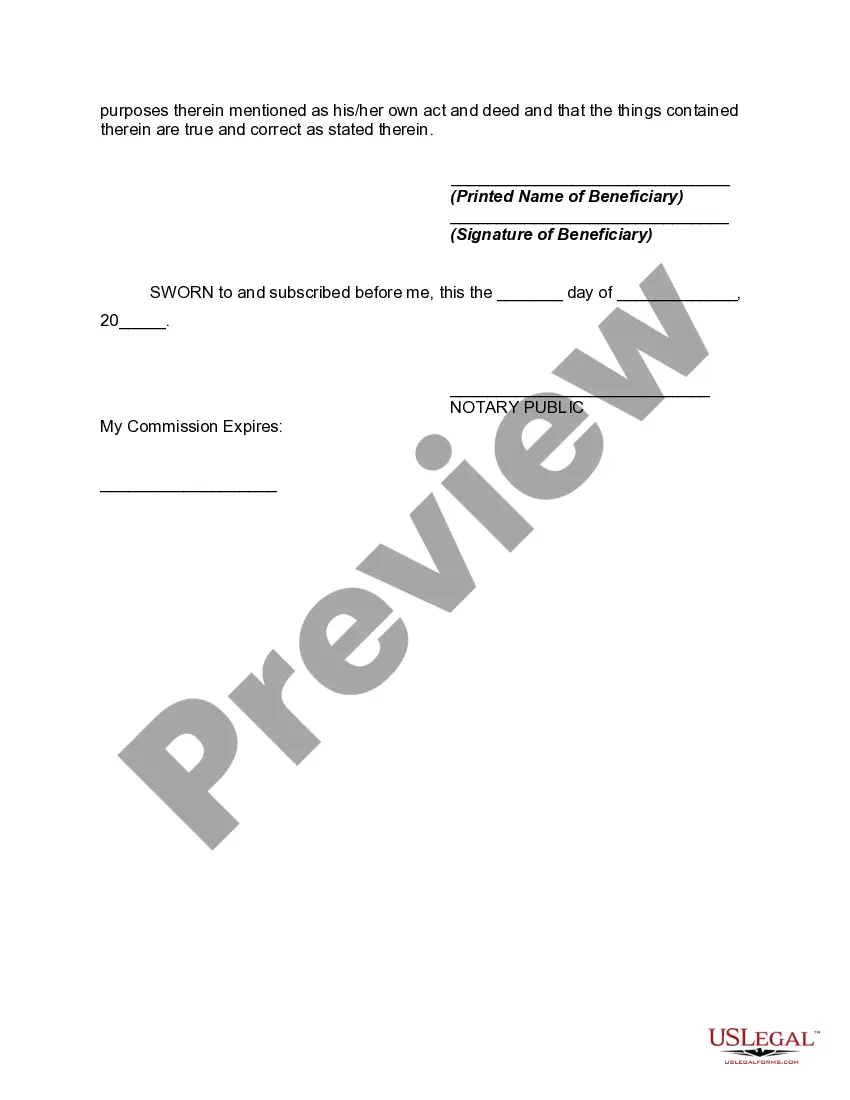

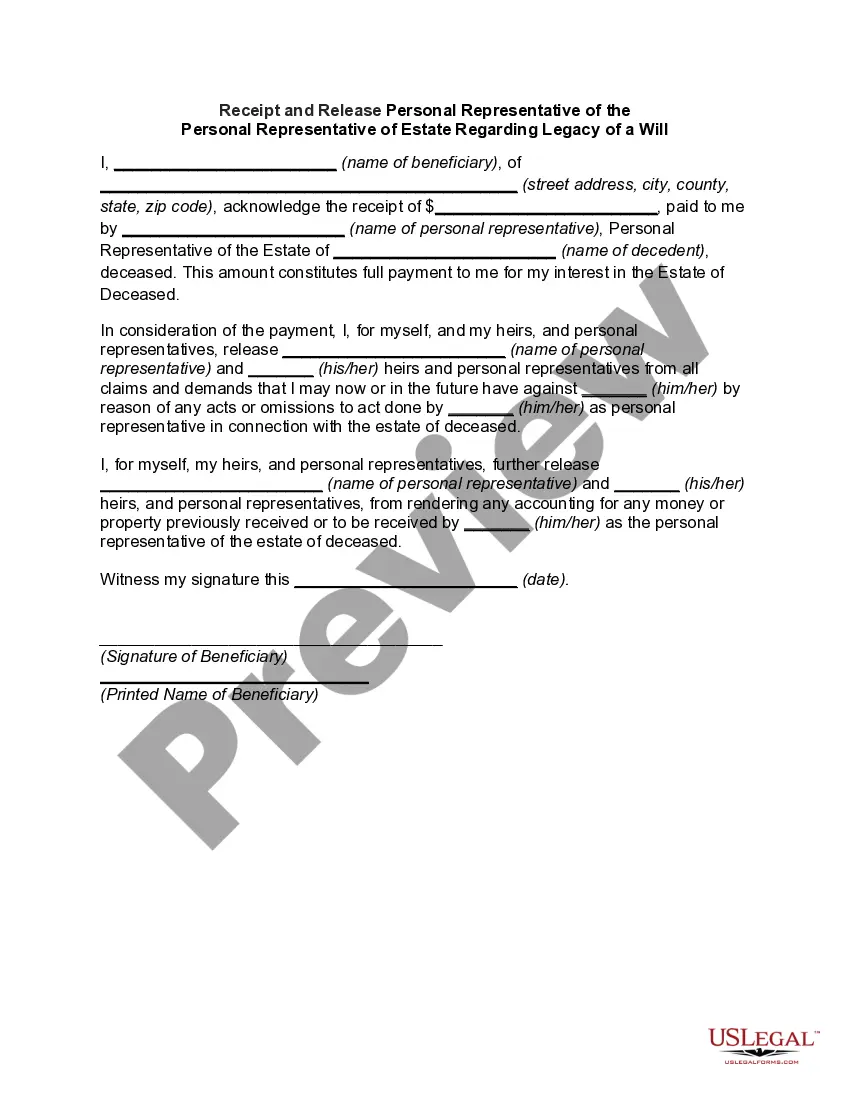
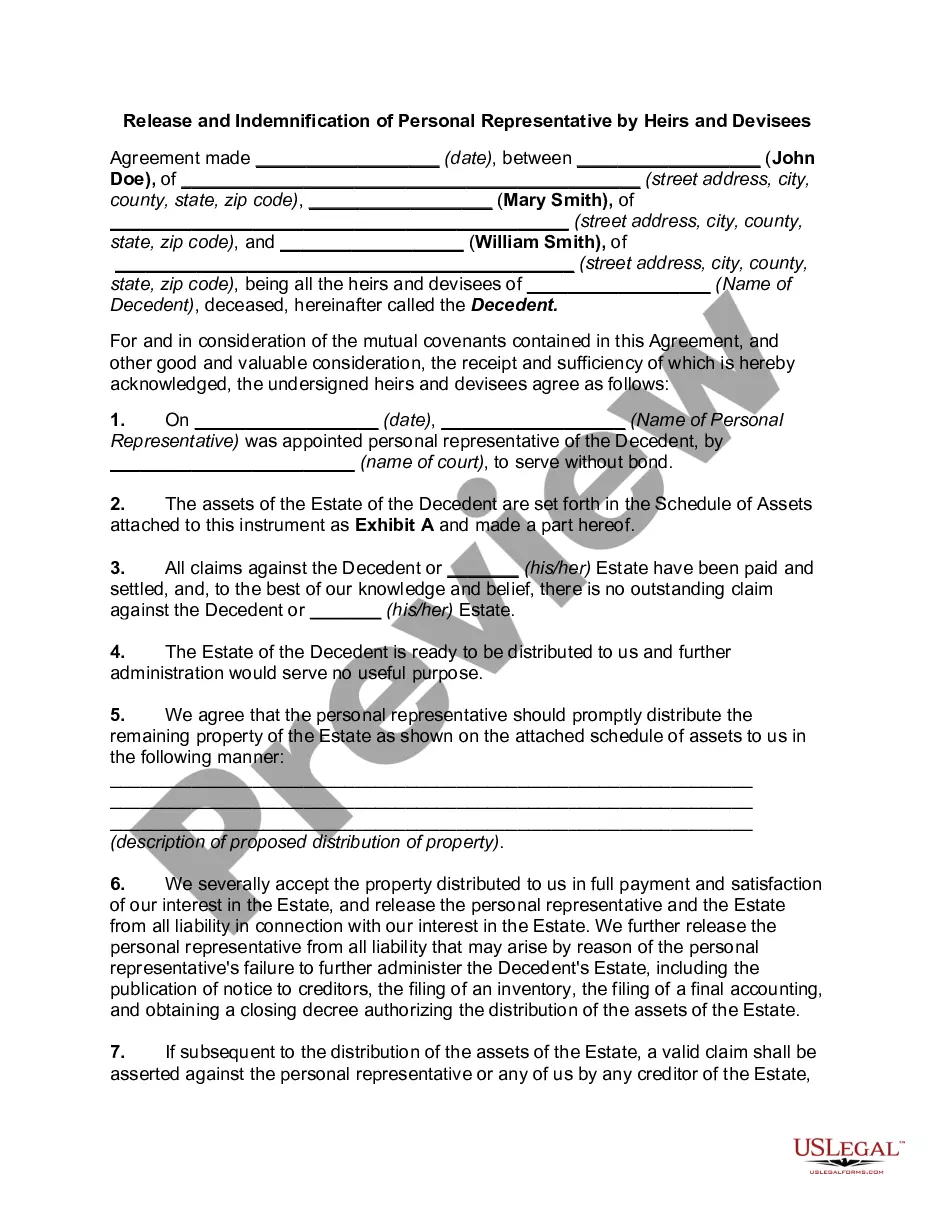
Get your form ready online
Our built-in tools help you complete, sign, share, and store your documents in one place.
Make edits, fill in missing information, and update formatting in US Legal Forms—just like you would in MS Word.
Download a copy, print it, send it by email, or mail it via USPS—whatever works best for your next step.
Sign and collect signatures with our SignNow integration. Send to multiple recipients, set reminders, and more. Go Premium to unlock E-Sign.
If this form requires notarization, complete it online through a secure video call—no need to meet a notary in person or wait for an appointment.
We protect your documents and personal data by following strict security and privacy standards.

Make edits, fill in missing information, and update formatting in US Legal Forms—just like you would in MS Word.

Download a copy, print it, send it by email, or mail it via USPS—whatever works best for your next step.

Sign and collect signatures with our SignNow integration. Send to multiple recipients, set reminders, and more. Go Premium to unlock E-Sign.

If this form requires notarization, complete it online through a secure video call—no need to meet a notary in person or wait for an appointment.

We protect your documents and personal data by following strict security and privacy standards.
Looking for another form?
How to fill out Release And Exoneration Of Executor On Distribution To Beneficiary Of Will And Waiver Of Citation Of Final Settlement?
It’s obvious that you can’t become a law expert overnight, nor can you grasp how to quickly draft Executor Release Form Canada without having a specialized set of skills. Creating legal forms is a long venture requiring a specific education and skills. So why not leave the preparation of the Executor Release Form Canada to the specialists?
With US Legal Forms, one of the most comprehensive legal template libraries, you can find anything from court documents to templates for in-office communication. We understand how crucial compliance and adherence to federal and local laws and regulations are. That’s why, on our platform, all templates are location specific and up to date.
Here’s start off with our website and obtain the form you need in mere minutes:
- Find the document you need by using the search bar at the top of the page.
- Preview it (if this option provided) and check the supporting description to figure out whether Executor Release Form Canada is what you’re looking for.
- Start your search over if you need any other form.
- Set up a free account and choose a subscription plan to buy the template.
- Choose Buy now. Once the transaction is complete, you can download the Executor Release Form Canada, complete it, print it, and send or send it by post to the necessary individuals or entities.
You can re-gain access to your forms from the My Forms tab at any time. If you’re an existing client, you can simply log in, and locate and download the template from the same tab.
Regardless of the purpose of your forms-be it financial and legal, or personal-our website has you covered. Try US Legal Forms now!
Form popularity
FAQ
The length can vary from six months if the distribution is simple, to three years to settle complex matters. If the executor can demonstrate that they are taking action to keep the process moving forward, they can generally be allowed by the courts to proceed.
Interestingly, directions contained in a Will as to the wishes of the deceased are not legally binding on an executor, although they are generally followed.
There is a duty at common law and under the Trustee Act for estate trustees, executors, administrators, and guardians to keep complete and accurate accounts of the assets under their administration. A beneficiary is entitled, on notice, to inspect the accounts and any of the supporting documentation.
Executors have a duty to account to the beneficiaries. This means, 'provide an accounting of all of the assets of the estate, all income (and losses of the estate), all expenses of the estate, and all distributions of the estate. This duty is supervised by the Courts via the process of 'passing of accounts'.
The Court has the power to remove an executor if it is satisfied that there are reasonable grounds for doing so. When deciding whether to remove and replace an executor, the Court's primary consideration will always be the welfare of the beneficiaries.