Executor Of Estate With No Assets
Description
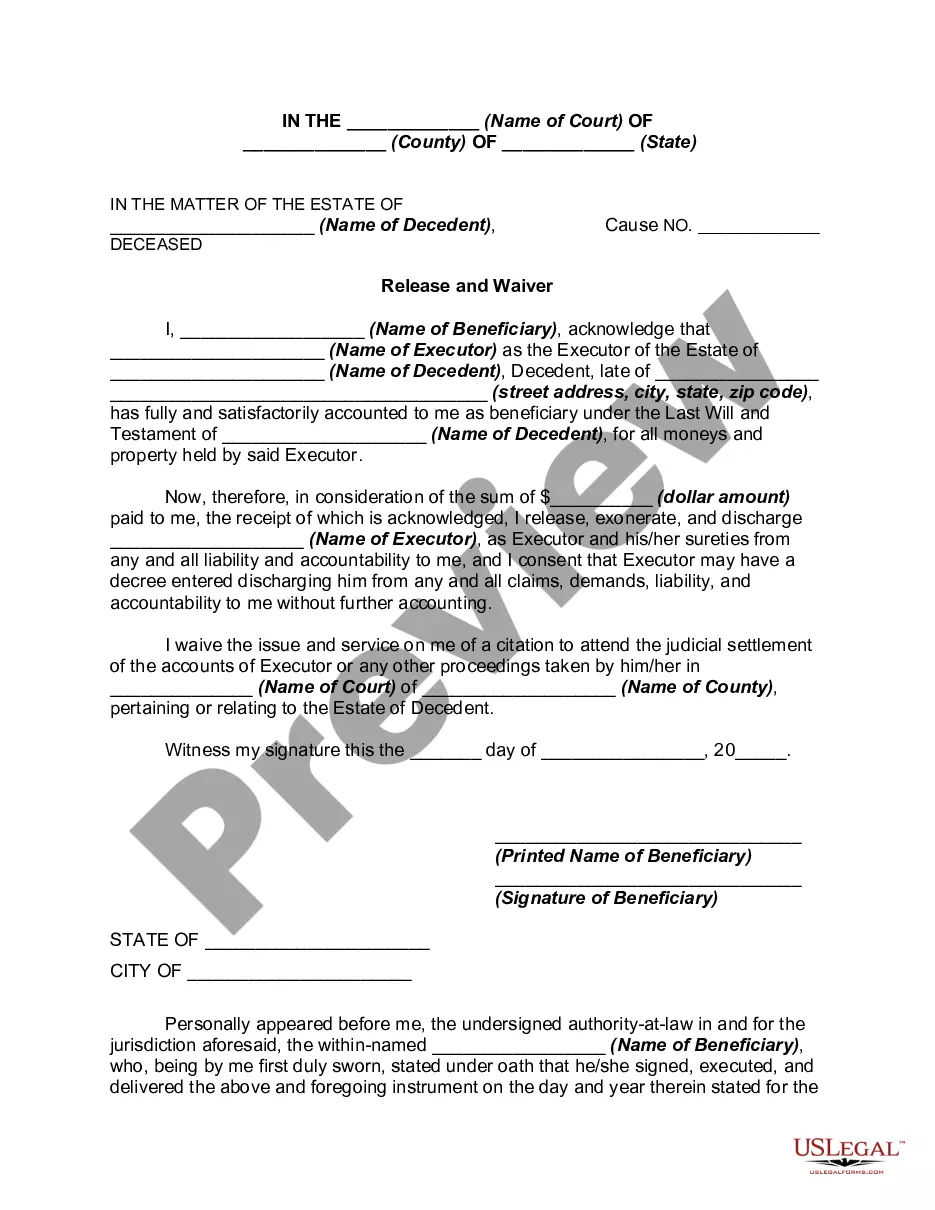
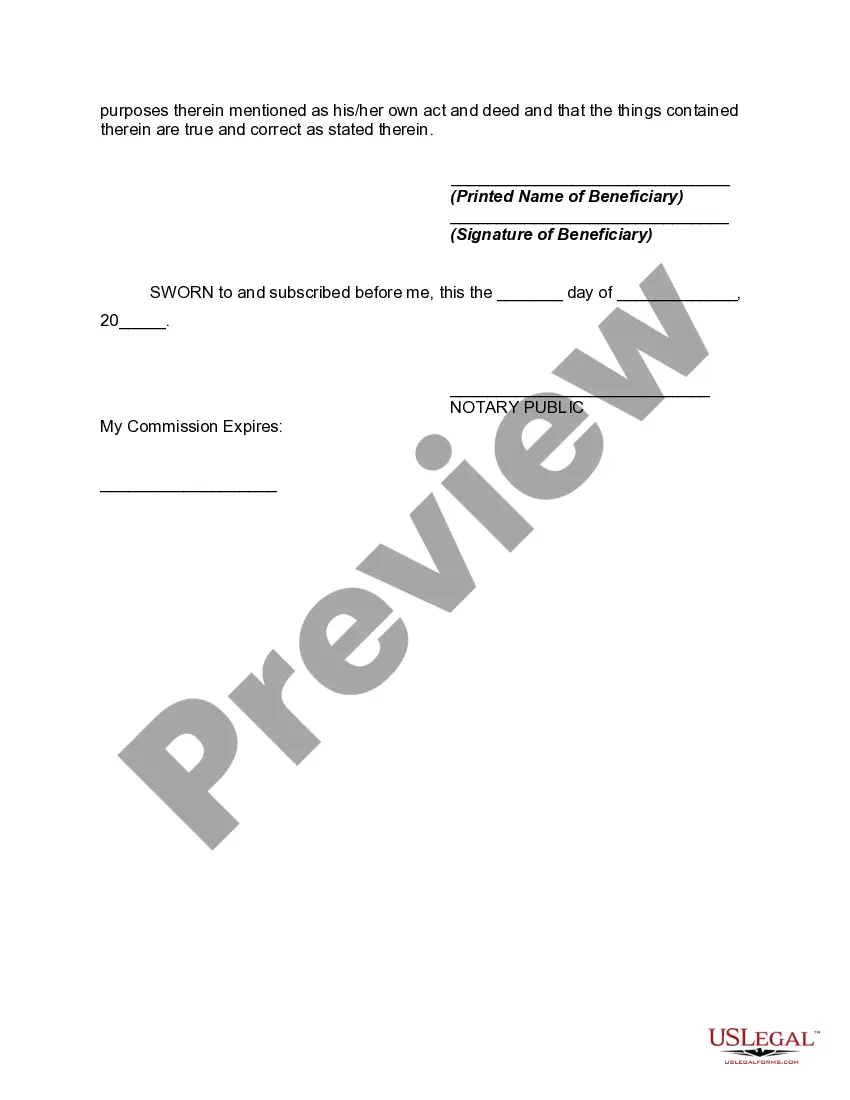
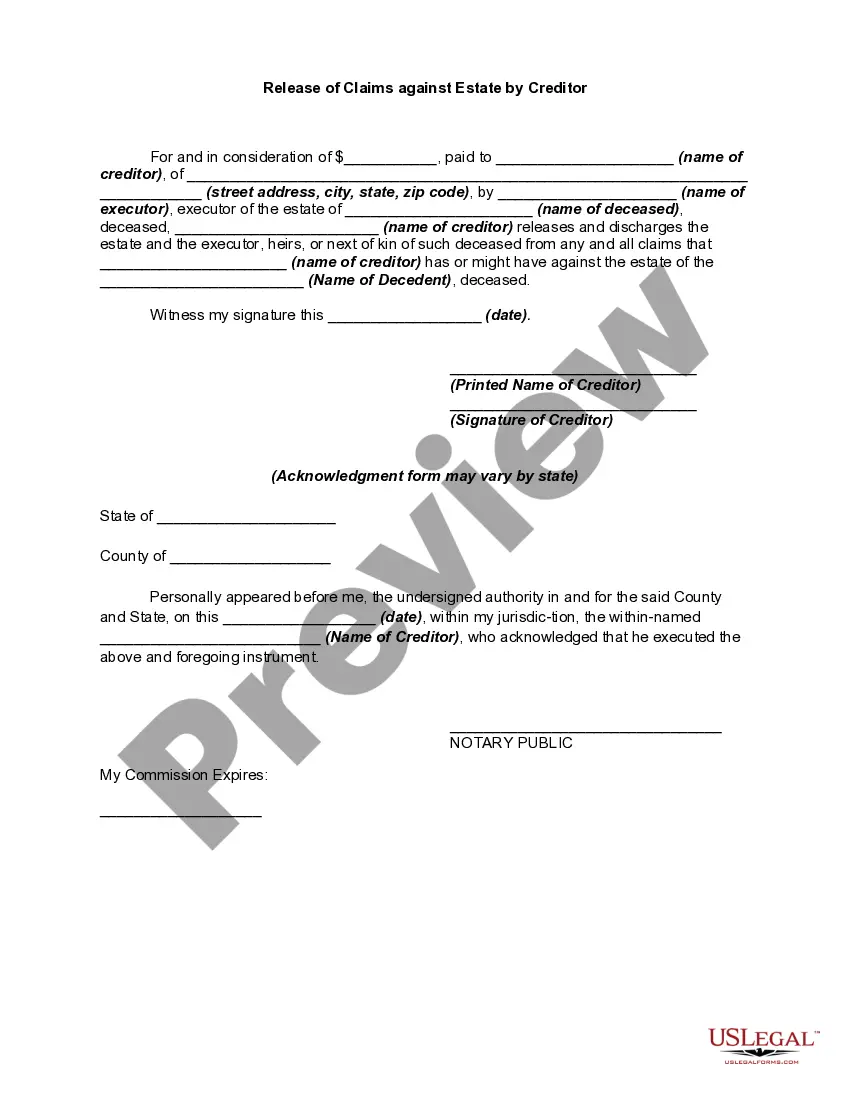
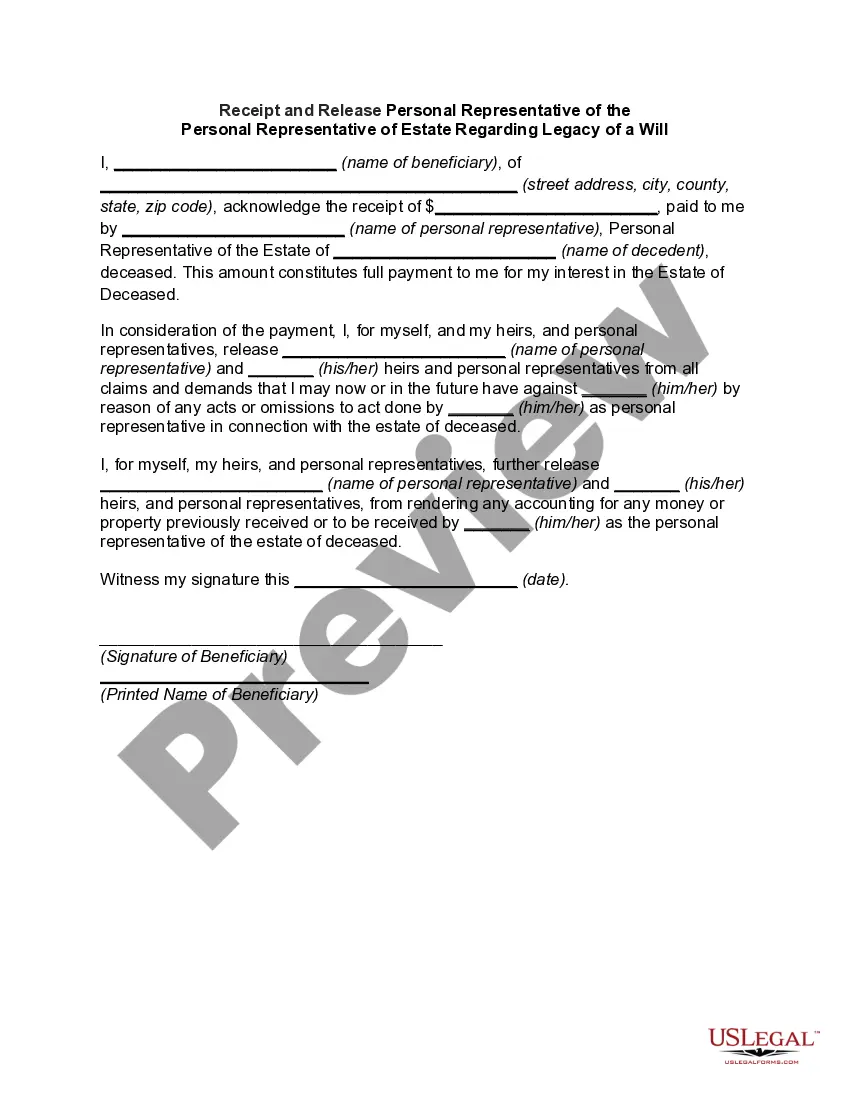
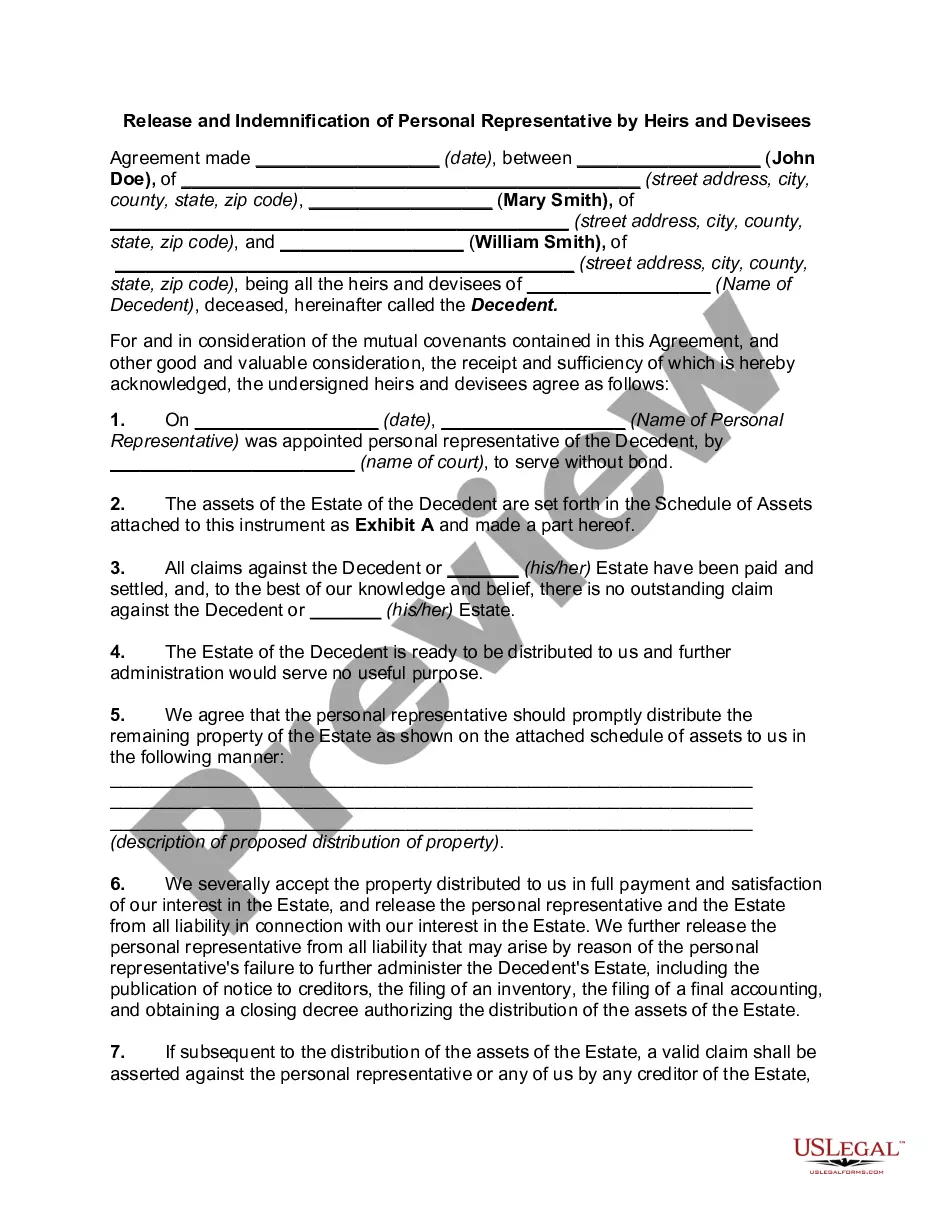
Get your form ready online
Our built-in tools help you complete, sign, share, and store your documents in one place.
Make edits, fill in missing information, and update formatting in US Legal Forms—just like you would in MS Word.
Download a copy, print it, send it by email, or mail it via USPS—whatever works best for your next step.
Sign and collect signatures with our SignNow integration. Send to multiple recipients, set reminders, and more. Go Premium to unlock E-Sign.
If this form requires notarization, complete it online through a secure video call—no need to meet a notary in person or wait for an appointment.
We protect your documents and personal data by following strict security and privacy standards.

Make edits, fill in missing information, and update formatting in US Legal Forms—just like you would in MS Word.

Download a copy, print it, send it by email, or mail it via USPS—whatever works best for your next step.

Sign and collect signatures with our SignNow integration. Send to multiple recipients, set reminders, and more. Go Premium to unlock E-Sign.

If this form requires notarization, complete it online through a secure video call—no need to meet a notary in person or wait for an appointment.

We protect your documents and personal data by following strict security and privacy standards.
Looking for another form?

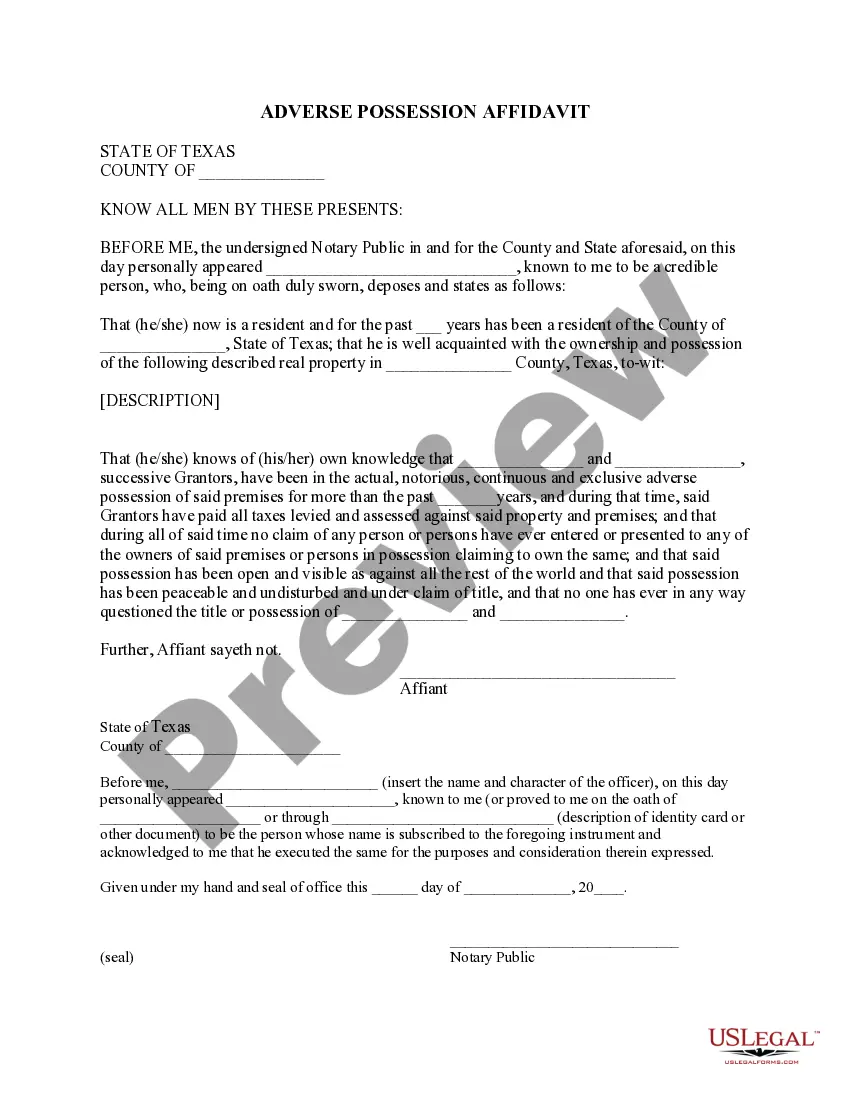








How to fill out Release And Exoneration Of Executor On Distribution To Beneficiary Of Will And Waiver Of Citation Of Final Settlement?
- Log in to your US Legal Forms account if you're a returning user. Ensure that your subscription is active to access the required templates.
- Preview the available forms and read descriptions to confirm they've been tailored to suit your jurisdiction and specific needs.
- If you need a different document, utilize the Search feature to find the precise form that meets your requirements.
- Select the desired form by clicking on the Buy Now button and choose your subscription plan. You will need to create an account for full access.
- Complete your purchase by entering your payment details through credit card or your PayPal account.
- Download the completed form to your device and access it later in your My Forms section of your profile.
In conclusion, utilizing US Legal Forms empowers you to effectively manage the executor duties for an estate with no assets. With an extensive collection of templates and expert assistance, you can ensure your documents are accurate and legally sound.
Start your journey today by signing up with US Legal Forms and streamline your legal documentation process!
Form popularity
FAQ
The 3-year rule for a deceased estate refers to a timeframe within which claims against the estate must be made or debts settled. If estate property is distributed before this period ends, the executor of the estate with no assets may face challenges from creditors or claimants who come forward later. It is essential to understand this rule to protect yourself and the estate properly. Consulting uslegalforms can offer you templates and resources to manage these timelines effectively.
To claim the estate of a deceased individual, the appointed executor of the estate with no assets must initiate the probate process through the court. This involves filing necessary documents and effectively notifying beneficiaries and creditors. If the estate holds no significant value, this process may be more straightforward, yet it still requires attention to detail. Uslegalforms can provide templates and guides to simplify this process for you.
If someone passes away with no assets, the executor of the estate with no assets may need to file for probate, even if there are no belongings to divide. This process ensures that any debts are settled and that the estate is officially closed. Additionally, this might be an opportunity to communicate with potential heirs about the lack of assets, helping to avoid confusion. Legal resources, such as uslegalforms, can support you in navigating these steps smoothly.
When there is no will, the executor of the estate with no assets follows state law to determine asset distribution. Typically, this process relies on intestacy laws that dictate who inherits from the deceased. As an executor, you may have limited authority to make decisions, but you will need to work within these outlined laws to facilitate the distribution fairly. Engaging a legal professional can assist in understanding these laws better.
While it is not strictly required to have a lawyer to become an executor, having legal guidance can simplify the estate administration process. A lawyer can help navigate the complexities, especially if you are dealing with an executor of an estate with no assets. Legal support is beneficial to ensure compliance with all laws and regulations.
An executor has the duty to distribute the estate's assets according to the will if one exists. In the case of no will, they must follow state guidelines on inheritance. This process ensures that every beneficiary receives what they are entitled to while minimizing disputes.
An executor cannot unilaterally decide who gets what in the absence of a will. Instead, they must follow state laws regarding the distribution of assets, which usually designate heirs based on familial relationships. The role of the executor in an estate with no assets remains primarily administrative.
If there is no will, the estate is subject to intestate succession laws. Typically, this means that spouses, children, or close relatives would inherit the assets. These laws vary by state, so it is important to understand how they apply to the executor of an estate with no assets.
To claim the role of an executor, you must be named in a will or appointed by the court if the deceased did not leave a will. Begin by submitting a petition for probate along with necessary documents to your local court. This process may differ depending on whether you are dealing with an executor of an estate with no assets.
If an estate has no assets, it may not require extensive probate proceedings. The executor of an estate with no assets typically needs to file a petition to close the estate, which can simplify the process. In many cases, the executor may also use a simplified procedure, allowing for a faster resolution.