Executor Beneficiary Mentioned With Trust
Description


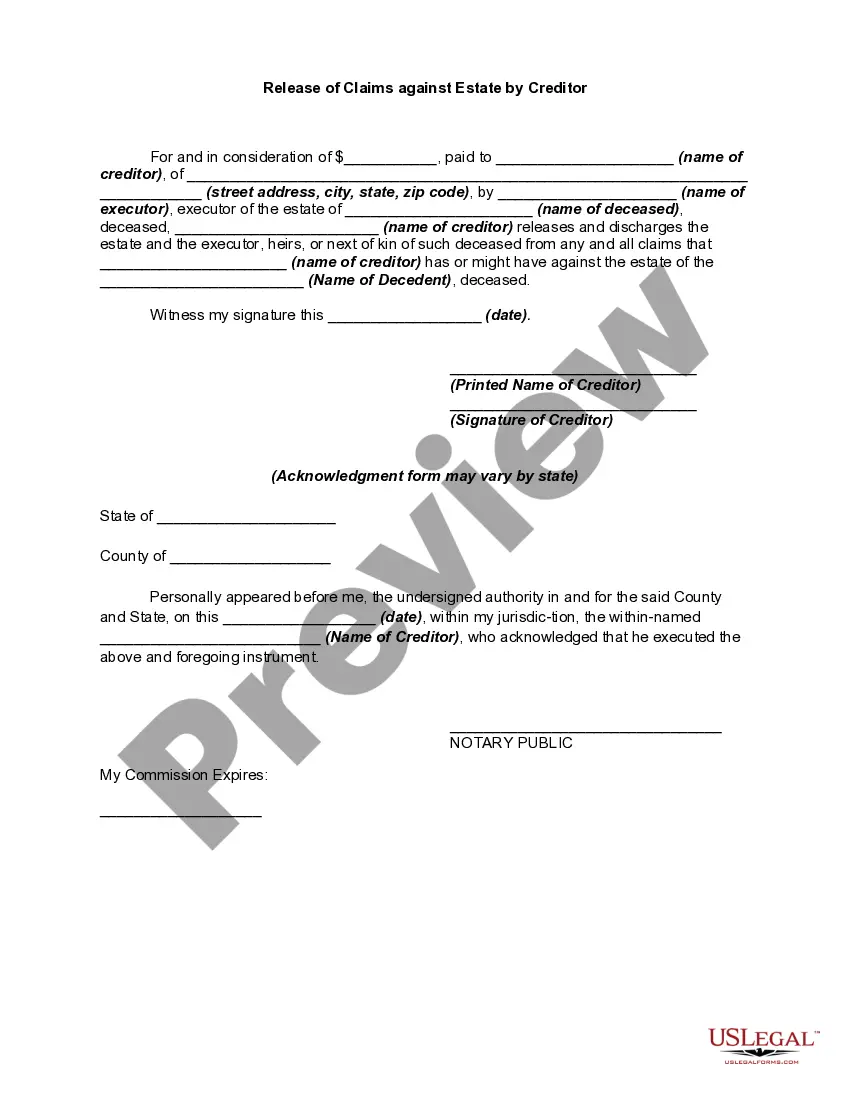
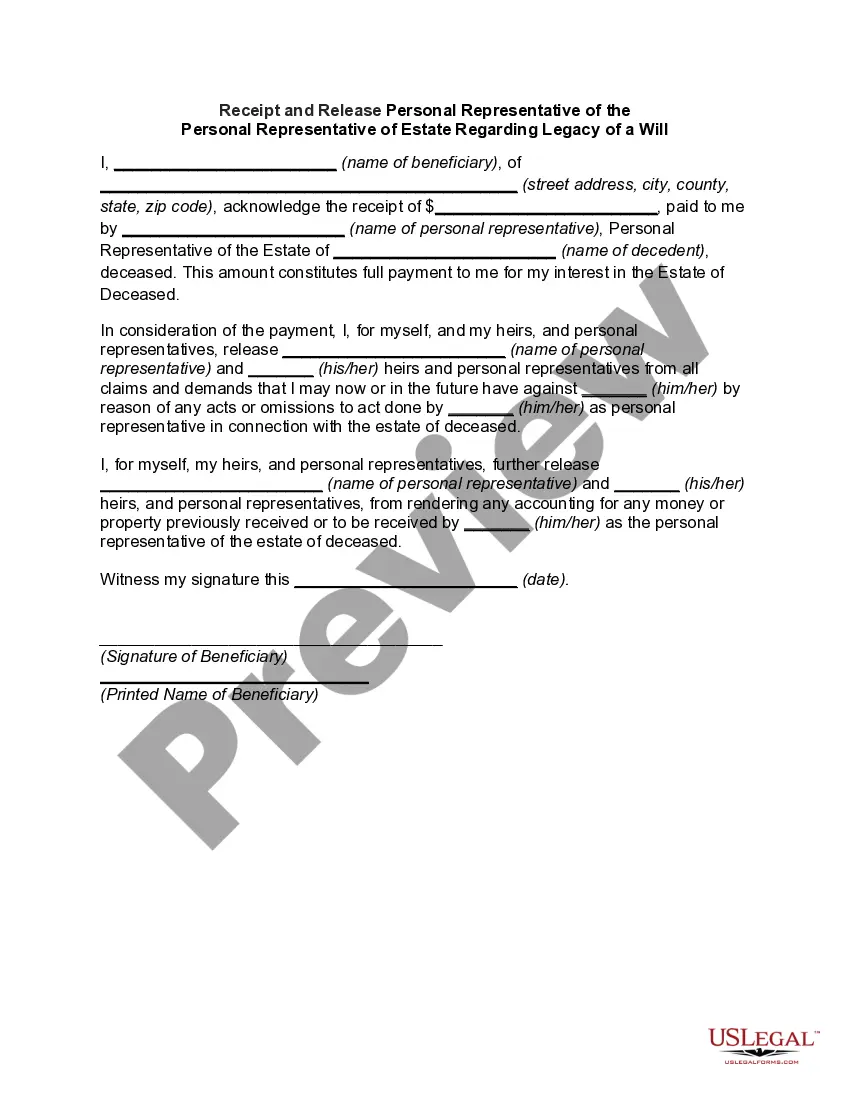
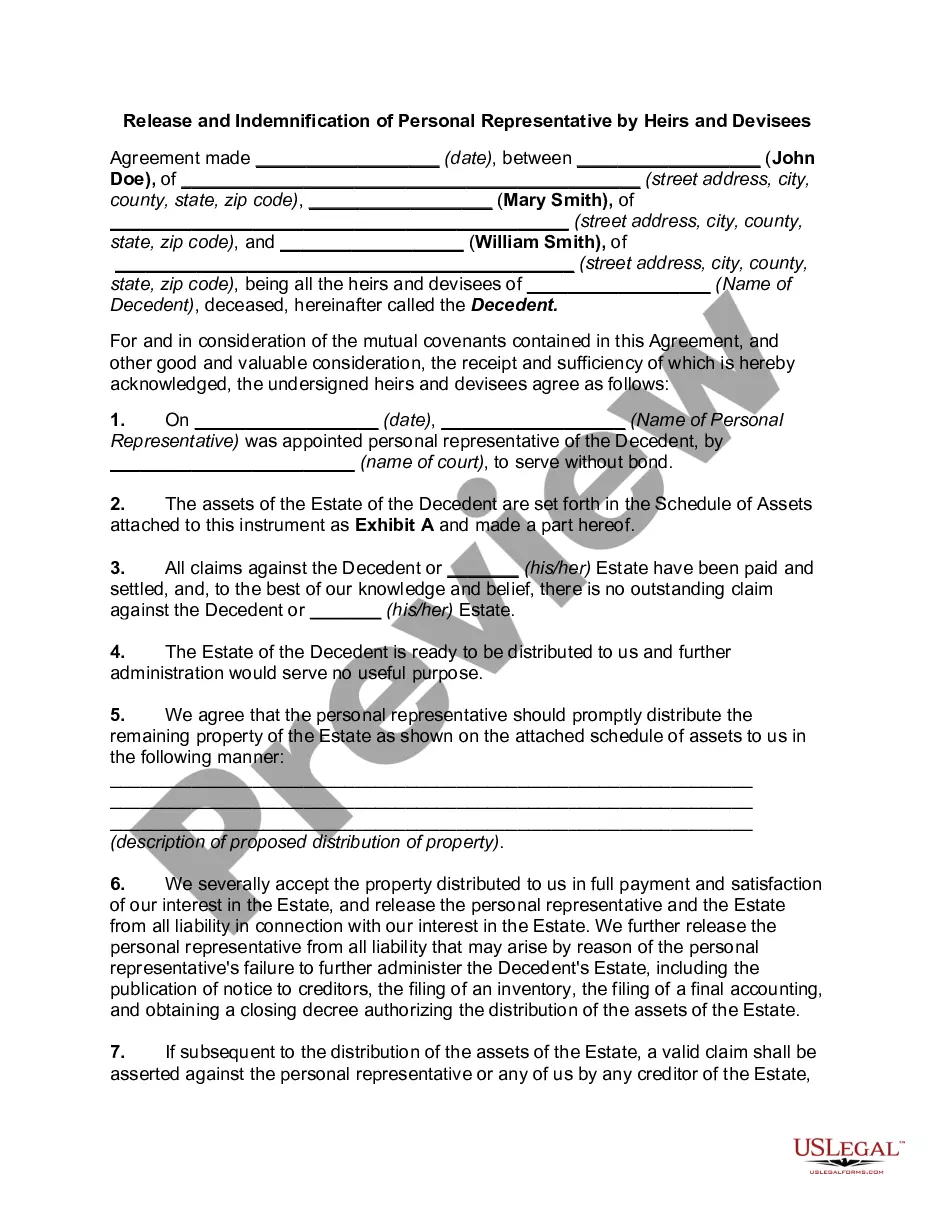
Get your form ready online
Our built-in tools help you complete, sign, share, and store your documents in one place.
Make edits, fill in missing information, and update formatting in US Legal Forms—just like you would in MS Word.
Download a copy, print it, send it by email, or mail it via USPS—whatever works best for your next step.
Sign and collect signatures with our SignNow integration. Send to multiple recipients, set reminders, and more. Go Premium to unlock E-Sign.
If this form requires notarization, complete it online through a secure video call—no need to meet a notary in person or wait for an appointment.
We protect your documents and personal data by following strict security and privacy standards.

Make edits, fill in missing information, and update formatting in US Legal Forms—just like you would in MS Word.

Download a copy, print it, send it by email, or mail it via USPS—whatever works best for your next step.

Sign and collect signatures with our SignNow integration. Send to multiple recipients, set reminders, and more. Go Premium to unlock E-Sign.

If this form requires notarization, complete it online through a secure video call—no need to meet a notary in person or wait for an appointment.

We protect your documents and personal data by following strict security and privacy standards.
Looking for another form?

How to fill out Release And Exoneration Of Executor On Distribution To Beneficiary Of Will And Waiver Of Citation Of Final Settlement?
Legal administration can be perplexing, even for proficient professionals.
When you are searching for an Executor Beneficiary Mentioned With Trust and don’t have the time to spend trying to locate the suitable and current version, the processes can be overwhelming.
US Legal Forms fulfills all your needs, from personal to business paperwork, in one spot.
Utilize sophisticated tools to complete and manage your Executor Beneficiary Mentioned With Trust.
Here are the steps to follow after obtaining the form you need: Verify that this is the correct form by previewing it and reviewing its description. Ensure that the template is recognized in your state or county. Select Buy Now when you are ready. Choose a monthly subscription plan. Select the format you desire, and Download, complete, sign, print, and send your documents. Take advantage of the US Legal Forms online library, supported by 25 years of experience and reliability. Improve your daily document management in a seamless and user-friendly manner today.
- Access a valuable resource library of articles, guides, manuals and tools related to your situation and needs.
- Save time and effort searching for the documents you require, and use US Legal Forms’ advanced search and Preview feature to locate Executor Beneficiary Mentioned With Trust and obtain it.
- If you have a monthly subscription, Log In to your US Legal Forms account, find the form, and acquire it.
- Check the My documents section to view the documents you have previously stored and to manage your folders as you prefer.
- If it's your first experience with US Legal Forms, create a free account and enjoy unrestricted access to all the platform's benefits.
- A comprehensive online form collection could be transformative for anyone who aims to manage these scenarios efficiently.
- US Legal Forms is a leading provider in digital legal documents, with over 85,000 state-specific legal forms accessible at any time.
- With US Legal Forms, you can access state- or county-specific legal and business documents.
Form popularity
FAQ
Notice to beneficiaries and heirs: If the trust becomes irrevocable when the settlor dies, the trustee has 60 days after becoming trustee or 60 days after the settlor's death, whichever happens later, to give written notice to all beneficiaries of the trust and to each heir of the decedent.
Write the names of the main individual(s), entity (such as a charity, business, religious organization, funeral home, etc.), trust, or estate. You may name more than one. All secondary beneficiaries listed will receive EQUAL SHARES (equal amounts) of your benefit if ALL of the primary beneficiaries are deceased.
To leave property to your living trust, name your trust as beneficiary for that property, using the trustee's name and the name of the trust. For example: John Doe as trustee of the John Doe Living Trust, dated January 1, 20xx.
To leave property to your living trust, name your trust as beneficiary for that property, using the trustee's name and the name of the trust. For example: John Doe as trustee of the John Doe Living Trust, dated January 1, 20xx.
Yes, the executor and beneficiary can be named as the same person in the Will. It's perfectly normal and legal. It's actually a common approach because the executor should be someone you know and trust and it's common sense that your beneficiaries fall into that column.