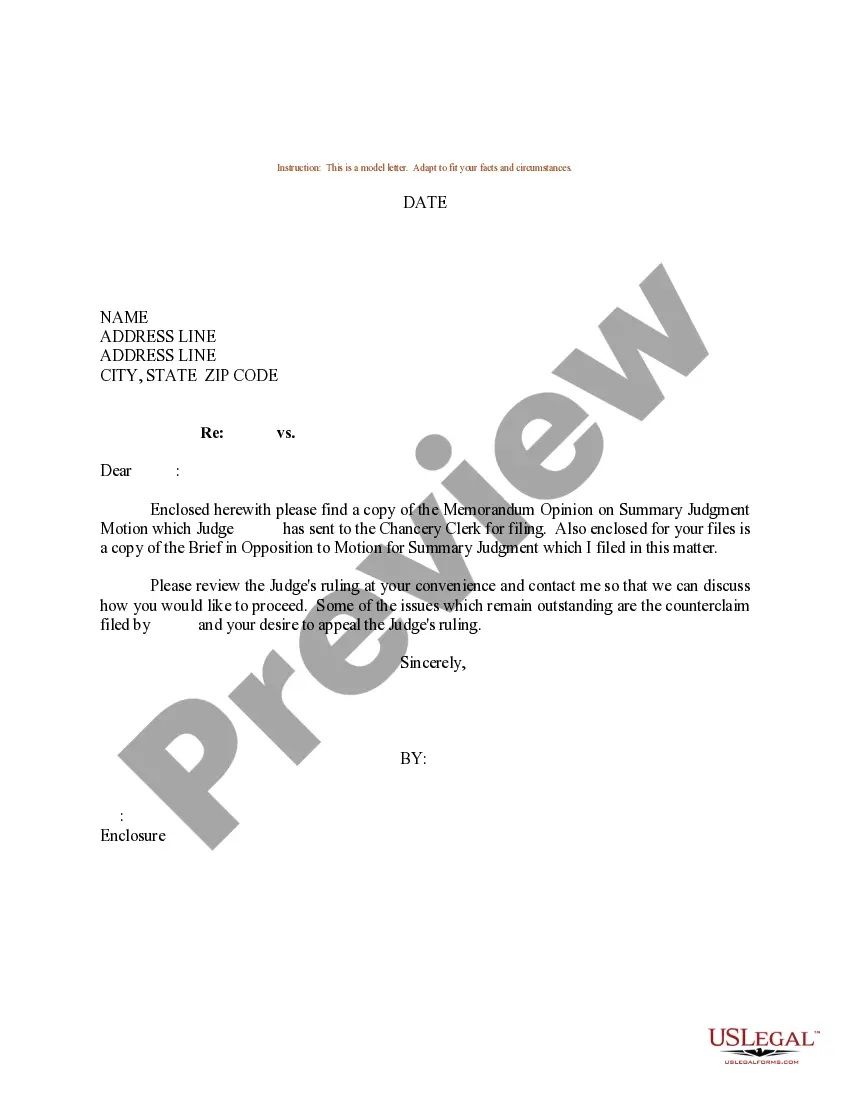
Pretrial Memorandum Template With Enclosure
Description
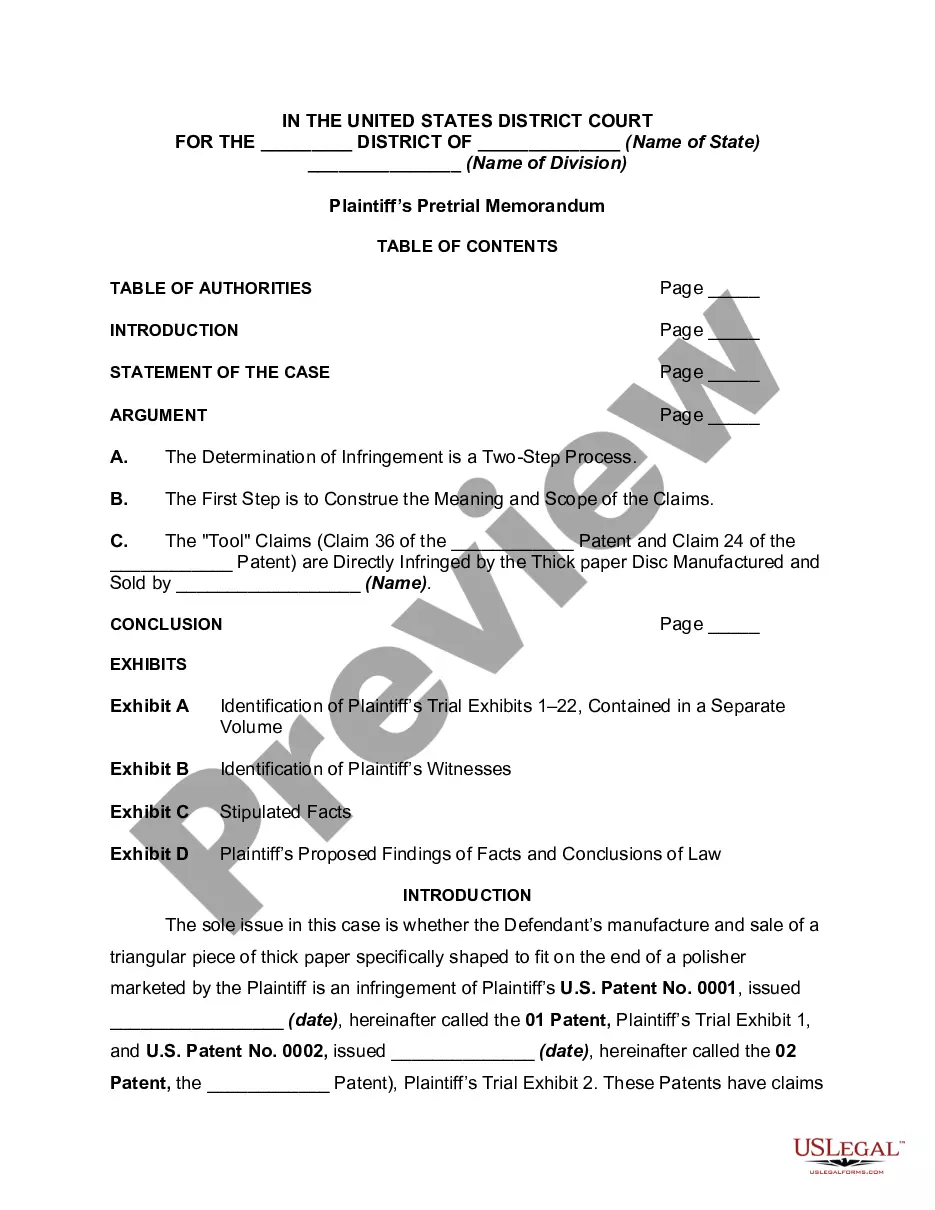
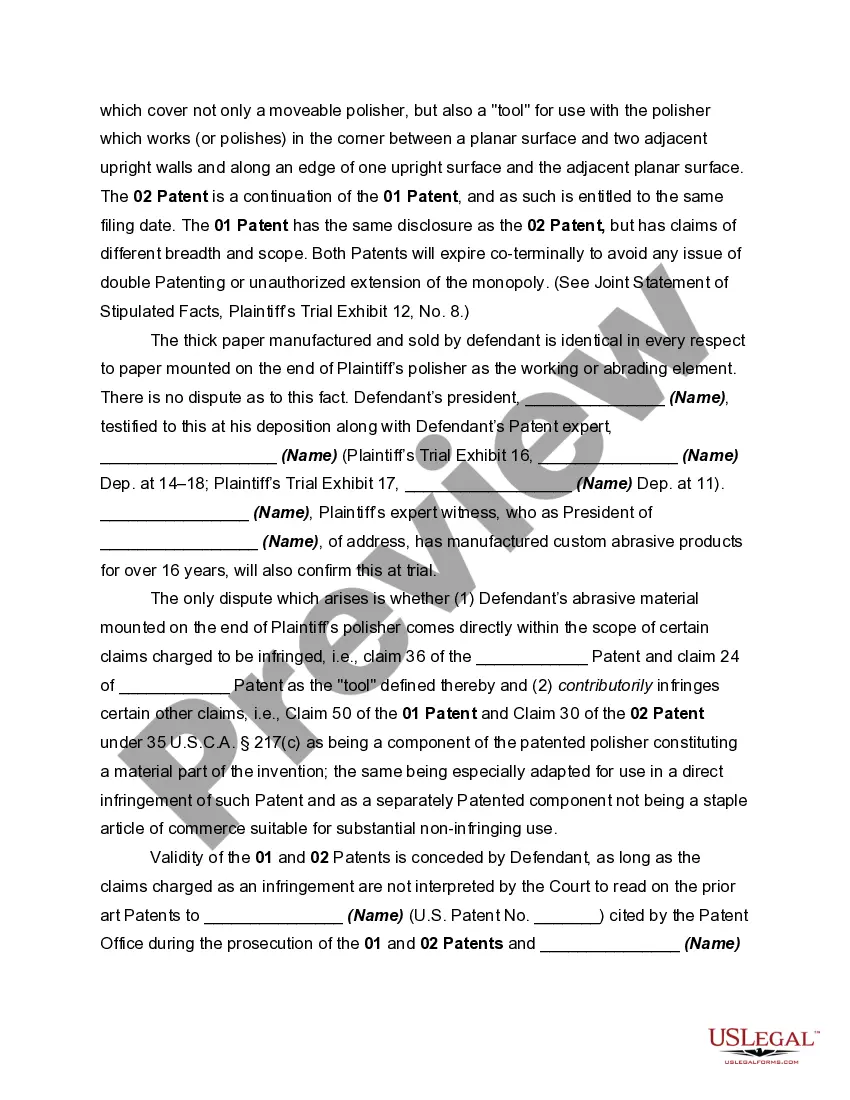
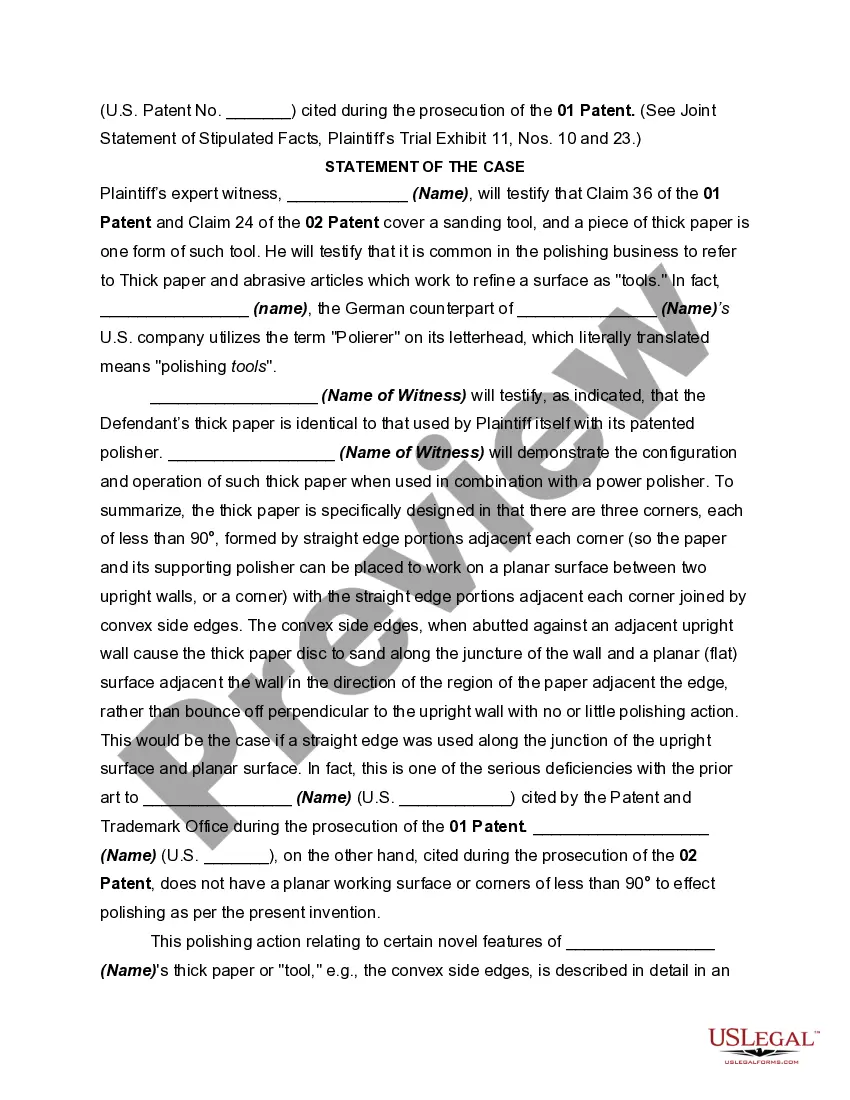
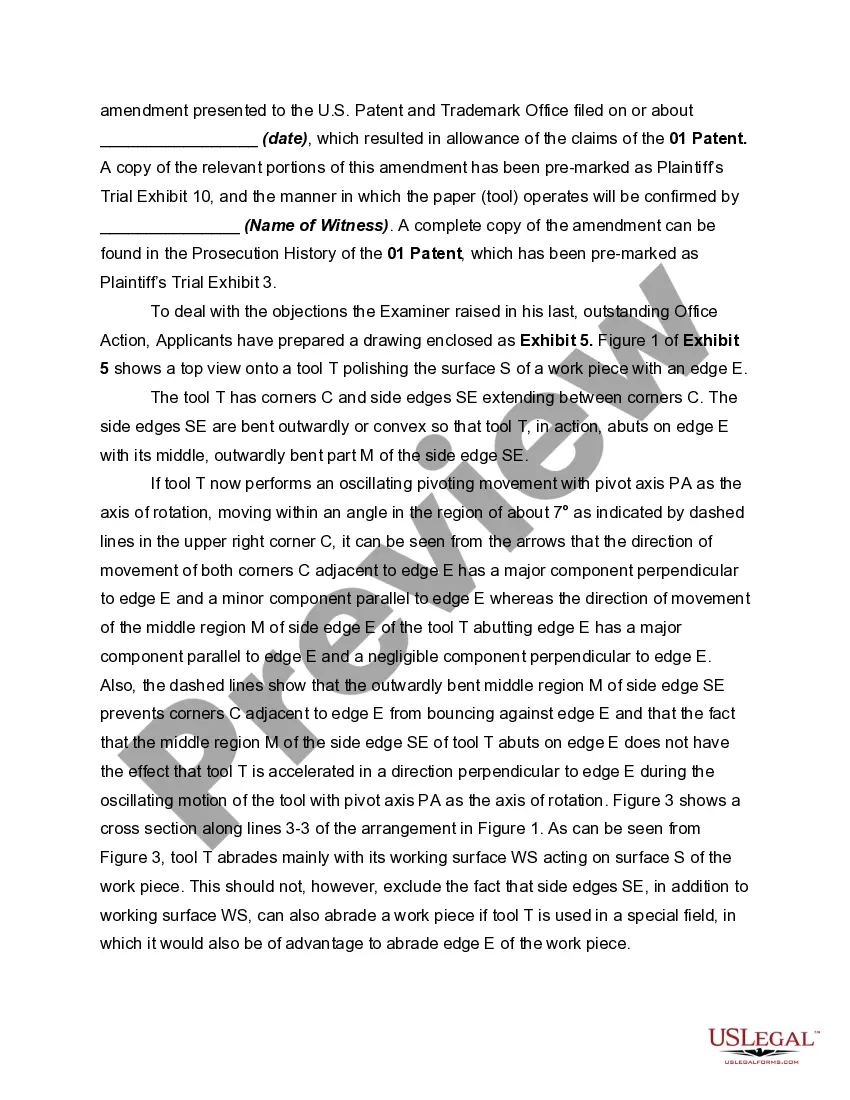
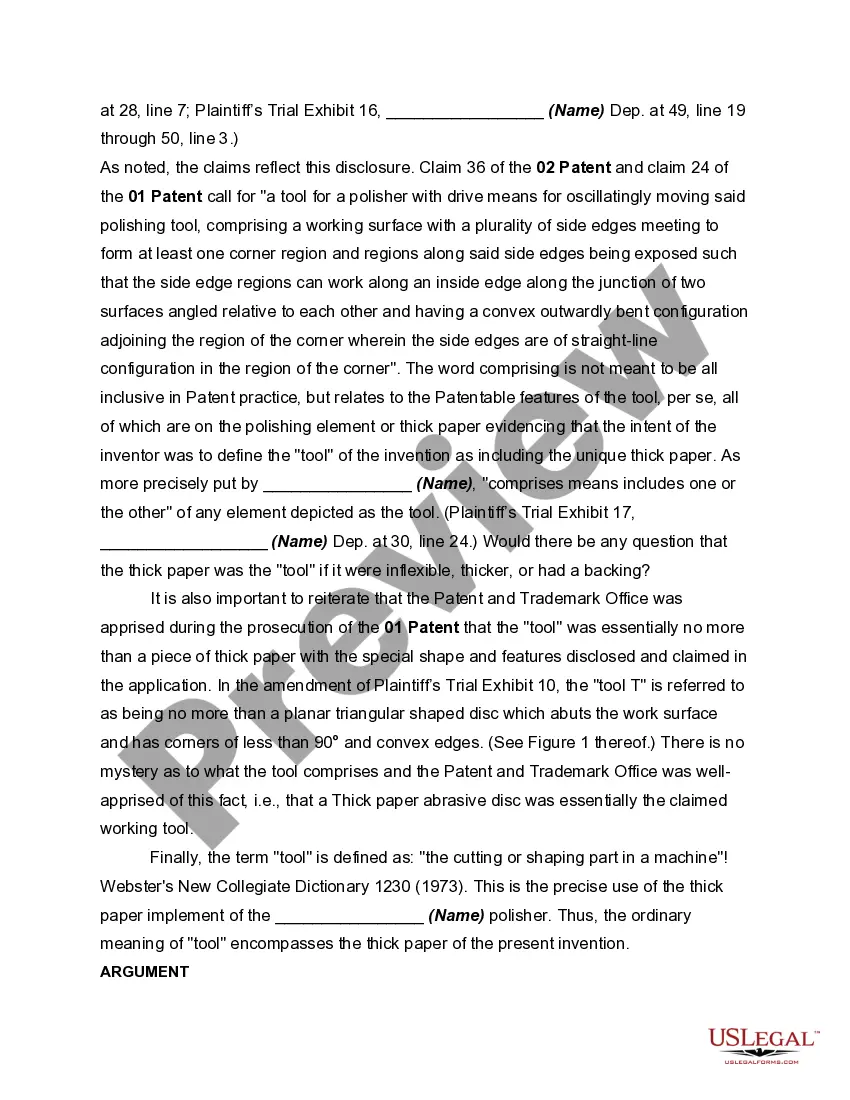
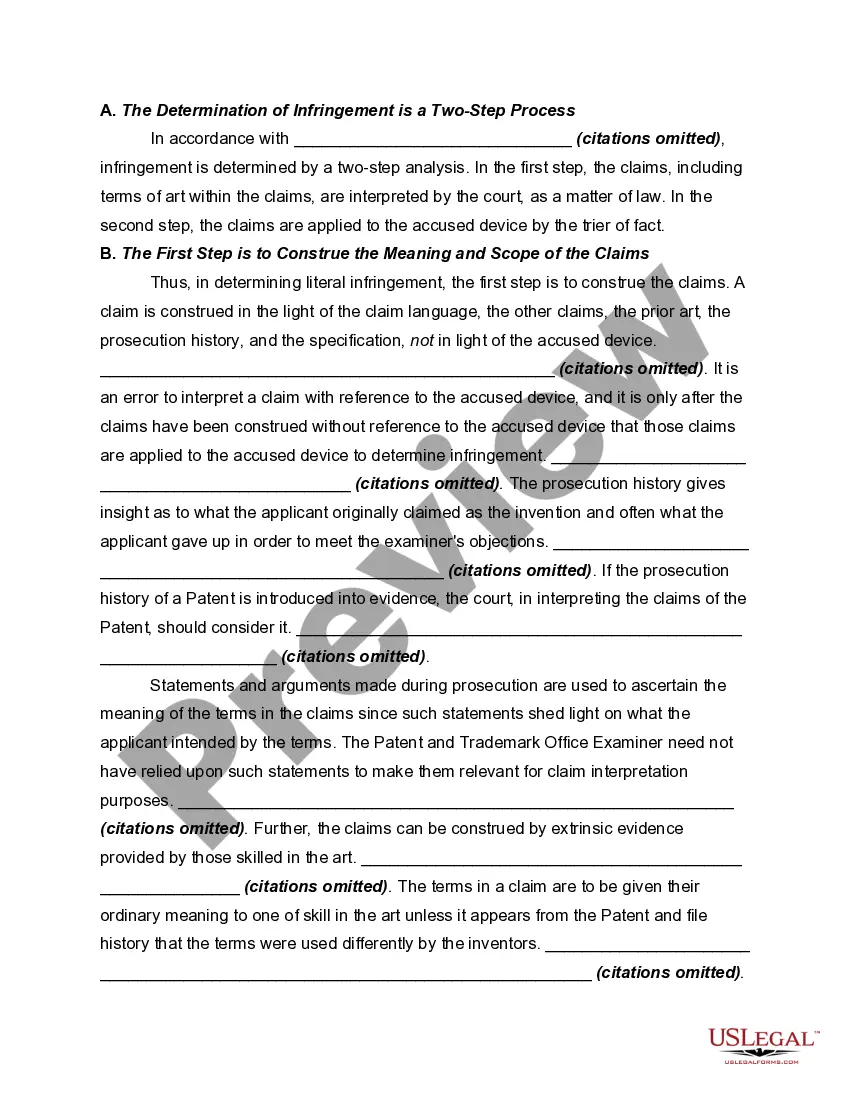

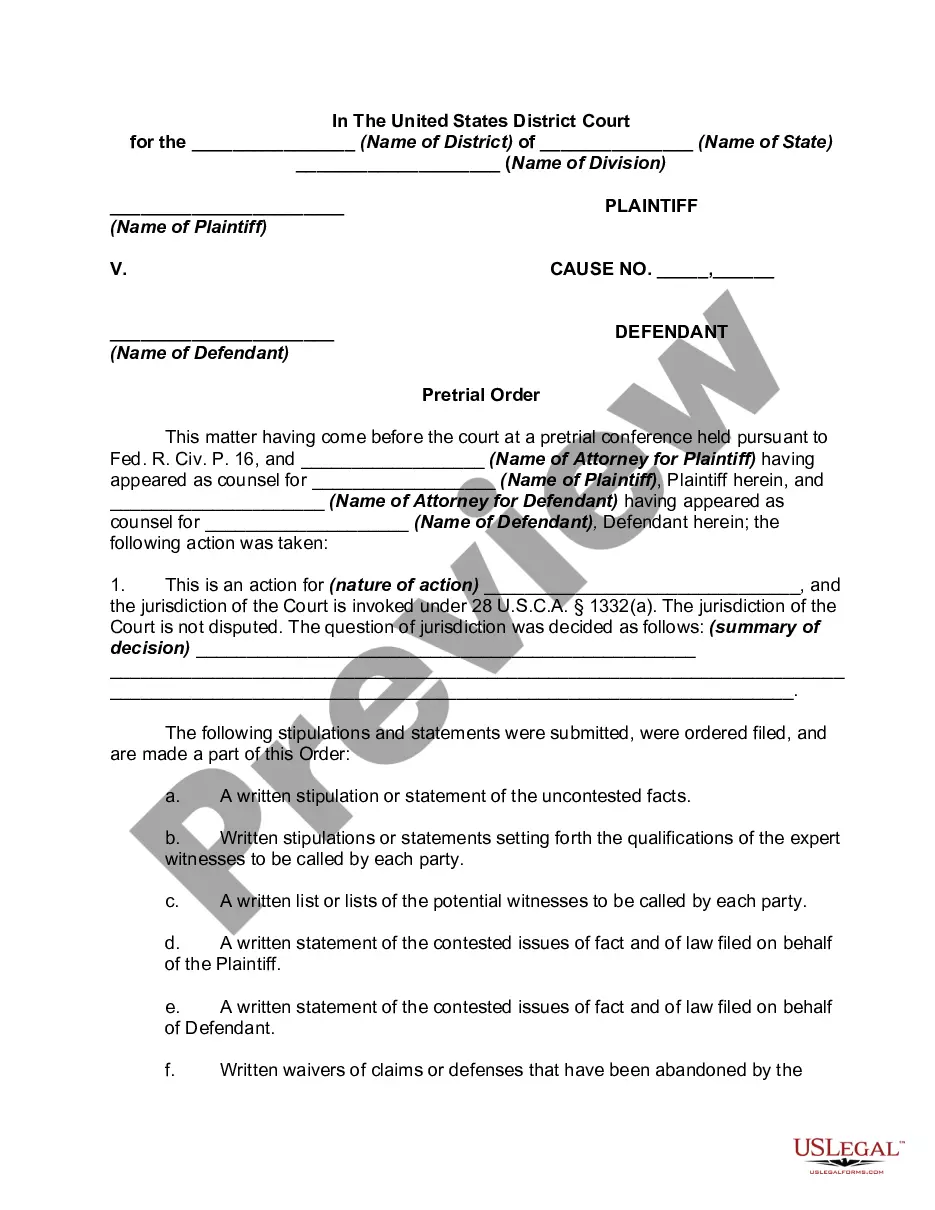
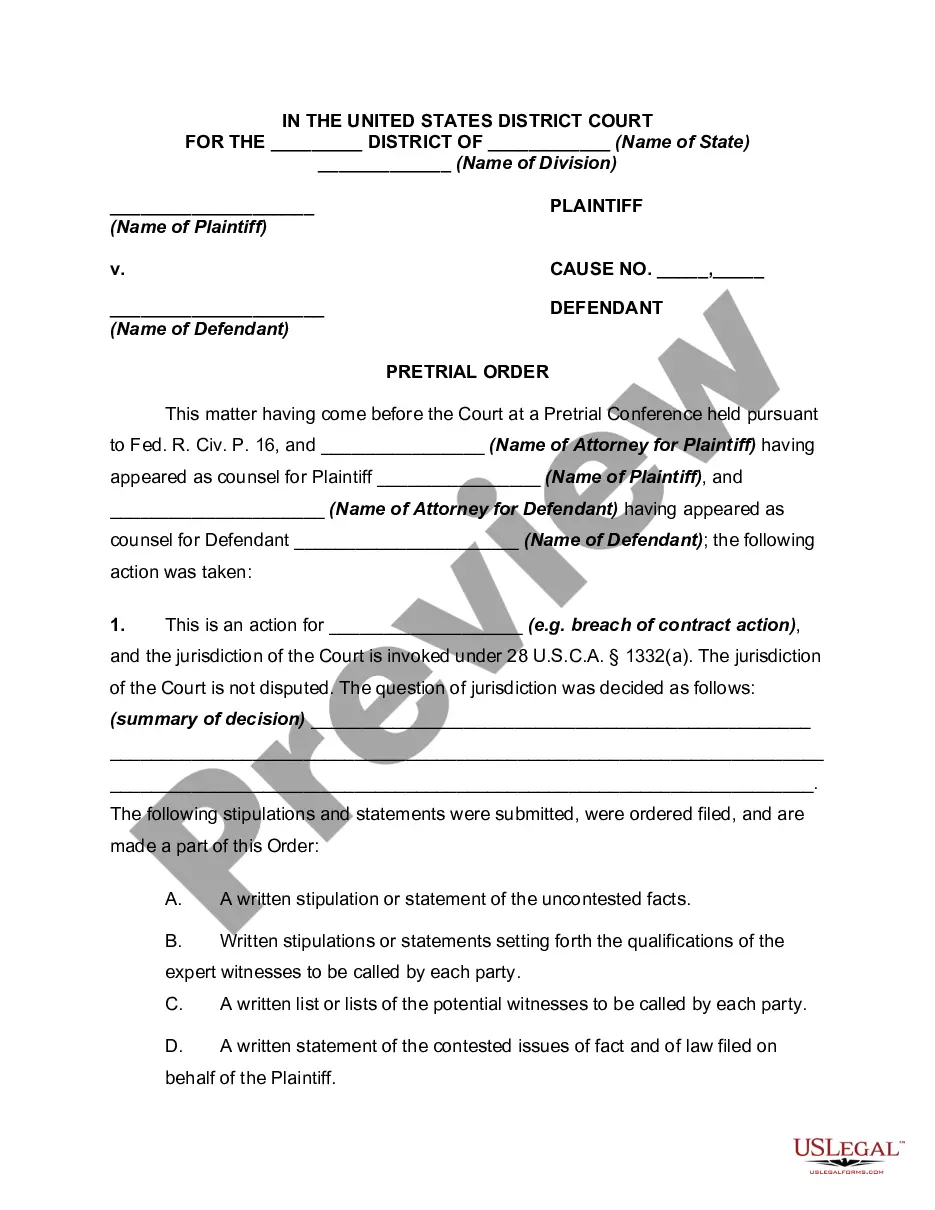
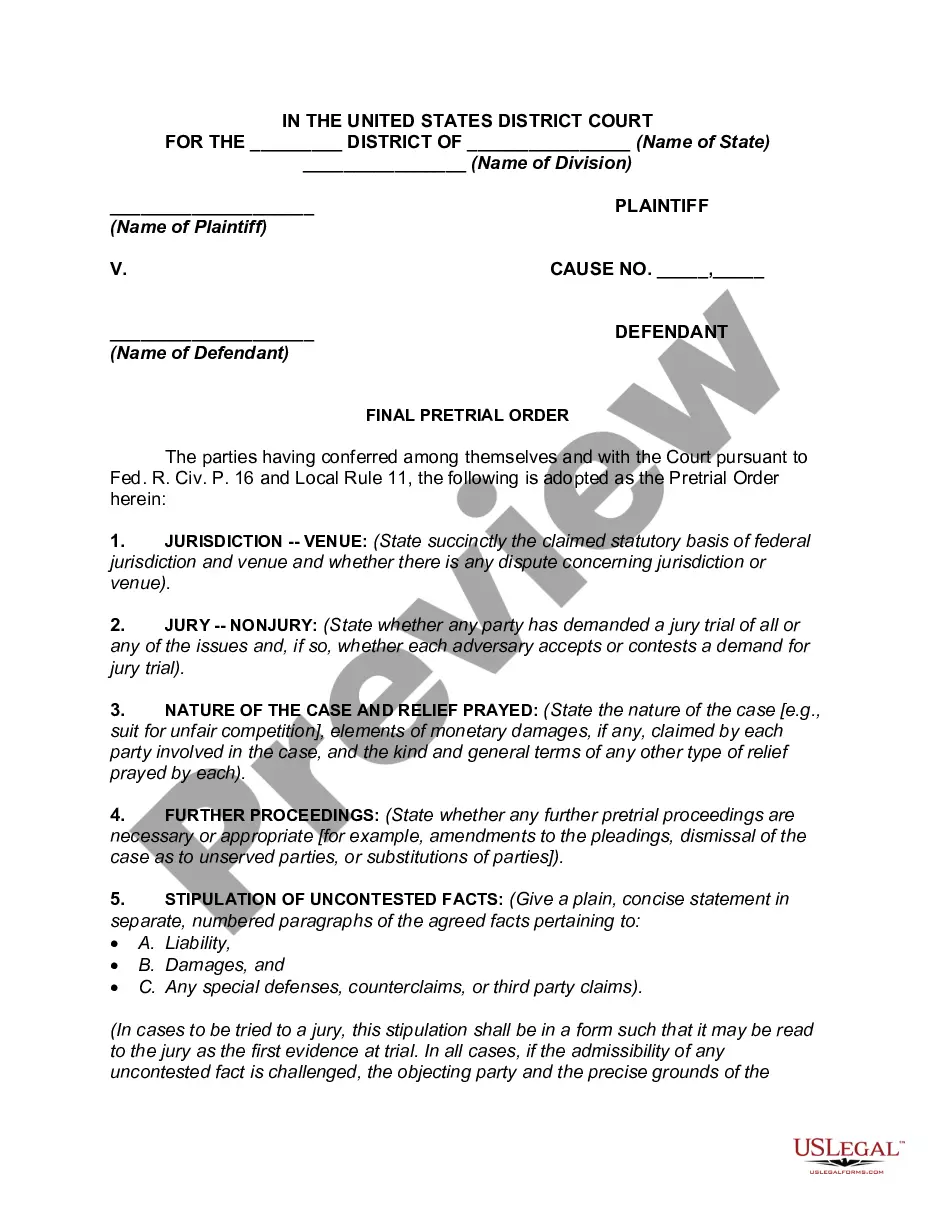
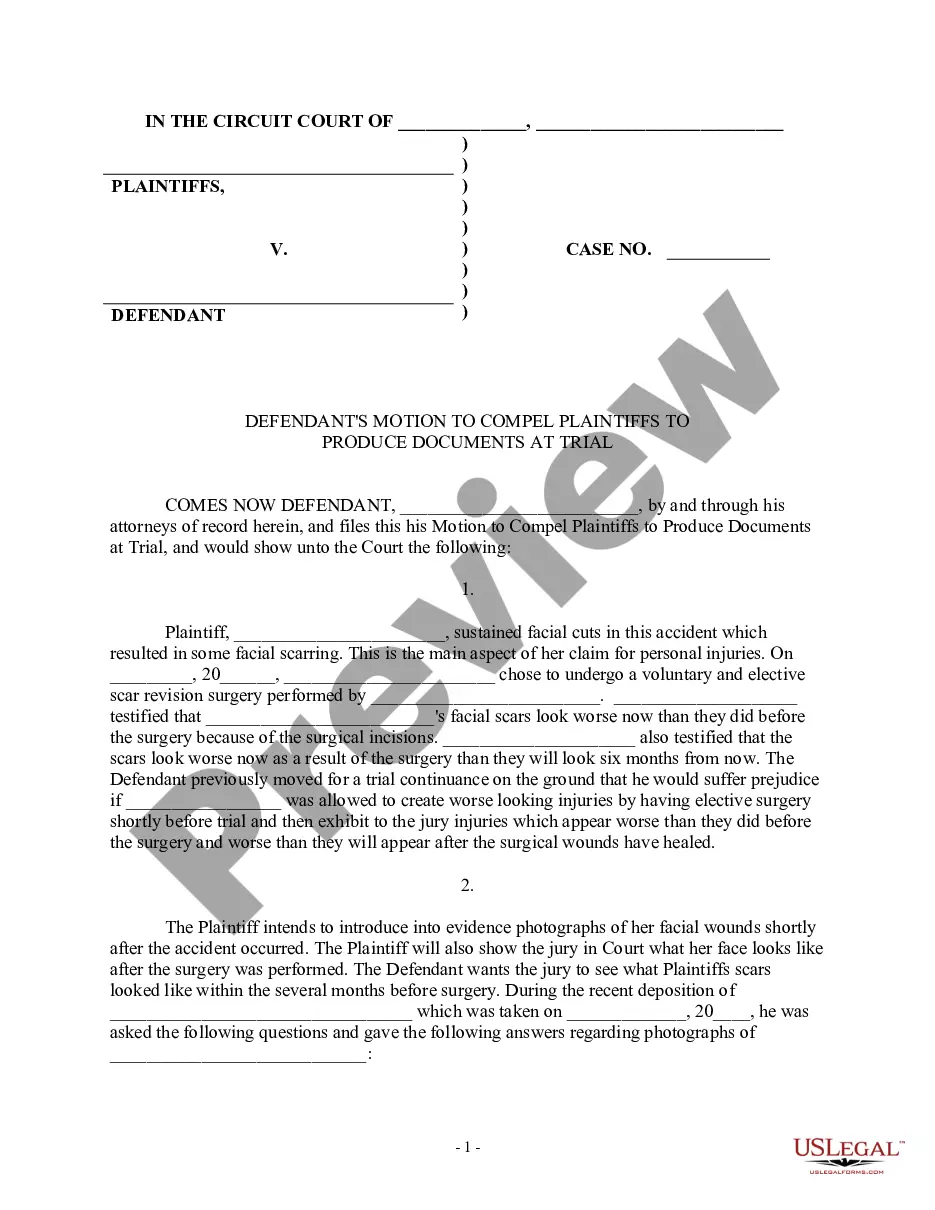
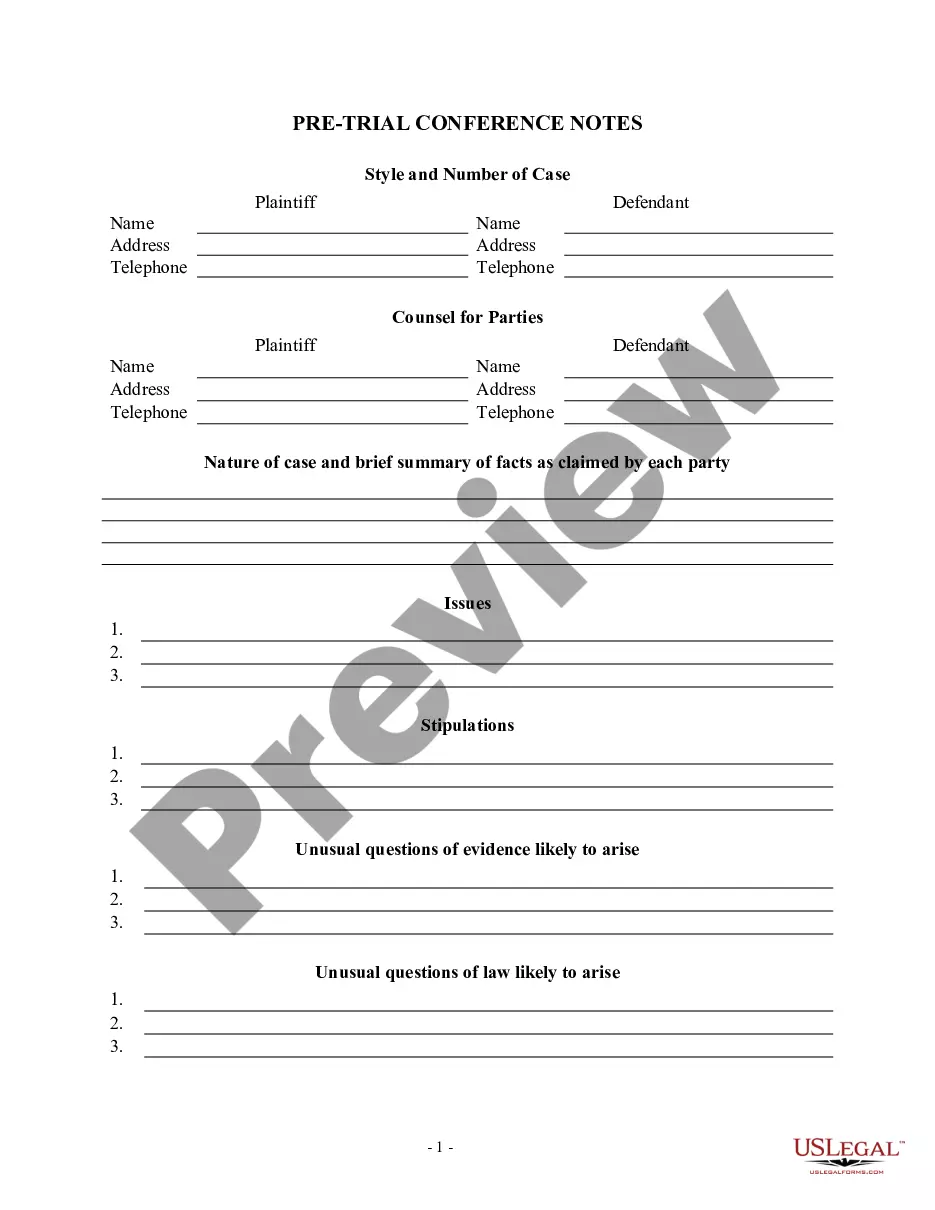
Get your form ready online
Our built-in tools help you complete, sign, share, and store your documents in one place.
Make edits, fill in missing information, and update formatting in US Legal Forms—just like you would in MS Word.
Download a copy, print it, send it by email, or mail it via USPS—whatever works best for your next step.
Sign and collect signatures with our SignNow integration. Send to multiple recipients, set reminders, and more. Go Premium to unlock E-Sign.
If this form requires notarization, complete it online through a secure video call—no need to meet a notary in person or wait for an appointment.
We protect your documents and personal data by following strict security and privacy standards.

Make edits, fill in missing information, and update formatting in US Legal Forms—just like you would in MS Word.

Download a copy, print it, send it by email, or mail it via USPS—whatever works best for your next step.

Sign and collect signatures with our SignNow integration. Send to multiple recipients, set reminders, and more. Go Premium to unlock E-Sign.

If this form requires notarization, complete it online through a secure video call—no need to meet a notary in person or wait for an appointment.

We protect your documents and personal data by following strict security and privacy standards.
Looking for another form?
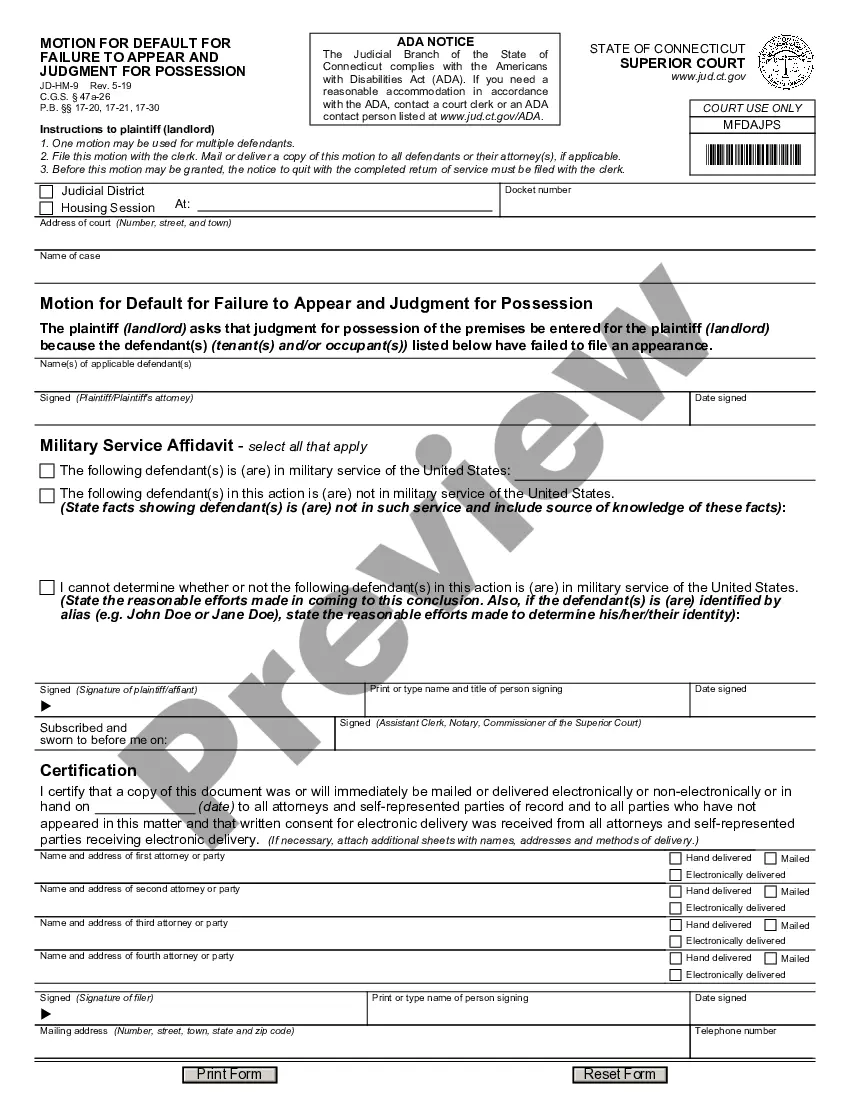



How to fill out Plaintiff's Pretrial Memorandum For A Bench Trial In A Patent Case?
Managing legal documents and processes can be a lengthy addition to your whole day.
Pretrial Memorandum Template With Enclosure and similar forms typically require you to seek them out and figure out the best method to complete them accurately.
For this reason, whether you are addressing financial, legal, or personal issues, utilizing a comprehensive and convenient online directory of forms at your disposal will be greatly beneficial.
US Legal Forms is the premier online platform for legal templates, featuring over 85,000 state-specific forms along with a variety of resources to assist you in completing your documents effortlessly.
- Browse the collection of relevant documents available to you with just a single click.
- US Legal Forms provides state- and county-specific forms accessible at any time for download.
- Safeguard your document management processes with a premium service that enables you to prepare any form in minutes without any additional or hidden fees.
- Simply Log In to your account, locate Pretrial Memorandum Template With Enclosure, and download it instantly from the My documents section.
- You can also retrieve previously saved forms.
Form popularity
FAQ
The memorandum must contain a statement of facts, a concise statement of the law, evidence and arguments relied on, and a discussion of the statutes, cases, and textbooks cited in support of the position advanced.
Post-trial motions are filed after the judge or jury has decided on a verdict. If you do not agree with the verdict in your case because you think it was impacted by errors or misconduct, you have the right to file one of these motions.
Common post-trial motions include: Motion for a New Trial ? The court can vacate the judgment and allow for a new trial. This is rarely granted, but may be done ?if the interest of justice so requires.? Motion for Judgment of Acquittal ? Court may set aside the jury's verdict and allow the defendant to go free.
The purpose of a trial memorandum is to assist the court at trial. Among other things, a trial memo might include: An outline of the important facts and how those facts support your claims. A list of the claims for relief you included in your pleadings and the damages being sought for each claim.
There are several different types of post-judgment motions, but the most common are motions for new trial, motions to vacate, and motions to set-aside. Motions for new trial, motions to vacate, and motions to set-aside are the three most common post-judgment motions.