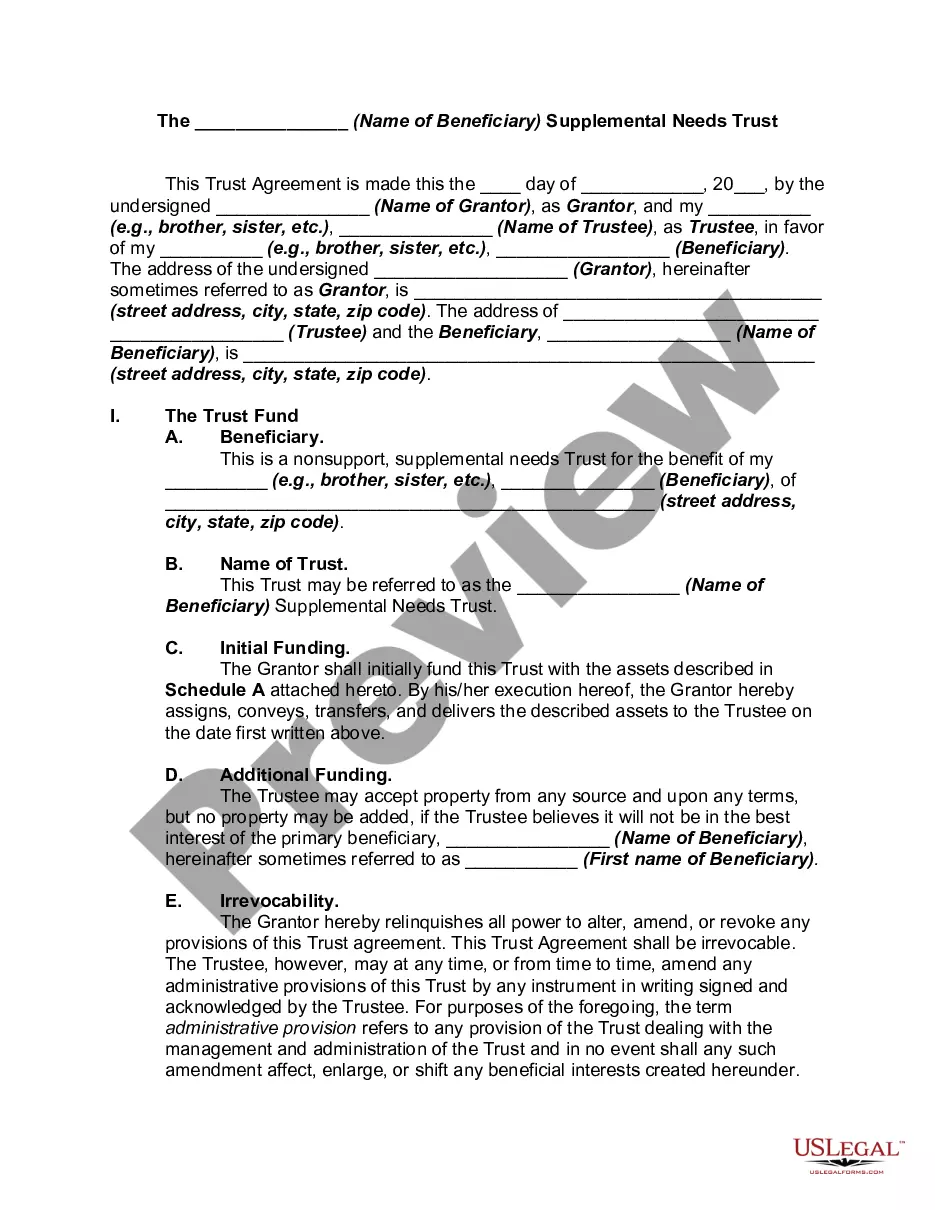
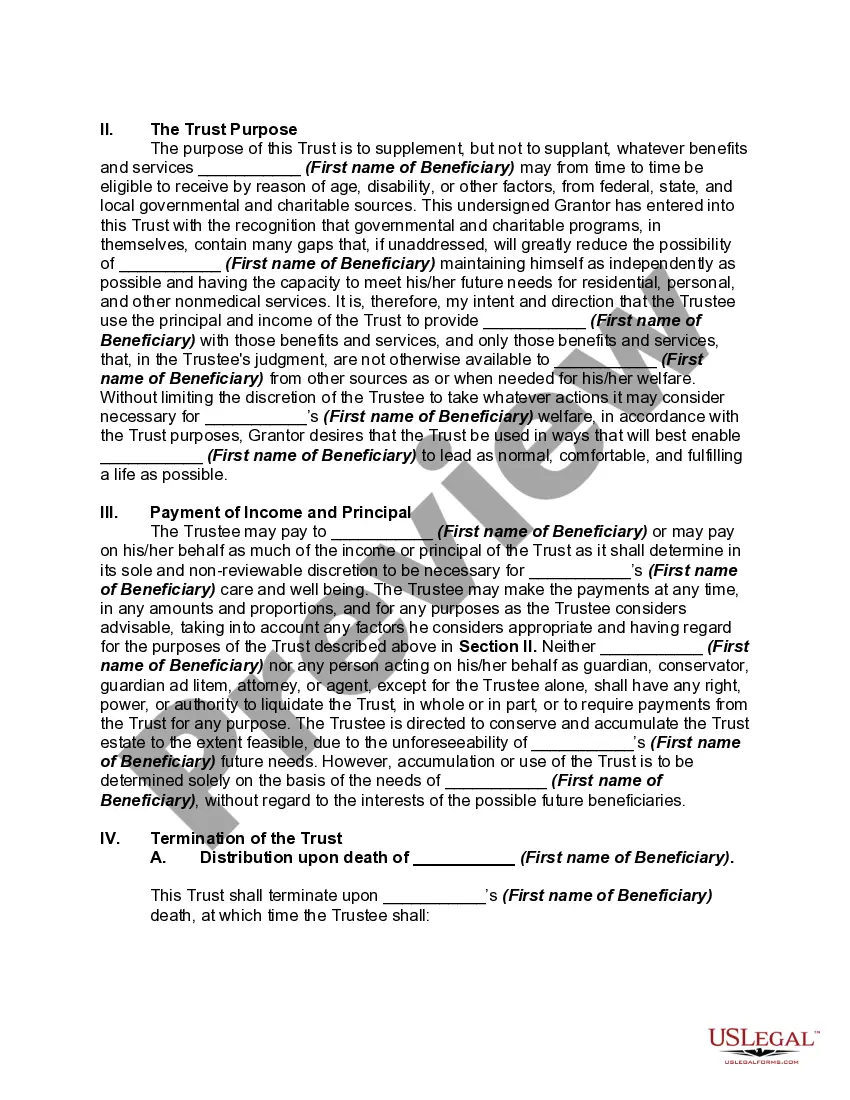
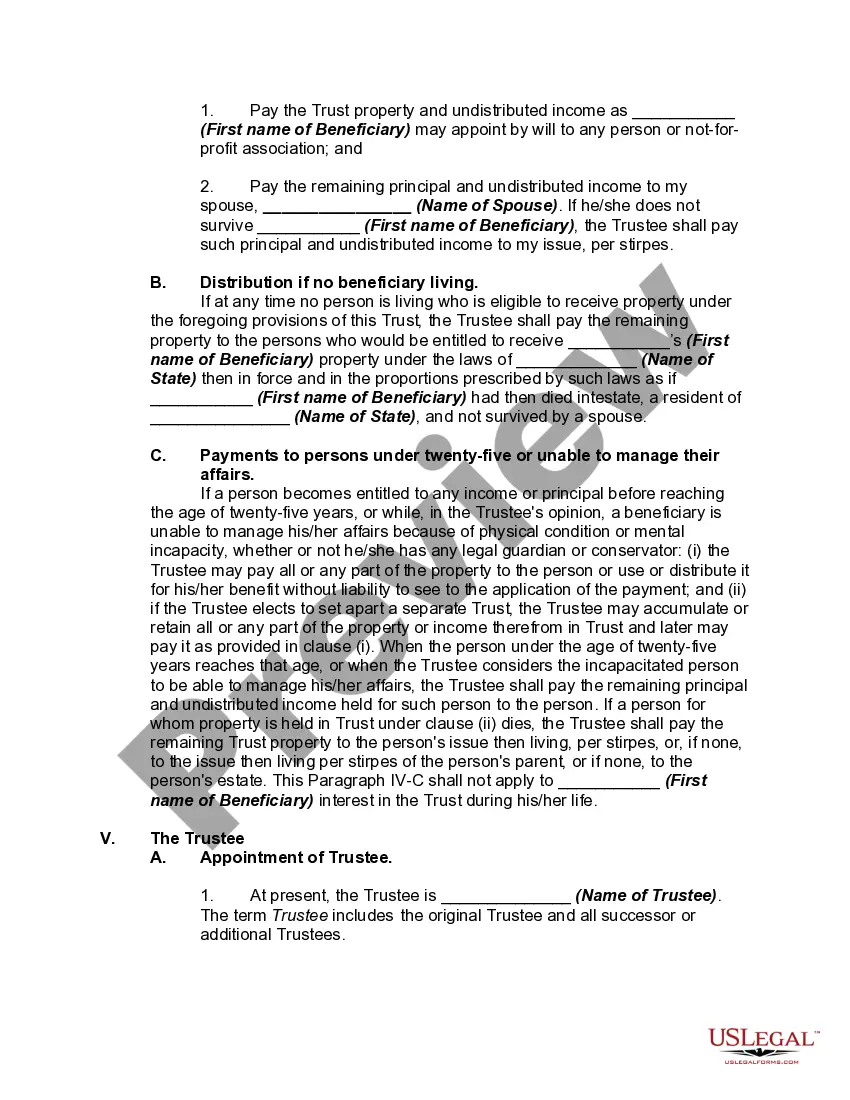
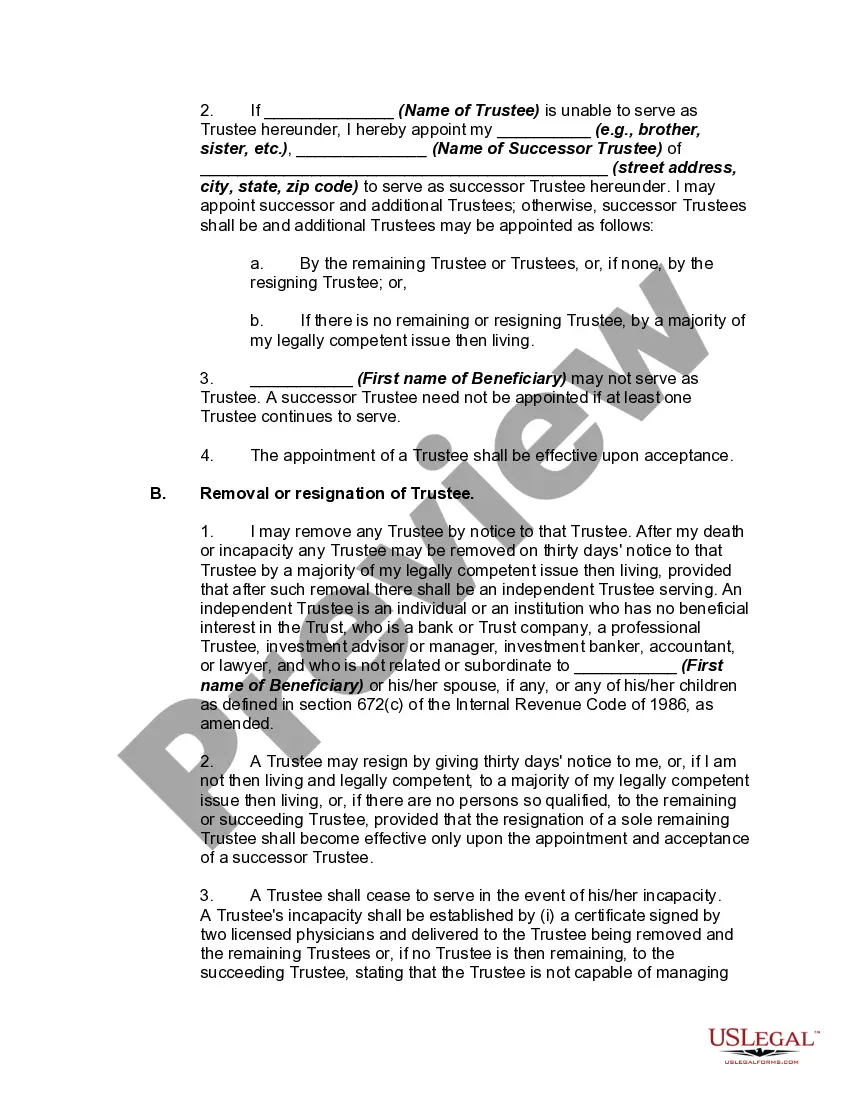
Trust Fund For Disabled Person For Child
Description
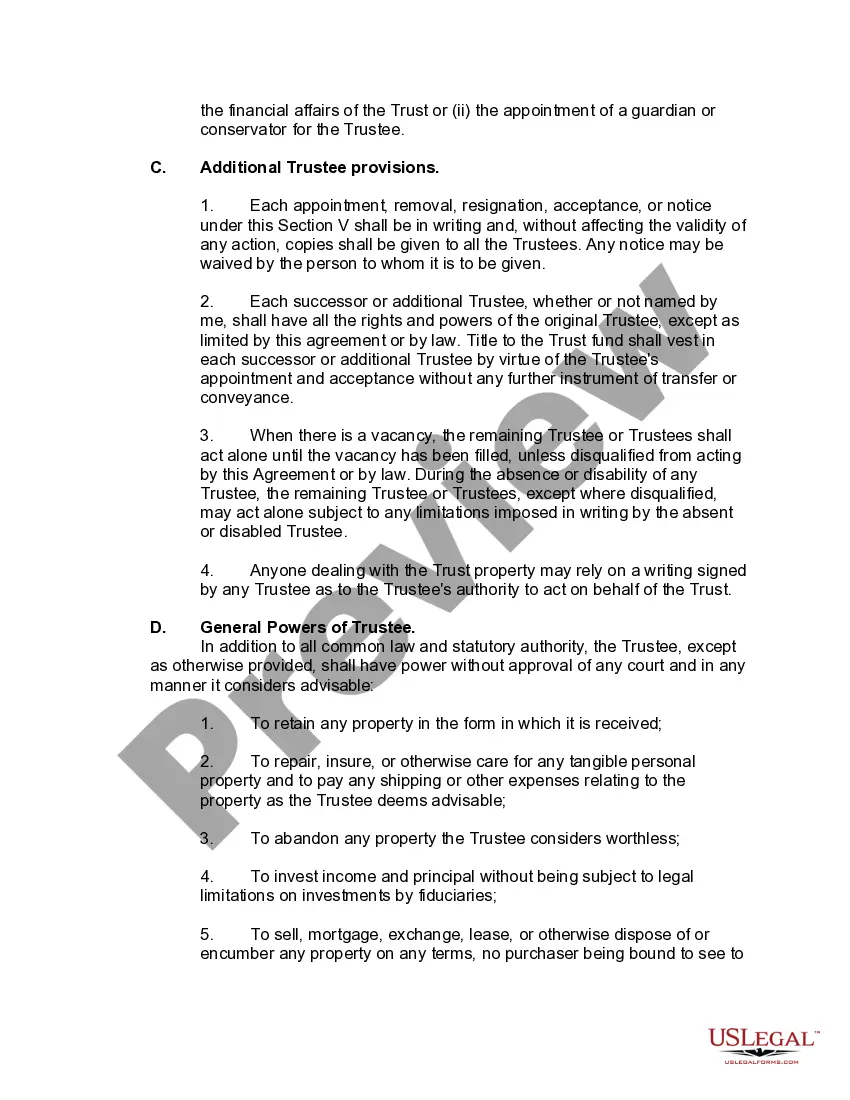
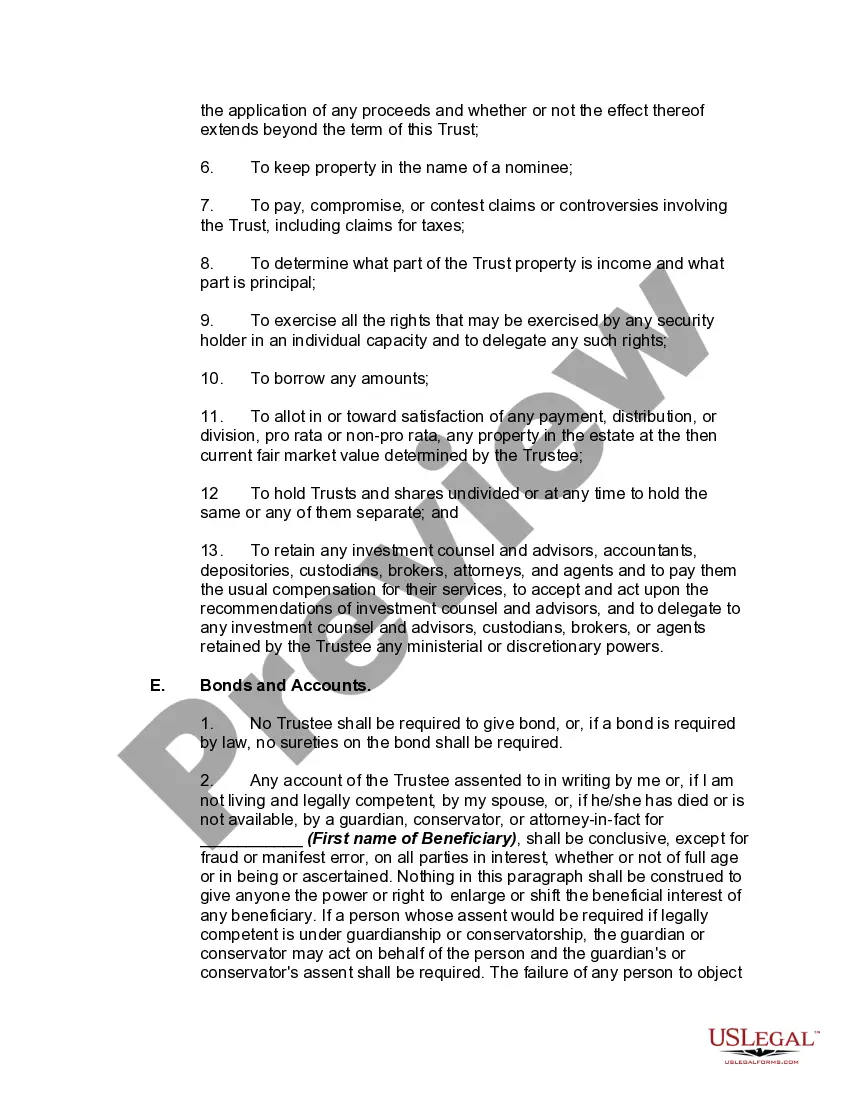
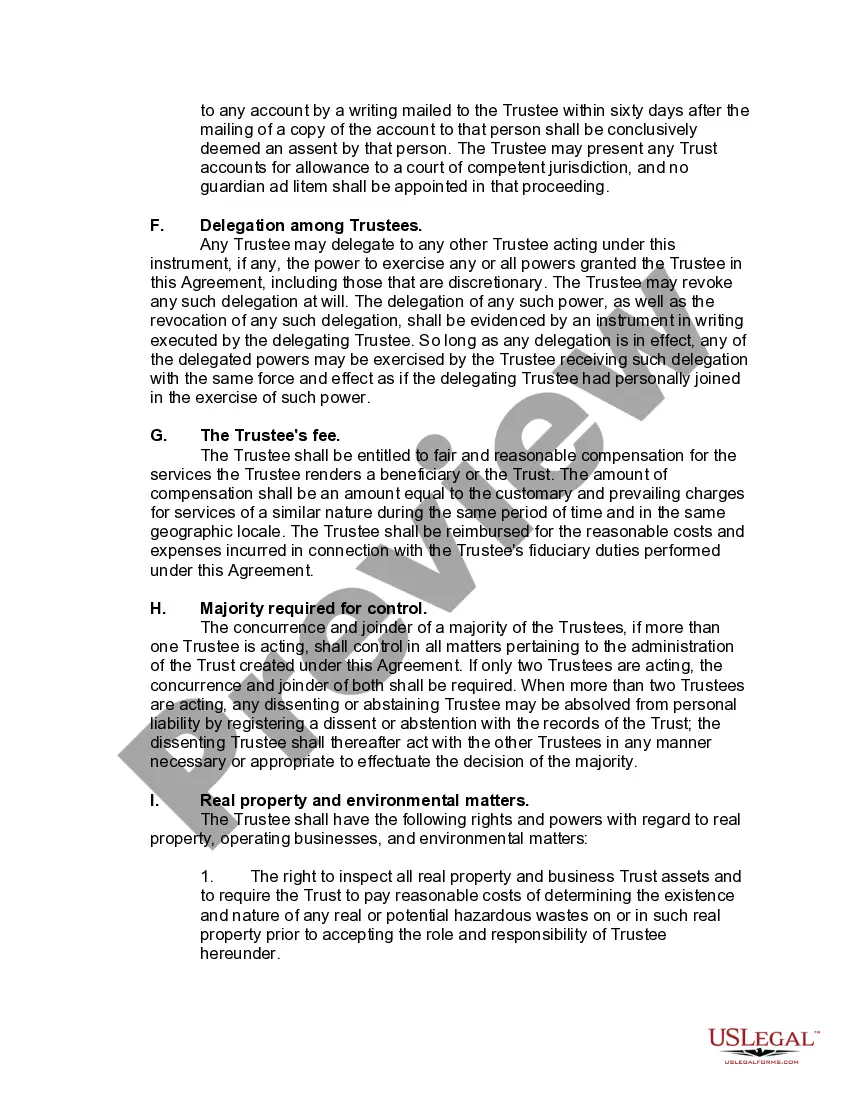
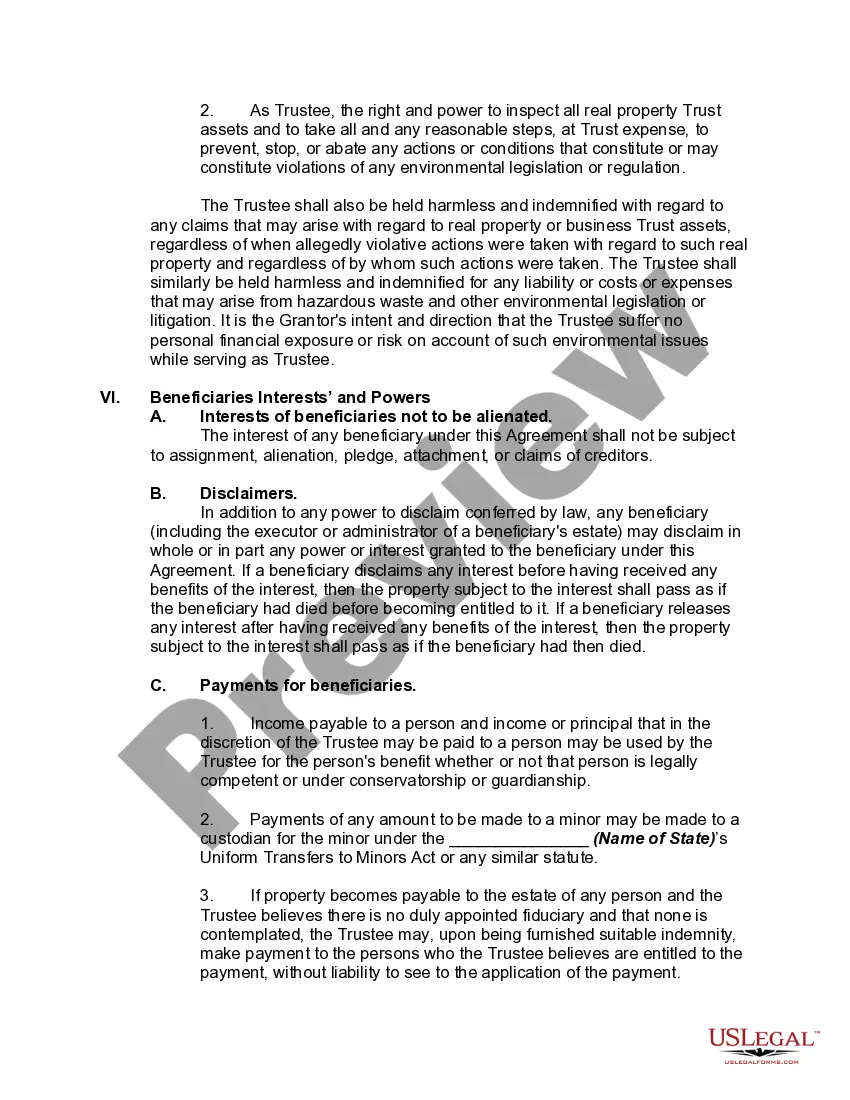
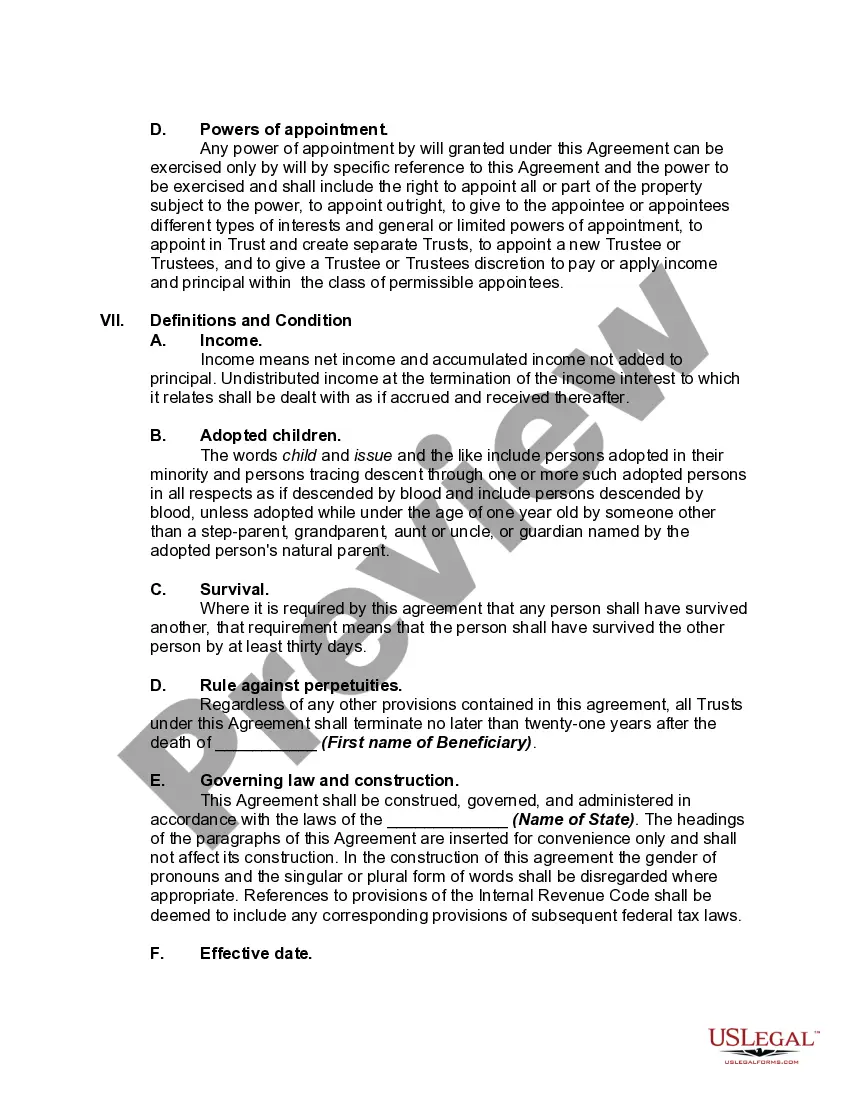

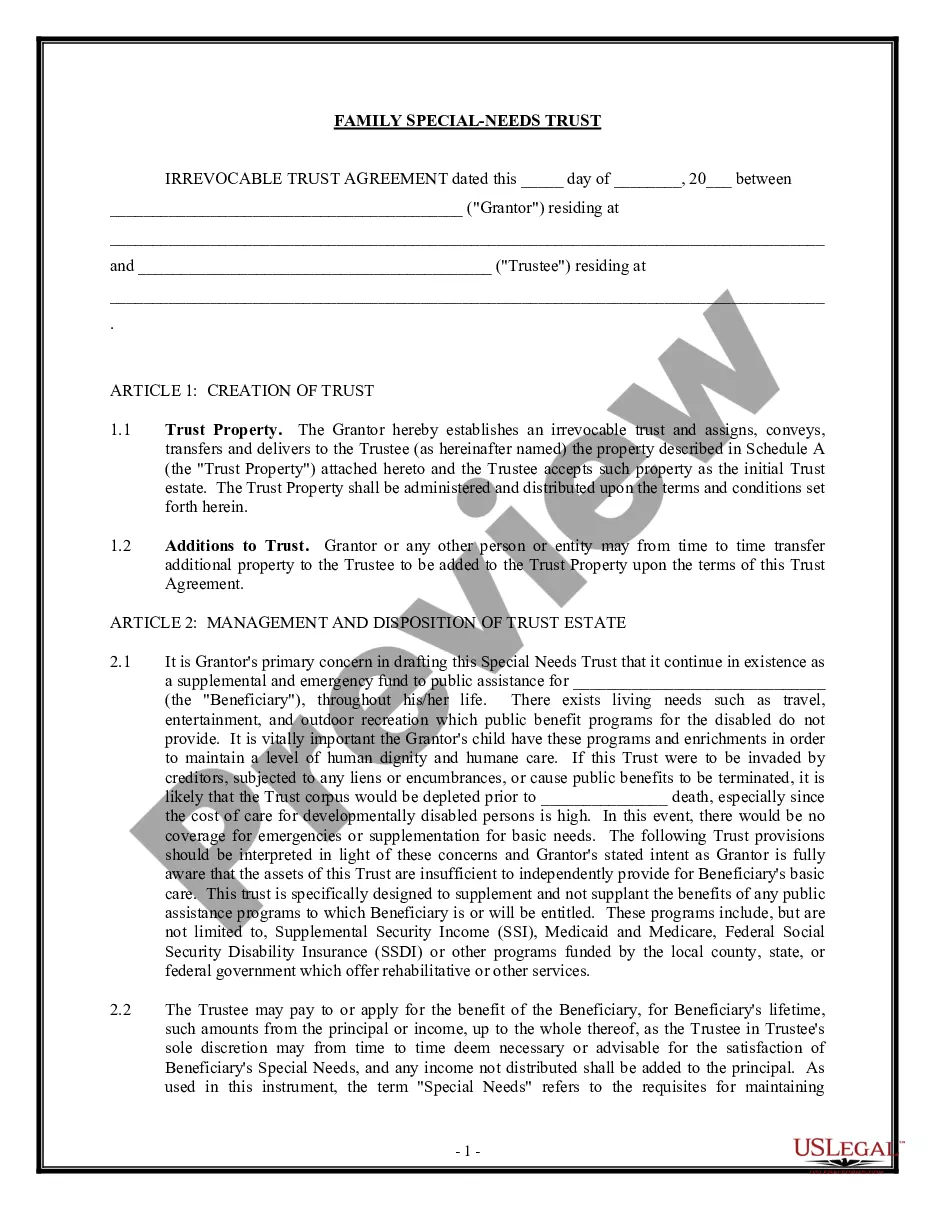

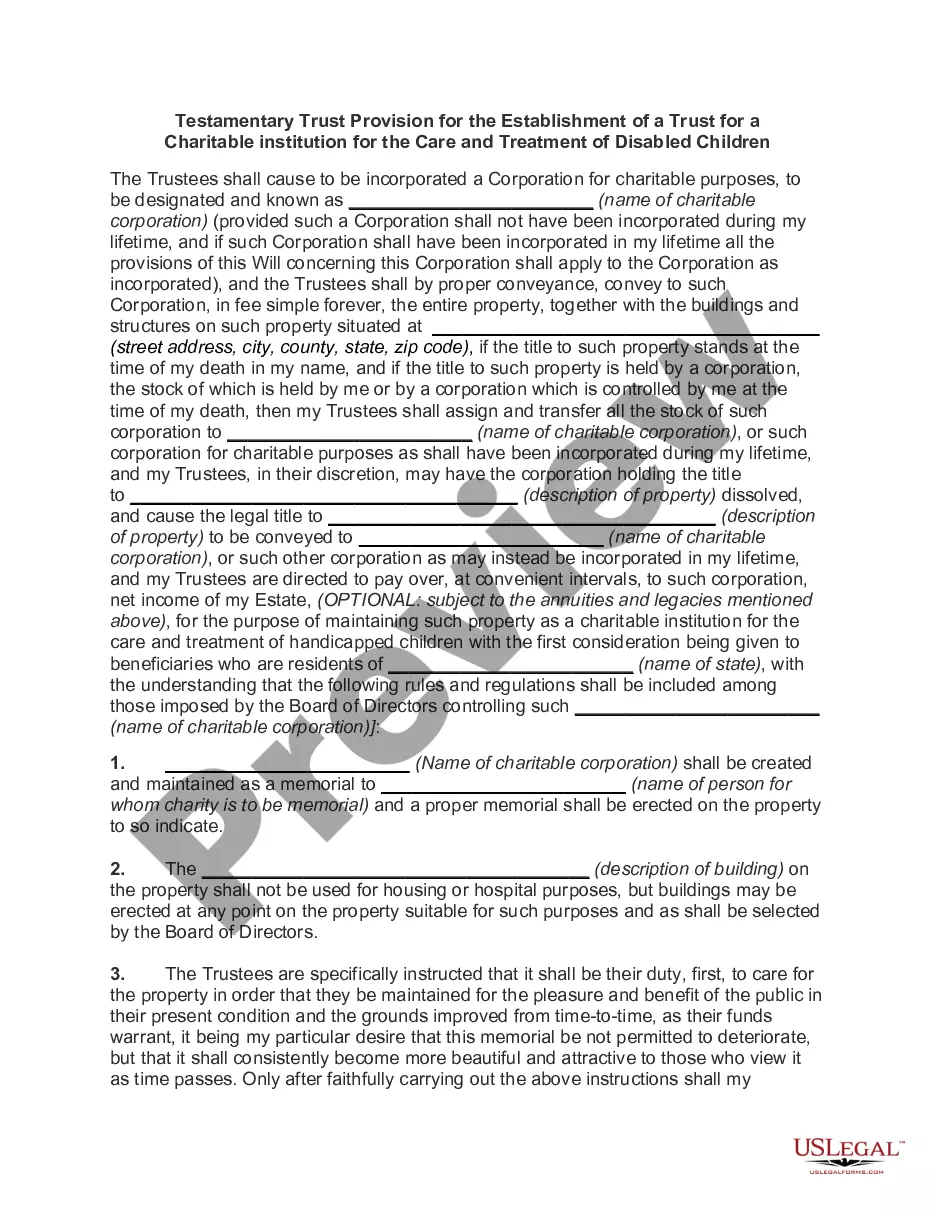
Get your form ready online
Our built-in tools help you complete, sign, share, and store your documents in one place.
Make edits, fill in missing information, and update formatting in US Legal Forms—just like you would in MS Word.
Download a copy, print it, send it by email, or mail it via USPS—whatever works best for your next step.
Sign and collect signatures with our SignNow integration. Send to multiple recipients, set reminders, and more. Go Premium to unlock E-Sign.
If this form requires notarization, complete it online through a secure video call—no need to meet a notary in person or wait for an appointment.
We protect your documents and personal data by following strict security and privacy standards.

Make edits, fill in missing information, and update formatting in US Legal Forms—just like you would in MS Word.

Download a copy, print it, send it by email, or mail it via USPS—whatever works best for your next step.

Sign and collect signatures with our SignNow integration. Send to multiple recipients, set reminders, and more. Go Premium to unlock E-Sign.

If this form requires notarization, complete it online through a secure video call—no need to meet a notary in person or wait for an appointment.

We protect your documents and personal data by following strict security and privacy standards.
Looking for another form?








How to fill out Supplemental Needs Trust For Third Party - Disabled Beneficiary?
Obtaining legal templates that conform to federal and state regulations is crucial, and the web provides countless choices to select from.
However, what is the advantage of spending time searching for the right Trust Fund For Disabled Person For Child example online when the US Legal Forms digital library has already compiled such templates in one location.
US Legal Forms is the largest online legal database with over 85,000 editable templates created by attorneys for various professional and personal situations. They are easy to navigate, with all documents organized by state and intended use.
All templates you find through US Legal Forms are reusable. To re-download and fill out forms you have previously obtained, navigate to the My documents tab in your account. Enjoy the most comprehensive and user-friendly legal document service!
- Our experts remain informed on legislative changes, ensuring your documents are always current and compliant when you acquire a Trust Fund For Disabled Person For Child from our site.
- Obtaining a Trust Fund For Disabled Person For Child is straightforward and quick for both existing and new members.
- If you already possess an account with a valid subscription, Log In and download the necessary document sample in your desired format.
- If you are new to our website, follow these steps.
- Review the template using the Preview feature or through the text description to ensure it suits your needs.
Form popularity
FAQ
Required Initial Disclosures in Texas Family Law Cases Names of the parties to the lawsuit (husband and wife or mother and father if the parties are unmarried); The name, address, and telephone number of any potential parties who might have a right to participate in the lawsuit, such as grandparents.
Send the disclosures to all parties, but not the court. Deliver your initial disclosures and responsive documents to every other plaintiff and defendant (or petitioner and respondent) in the lawsuit. This is called serving the documents. Don't file initial disclosure documents with the court.
A party must make the initial disclosures within 30 days after the filing of the first answer or general appearance unless a different time is set by the parties' agreement or court order.
Initial disclosures are the preliminary disclosures that must be acknowledged and signed in order to move forward with your loan application. These disclosures outline the initial terms of the mortgage application and also include federal and state required mortgage disclosures.
The parties to new civil lawsuits in Texas usually must exchange information within 30 days of the filing of an answer, waiver of service, or counterpetition. You must exchange information, documents, and the names of witnesses that support your position.
Do not file your initial disclosures with the Court. Send them to opposing counsel (or your unrepresented opponent(s)) with a certificate of service and keep a copy for yourself. You can send them by first class mail or, if you want proof of mailing, send them by return receipt, certified mail. WARNING!
Rule 194.2. Initial Disclosures (2021) (a) Time for Initial Disclosures. A party must make the initial disclosures within 30 days after the filing of the first answer or general appearance unless a different time is set by the parties' agreement or court order.
Initial disclosures are required under the Texas Rules of Civil Procedure. These rules ensure that each party has access to relevant information, enabling them to make informed decisions and negotiate settlements and agreements efficiently and effectively.