Supplemental Needs Trust Definition
Description
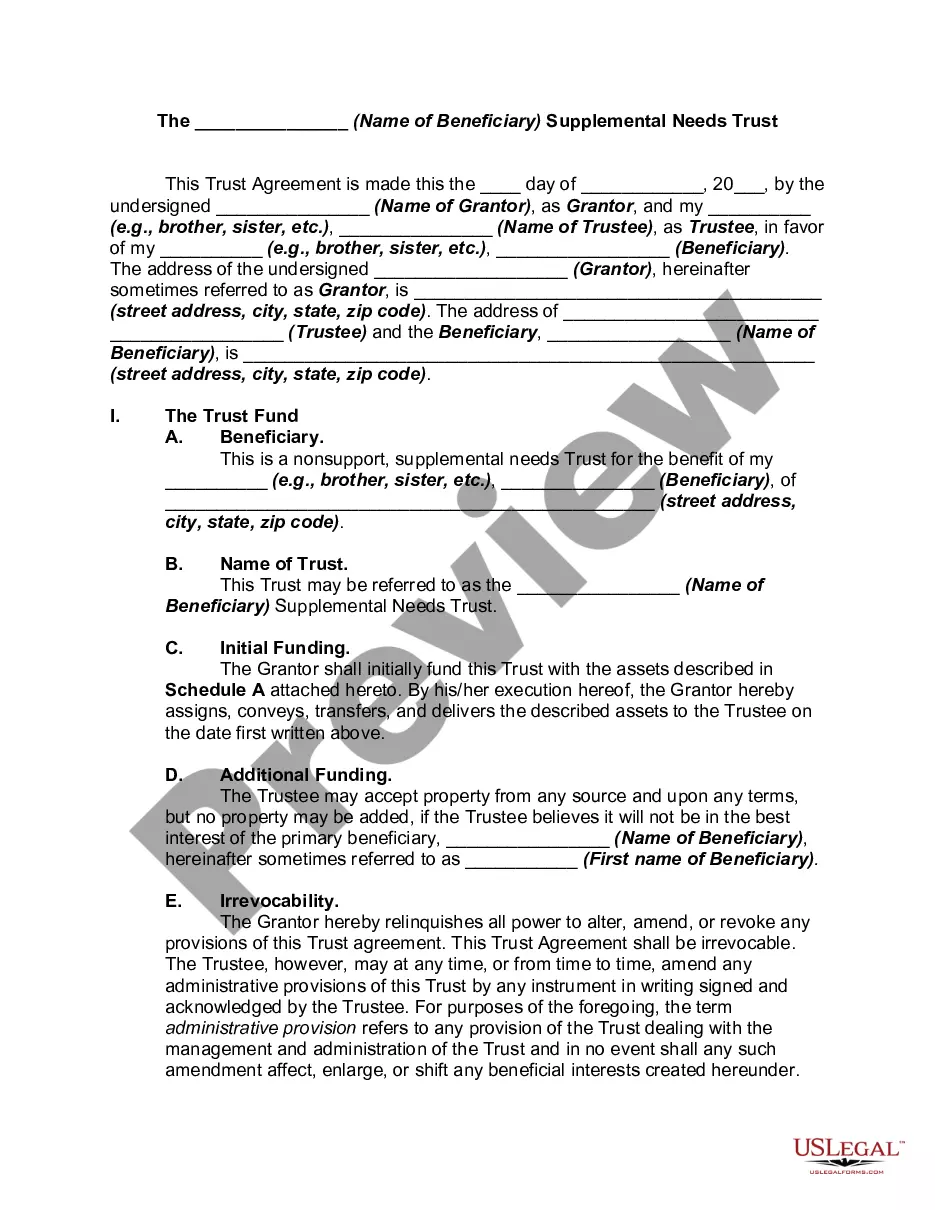
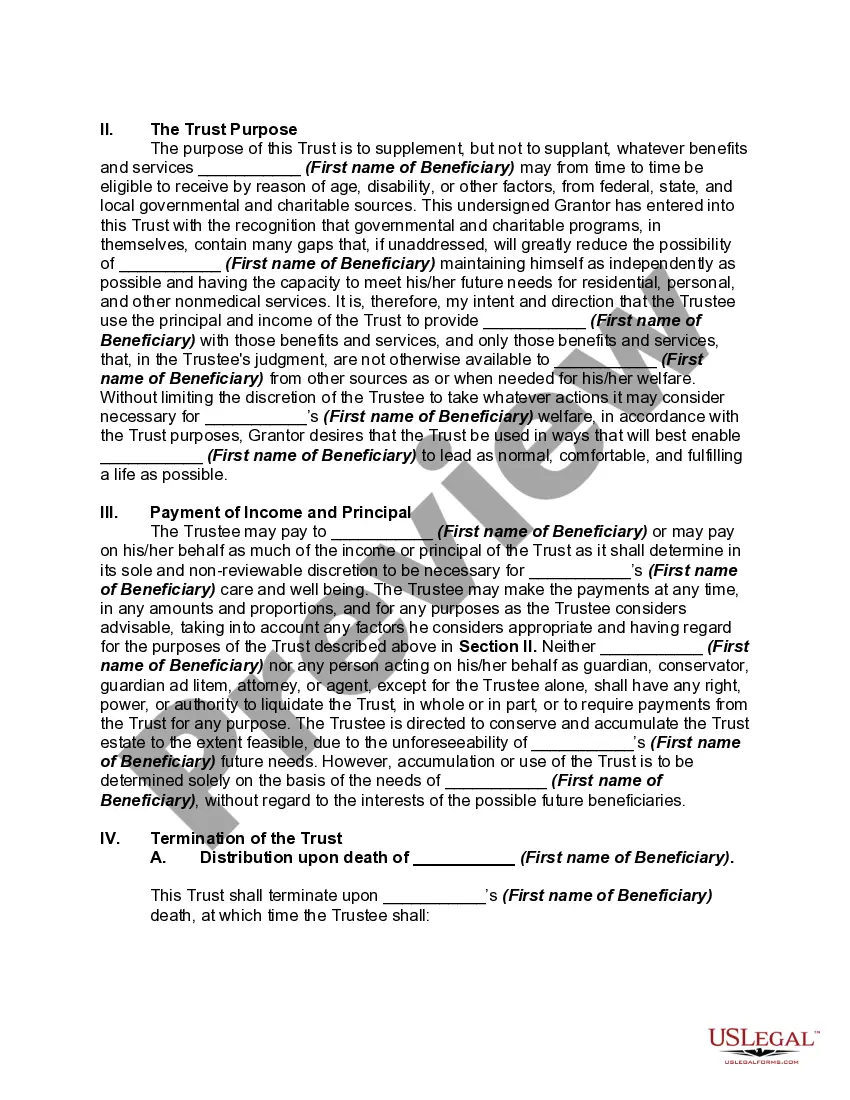
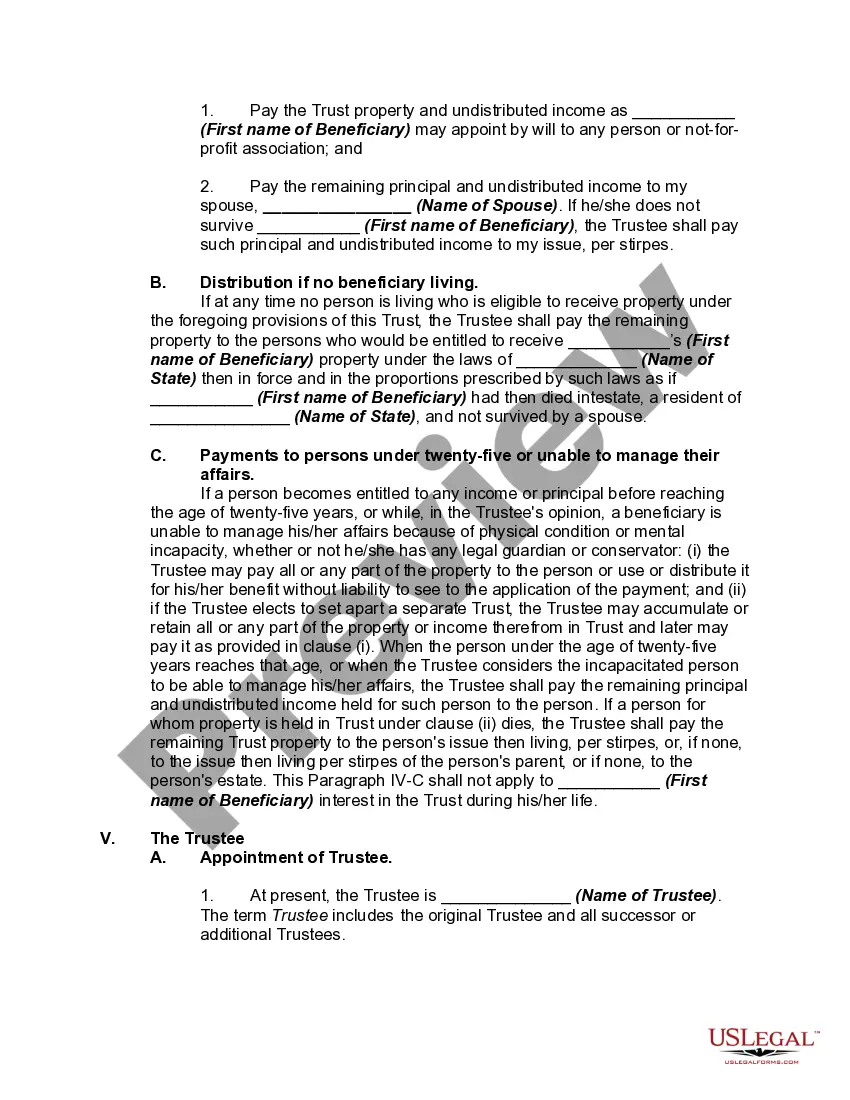
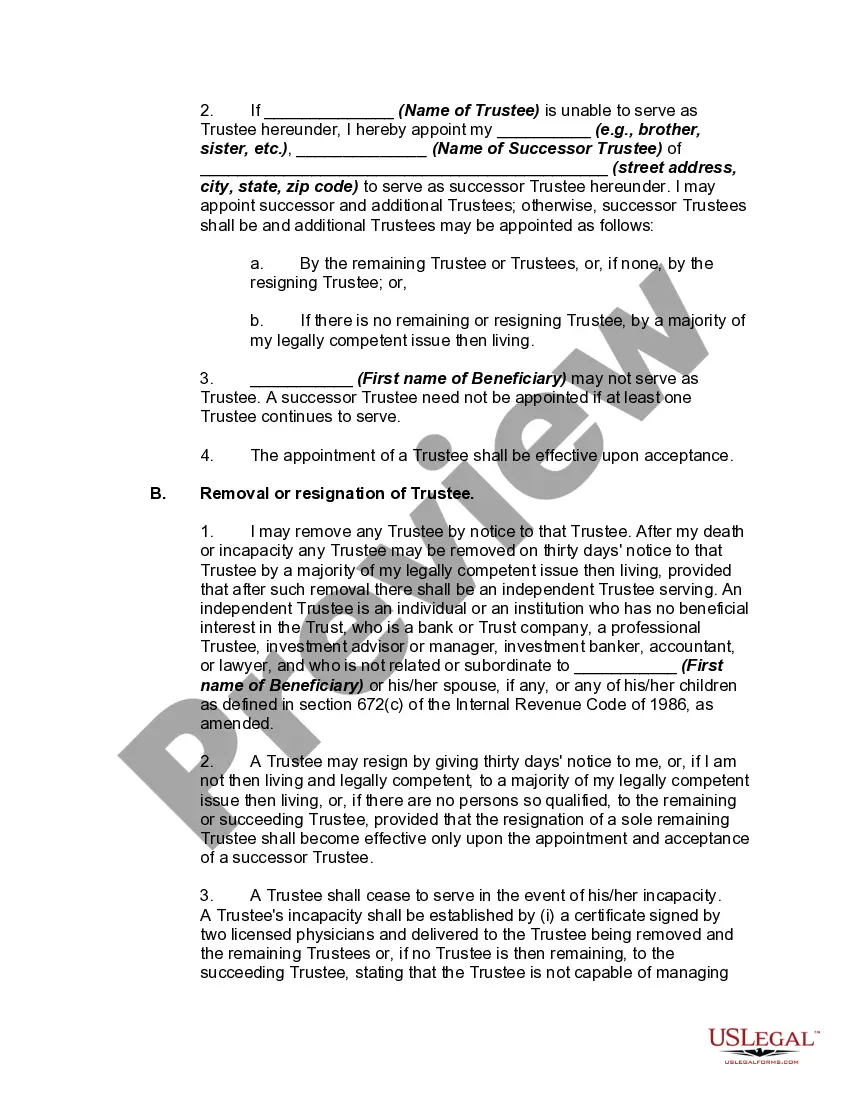
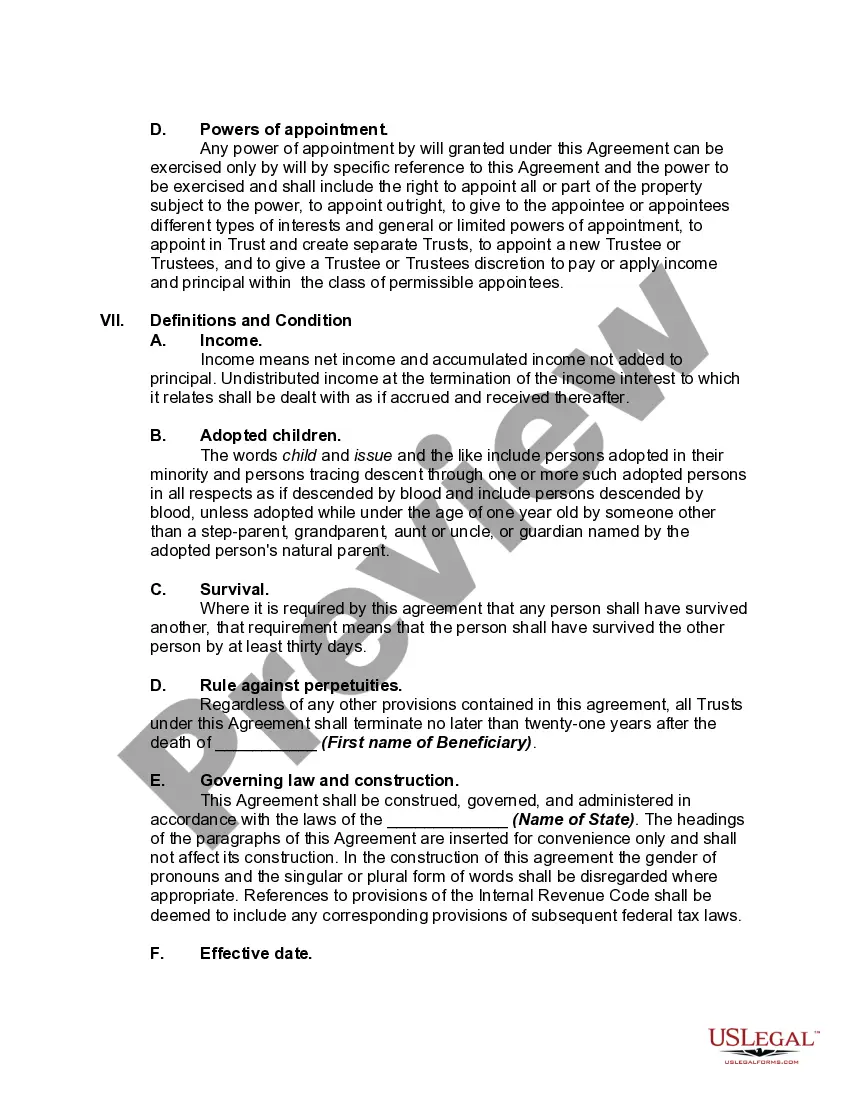
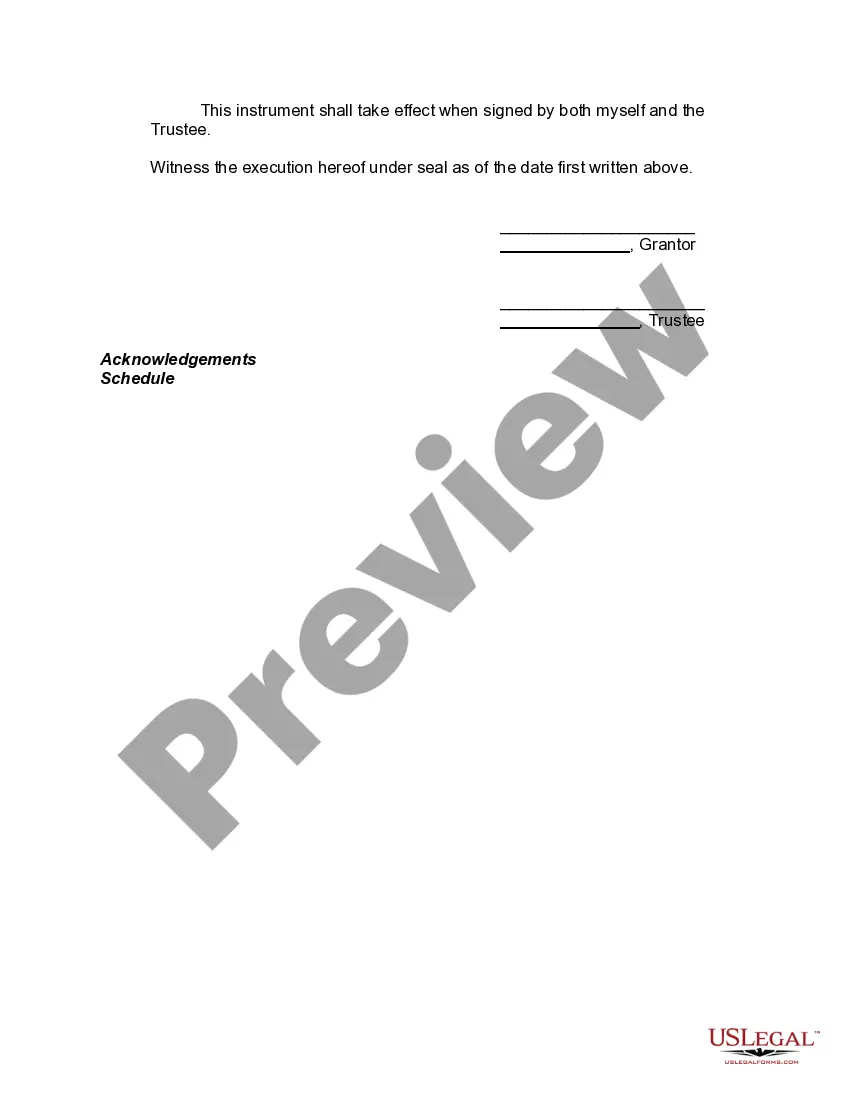



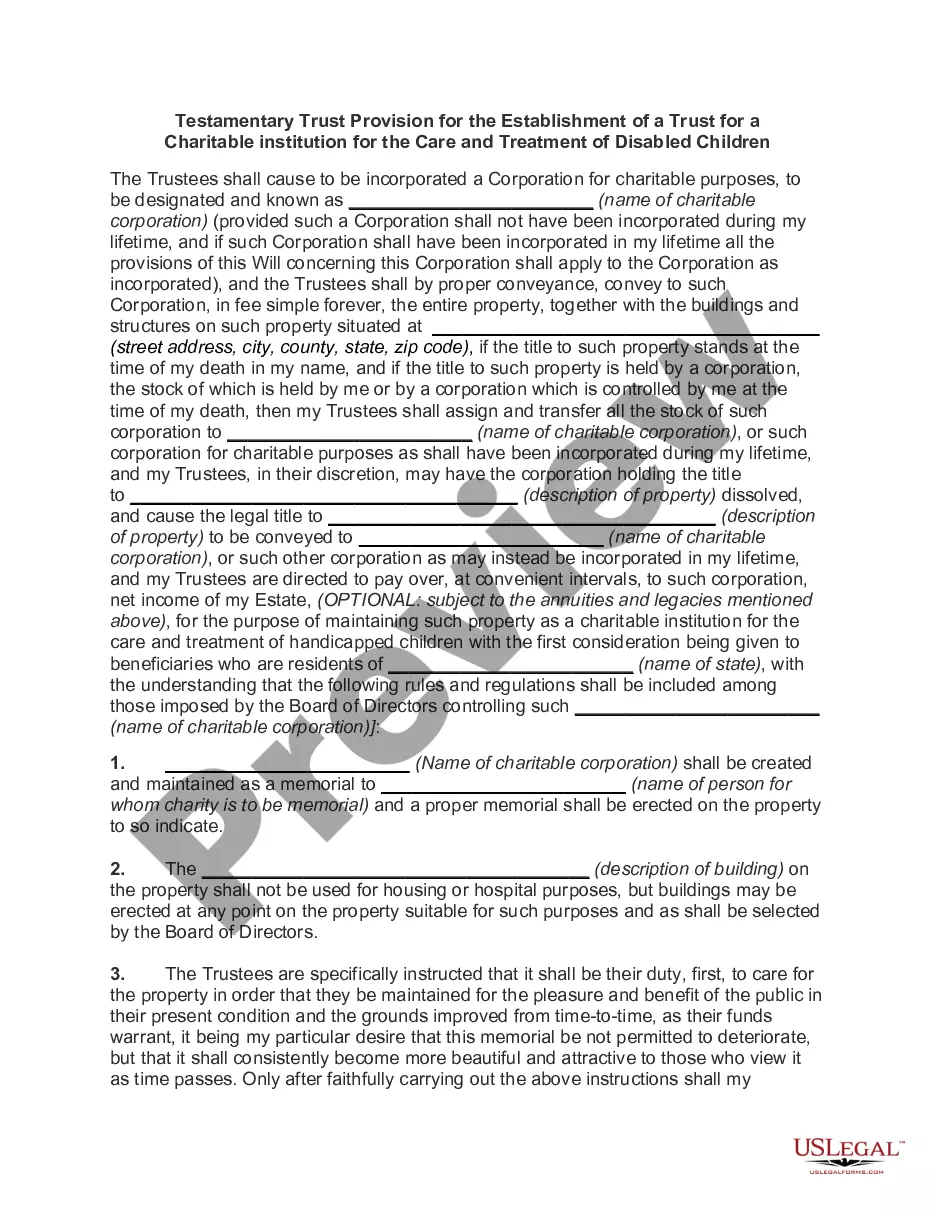
Get your form ready online
Our built-in tools help you complete, sign, share, and store your documents in one place.
Make edits, fill in missing information, and update formatting in US Legal Forms—just like you would in MS Word.
Download a copy, print it, send it by email, or mail it via USPS—whatever works best for your next step.
Sign and collect signatures with our SignNow integration. Send to multiple recipients, set reminders, and more. Go Premium to unlock E-Sign.
If this form requires notarization, complete it online through a secure video call—no need to meet a notary in person or wait for an appointment.
We protect your documents and personal data by following strict security and privacy standards.

Make edits, fill in missing information, and update formatting in US Legal Forms—just like you would in MS Word.

Download a copy, print it, send it by email, or mail it via USPS—whatever works best for your next step.

Sign and collect signatures with our SignNow integration. Send to multiple recipients, set reminders, and more. Go Premium to unlock E-Sign.

If this form requires notarization, complete it online through a secure video call—no need to meet a notary in person or wait for an appointment.

We protect your documents and personal data by following strict security and privacy standards.
Looking for another form?
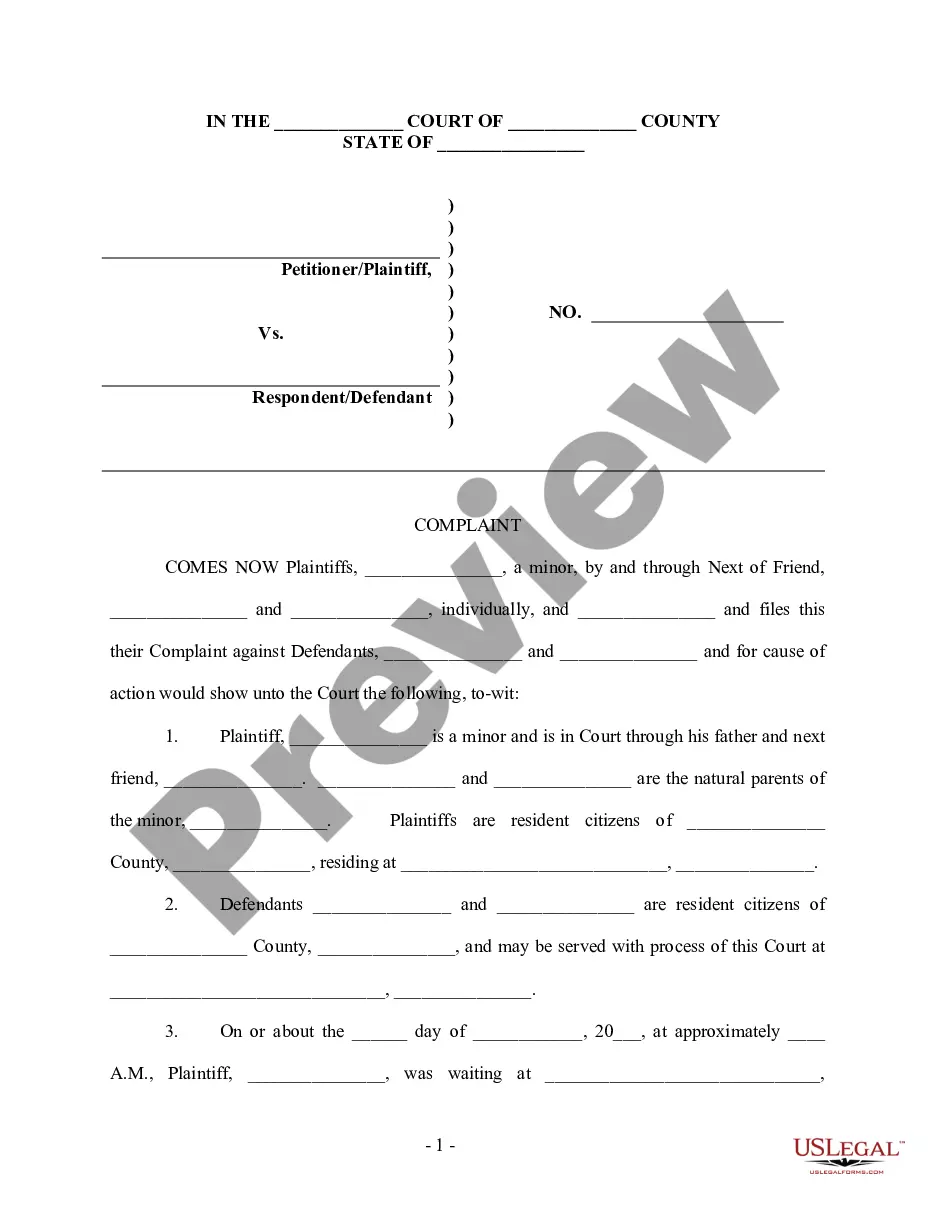


How to fill out Supplemental Needs Trust For Third Party - Disabled Beneficiary?
- If you're a returning user, log into your account and download the required template by clicking the Download button. Ensure your subscription is active; renew if necessary according to your payment plan.
- For first-time users, start by reviewing the form descriptions in Preview mode. Confirm that the selected document aligns with your needs and complies with local laws.
- If adjustments are needed, utilize the Search tab to find the appropriate template. Choose any alternative that fits your requirements and proceed.
- Select the Buy Now option to purchase the chosen document. Choose your subscription plan and create an account for complete access.
- Complete your purchase by entering your payment details, either through credit card or PayPal.
- Download the filled-out template to your device. You can find it anytime under the My Forms section of your profile.
In conclusion, creating a supplemental needs trust doesn't have to be overwhelming. By utilizing US Legal Forms, you can streamline the document creation process and ensure compliance with relevant laws.
Take the first step towards securing financial support for those in need—explore US Legal Forms today!
Form popularity
FAQ
The grantor, or creator, of a supplemental needs trust is the individual who establishes the trust. This person typically contributes assets to the trust to enhance the beneficiary’s lifestyle while maintaining their eligibility for essential government benefits. Understanding supplemental needs trust definition helps clarify the grantor's role in securing a better future for individuals with disabilities. At US Legal Forms, we offer resources to help you navigate the creation of such trusts efficiently.
The terms supplemental needs trust and special needs trust are often used interchangeably, but there are subtle differences. A supplemental needs trust definition specifically refers to a trust that supplements government benefits without replacing them. In comparison, a special needs trust may have its own set of regulations depending on the state. Both types aim to enhance the quality of life for those with disabilities while preserving their benefits.
In the context of a supplemental needs trust definition, the owner is typically the beneficiary. This trust is designed to benefit individuals with disabilities without jeopardizing their eligibility for government benefits. While the beneficiary receives the advantages, the trust is often managed by a trustee. The trustee oversees the trust’s assets and ensures they serve the beneficiary's best interests.
Typically, individuals with disabilities who rely on government benefits can qualify for a supplemental needs trust. This includes recipients of Social Security, Medicaid, or other public aid programs. Understanding the supplemental needs trust definition is vital in determining eligibility and ensuring that the trust meets all legal requirements.
A common mistake parents make is failing to properly fund the trust or not clearly specifying how the funds will be used. This can result in insufficient resources for their child with disabilities, undermining the trust's intended purpose. Being informed about the supplemental needs trust definition can help parents make smarter decisions and ensure they provide lasting support.
One major disadvantage of a special needs trust is the potential loss of government benefits if the trust is not structured properly. Additionally, the rules governing these trusts can be complex, leading to costly mistakes if not navigated carefully. It's essential to have a clear understanding of the supplemental needs trust definition when considering estate planning to avoid these pitfalls.
While the terms are often used interchangeably, a special needs trust generally refers to any trust designed to benefit a person with disabilities. In contrast, the supplemental needs trust specifically aims to supplement government benefits without jeopardizing eligibility. Understanding this distinction is crucial for effective planning, and the supplemental needs trust definition helps clarify its specific purpose.
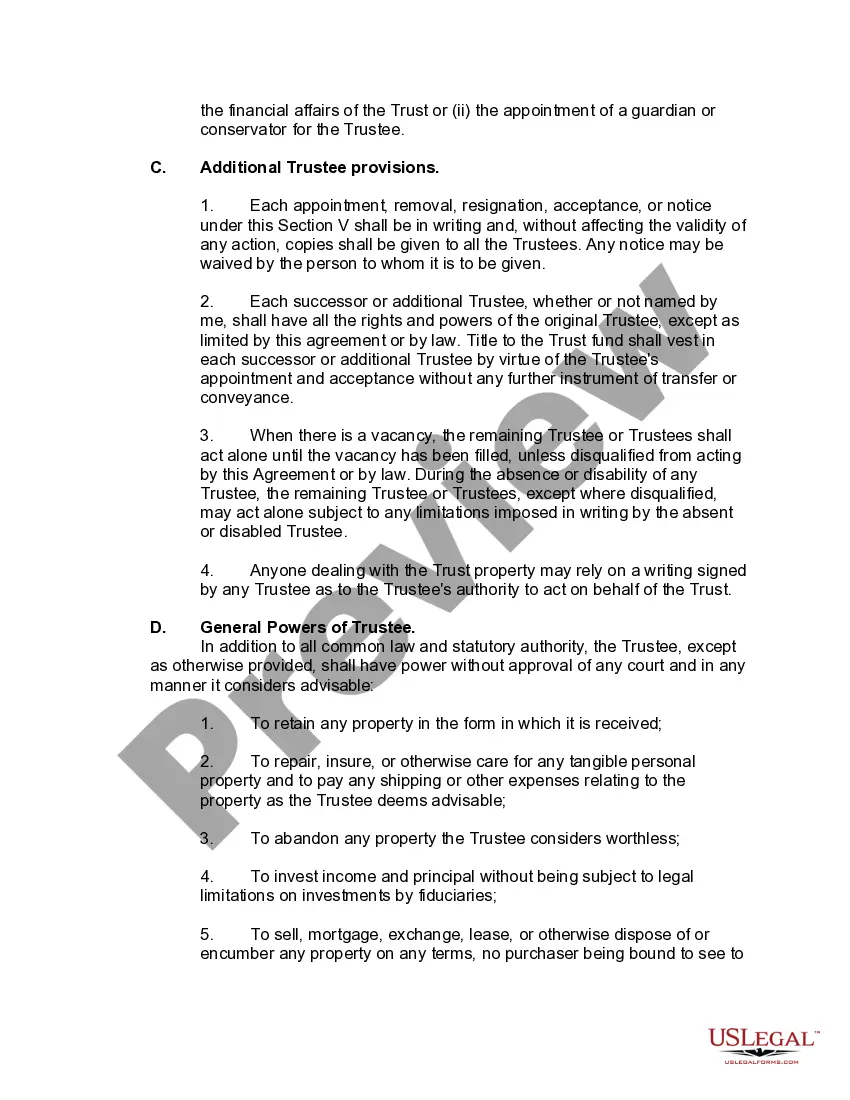
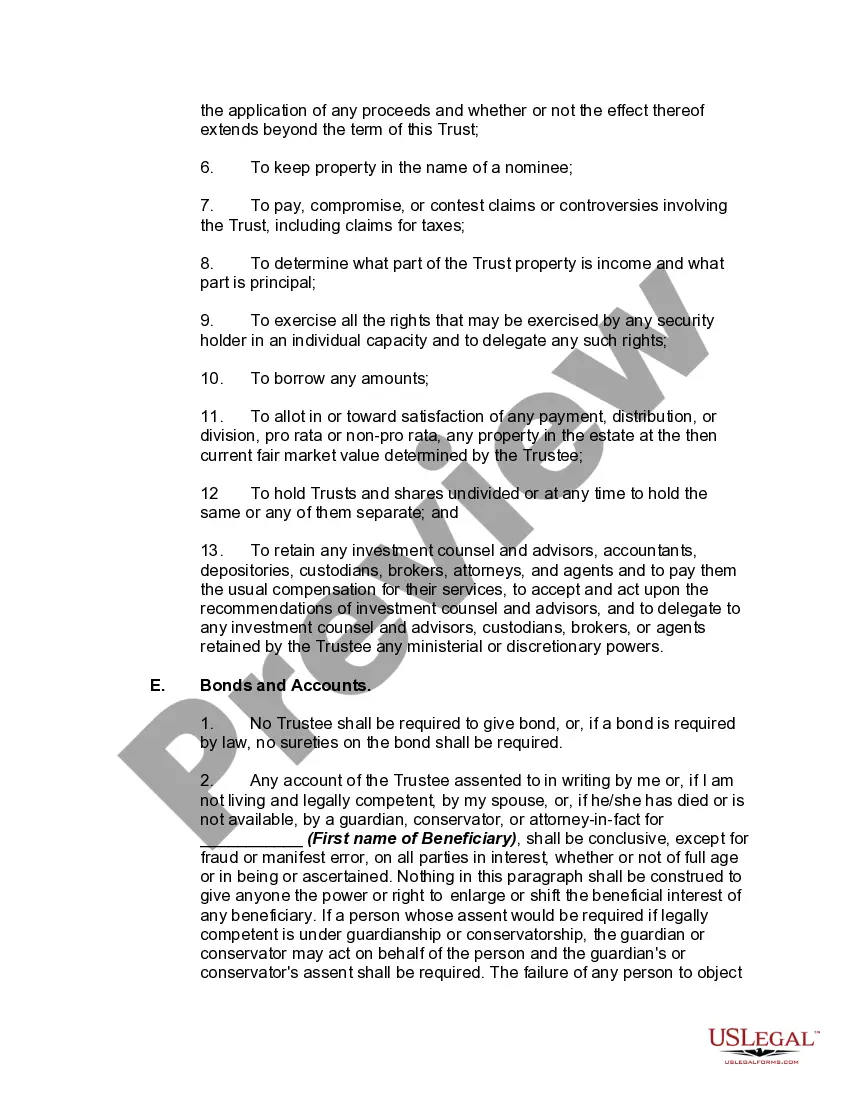
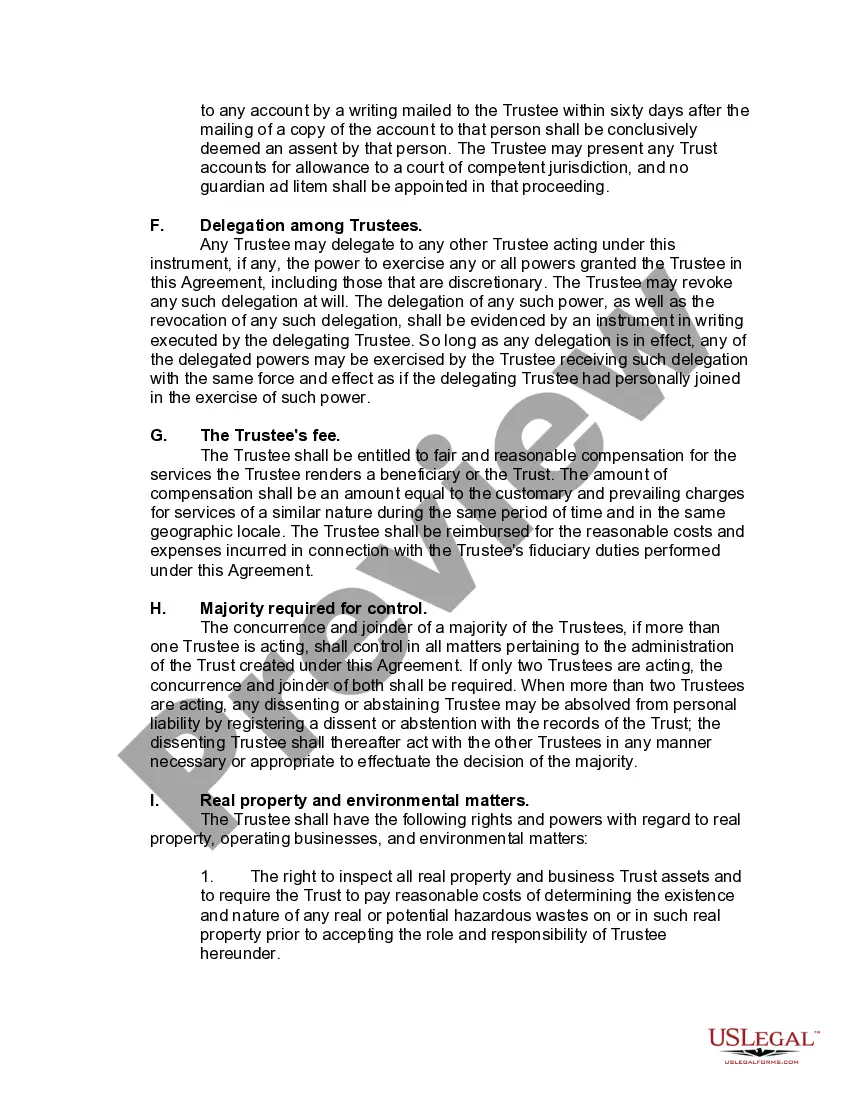
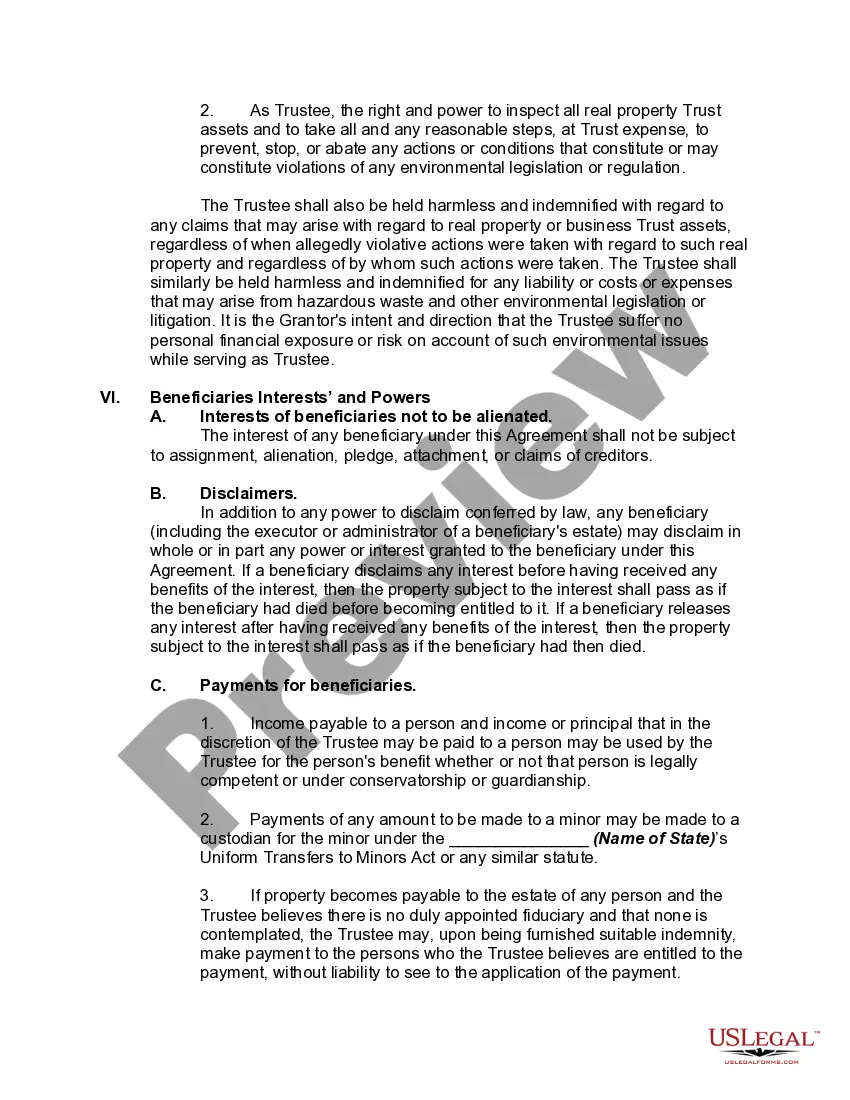
A supplemental needs trust is a legal arrangement that allows you to set aside funds for a person with disabilities without disqualifying them from government benefits. This trust ensures that the beneficiary can receive additional support beyond what public assistance offers. In essence, the supplemental needs trust definition highlights its role in enhancing the quality of life for individuals with special needs.
In essence, a supplemental needs trust and a special needs trust serve the same purpose: protecting assets for individuals with disabilities. However, the terminology may vary depending on state laws and specific use cases. Generally, both types of trusts maintain a beneficiary's eligibility for government benefits while providing additional funds for special services or items. Familiarizing yourself with the supplemental needs trust definition can help you navigate these subtle distinctions more effectively.
While it is possible to draft a special needs trust independently, it is not recommended due to complex legal requirements. A small mistake in the trust document could have significant ramifications for the beneficiary’s eligibility for public assistance programs. Engaging an attorney experienced in this field can help ensure your trust meets all legal standards and functions as intended. Understanding the supplemental needs trust definition can further clarify the importance of proper setup.