Supplement.needs
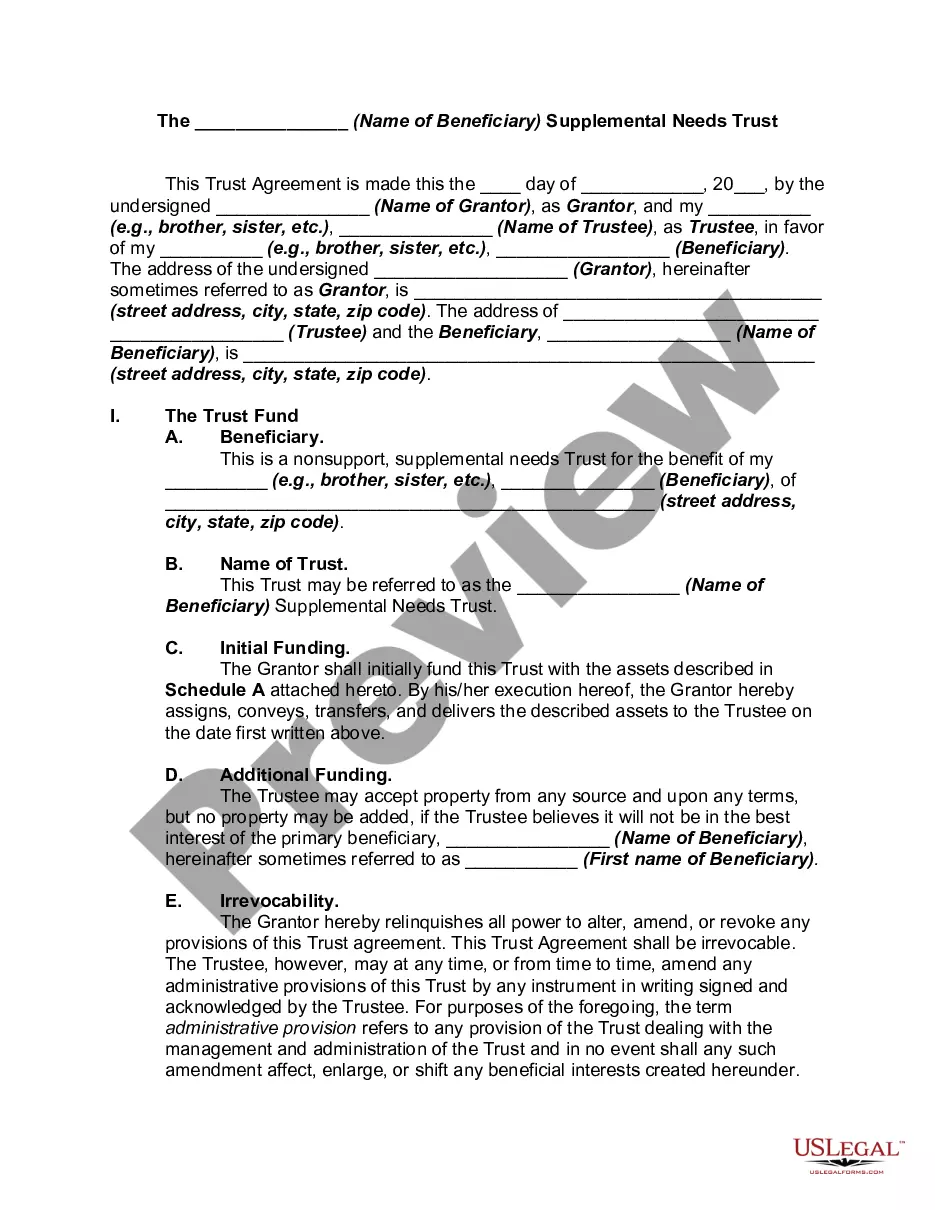
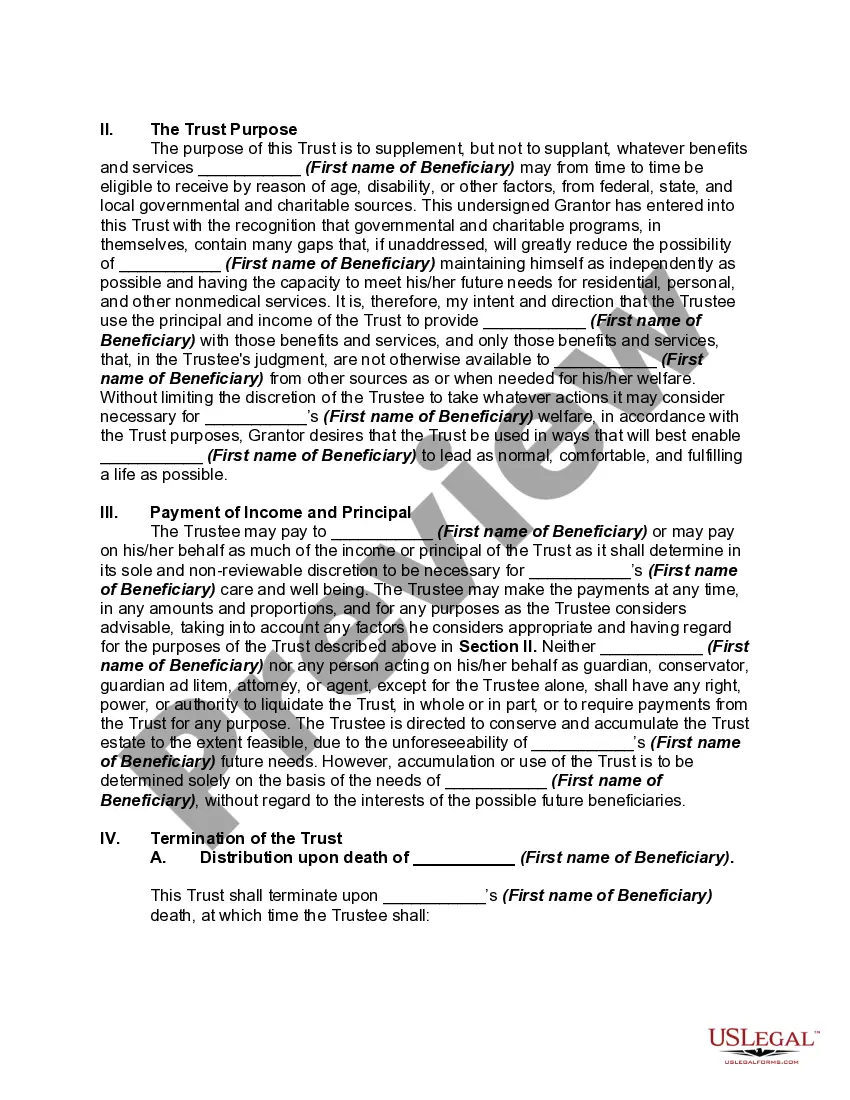
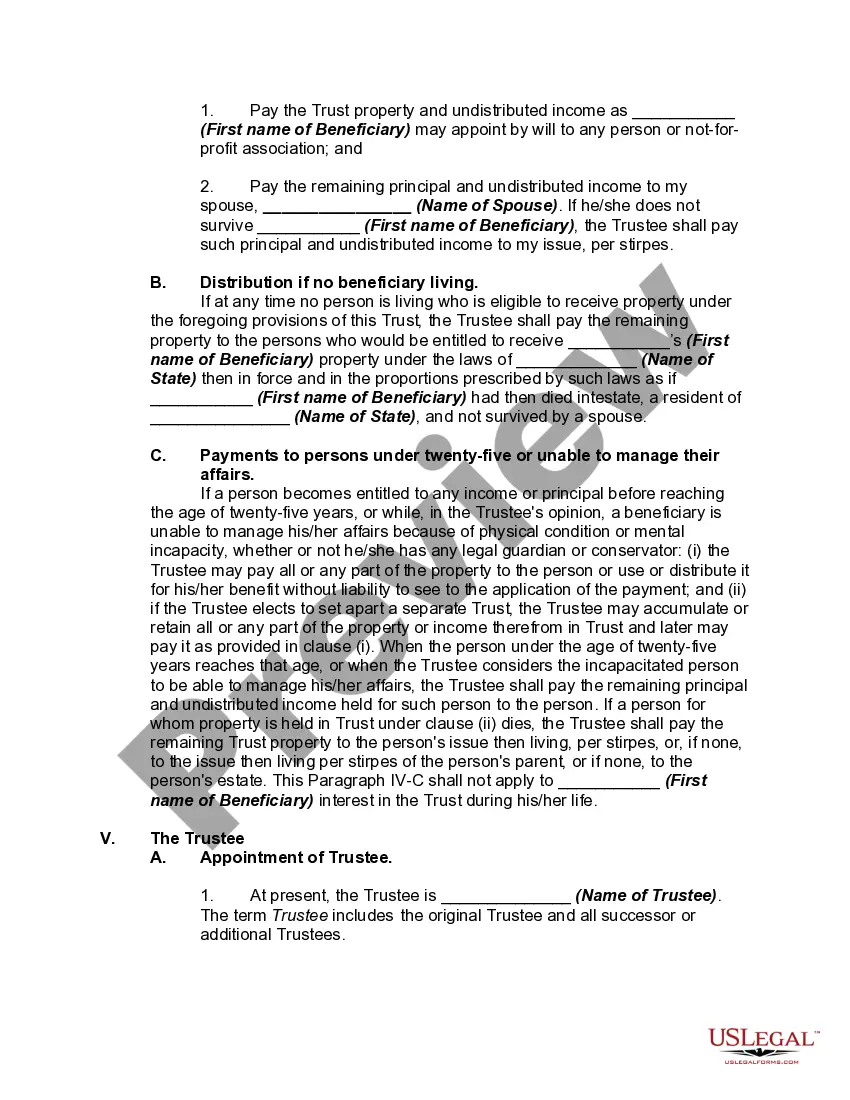
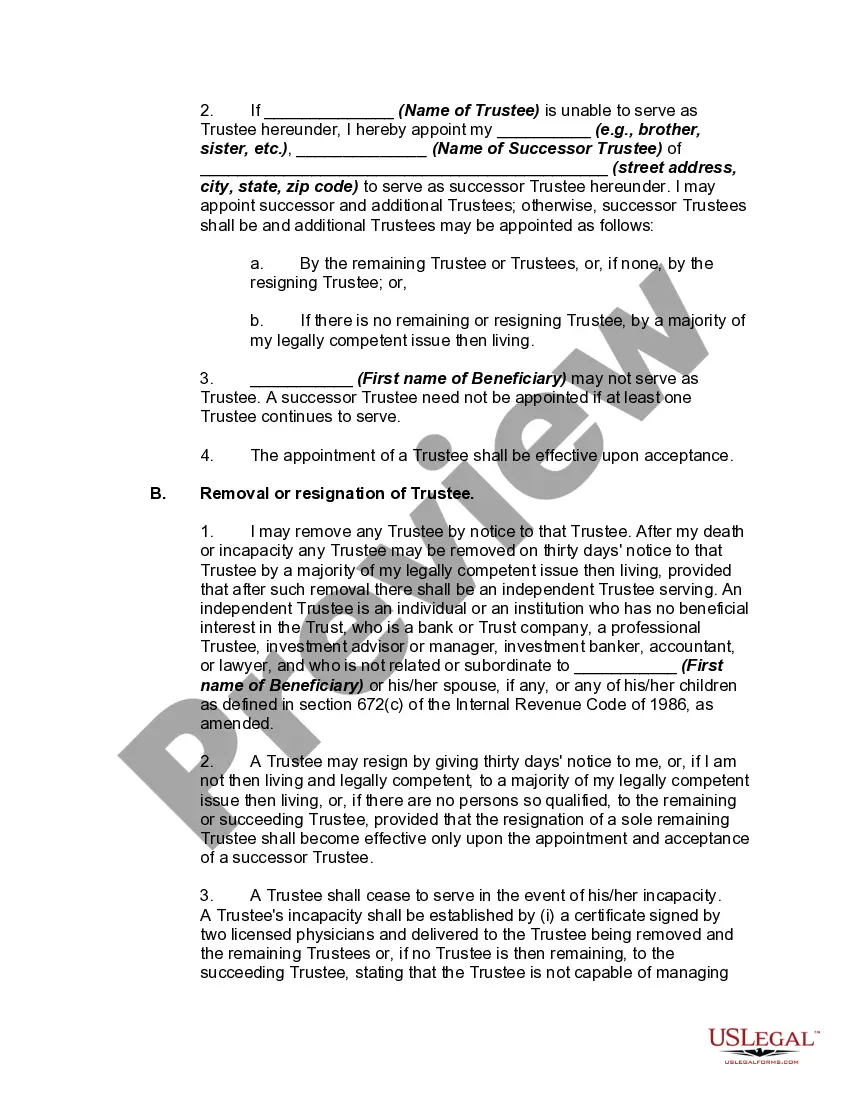
Description
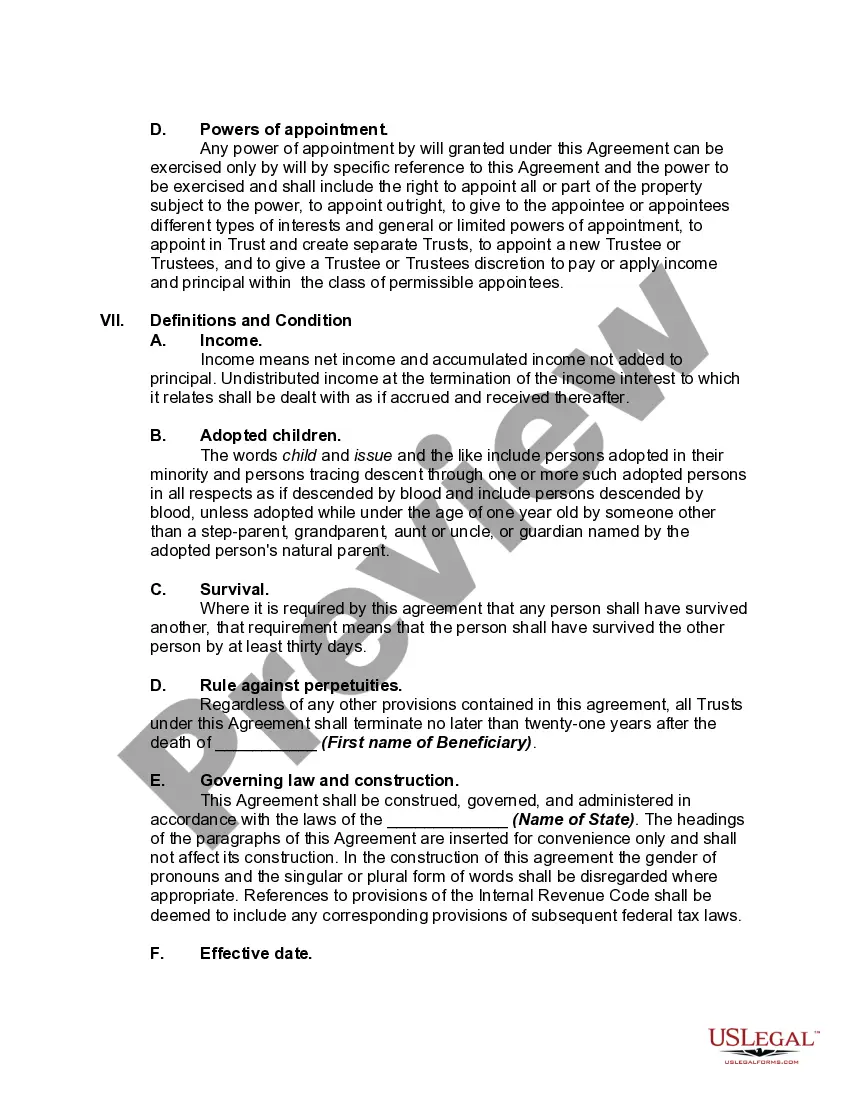




Get your form ready online
Our built-in tools help you complete, sign, share, and store your documents in one place.
Make edits, fill in missing information, and update formatting in US Legal Forms—just like you would in MS Word.
Download a copy, print it, send it by email, or mail it via USPS—whatever works best for your next step.
Sign and collect signatures with our SignNow integration. Send to multiple recipients, set reminders, and more. Go Premium to unlock E-Sign.
If this form requires notarization, complete it online through a secure video call—no need to meet a notary in person or wait for an appointment.
We protect your documents and personal data by following strict security and privacy standards.

Make edits, fill in missing information, and update formatting in US Legal Forms—just like you would in MS Word.

Download a copy, print it, send it by email, or mail it via USPS—whatever works best for your next step.

Sign and collect signatures with our SignNow integration. Send to multiple recipients, set reminders, and more. Go Premium to unlock E-Sign.

If this form requires notarization, complete it online through a secure video call—no need to meet a notary in person or wait for an appointment.

We protect your documents and personal data by following strict security and privacy standards.
Looking for another form?
How to fill out Supplemental Needs Trust For Third Party - Disabled Beneficiary?
- If you're a returning user, simply log in to your account and click the Download button to retrieve your desired form. Make sure your subscription is active; if it has lapsed, renew it using your payment plan.
- For first-time users, start by reviewing the Preview mode and form descriptions to select the correct template that meets your legal needs and aligns with local jurisdiction requirements.
- Should you need additional templates, utilize the Search feature at the top to find the right document. Once you've identified the necessary one, proceed to the next step.
- To purchase, click the Buy Now button and select your preferred subscription plan. Create an account to gain access to all resources available in the library.
- Complete your payment using a credit card or PayPal, and once processed, your document will be ready for download.
- Save the template on your device, allowing you to fill it out and access it anytime through the My Forms section in your profile.
In conclusion, the US Legal Forms offers enriching resources that simplify legal documentation processes for individuals and lawyers alike. With a vast library and expert support, getting your forms done accurately is just a few clicks away.
Don't wait any longer—experience the advantages of US Legal Forms today!
Form popularity
FAQ
To open a supplemental needs trust, you ideally start by consulting with a legal expert who specializes in this area. You'll need to outline the objectives of the trust, identify a suitable trustee, and draft the trust document to comply with relevant laws. Platforms like US Legal Forms can provide templates and resources to help streamline this process, ensuring that your trust meets all necessary criteria.
Special needs trusts come with restrictions to ensure that the funds are spent appropriately. For example, the trust cannot be used for basic living expenses like food or housing, as this could interfere with government benefits. Understanding these restrictions is crucial to ensuring that a trust serves its intended purpose of providing supplemental support.
A special needs trust in New Jersey allows families to set aside funds to benefit a loved one with disabilities while preserving their eligibility for government aid. The trust is managed by a trustee who oversees its funds and distributions, used to cover extras like therapeutic services or medical bills. This careful planning ensures that individuals receive all necessary support without jeopardizing essential benefits.
Supplemental needs refer to additional support and resources that enhance the quality of life for individuals with disabilities. This can include funds for education, medical expenses, and recreational activities that are not covered by government benefits. By understanding supplemental needs, families can create effective strategies to provide better care for their loved ones.
In New Jersey, specific rules govern special needs trusts to ensure they meet requirements for government benefits. The trust must be created for the benefit of an individual with disabilities, and funds must be used to supplement their needs without disqualifying them from Medicaid or other assistance. It's important to work with legal professionals to ensure that all state regulations are followed properly.
While no single supplement can be deemed the absolute best for everyone, many experts recommend Vitamin D due to its widespread deficiencies in the population. Vitamin D plays a vital role in bone health, immune function, and overall well-being. It's wise to evaluate your diet and lifestyle to determine your specific supplement needs. For detailed insights, consider exploring Supplement.needs for valuable information.
The three most important supplements generally include Omega-3 fatty acids, Vitamin D, and Vitamin C. Omega-3 supports brain and heart health, Vitamin D is crucial for bone health and immune function, while Vitamin C is essential for collagen production and skin health. However, your supplement needs may differ, so it is valuable to conduct research or consult a professional to tailor your choices.
You can ask healthcare professionals, such as doctors or registered dietitians, about supplements. They can provide expert guidance tailored to your individual health needs. Online resources and communities focusing on dietary and nutritional advice may also be helpful. Always consider verifying any information with credible sources to ensure it meets your supplement needs.
You can find out your supplement needs by assessing your diet, health conditions, and lifestyle. Consulting with a healthcare provider can provide personalized recommendations based on your unique situation. Consider using platforms like US Legal Forms to access resources and information about legal supplements and dietary guidelines. This way, you can make informed decisions about supplementing your diet.
The top three supplements often identified are Omega-3 fatty acids, Vitamin D, and Magnesium. Omega-3 supports heart health, Vitamin D boosts mood and immune function, and Magnesium aids in muscle function and energy production. Each person's supplement needs will vary, so consider which supplements align with your lifestyle and health goals. To make informed choices, check out resources on Supplement.needs.