Special Trust
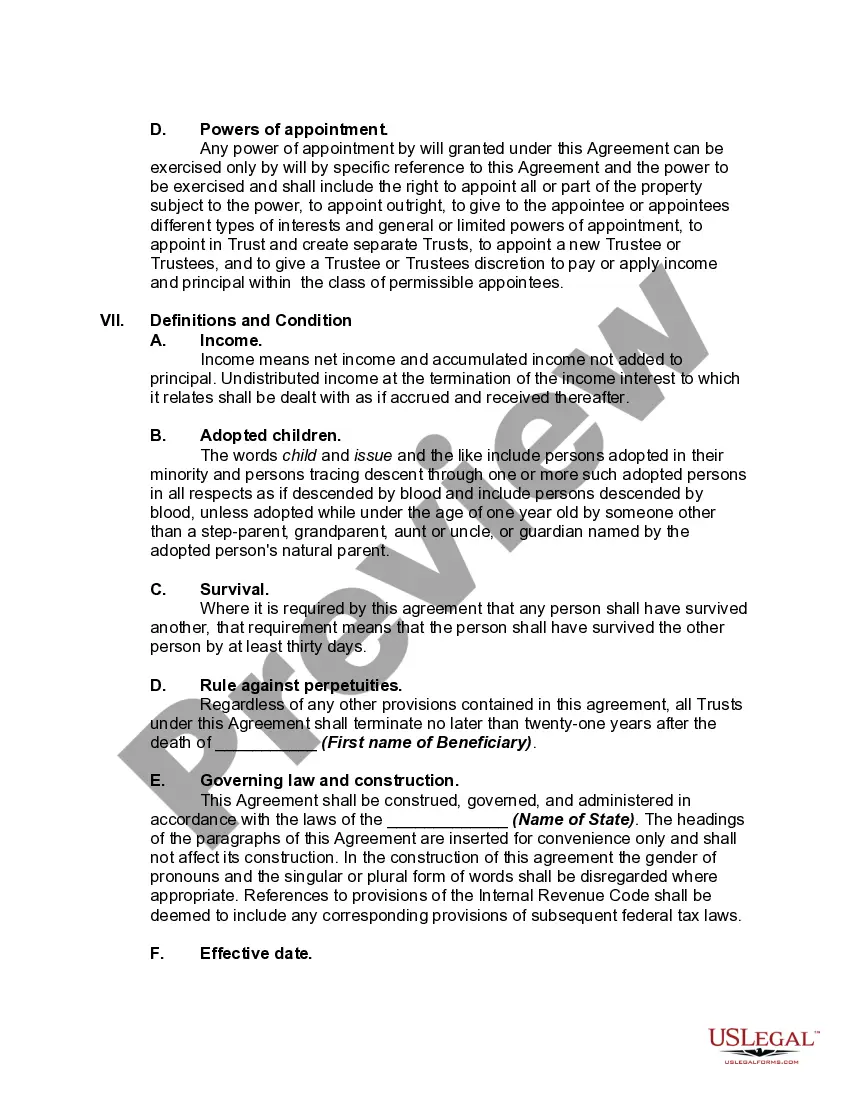
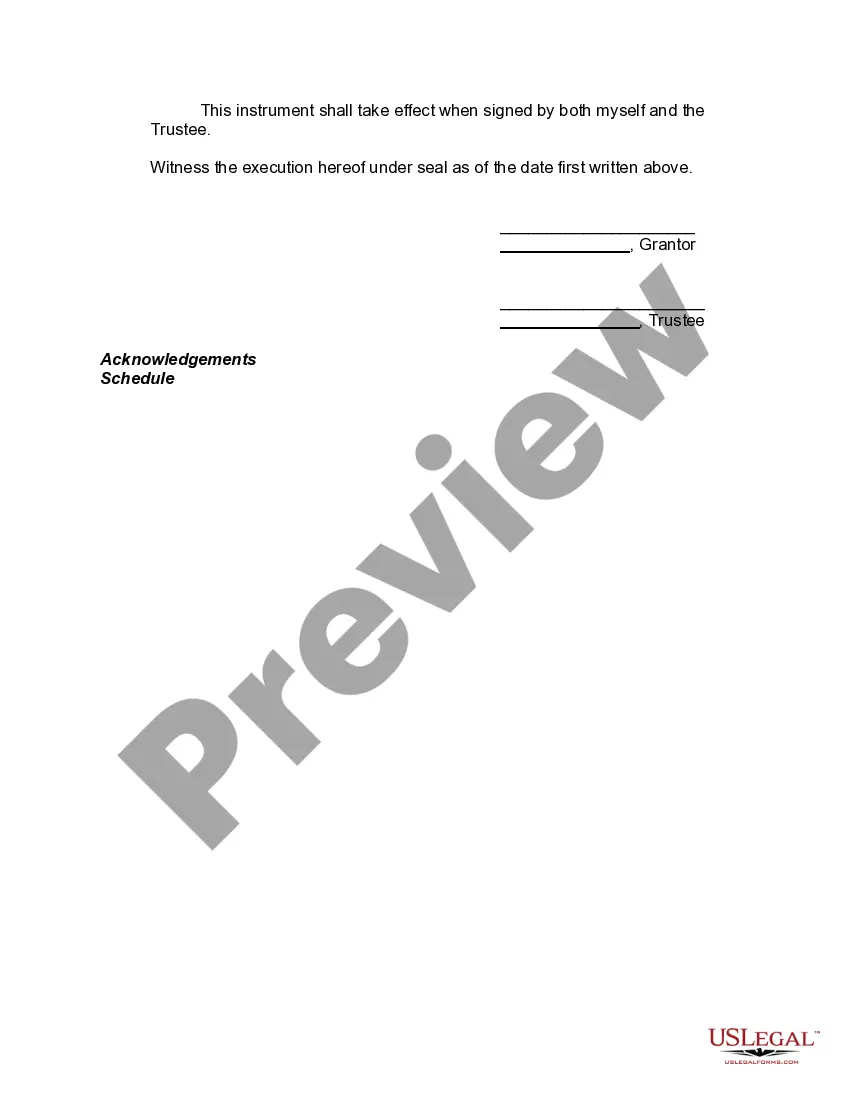
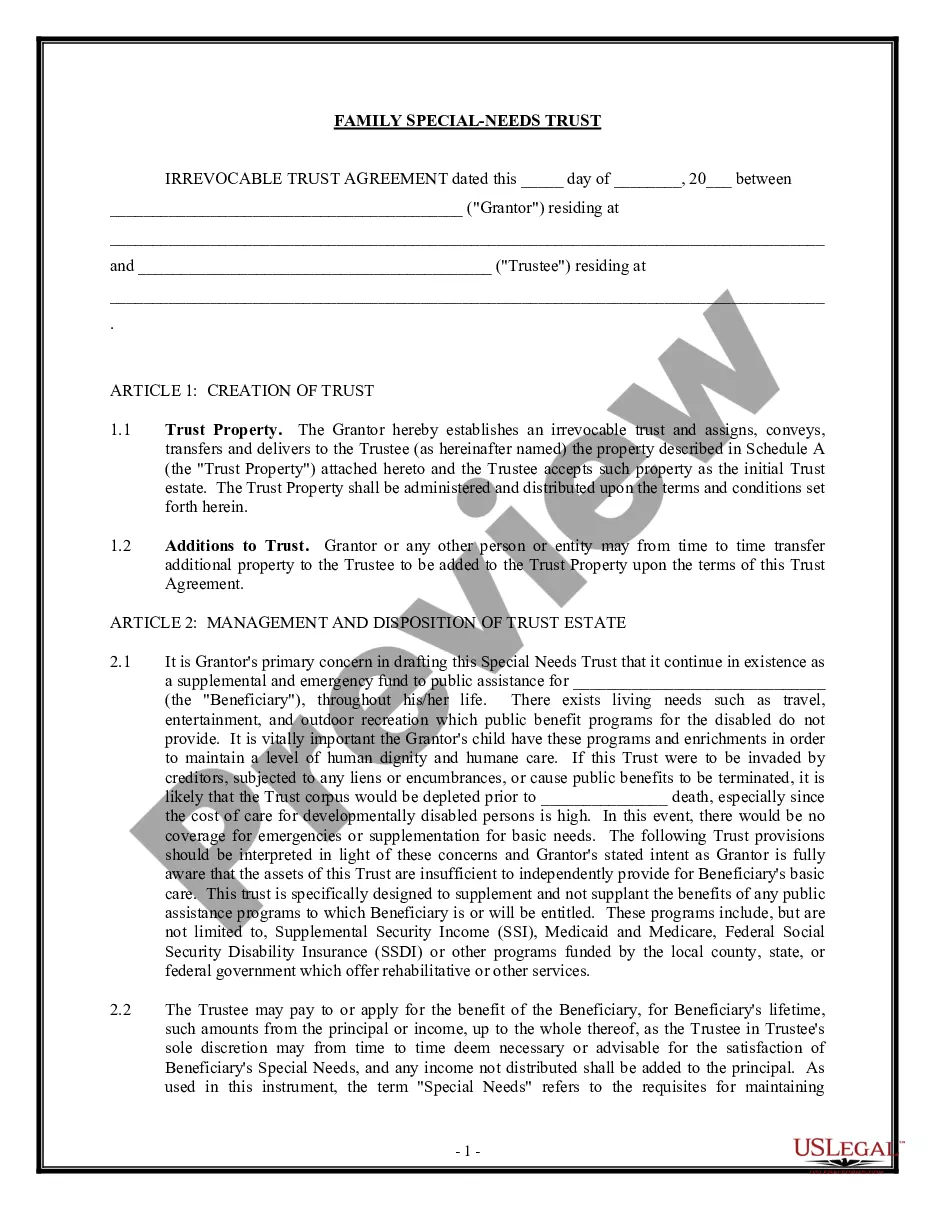
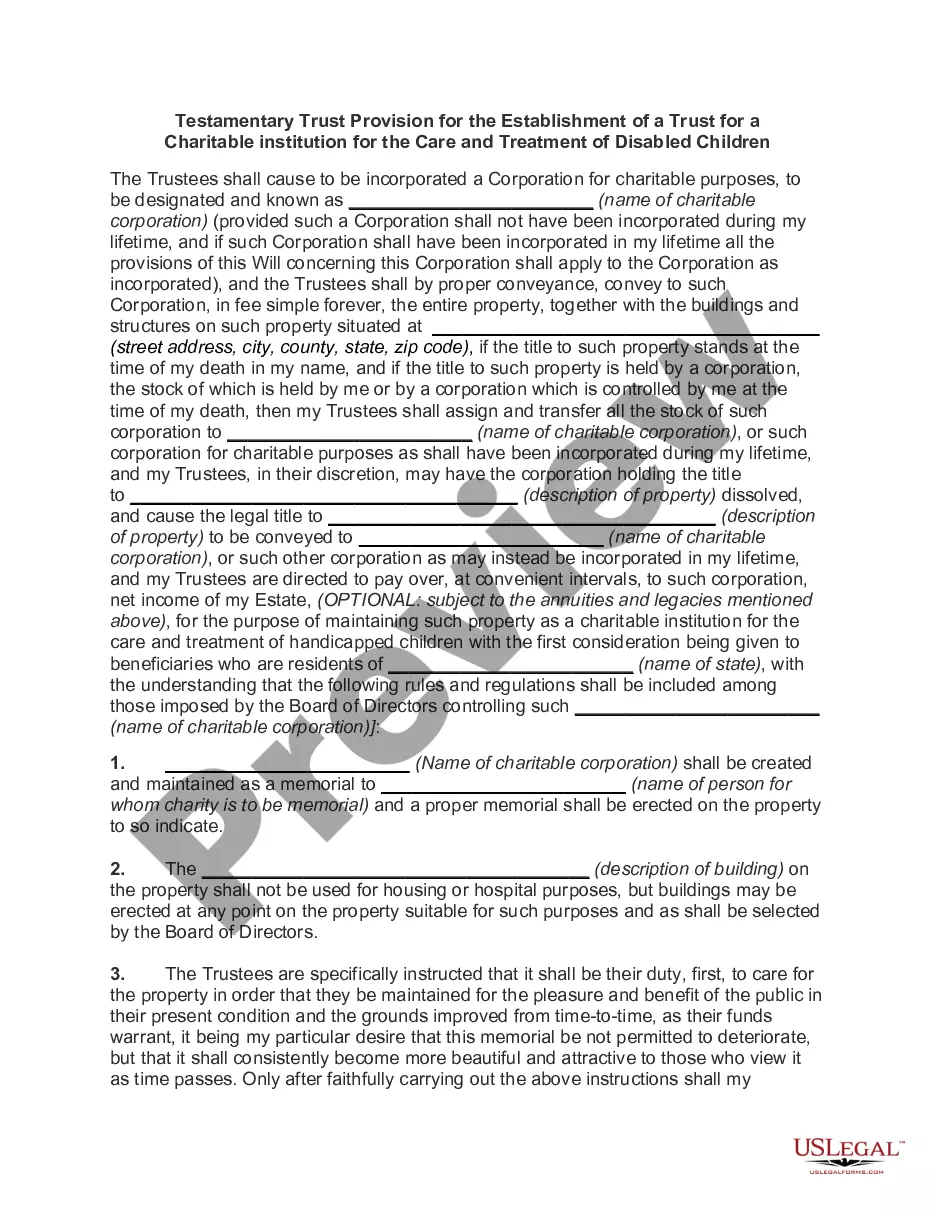
Description
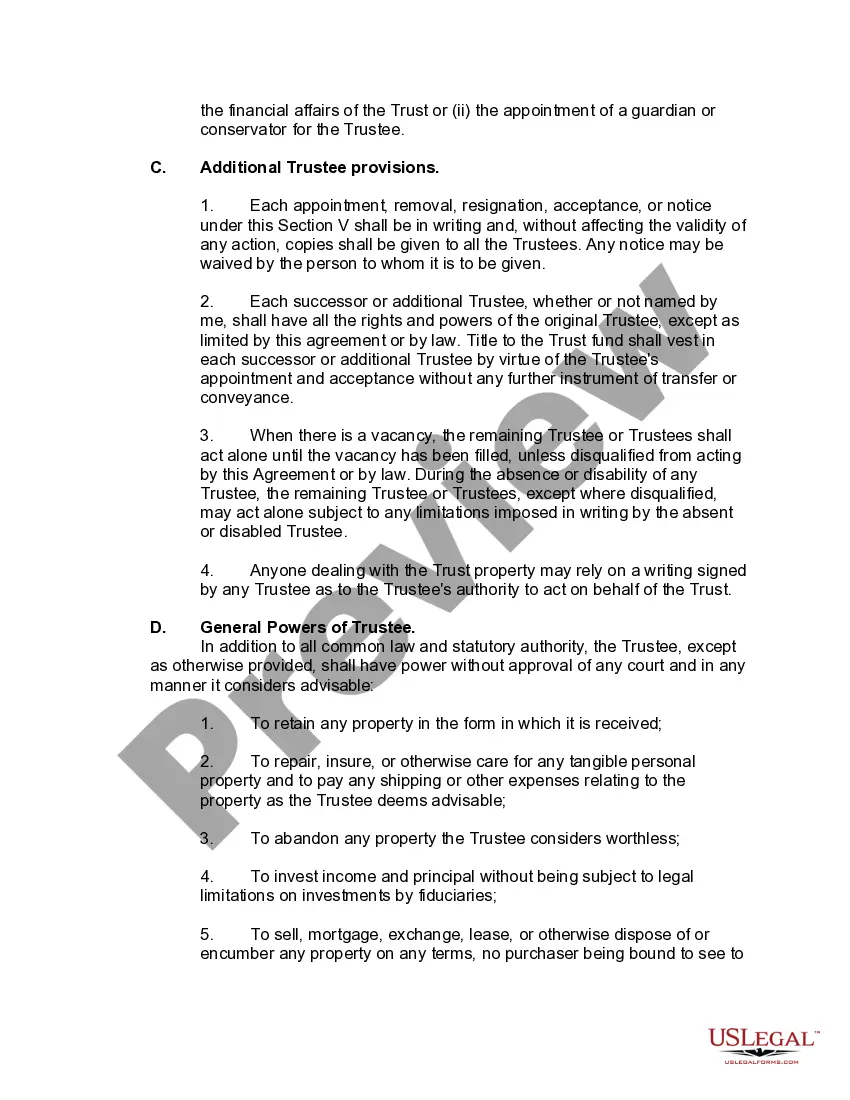
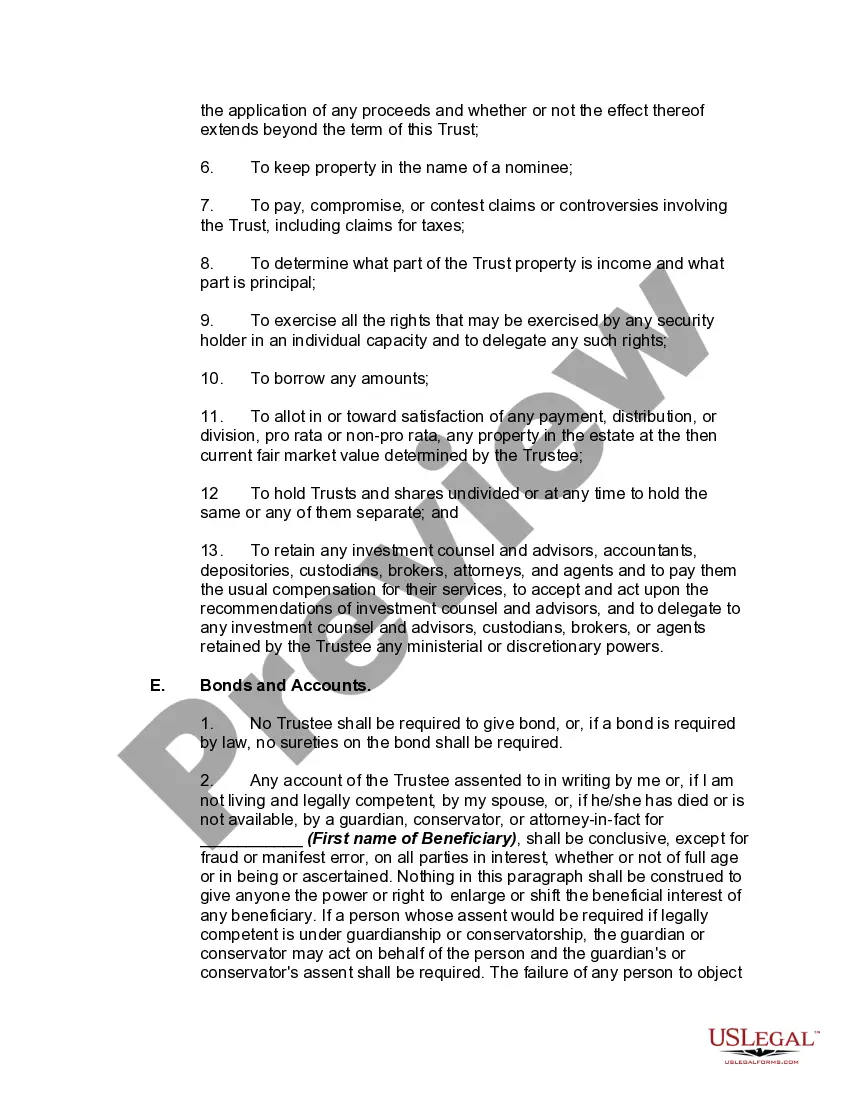
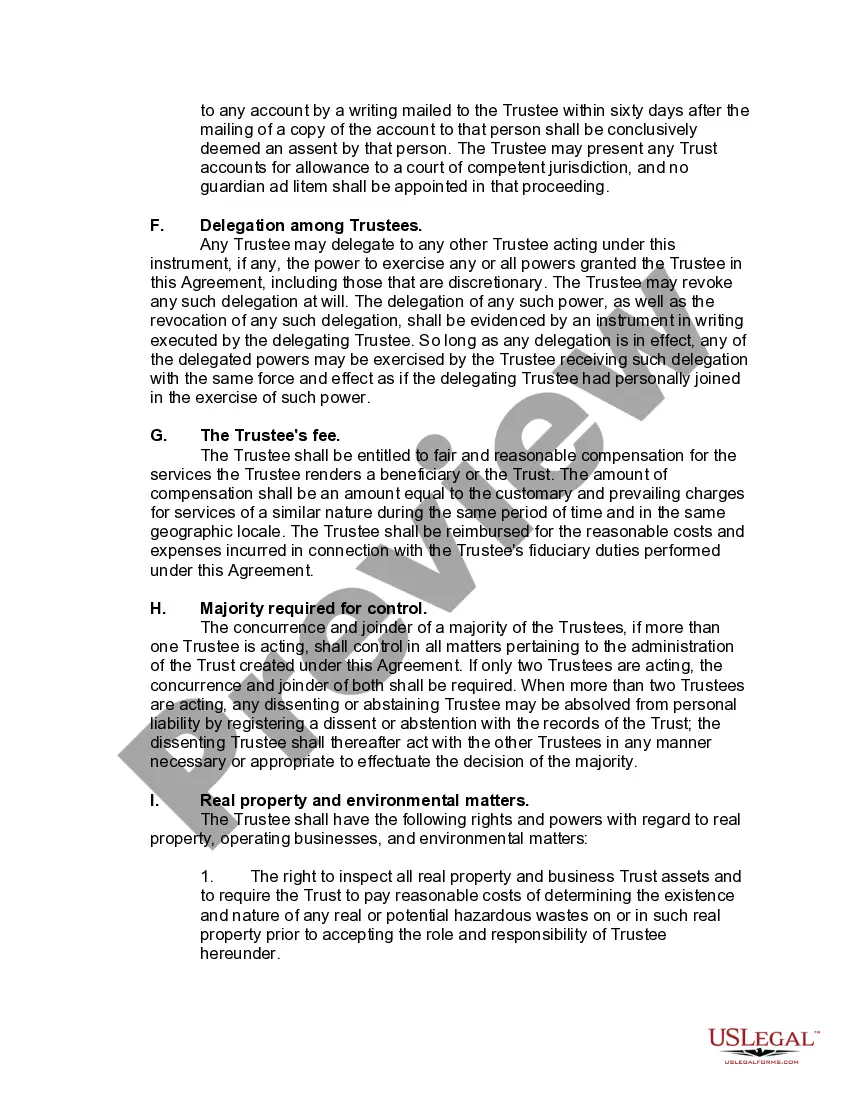
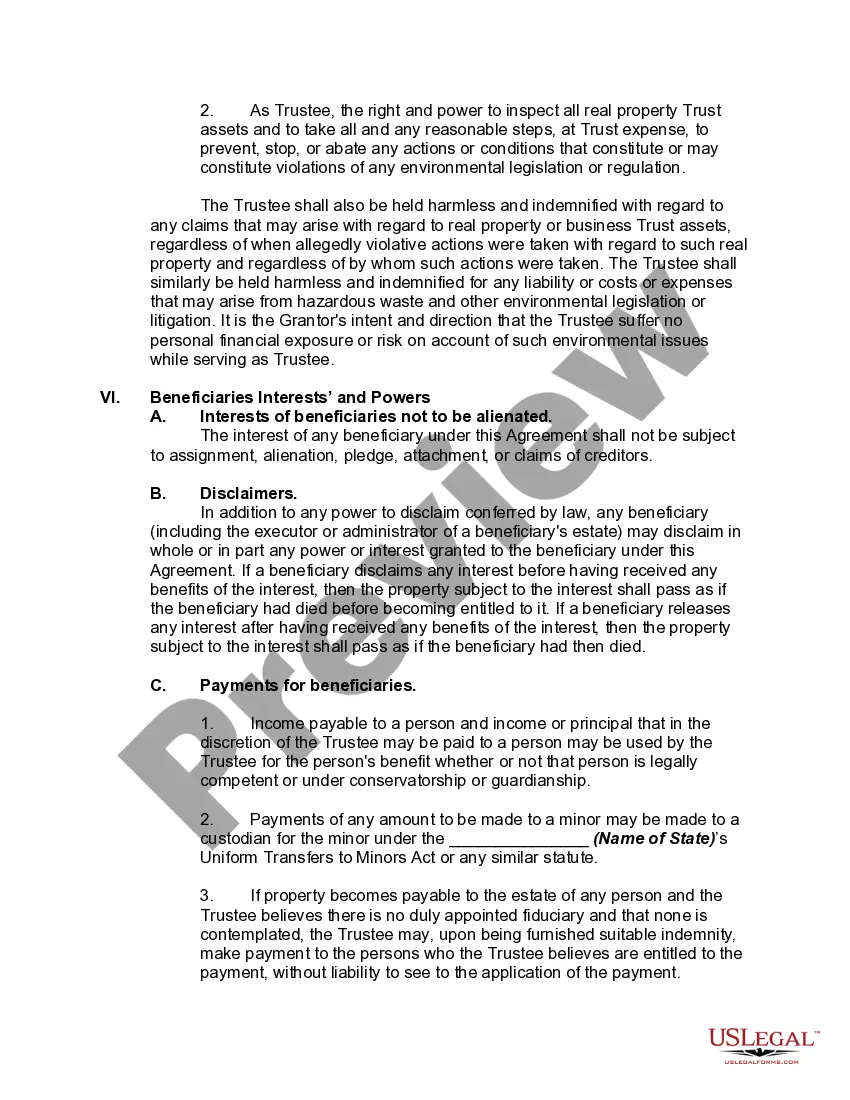


Get your form ready online
Our built-in tools help you complete, sign, share, and store your documents in one place.
Make edits, fill in missing information, and update formatting in US Legal Forms—just like you would in MS Word.
Download a copy, print it, send it by email, or mail it via USPS—whatever works best for your next step.
Sign and collect signatures with our SignNow integration. Send to multiple recipients, set reminders, and more. Go Premium to unlock E-Sign.
If this form requires notarization, complete it online through a secure video call—no need to meet a notary in person or wait for an appointment.
We protect your documents and personal data by following strict security and privacy standards.

Make edits, fill in missing information, and update formatting in US Legal Forms—just like you would in MS Word.

Download a copy, print it, send it by email, or mail it via USPS—whatever works best for your next step.

Sign and collect signatures with our SignNow integration. Send to multiple recipients, set reminders, and more. Go Premium to unlock E-Sign.

If this form requires notarization, complete it online through a secure video call—no need to meet a notary in person or wait for an appointment.

We protect your documents and personal data by following strict security and privacy standards.
Looking for another form?




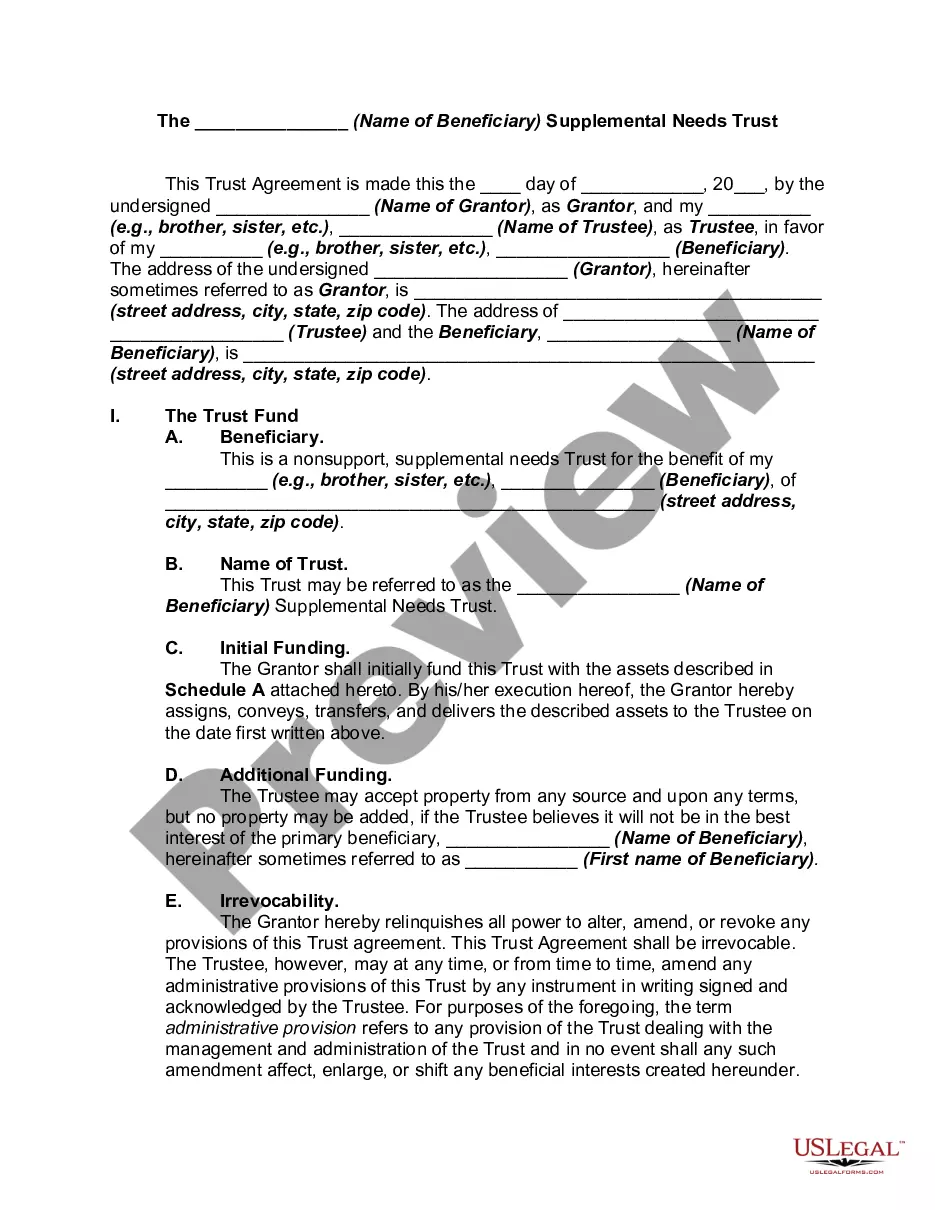
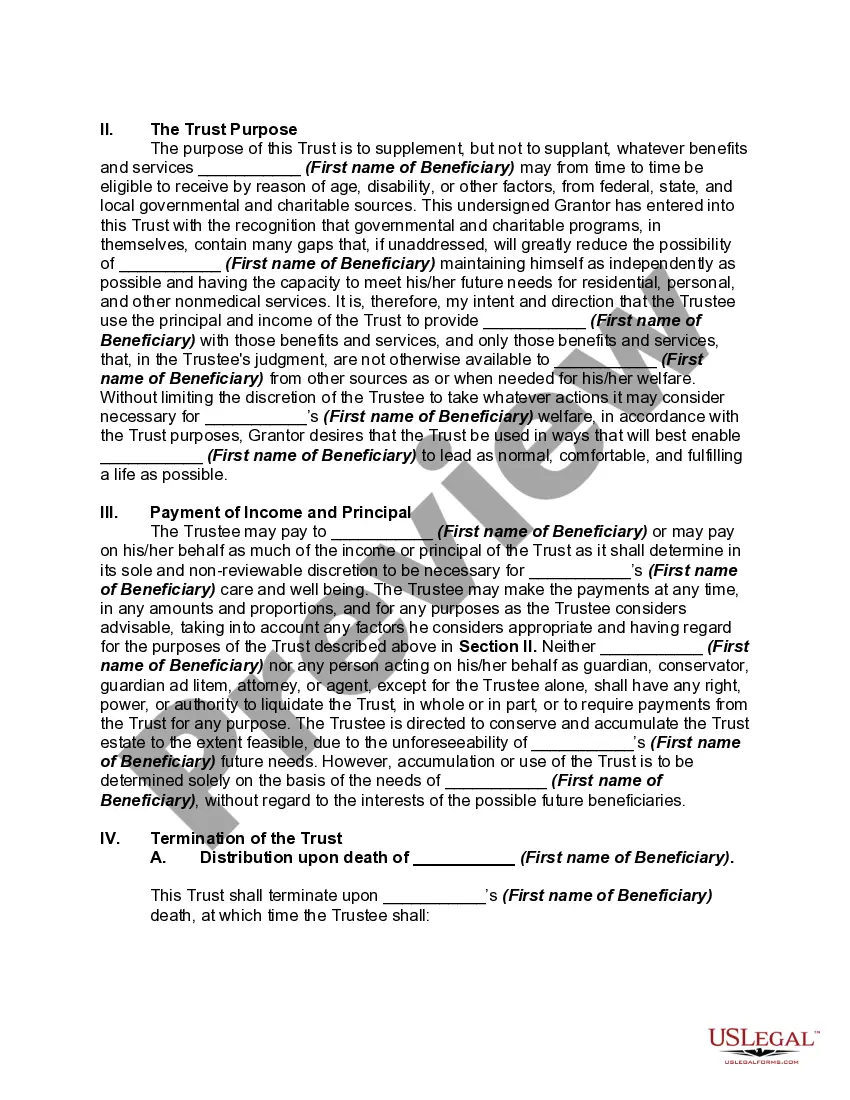
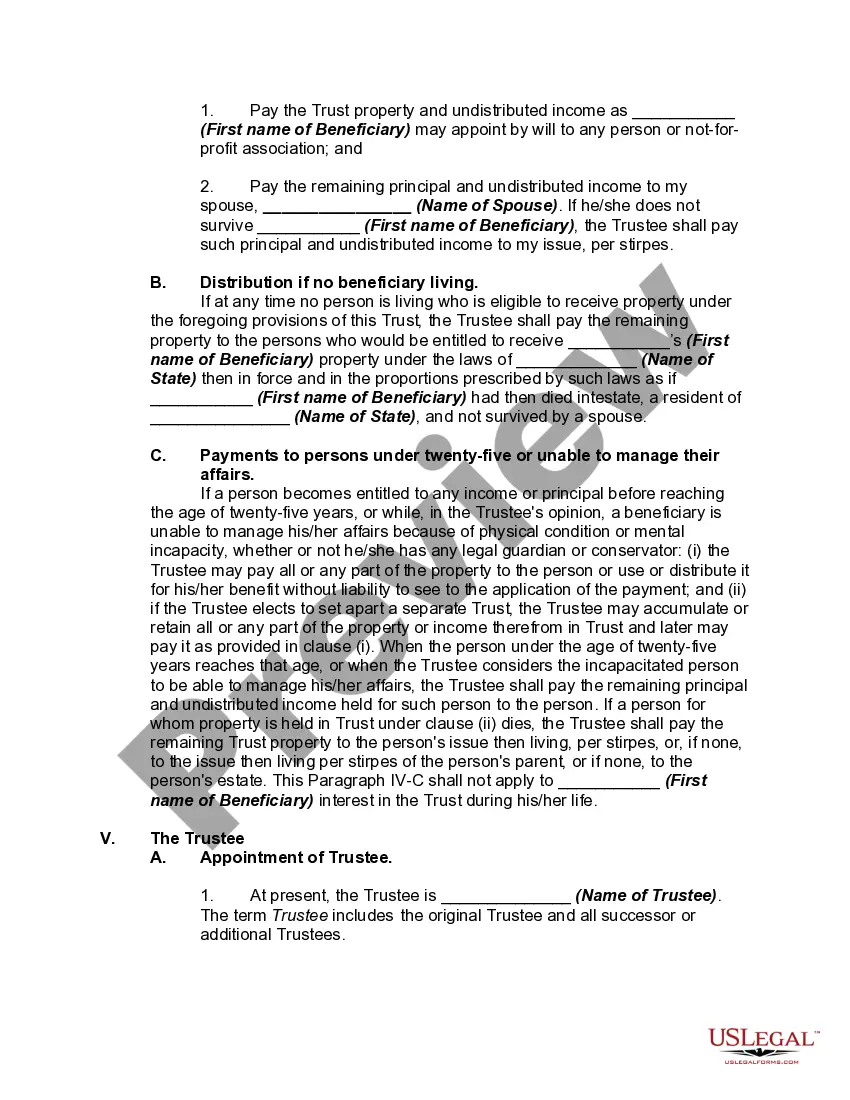
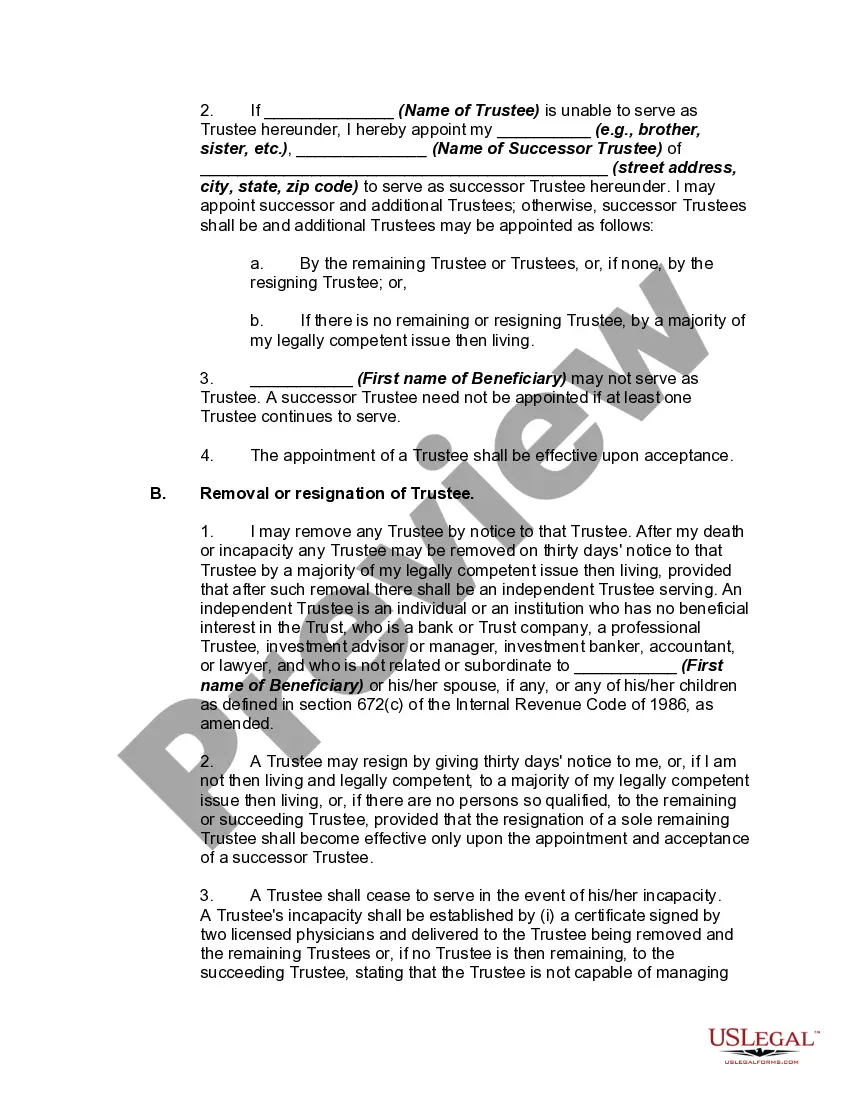
How to fill out Supplemental Needs Trust For Third Party - Disabled Beneficiary?
- Log in to your account if you've used US Legal Forms before. Ensure your subscription is active or renew it as necessary.
- For first-time users, start by browsing through the extensive library of over 85,000 legal forms. Use the Preview mode to assess form suitability for your local jurisdiction.
- If the desired template isn’t suitable, leverage the Search function to find a better match for your needs.
- Once you've found the correct document, click on the 'Buy Now' button and select your preferred subscription plan to gain access.
- Proceed to payment by entering your credit card information or using your PayPal account.
- After completing your purchase, download the form directly to your device. You can easily access it anytime from the 'My Forms' section of your profile.
By utilizing US Legal Forms, you ensure that your legal documents are both accurate and compliant with local regulations.
Start your journey to hassle-free legal document preparation today by visiting US Legal Forms and exploring their extensive library!
Form popularity
FAQ
The formation of a special trust can vary, but it generally becomes effective as soon as the trust document is signed by the grantor. Once the document is executed, the trust can start managing assets immediately, provided all legal formalities are observed. For an efficient process, UsLegalForms offers templates and instructions to help establish your trust smoothly.
While a trust itself does not need to be registered with the IRS, it must file tax returns if it generates income, which is reported using Form 1041. This requirement applies to special trusts as well. When in doubt, using services like US Legal Forms can provide clarity on the forms and obligations necessary for compliance.
Yes, you generally have to file a tax return for a special needs trust if the trust has generated income. This includes filing Form 1041, even if no income is distributed to beneficiaries. Regularly filing tax returns helps prevent penalties and ensures that the trust remains compliant with IRS regulations.
One downside of a special needs trust is that it can be complex and may require ongoing administration, which involves time and costs. Additionally, if not set up correctly, it may not provide the intended benefits for the beneficiary, potentially affecting their eligibility for government assistance. To avoid pitfalls, consider using trusted services like US Legal Forms to guide you through the setup and management.
To file taxes for a special needs trust, you will need to fill out Form 1041, which reports the trust's income and expenses. You must also provide necessary schedules that detail any distributions made to the beneficiaries. It’s crucial to consult with a tax professional to ensure compliance and to take advantage of any available deductions for special trusts.
A qualified disability trust is taxed at the same rates as individuals, meaning it may benefit from the personal exemption for a disabled beneficiary. Income retained by the trust is taxed at the trust tax rates, which can be higher than individual rates. Understanding these tax implications can help in managing the trust's finances more effectively, and resources like US Legal Forms provide useful insights on this topic.
Filing taxes on behalf of a trust involves submitting Form 1041 to the IRS, along with any required schedules. This form reports the income generated by the special trust and distributes net income to beneficiaries if applicable. It is essential to keep detailed records of the trust's income and expenses to ensure accurate reporting and compliance with tax requirements.
To set up a special needs trust, you need to identify the beneficiary, gather information about their financial situation, and choose a trustee. You also need to draft the trust document, which outlines the terms and conditions of the trust, ensuring it complies with state laws. Using the US Legal Forms platform can simplify this process by providing templates and guidance tailored for special trust setups.
Certain assets, such as retirement accounts and health savings accounts, should typically not be placed in a trust because doing so can complicate tax implications. Additionally, personal property might not be ideal due to management and maintenance issues. It is wise to evaluate which assets are best suited for a special trust to achieve your estate planning goals.
A disadvantage of a family trust can be the loss of control over assets. Once assets are placed in a trust, the grantor may not have full access to them. This situation can lead to challenges, especially if the family's financial situation changes and access to those assets becomes crucial.