Special Needs Trust Taxation With Ira
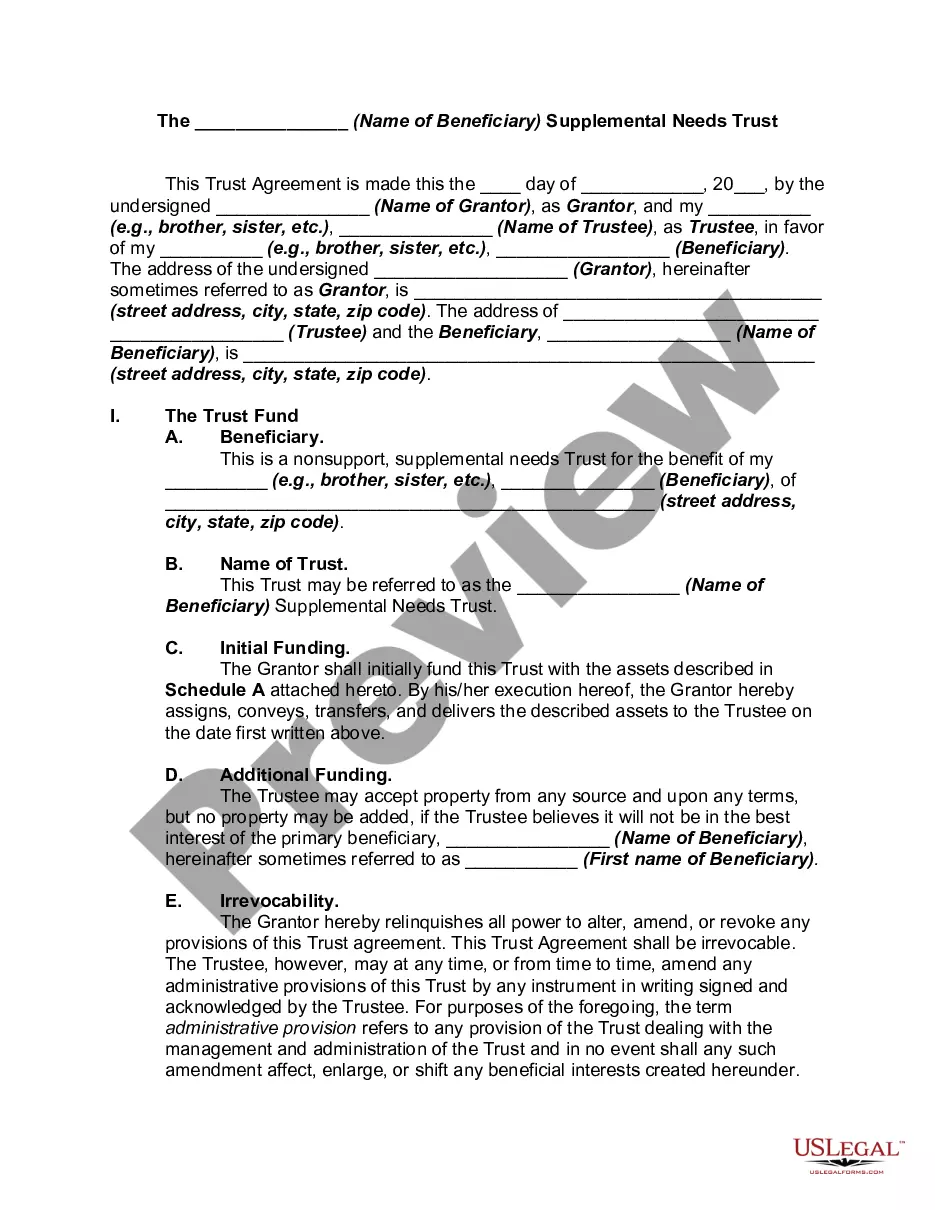
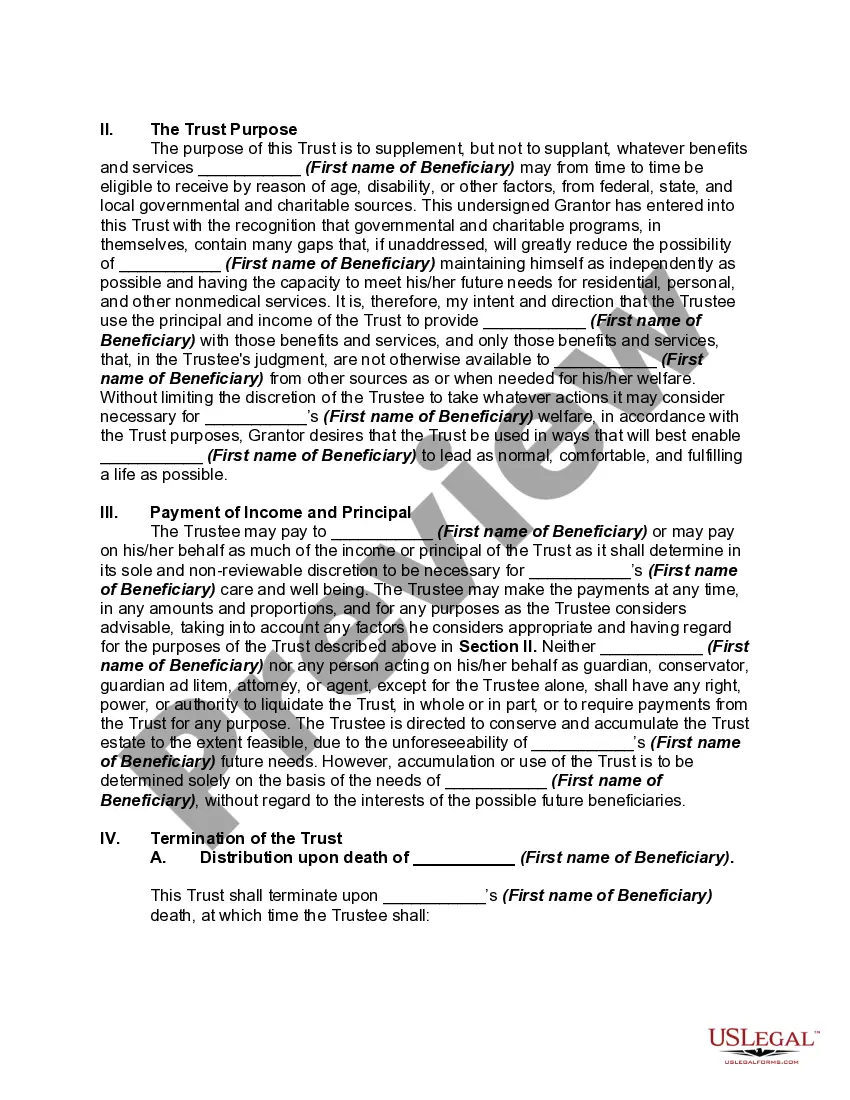
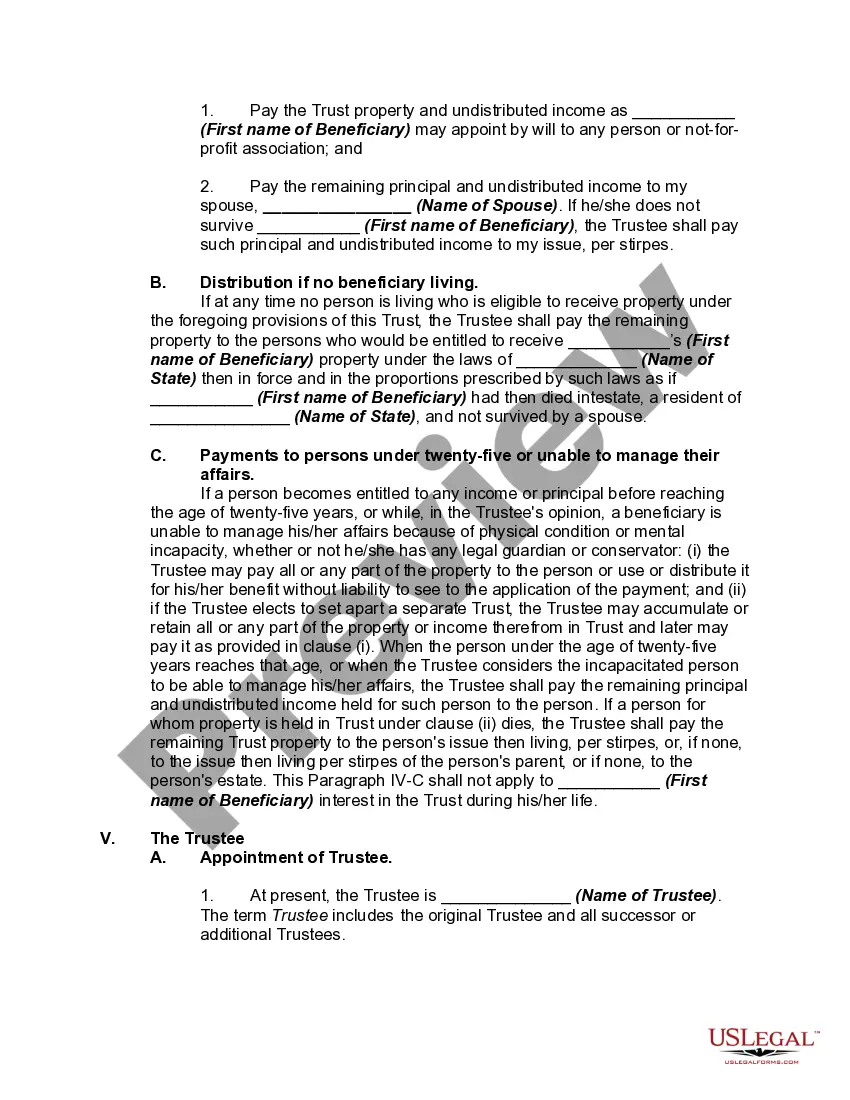
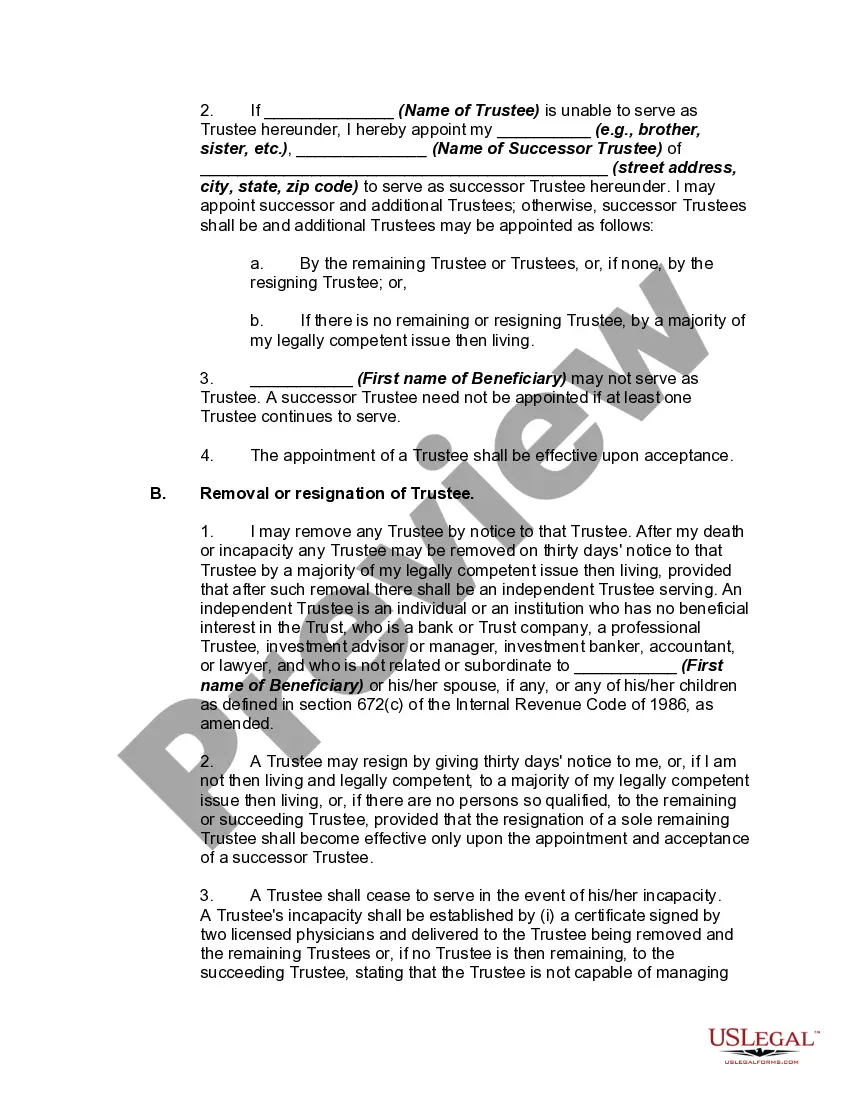
Description
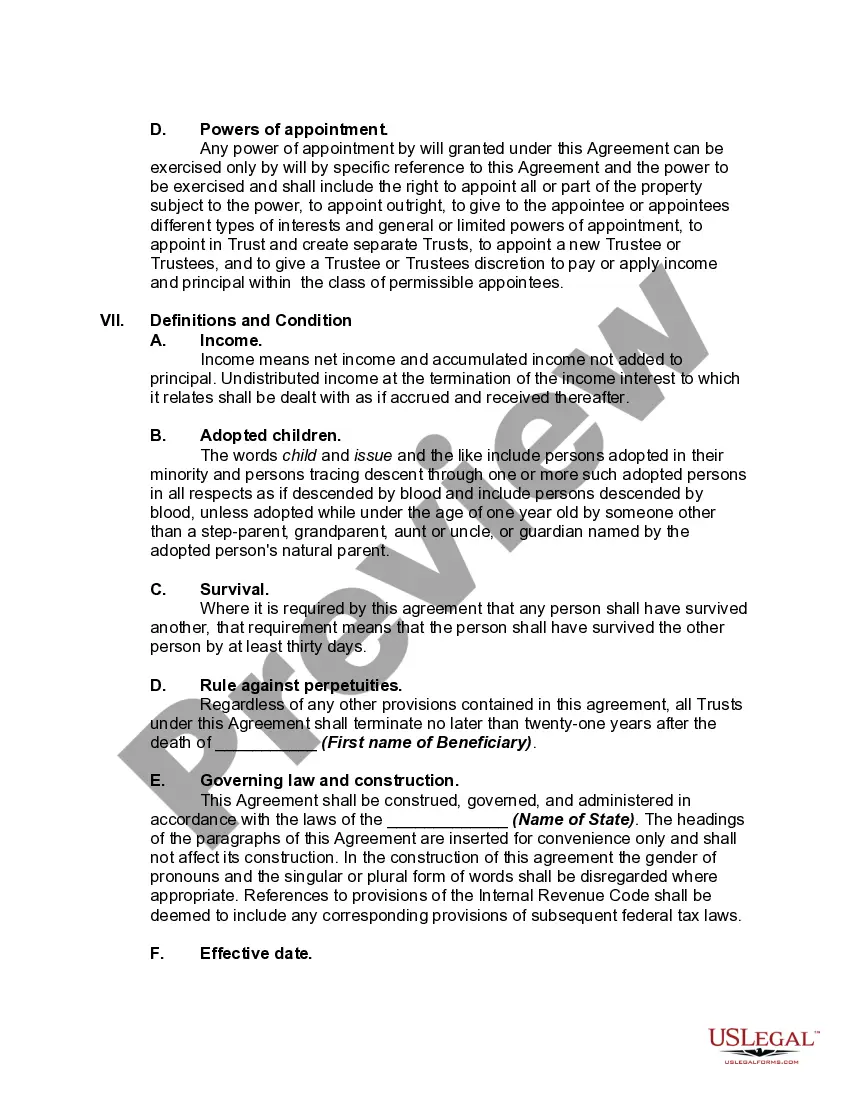
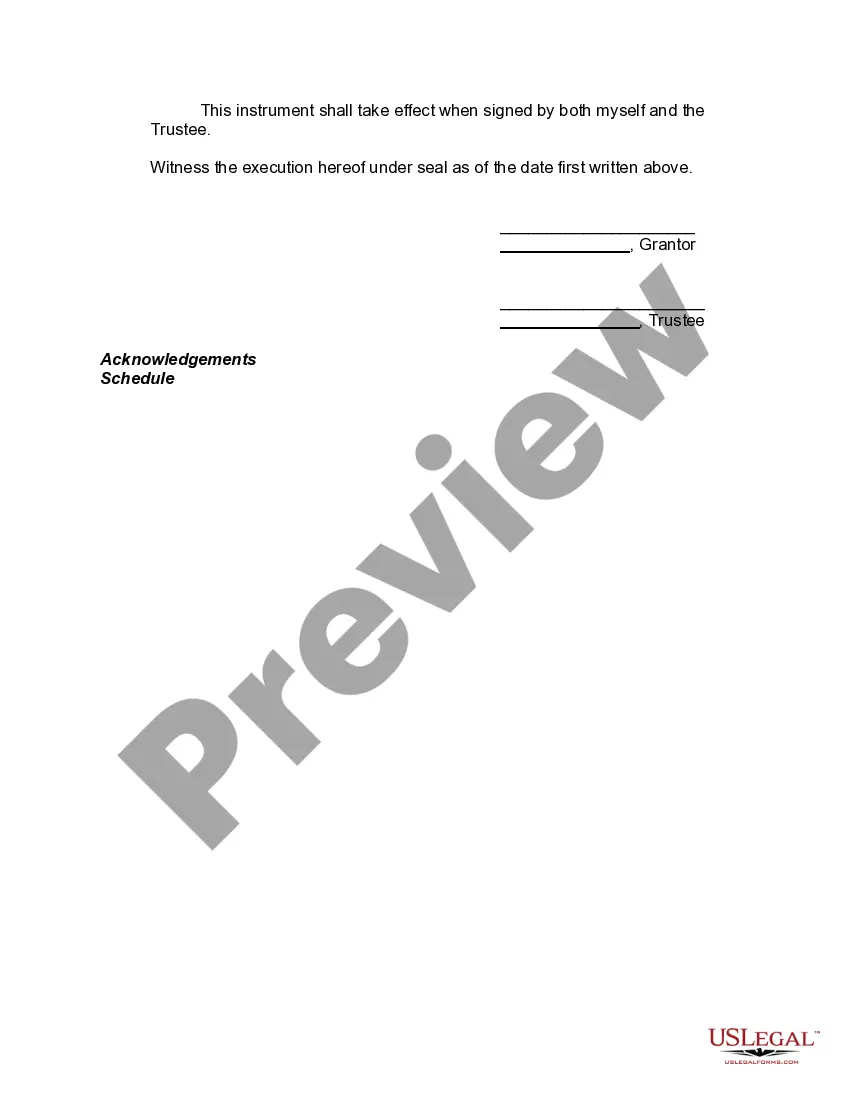

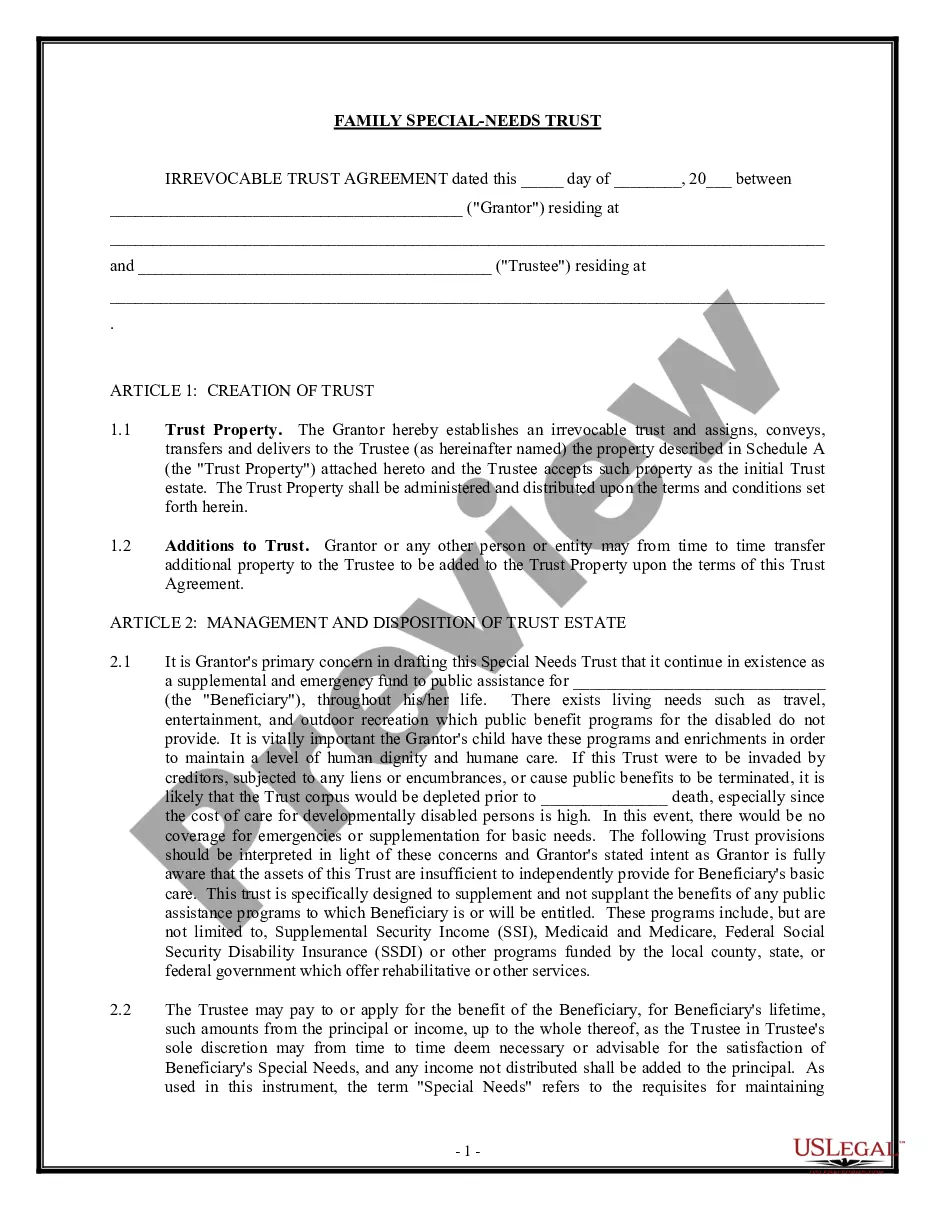

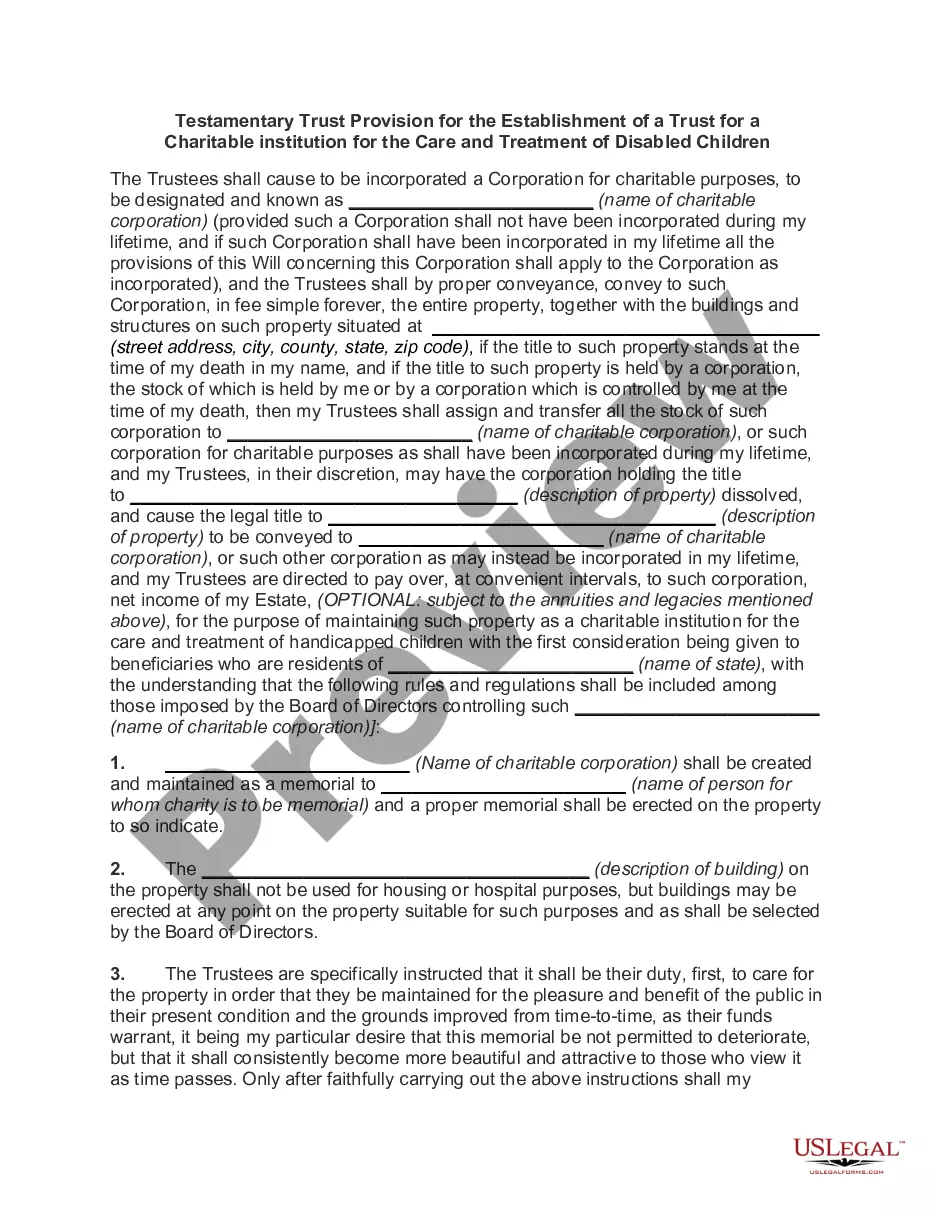
Get your form ready online
Our built-in tools help you complete, sign, share, and store your documents in one place.
Make edits, fill in missing information, and update formatting in US Legal Forms—just like you would in MS Word.
Download a copy, print it, send it by email, or mail it via USPS—whatever works best for your next step.
Sign and collect signatures with our SignNow integration. Send to multiple recipients, set reminders, and more. Go Premium to unlock E-Sign.
If this form requires notarization, complete it online through a secure video call—no need to meet a notary in person or wait for an appointment.
We protect your documents and personal data by following strict security and privacy standards.

Make edits, fill in missing information, and update formatting in US Legal Forms—just like you would in MS Word.

Download a copy, print it, send it by email, or mail it via USPS—whatever works best for your next step.

Sign and collect signatures with our SignNow integration. Send to multiple recipients, set reminders, and more. Go Premium to unlock E-Sign.

If this form requires notarization, complete it online through a secure video call—no need to meet a notary in person or wait for an appointment.

We protect your documents and personal data by following strict security and privacy standards.
Looking for another form?






How to fill out Supplemental Needs Trust For Third Party - Disabled Beneficiary?
Managing legal paperwork and processes can be a lengthy addition to your overall day.
Special Needs Trust Taxation With Ira and similar forms often necessitate you to search for them and comprehend the correct way to fill them out accurately.
Thus, if you are handling financial, legal, or personal affairs, having a comprehensive and practical online library of forms readily available will greatly assist.
US Legal Forms is the premier online platform for legal templates, providing over 85,000 state-specific forms and a range of resources to help you complete your documents effortlessly.
Simply Log In to your account, locate Special Needs Trust Taxation With Ira, and obtain it immediately from the My documents section. You can also access previously stored forms.
- Browse through the collection of relevant documents available to you with just one click.
- US Legal Forms offers state- and county-specific forms available for download at any time.
- Safeguard your document management processes with a premium service that enables you to create any form within minutes without incurring extra or hidden fees.
Form popularity
FAQ
Income from a QDisT is reported on Internal Revenue Service (IRS) Form 1041, with a unique Employer Identification Number (EIN), while distributions to the beneficiary will be taxed on their own Form 1040 tax return.
Can an IRA be in a trust? A trust can indeed hold IRA assets and investments. Here's how it works: An IRA owner creates a trust. This trust is named as the beneficiary of the IRA, so if there is a remaining account balance when the account owner dies, these funds will pass to the trust instead of a direct heir.
IRA distributions are considered taxable income and as such are taxed to the trust. The maximum tax rate for trusts is 39.6% and is reached with only $12,400 in taxable income. However, if the trust distributes any portion of its income, that income is taxed directly to the beneficiary of the trust.
A disabled person cannot transfer a retirement plan into a special needs trust without first liquidating it and paying taxes on the realized income. If paying the taxes owed is necessary in order to shield the funds in a special needs trust and receive important public benefits, it may well be worth the cost.
First-Party or Self-Funded Special Needs Trusts Any income earned on the funds invested in the first-party trust is always taxable to the beneficiary in the year it is earned, regardless of when or if it is distributed to the beneficiary.