Special Needs Trust Requirements For Elderly
Description
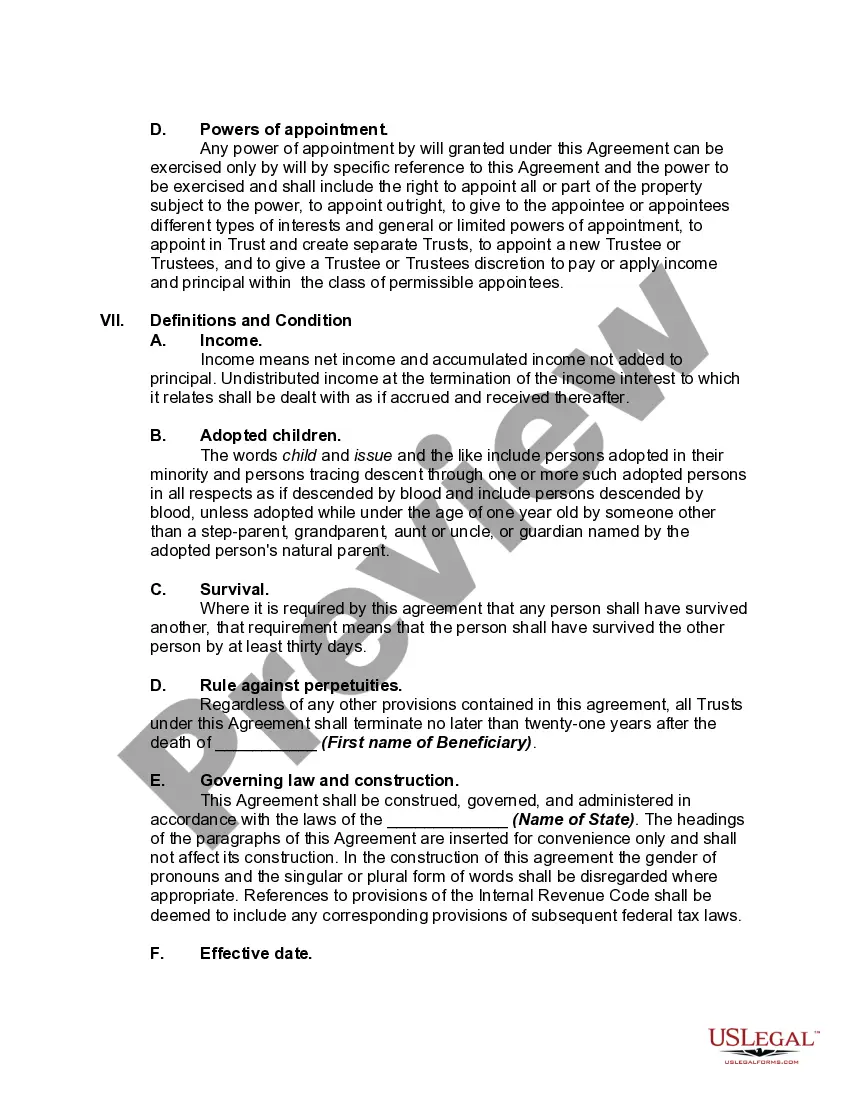
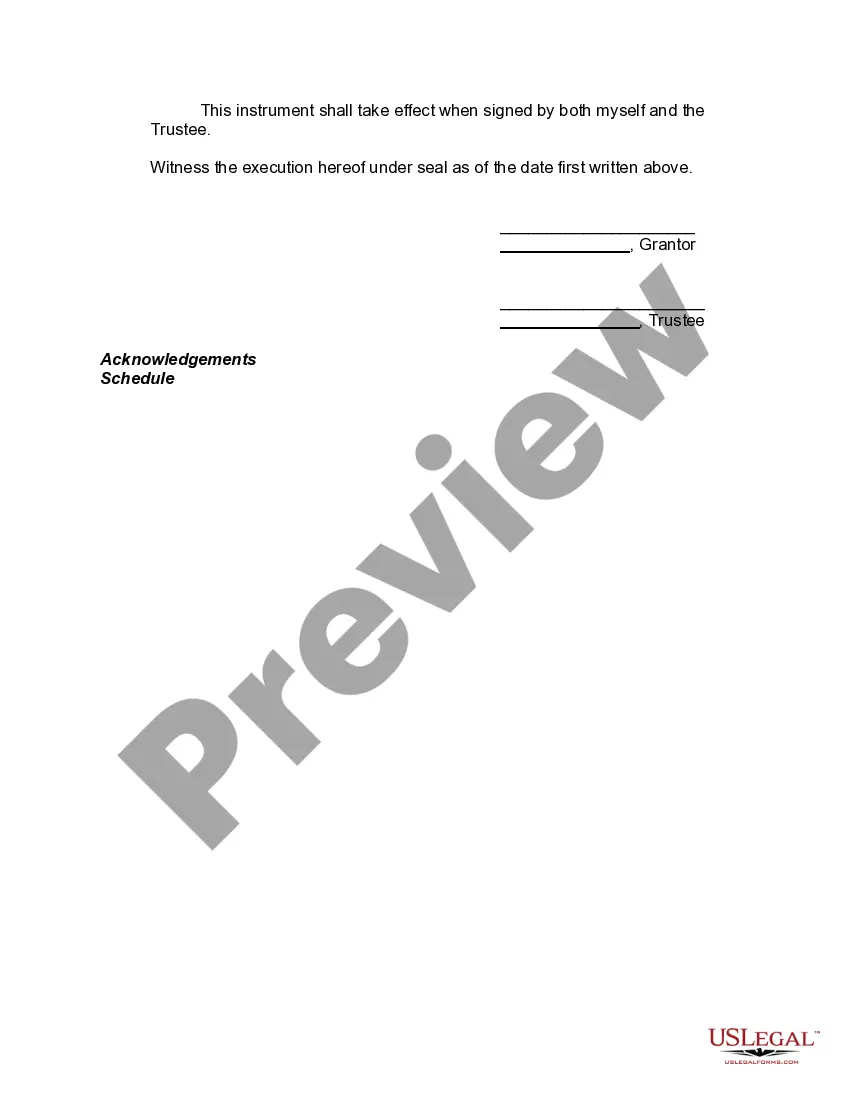

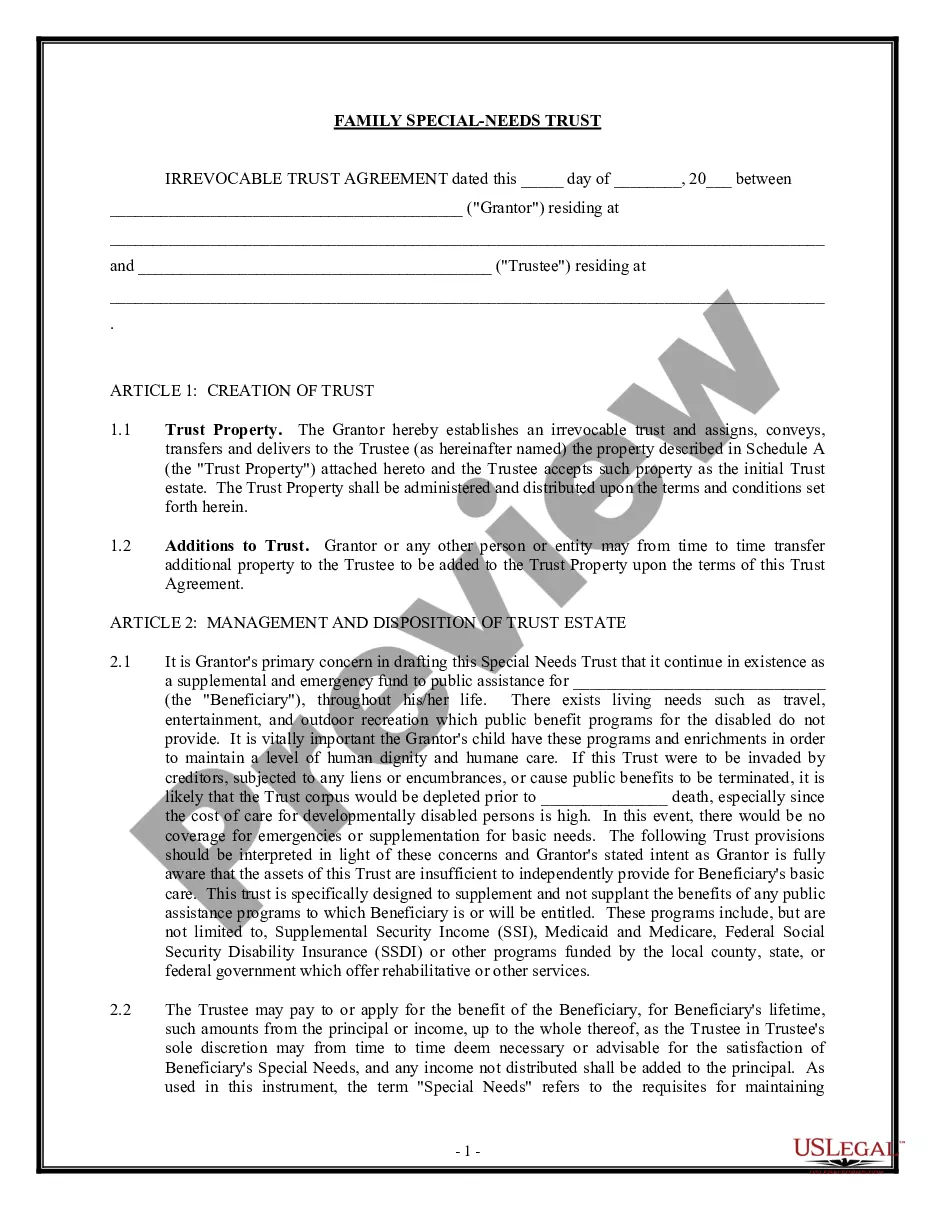
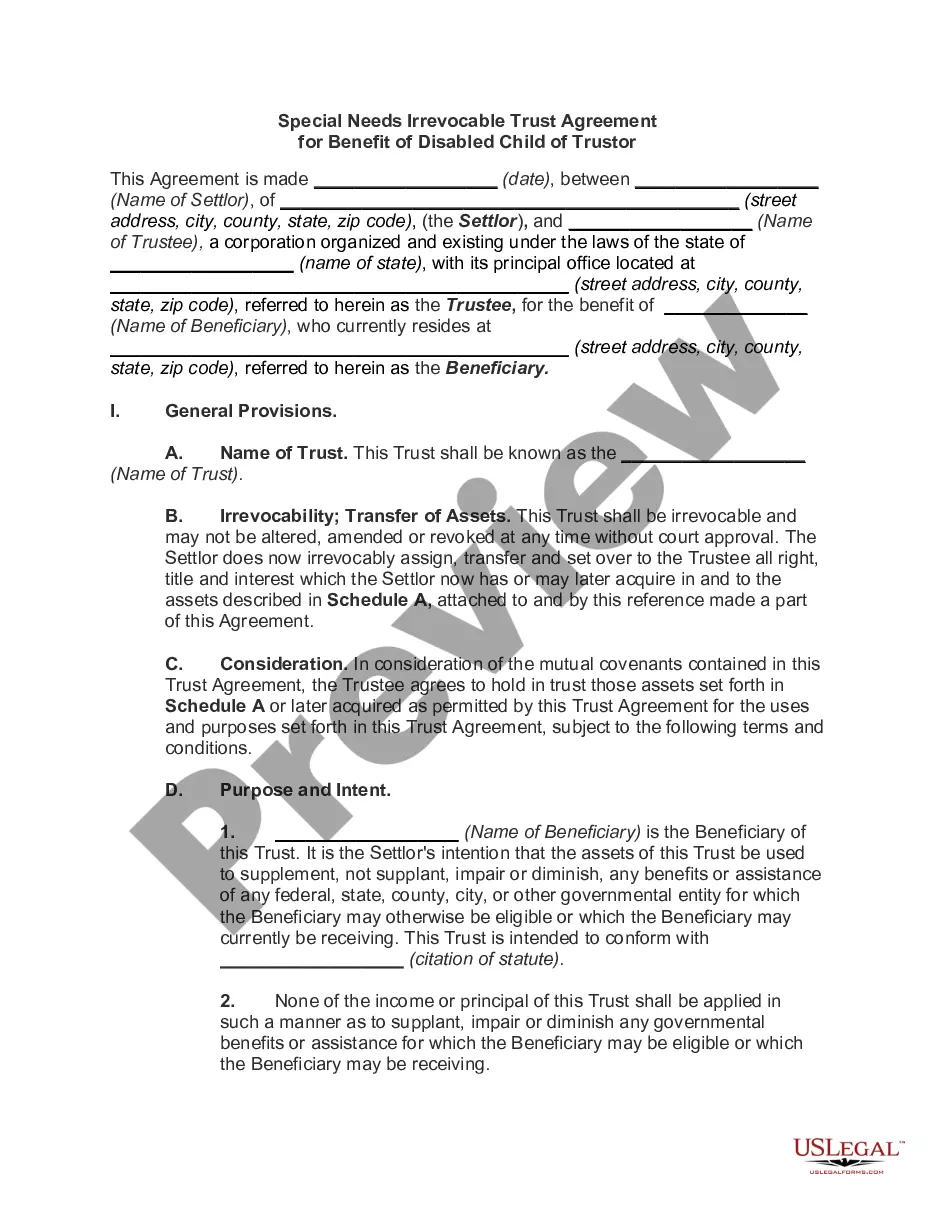
Get your form ready online
Our built-in tools help you complete, sign, share, and store your documents in one place.
Make edits, fill in missing information, and update formatting in US Legal Forms—just like you would in MS Word.
Download a copy, print it, send it by email, or mail it via USPS—whatever works best for your next step.
Sign and collect signatures with our SignNow integration. Send to multiple recipients, set reminders, and more. Go Premium to unlock E-Sign.
If this form requires notarization, complete it online through a secure video call—no need to meet a notary in person or wait for an appointment.
We protect your documents and personal data by following strict security and privacy standards.

Make edits, fill in missing information, and update formatting in US Legal Forms—just like you would in MS Word.

Download a copy, print it, send it by email, or mail it via USPS—whatever works best for your next step.

Sign and collect signatures with our SignNow integration. Send to multiple recipients, set reminders, and more. Go Premium to unlock E-Sign.

If this form requires notarization, complete it online through a secure video call—no need to meet a notary in person or wait for an appointment.

We protect your documents and personal data by following strict security and privacy standards.
Looking for another form?




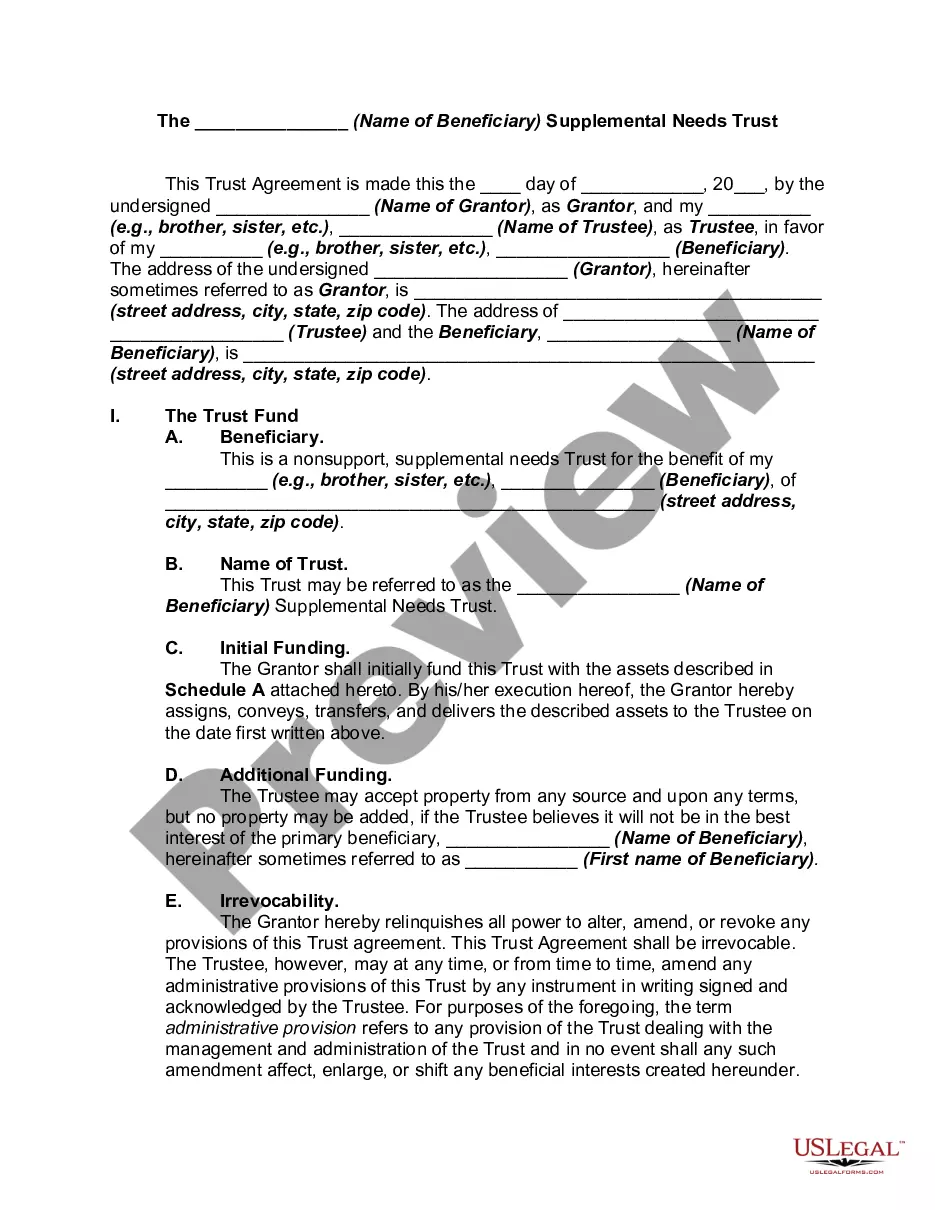
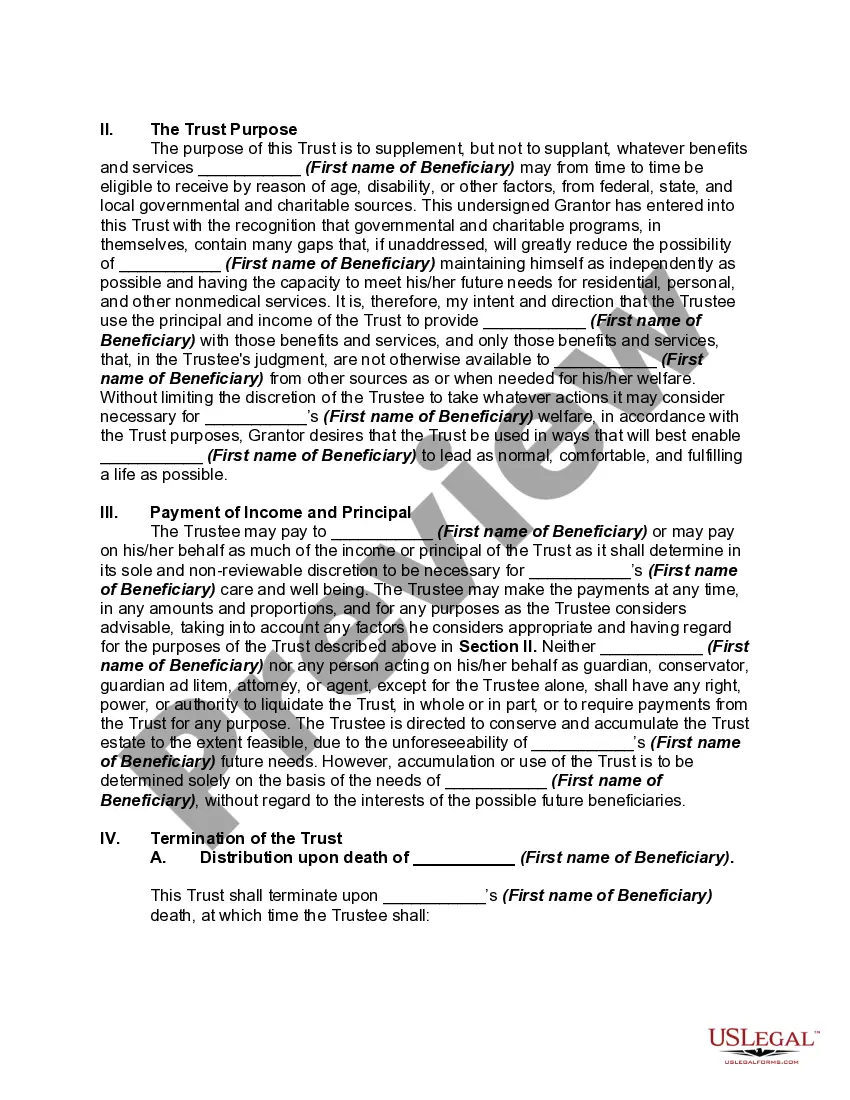
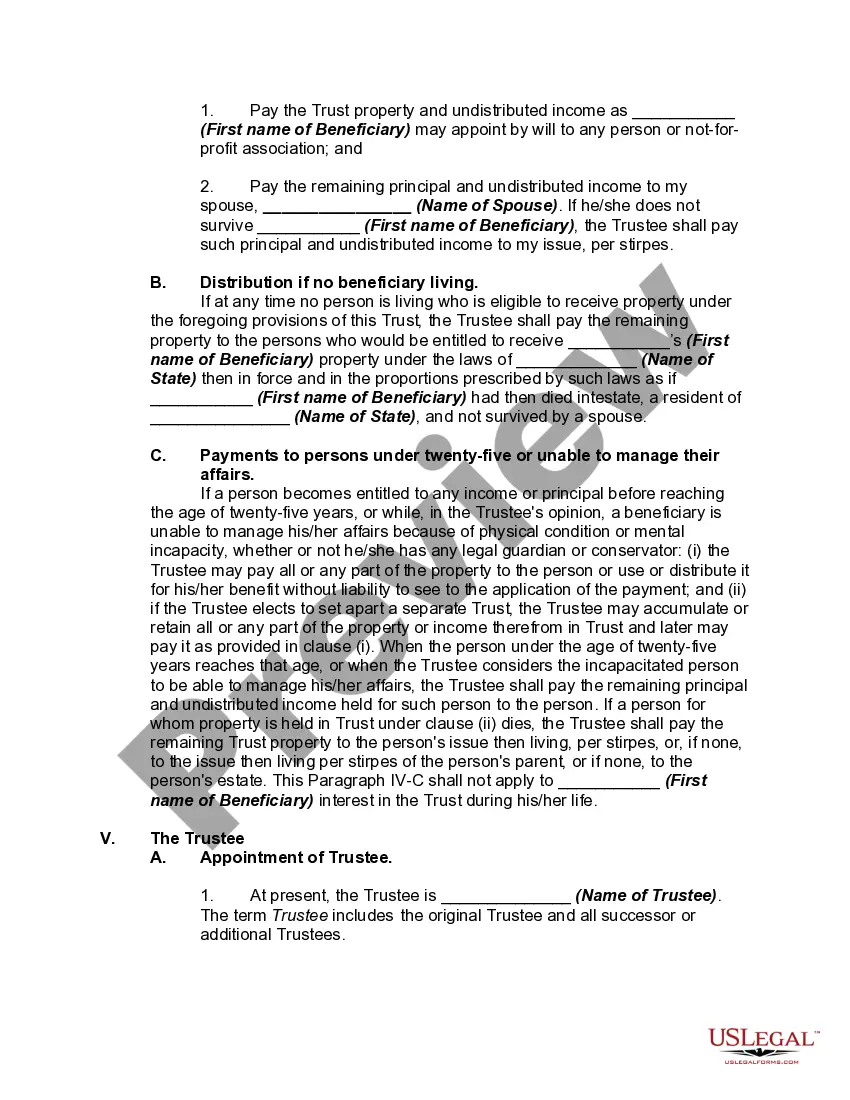
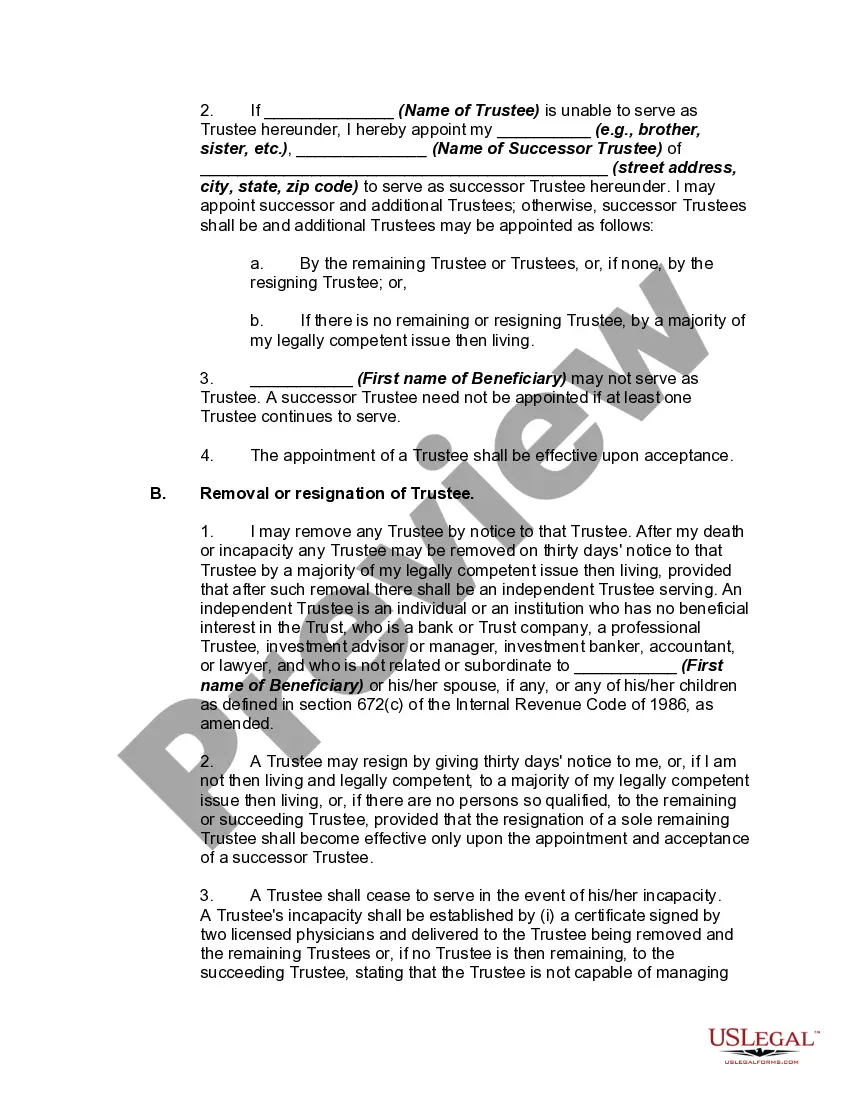
How to fill out Supplemental Needs Trust For Third Party - Disabled Beneficiary?
Creating legal documents from the ground up can occasionally be overwhelming. Certain situations may require extensive research and significant financial investment. If you are looking for a simpler and more cost-effective method to generate Special Needs Trust Requirements For Elderly or any other documentation without unnecessary complications, US Legal Forms is readily available.
Our online collection of over 85,000 current legal documents covers nearly every facet of your financial, legal, and personal affairs. With just a few clicks, you can promptly access state- and county-specific templates meticulously compiled for you by our legal experts.
Utilize our website whenever you require a dependable service through which you can swiftly locate and obtain the Special Needs Trust Requirements For Elderly. If you are already familiar with our website and have set up an account previously, simply Log In to your account, find the template you need, and download it or access it later in the My documents section.
Not registered yet? No problem. It only takes a few minutes to create an account and explore the library. But before you start downloading the Special Needs Trust Requirements For Elderly, consider these suggestions.
US Legal Forms boasts an impeccable reputation and over 25 years of expertise. Join us today and make the process of completing forms simple and efficient!
- Examine the form preview and descriptions to ensure you are looking at the correct document.
- Verify that the form you select meets your state and county's requirements.
- Select the appropriate subscription option to acquire the Special Needs Trust Requirements For Elderly.
- Download the form. Then complete it, sign it, and print it out.
Form popularity
FAQ
You can set up a disabled person's trust if the person is receiving a benefit that makes them eligible. This includes: Disability Living Allowance (DLA) Personal Independence Payment (PIP)
The Trust Registration Service (TRS) Most trusts must be registered under the TRS, including disabled person's trusts that do not qualify for the special tax treatment. The registration process involves providing information about the trust and its beneficiaries, including their names, dates of birth, and addresses.
The income beneficiary is the surviving spouse who wants you to make significant distributions to him or her and invest trust assets in his or her business. The remainder beneficiaries want less income to go the surviving spouse and do not want a risky investment to be made in the business of the income beneficiary.
A remainder beneficiary is a designated individual who will receive the remaining portion of an estate after all debts, taxes, and other paid-out expenses. The owner can name the remainder beneficiaries in the will or any other legal document designating how the estate will distribute upon the passing of its owner.
If you put things into a trust, provided certain conditions are met, they no longer belong to you. This means that when you die their value normally won't be counted when your Inheritance Tax bill is worked out. Instead, the cash, investments or property belong to the trust.