Coop Rental Rules
Description
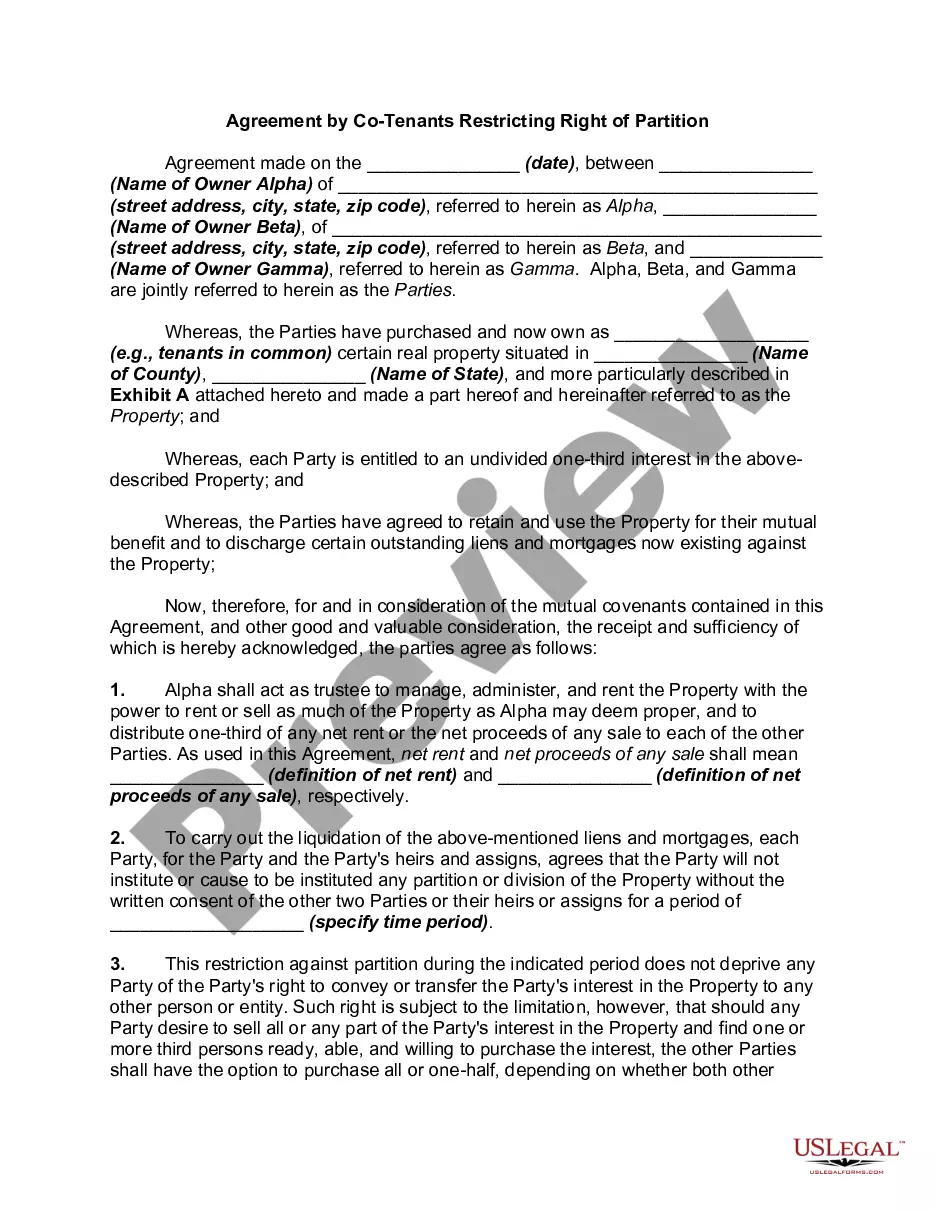

Get your form ready online
Our built-in tools help you complete, sign, share, and store your documents in one place.
Make edits, fill in missing information, and update formatting in US Legal Forms—just like you would in MS Word.
Download a copy, print it, send it by email, or mail it via USPS—whatever works best for your next step.
Sign and collect signatures with our SignNow integration. Send to multiple recipients, set reminders, and more. Go Premium to unlock E-Sign.
If this form requires notarization, complete it online through a secure video call—no need to meet a notary in person or wait for an appointment.
We protect your documents and personal data by following strict security and privacy standards.

Make edits, fill in missing information, and update formatting in US Legal Forms—just like you would in MS Word.

Download a copy, print it, send it by email, or mail it via USPS—whatever works best for your next step.

Sign and collect signatures with our SignNow integration. Send to multiple recipients, set reminders, and more. Go Premium to unlock E-Sign.

If this form requires notarization, complete it online through a secure video call—no need to meet a notary in person or wait for an appointment.

We protect your documents and personal data by following strict security and privacy standards.
Looking for another form?







How to fill out Agreement By Co-Tenants Restricting Right Of Partition?
Regardless of whether it is for corporate reasons or personal matters, everyone eventually encounters legal circumstances in their lifetime.
Completing legal paperwork requires meticulous care, starting with choosing the appropriate form template.
With an extensive catalog from US Legal Forms available, you don’t have to waste time searching for the right template online. Utilize the library’s user-friendly navigation to find the suitable template for any situation.
- Obtain the necessary template by utilizing the search function or browsing through the catalog.
- Review the form's details to ensure it aligns with your situation, state, and locality.
- Select the form's preview to inspect it.
- If it's not the correct document, return to the search tool to locate the Coop Rental Rules template you require.
- Acquire the template if it meets your requirements.
- If you possess a US Legal Forms account, simply click Log in to access previously saved documents in My documents.
- In case you do not have an account yet, you can download the form by clicking Buy now.
- Select the appropriate pricing option.
- Complete the profile registration form.
- Choose your payment method: either a credit card or a PayPal account.
- Select the desired file format and download the Coop Rental Rules.
- Once downloaded, you can fill out the form using editing software or print it and complete it manually.
Form popularity
FAQ
Renting in a co-op works differently than traditional renting. In a co-op, you don’t directly rent an apartment; you buy shares in the cooperative, which gives you the right to live in a specific unit. The cooperative sets rules that all residents must follow, referred to as coop rental rules, which helps maintain a harmonious living environment. It's essential to familiarize yourself with these rules to ensure a pleasant rental experience.
Getting approved for a coop involves several steps. First, ensure you meet the financial criteria outlined by the board, such as income verification and a good credit score. Additionally, prepare a solid application package that demonstrates your reliability. Understanding coop rental rules can also help you navigate the process smoothly and enhance your chances of approval.
To determine if you can afford $1000 rent while earning $20 an hour, consider your monthly income. Working full-time at that rate gives you around $3,200 before taxes. Apply general guidelines for rent affordability, which recommend spending no more than 30% of your income on housing. This would mean your budget may be tight, so it's wise to also explore coop rental rules that might allow for some flexibility.
op rental involves leasing your unit to a tenant while the coop board maintains control over who can reside in the building. The rental must comply with the coop rental rules, which may include obtaining approval from the board and adhering to lease terms. Landlords must ensure their agreements align with the cooperative’s expectations, protecting both themselves and their tenants. Understanding these processes can lead to a smoother rental experience.
Renting a co-op can present challenges, including strict tenant screening processes and potential restrictions imposed by the board. These co-op rental rules may limit your ability to make necessary changes or improvements to the property. Additionally, if you have a problem tenant, addressing it might require navigating the board's protocols, which can be cumbersome. It’s essential to weigh these factors before deciding to rent out a co-op.
Whether you can rent out a co-op depends on the specific coop rental rules set by your cooperative association. Many co-ops have strict regulations regarding subletting, which may require board approval or impose time limits on rental agreements. It's crucial to review your co-op’s bylaws and consult with the board to ensure compliance. Understanding these rules can help you avoid legal issues later on.
In the most extreme cases, a coop will not permit subletting until the shareholder has lived in the coop for at least three years. The most common initial residency requirement we've seen calls for initial, consecutive residency between one to three years before subletting is permitted.
Cooperative housing, or a co-op apartment, provides a unique arrangement for tenants. It can be defined as a building in which tenants are shareholders with rights to a unit for as long as their agreement states, but they are not owners of their apartment.
The Occupancy Clause If the shareholder doesn't actually reside in the unit, occupancy by the various family members enumerated in the clause may be considered a sublet, which in most co-op buildings requires board approval -- if they're even entertained at all.
You should also consult the bylaws. Many co-ops have subletting policies that include issues such as: Subletting fees ? The bylaws may allow the co-op board to impose a sublet fee. The length of time a unit may be rented ? Two to three years is fairly common, although each co-op is different.