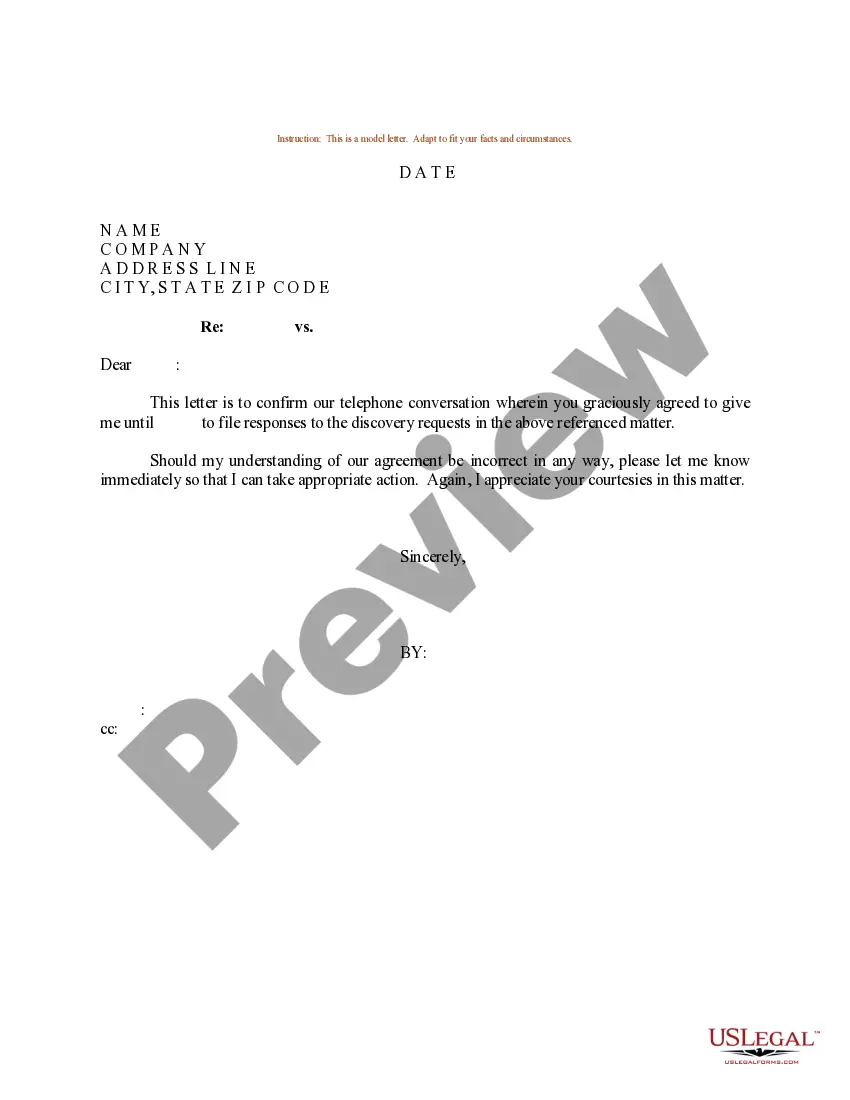
Sample Email Confirming Telephone Conversation With Manager
Description
Get your form ready online
Our built-in tools help you complete, sign, share, and store your documents in one place.
Make edits, fill in missing information, and update formatting in US Legal Forms—just like you would in MS Word.
Download a copy, print it, send it by email, or mail it via USPS—whatever works best for your next step.
Sign and collect signatures with our SignNow integration. Send to multiple recipients, set reminders, and more. Go Premium to unlock E-Sign.
If this form requires notarization, complete it online through a secure video call—no need to meet a notary in person or wait for an appointment.
We protect your documents and personal data by following strict security and privacy standards.

Make edits, fill in missing information, and update formatting in US Legal Forms—just like you would in MS Word.

Download a copy, print it, send it by email, or mail it via USPS—whatever works best for your next step.

Sign and collect signatures with our SignNow integration. Send to multiple recipients, set reminders, and more. Go Premium to unlock E-Sign.

If this form requires notarization, complete it online through a secure video call—no need to meet a notary in person or wait for an appointment.

We protect your documents and personal data by following strict security and privacy standards.
Looking for another form?
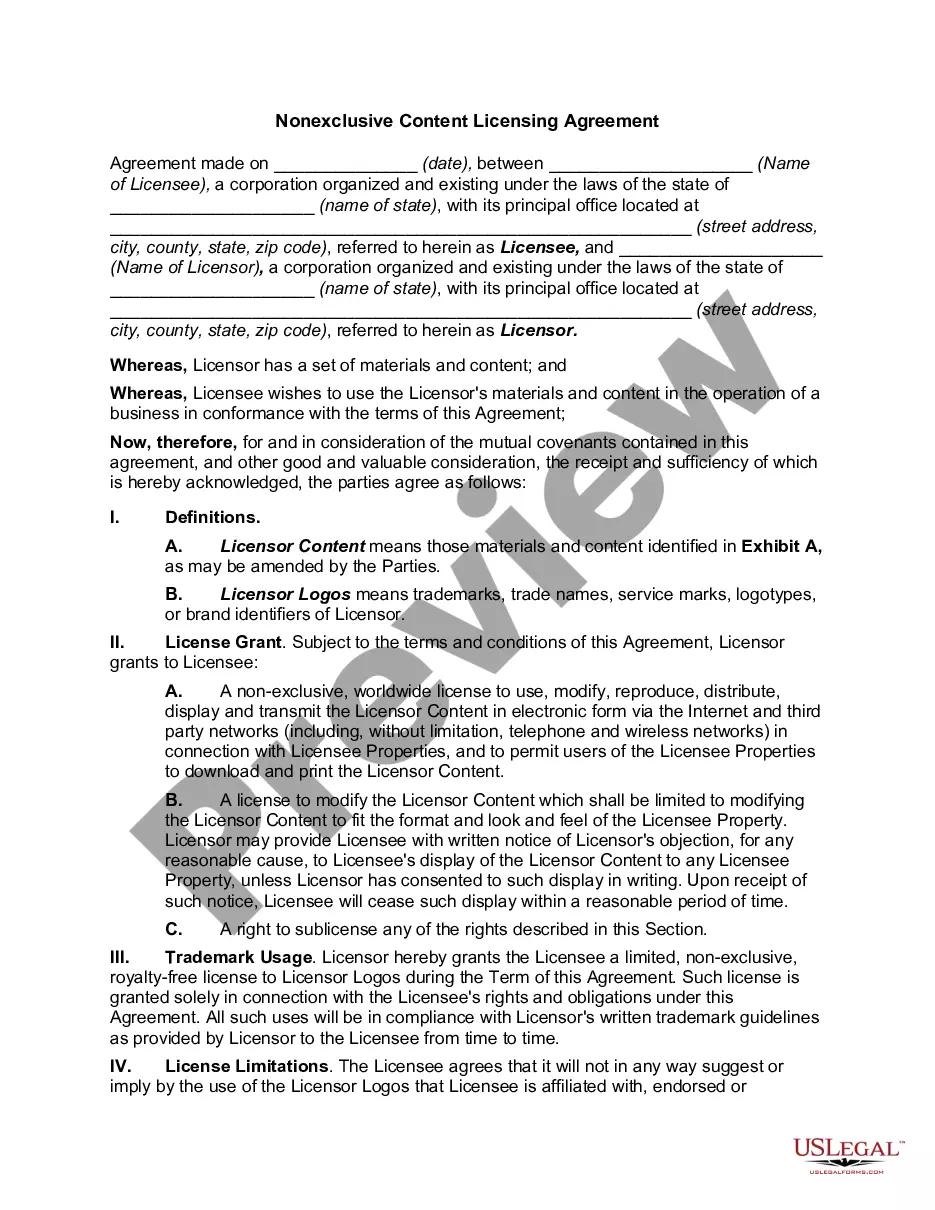
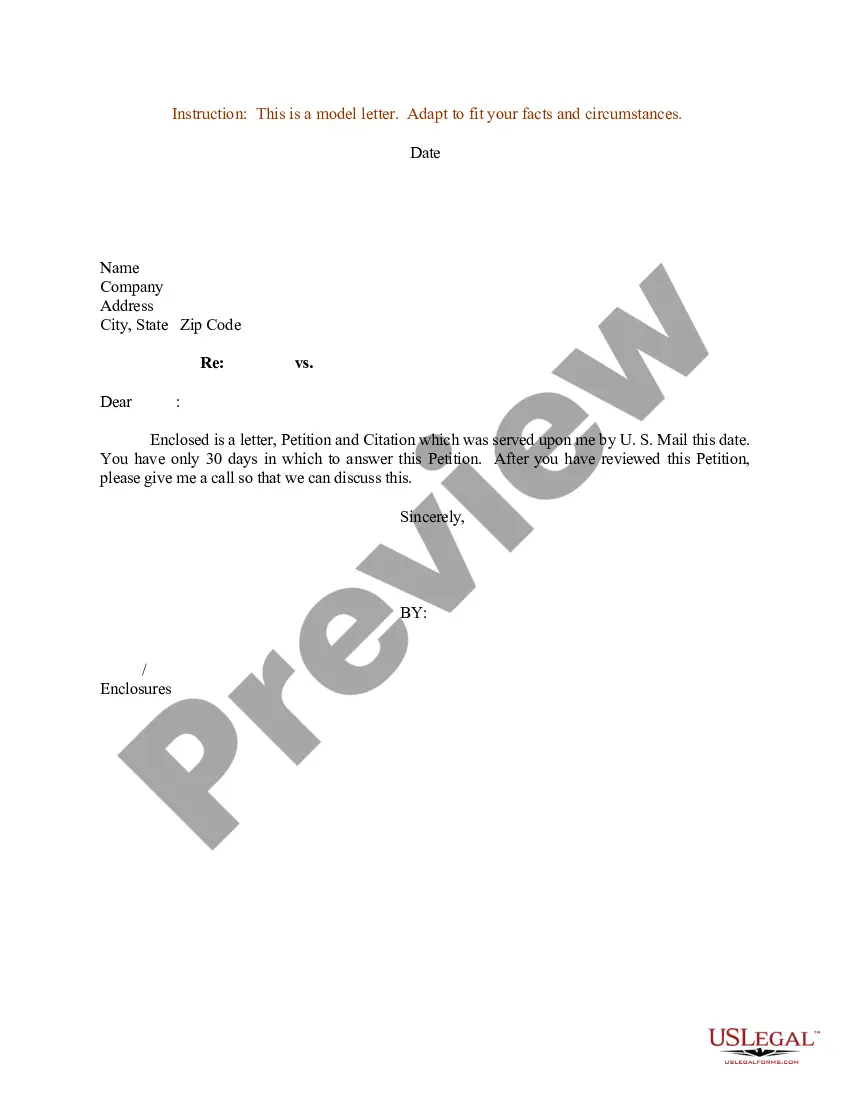
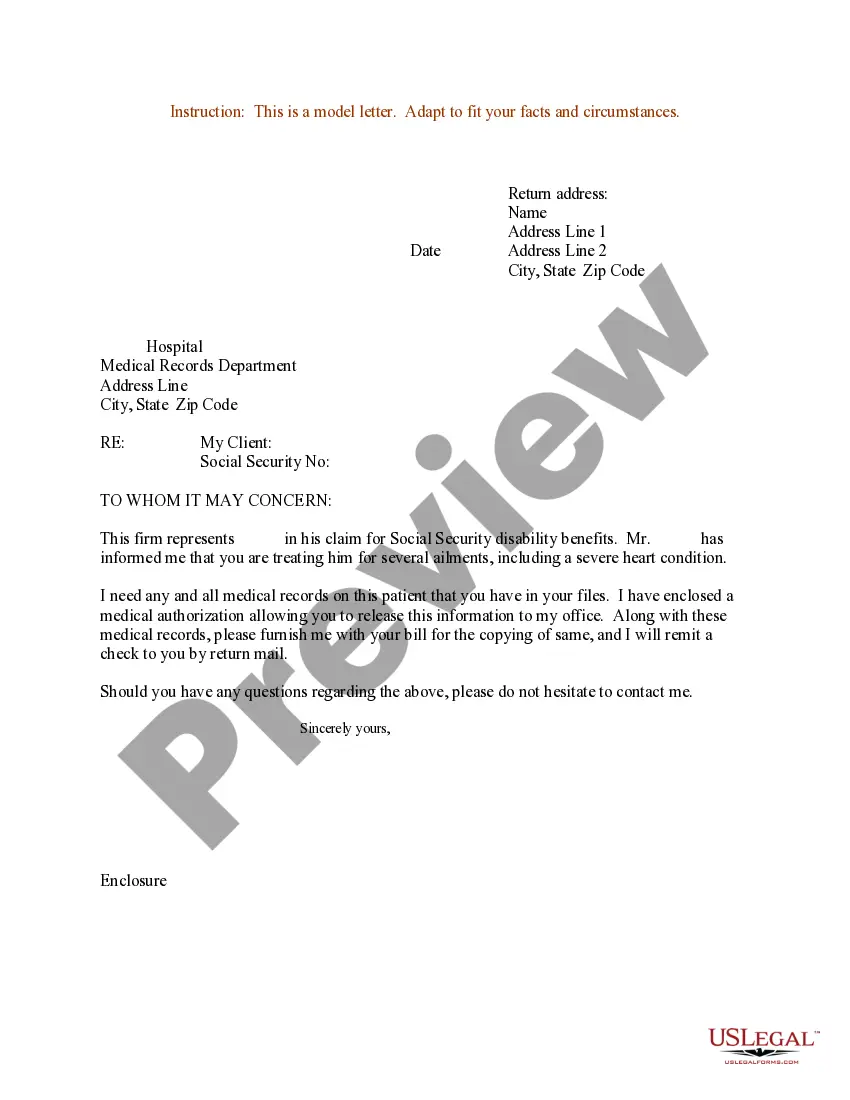
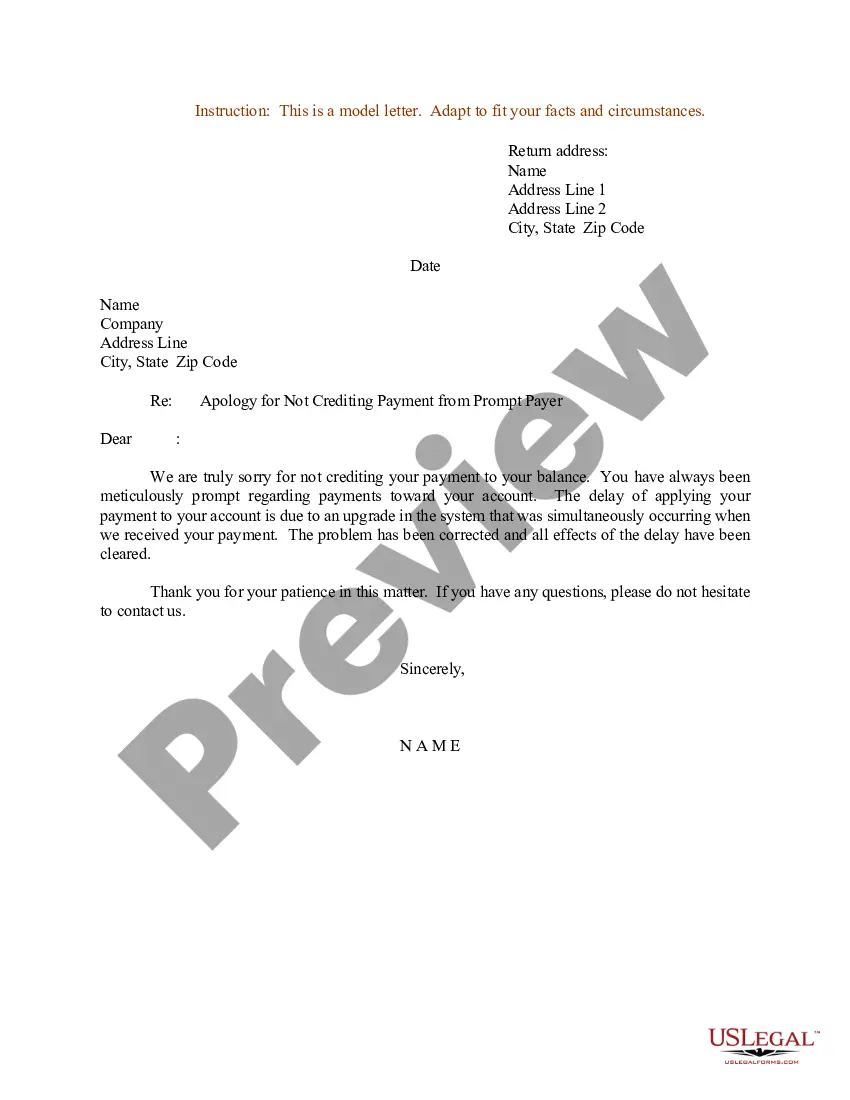
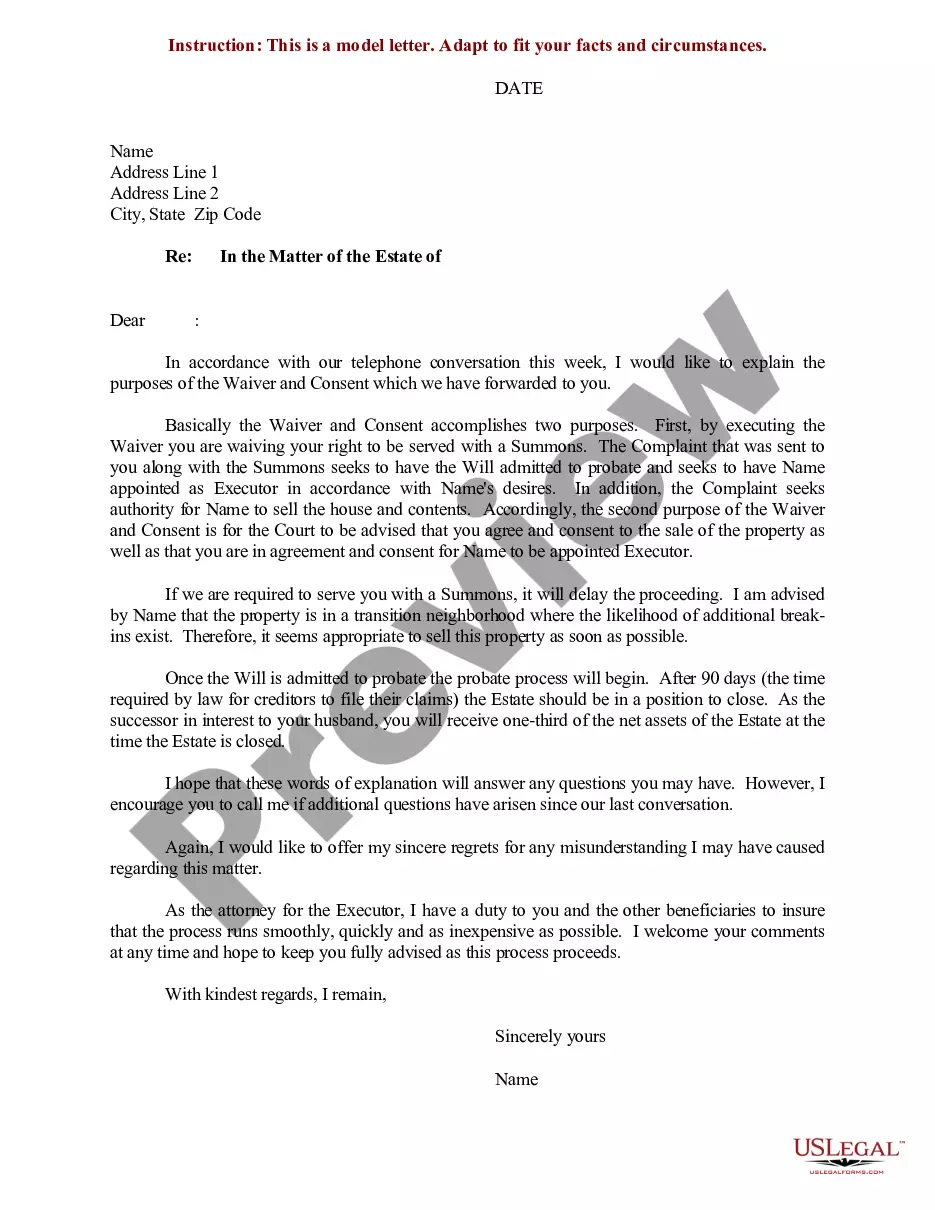
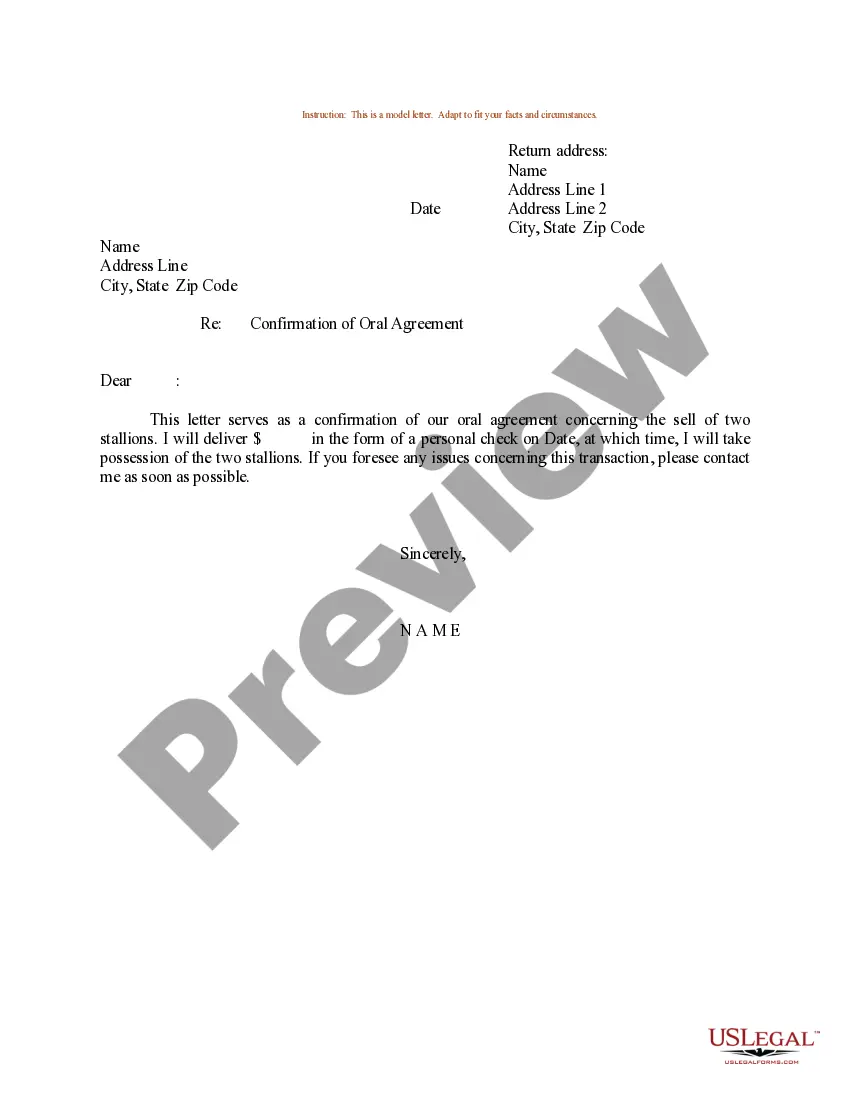
How to fill out Sample Letter For Confirmation Of Telephone Conversation?
Whether for commercial endeavors or personal matters, every individual must navigate legal circumstances at one point in their existence. Completing legal documents necessitates meticulous care, starting from selecting the appropriate form sample.
For example, if you choose an incorrect version of the Sample Email Confirming Telephone Conversation With Manager, it will be rejected upon submission. Thus, it is essential to obtain a reliable provider of legal documents like US Legal Forms.
With an extensive catalog from US Legal Forms available, you no longer need to waste time searching for the correct sample across the internet. Utilize the library’s user-friendly navigation to discover the right form for any situation.
- Obtain the sample you require using the search field or catalog navigation.
- Review the form’s description to confirm it fits your circumstance, state, and county.
- Click on the form’s preview to view it.
- If it is the incorrect document, return to the search function to find the pertinent Sample Email Confirming Telephone Conversation With Manager.
- Acquire the file when it aligns with your requirements.
- If you possess a US Legal Forms account, simply click Log in to access previously saved files in My documents.
- If you do not have an account yet, you can obtain the form by clicking Buy now.
- Select the suitable pricing option.
- Complete the account registration form.
- Choose your payment method: use a credit card or PayPal account.
- Select the document format you desire and download the Sample Email Confirming Telephone Conversation With Manager.
- Once it is saved, you can complete the form with the assistance of editing software or print it and finish it manually.
Form popularity
FAQ
Average closing costs in West Virginia are 1.8% of the buying price. This is lower than the national average of 1.81%.
The typical buyer closing costs in West Virginia are three to four percent of the sales price, and the seller's costs are one to three percent (not including broker commissions). There is a range in the closing costs because who pays for what at closing is negotiable. Closing costs include: prorated taxes.
Therefore, it is wise to have an experienced West Virginia real estate closing lawyer to help guide you through the process and protect your interests. Real estate attorneys often provide the following invaluable services: Advise you through the entire process. Draft and finalize all necessary contracts.
West Virginia state is the largest landowner in the region with 1.5 million acres of land. The federal government has approximately 919,000 acres of land under its jurisdiction in West Virginia. The Boy Scouts of America own approximately 132,000 acres of land in West Virginia.
Who Pays Closing Costs? Both buyers and sellers pay closing costs. However, the buyer usually pays most of them. You can negotiate with a seller to help cover closing costs as part of their seller concessions.
When selling their house in West Virginia, the seller usually pays for the homeowner's title policy to make the deal more attractive. However, this is open to negotiation. The buyer has to purchase the lender's title policy in West Virginia to protect the mortgage broker's interests in the transaction.
States that mandate the physical presence of an attorney, or restrict other types of closing duties to attorneys, include: Alabama, Connecticut, Delaware, District of Columbia, Florida, Georgia, Kansas, Kentucky, Maine, Maryland, Massachusetts, Mississippi, New Hampshire, New Jersey, New York, North Dakota, ...
The parties can negotiate which pays for what in the closing costs. Still, it is common that the buyer's costs are three to four percent of the sales price, and the seller's costs are three percent before commissions. Closing costs include taxes, title fees, loan costs, insurance, transfer, and recording fees.