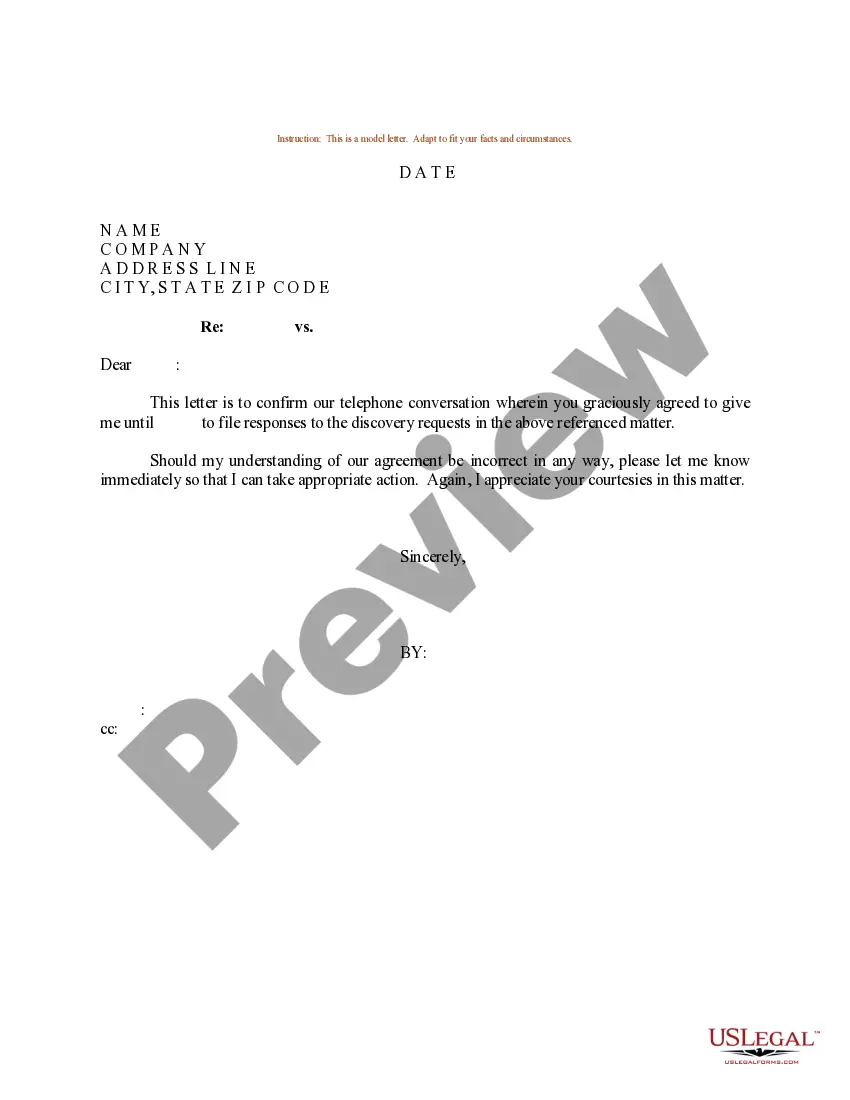
Sample Email Confirming Telephone Conversation With Client
Description
Get your form ready online
Our built-in tools help you complete, sign, share, and store your documents in one place.
Make edits, fill in missing information, and update formatting in US Legal Forms—just like you would in MS Word.
Download a copy, print it, send it by email, or mail it via USPS—whatever works best for your next step.
Sign and collect signatures with our SignNow integration. Send to multiple recipients, set reminders, and more. Go Premium to unlock E-Sign.
If this form requires notarization, complete it online through a secure video call—no need to meet a notary in person or wait for an appointment.
We protect your documents and personal data by following strict security and privacy standards.

Make edits, fill in missing information, and update formatting in US Legal Forms—just like you would in MS Word.

Download a copy, print it, send it by email, or mail it via USPS—whatever works best for your next step.

Sign and collect signatures with our SignNow integration. Send to multiple recipients, set reminders, and more. Go Premium to unlock E-Sign.

If this form requires notarization, complete it online through a secure video call—no need to meet a notary in person or wait for an appointment.

We protect your documents and personal data by following strict security and privacy standards.
Looking for another form?
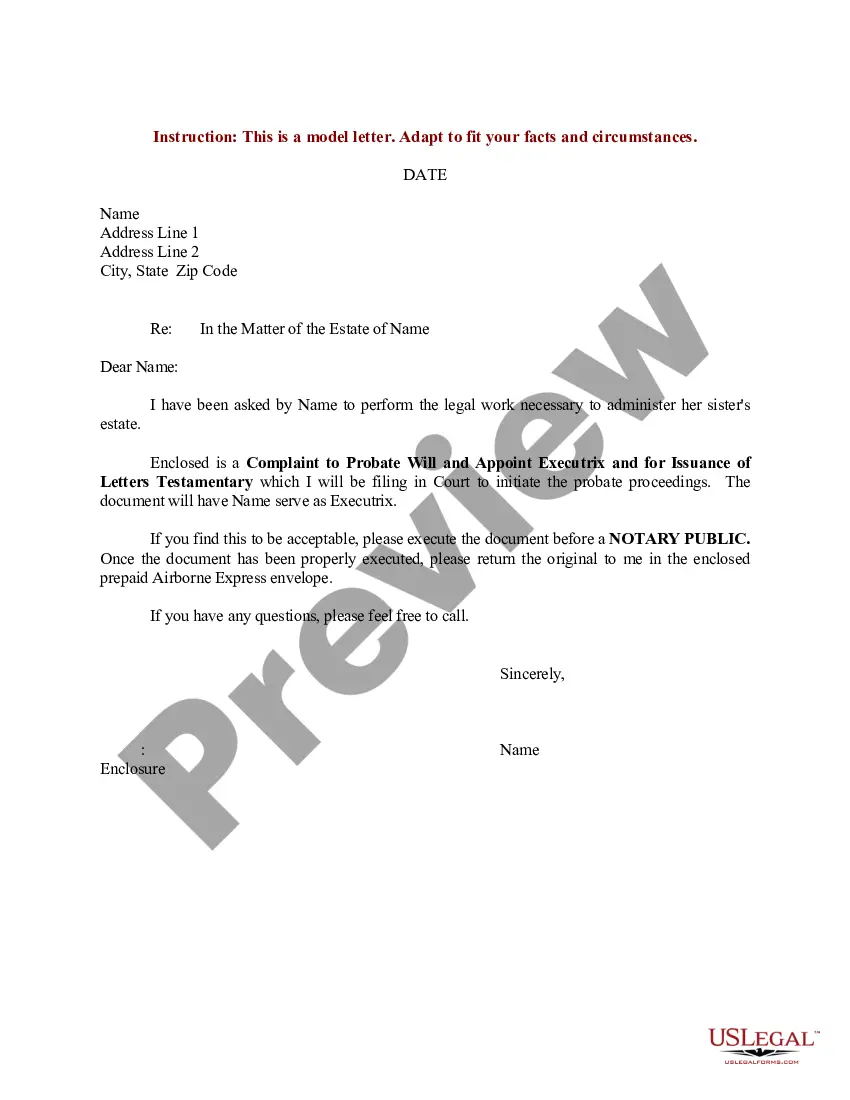
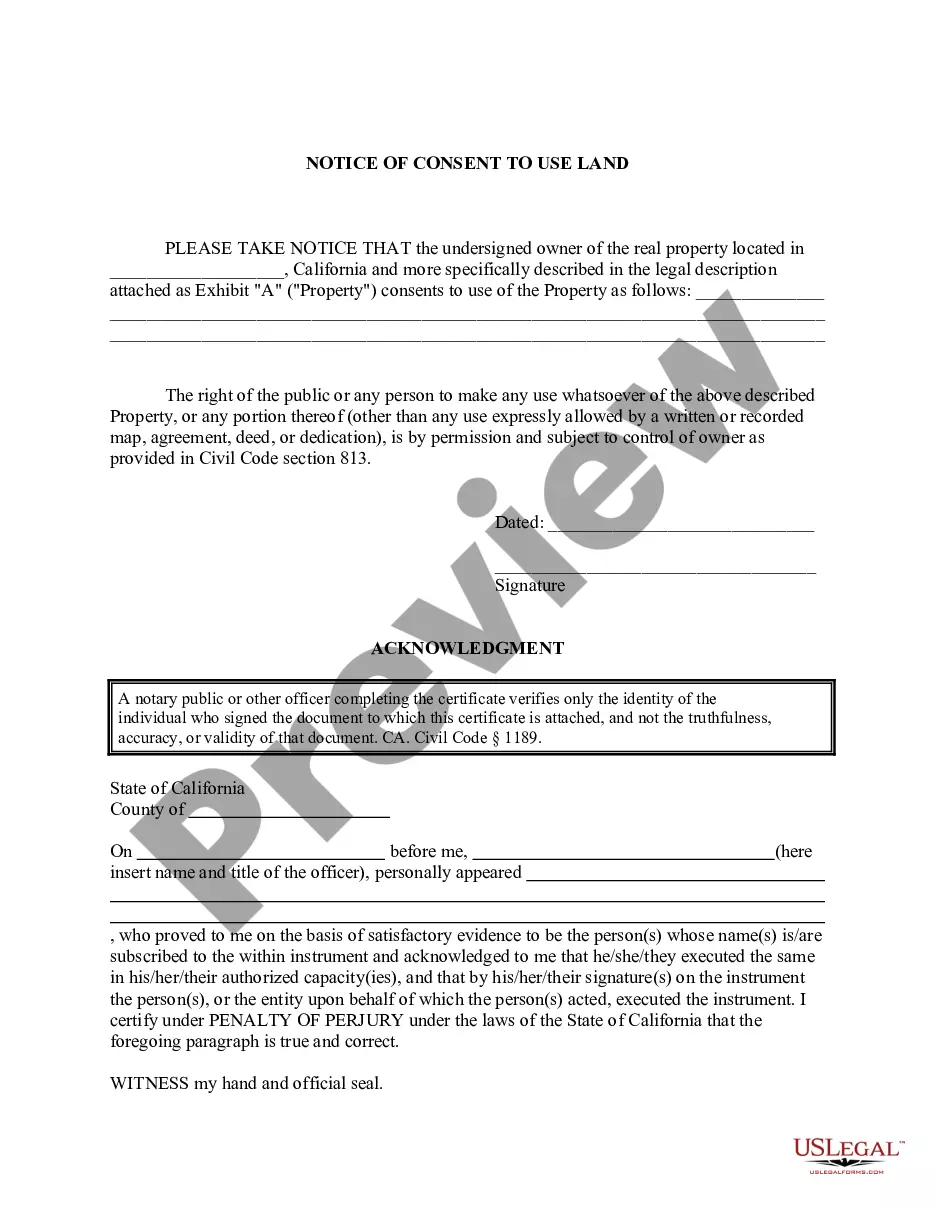
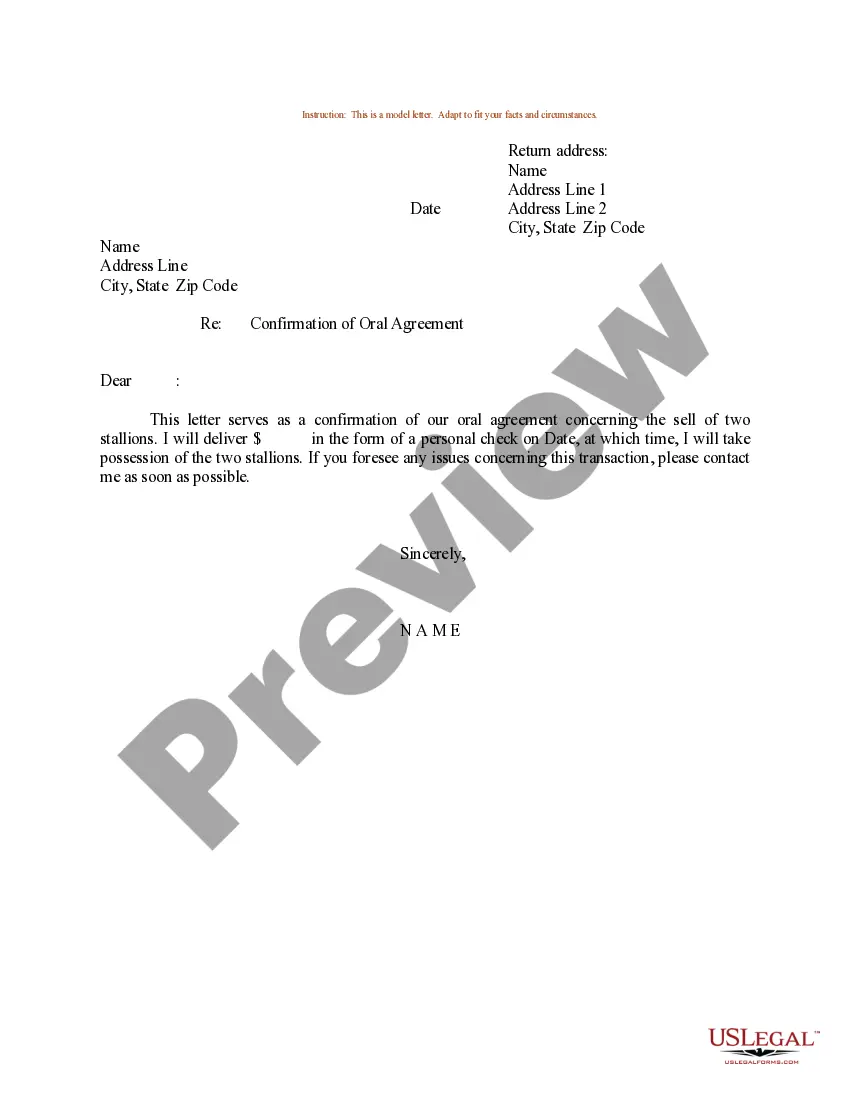
How to fill out Sample Letter For Confirmation Of Telephone Conversation?
Regardless of whether it is for commercial reasons or personal matters, everyone eventually has to navigate legal issues in their life.
Filling out legal documents requires meticulous care, starting with selecting the correct form template.
Select the desired document format and download the Sample Email Confirming Telephone Conversation With Client. Once it is saved, you can complete the form using editing software or print it out and fill it out by hand. With an extensive US Legal Forms library at your fingertips, you no longer have to waste time searching for the correct template online. Utilize the library’s easy navigation to find the suitable template for any scenario.
- For example, if you select an incorrect version of a Sample Email Confirming Telephone Conversation With Client, it will be rejected upon submission.
- Hence, it is vital to acquire a trustworthy source of legal documents like US Legal Forms.
- If you need to obtain a Sample Email Confirming Telephone Conversation With Client template, follow these straightforward instructions.
- Locate the template you require by using the search box or catalog browsing.
- Review the form’s details to ensure it suits your circumstance, state, and county.
- Click on the form’s preview to inspect it.
- If it isn’t the correct document, return to the search function to find the Sample Email Confirming Telephone Conversation With Client template you need.
- Download the file if it corresponds to your requirements.
- If you already possess a US Legal Forms account, simply click Log in to access previously saved files in My documents
- If you do not yet have an account, you can download the form by clicking Buy now.
- Select the appropriate pricing option.
- Fill out the profile registration form.
- Choose your payment method: you can use a credit card or PayPal.
Form popularity
FAQ
In an email, instead of saying 'as per our telephone conversation', you can use phrases like 'Following our phone call' or 'As discussed in our recent call.' These phrases soften the tone while still conveying that you are referring to the phone discussion. This clarity fosters better communication.
A lien effectively makes the property collateral for the debt. All states, including West Virginia, have laws that allow the local government to sell a home through a tax sale process to collect delinquent taxes. In West Virginia, the tax lien, including interest and other charges, attaches to the home on July 1st.
Locate your own West Virginia recorded deeds, plats, and more filed with your county clerk or your property filed by your sheriff's tax office. Counties listed are those counties relative to West Virginia. WVOHOA Members have provided these important online database search links.
Deeds, Trust Deeds, Liens and other documents regarding the transfer of property are considered public information. If you wish to obtain a copy of any recorded document you may do so in person or make a request by mail.
Below is a representative, nonexclusive list of property that may be exempt from property tax: The first $20,000 of assessed value of owner-occupied residential property owned by a person age 65 or older or by a person who is permanently and totally disabled is exempt.
Public Records Search In some counties, online tax records can be searched by physical address to determine the name of the person paying property taxes. In other counties, a visit to the County Assessor's Office is needed to obtain the same tax information.
To obtain these records, you will need to contact the sheriff's department directly and make a request. Some have outstanding arrests listed on their website. Local Court or County Clerk: You may also be able to find arrest records at the local court or county clerk's office.
West Virginia has legalized TOD deeds by enacting the WV Real Property Transfer on Death Act. Previously, a property owner would most likely have named a beneficiary by creating a life estate with a remainder interest, a more complicated option usually involving a property lawyer.
(a) Any party may file a motion for reconsideration of a temporary or final order of the family court for the following reasons: (1) Mistake, inadvertence, surprise, excusable neglect or unavoidable cause; (2) newly discovered evidence which by due diligence could not have been available at the time the matter was ...