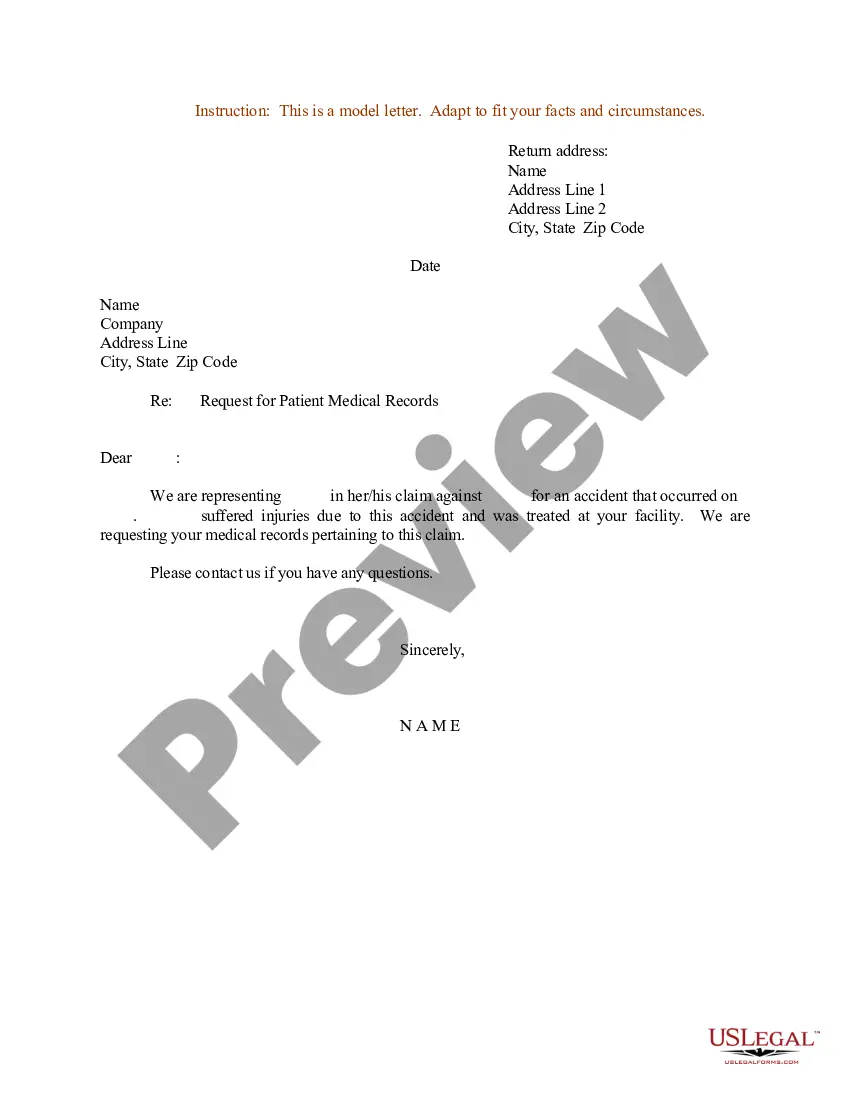
Accident Injuries Pertaining Without
Description
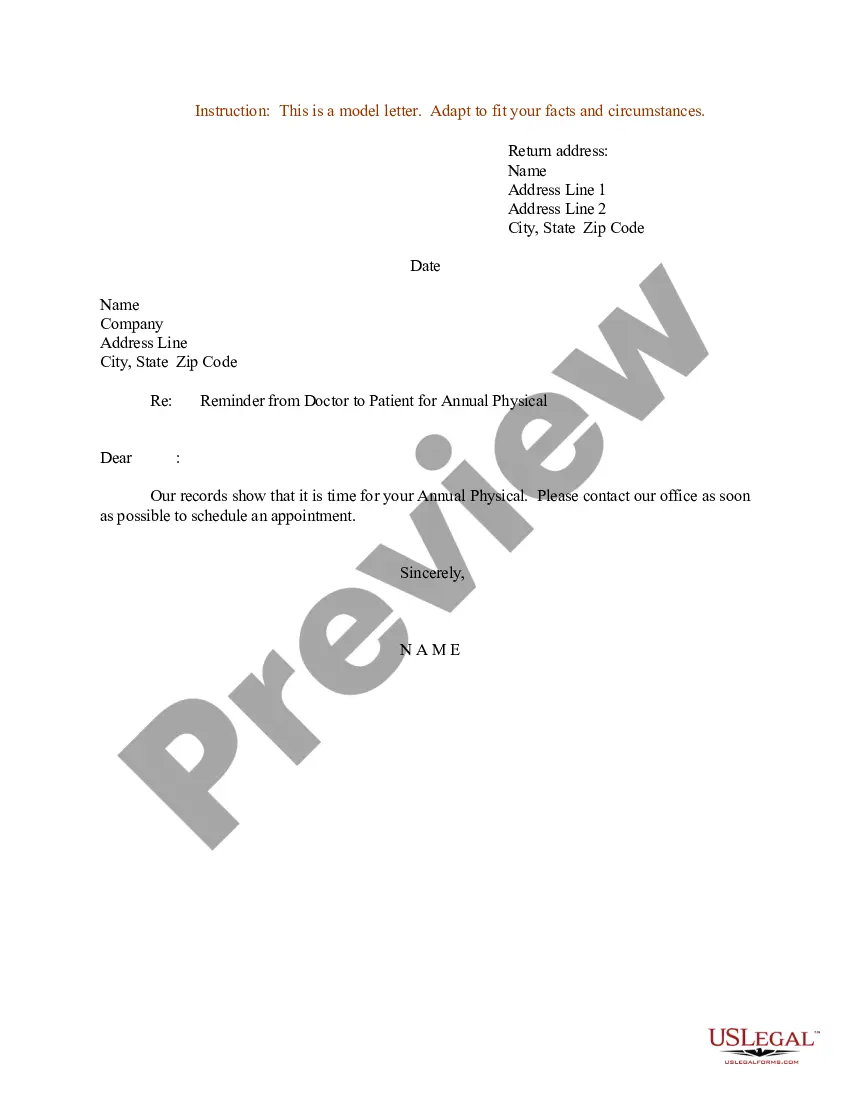
Get your form ready online
Our built-in tools help you complete, sign, share, and store your documents in one place.
Make edits, fill in missing information, and update formatting in US Legal Forms—just like you would in MS Word.
Download a copy, print it, send it by email, or mail it via USPS—whatever works best for your next step.
Sign and collect signatures with our SignNow integration. Send to multiple recipients, set reminders, and more. Go Premium to unlock E-Sign.
If this form requires notarization, complete it online through a secure video call—no need to meet a notary in person or wait for an appointment.
We protect your documents and personal data by following strict security and privacy standards.

Make edits, fill in missing information, and update formatting in US Legal Forms—just like you would in MS Word.

Download a copy, print it, send it by email, or mail it via USPS—whatever works best for your next step.

Sign and collect signatures with our SignNow integration. Send to multiple recipients, set reminders, and more. Go Premium to unlock E-Sign.

If this form requires notarization, complete it online through a secure video call—no need to meet a notary in person or wait for an appointment.

We protect your documents and personal data by following strict security and privacy standards.
Looking for another form?
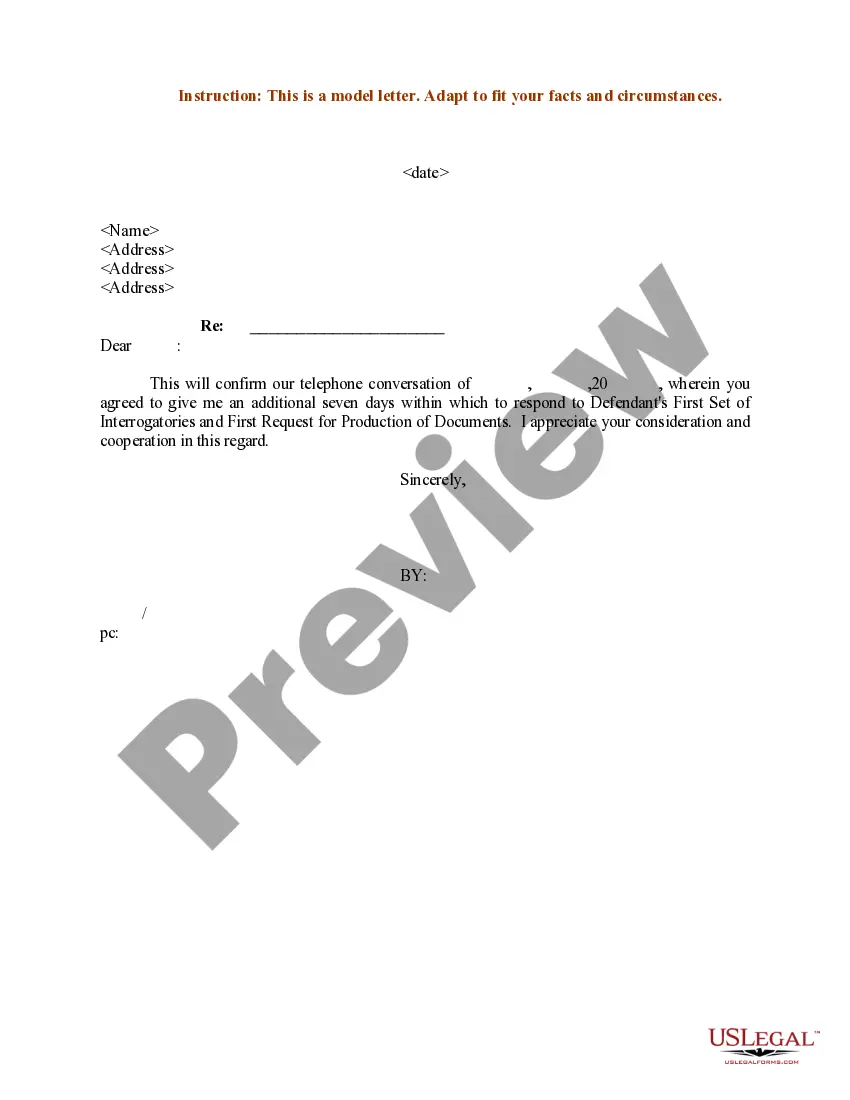

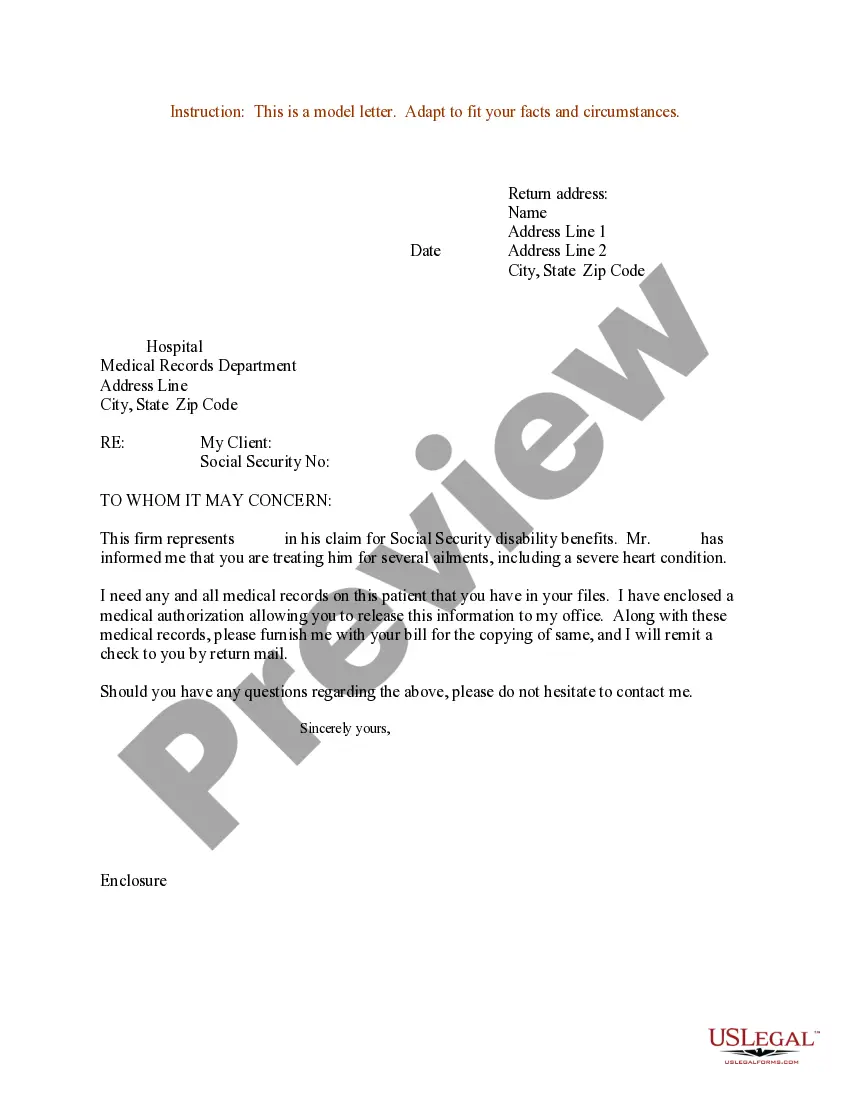
How to fill out Sample Letter For Request For Patient Medical Records?
Regardless of whether for commercial reasons or personal matters, everyone must confront legal issues eventually in their lifetime.
Completing legal paperwork requires meticulous care, starting with selecting the appropriate form template.
Once downloaded, you can complete the form using editing software or print it out to fill it in by hand. With a comprehensive US Legal Forms catalog available, you do not need to waste time searching for the correct template online. Utilize the library’s user-friendly navigation to discover the right form for any situation.
- For example, if you select an incorrect version of the Accident Injuries Pertaining Without, it will be rejected when submitted.
- Therefore, it is crucial to have a trustworthy source of legal documents such as US Legal Forms.
- If you need to acquire an Accident Injuries Pertaining Without template, follow these simple steps.
- Obtain the template you require using the search bar or catalog browsing.
- Review the form’s details to ensure it aligns with your circumstances, state, and locality.
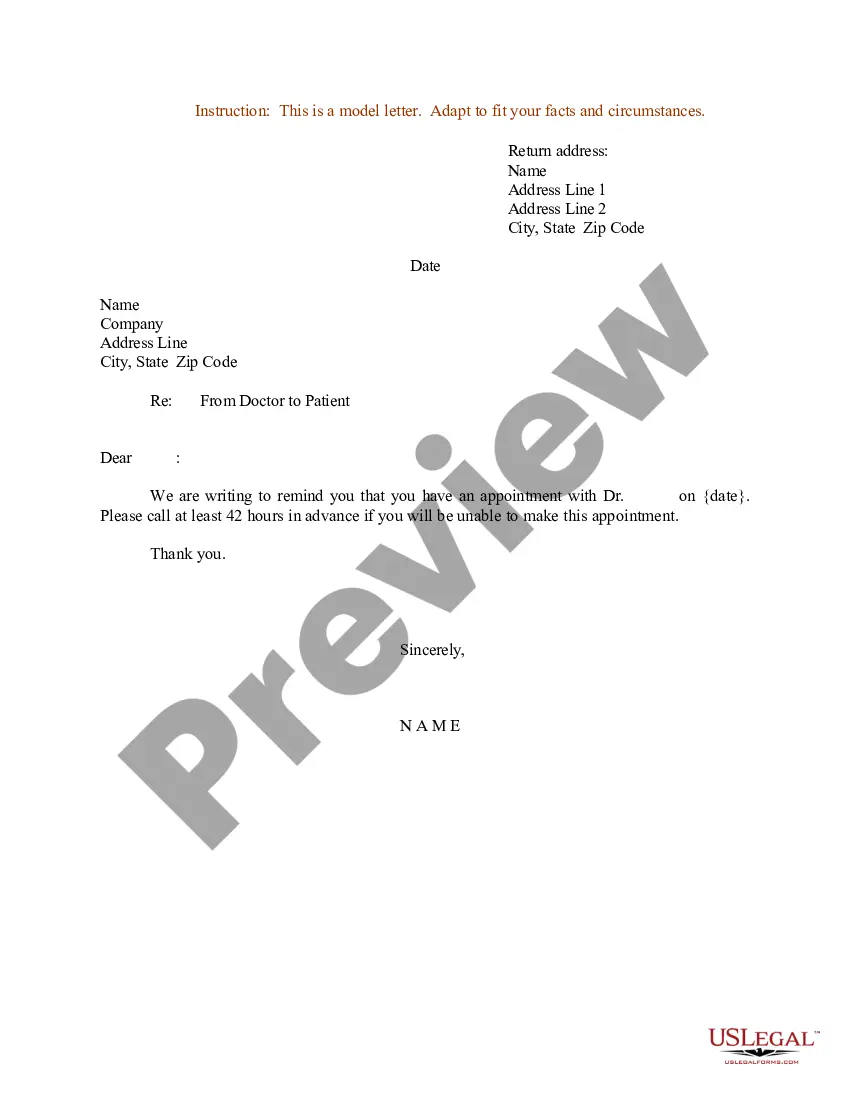
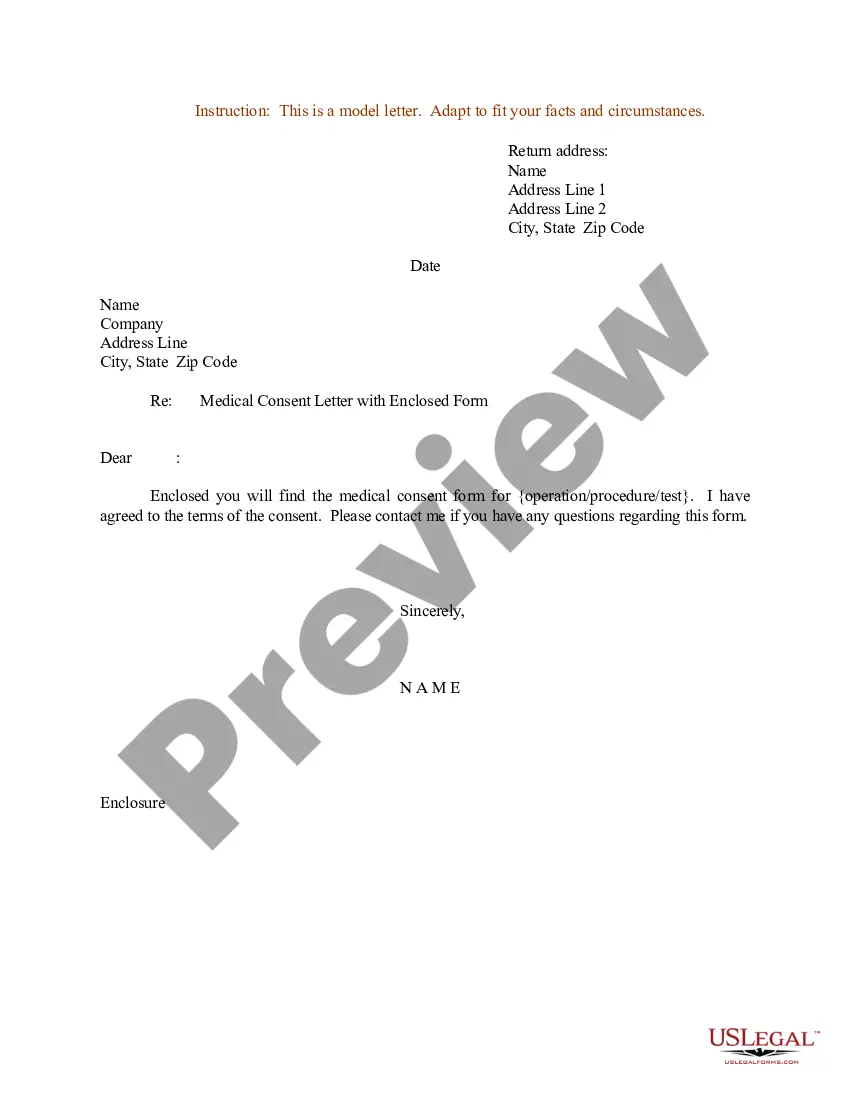
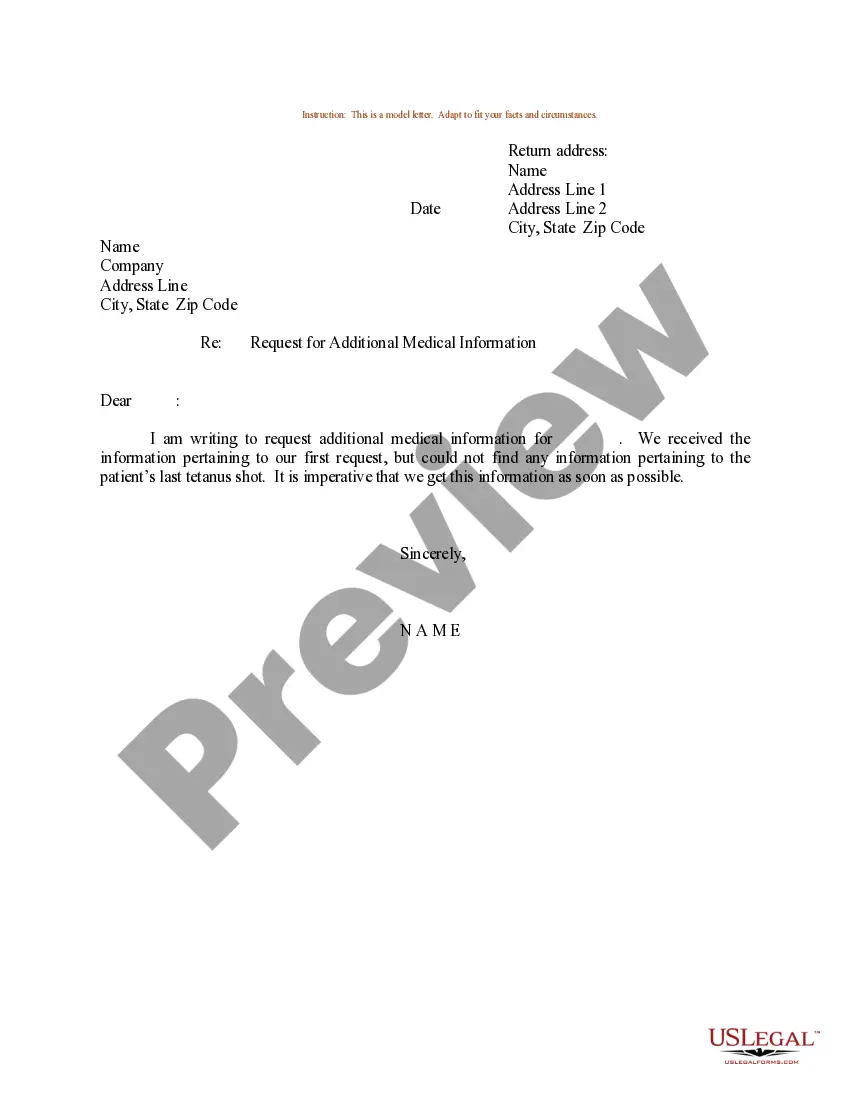
- Click on the form’s preview to check it out.
- If it is the wrong document, return to the search feature to locate the Accident Injuries Pertaining Without sample you need.
- Download the file if it satisfies your criteria.
- If you possess a US Legal Forms account, click Log in to access your previously saved files in My documents.
- If you do not have an account yet, you can acquire the form by clicking Buy now.
- Choose the appropriate pricing option.
- Fill out the account registration form.
- Select your payment method: use a credit card or PayPal account.
- Choose the desired file format and download the Accident Injuries Pertaining Without.
Form popularity
FAQ
Filling out an injury report involves providing essential details about the incident and the injuries sustained. Start by stating the date, time, and location of the injury, followed by a description of what occurred. Be specific about the nature of the injuries and any immediate actions taken, such as seeking medical help. To ensure accuracy and completeness, you can utilize resources like US Legal Forms, which offers guidance and templates for documenting injury reports related to accident injuries pertaining without hassle.
To write a self-declaration for an accident claim, start by clearly stating your name, contact information, and the details of the accident. Include the date and location of the incident, along with a brief description of what happened and any injuries sustained. Remember to mention any witnesses or evidence that supports your claim regarding accident injuries pertaining without proper documentation. For assistance, consider using US Legal Forms, which provides templates to streamline your self-declaration process.
To establish negligence, you typically need to prove three key elements: duty of care, breach of duty, and causation. First, demonstrate that the other party had a responsibility to act safely. Next, show that they failed to uphold that duty, resulting in accident injuries pertaining without support. Finally, connect their actions directly to your injuries, making a clear link that solidifies your claim.
To support an injury claim, essential evidence includes medical records, photographs of injuries, and witness statements. This documentation is crucial in demonstrating the extent of accident injuries pertaining without legal assistance. Additionally, consider keeping a journal detailing your recovery process and any changes to your daily routine. Collecting robust evidence will enhance your ability to make a compelling case.
Negotiating a pain and suffering claim without a lawyer requires careful preparation. Start by documenting all related expenses and impacts on your daily life, as this will support your case in accident injuries pertaining without legal representation. Be clear and concise when communicating with the insurance adjuster, presenting your evidence logically. Remember, staying calm and confident can help you advocate effectively for the compensation you deserve.
The hardest injury to prove often involves soft tissue injuries, such as whiplash or chronic pain conditions. Unlike visible injuries, these can lack clear physical evidence, making them difficult to substantiate in an accident injuries pertaining without legal support. Gathering comprehensive medical records and consistent documentation of symptoms can help strengthen your case. Ultimately, having a thorough understanding of your injuries is essential for effective claims.
The most common accidental injury is often a slip or fall, which can happen in various settings, including homes and workplaces. These incidents frequently lead to sprains, fractures, and other serious injuries. Being aware of your surroundings and using protective measures can help reduce the risk of these accident injuries pertaining without warning.
An accidental injury occurs unexpectedly, resulting from an unintentional act or event. This can involve incidents like car accidents, falls, or mishaps at work. It's important to note that accident injuries pertaining without prior intention can still have significant impacts on your health and finances.
Accidental injuries can be categorized into several types, including physical injuries like fractures and cuts, and psychological injuries such as trauma. Other types include burn injuries, poisoning, and repetitive strain injuries. Understanding these categories helps individuals recognize the potential risks associated with their environments and activities.
Examples of accidental injuries range from slips and falls to vehicle collisions. Other common incidents include workplace accidents and sports-related injuries. Each of these situations can lead to accident injuries pertaining without clear causes, highlighting the importance of being cautious in everyday activities.