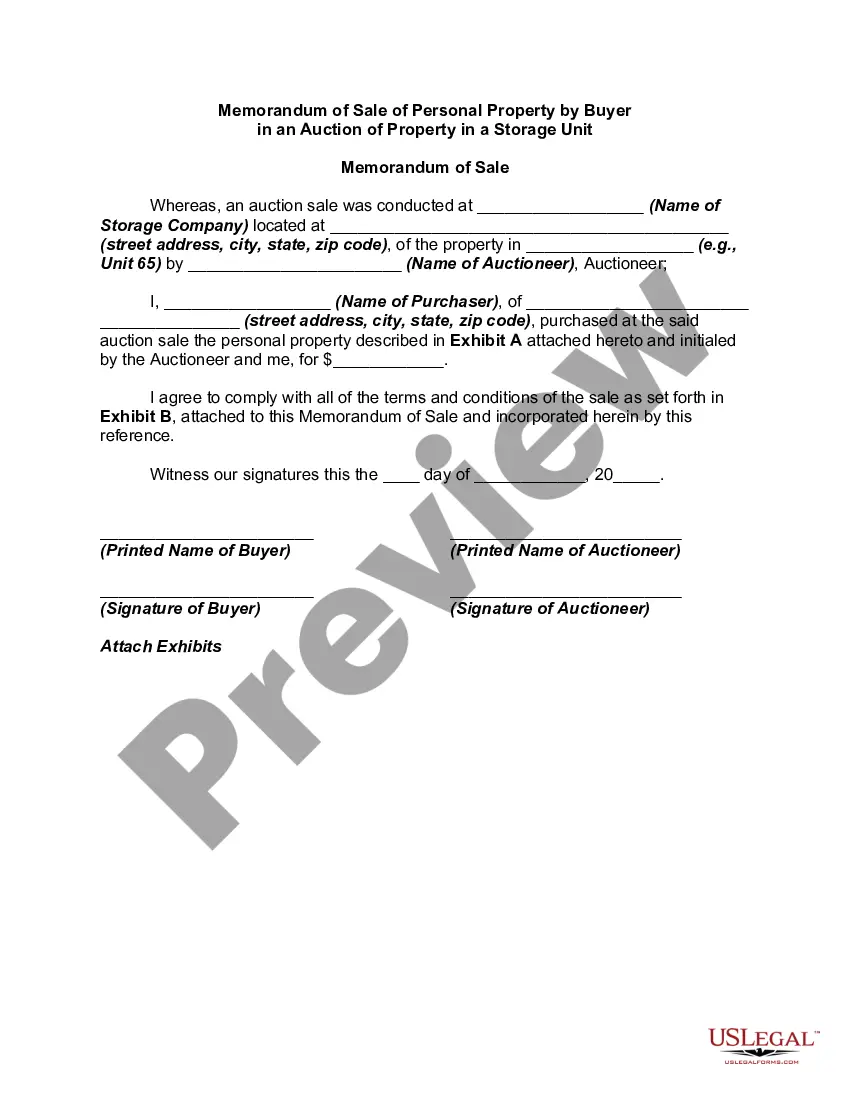
Memorandum Personal Property With Law
Description
Get your form ready online
Our built-in tools help you complete, sign, share, and store your documents in one place.
Make edits, fill in missing information, and update formatting in US Legal Forms—just like you would in MS Word.
Download a copy, print it, send it by email, or mail it via USPS—whatever works best for your next step.
Sign and collect signatures with our SignNow integration. Send to multiple recipients, set reminders, and more. Go Premium to unlock E-Sign.
If this form requires notarization, complete it online through a secure video call—no need to meet a notary in person or wait for an appointment.
We protect your documents and personal data by following strict security and privacy standards.

Make edits, fill in missing information, and update formatting in US Legal Forms—just like you would in MS Word.

Download a copy, print it, send it by email, or mail it via USPS—whatever works best for your next step.

Sign and collect signatures with our SignNow integration. Send to multiple recipients, set reminders, and more. Go Premium to unlock E-Sign.

If this form requires notarization, complete it online through a secure video call—no need to meet a notary in person or wait for an appointment.

We protect your documents and personal data by following strict security and privacy standards.
Looking for another form?









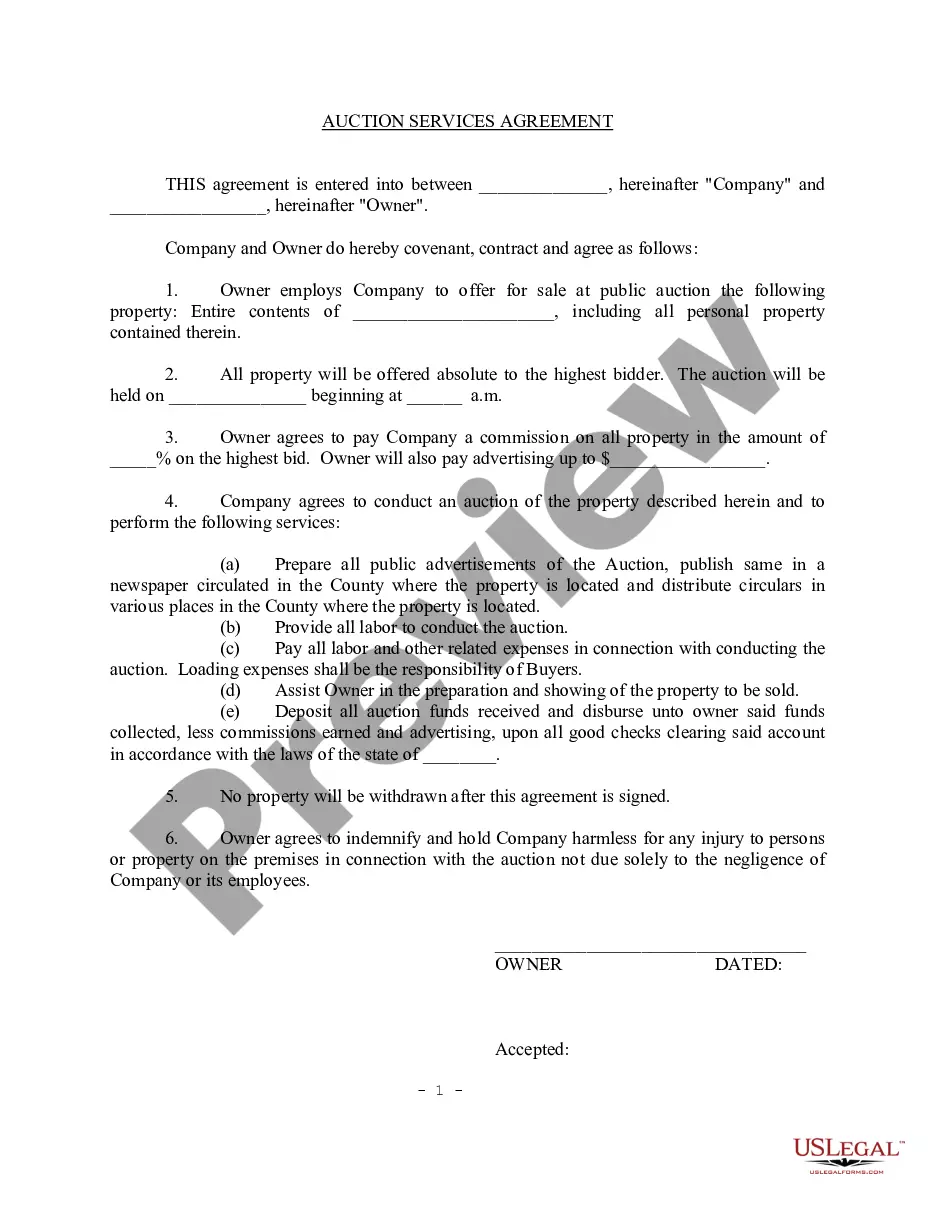
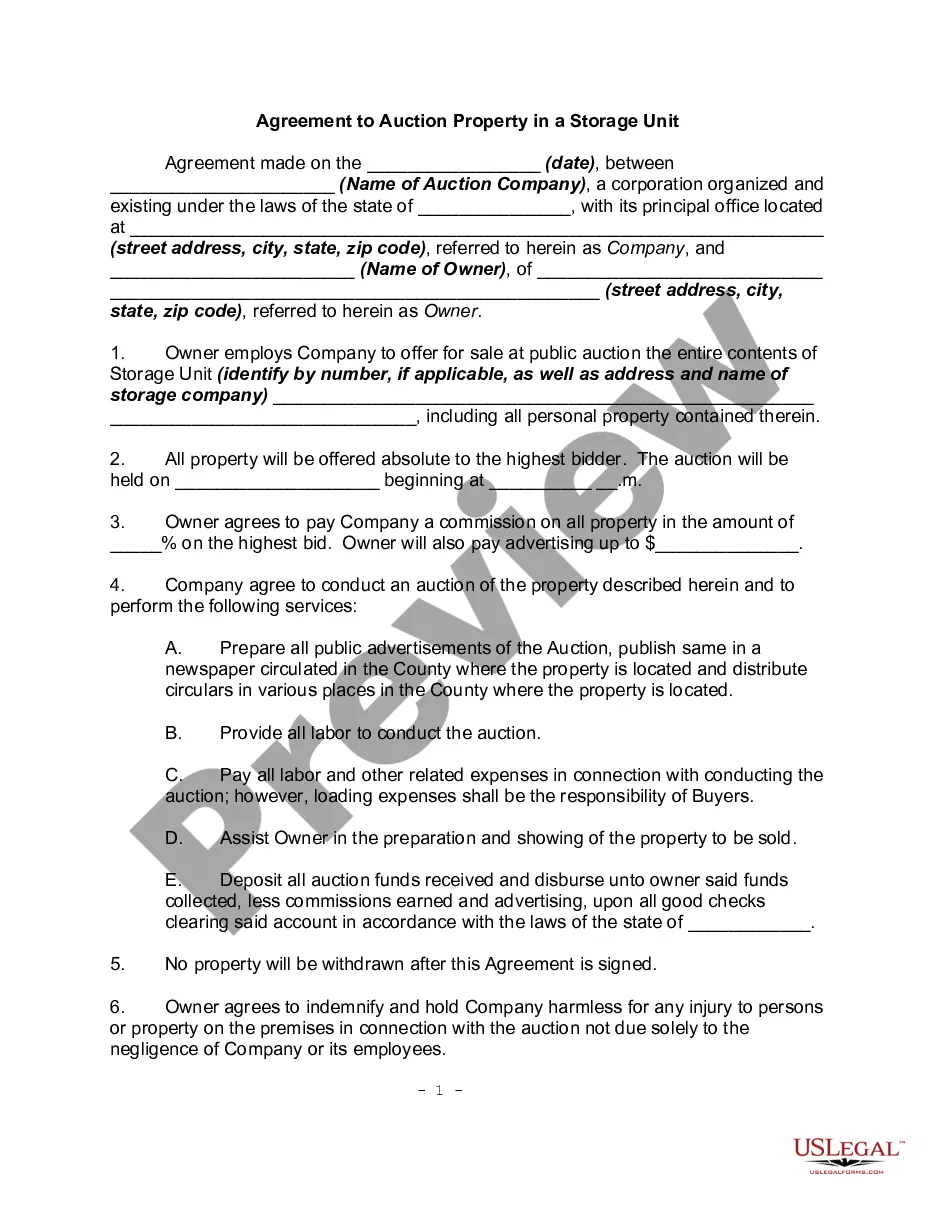
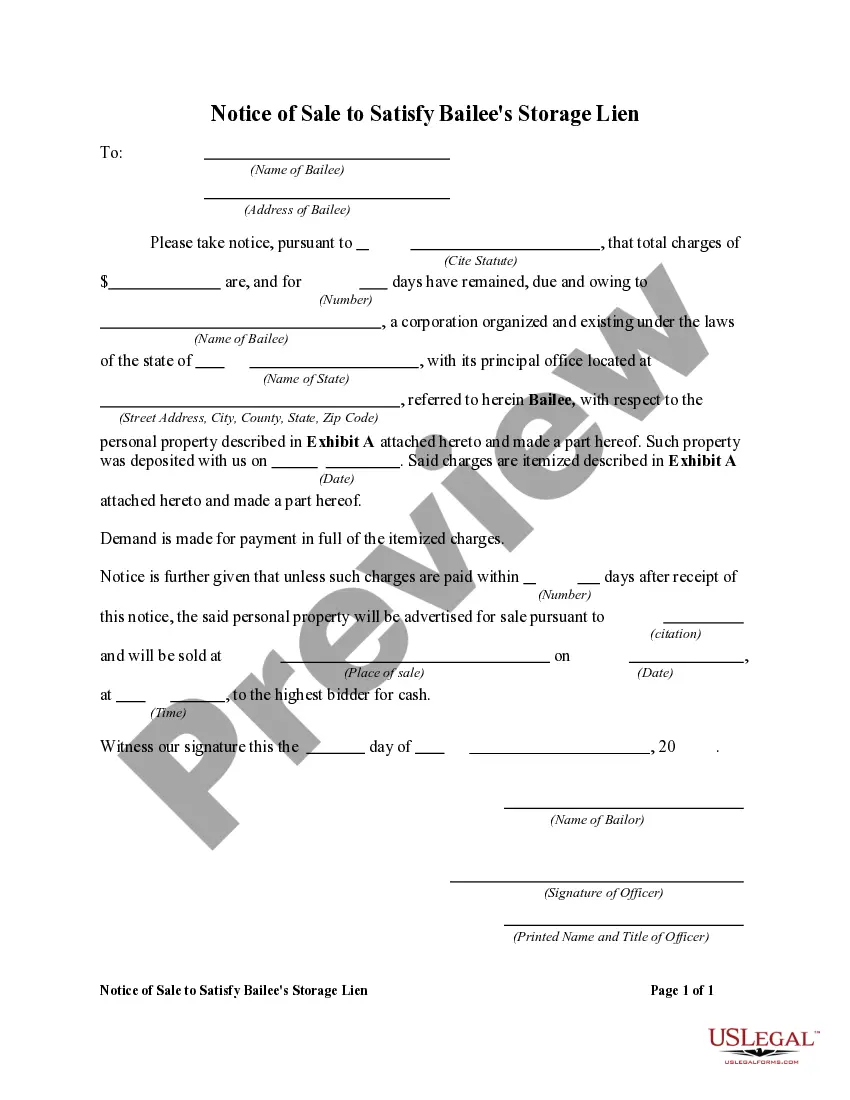
How to fill out Memorandum Of Sale Of Personal Property By Buyer In An Auction Of Property In A Storage Unit?
Finding a go-to place to take the most recent and appropriate legal templates is half the struggle of working with bureaucracy. Discovering the right legal files requirements accuracy and attention to detail, which explains why it is very important to take samples of Memorandum Personal Property With Law only from reliable sources, like US Legal Forms. A wrong template will waste your time and delay the situation you are in. With US Legal Forms, you have little to be concerned about. You may access and see all the information regarding the document’s use and relevance for your circumstances and in your state or region.
Take the following steps to complete your Memorandum Personal Property With Law:
- Utilize the catalog navigation or search field to find your template.
- View the form’s description to see if it matches the requirements of your state and region.
- View the form preview, if available, to make sure the form is the one you are interested in.
- Get back to the search and look for the correct template if the Memorandum Personal Property With Law does not match your requirements.
- When you are positive about the form’s relevance, download it.
- When you are an authorized user, click Log in to authenticate and access your selected templates in My Forms.
- If you do not have a profile yet, click Buy now to obtain the template.
- Choose the pricing plan that fits your requirements.
- Proceed to the registration to complete your purchase.
- Complete your purchase by choosing a payment method (credit card or PayPal).
- Choose the file format for downloading Memorandum Personal Property With Law.
- Once you have the form on your gadget, you can alter it with the editor or print it and finish it manually.
Remove the inconvenience that accompanies your legal documentation. Discover the extensive US Legal Forms library to find legal templates, examine their relevance to your circumstances, and download them on the spot.
Form popularity
FAQ
A personal property memorandum is designed to cover who should receive items owned that don't have an official title record. It's not a legal document on its own and doesn't need to be signed in front of witnesses like a will. It becomes legally binding when referenced in your will or trust.
Personal property refers to the items that people own such as furniture, appliances, or electronics. In short, these items differ from real property because they are movable. Personal property can be intangible, as in the case of stocks and bonds, or tangible, such as clothes or artwork.
The Tangible Personal Property Memo is a separate document from the Will that allows you to create a list of your specific items of tangible property that you wish to give to specific people after your death.
A memorandum of personal property is a document that provides a mechanism for an individual who's already created a trust or a will to later make additional bequests or gifts of items of personal property. It allows them to make these gifts without having to modify the will or the trust.
You can hand-write the memo, or type it and print it out. A typical personal property memo simply references the particular piece of tangible personal property and who you want to receive it. Also, the memo has to be signed by you, but your signature doesn't have to be witnessed or notarized.