Restraining Harassment Restraining Forces Tends To
Description
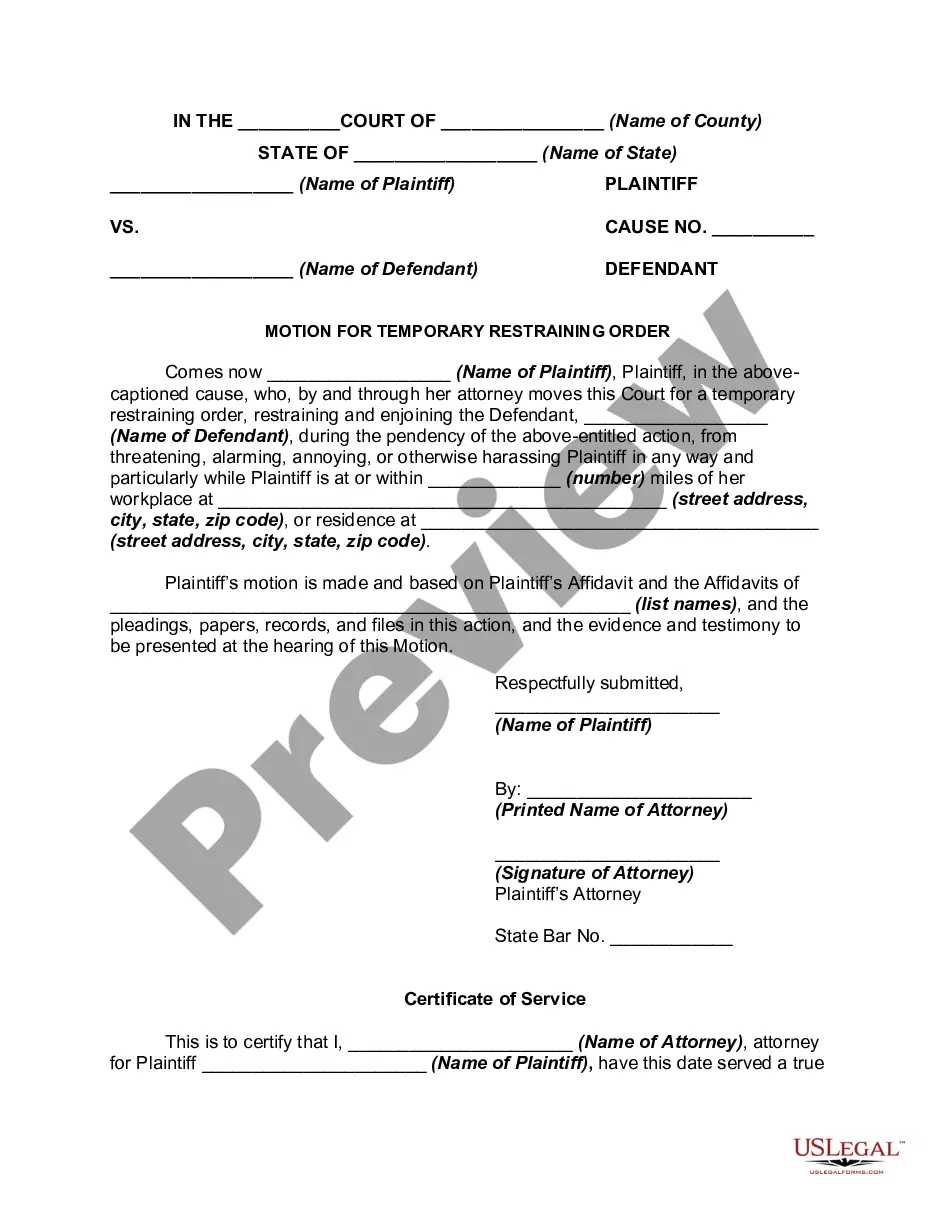
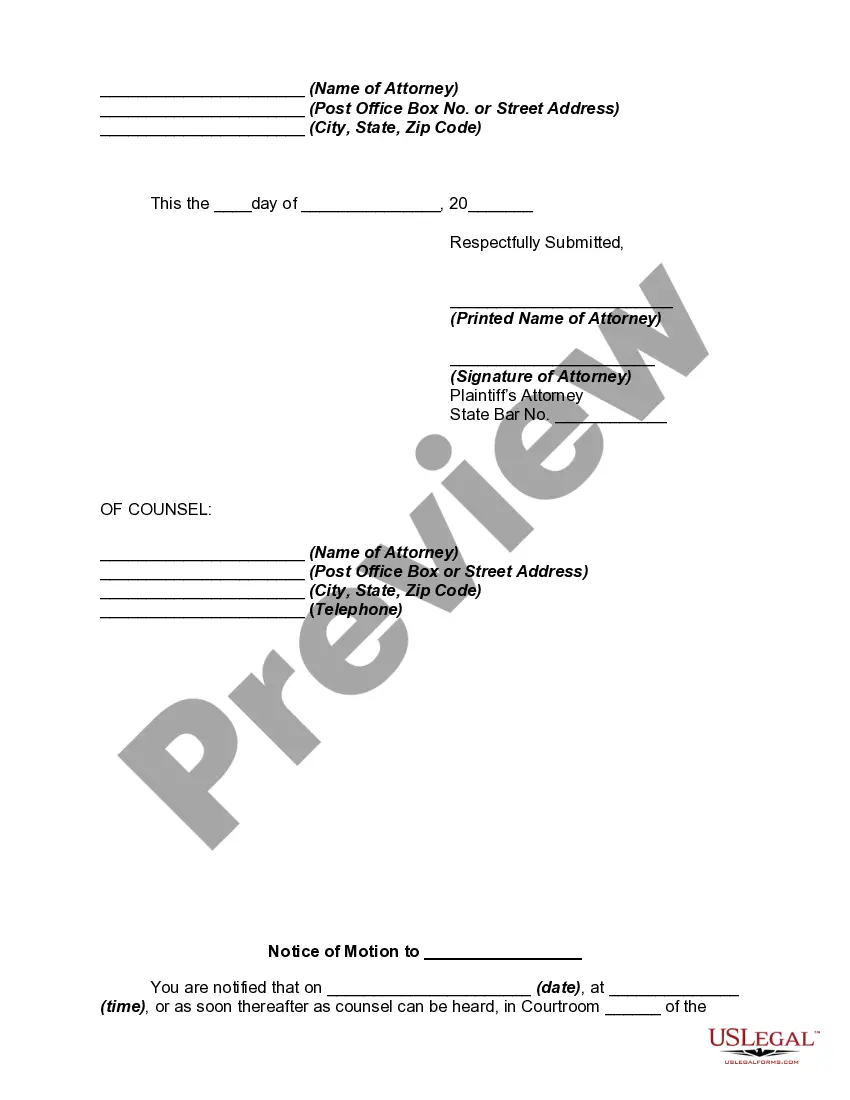
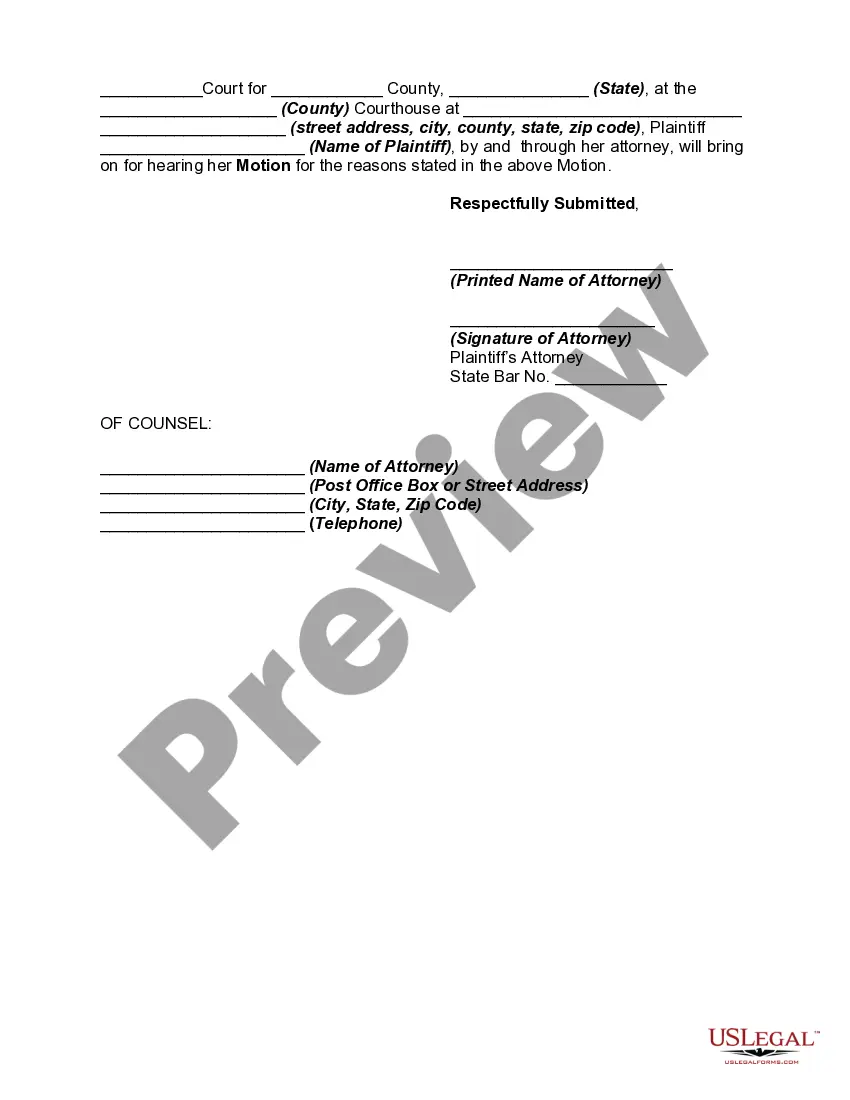
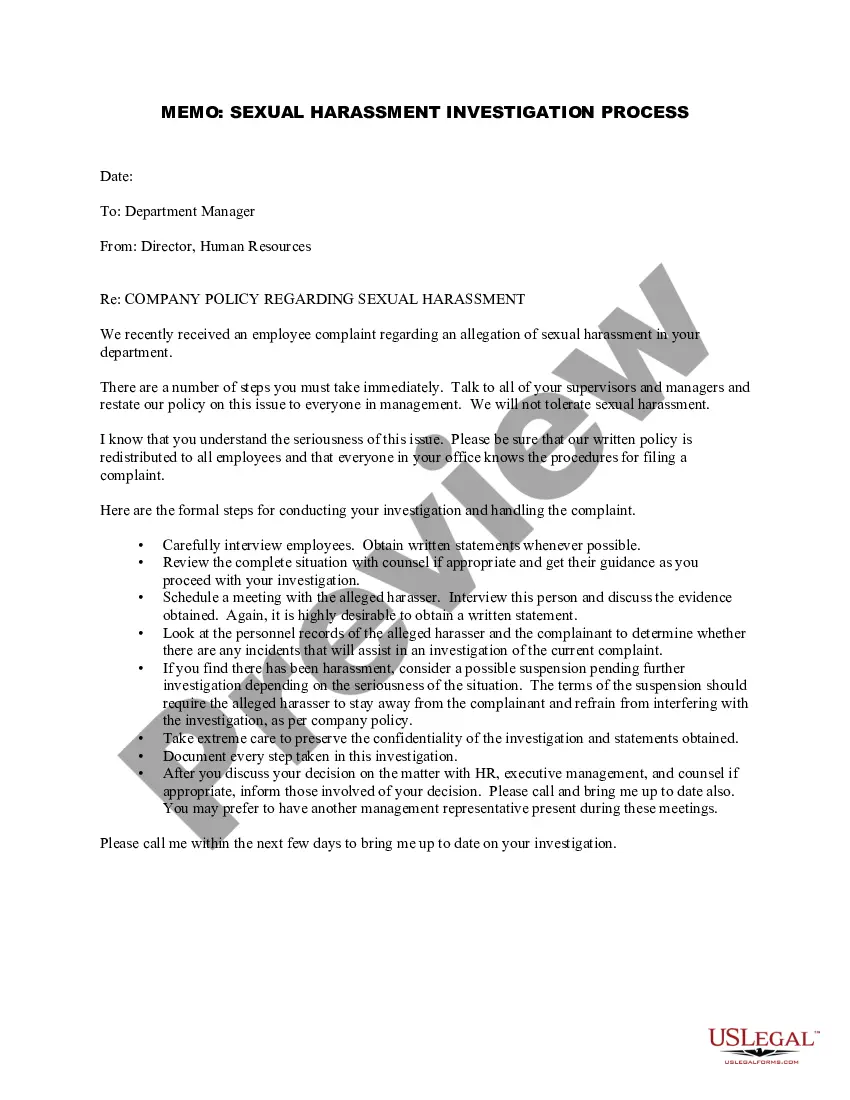
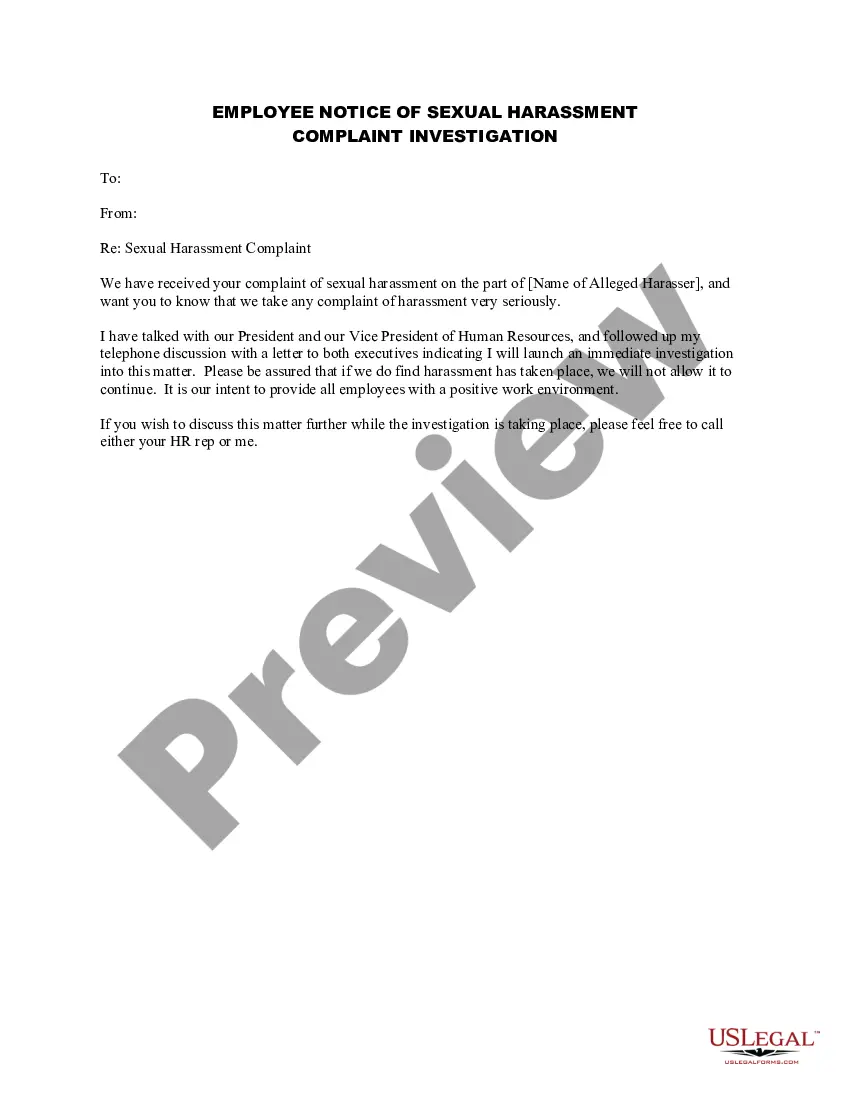
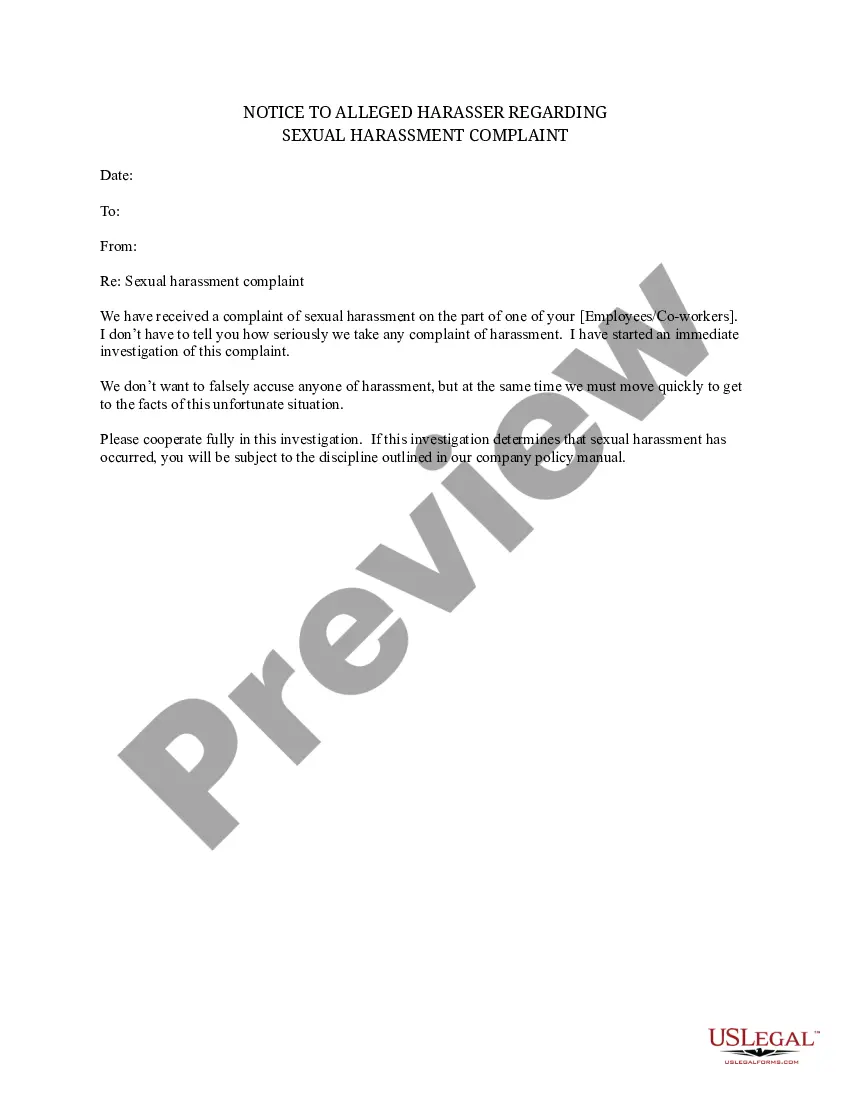
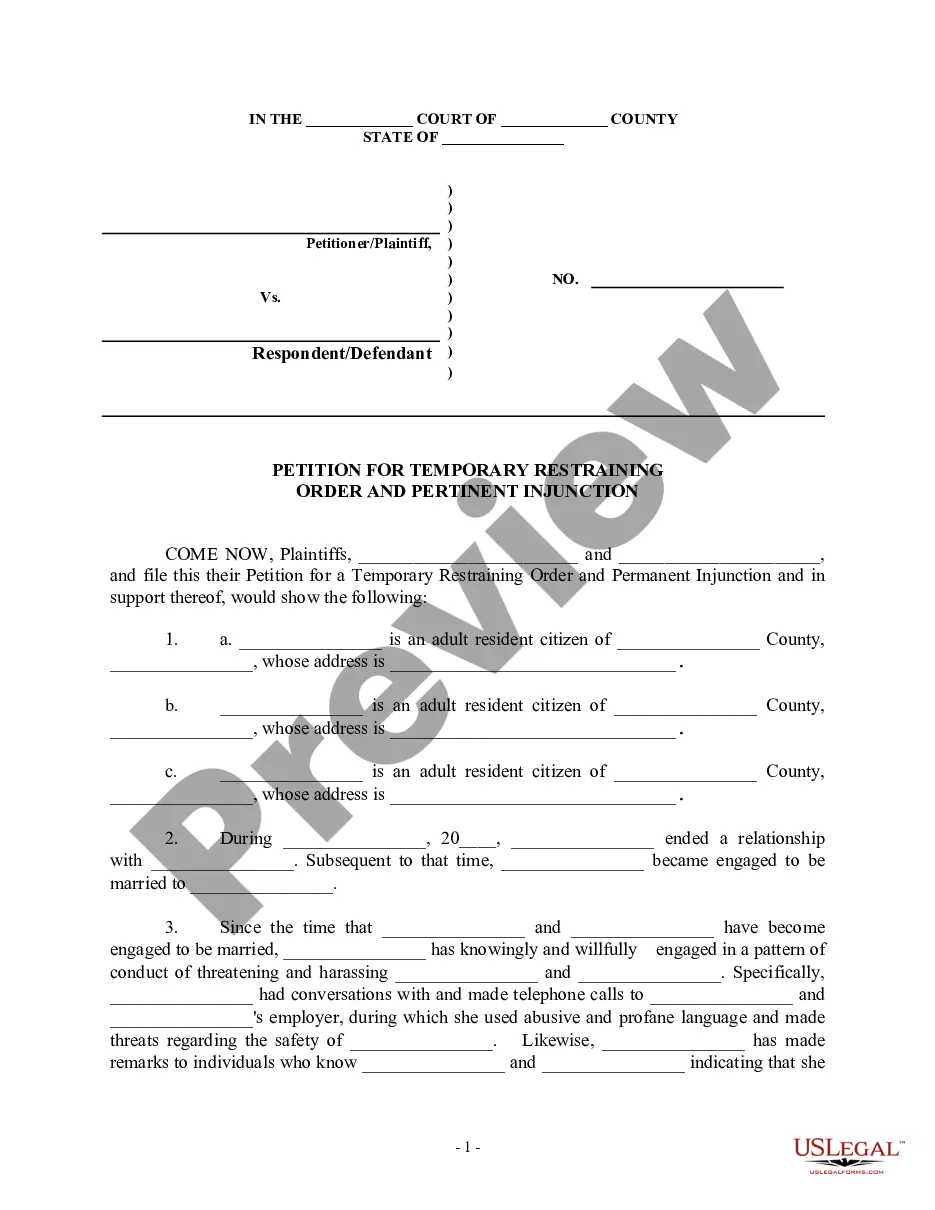
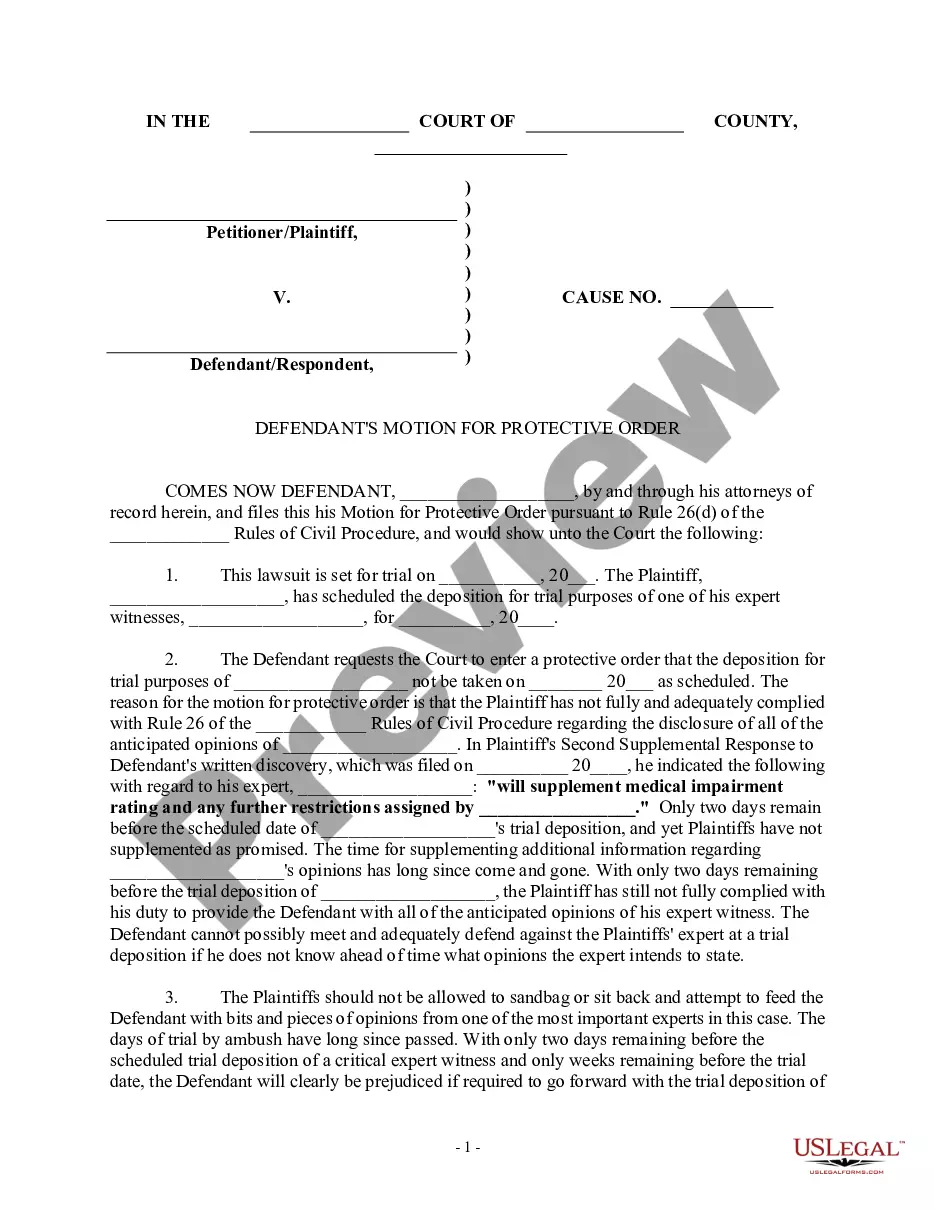





How to fill out Motion For Temporary Restraining Order To Restrain And Enjoin Harassment Of Employee?
It’s obvious that you can’t become a law professional overnight, nor can you figure out how to quickly draft Restraining Harassment Restraining Forces Tends To without having a specialized set of skills. Putting together legal forms is a time-consuming venture requiring a specific training and skills. So why not leave the preparation of the Restraining Harassment Restraining Forces Tends To to the professionals?
With US Legal Forms, one of the most comprehensive legal template libraries, you can access anything from court paperwork to templates for in-office communication. We know how important compliance and adherence to federal and state laws are. That’s why, on our platform, all templates are location specific and up to date.
Here’s how you can get started with our website and obtain the form you need in mere minutes:
- Discover the document you need with the search bar at the top of the page.
- Preview it (if this option available) and read the supporting description to figure out whether Restraining Harassment Restraining Forces Tends To is what you’re searching for.
- Start your search over if you need any other template.
- Register for a free account and select a subscription option to buy the form.
- Pick Buy now. Once the transaction is through, you can get the Restraining Harassment Restraining Forces Tends To, complete it, print it, and send or mail it to the designated individuals or entities.
You can re-access your documents from the My Forms tab at any time. If you’re an existing client, you can simply log in, and locate and download the template from the same tab.
Regardless of the purpose of your forms-whether it’s financial and legal, or personal-our website has you covered. Try US Legal Forms now!
Form popularity
FAQ
How to respond to a request for restraining order Fill out the Response form (DV-120) Fill out the form, called Response to Request for Domestic Violence Restraining Order (form DV-120) ... File (turn in) your forms to the court. You will not have to pay a fee to file these forms.
A restraining order is a legal document issued by a court to protect the safety of an individual. Within this document, the judge can establish actions that must not be taken by another party involved. These orders are usually for cases involving domestic violence, stalking, harassment, or other threatening behavior.
How to respond to a request for a restraining order Fill out the Response form (CH-120) Fill out the form, called the Response to Request for Civil Harassment Restraining Orders (form CH-120) ... Make copies of your forms. After you've filled out and signed the Response, form CH-120, make two copies. ... File your forms.
The burden of proof is on the protected party to prove to the court by a preponderance of the evidence that there is a reasonable apprehension of future abuse.
The burden of proof in civil harassment restraining order cases is clear and convincing, please note that this is lower than the standard of proof than in criminal cases which is beyond a reasonable doubt.