Motion Restraining Order Without Going To Court
Description
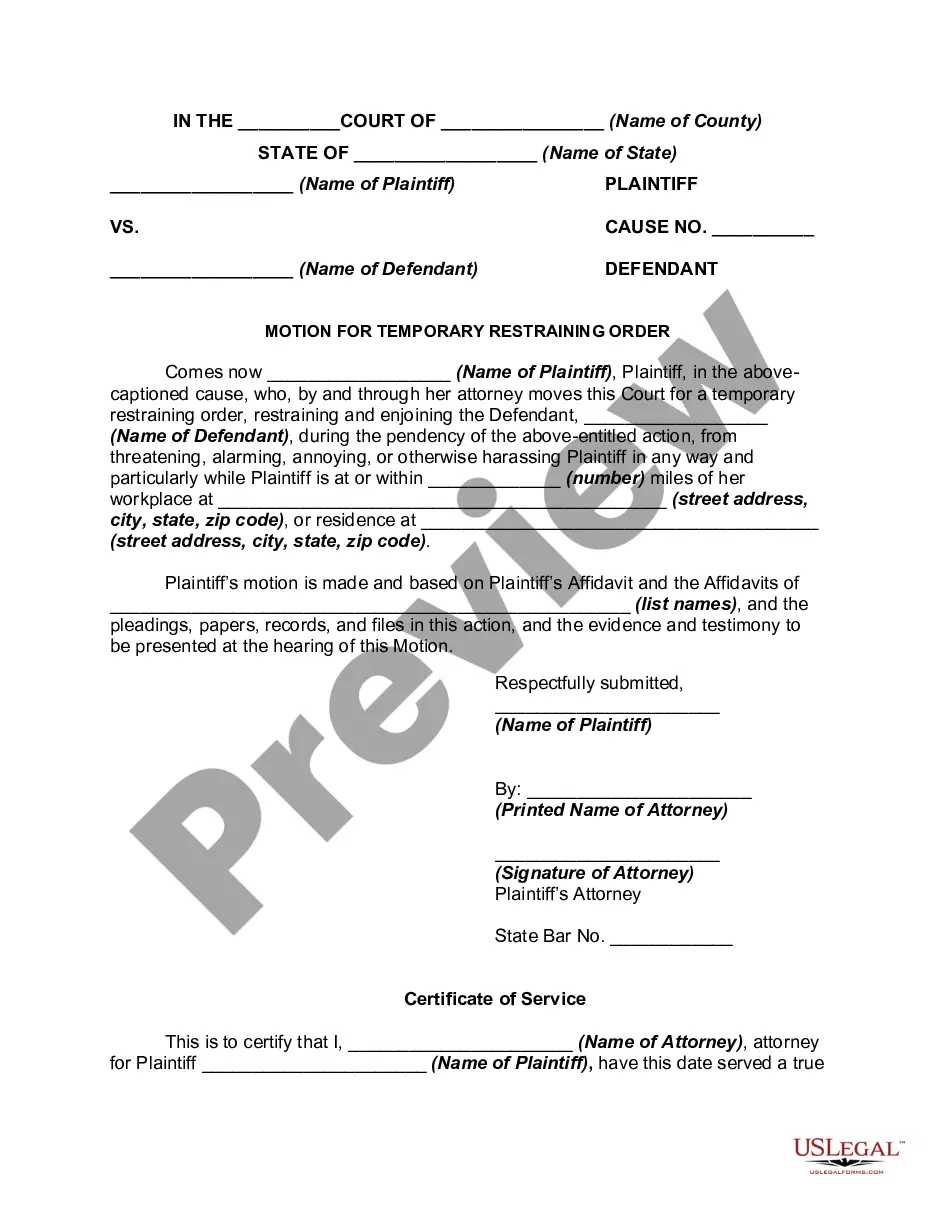
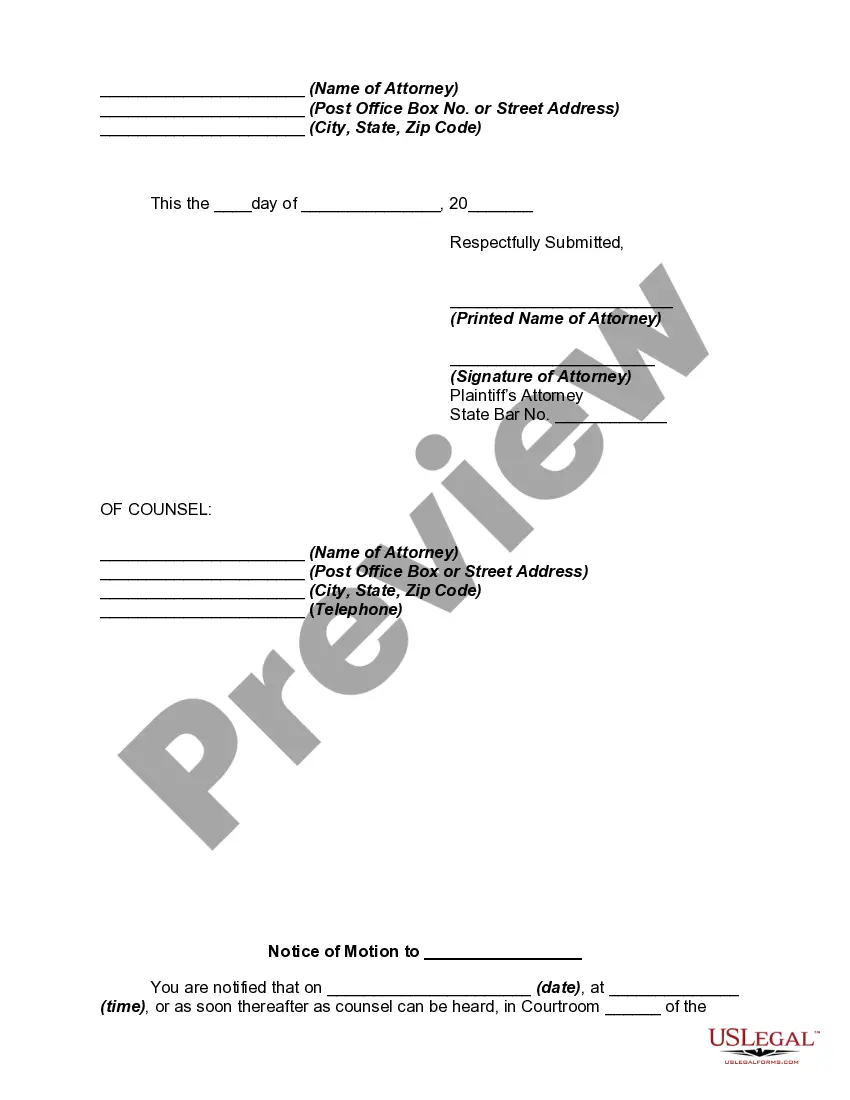
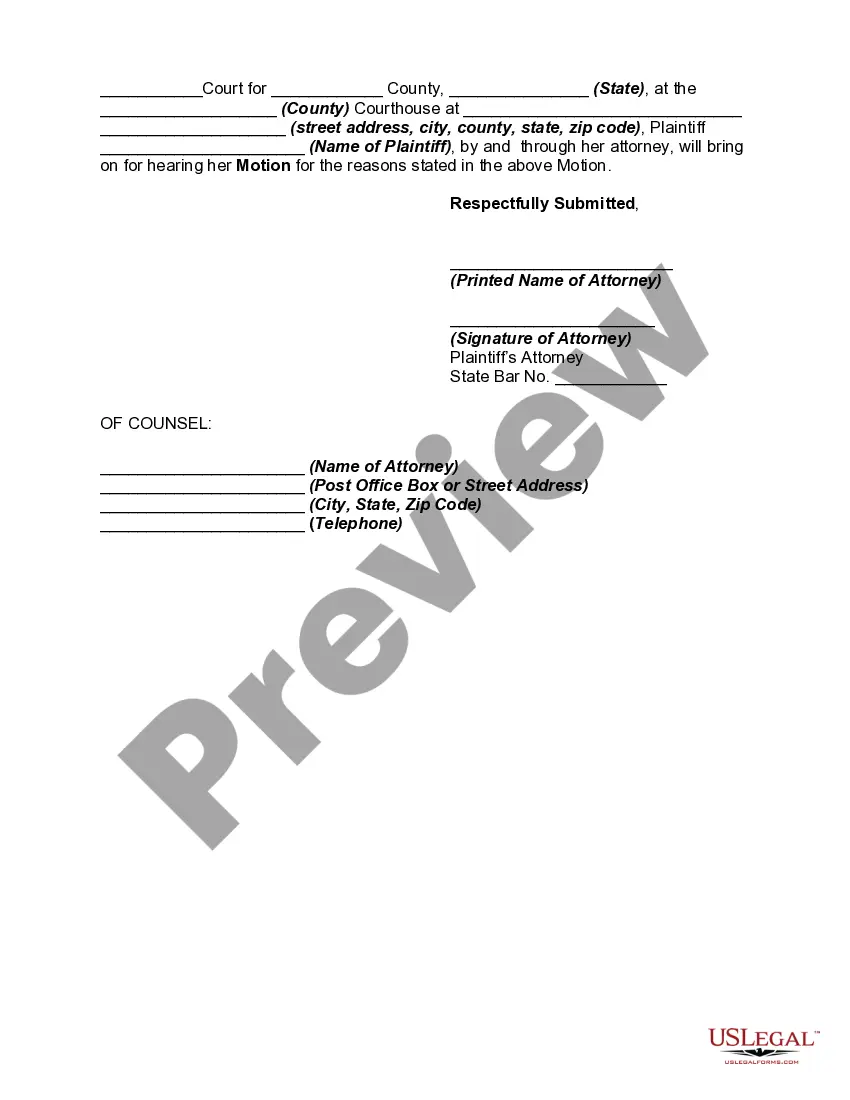
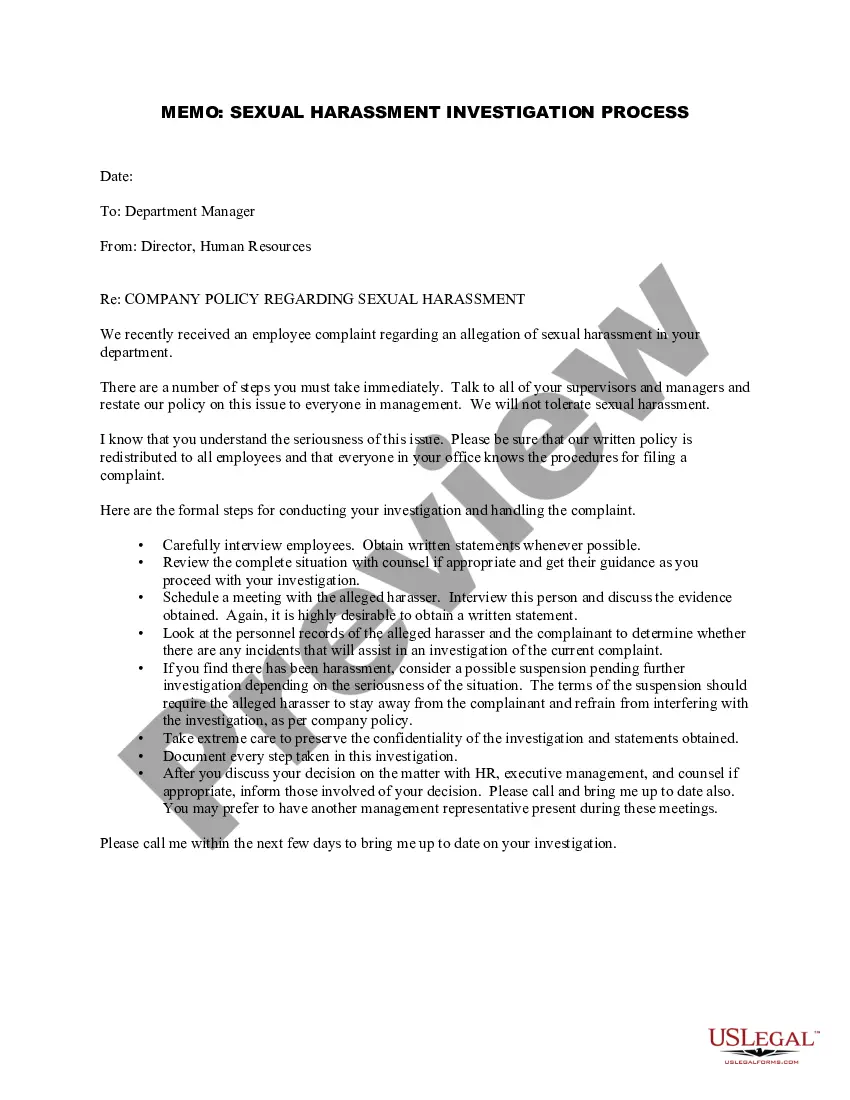
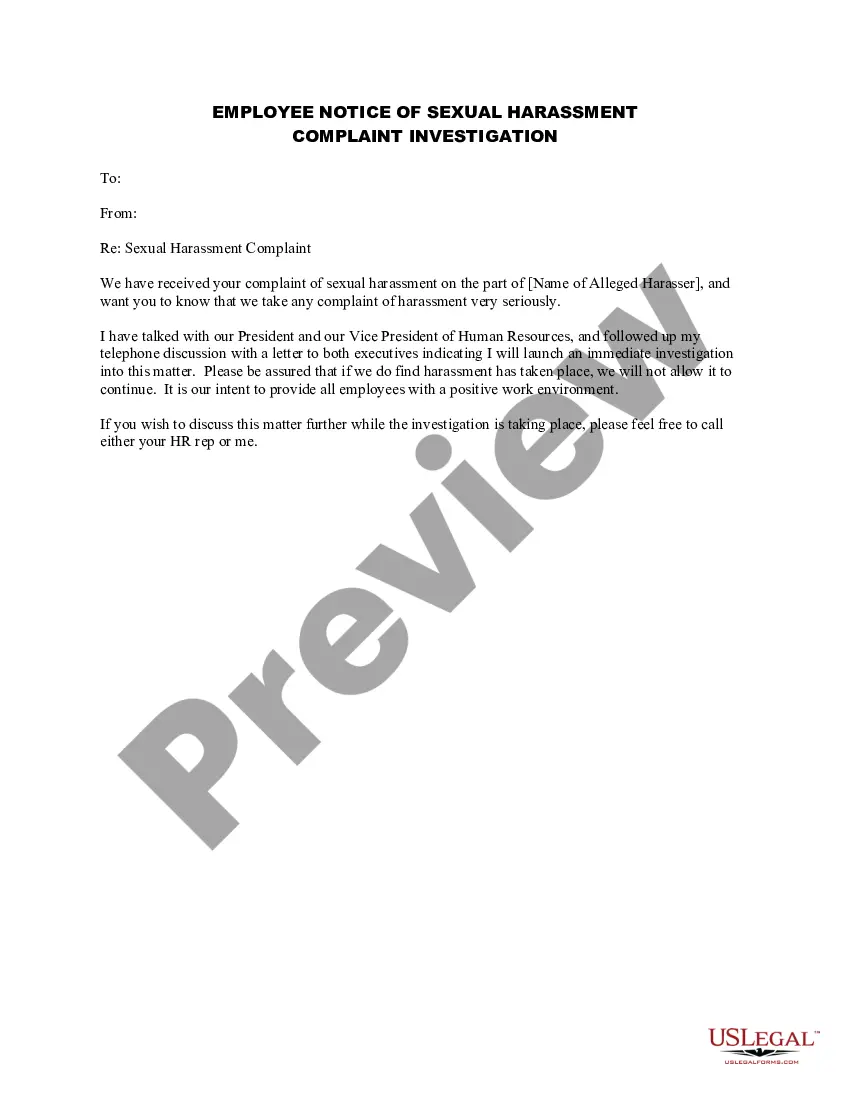
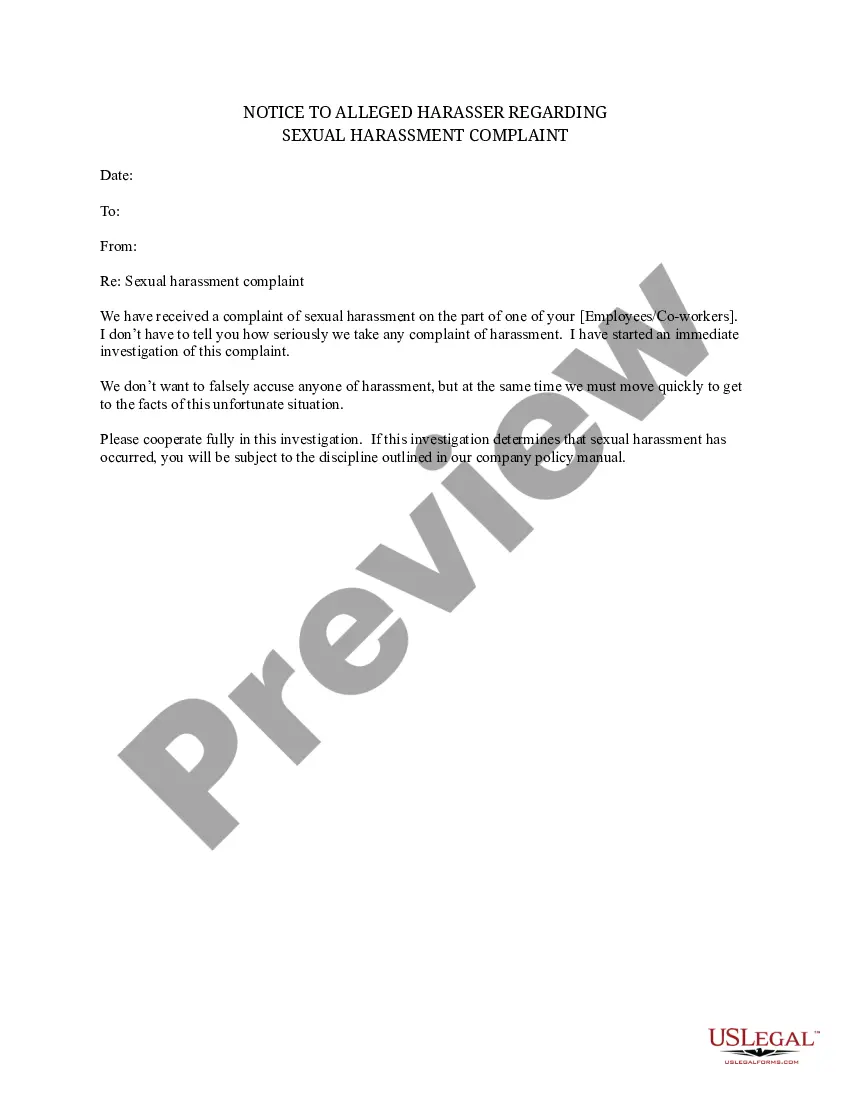
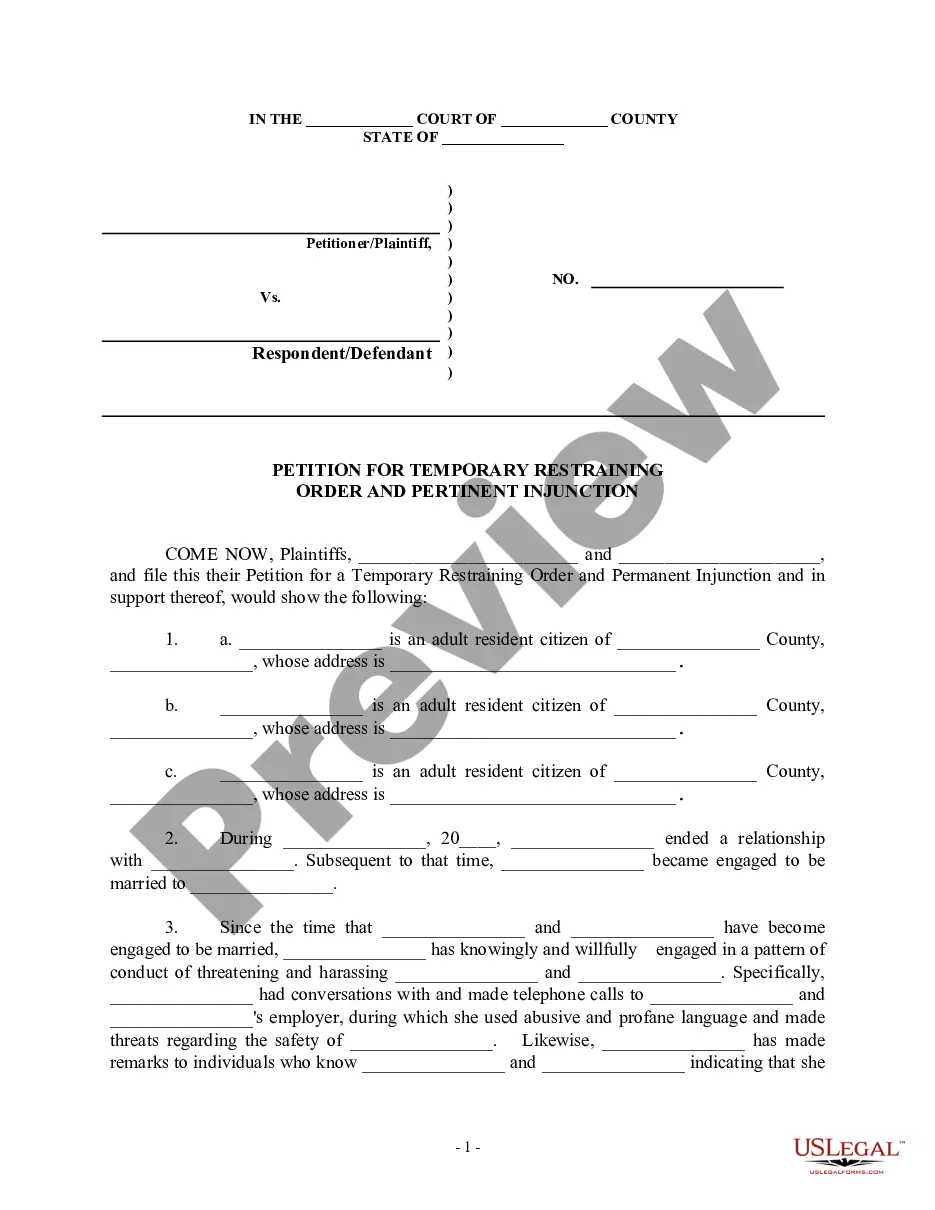
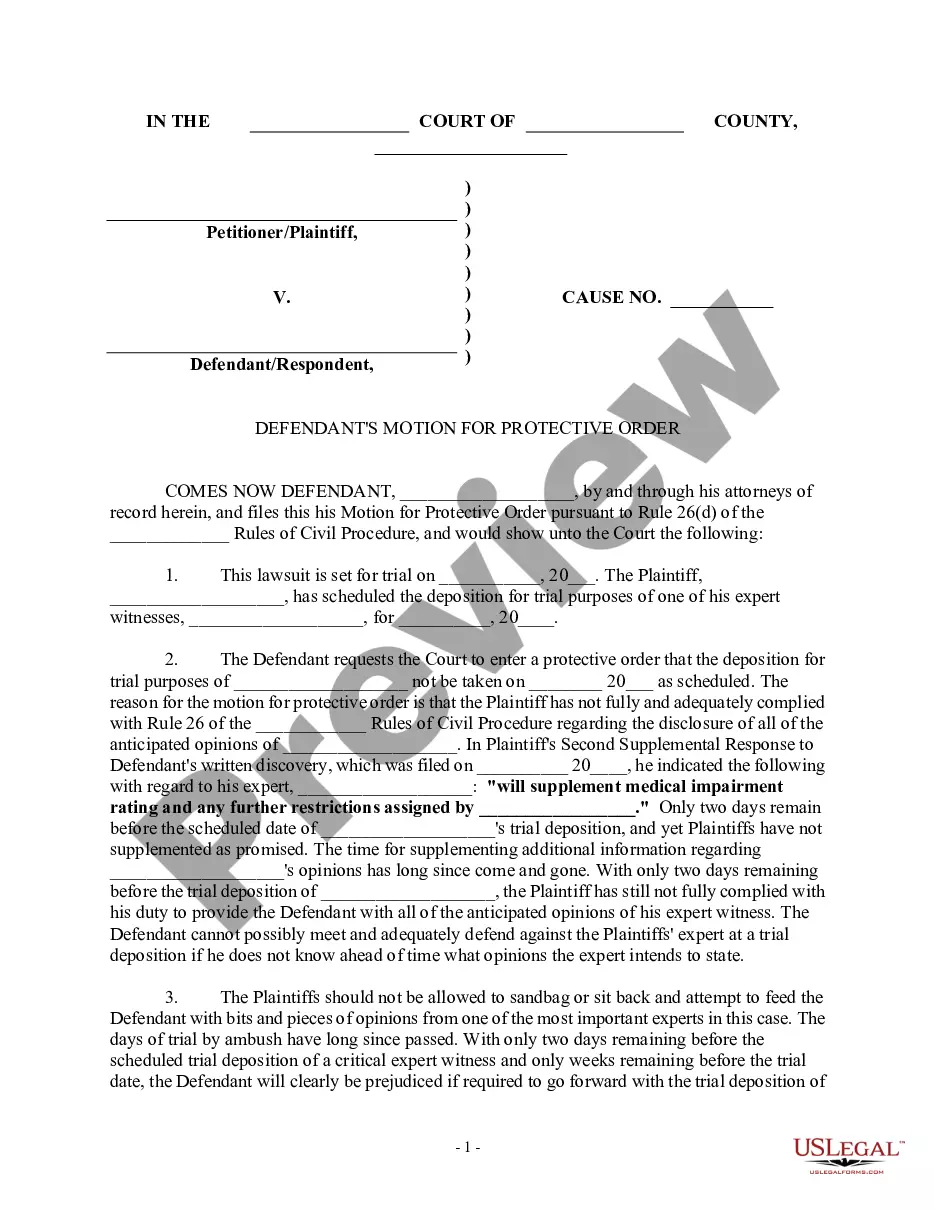
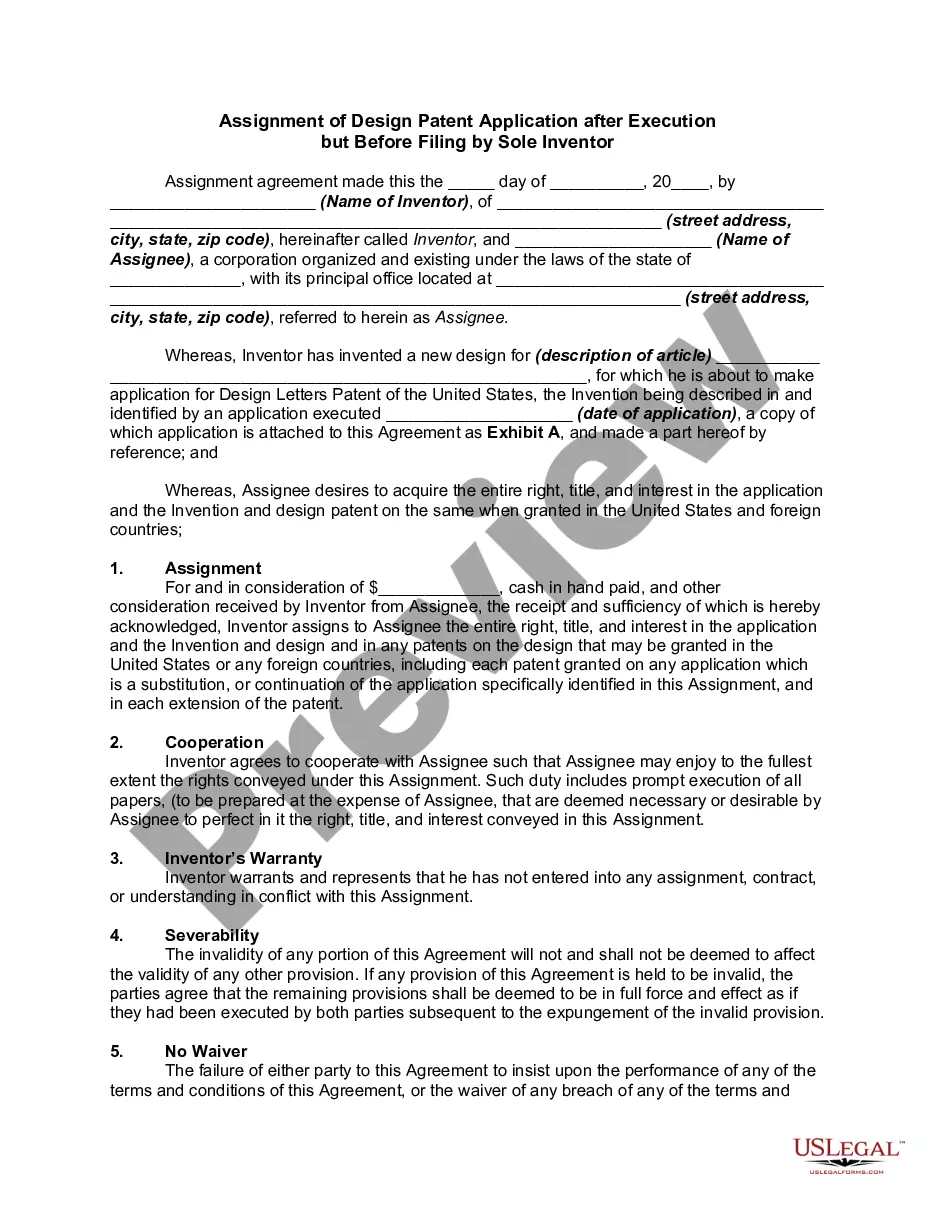
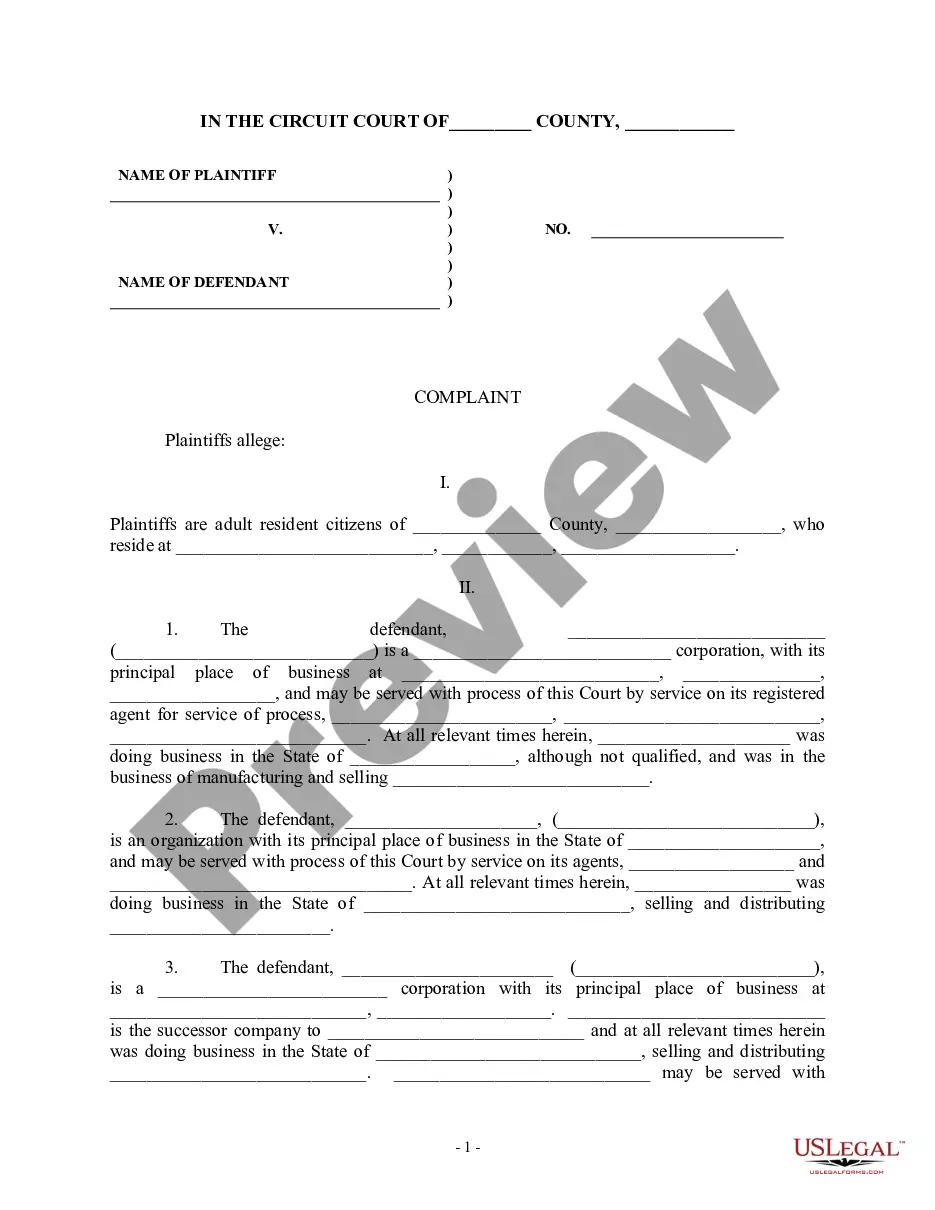

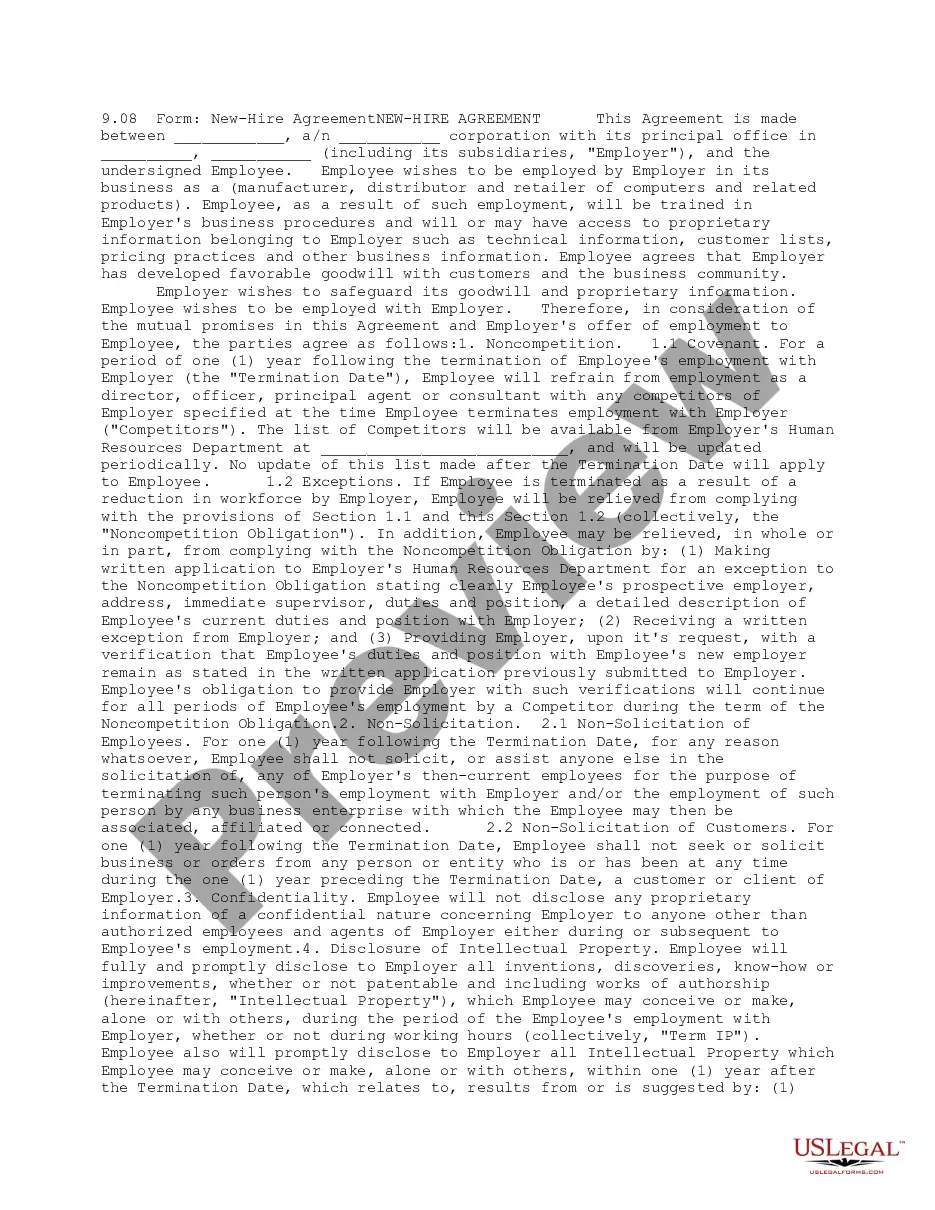

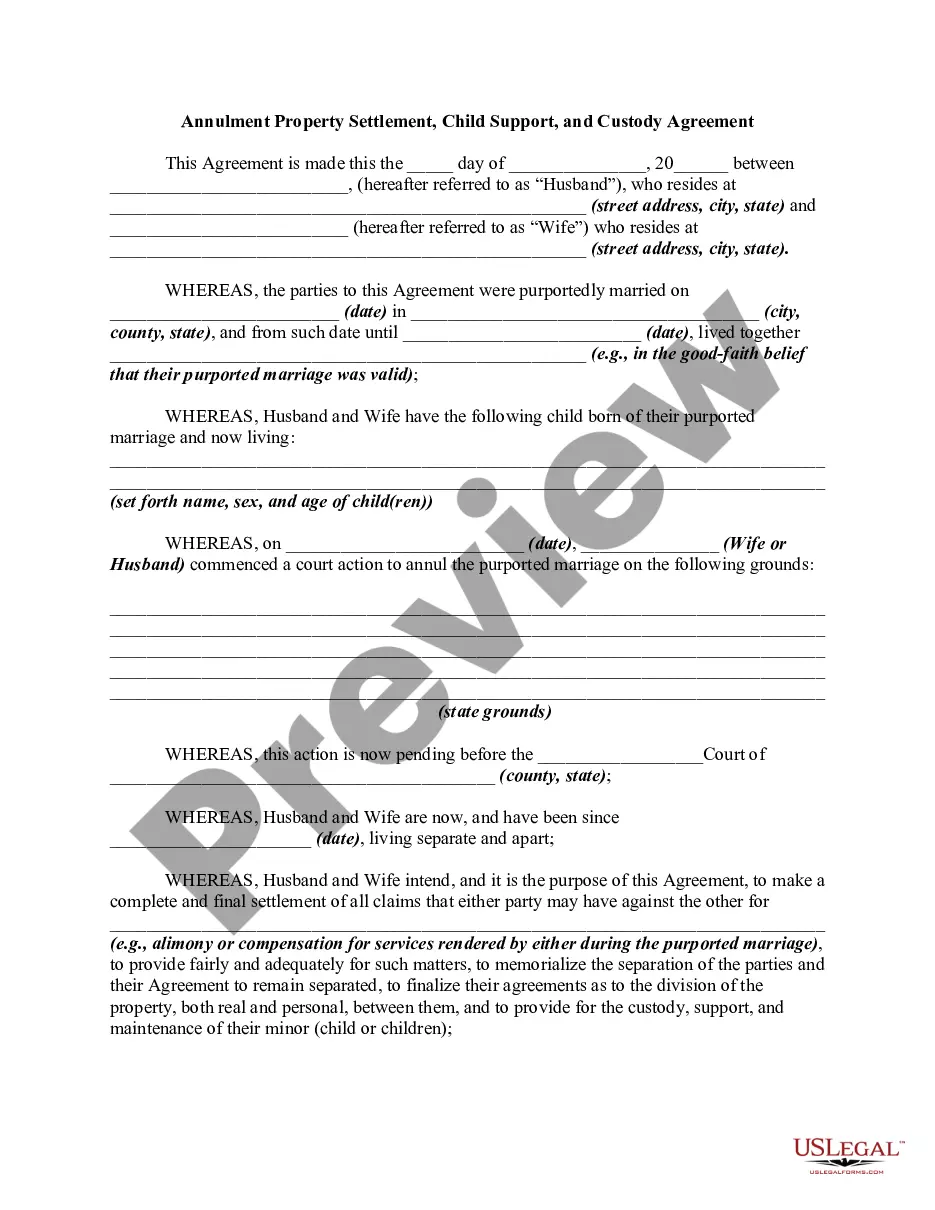


How to fill out Motion For Temporary Restraining Order To Restrain And Enjoin Harassment Of Employee?
It’s clear that you cannot become a legal authority instantly, nor can you determine how to swiftly prepare a Motion Restraining Order Without Going To Court without possessing a specialized education.
Developing legal documents is an extensive process demanding specific training and expertise. Consequently, why not delegate the creation of the Motion Restraining Order Without Going To Court to the experts.
With US Legal Forms, one of the largest collections of legal templates, you can discover everything from court documents to office communication templates.
If you need a different document, restart your search.
Establish a free account and choose a subscription plan to purchase the template.
- We recognize how vital compliance and adherence to federal and state regulations are.
- That’s why, on our site, all documents are location-specific and current.
- Here’s how you can begin using our platform to obtain the document you need in just minutes.
- Locate the document you’re searching for using the search bar situated at the top of the page.
- Examine it (if this feature is available) and review the accompanying description to determine if the Motion Restraining Order Without Going To Court meets your requirements.
Form popularity
FAQ
Mediation is a facilitated negotiation. You'll do better adhering to the five predictable stages Preliminary stage. The first step in the process is the preliminary stage, during which you're deciding whether to mediate. ... Preparation stage. ... Information stage. ... Negotiation stage. ... Closing stage. ... The takeaway.
Section 6-6-20, Ala. Code 1975, allows one party to require a court to order mediation of a dispute, irrespective of the position of any other party to the dispute.
Mediation typically results in settlement when the parties are able to find a resolution to the case that, all things considered, is better for everyone involved than continued litigation. Factors that favor settlement over litigation include speed, cost, certainty, control, risk reduction and flexibility.
The usual range is $150 to $350 an hour. Depending on the issues involved, family mediation may sometimes be completed in one session.
Mediation is mandatory for all parties in the following instances: At any time where all parties agree. Upon motion by any party. The party asking for mediation shall pay the costs of mediation, except attorney's fees, unless otherwise agreed.
Mediation is a voluntary process where the parties to a dispute, with the help of an impartial third party (the "mediator"), attempt to work out a mutually satisfactory settlement of the dispute.
It may be easy to establish who is at fault, but you do not want to go into mediation saying things like, ?This is all your fault? or ?If not for you, I wouldn't have been injured.? Placing blame can raise the other party's guard, which could make them less likely to compromise.