Money For Judgment
Description
Get your form ready online
Our built-in tools help you complete, sign, share, and store your documents in one place.
Make edits, fill in missing information, and update formatting in US Legal Forms—just like you would in MS Word.
Download a copy, print it, send it by email, or mail it via USPS—whatever works best for your next step.
Sign and collect signatures with our SignNow integration. Send to multiple recipients, set reminders, and more. Go Premium to unlock E-Sign.
If this form requires notarization, complete it online through a secure video call—no need to meet a notary in person or wait for an appointment.
We protect your documents and personal data by following strict security and privacy standards.

Make edits, fill in missing information, and update formatting in US Legal Forms—just like you would in MS Word.

Download a copy, print it, send it by email, or mail it via USPS—whatever works best for your next step.

Sign and collect signatures with our SignNow integration. Send to multiple recipients, set reminders, and more. Go Premium to unlock E-Sign.

If this form requires notarization, complete it online through a secure video call—no need to meet a notary in person or wait for an appointment.

We protect your documents and personal data by following strict security and privacy standards.
Looking for another form?




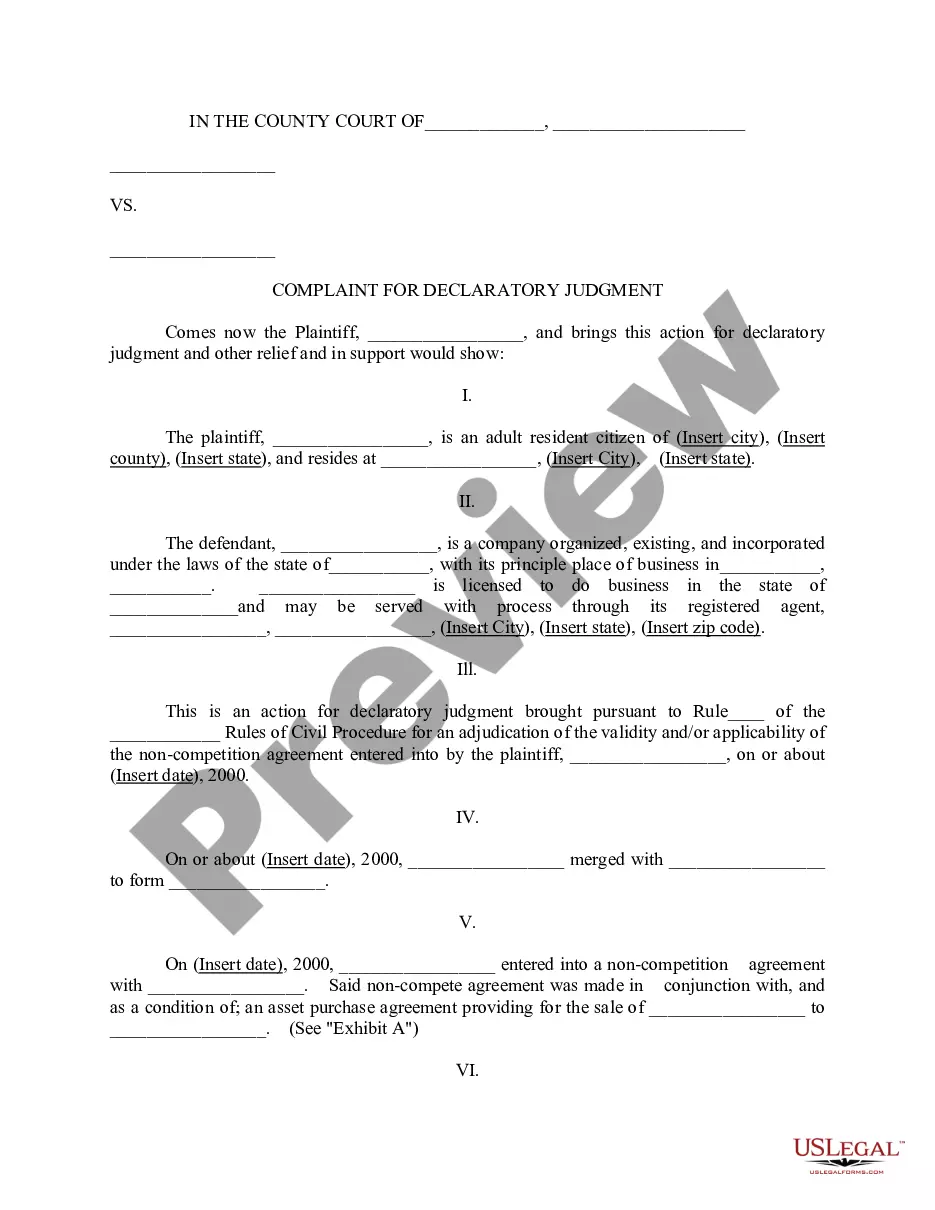
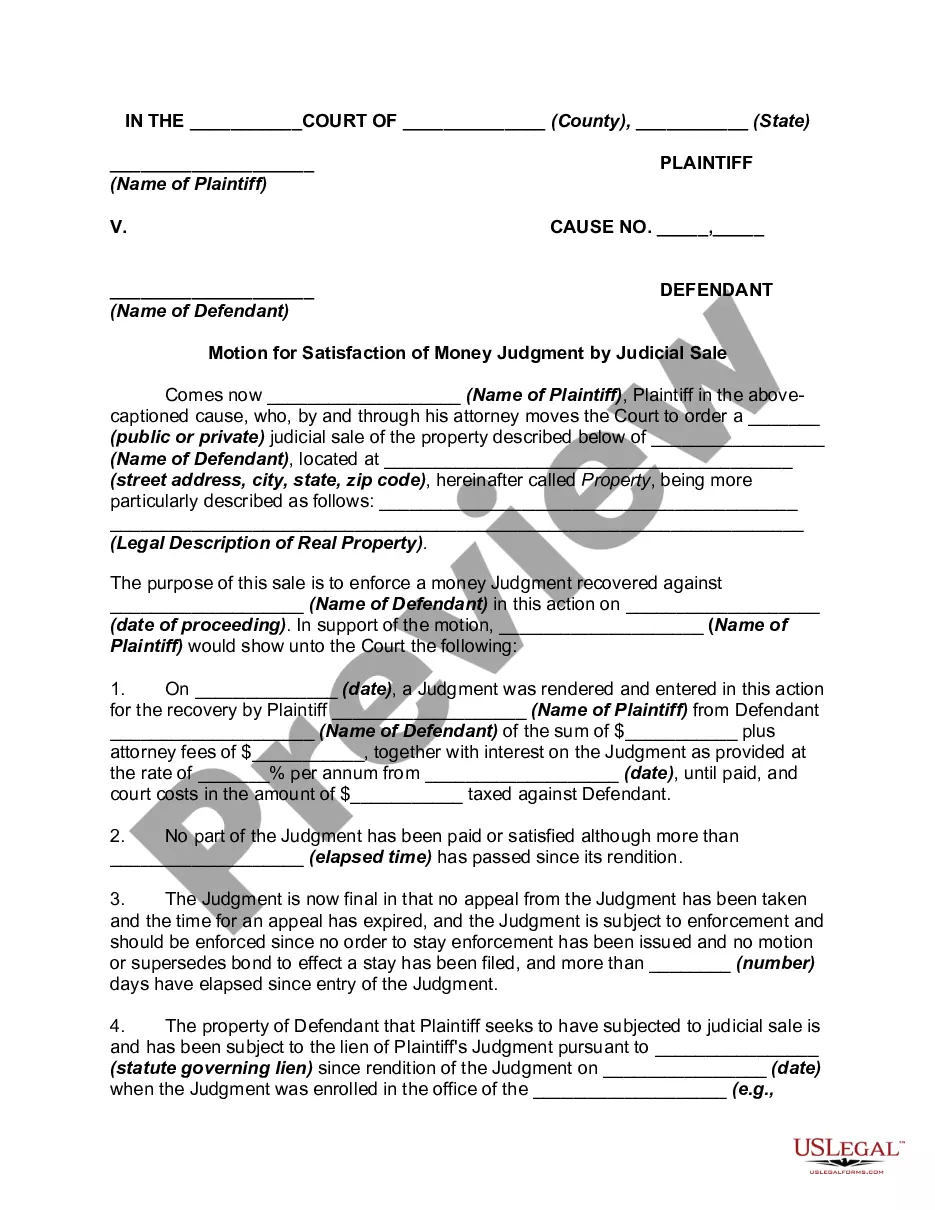
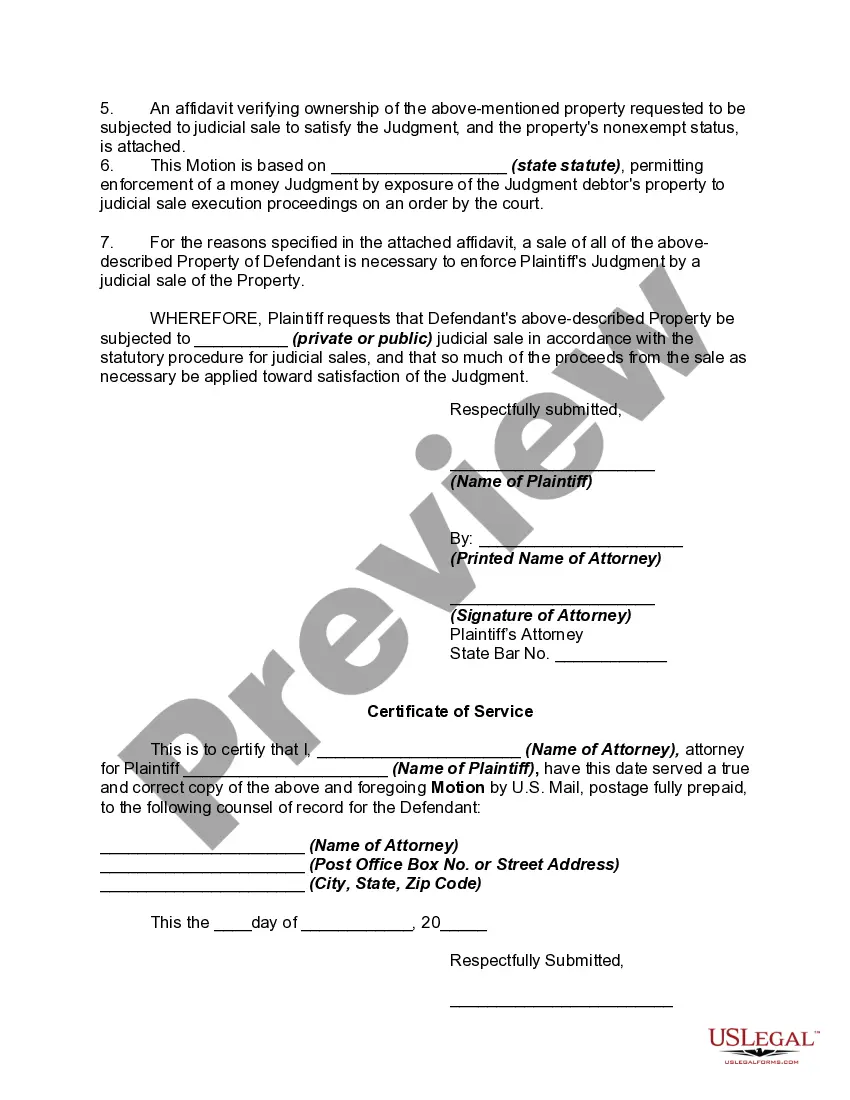
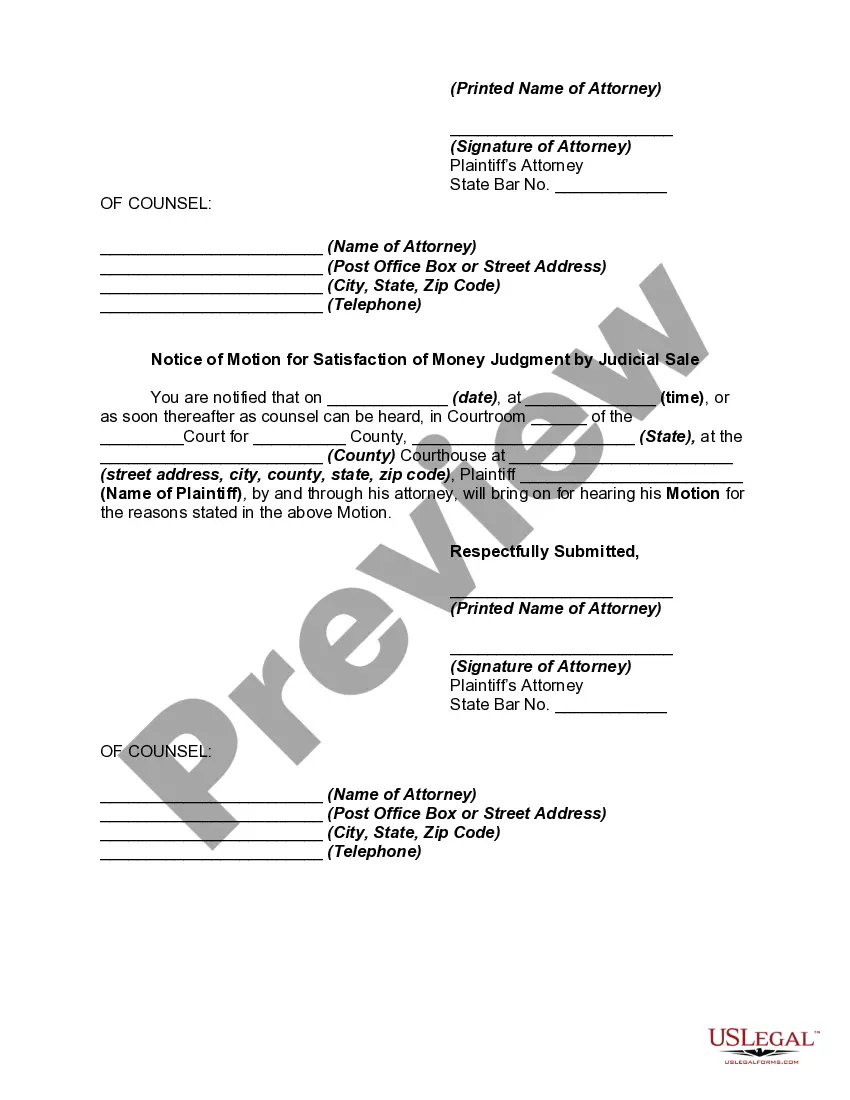
How to fill out Motion For Satisfaction Of Money Judgment By Judicial Sale?
Working with legal papers and operations can be a time-consuming addition to the day. Money For Judgment and forms like it often require that you look for them and understand how you can complete them effectively. For that reason, whether you are taking care of economic, legal, or personal matters, having a extensive and convenient web library of forms on hand will go a long way.
US Legal Forms is the best web platform of legal templates, boasting more than 85,000 state-specific forms and numerous resources to help you complete your papers quickly. Check out the library of pertinent papers available to you with just one click.
US Legal Forms gives you state- and county-specific forms available at any time for downloading. Shield your papers managing processes with a high quality service that allows you to prepare any form in minutes without having additional or hidden fees. Simply log in to your profile, find Money For Judgment and acquire it right away within the My Forms tab. You may also gain access to formerly saved forms.
Would it be your first time making use of US Legal Forms? Register and set up up an account in a few minutes and you will gain access to the form library and Money For Judgment. Then, follow the steps below to complete your form:
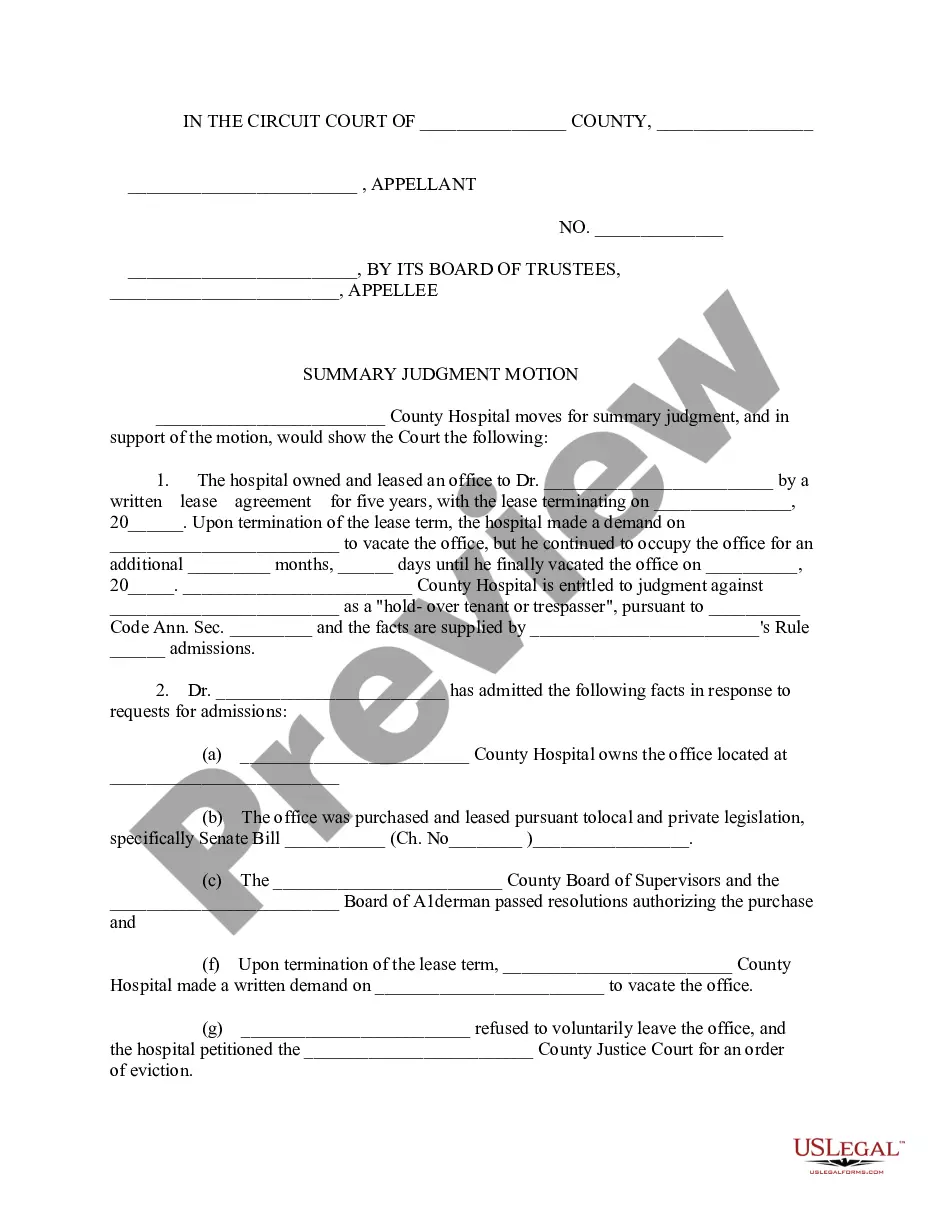
- Be sure you have found the correct form by using the Preview feature and looking at the form information.
- Pick Buy Now as soon as ready, and select the subscription plan that meets your needs.
- Select Download then complete, eSign, and print the form.
US Legal Forms has 25 years of experience helping users control their legal papers. Find the form you need today and streamline any process without having to break a sweat.
Form popularity
FAQ
Complete an Abstract of Judgment (EJ-001) . Have it issued by the clerk and pay the issuance fee by submitting the document to the court location where your case was filed or you may also submit the document by eFile. Give the original issued Abstract to the County Recorder and pay their recording fee.
If you do not pay the judgment, the judge can order you to appear in court. This is called an Application And Order For Appearance and Examination (EJ-125) . You can be ordered into court every 4 months to furnish information to aid in the enforcement of judgment until you pay the judgment.
The judgment creditor has several options for enforcing court judgment depending on the monetary damages. For some judgments, the judgment creditor can garnish the judgment debtor's wages, levy a bank account, or even have a lien placed on their property.
If you lose a civil case and are ordered to pay money to the winning side, you become a judgment debtor. The court will not collect the money for your creditor, but if you do not pay voluntarily, the creditor (the person you owe money to) can use different enforcement tools to get you to pay the judgment.
If you defaulted on a $1,000 loan at 9% annual interest and the creditor obtains a judgment a year later, the court will award the creditor $90 in "prejudgment" interest ($1,000 x . 09 = $90). Interest can be added from the time the judgment is entered into the court clerk's record until you pay the judgment in full.