Vacated Without Prejudice
Description

Get your form ready online
Our built-in tools help you complete, sign, share, and store your documents in one place.
Make edits, fill in missing information, and update formatting in US Legal Forms—just like you would in MS Word.
Download a copy, print it, send it by email, or mail it via USPS—whatever works best for your next step.
Sign and collect signatures with our SignNow integration. Send to multiple recipients, set reminders, and more. Go Premium to unlock E-Sign.
If this form requires notarization, complete it online through a secure video call—no need to meet a notary in person or wait for an appointment.
We protect your documents and personal data by following strict security and privacy standards.

Make edits, fill in missing information, and update formatting in US Legal Forms—just like you would in MS Word.

Download a copy, print it, send it by email, or mail it via USPS—whatever works best for your next step.

Sign and collect signatures with our SignNow integration. Send to multiple recipients, set reminders, and more. Go Premium to unlock E-Sign.

If this form requires notarization, complete it online through a secure video call—no need to meet a notary in person or wait for an appointment.

We protect your documents and personal data by following strict security and privacy standards.
Looking for another form?





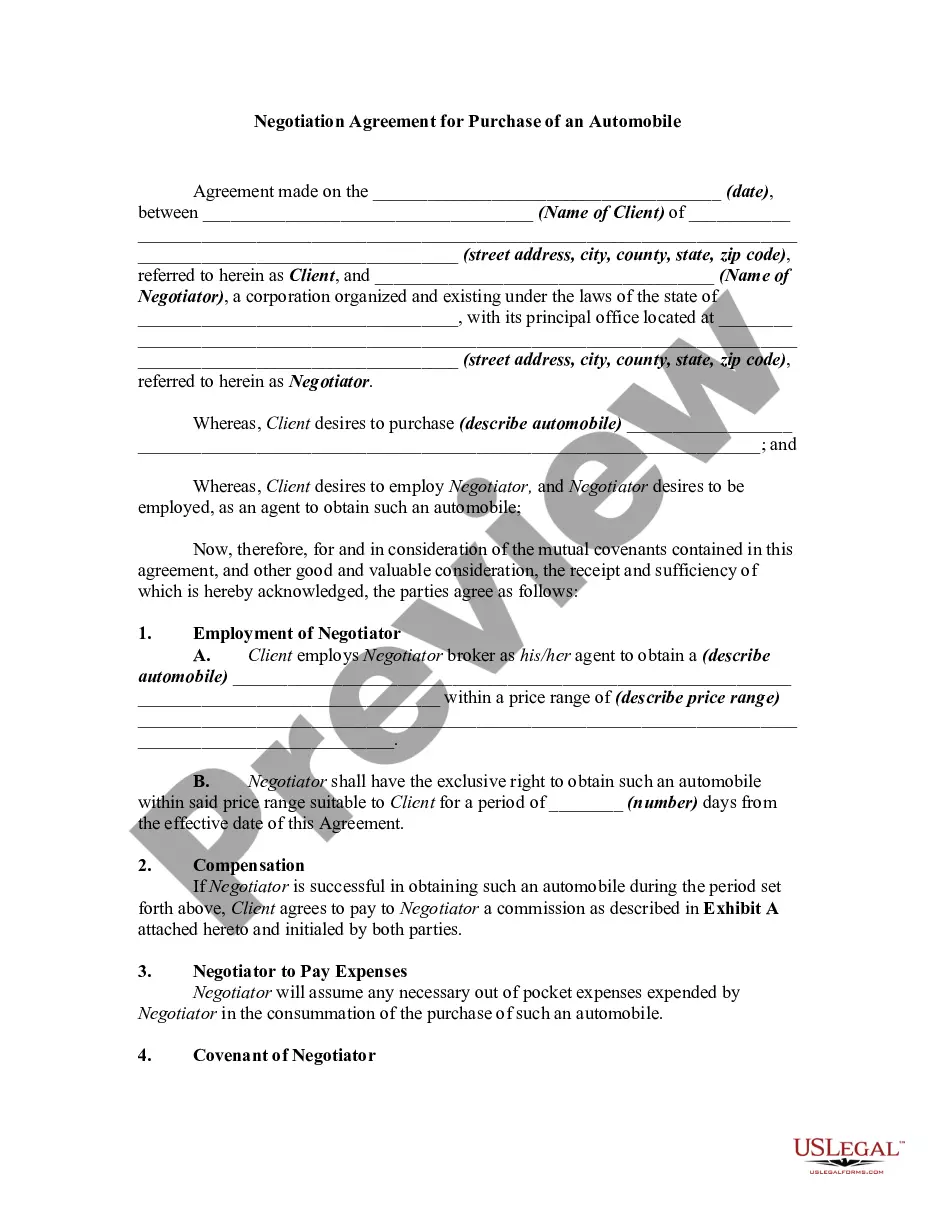

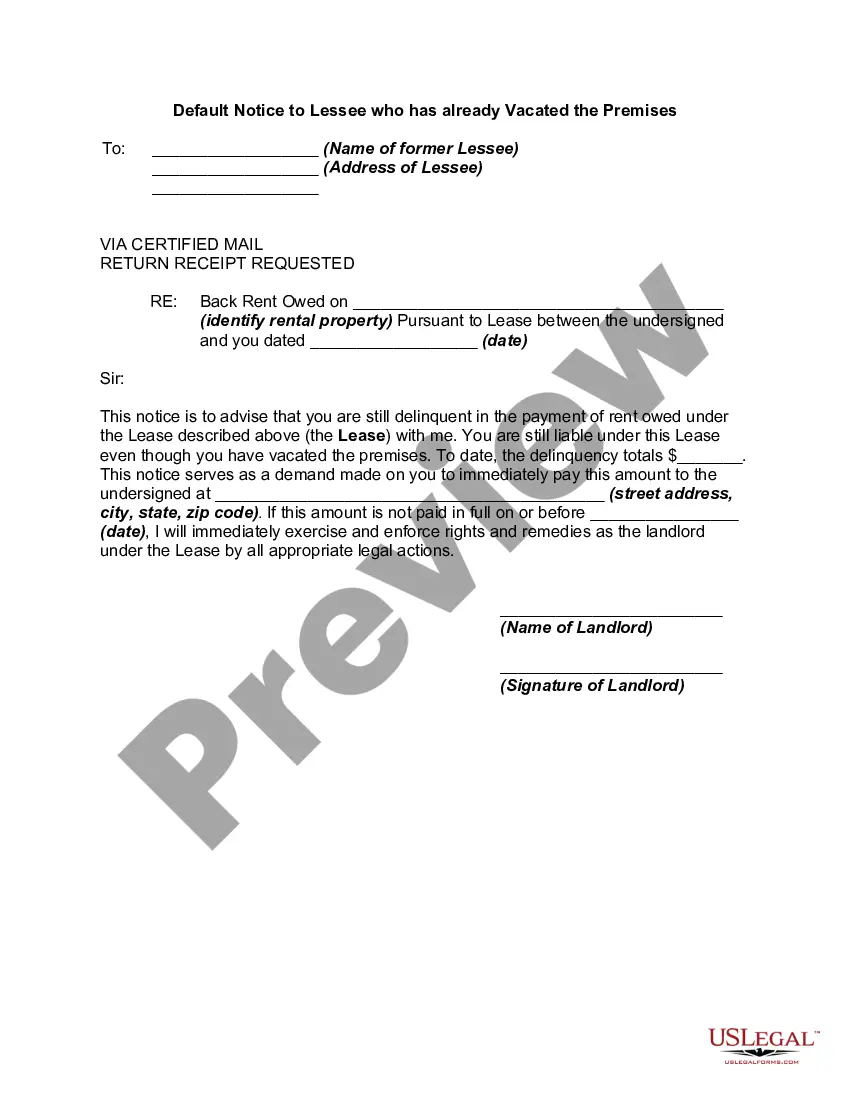
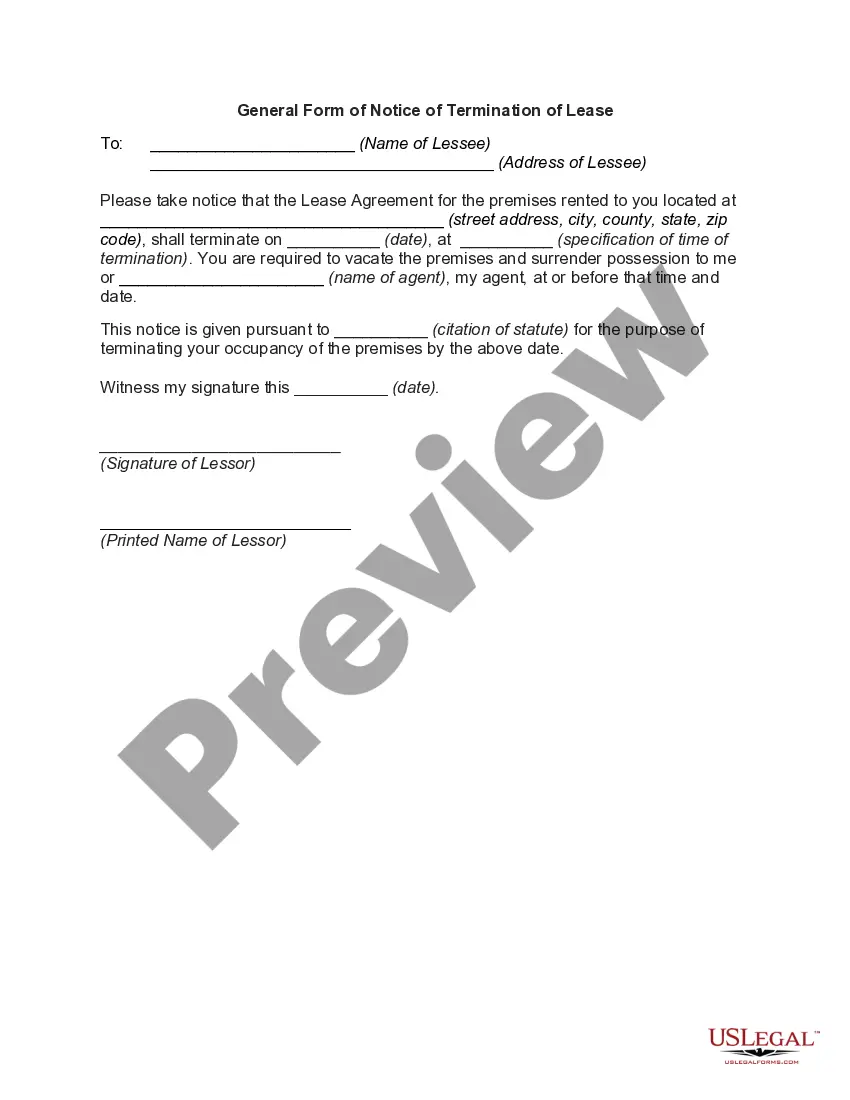
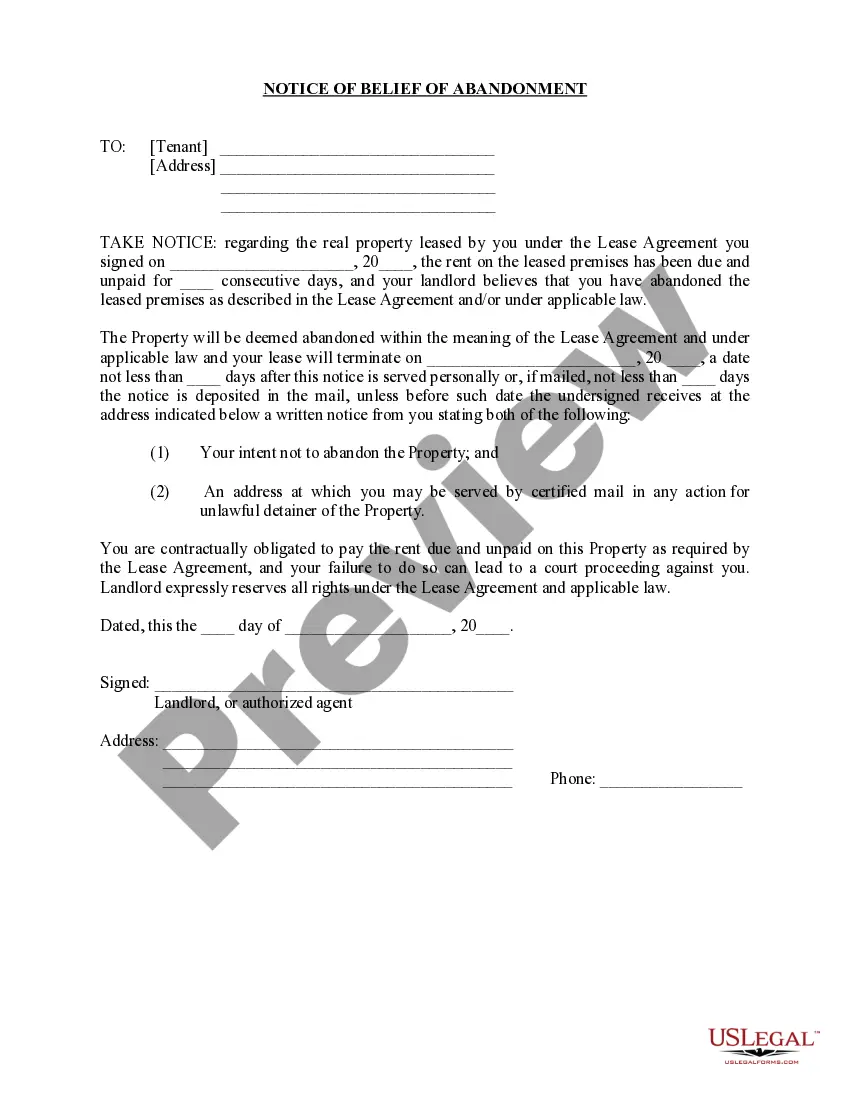
How to fill out Default Notice To Lessee Who Has Already Vacated The Premises?
Legal administration can be exasperating, even for the most skilled practitioners.
When you are seeking a Vacated Without Prejudice and lack the time to invest in finding the suitable and current version, the procedures may become taxing.
With US Legal Forms, you can.
Access a valuable resource database of articles, guides, and manuals pertinent to your circumstances and needs.
Confirm this is the correct form by previewing it and reviewing its details. Ensure that the document is recognized in your state or county. Click Buy Now when ready. Choose a monthly subscription plan. Select the format you need, and Download, complete, sign, print, and submit your documents. Take advantage of the US Legal Forms online repository, backed by 25 years of experience and reliability. Transform your daily document management into a seamless and user-friendly experience today.
- Conserve time and energy searching for the documents you require, utilizing US Legal Forms' sophisticated search and Preview tool to locate Vacated Without Prejudice and acquire it.
- If you possess a subscription, Log In to your US Legal Forms account, find the form, and obtain it.
- Check the My documents section to review the documents you have previously downloaded and manage your files as desired.
- If this is your initial experience with US Legal Forms, create an account and gain unrestricted access to all platform benefits.
- Outlined below are the steps to follow after securing the form you require.
- Utilize a robust online form repository that could be transformative for anyone aiming to manage these circumstances effectively.
- US Legal Forms is a frontrunner in digital legal documents, offering more than 85,000 state-specific legal forms accessible to you at any time.
- Leverage advanced tools to complete and manage your Vacated Without Prejudice.
Form popularity
FAQ
'Without prejudice' refers to a legal principle that allows parties to speak freely in negotiations without risking legal disadvantages. This term protects communications made during settlement discussions from being used in court later. If your case is vacated without prejudice, it means you have the ability to re-file when ready. Understanding this term can enhance your negotiation approach in legal matters.
The term 'without prejudice' does not mean the same as privileged. When a case is vacated without prejudice, it allows a party to return to court with their claim. Privilege refers to confidential communications protected from disclosure. Therefore, while both terms relate to legal proceedings, they have distinct meanings.
'Without prejudice' refers to the idea that any statements or offers made during negotiations cannot be used as evidence in subsequent legal proceedings. This legal protection fosters a more open dialogue, allowing parties to negotiate settlements without fear of compromising their interests. If you face legal issues, it’s important to understand the implications of agreements reached under this condition, particularly when a case might be vacated without prejudice.
Dismissal without prejudice means that the judge dismissed the plaintiff's or prosecutor's case without damaging their right to have their matter heard in court later. A prosecutor may ask to withdraw the case against a person to have more time to make a case stronger, find more evidence or question other witnesses.
A: A judge can dismiss a case without prejudice if they detect legal errors that prevent the case from going forward. However, dismissing the case without prejudice allows the two sides to correct those errors and re-file the case.
?With prejudice? means that you cannot re-file your case ever. ?Without prejudice? means that you can re-file your case at a later date (as long as you are still within the statute of limitations).
Phrase. If you take an action without prejudice to an existing situation, your action does not change or harm that situation. [formal] We accept the outcome of the inquiry, without prejudice to the unsettled question of territorial waters.
?With prejudice? means the decision is final. ?Without prejudice? means it's not final and subject to future inquiry. If the judge announces a case is dismissed with prejudice, that means it's permanently dismissed and can't be retried.