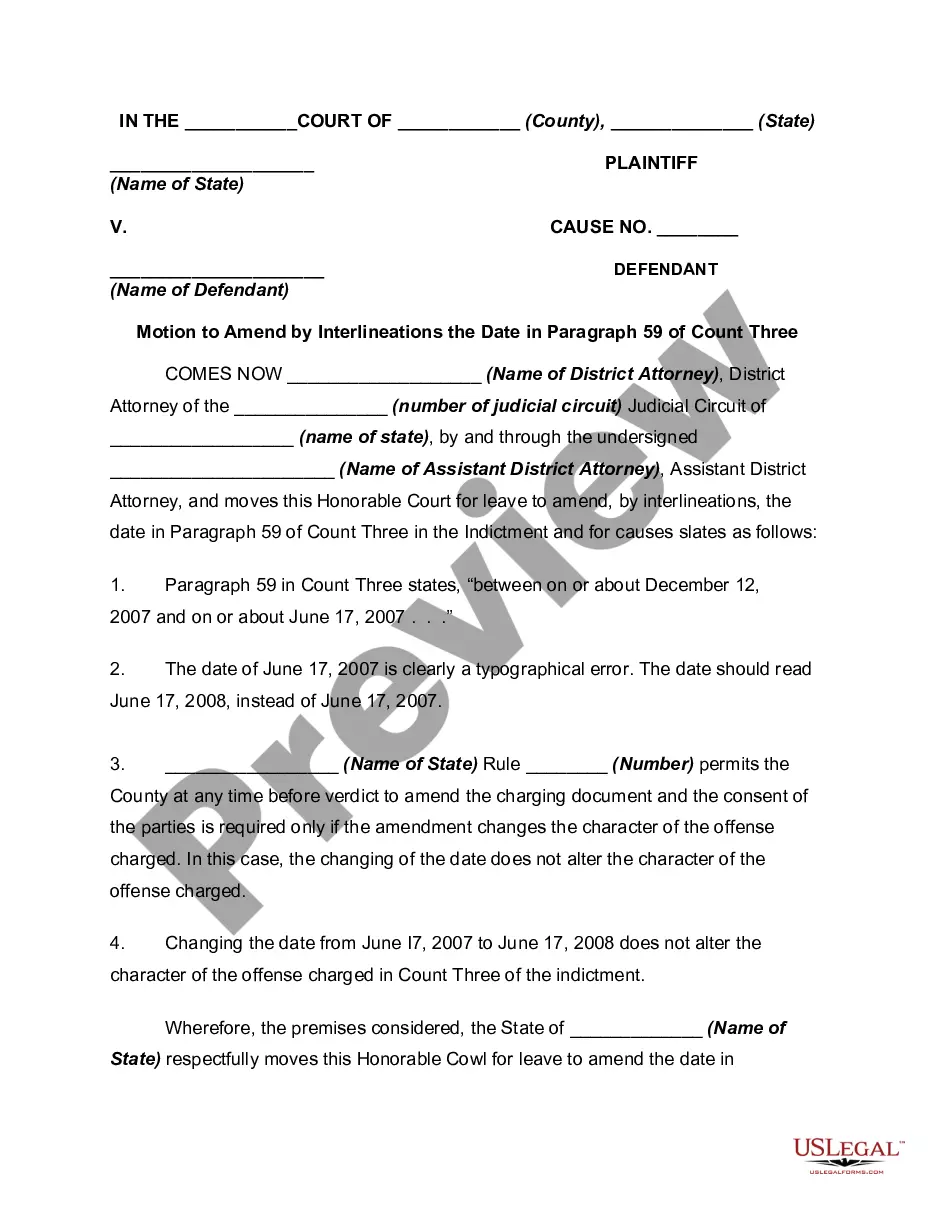
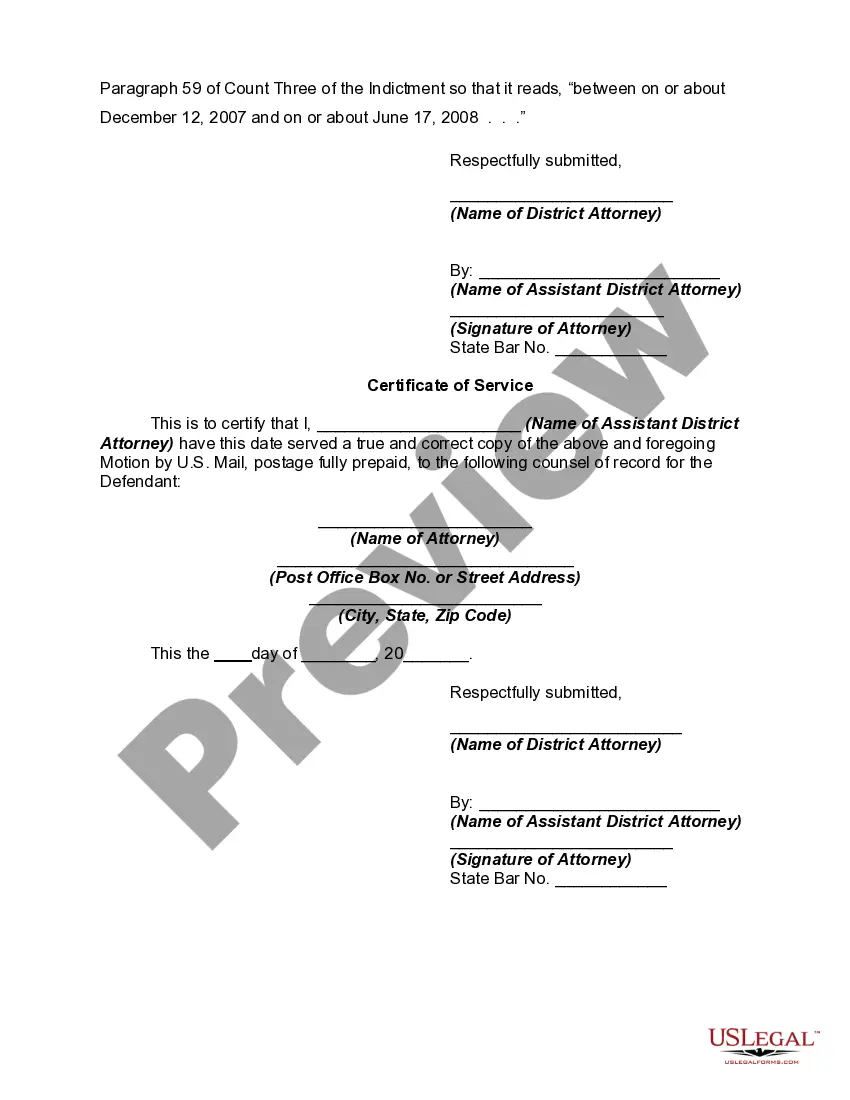
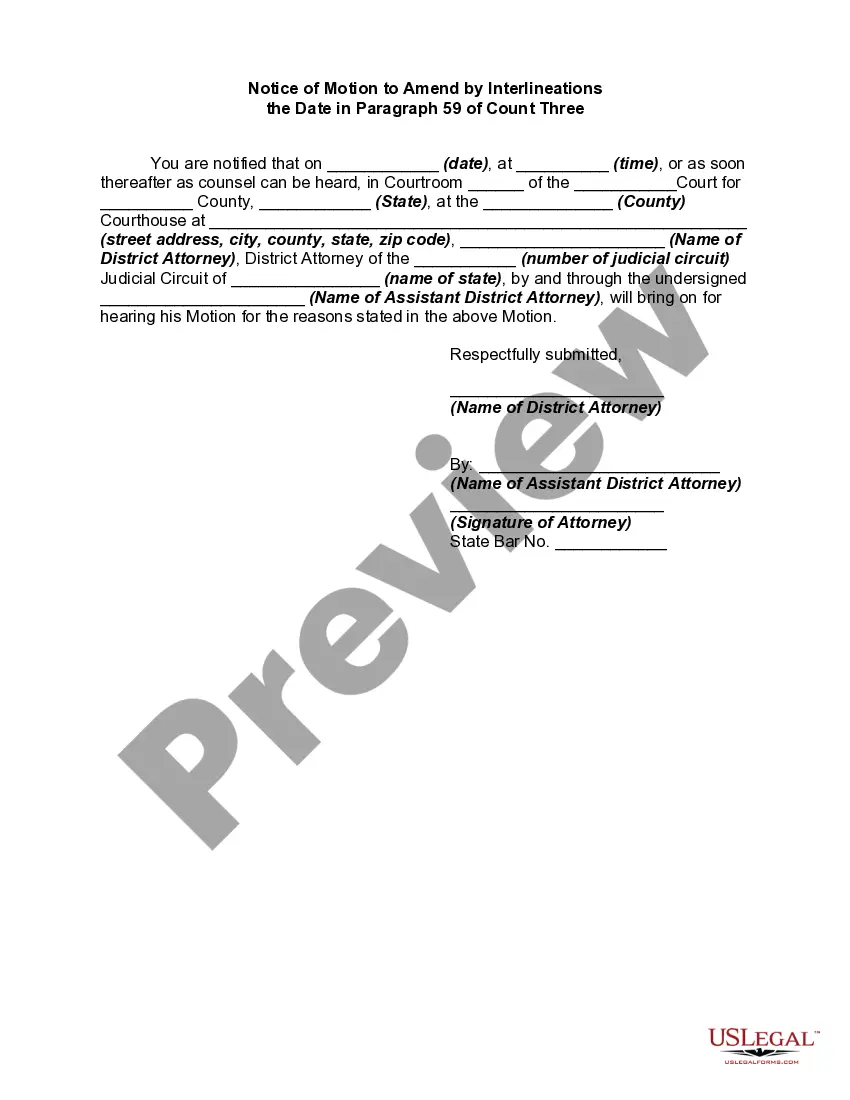
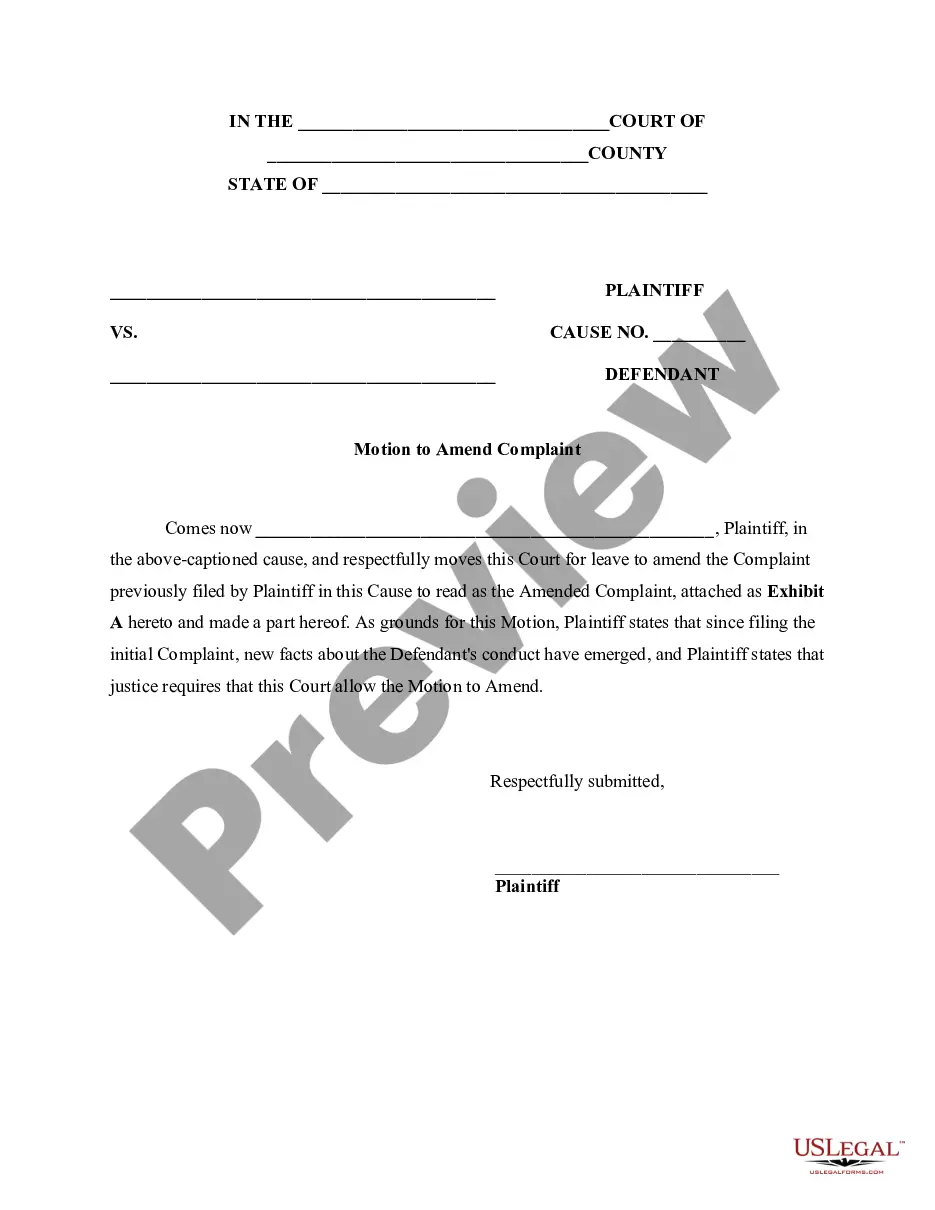
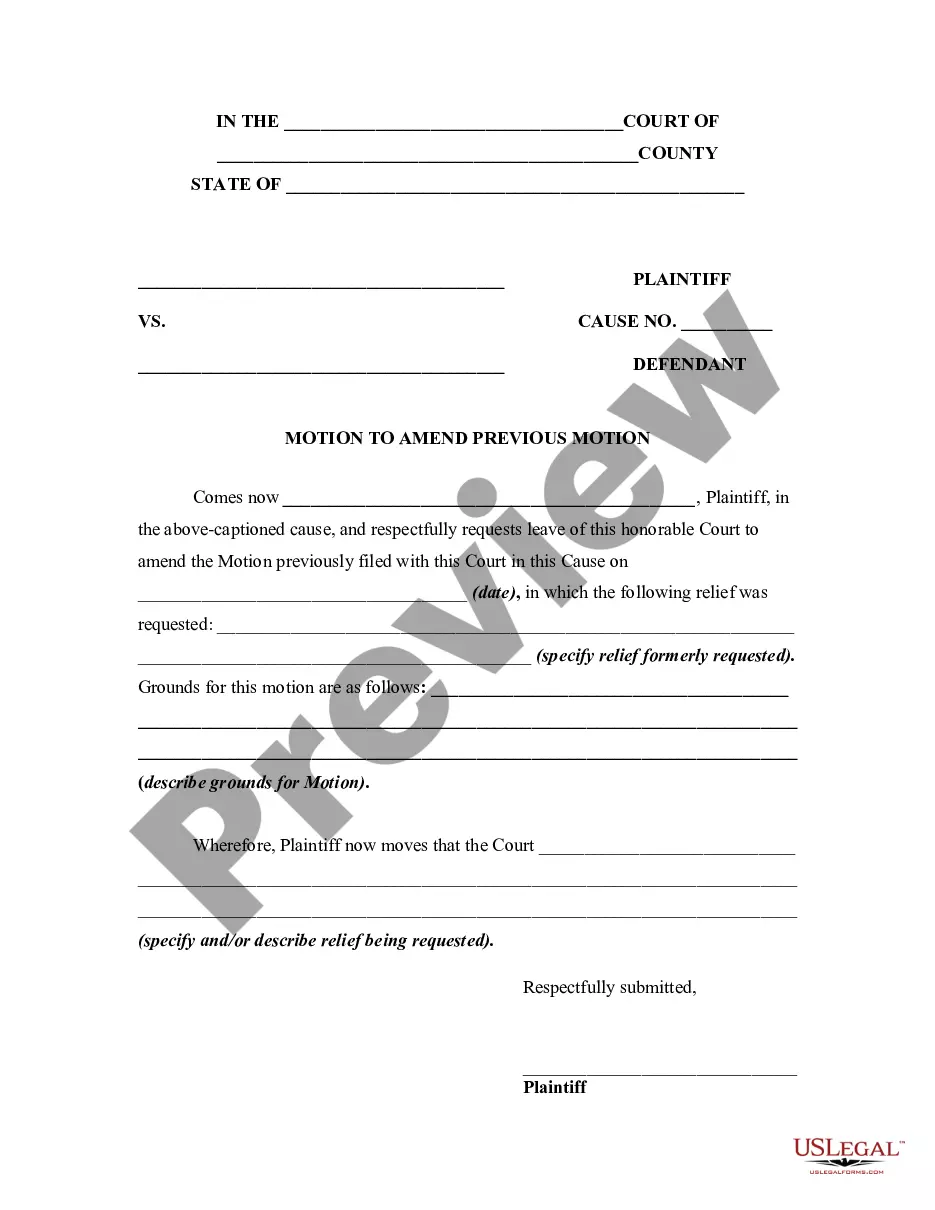
Motion For Interlineation With Motion
Description

Get your form ready online
Our built-in tools help you complete, sign, share, and store your documents in one place.
Make edits, fill in missing information, and update formatting in US Legal Forms—just like you would in MS Word.
Download a copy, print it, send it by email, or mail it via USPS—whatever works best for your next step.
Sign and collect signatures with our SignNow integration. Send to multiple recipients, set reminders, and more. Go Premium to unlock E-Sign.
If this form requires notarization, complete it online through a secure video call—no need to meet a notary in person or wait for an appointment.
We protect your documents and personal data by following strict security and privacy standards.

Make edits, fill in missing information, and update formatting in US Legal Forms—just like you would in MS Word.

Download a copy, print it, send it by email, or mail it via USPS—whatever works best for your next step.

Sign and collect signatures with our SignNow integration. Send to multiple recipients, set reminders, and more. Go Premium to unlock E-Sign.

If this form requires notarization, complete it online through a secure video call—no need to meet a notary in person or wait for an appointment.

We protect your documents and personal data by following strict security and privacy standards.
Looking for another form?







How to fill out Motion To Amend By Interlineations?
The Motion For Interlineation With Motion you see on this page is a multi-usable formal template drafted by professional lawyers in line with federal and local regulations. For more than 25 years, US Legal Forms has provided people, businesses, and legal professionals with more than 85,000 verified, state-specific forms for any business and personal scenario. It’s the fastest, easiest and most reliable way to obtain the paperwork you need, as the service guarantees bank-level data security and anti-malware protection.
Acquiring this Motion For Interlineation With Motion will take you just a few simple steps:
- Browse for the document you need and review it. Look through the file you searched and preview it or check the form description to verify it fits your needs. If it does not, use the search option to find the appropriate one. Click Buy Now once you have located the template you need.
- Sign up and log in. Select the pricing plan that suits you and register for an account. Use PayPal or a credit card to make a prompt payment. If you already have an account, log in and check your subscription to continue.
- Acquire the fillable template. Pick the format you want for your Motion For Interlineation With Motion (PDF, Word, RTF) and save the sample on your device.
- Complete and sign the paperwork. Print out the template to complete it manually. Alternatively, utilize an online multi-functional PDF editor to rapidly and accurately fill out and sign your form with a valid.
- Download your papers one more time. Make use of the same document again anytime needed. Open the My Forms tab in your profile to redownload any earlier saved forms.
Sign up for US Legal Forms to have verified legal templates for all of life’s situations at your disposal.
Form popularity
FAQ
Under FRCP 15(c)(1), an amendment relates back when: substantive law with the applicable statute of limitations explicitly allows relation back; new claim or defense arose out of the same ?conduct, transaction, or occurrence? that the original pleading set out or attempted to set out; or.
What is Relation Back? The concept that an act done at a later time is legally deemed to have occurred at an earlier time. For example, a duly authorized amended complaint will relate back to the date of filing of the original for statute of limitations purposes.
Relation Back to Initial Pleading Any claim or defense raised in an amended pleading relates back to the date of the original pleading if it arose out of the same conduct or occurrence.
A party shall plead in response to an amended pleading within the time remaining for response to the original pleading or within ten days after service of the amended pleading, whichever period may be the longer, unless the court otherwise orders.
The motion to amend takes three basic forms: Inserting or adding words or paragraphs. Striking out words or paragraphs. Striking out words and inserting or adding others, or substituting an entire paragraph or complete resolution for another.