Transfer Property Ownership With Mortgage
Description
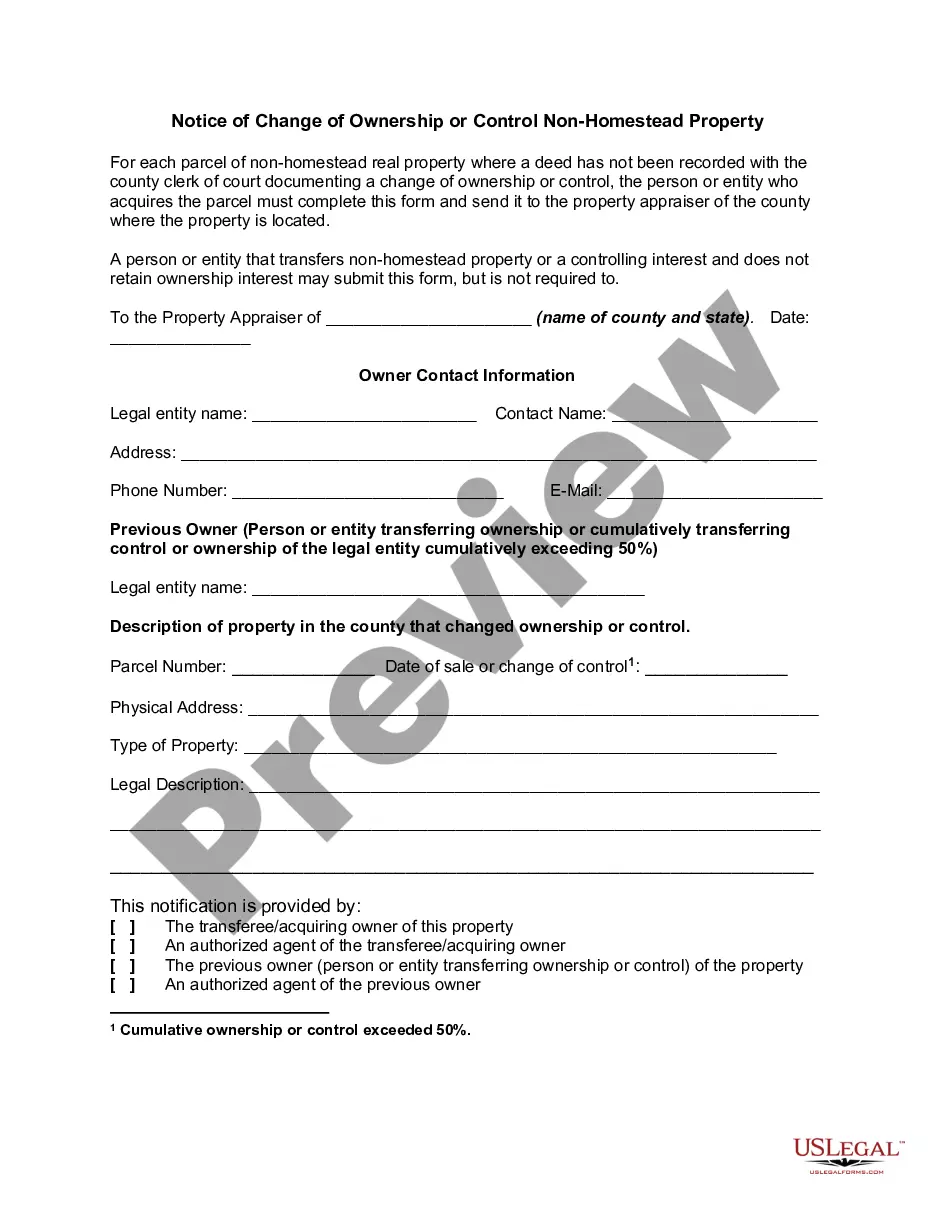
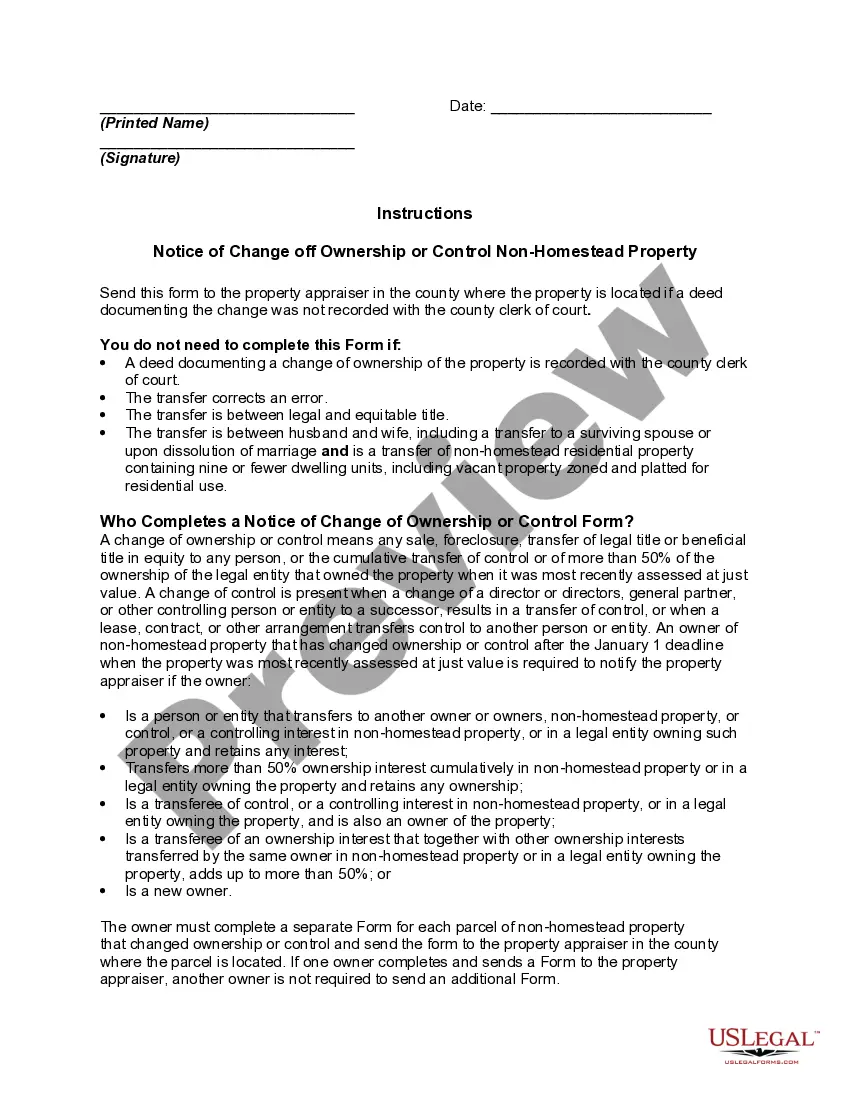
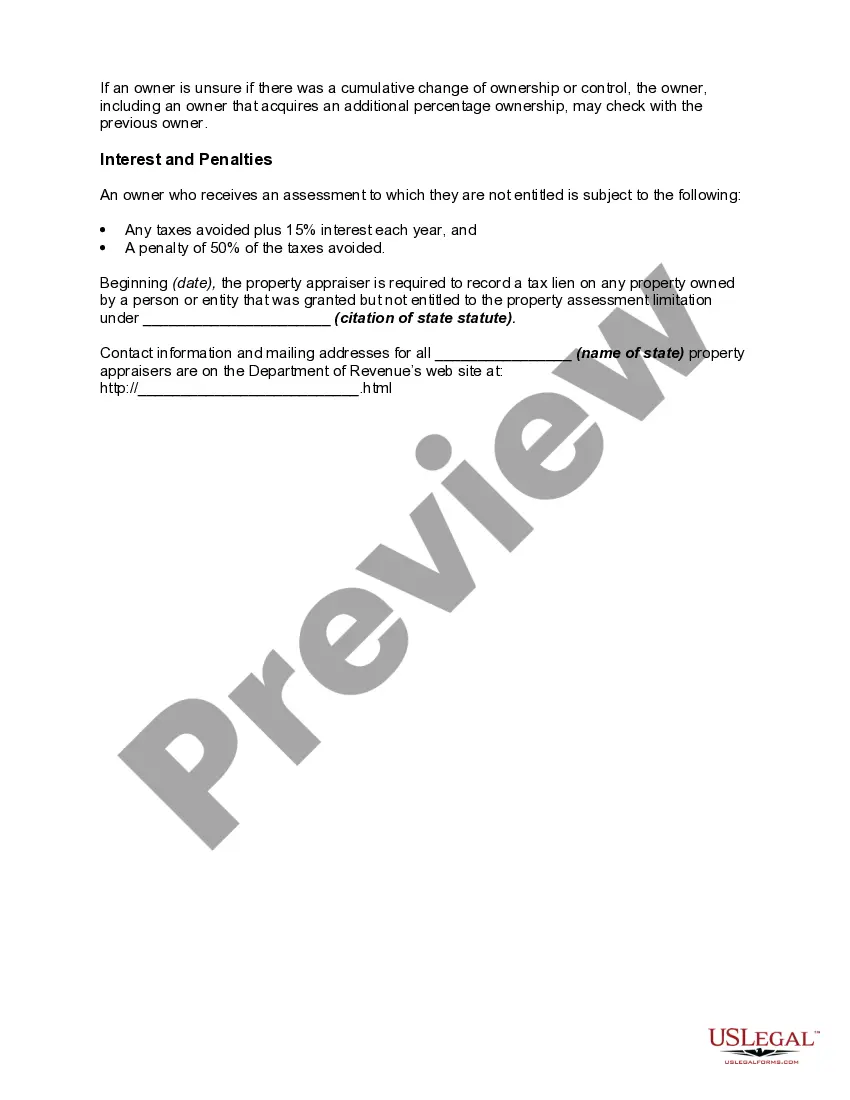
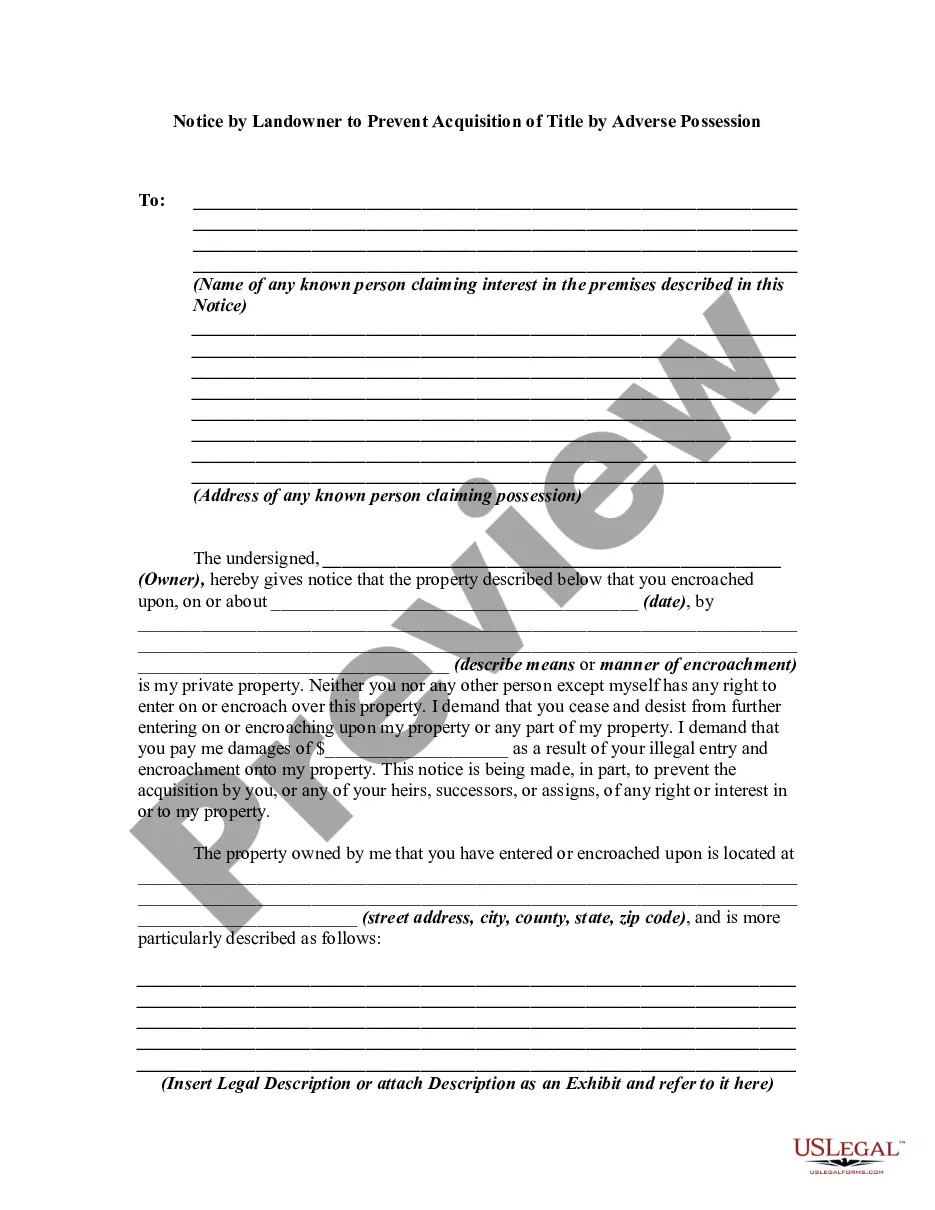
Get your form ready online
Our built-in tools help you complete, sign, share, and store your documents in one place.
Make edits, fill in missing information, and update formatting in US Legal Forms—just like you would in MS Word.
Download a copy, print it, send it by email, or mail it via USPS—whatever works best for your next step.
Sign and collect signatures with our SignNow integration. Send to multiple recipients, set reminders, and more. Go Premium to unlock E-Sign.
If this form requires notarization, complete it online through a secure video call—no need to meet a notary in person or wait for an appointment.
We protect your documents and personal data by following strict security and privacy standards.

Make edits, fill in missing information, and update formatting in US Legal Forms—just like you would in MS Word.

Download a copy, print it, send it by email, or mail it via USPS—whatever works best for your next step.

Sign and collect signatures with our SignNow integration. Send to multiple recipients, set reminders, and more. Go Premium to unlock E-Sign.

If this form requires notarization, complete it online through a secure video call—no need to meet a notary in person or wait for an appointment.

We protect your documents and personal data by following strict security and privacy standards.
Looking for another form?
Form popularity
FAQ
Yes, you can obtain a copy of your deed even if there is a mortgage on the property. The deed is a public document, and you can request it from your local county recorder's office. Keeping copies of all documents, including your deed, is essential for managing your property. Platforms like Uslegalforms can assist you in securing your property records efficiently.
Porting a mortgage allows you to transfer your existing mortgage to a new property, but there might be penalties involved. Most lenders offer portability, yet fees may apply depending on the specific terms of your mortgage agreement. It’s wise to investigate your lender’s policies before you decide. This way, you can make informed choices when you transfer property ownership with a mortgage.
Porting a mortgage may seem appealing, but it carries some downsides. You might encounter higher fees or miss out on better rates available in the market. It's vital to weigh these factors against the advantages of how to transfer property ownership with mortgage when making your decision.
The most common way to transfer property ownership is through a deed, such as a quitclaim deed or a warranty deed. These legal documents outline the transfer and ensure that the property title is updated. If you are concerned about existing debts, especially when you want to transfer property ownership with mortgage, working with a legal service like US Legal Forms can streamline the process.
To change who is on a mortgage, you often need to either refinance or request a mortgage assumption. Refinancing allows you to remove one person from the mortgage, while a mortgage assumption lets someone take over the payments. If you’re looking to transfer property ownership with mortgage, it is wise to discuss your situation with your lender.
Changing a person on a mortgage usually requires refinancing or a transfer of the mortgage. It is important to work with your lender to understand the options available. When you aim to transfer property ownership with mortgage, ensure that all involved parties have consulted with financial and legal professionals.
If you split up with someone who shares your mortgage, you will need to address the joint debt and ownership. One partner might choose to buy out the other’s share, or both parties could decide to sell the property. Remember, if you want to transfer property ownership with mortgage, it’s important to negotiate terms that meet both parties' needs.
The best way to transfer property ownership to a family member often involves a quitclaim deed. This method is straightforward and eliminates the need for a lengthy sales process. However, if there is an existing mortgage, it's crucial to consider how to handle that debt when you transfer property ownership with mortgage.
Yes, you can change who is on a mortgage. This typically involves either refinancing the mortgage or requesting a mortgage assumption. If you transfer property ownership with mortgage, the new owner must meet the lender's criteria for creditworthiness.