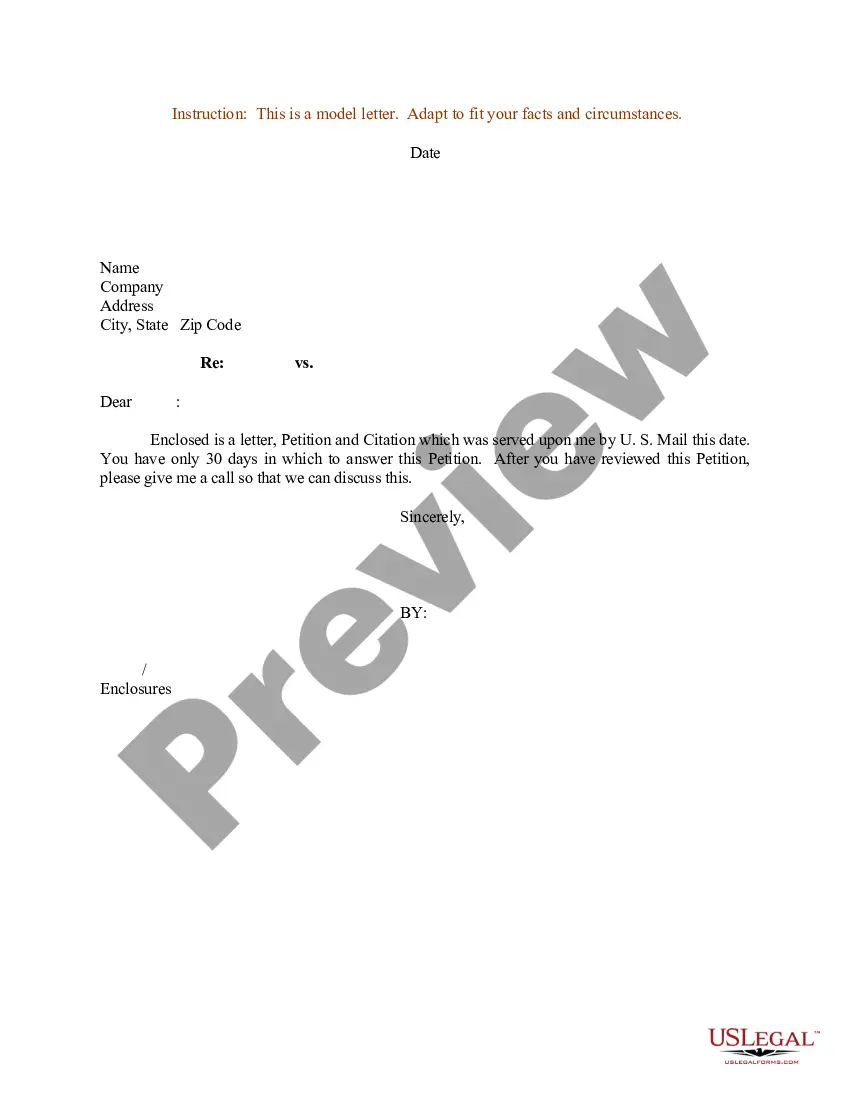
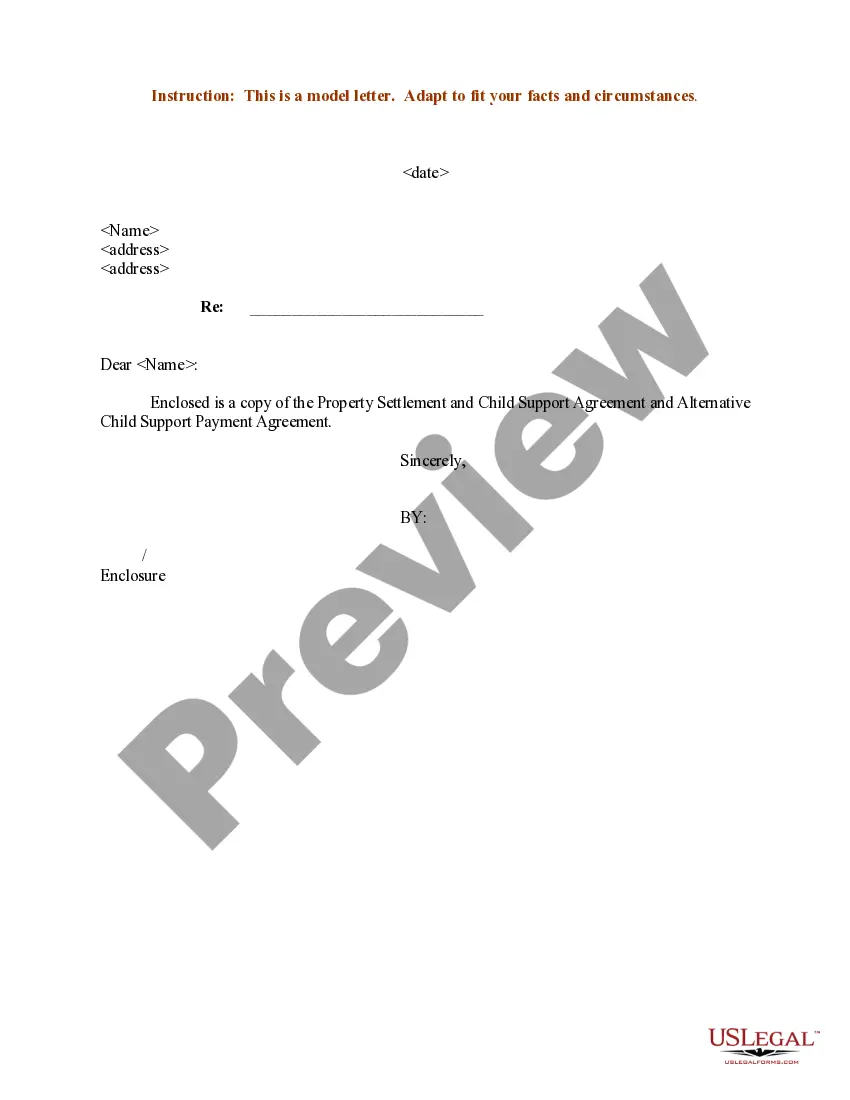
Sample Of A Request Letter For Approval
Description
Get your form ready online
Our built-in tools help you complete, sign, share, and store your documents in one place.
Make edits, fill in missing information, and update formatting in US Legal Forms—just like you would in MS Word.
Download a copy, print it, send it by email, or mail it via USPS—whatever works best for your next step.
Sign and collect signatures with our SignNow integration. Send to multiple recipients, set reminders, and more. Go Premium to unlock E-Sign.
If this form requires notarization, complete it online through a secure video call—no need to meet a notary in person or wait for an appointment.
We protect your documents and personal data by following strict security and privacy standards.

Make edits, fill in missing information, and update formatting in US Legal Forms—just like you would in MS Word.

Download a copy, print it, send it by email, or mail it via USPS—whatever works best for your next step.

Sign and collect signatures with our SignNow integration. Send to multiple recipients, set reminders, and more. Go Premium to unlock E-Sign.

If this form requires notarization, complete it online through a secure video call—no need to meet a notary in person or wait for an appointment.

We protect your documents and personal data by following strict security and privacy standards.
Looking for another form?
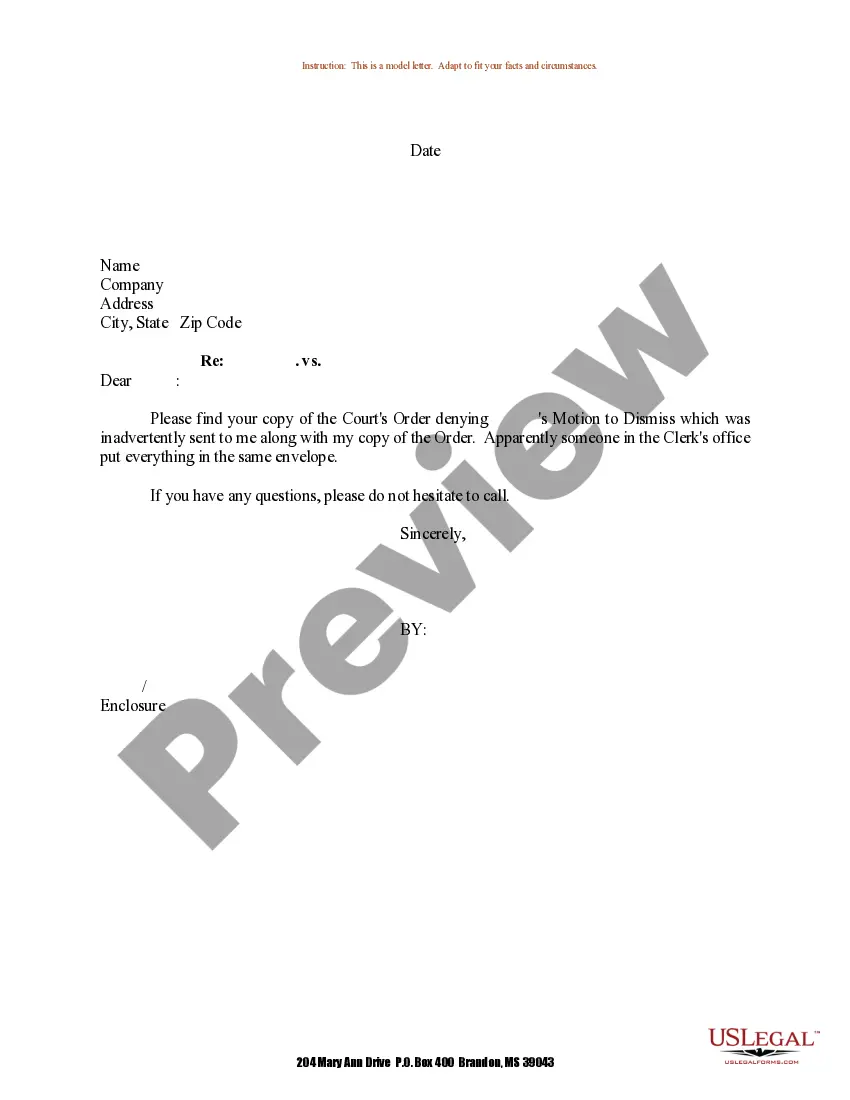
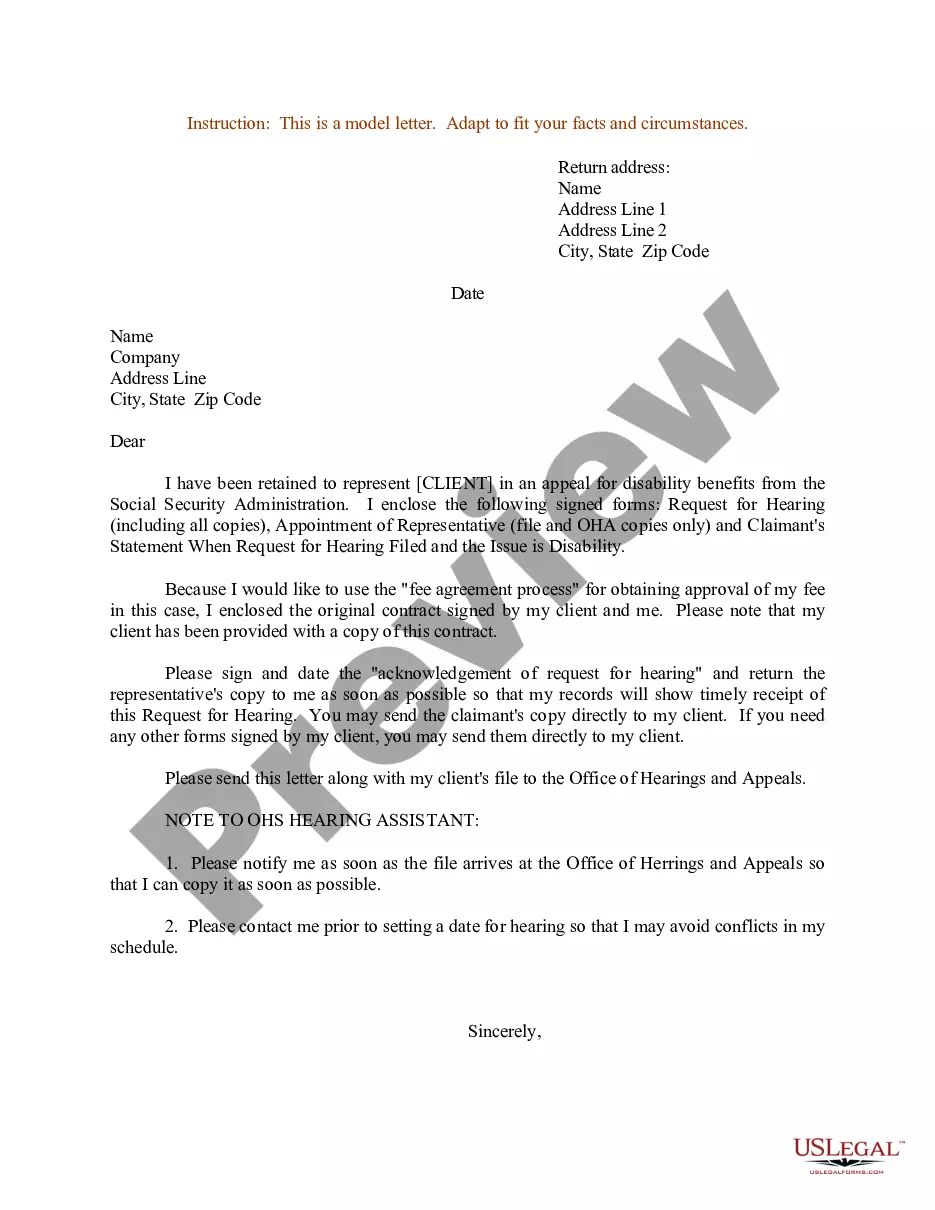
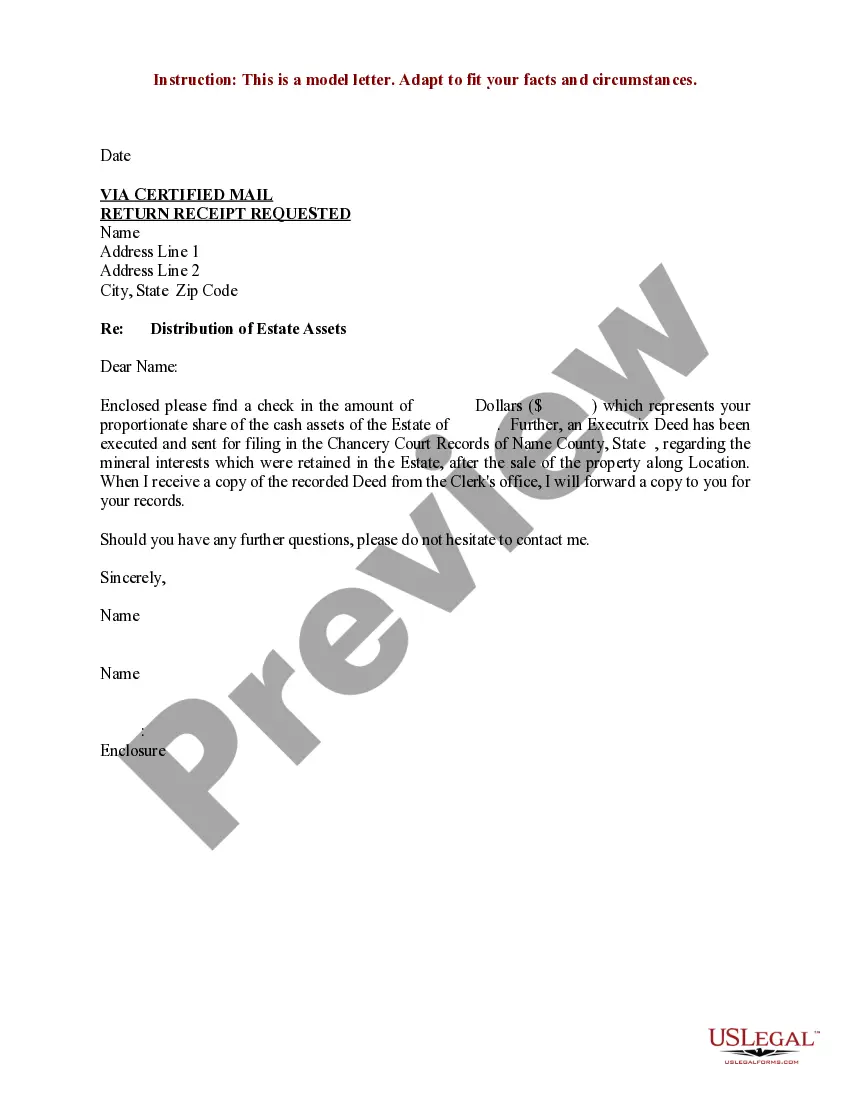
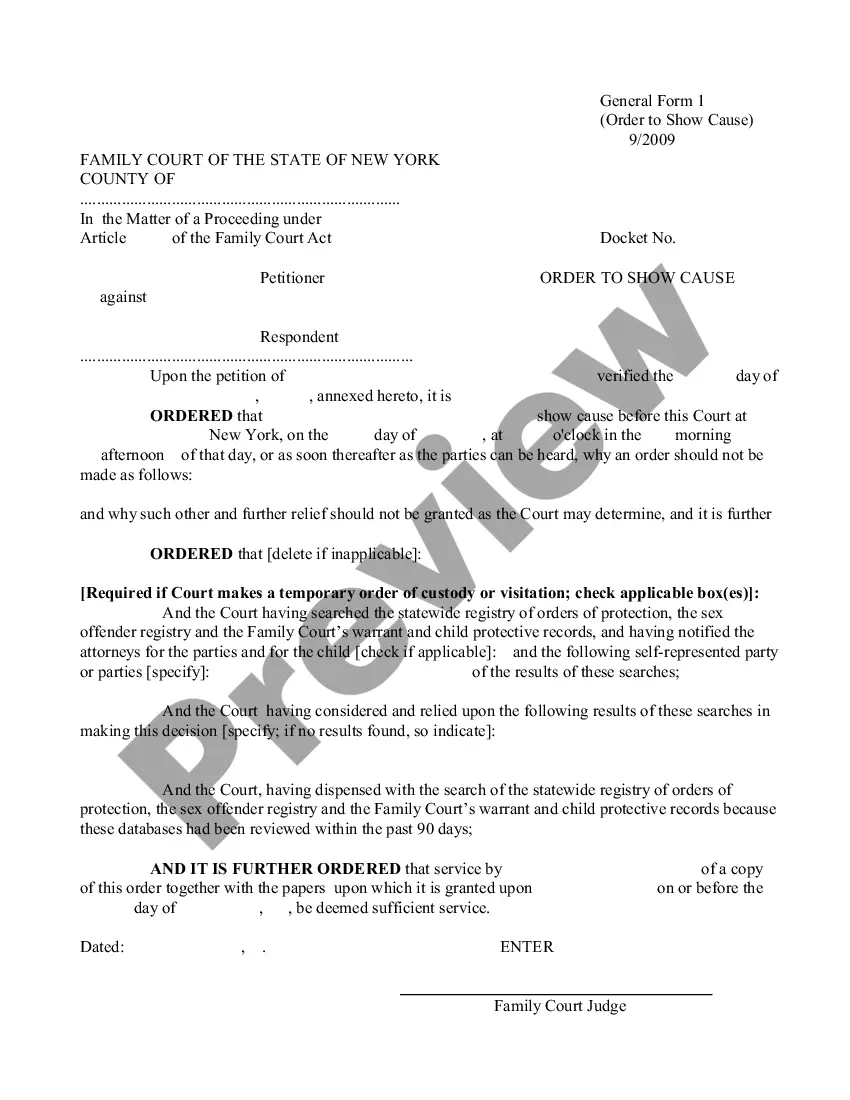
How to fill out Sample Letter For Petition?
Creating legal documents from the ground up can sometimes feel overwhelming.
Certain situations may require extensive research and a significant financial outlay.
If you’re looking for a more straightforward and economical method of preparing a Sample Of A Request Letter For Approval or other forms without unnecessary hurdles, US Legal Forms is readily available.
Our online repository of over 85,000 current legal documents covers nearly every facet of your financial, legal, and personal concerns.
Before diving straight into downloading the Sample Of A Request Letter For Approval, consider these suggestions: Review the form preview and descriptions to ensure you have located the form you seek. Ensure the form you choose meets the regulations of your state and county. Select the most suitable subscription option to acquire the Sample Of A Request Letter For Approval. Download the file, then complete, certify, and print it out. US Legal Forms enjoys a solid reputation and possesses over 25 years of experience. Join us now and make form execution simple and efficient!
- With just a few clicks, you can swiftly obtain state- and county-compliant forms meticulously created for you by our legal experts.
- Utilize our website whenever you require a dependable and trustworthy service from which you can effortlessly find and download the Sample Of A Request Letter For Approval.
- If you're familiar with our website and have previously registered an account with us, simply Log In to your account, find the template, and download it or re-download it at any time later in the My documents section.
- Don’t have an account? No problem. It takes minimal time to sign up and browse the catalog.
Form popularity
FAQ
When you need to phrase 'asking for approval,' you can use terms like 'seeking permission' or 'requesting consent.' It’s important to be clear and direct about your intentions. Including a respectful tone helps convey the seriousness of your request letter for approval.
Under this Act (Title VIII of the Consumer Credit Protection Act), third-party debt collectors are prohibited from using deceptive or abusive conduct in the collection of consumer debts incurred for personal, family, or household purposes.
To take legal action to collect a debt, the creditor (the person or company owed money) files a lawsuit against the debtor (the person who owes the money). Once a debt collection lawsuit is filed with the court, the creditor must give the debtor notice of the lawsuit (service).
The Fair Debt Collection Practices Act (FDCPA) prohibits debt collectors from using abusive, unfair, or deceptive practices to collect debts from you, including: Misrepresenting the nature of the debt, including the amount owed. Falsely claiming that the person contacting you is an attorney.
Effective January 1, the small loan act applies to loans under $10,000 and not just $5,000 and certain other restrictions on scope are loosened. The anti-evasion provisions are also expanded. § 58-15-3(D). As of January 1, 2023, a fee of 5% of the principal may be charged for a loan of $500 or less.
Washington law requires debt collectors to get a license from the Washington State Department of Licensing (DOL) and post a bond before attempting to collect debts. They must renew their licenses yearly. Out-of-state debt collectors also have to get a license before attempting to collect from Washington residents.
In the new changes to Regulation F, the frequency at which a collections agency can contact a consumer has changed. This change, presented in Section 1006.14B21A, addresses telephone call frequency and restricts agencies to contacting a consumer seven times within seven consecutive days.
Harassment of the debtor by the creditor ? More than 40 percent of all reported FDCPA violations involved incessant phone calls in an attempt to harass the debtor.
The Fair Debt Collection Practices Act (FDCPA) is the main federal law that governs debt collection practices. The FDCPA prohibits debt collection companies from using abusive, unfair, or deceptive practices to collect debts from you.