Writ In Legal Meaning
Description


Get your form ready online
Our built-in tools help you complete, sign, share, and store your documents in one place.
Make edits, fill in missing information, and update formatting in US Legal Forms—just like you would in MS Word.
Download a copy, print it, send it by email, or mail it via USPS—whatever works best for your next step.
Sign and collect signatures with our SignNow integration. Send to multiple recipients, set reminders, and more. Go Premium to unlock E-Sign.
If this form requires notarization, complete it online through a secure video call—no need to meet a notary in person or wait for an appointment.
We protect your documents and personal data by following strict security and privacy standards.

Make edits, fill in missing information, and update formatting in US Legal Forms—just like you would in MS Word.

Download a copy, print it, send it by email, or mail it via USPS—whatever works best for your next step.

Sign and collect signatures with our SignNow integration. Send to multiple recipients, set reminders, and more. Go Premium to unlock E-Sign.

If this form requires notarization, complete it online through a secure video call—no need to meet a notary in person or wait for an appointment.

We protect your documents and personal data by following strict security and privacy standards.
Looking for another form?








How to fill out Sample Letter For Writ Of Garnishment?
Obtaining legal document samples that comply with federal and state regulations is essential, and the internet provides numerous alternatives.
However, why spend time searching for the correct Writ In Legal Meaning template online when the US Legal Forms digital library already consolidates such documents in one location.
US Legal Forms boasts the largest online legal repository, featuring over 85,000 editable templates created by attorneys for various business and personal needs.
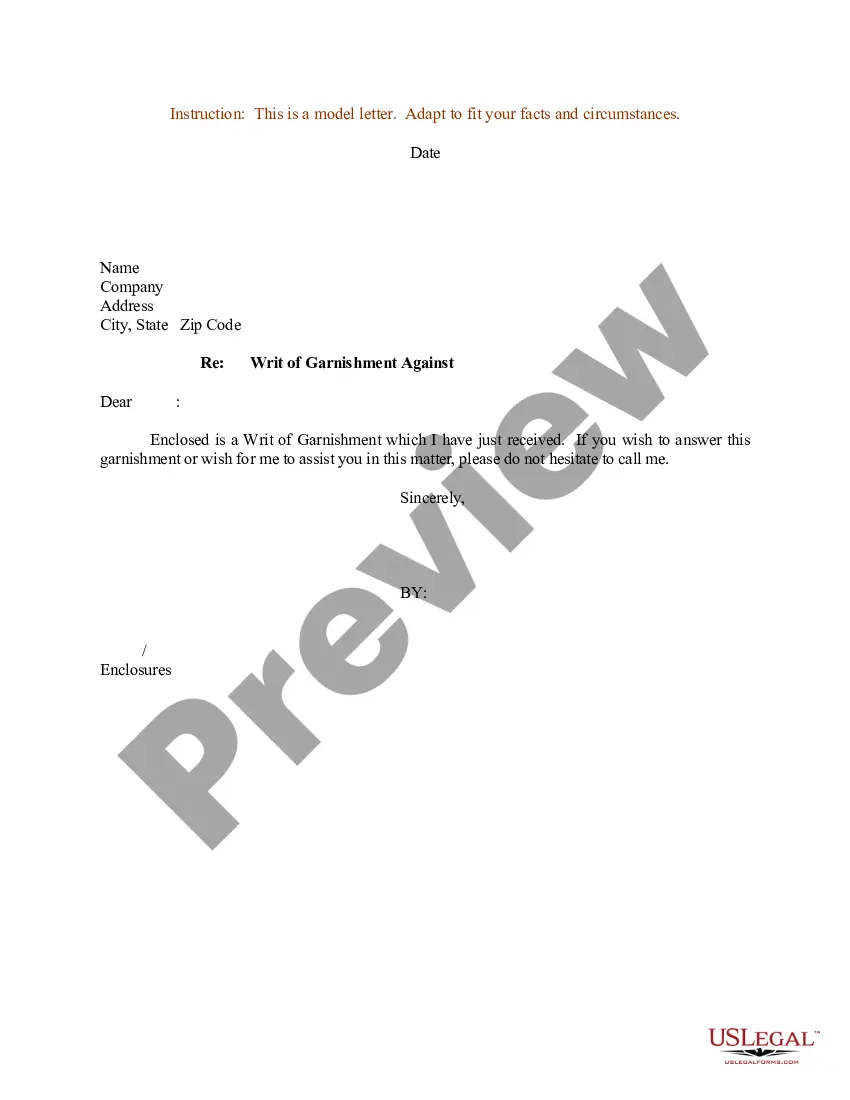
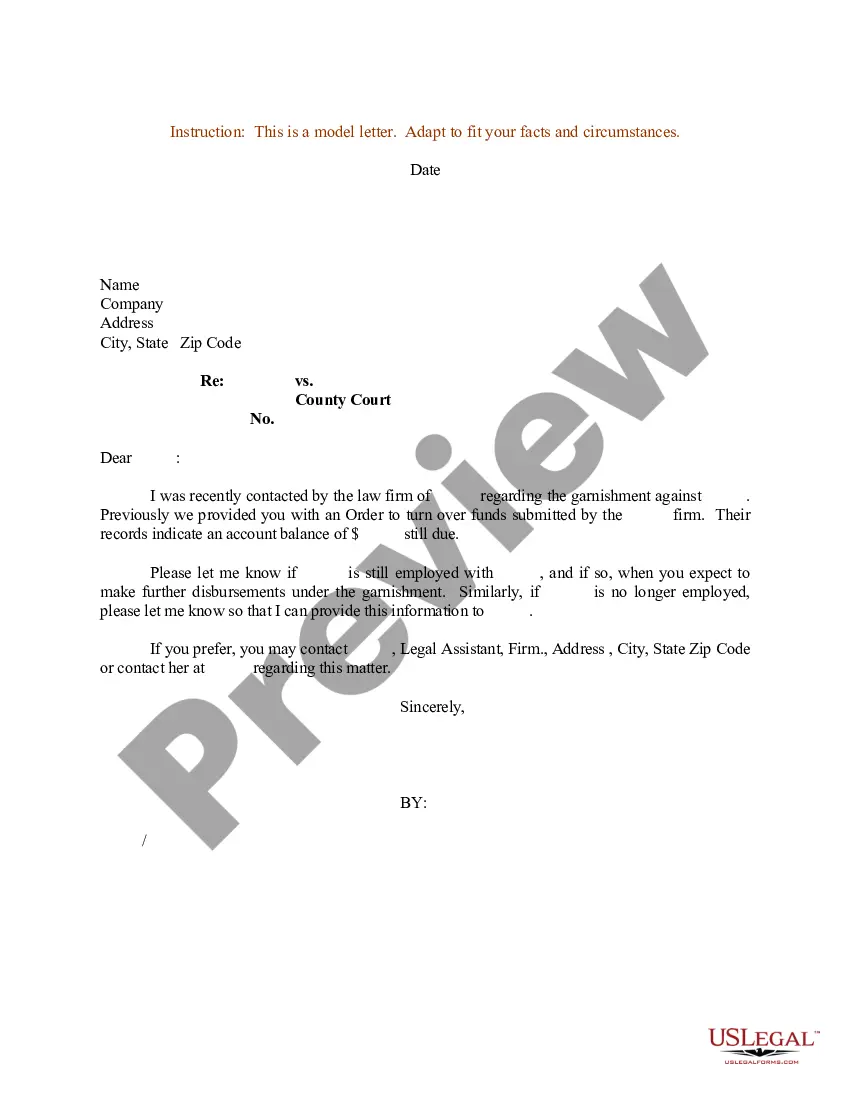
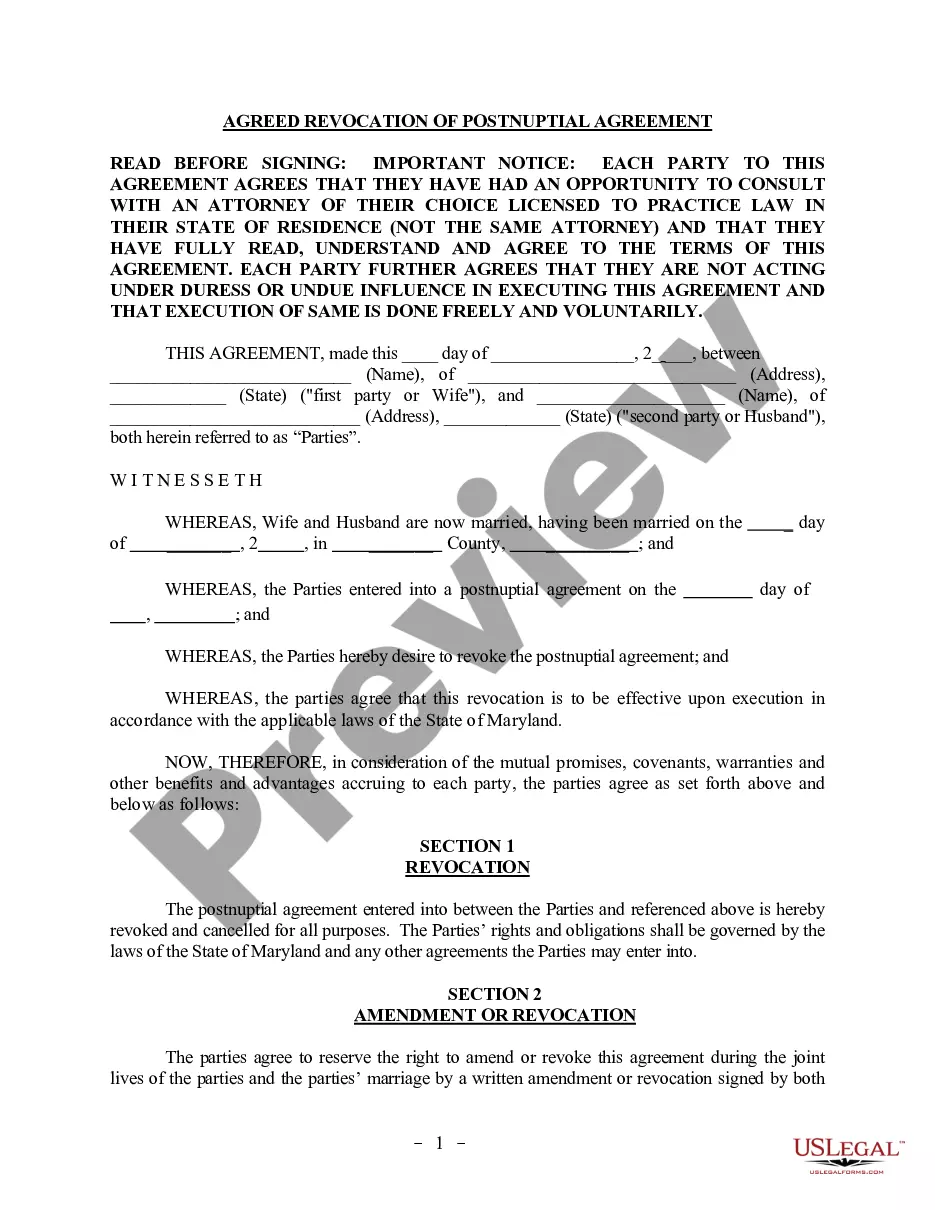
Review the template using the Preview option or through the text description to ascertain it fulfills your requirements.
- They are user-friendly, with all documents organized by state and intended use.
- Our specialists stay updated with legal modifications, ensuring that the form you acquire is current and compliant when requesting a Writ In Legal Meaning from our site.
- Obtaining a Writ In Legal Meaning is swift and uncomplicated for both existing and new users.
- If you possess an account with an active subscription, sign in and download the document sample you require in your desired format.
- If you are new to our site, follow the steps listed below.
Form popularity
FAQ
When we discuss what is meant by 'writ', we refer to an official court order that commands or prohibits specific actions. This term is integral to understanding legal processes and rights, as it encapsulates authoritative legal directives. The 'writ in legal meaning' serves as a mechanism for justice, ensuring that laws are upheld. Engaging with this concept can greatly benefit individuals navigating the legal system.
There are three main types of writs: writs of mandate (sometimes called ?mandamus?), writs of prohibition, and writs of review (sometimes called ?certiorari?).
The most common modern writs are those, such as the summons, used to initiate an action. Other writs may be used to enforce the judgment of a court (attachment, delivery) or to require a lower court to furnish certain records (error) or perform a certain act (mandamus).
A writ is an order issued by a legal authority with administrative or judicial powers, typically a court. See: writ of certiorari, writ of error, writ of habeas corpus, writ of mandamus.
Another example of a writ is the writ of seizure and sale is one example of a writ. When this writ is drafted by a court, it gives the petitioning party the right to take over ownership of a piece of property from someone else.
Examples of cases in which a writ of execution may be filed: If a home buyer fails to make mortgage payments, the creditor (a bank, private party, or mortgage company) may petition the court for a judgment against the home buyer after making effort to collect those payments.