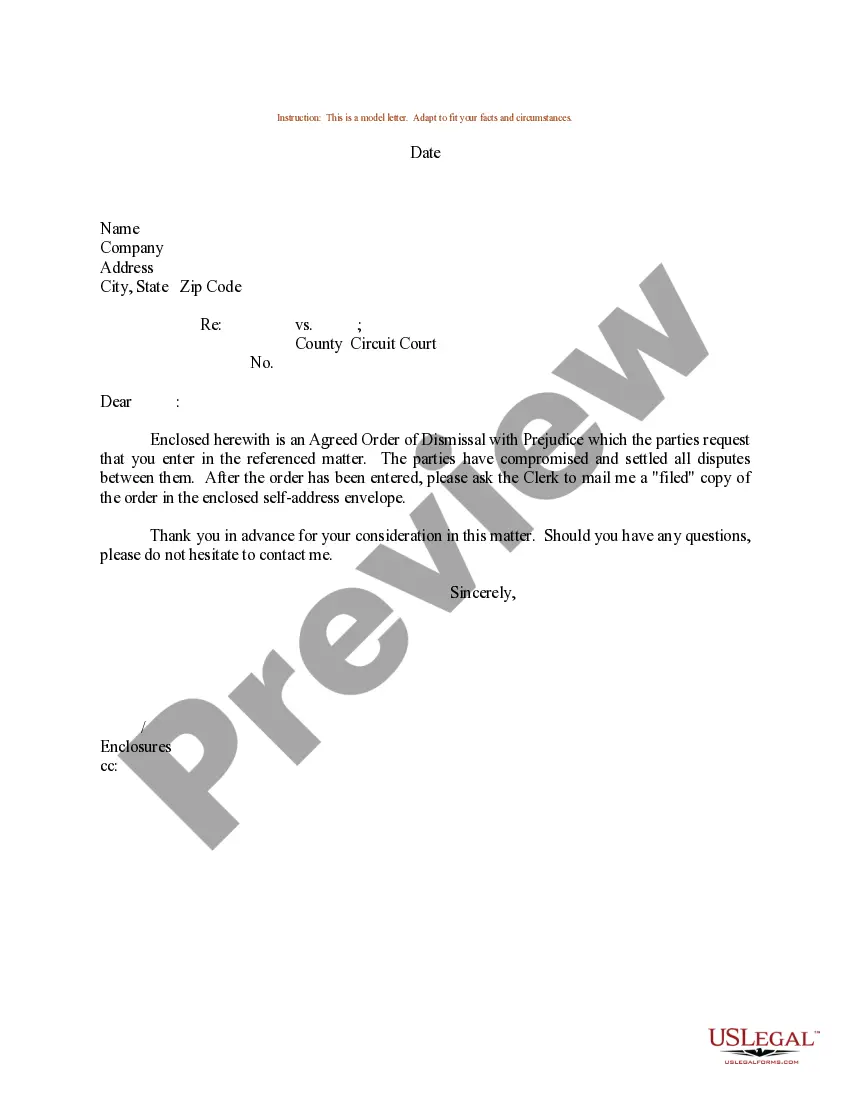
Compromise Agreement In Cheque Bounce Case
Description
Get your form ready online
Our built-in tools help you complete, sign, share, and store your documents in one place.
Make edits, fill in missing information, and update formatting in US Legal Forms—just like you would in MS Word.
Download a copy, print it, send it by email, or mail it via USPS—whatever works best for your next step.
Sign and collect signatures with our SignNow integration. Send to multiple recipients, set reminders, and more. Go Premium to unlock E-Sign.
If this form requires notarization, complete it online through a secure video call—no need to meet a notary in person or wait for an appointment.
We protect your documents and personal data by following strict security and privacy standards.

Make edits, fill in missing information, and update formatting in US Legal Forms—just like you would in MS Word.

Download a copy, print it, send it by email, or mail it via USPS—whatever works best for your next step.

Sign and collect signatures with our SignNow integration. Send to multiple recipients, set reminders, and more. Go Premium to unlock E-Sign.

If this form requires notarization, complete it online through a secure video call—no need to meet a notary in person or wait for an appointment.

We protect your documents and personal data by following strict security and privacy standards.
Looking for another form?
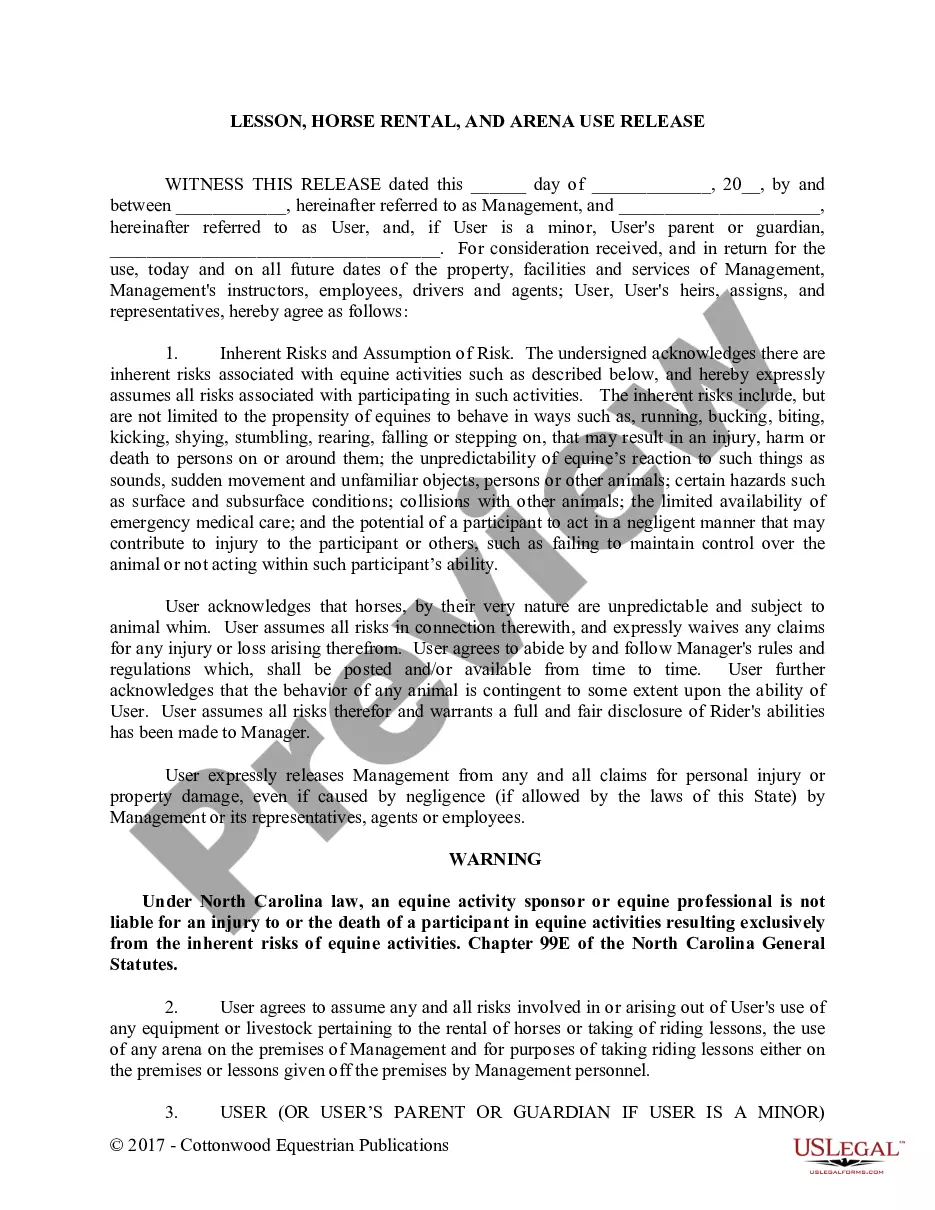
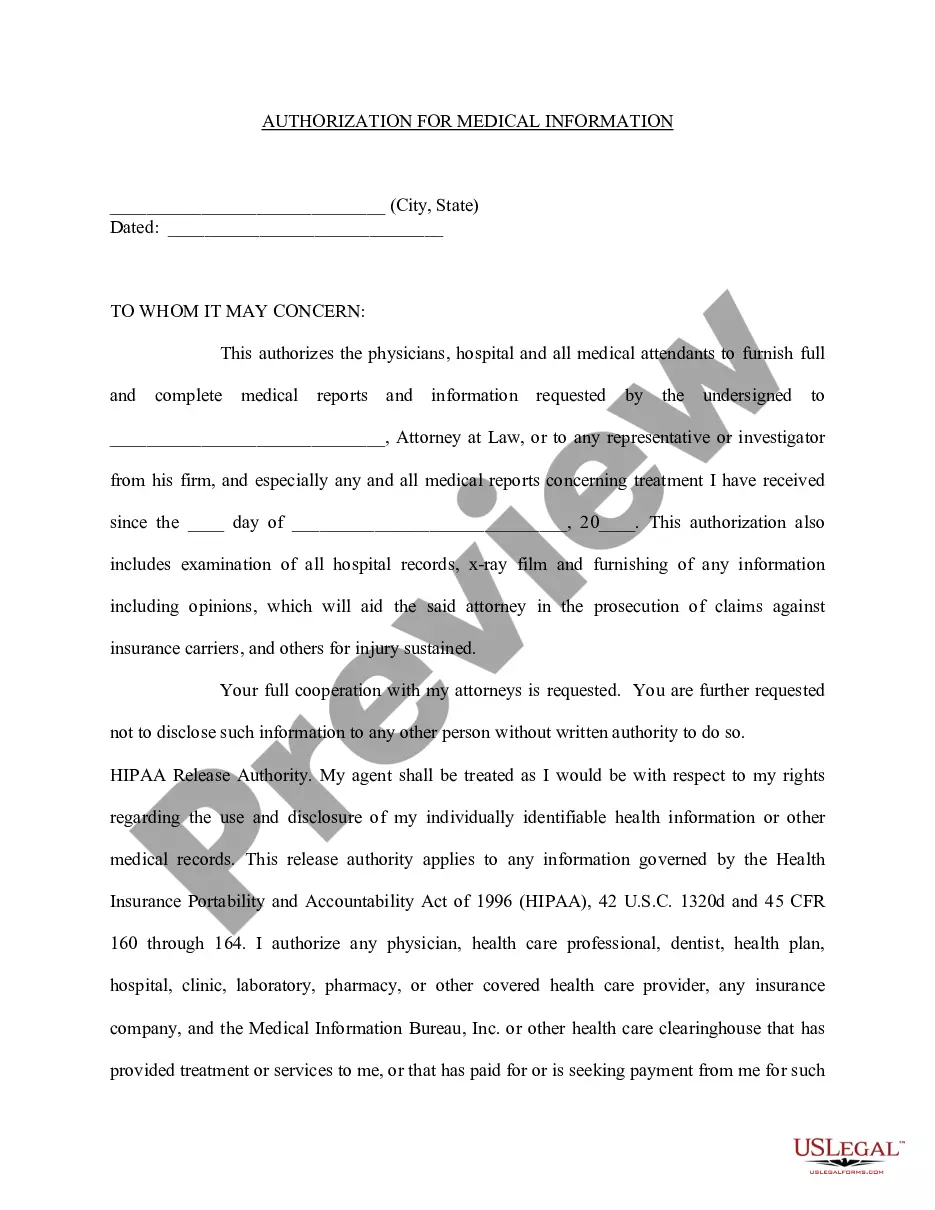
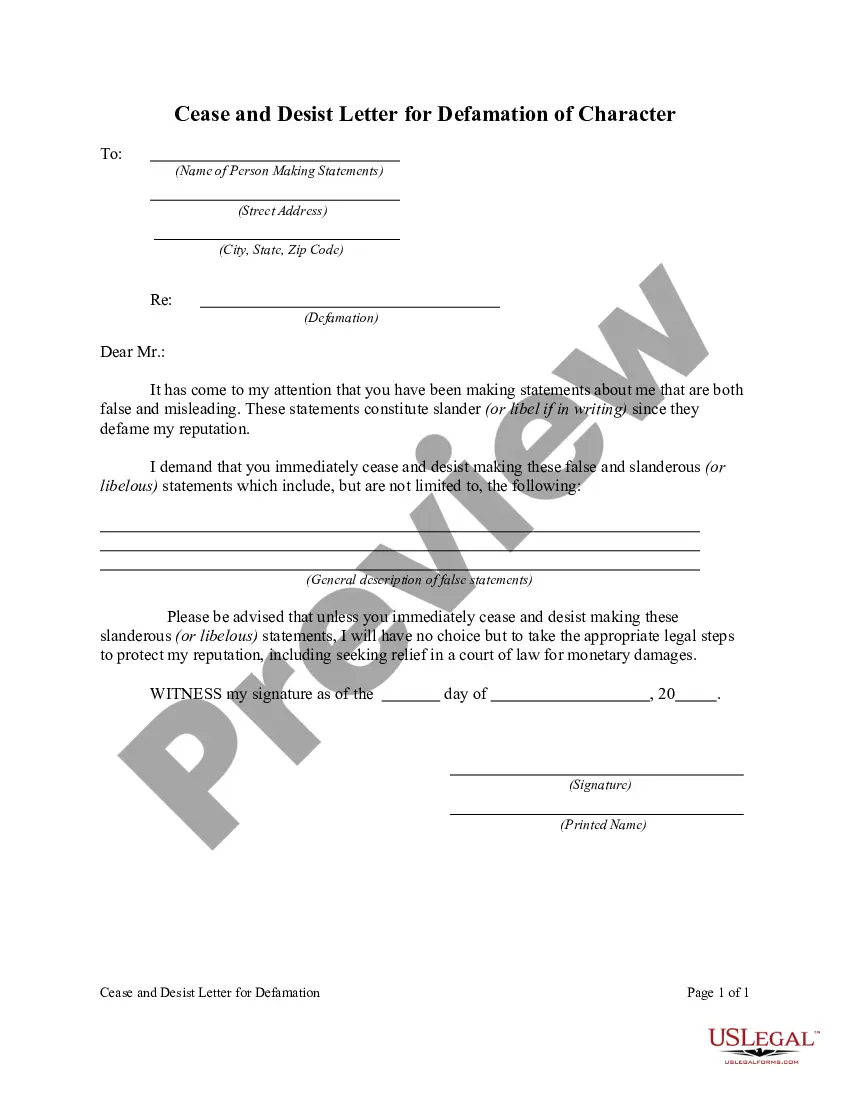
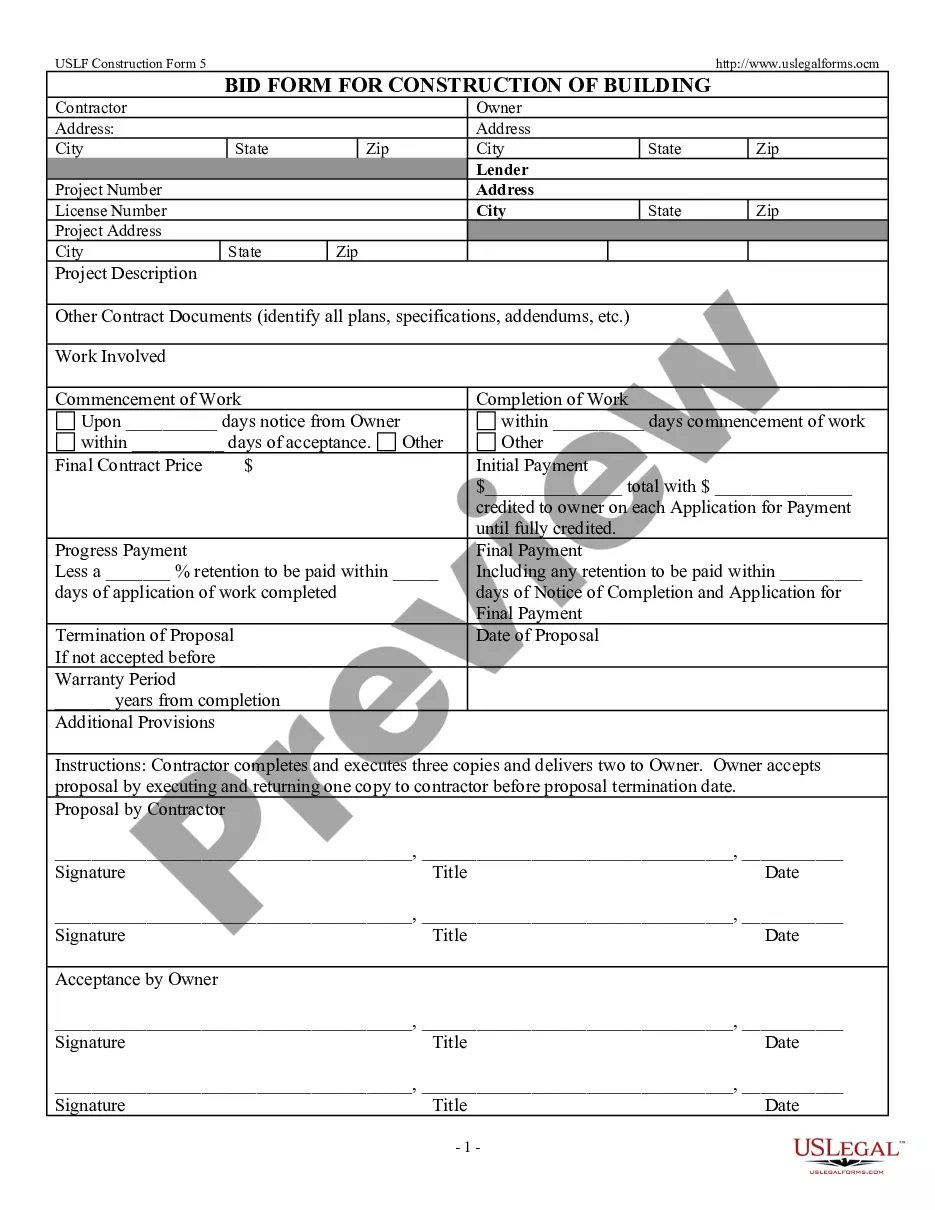
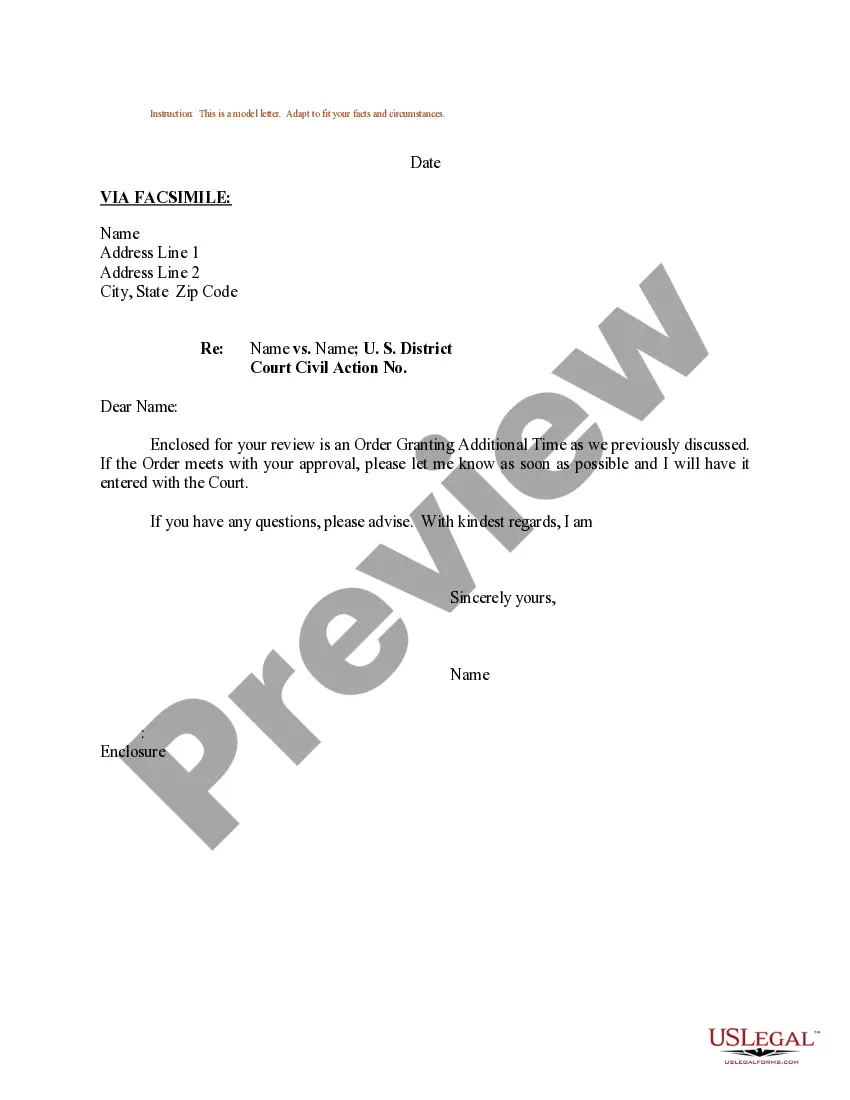
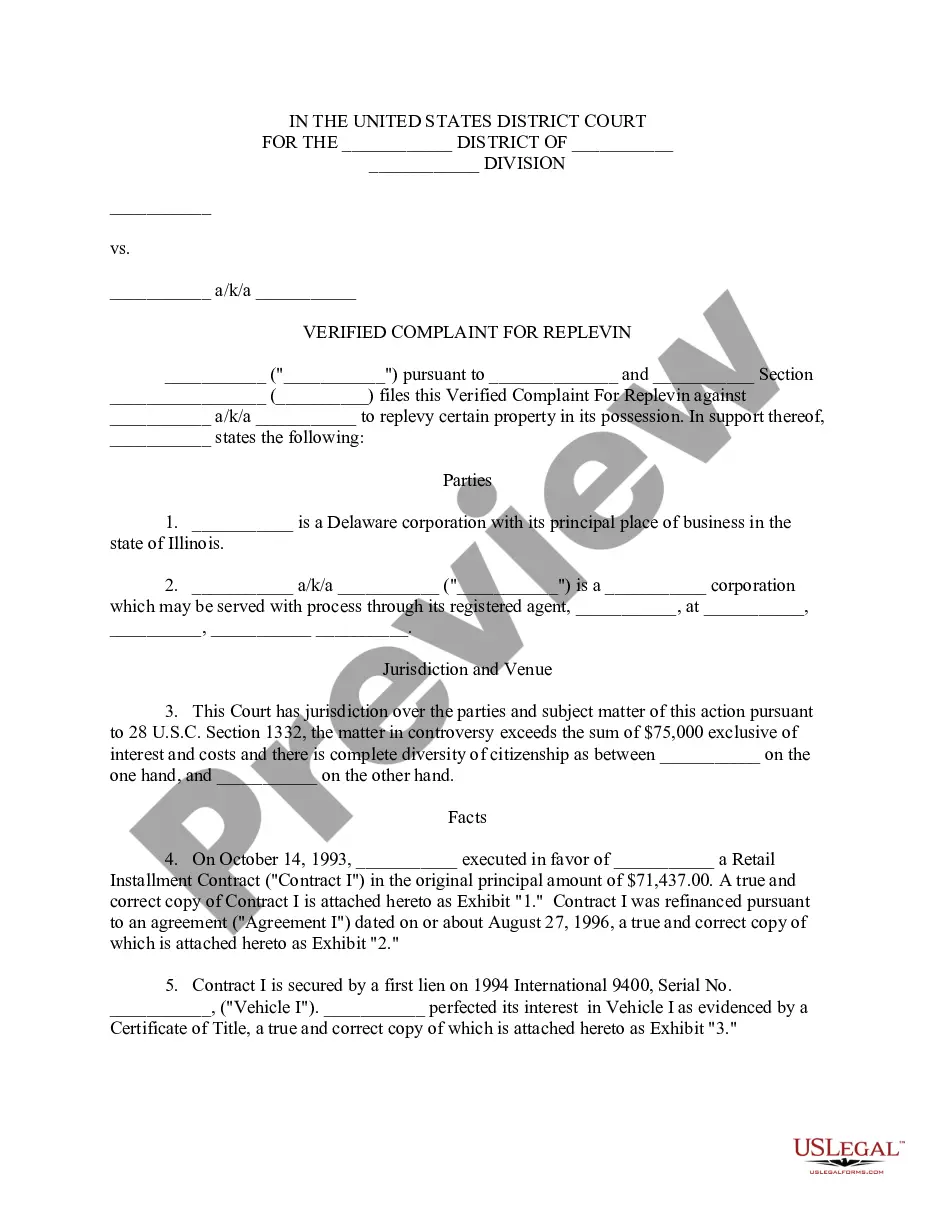
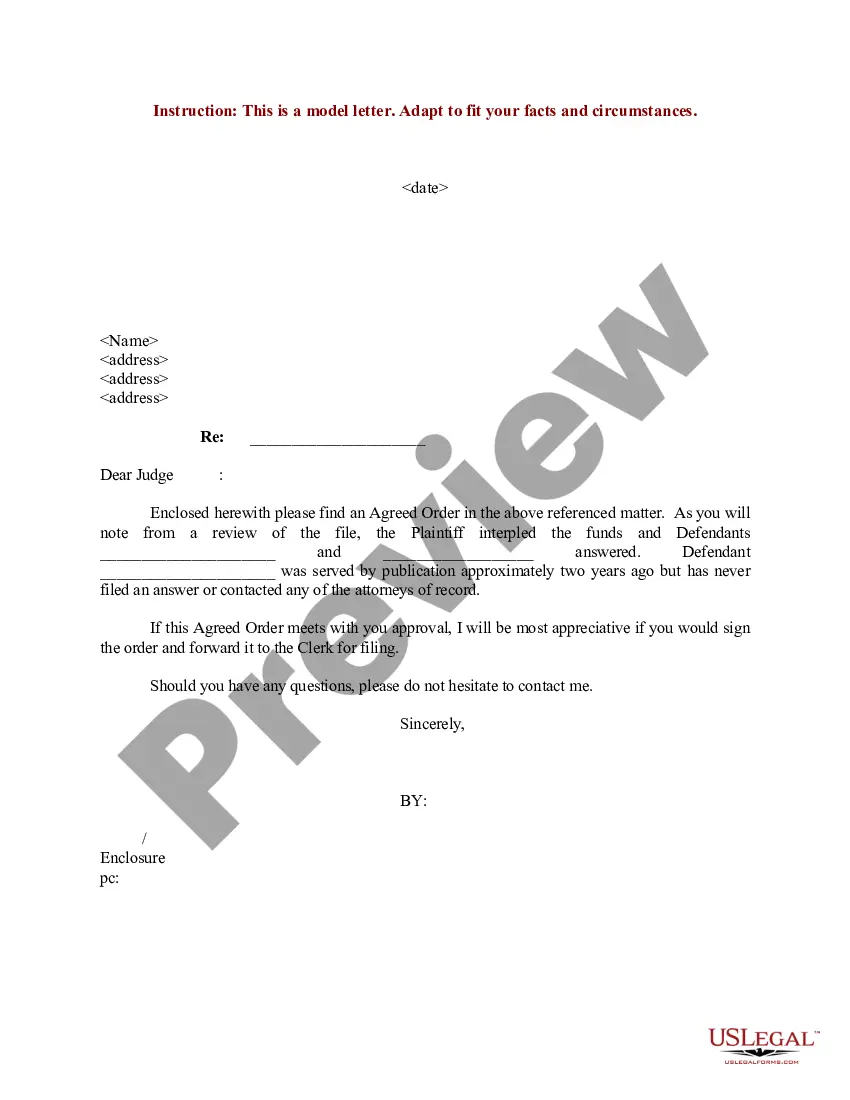
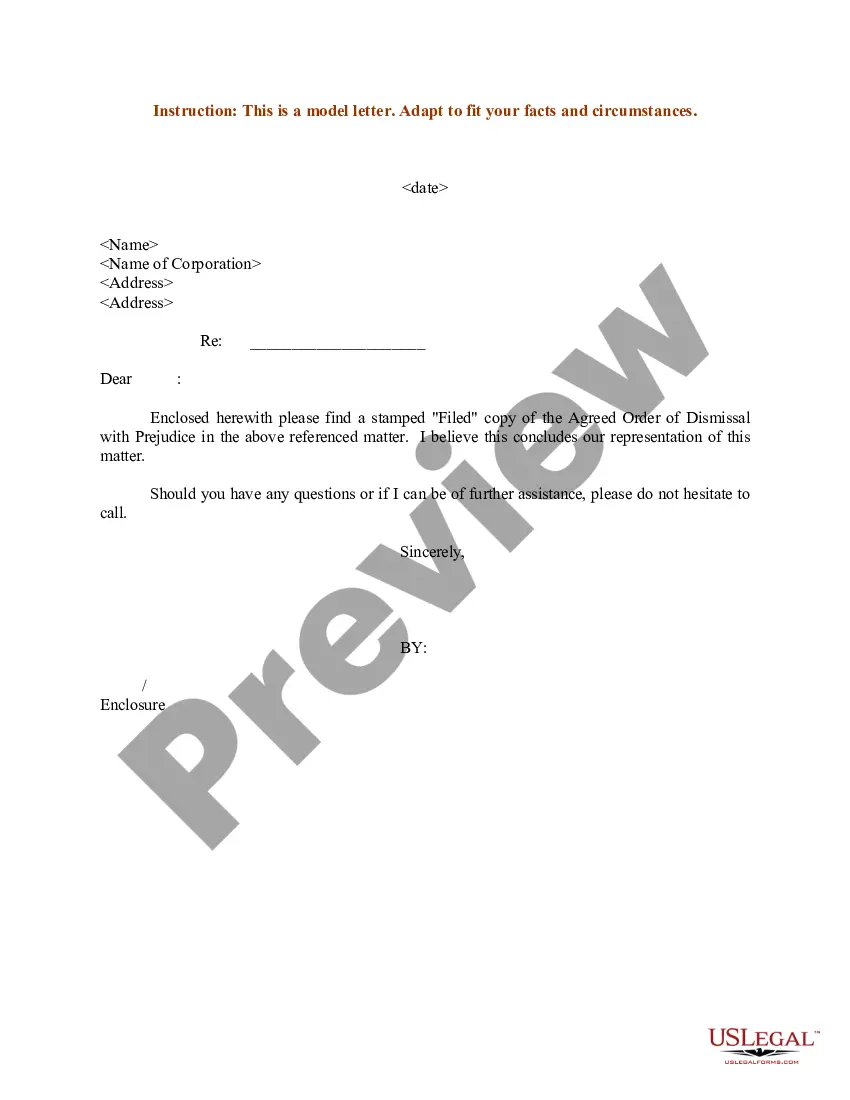
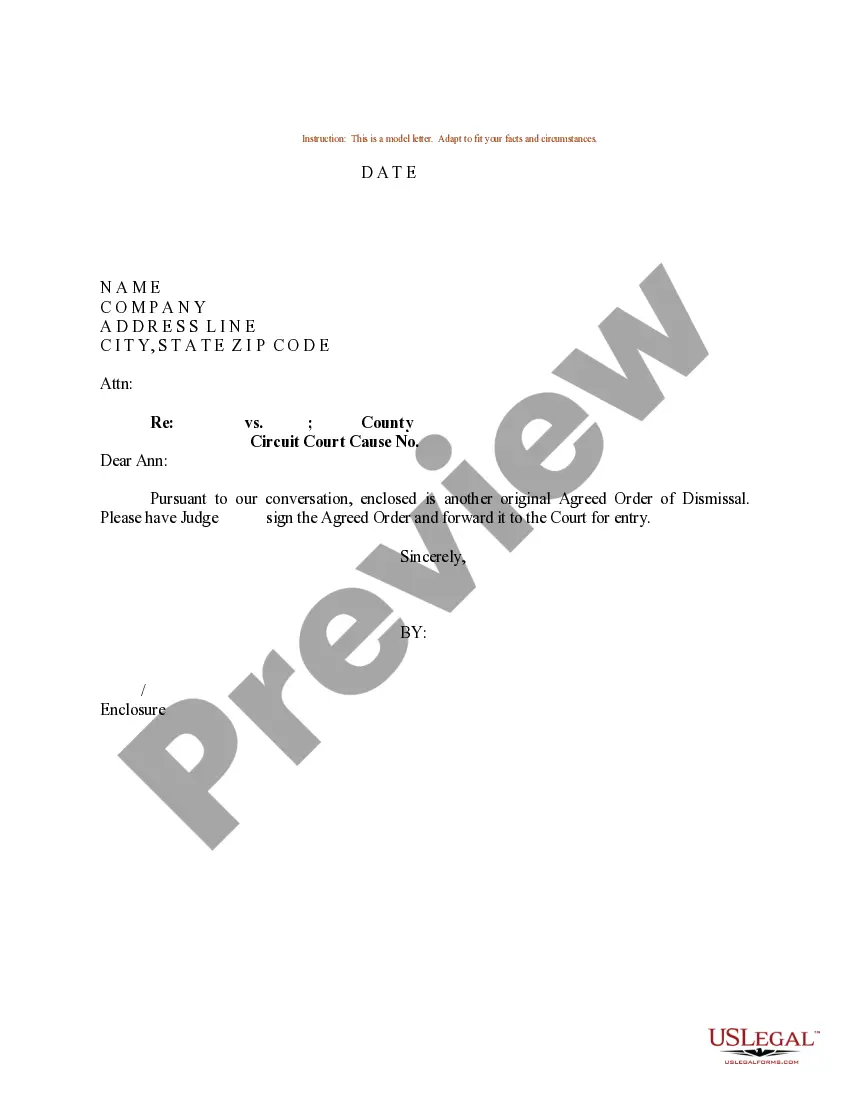
How to fill out Sample Letter For Agreed Order Of Dismissal With Prejudice - Compromise And Settlement Of Disputes?
Whether for corporate needs or individual matters, everyone must handle legal situations at some point in their lives.
Filling out legal paperwork necessitates meticulous consideration, starting with selecting the appropriate form template.
With a comprehensive US Legal Forms collection available, you never have to waste time searching for the correct template online. Utilize the library’s user-friendly navigation to find the appropriate form for any circumstance.
- Locate the template you require by utilizing the search bar or catalog browsing.
- Review the form’s details to ensure it aligns with your case, state, and county.
- Click on the form’s preview to inspect it.
- If it is the incorrect document, return to the search feature to find the Compromise Agreement In Cheque Bounce Case template you need.
- Obtain the file if it meets your criteria.
- If you have a US Legal Forms account, click Log in to access previously saved documents in My documents.
- If you do not have an account yet, you can acquire the form by clicking Buy now.
- Choose the suitable pricing option.
- Complete the account registration form.
- Select your payment method: employ a credit card or PayPal account.
- Choose the document format you prefer and download the Compromise Agreement In Cheque Bounce Case.
- Once downloaded, you can fill out the form using editing software or print it out and complete it by hand.
Form popularity
FAQ
The ruling in cheque bounce cases typically establishes the consequences for the issuer failing to honor a cheque, including potential criminal and civil liabilities. These rulings aim to protect the rights of the payee while promoting accountability. If you are involved in a cheque bounce situation, considering a compromise agreement in a cheque bounce case can facilitate a quicker resolution and minimize legal complications.
Recent judgements in cheque bounce cases emphasize the importance of proving intention and good faith in transactions. Courts have begun favoring clearer documentation and communication between parties, which can significantly influence case outcomes. For individuals exploring a compromise agreement in a cheque bounce case, these recent rulings should guide your approach.
The latest Supreme Court judgement on cheque bounce cases highlights the legal obligations of the cheque issuer and reinforces the rights of the payee. According to the court's ruling, timely payment and communication are crucial to resolving disputes. This judgement can impact any ongoing negotiations or compromise agreement in a cheque bounce case, making it essential to stay informed.
Upon a cheque bounce, the first step is to issue a formal notice to the issuer, demanding payment within the stipulated time frame. If the payment is not received, then you can initiate legal proceedings. A compromise agreement in a cheque bounce case can provide an alternative solution that avoids lengthy court battles and allows for a more amicable resolution.
The latest amendment regarding cheque bounce cases relates to changes in the Negotiable Instruments Act, which aims to streamline the legal process. Amendments may introduce new provisions for filing cases, timelines for resolution, or alternative dispute mechanisms. Understanding these amendments is crucial for anyone considering a compromise agreement in a cheque bounce case.
The maximum court fees in a cheque bounce case can vary by state and specific circumstances of the case. Generally, these fees are calculated based on the amount of the cheque and may include filing fees, service fees, and other related costs. It is essential to understand these fees, especially if you are considering a compromise agreement in a cheque bounce case, as they can impact your overall expenses and strategy.
To write a bounce cheque notice, start by clearly stating the cheque details, including the cheque number and amount. Follow this with an explanation of the bounced cheque situation, mentioning the legal actions you may take. By seeking to resolve the situation with a compromise agreement in a cheque bounce case, you can often avoid lengthy court proceedings and facilitate a quicker resolution.
The primary evidence in a cheque bounce case includes the bounced cheque, the bank's memo stating the reason for the bounce, and the legal notice sent to the drawer. Additionally, any communication between the two parties regarding the payment may be relevant. When drafting a compromise agreement in a cheque bounce case, thorough documentation can strengthen your position significantly.
When a cheque bounces, the payee can issue a legal notice to the drawer, demanding payment. If the drawer fails to respond or settle the debt, the payee may file a complaint in court. Utilizing a compromise agreement in a cheque bounce case can streamline this process, allowing both parties to reach a mutually beneficial resolution.
In a cheque bounce case, the maximum amount involved is typically defined by the Negotiable Instruments Act. If the cheque amount exceeds this threshold, legal proceedings can escalate. It’s crucial to understand that a compromise agreement in a cheque bounce case can help resolve disputes efficiently, often leading to settlements without prolonged litigation.