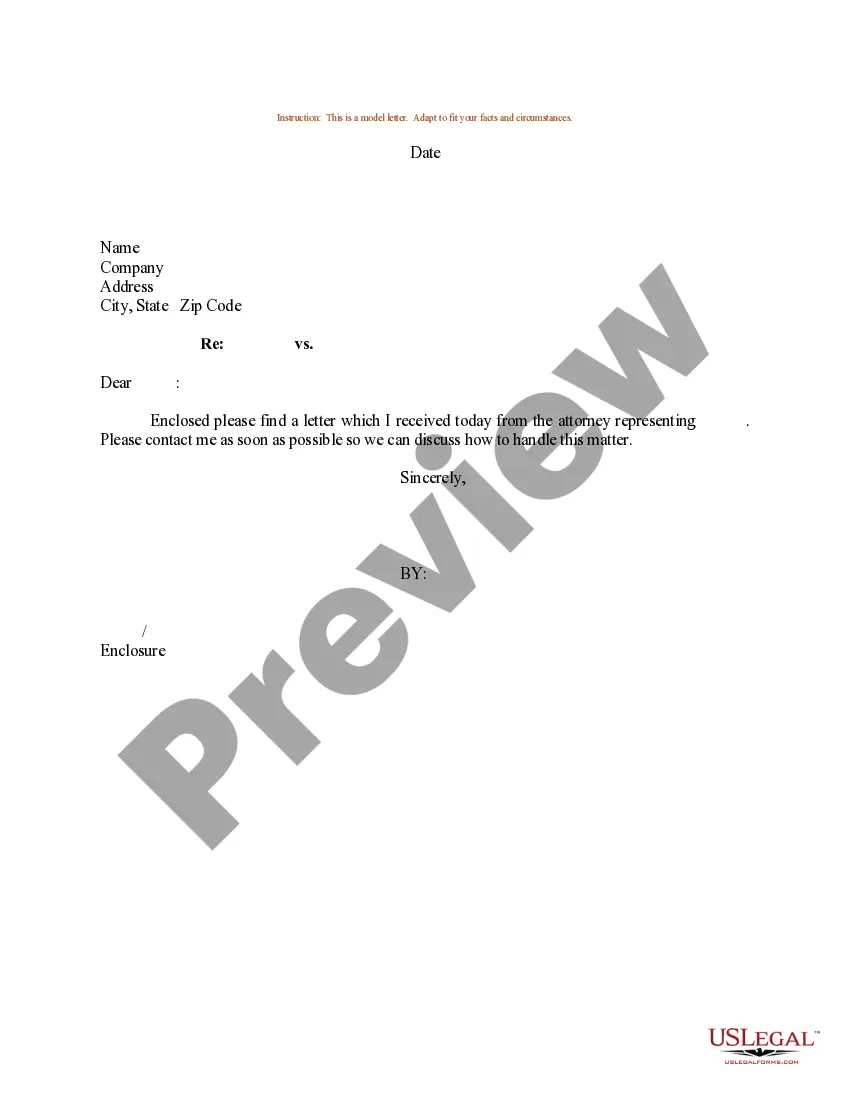
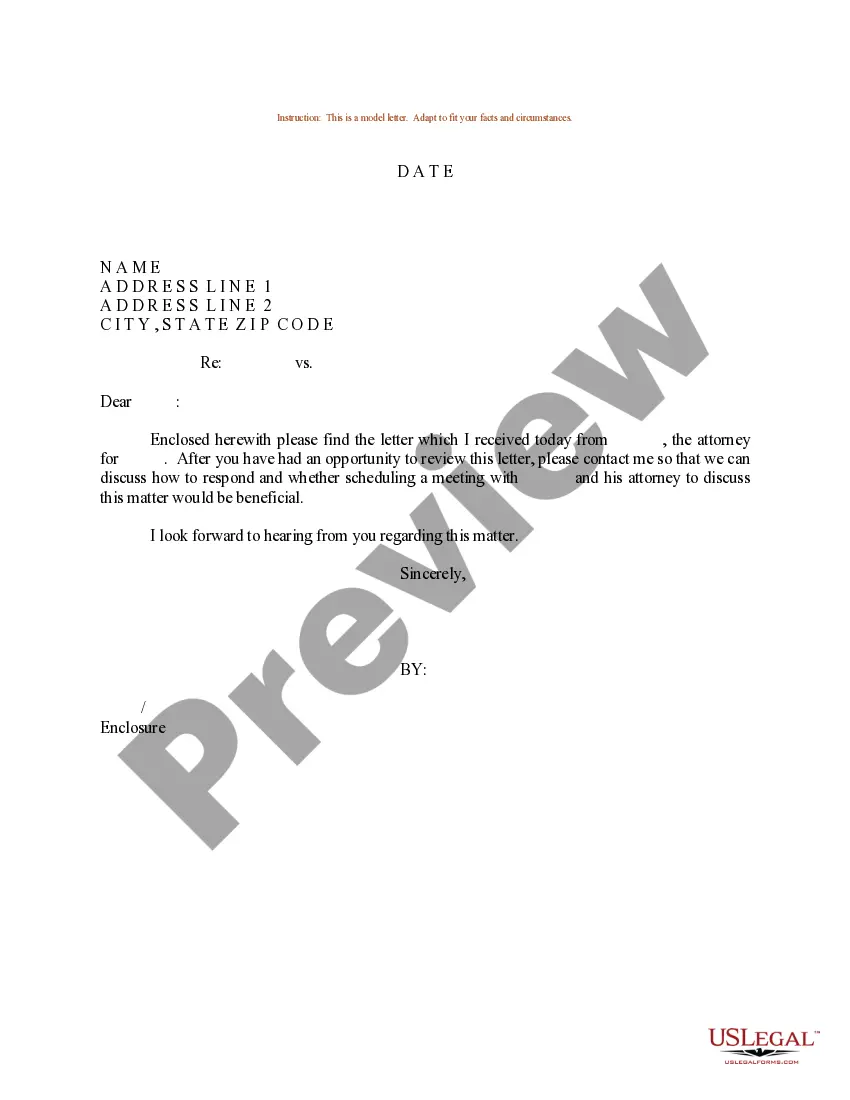
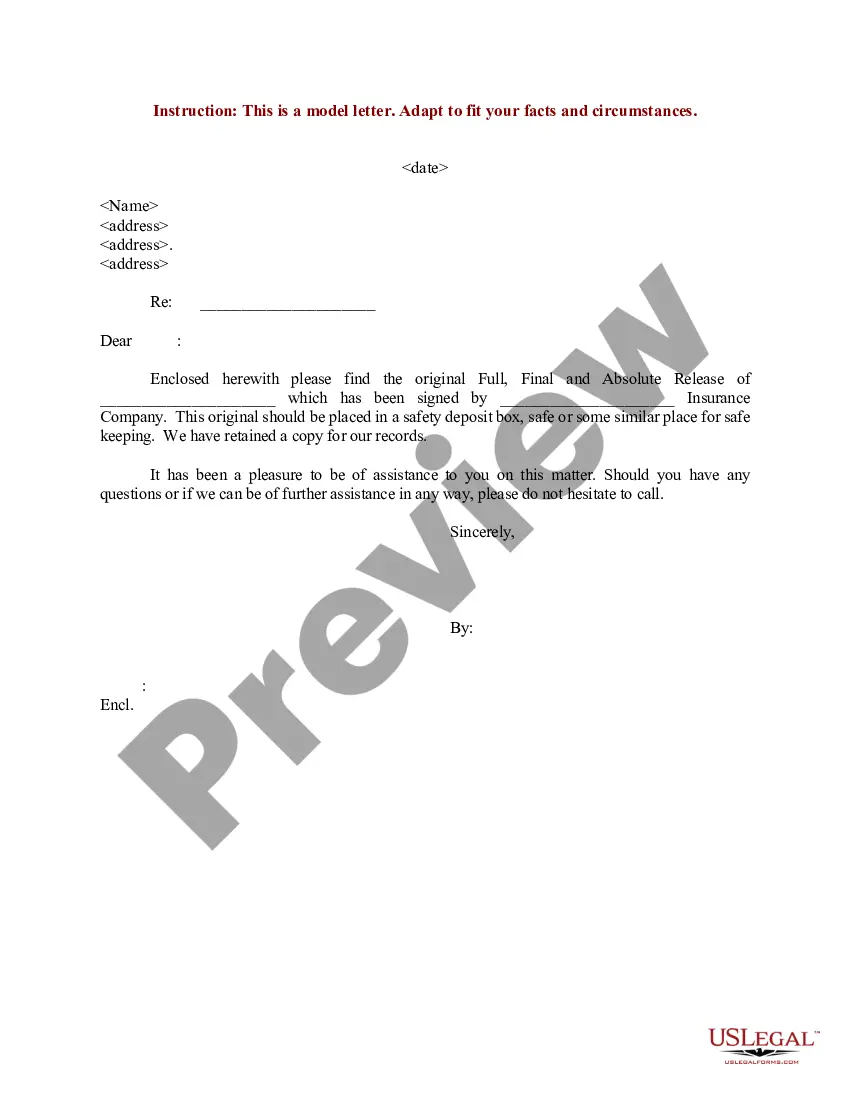
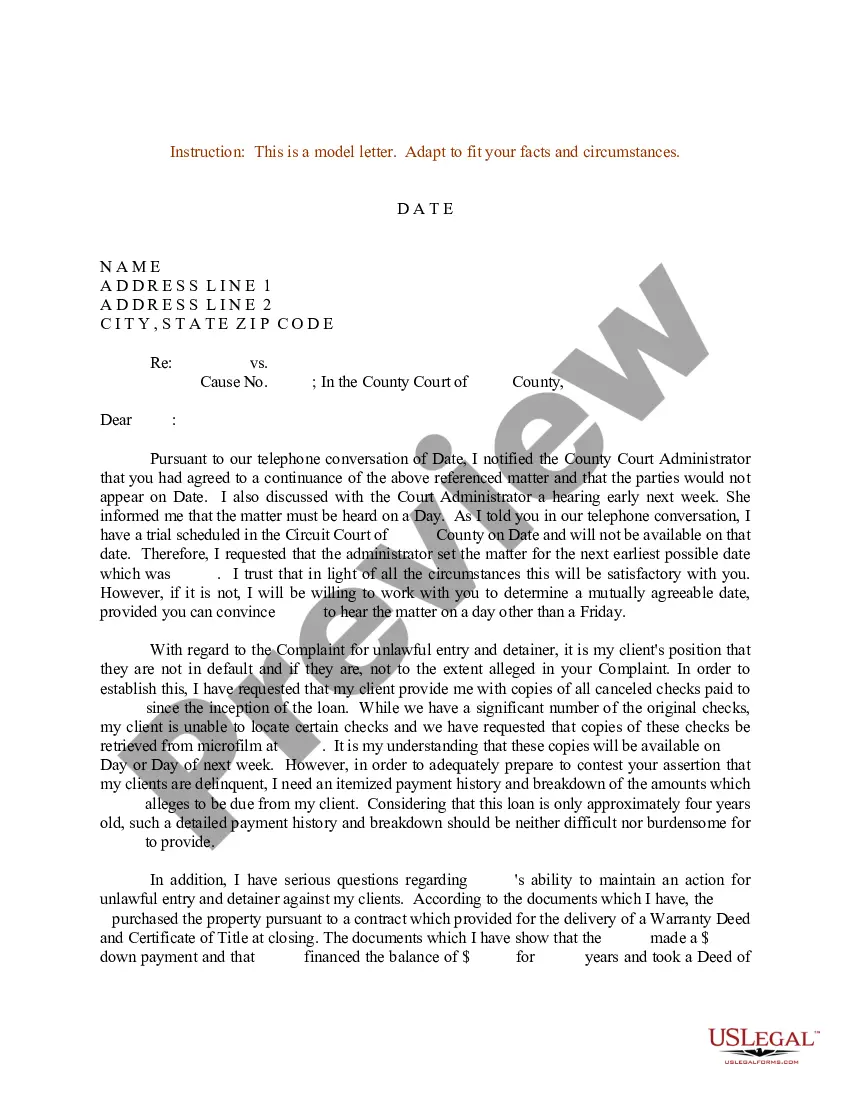
Letter Opposing Attorney Formal
Description
Get your form ready online
Our built-in tools help you complete, sign, share, and store your documents in one place.
Make edits, fill in missing information, and update formatting in US Legal Forms—just like you would in MS Word.
Download a copy, print it, send it by email, or mail it via USPS—whatever works best for your next step.
Sign and collect signatures with our SignNow integration. Send to multiple recipients, set reminders, and more. Go Premium to unlock E-Sign.
If this form requires notarization, complete it online through a secure video call—no need to meet a notary in person or wait for an appointment.
We protect your documents and personal data by following strict security and privacy standards.

Make edits, fill in missing information, and update formatting in US Legal Forms—just like you would in MS Word.

Download a copy, print it, send it by email, or mail it via USPS—whatever works best for your next step.

Sign and collect signatures with our SignNow integration. Send to multiple recipients, set reminders, and more. Go Premium to unlock E-Sign.

If this form requires notarization, complete it online through a secure video call—no need to meet a notary in person or wait for an appointment.

We protect your documents and personal data by following strict security and privacy standards.
Looking for another form?
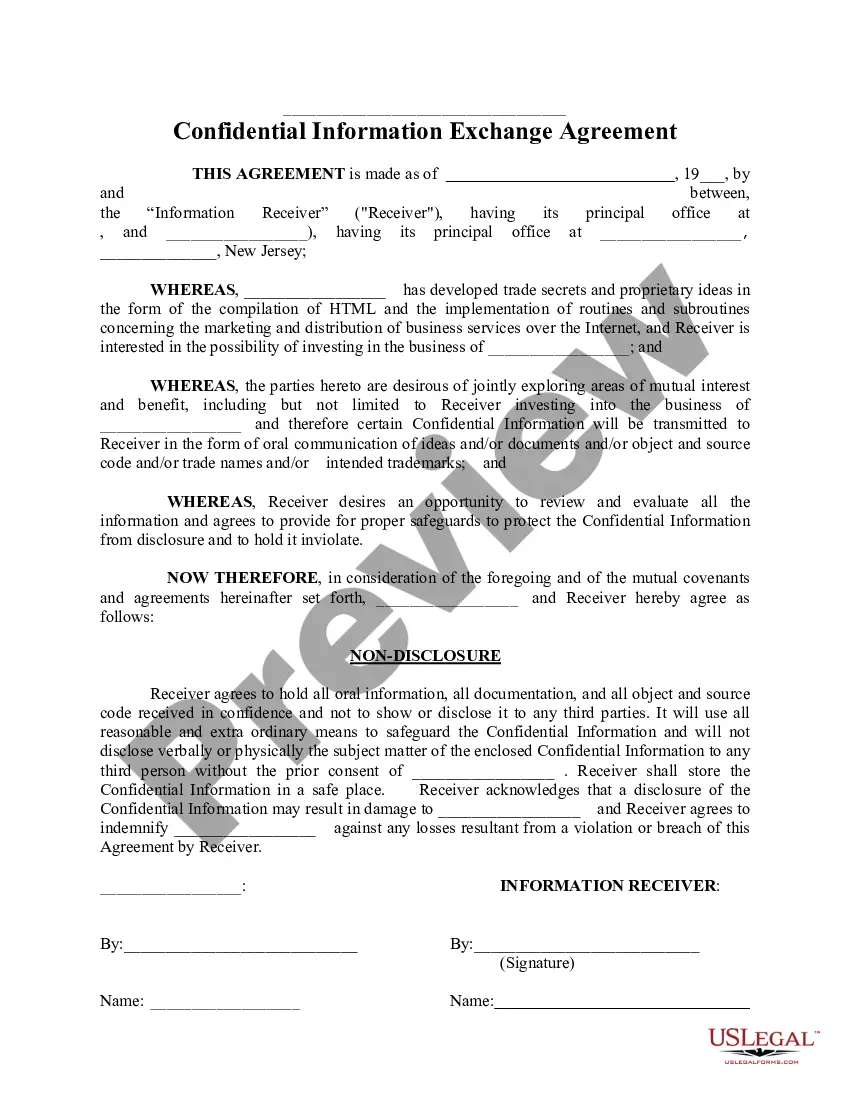
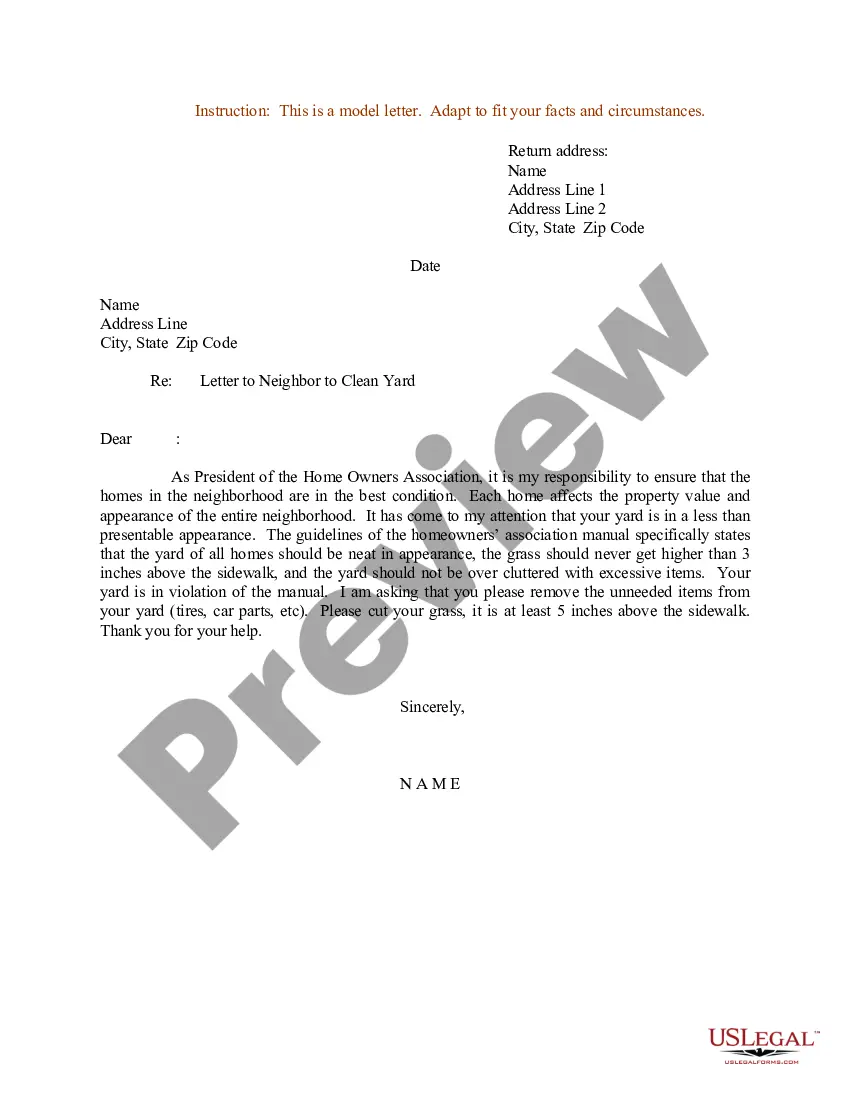
How to fill out Sample Letter For Letter From Opposing Attorney?
Managing legal documents can be daunting, even for experienced professionals.
If you are in need of a Letter Opposing Attorney Formal and lack the time to search for the appropriate and current version, the process may become stressful.
US Legal Forms caters to every requirement you might have, ranging from personal to business documents, all in one convenient location.
Utilize cutting-edge tools to fill out and manage your Letter Opposing Attorney Formal.
Here are the steps to follow after downloading the desired form: Verify that it is the correct document by previewing it and reviewing its description. Ensure the template is valid in your state or county. Click Buy Now when you are ready. Choose a subscription plan. Select your preferred format, and Download, complete, sign, print, and send out your document. Take advantage of the US Legal Forms online library, supported by 25 years of expertise and trustworthiness. Streamline your routine document management into a seamless and user-friendly experience today.
- Tap into a valuable repository of articles, guides, and manuals related to your circumstances and requirements.
- Save time and energy searching for the necessary documents by using US Legal Forms’ sophisticated search and Preview function to find and obtain your Letter Opposing Attorney Formal.
- If you hold a subscription, Log In to your US Legal Forms account, search for the form, and download it.
- Check the My documents section to access documents you have previously saved and manage your folders as desired.
- If it's your first experience with US Legal Forms, create a complimentary account to gain unlimited access to all platform benefits.
- A comprehensive online form library can revolutionize how individuals manage these circumstances.
- US Legal Forms stands out as a leader in the online legal form sector, offering over 85,000 state-specific legal forms accessible at any moment.
- With US Legal Forms, you can conveniently access legal and organizational forms tailored to your state or county.
Form popularity
FAQ
When you correspond with a lawyer, you have two choices: Write the person using a standard courtesy title (?Mr. Robert Jones? or ?Ms. Cynthia Adams?) Skip the courtesy title and put ?Esquire? after the name, using its abbreviated form, ?Esq.? (?Robert Jones, Esq.? or ?Cynthia Adams, Esq.?)
A clear statement of your complaint. This should be towards the top of your letter and should lay out exactly why you are dissatisfied. For example, if you believe the lawyer has lied to you, clearly state that you believe they have been dishonest. An easily understood statement of facts that back up your complaint.
Reiterate to opposing counsel that you understand they are not your attorney. Make it very clear that you know opposing counsel represents the opposing party and not you. Let them know you understand they cannot give you legal advice or help you with your side of the case.
The conventions for addressing opposing counsel may vary by jurisdiction and court rules, but here are some common practices and guidelines: Use of Titles and Last Names: Lawyers often address each other by their last names and may include a professional title, such as "Mr. Smith" or "Ms.
Dear [Opposing Counsel Name], I am writing to follow up on our recent communication regarding [case name]. I have not yet received a response from you regarding [list the specific issue or question]. Please let me know your thoughts as soon as possible so that we can continue to move forward with the case.