Compensable Travel Time For Hourly Employees
Description
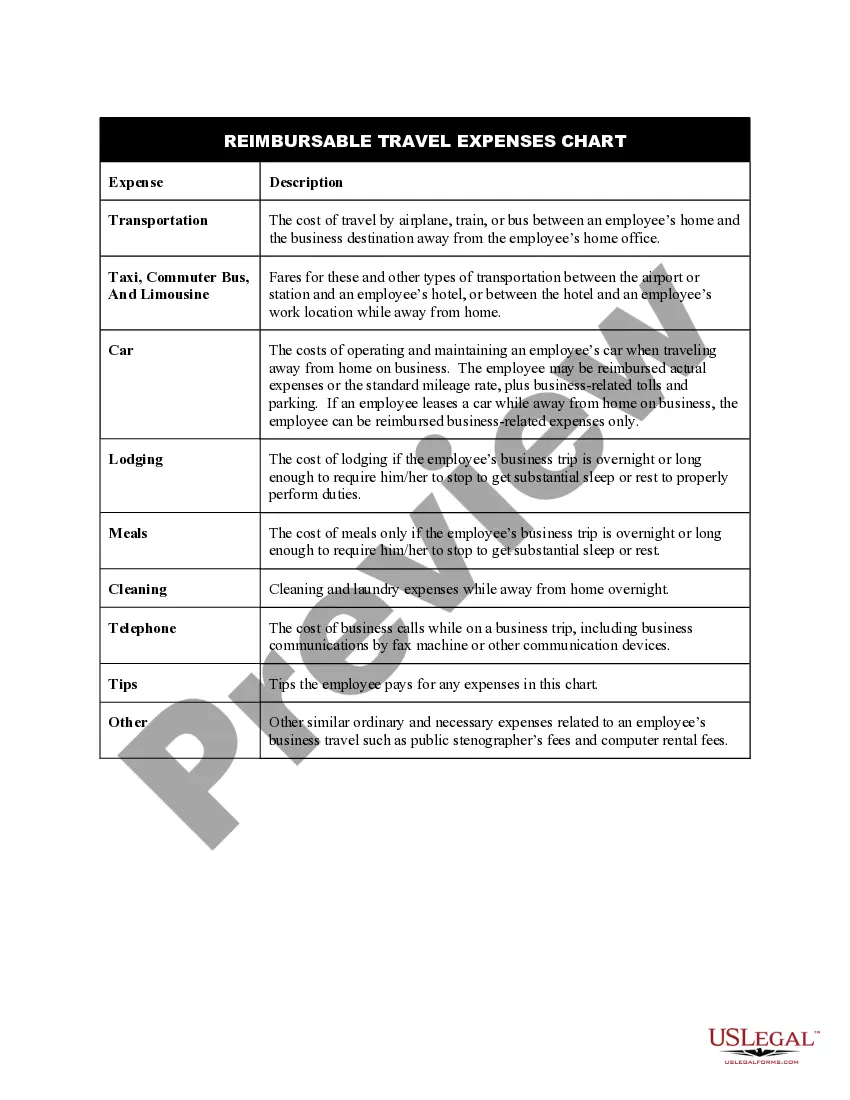
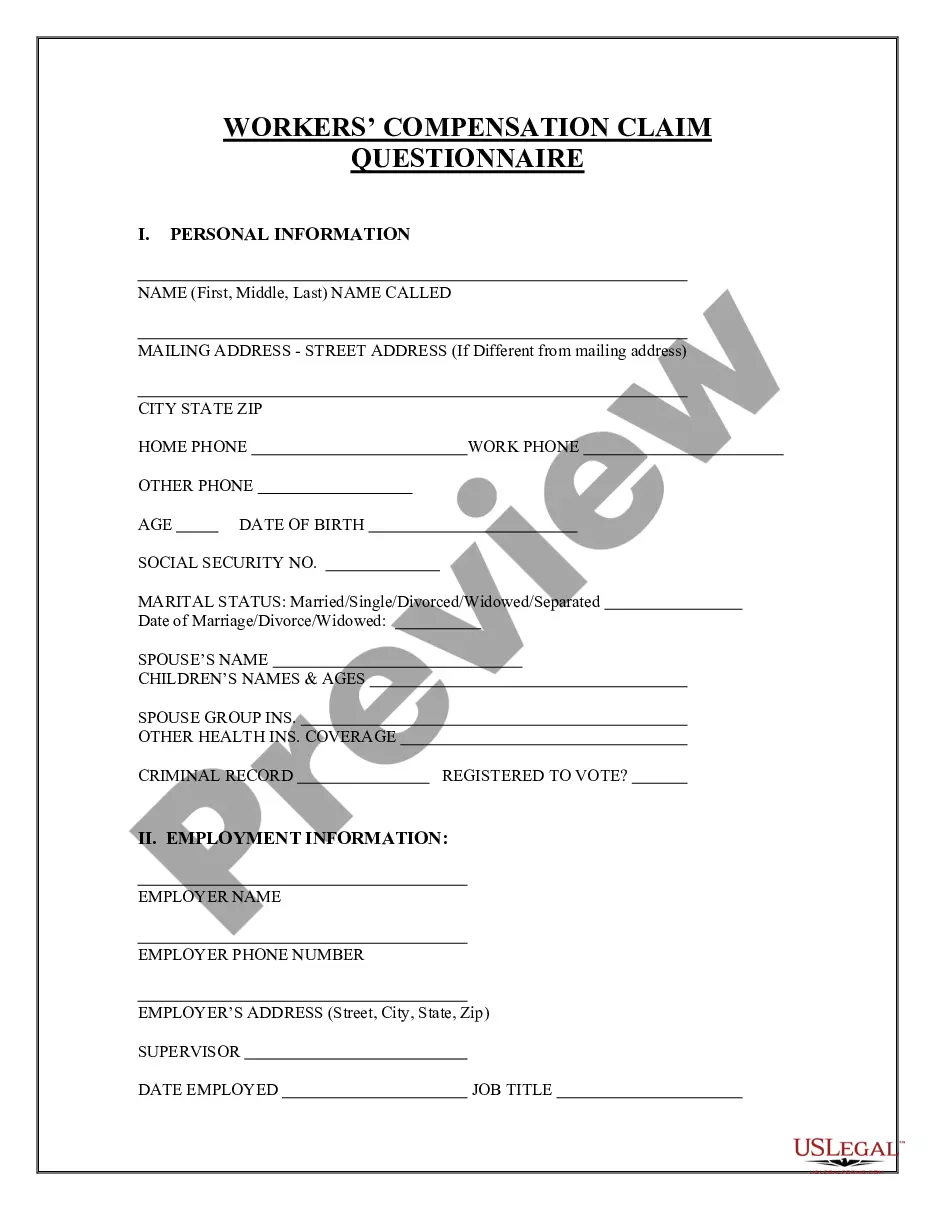
Get your form ready online
Our built-in tools help you complete, sign, share, and store your documents in one place.
Make edits, fill in missing information, and update formatting in US Legal Forms—just like you would in MS Word.
Download a copy, print it, send it by email, or mail it via USPS—whatever works best for your next step.
Sign and collect signatures with our SignNow integration. Send to multiple recipients, set reminders, and more. Go Premium to unlock E-Sign.
If this form requires notarization, complete it online through a secure video call—no need to meet a notary in person or wait for an appointment.
We protect your documents and personal data by following strict security and privacy standards.

Make edits, fill in missing information, and update formatting in US Legal Forms—just like you would in MS Word.

Download a copy, print it, send it by email, or mail it via USPS—whatever works best for your next step.

Sign and collect signatures with our SignNow integration. Send to multiple recipients, set reminders, and more. Go Premium to unlock E-Sign.

If this form requires notarization, complete it online through a secure video call—no need to meet a notary in person or wait for an appointment.

We protect your documents and personal data by following strict security and privacy standards.
Looking for another form?

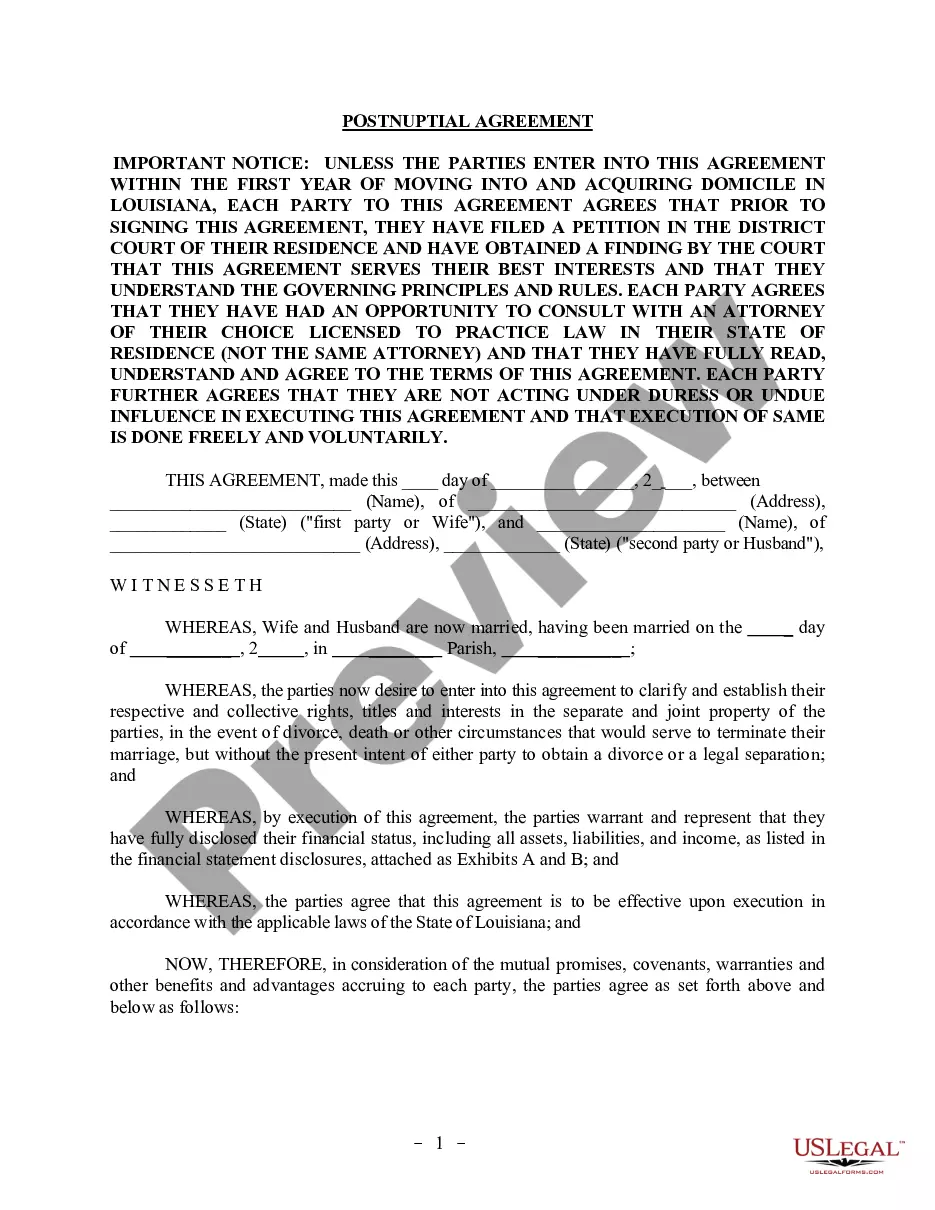







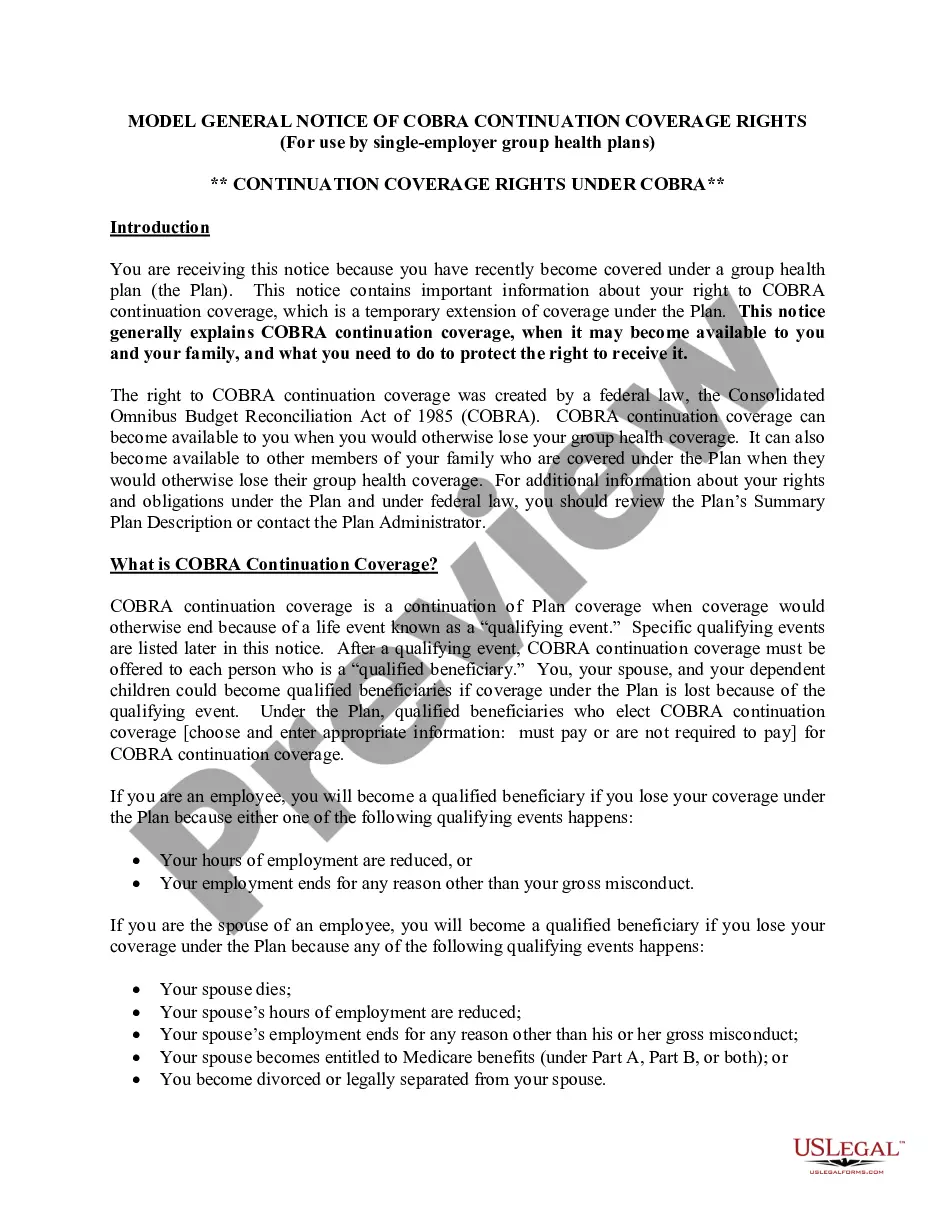
Form popularity
FAQ
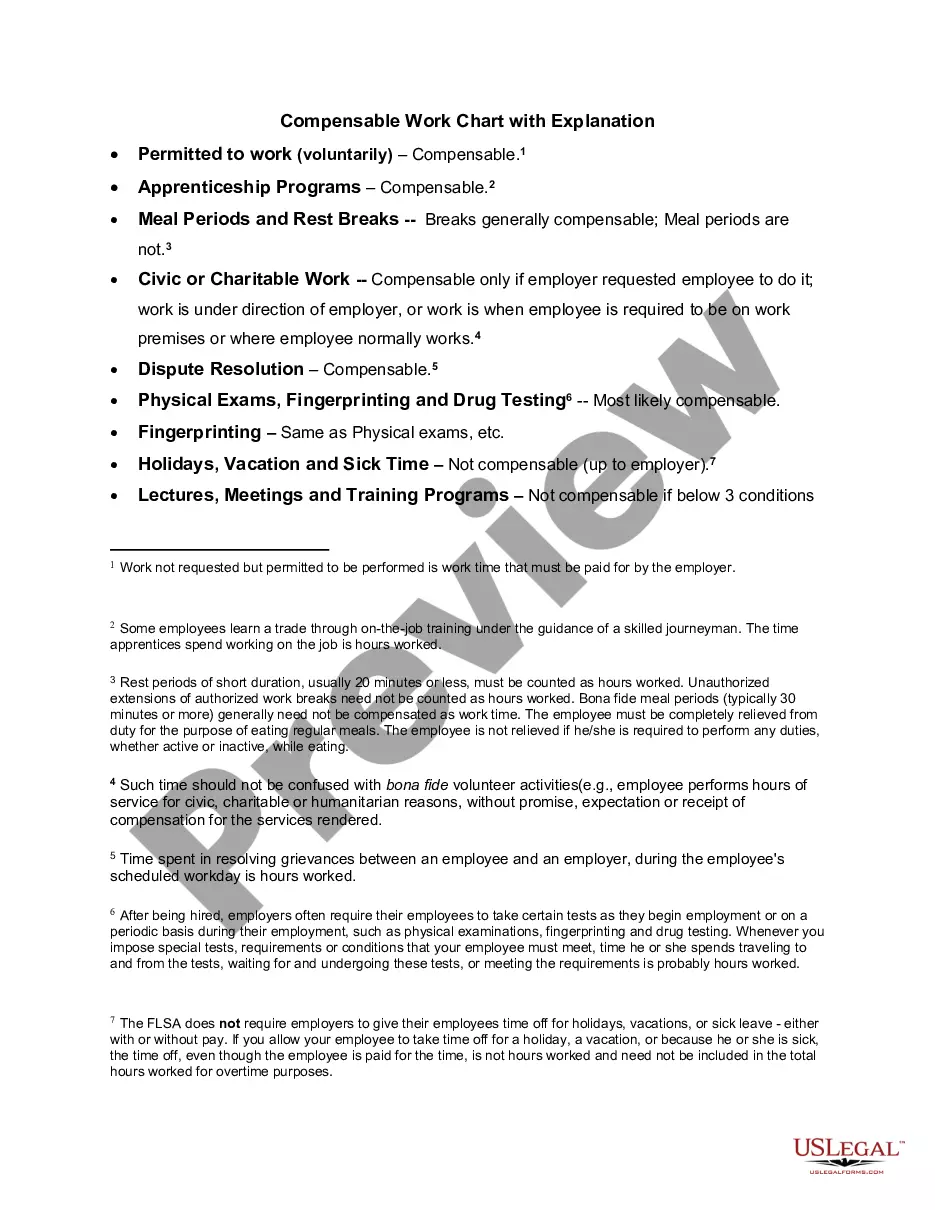
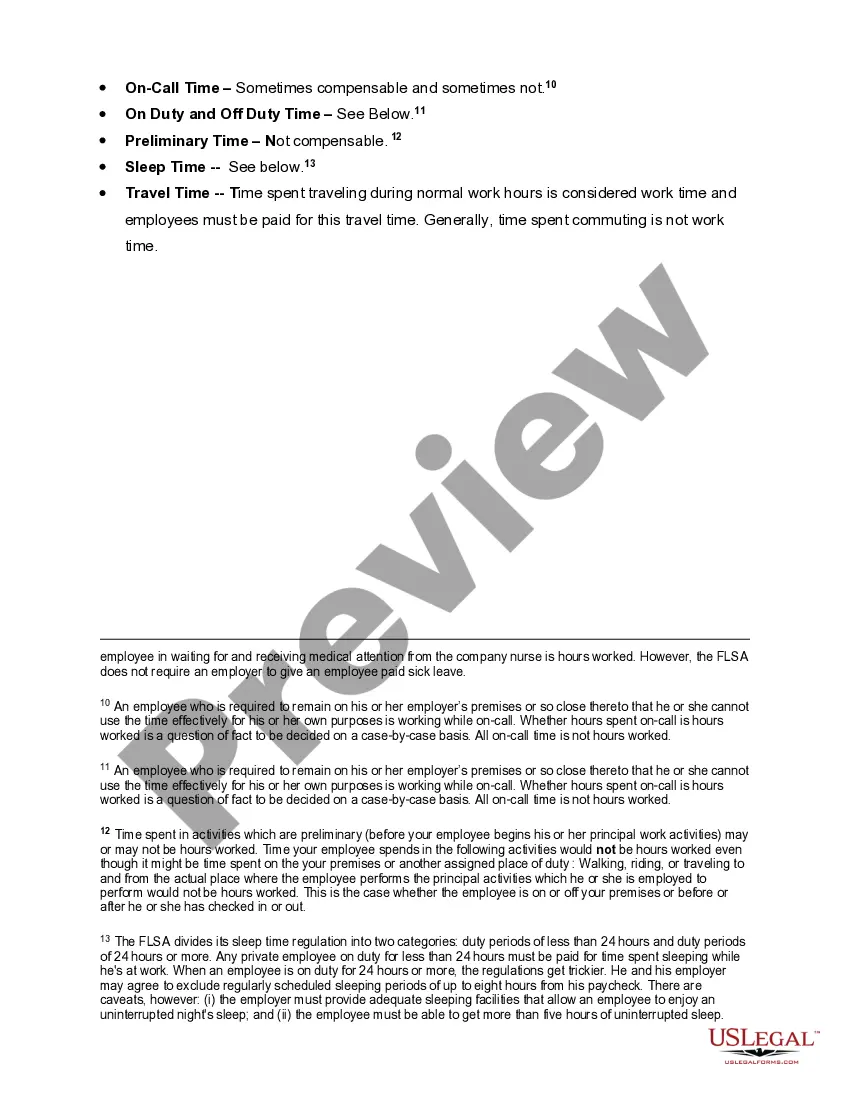
Travel time encompasses any time spent on the road for work purposes, including trips between job sites or attending conferences. Compensable travel time for hourly employees typically includes actual travel hours, but not time spent at home or during regular commuting hours. Employees should keep track of their travel hours to ensure they receive appropriate compensation.
Travel usually involves business-related tasks, such as attending meetings or performing job functions away from the primary work site. Commute, on the other hand, pertains to the daily journey between home and the workplace. Knowing the difference is essential for hourly employees to determine their rights regarding compensable travel time for hourly employees.
Yes, there are legal standards concerning the amount of time required between shifts. Many states mandate a specific duration to prevent employee fatigue and ensure safety. This is particularly important for hourly employees whose schedules may include compensable travel time. Compliance with these regulations helps maintain a productive workforce.
The minimum amount of time allowed between shifts can vary based on state laws and company policies. Generally, many regulations suggest a minimum of 8 hours to ensure adequate rest and recovery for employees. If shifts are not scheduled with sufficient time apart, it might affect compensable travel time for hourly employees. Always check your local laws and company guidelines for specifics.
Travel time generally refers to any time spent traveling for work-related duties, whereas commute time specifically involves the time it takes to travel from home to your workplace. In many cases, only travel time for business purposes is classified as compensable travel time for hourly employees. Understanding these distinctions is essential for ensuring you are compensated fairly for your work-related movements.
While there is no federal mandate for minimum time between shifts, many employers offer certain guidelines to ensure employee well-being. It is crucial to consider your health and safety when discussing schedules, especially in relation to compensable travel time for hourly employees. You should check your employer’s policies or state laws as they may have specific requirements.
As of now, there is no federal law that requires a specific amount of time between shifts. Companies may create their own policies about shift durations and breaks, including how this relates to compensable travel time for hourly employees. Familiarizing yourself with your organization’s rules is key to understanding your rights and responsibilities.
Currently, there is no federal law mandating minimum hours between shifts for employees, including those in roles with compensable travel time for hourly employees. Employers have some discretion over scheduling, but many states or companies may have their own guidelines. It’s essential to review your contract or company policy for any specific rules regarding your shifts.
The number of 8-hour days you can work in a row often depends on your employer’s policies and job type. While there is no specific federal law limiting consecutive workdays, it is essential to consider compensable travel time for hourly employees. Your employer may offer flexibility on work schedules, but always ensure you are compensated fairly for all hours worked, including travel.
