Compensable Factors For Job Evaluation
Description
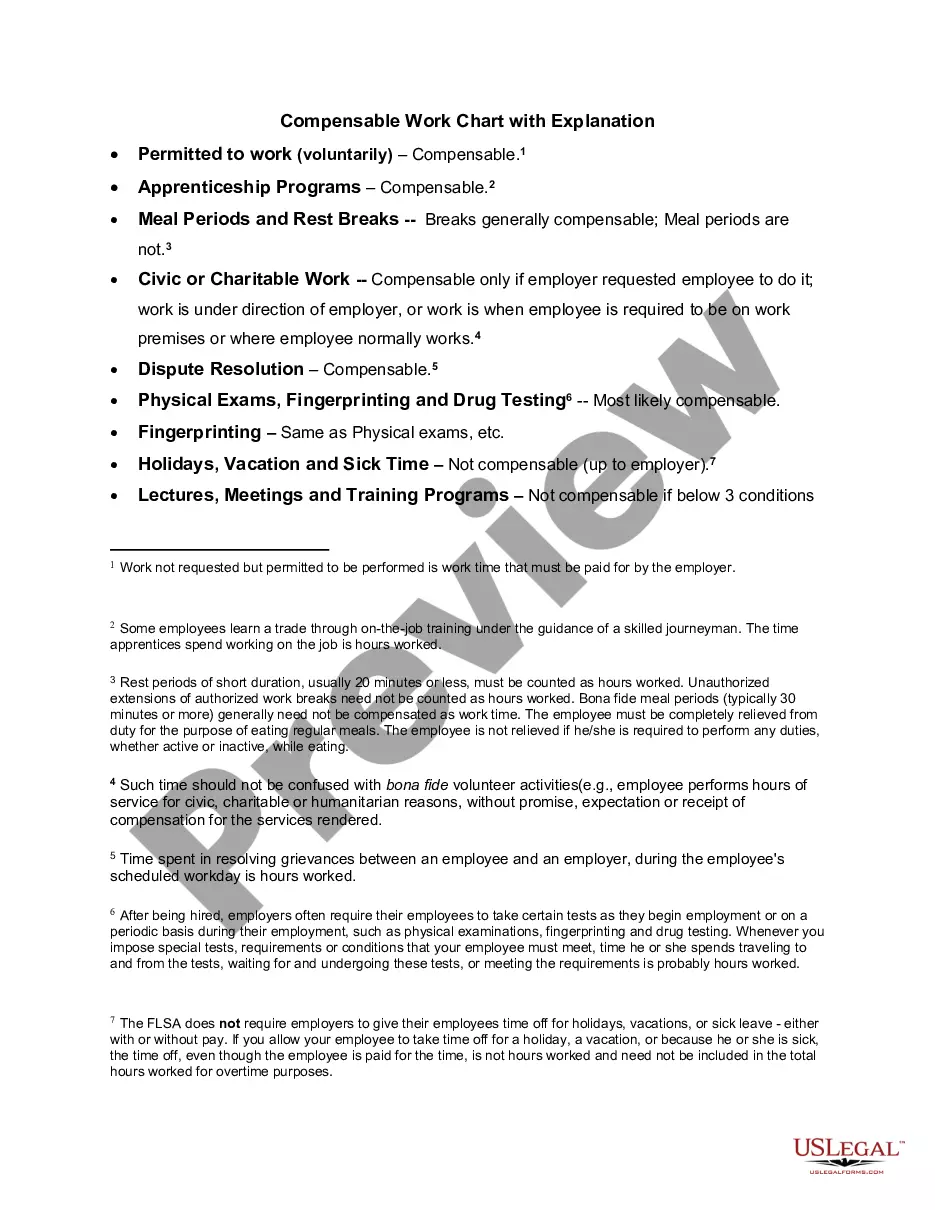
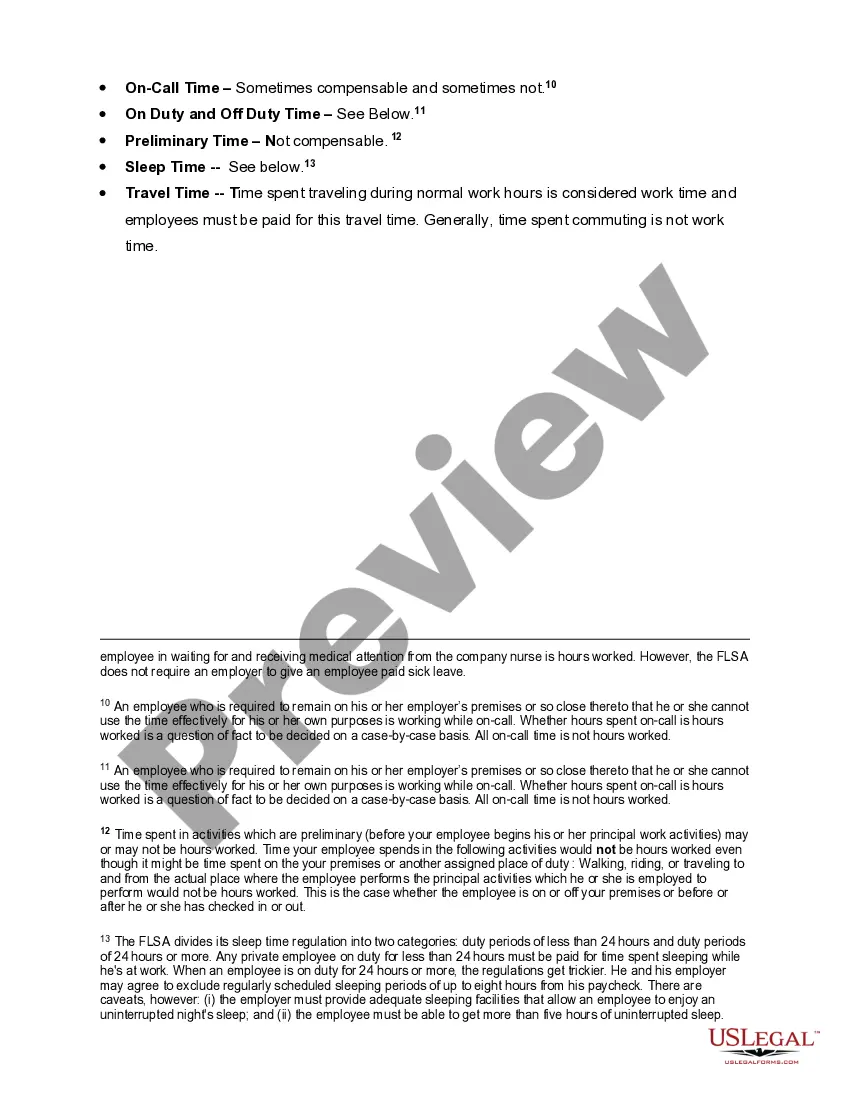
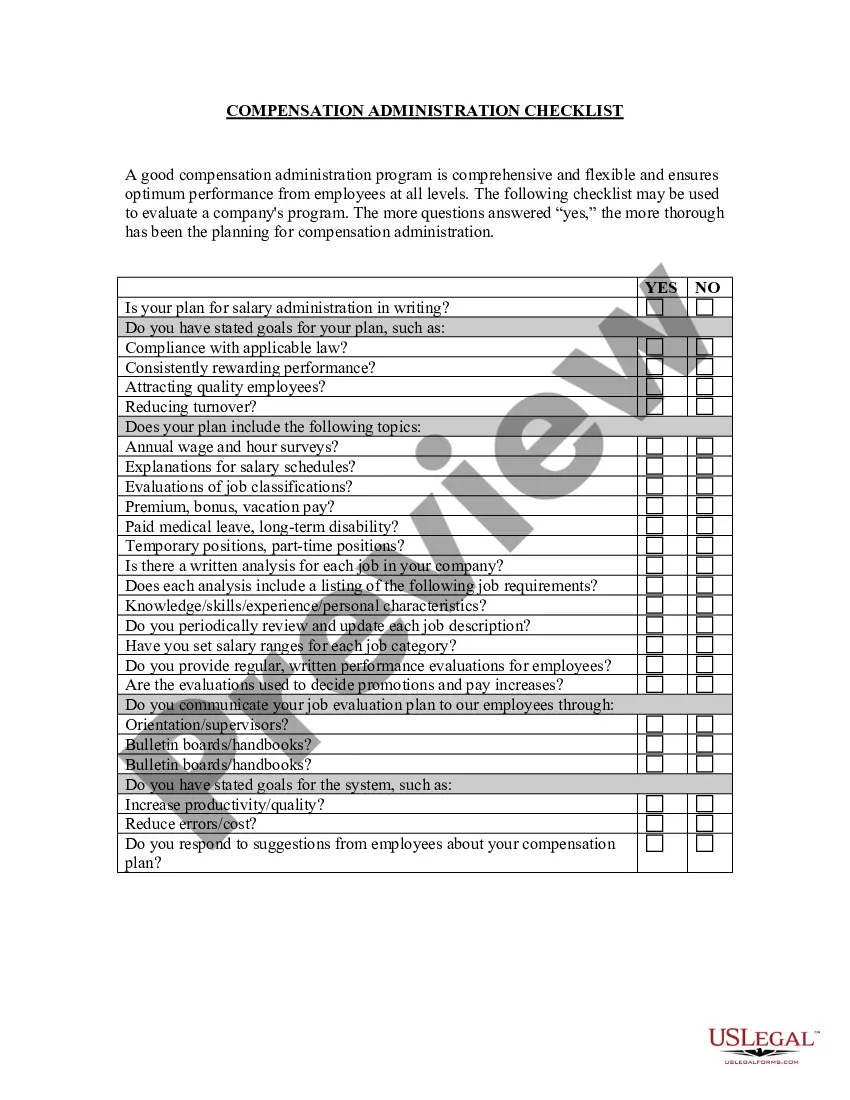
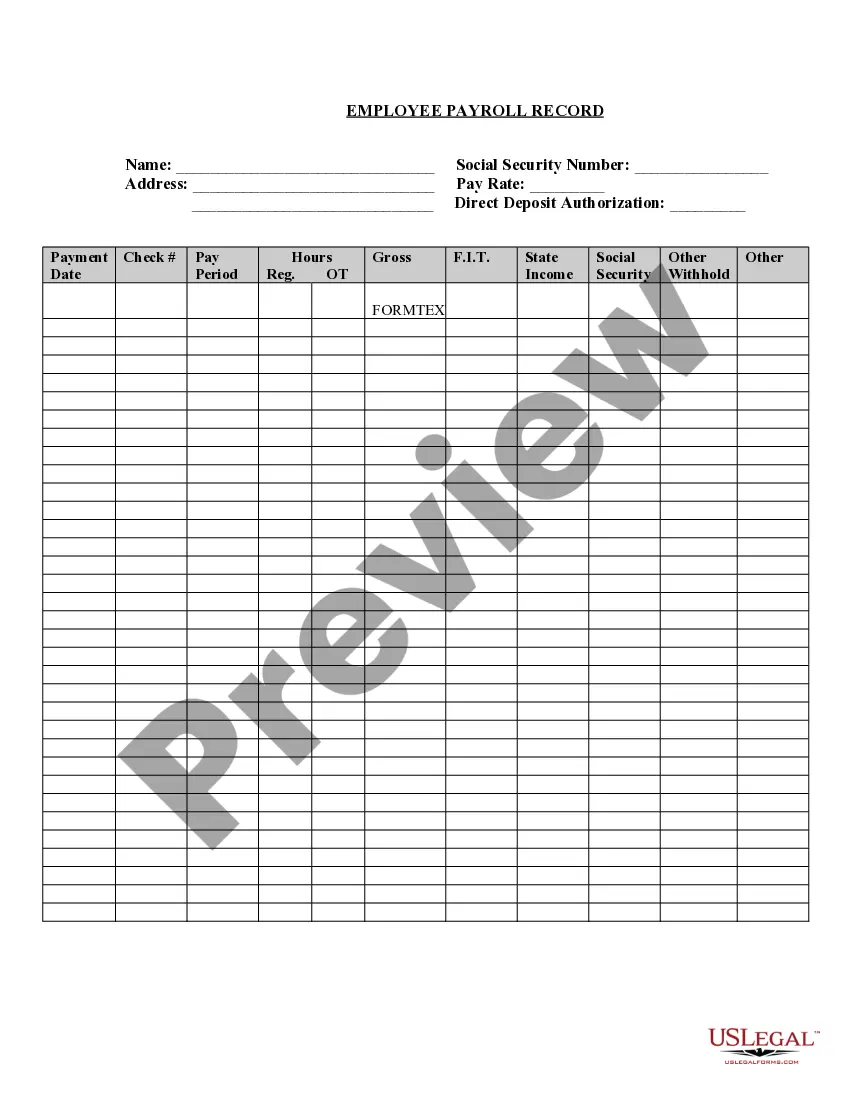
Get your form ready online
Our built-in tools help you complete, sign, share, and store your documents in one place.
Make edits, fill in missing information, and update formatting in US Legal Forms—just like you would in MS Word.
Download a copy, print it, send it by email, or mail it via USPS—whatever works best for your next step.
Sign and collect signatures with our SignNow integration. Send to multiple recipients, set reminders, and more. Go Premium to unlock E-Sign.
If this form requires notarization, complete it online through a secure video call—no need to meet a notary in person or wait for an appointment.
We protect your documents and personal data by following strict security and privacy standards.

Make edits, fill in missing information, and update formatting in US Legal Forms—just like you would in MS Word.

Download a copy, print it, send it by email, or mail it via USPS—whatever works best for your next step.

Sign and collect signatures with our SignNow integration. Send to multiple recipients, set reminders, and more. Go Premium to unlock E-Sign.

If this form requires notarization, complete it online through a secure video call—no need to meet a notary in person or wait for an appointment.

We protect your documents and personal data by following strict security and privacy standards.
Looking for another form?








How to fill out Compensable Work Chart With Explanation?
Legal administration can be overwhelming, even for the most seasoned professionals.
When you seek Compensable Factors For Job Evaluation and lack the opportunity to search for the suitable and current version, the tasks may be challenging.
US Legal Forms addresses any needs you may have, from personal to business paperwork, all in one location.
Utilize sophisticated tools to complete and manage your Compensable Factors For Job Evaluation.
Here are the steps to take after downloading the document you require: Validate that it is the correct document by previewing it and reading its description.
- Access a resource collection of articles, guides, and handbooks relevant to your situation and requirements.
- Save time and effort searching for the documents you need, while using US Legal Forms' advanced search and Review feature to find Compensable Factors For Job Evaluation and obtain it.
- If you possess a monthly subscription, Log In to your US Legal Forms account, search for the document, and download it.
- Examine your My documents tab to review the documents you previously downloaded and manage your folders as needed.
- If it's your first experience with US Legal Forms, create a free account and gain unlimited access to all the platform's advantages.
- A robust web form library could transform the experience for those aiming to manage these issues effectively.
- US Legal Forms stands as a frontrunner in online legal documents, boasting over 85,000 state-specific legal templates accessible to you at all times.
- With US Legal Forms, you have the ability to access state- or county-specific legal and business documents.
Form popularity
FAQ
The factor comparison system is a structured approach to job evaluation that ranks jobs based on compensable factors. In this system, jobs are rated against several key factors to determine their relative importance. This method provides a clear framework for assessing job value and ensuring equitable compensation. By applying compensable factors for job evaluation, businesses can foster a more motivated workforce.
Common major compensable factors include skill, effort, responsibility, and working conditions. These factors help organizations determine the value of a job relative to others. By understanding these factors, companies can create fair compensation structures. Remember, compensable factors for job evaluation are essential for establishing equity in the workplace.
To use the point method effectively, identify all relevant compensable factors for job evaluation, then assign point values according to predefined criteria. Tally the points for each job, ensuring a consistent process. This method enables equitable comparisons across various job roles.
To conduct a point factor job evaluation, begin by identifying the compensable factors relevant to each job role. Next, assign point values to each factor based on its significance and impact on job value. Calculate the total points for each job to facilitate objective comparisons.
An example of the point factor method in job evaluation could involve evaluating jobs based on criteria such as education requirements, technical skills, and responsibilities. Each criterion receives a point value, which contributes to the overall score of the job. This structured approach enhances clarity in job evaluations.
The five compensable factors typically recognized in a factor comparison system include skill, effort, responsibility, working conditions, and job complexity. Each of these factors is evaluated to establish a job's relative value. This systematic approach aids in achieving equity in compensation.
Assigning points in job evaluation involves evaluating each compensable factor based on its significance to the job. Each factor is given a specific numerical value that reflects its importance, allowing for a total score to be calculated. This quantification facilitates objective comparison across different roles.
The four common job evaluation methods include the point method, factor comparison method, job ranking method, and job classification method. Each method analyzes compensable factors for job evaluation differently, helping organizations develop fair compensation structures. Selecting the right method depends on the specific needs of the organization.
Filling out a job evaluation requires you to assess each job’s compensable factors for job evaluation. You start by identifying the relevant factors and then assigning appropriate scores based on established criteria. This structured approach results in a comprehensive assessment of the job.
Scaling compensable factors involves assigning a range of values to each factor based on its importance. Organizations can establish clear guidelines for how each factor contributes to overall job value. Using a systematic approach ensures consistency in evaluating jobs.