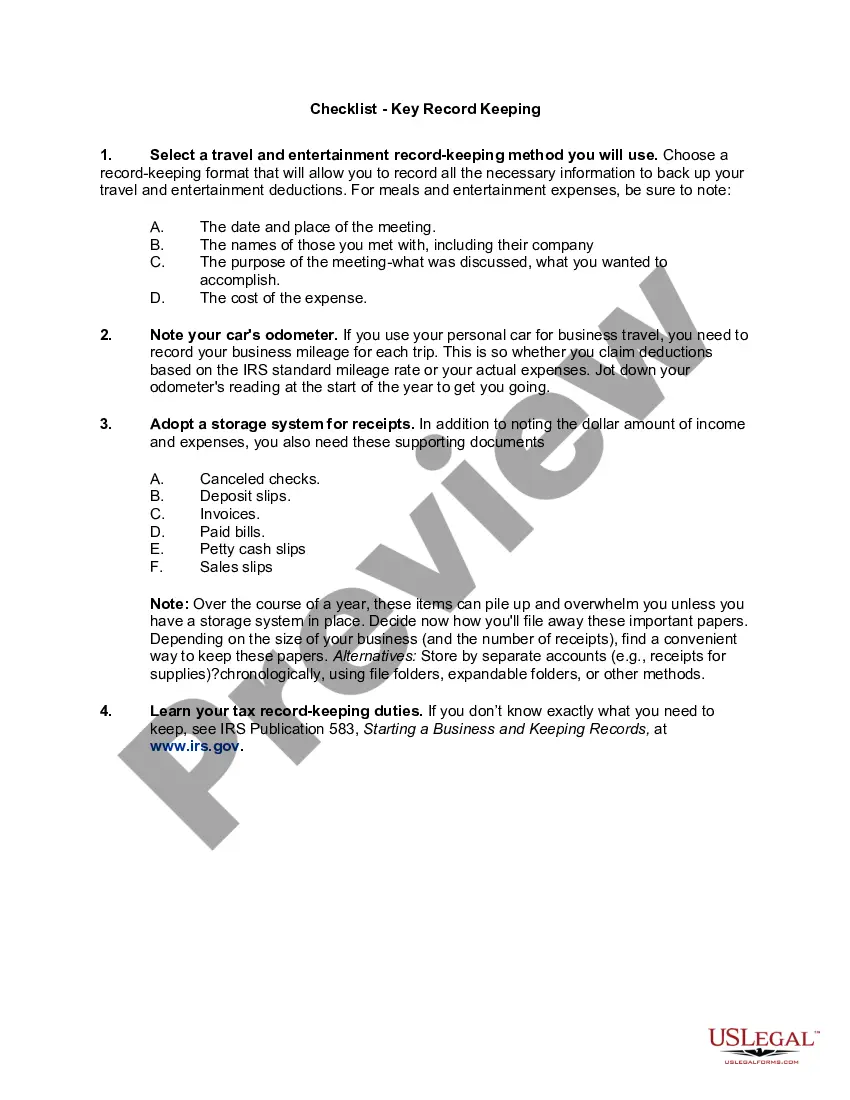
Keeping Records
Description
Get your form ready online
Our built-in tools help you complete, sign, share, and store your documents in one place.
Make edits, fill in missing information, and update formatting in US Legal Forms—just like you would in MS Word.
Download a copy, print it, send it by email, or mail it via USPS—whatever works best for your next step.
Sign and collect signatures with our SignNow integration. Send to multiple recipients, set reminders, and more. Go Premium to unlock E-Sign.
If this form requires notarization, complete it online through a secure video call—no need to meet a notary in person or wait for an appointment.
We protect your documents and personal data by following strict security and privacy standards.

Make edits, fill in missing information, and update formatting in US Legal Forms—just like you would in MS Word.

Download a copy, print it, send it by email, or mail it via USPS—whatever works best for your next step.

Sign and collect signatures with our SignNow integration. Send to multiple recipients, set reminders, and more. Go Premium to unlock E-Sign.

If this form requires notarization, complete it online through a secure video call—no need to meet a notary in person or wait for an appointment.

We protect your documents and personal data by following strict security and privacy standards.
Looking for another form?
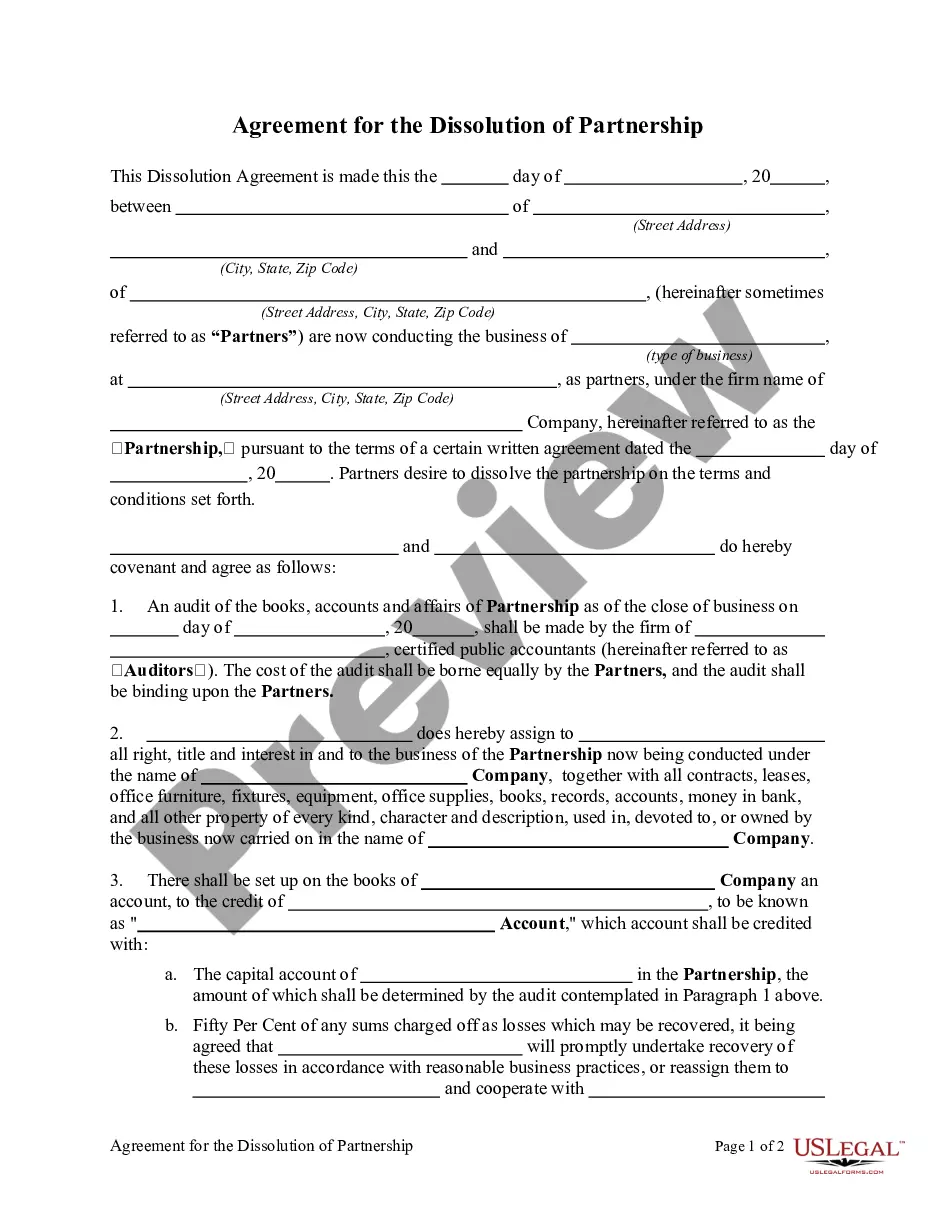

How to fill out Checklist - Key Record Keeping?
- If you're a returning user, log in to your account, ensuring your subscription is active, and download the required form by clicking the Download button.
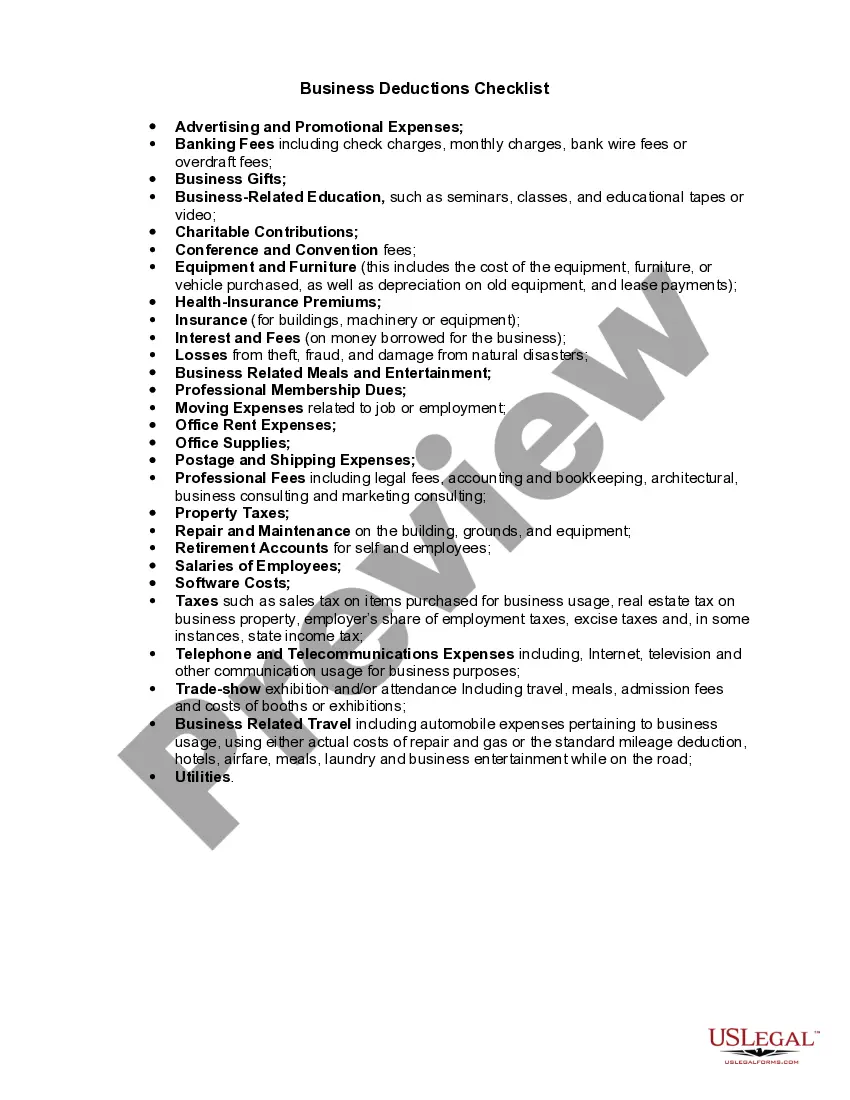
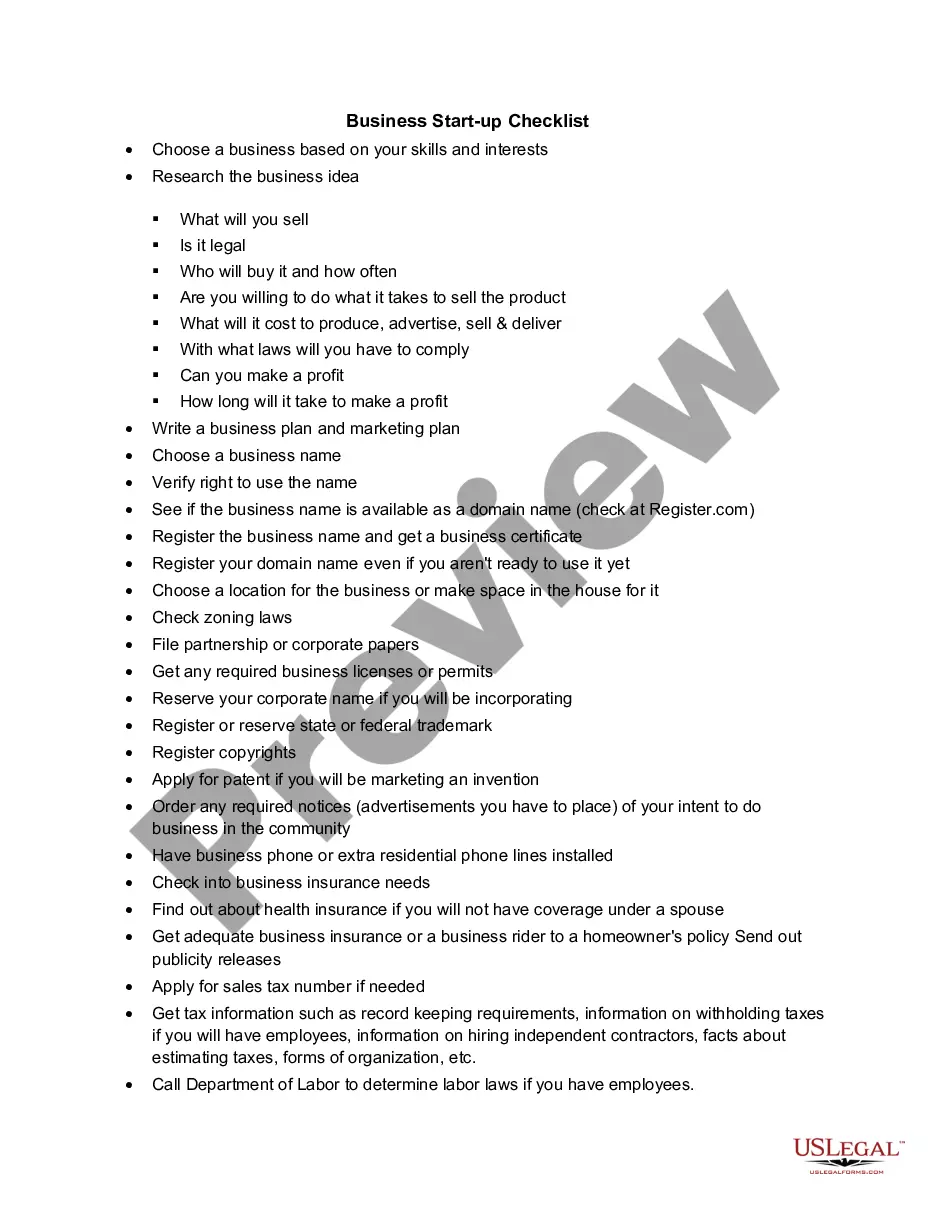
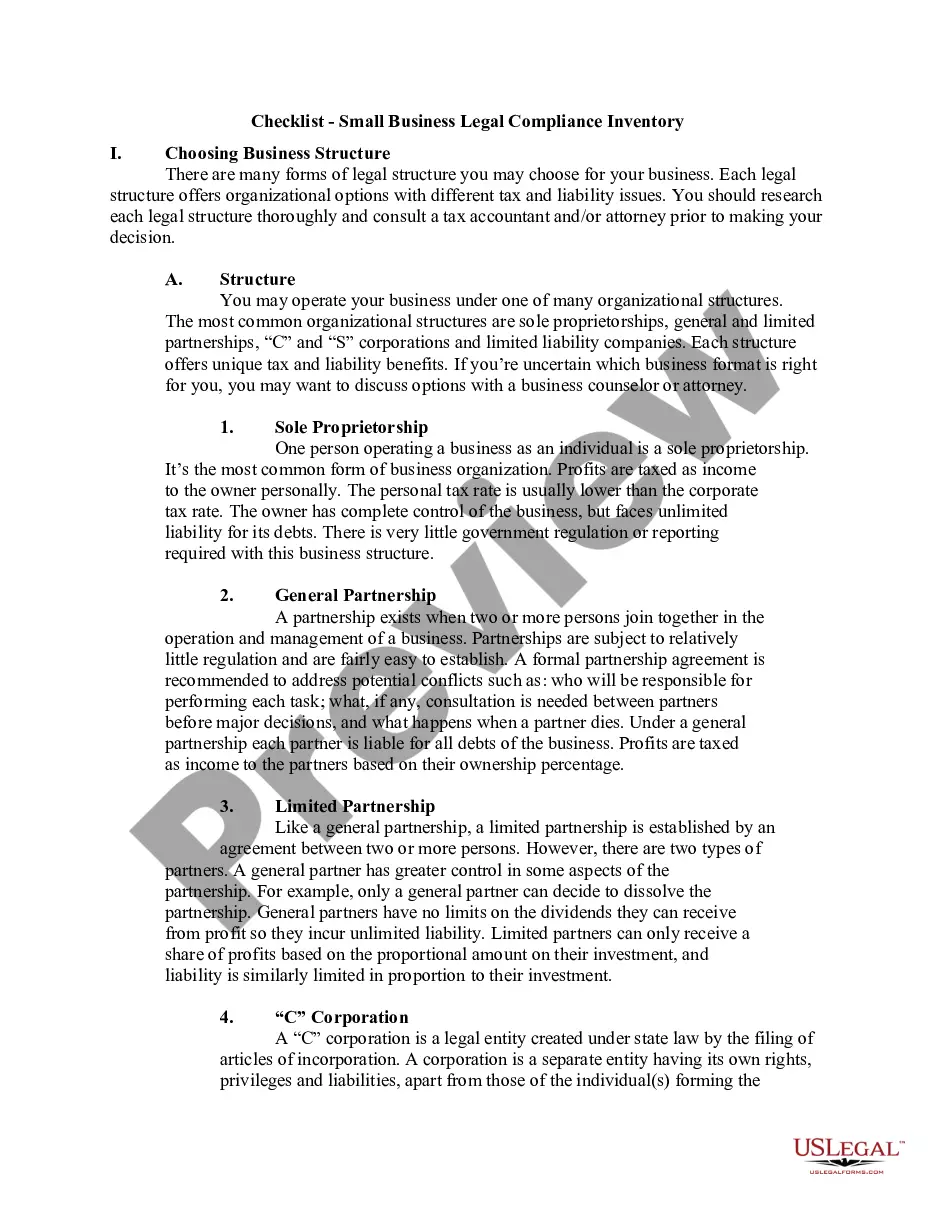
- For first-time users, start by checking the Preview mode and description of your desired form. Confirm that it aligns with your local jurisdiction requirements.
- If the form does not meet your needs, utilize the Search feature to find a more appropriate template.
- Once you've selected the correct document, click on the Buy Now button and select your preferred subscription plan. You will need to create an account for full access.
- Finalize your purchase by entering your payment details—either credit card information or through PayPal options.
- After payment, download the form to your device and access it later from the My Forms section of your account.
By following these straightforward steps, you will efficiently manage and maintain your legal documents.
Take advantage of the resources available with US Legal Forms today and ensure your record-keeping is effective and compliant.
Form popularity
FAQ
Essential records to keep for seven years include contract agreements, employee records, and any correspondence related to financial transactions. This duration helps protect your business in the event of audits or disputes. By maintaining organized records for this period, you enhance your business's credibility and operational efficiency. Properly managing these documents can significantly reduce your risks.
You should retain documentation such as receipts, invoices, and bank statements for seven years. These documents are vital for verifying transactions and supporting your financial records during audits. Keeping records organized and accessible aids in the smooth operation of your business. Utilizing US Legal Forms can streamline your data storage and management process.
Businesses should maintain records such as tax returns, financial statements, and payroll documents for a minimum of seven years. Keeping these records assists in compliance with government regulations and provides valuable data during audits. Additionally, this practice supports effective financial analysis and decision-making. Ensuring proper storage of these documents can simplify your recordkeeping process.
Certain records must be kept permanently, such as articles of incorporation, bylaws, and records pertaining to essential business decisions. Keeping records like tax returns and significant contracts is crucial as they can impact future legal matters. This ensures that your organization operates transparently and adheres to regulations. Utilizing platforms like US Legal Forms can help you manage and store these vital documents securely.
A 7 year retention policy refers to the practice of keeping important business records for seven years. This approach helps ensure compliance with tax regulations and legal requirements. It provides sufficient time for any potential audits while allowing businesses to manage their documentation efficiently. By keeping records for this duration, you protect your organization against any unforeseen inquiries and maintain clarity in your financial history.
Examples of record keeping include maintaining invoices, receipts, contracts, and payroll records. Additionally, personal documents such as medical records or insurance policies are essential components of good record keeping. These examples highlight the various types of information that require systematic organization. By using US Legal Forms, you can access templates that help you maintain these vital records efficiently.
Keeping records is important because it ensures you have a reliable history of your transactions and activities. It safeguards you against disputes, enables better decision-making, and complies with legal requirements. Furthermore, organized records facilitate easier access to information when needed. Investing effort in keeping records pays off in both personal and professional contexts.
By record keeping, we mean the organized effort to track, categorize, and maintain essential information and documents over time. This practice is crucial for both individuals and businesses to demonstrate transparency and accountability. Keeping records effectively leads to better decision-making and overall efficiency. US Legal Forms offers resources to help streamline your record keeping process.
The meaning of record keeping refers to the act of documenting and storing important information and files systematically. It ensures that all necessary data is preserved for future reference and compliance. Maintaining good record keeping practices allows you to access vital information efficiently. A structured approach can significantly enhance your management processes.
Typically, financial records, tax returns, and supporting documents should be kept for a minimum of seven years. This retention period helps you comply with legal obligations and provides evidence in case of audits. Keeping records accurately during this time frame can protect you from potential disputes or penalties. US Legal Forms can assist in ensuring you have the right templates for these records.