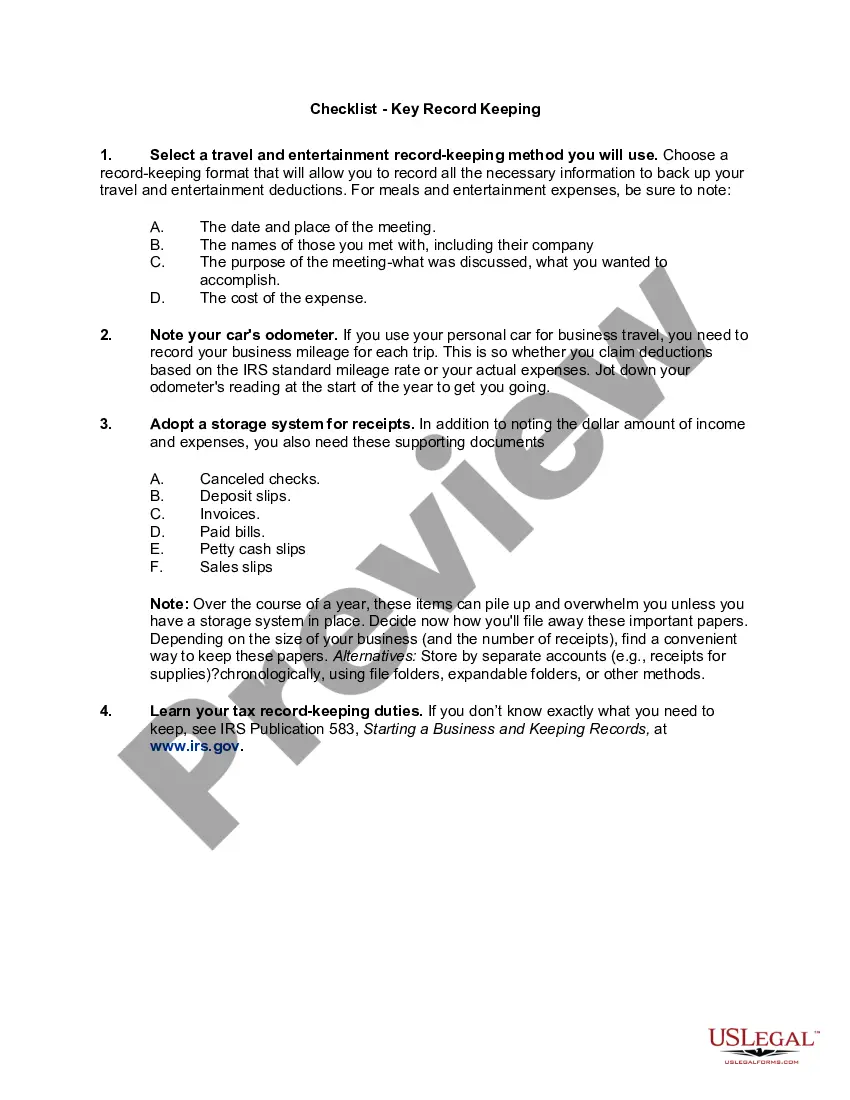
Keep Record
Description
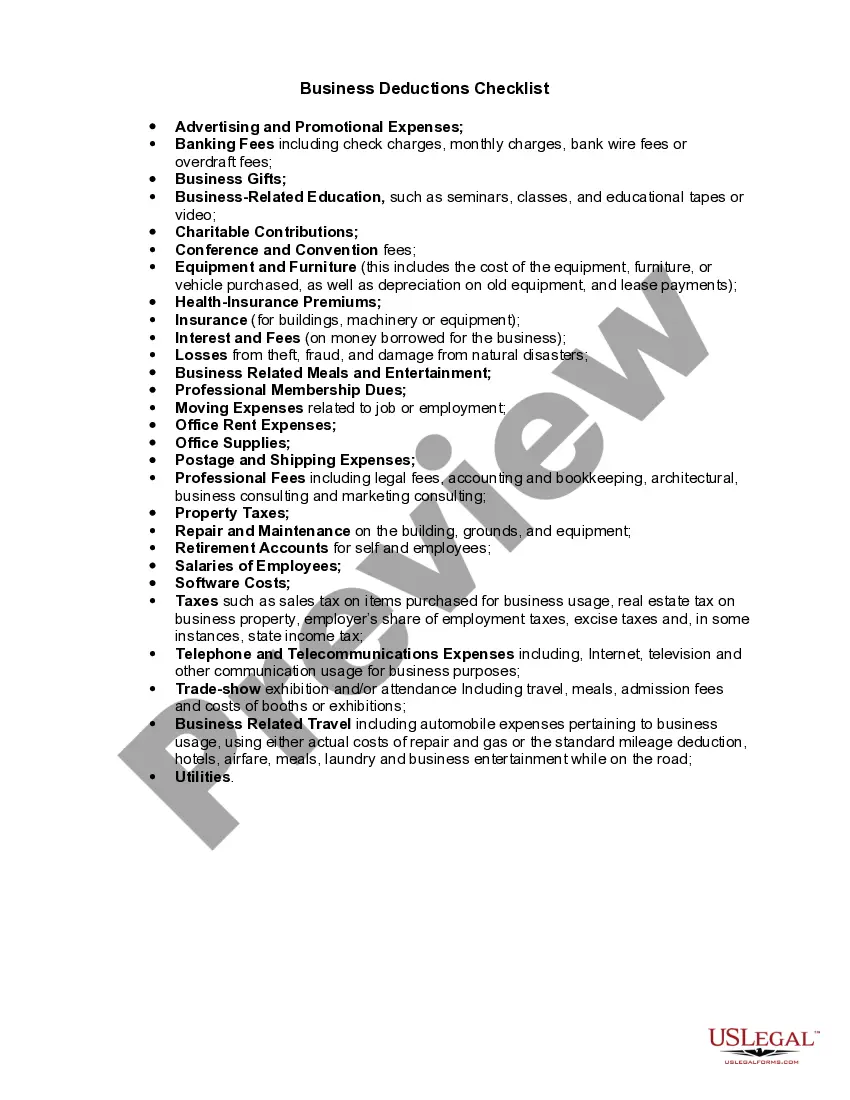
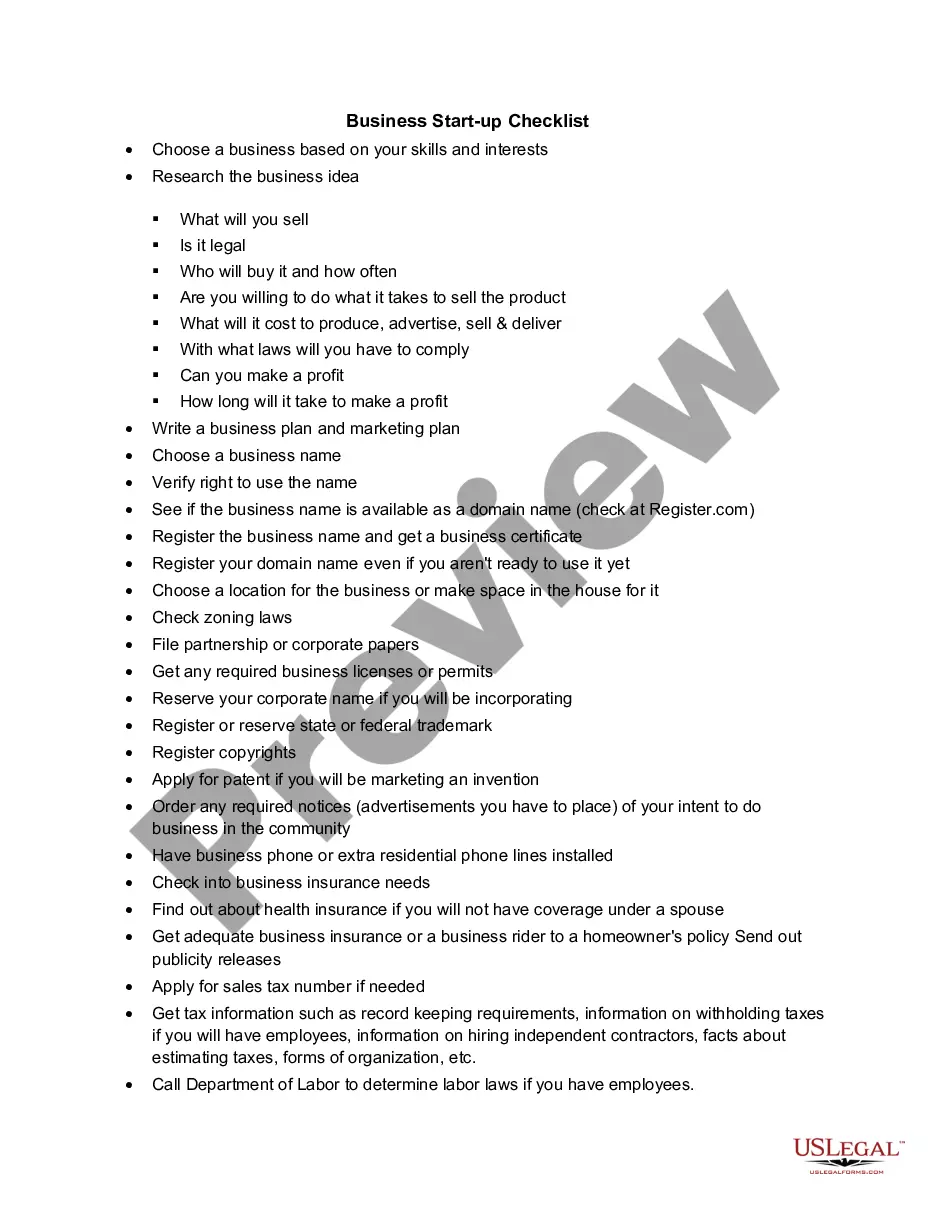
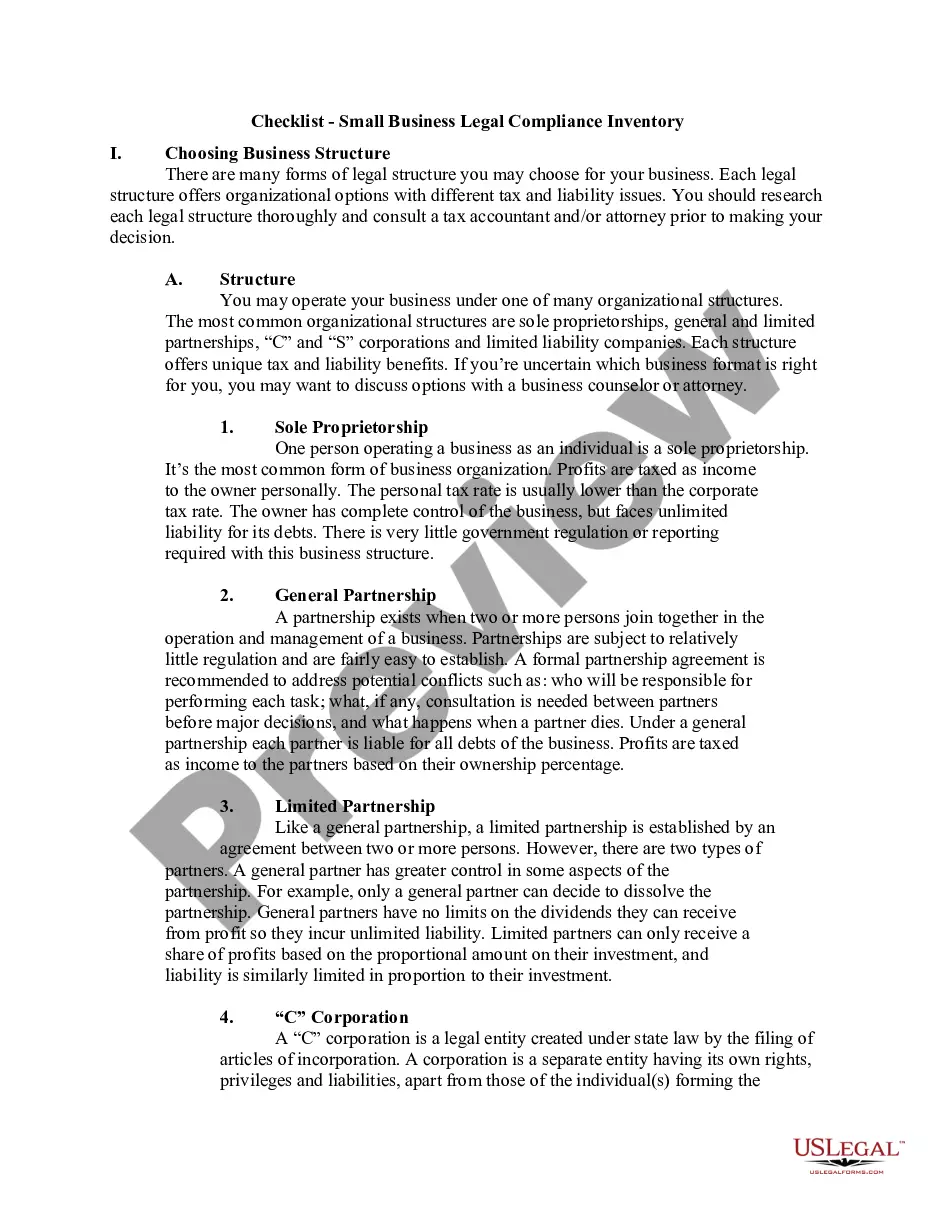
Get your form ready online
Our built-in tools help you complete, sign, share, and store your documents in one place.
Make edits, fill in missing information, and update formatting in US Legal Forms—just like you would in MS Word.
Download a copy, print it, send it by email, or mail it via USPS—whatever works best for your next step.
Sign and collect signatures with our SignNow integration. Send to multiple recipients, set reminders, and more. Go Premium to unlock E-Sign.
If this form requires notarization, complete it online through a secure video call—no need to meet a notary in person or wait for an appointment.
We protect your documents and personal data by following strict security and privacy standards.

Make edits, fill in missing information, and update formatting in US Legal Forms—just like you would in MS Word.

Download a copy, print it, send it by email, or mail it via USPS—whatever works best for your next step.

Sign and collect signatures with our SignNow integration. Send to multiple recipients, set reminders, and more. Go Premium to unlock E-Sign.

If this form requires notarization, complete it online through a secure video call—no need to meet a notary in person or wait for an appointment.

We protect your documents and personal data by following strict security and privacy standards.
Looking for another form?
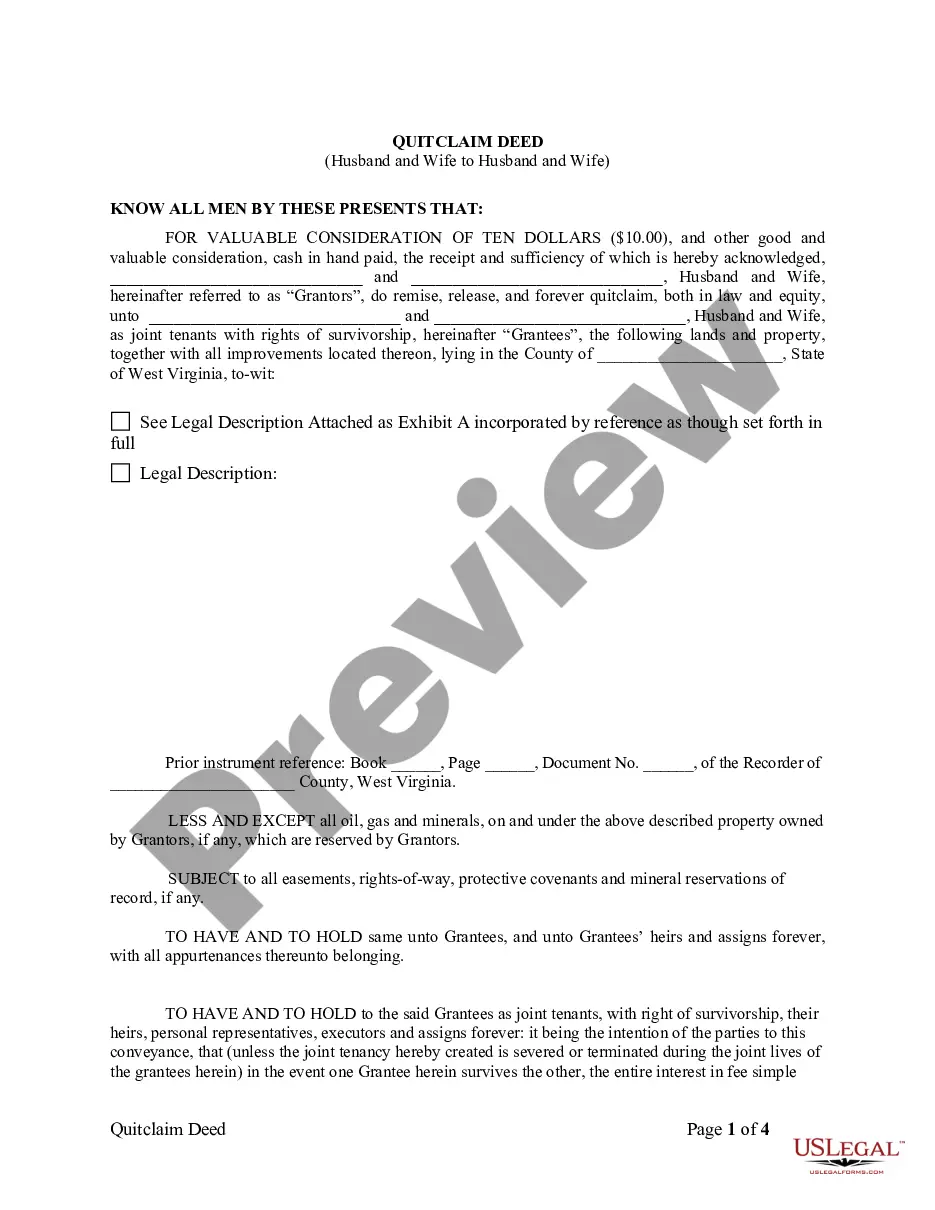
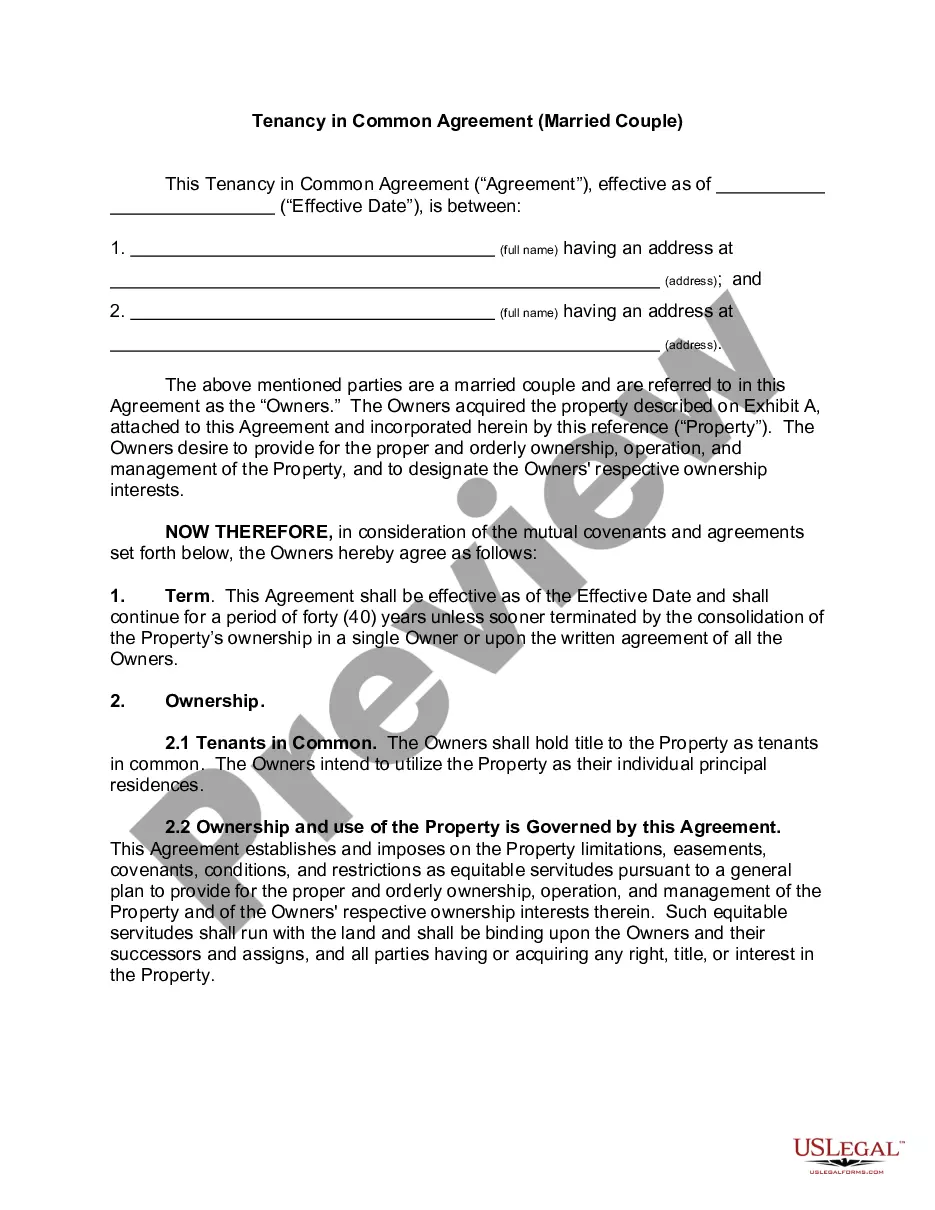
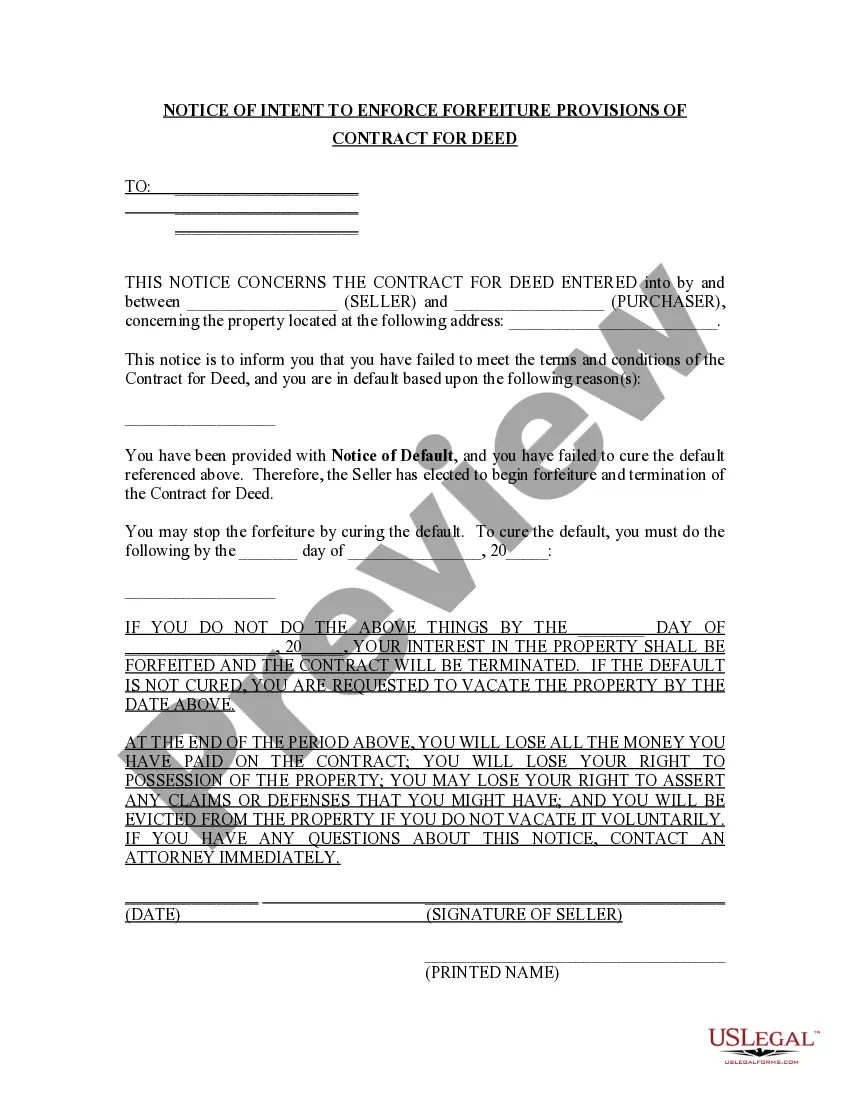
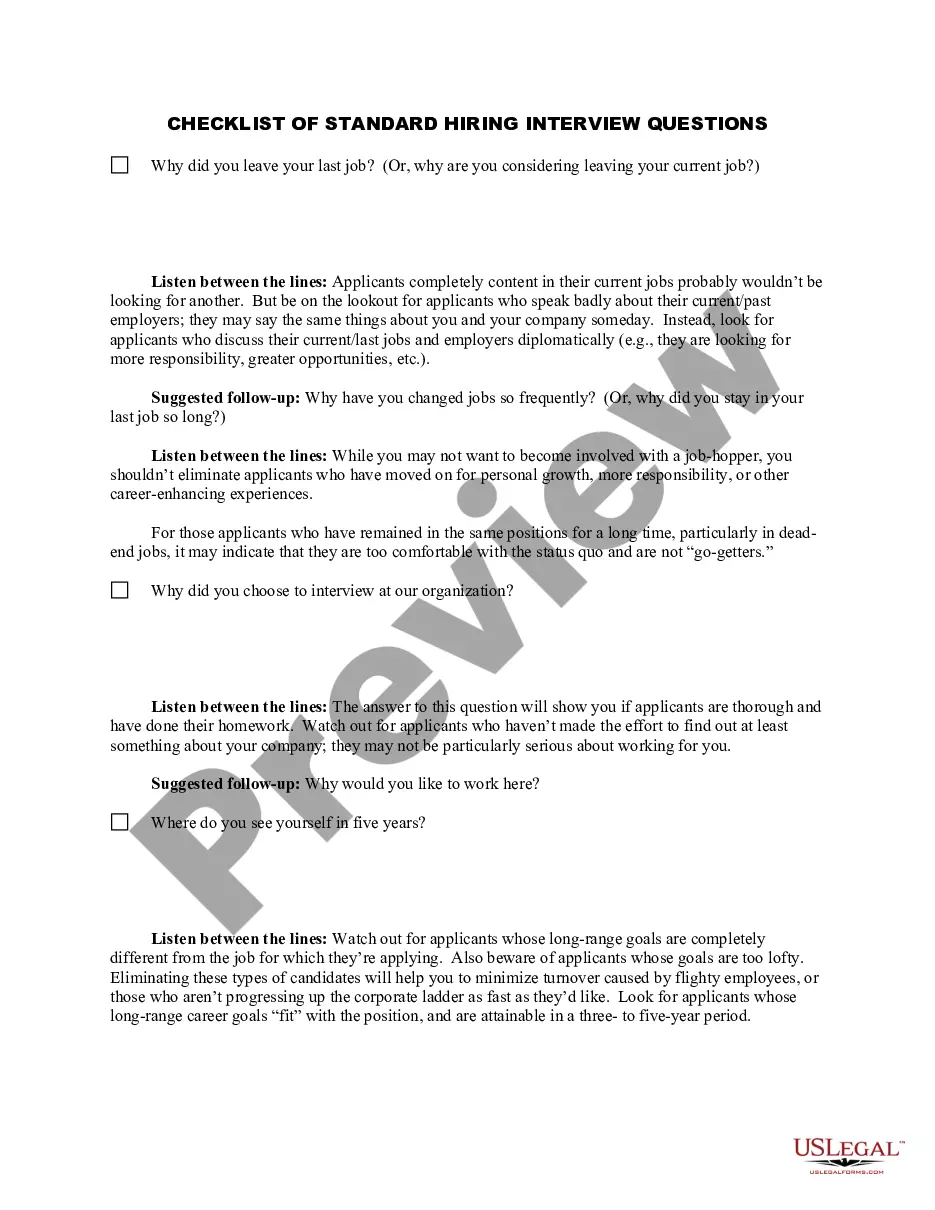
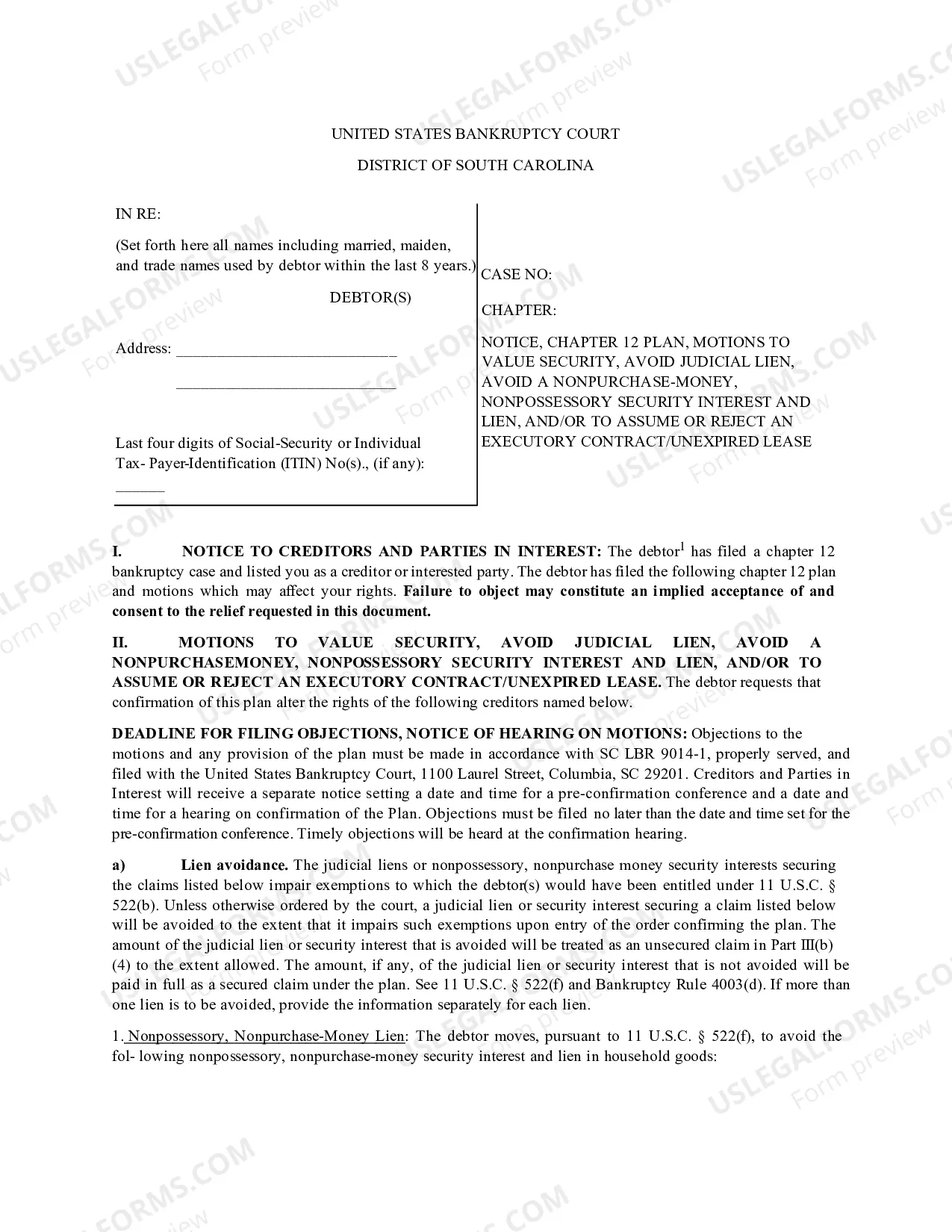
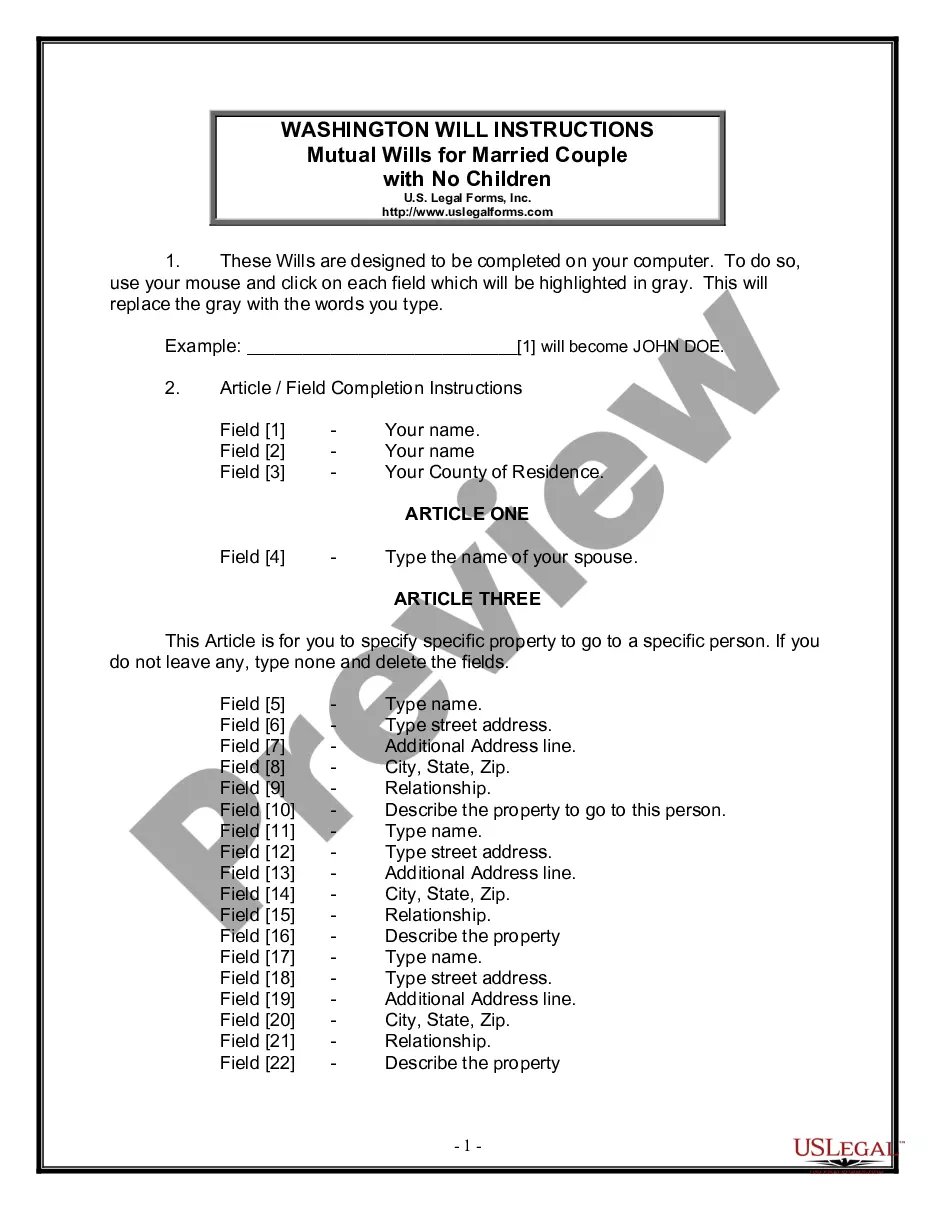
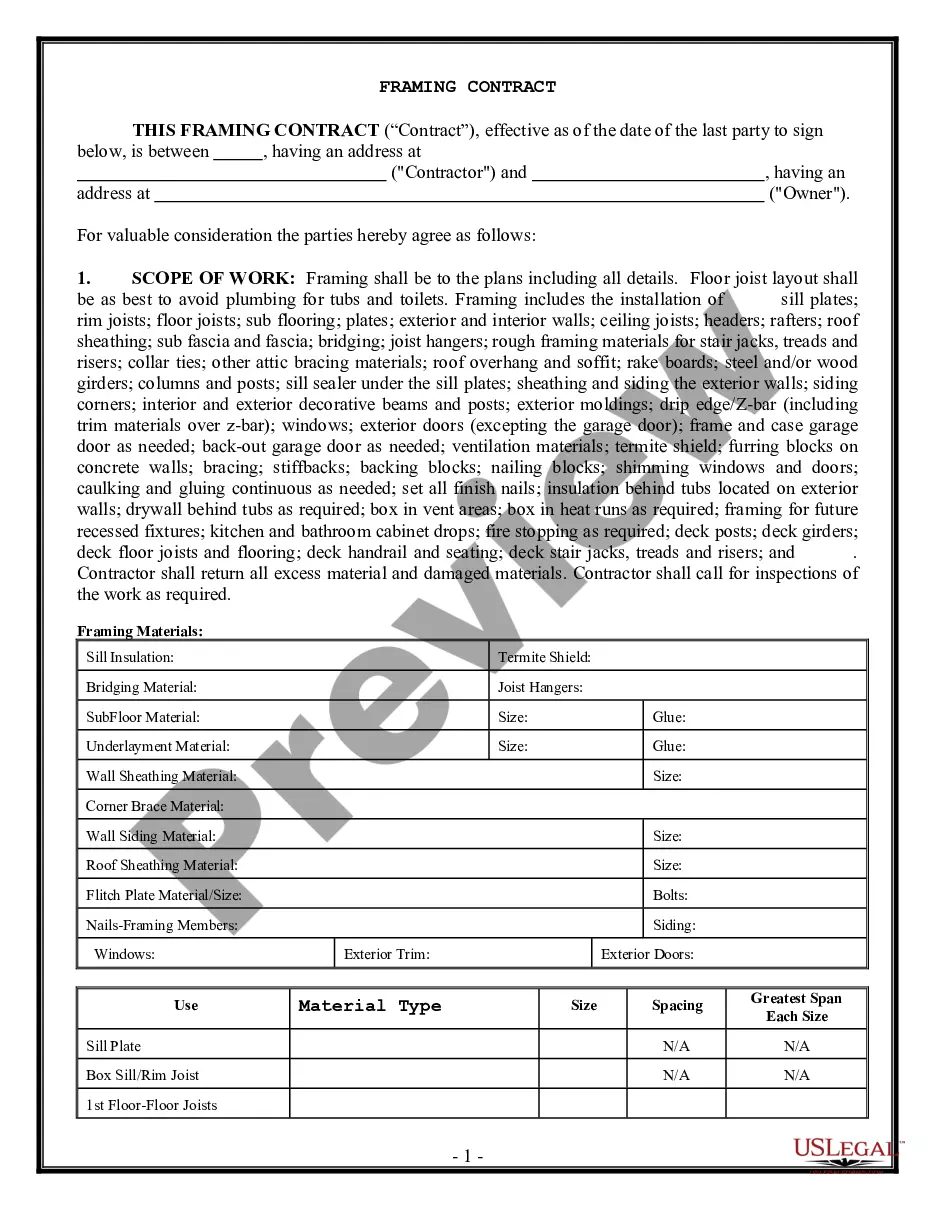
How to fill out Checklist - Key Record Keeping?
- If you're a returning user, log into your account. Verify your subscription status and ensure it is current to proceed.
- For first-time users, start by browsing the extensive library. Use the Preview mode and read the form descriptions to select the appropriate document.
- In case the form doesn’t meet your needs, use the Search tab at the top to find an alternative that aligns with your jurisdiction.
- Once you have the correct form, click the Buy Now button. Choose a subscription plan that best suits your requirements and create an account for complete access.
- Complete your purchase by entering your payment details, either through credit card or PayPal.
- After payment, download the form and save it on your device. You can easily access it anytime from the My Forms section in your profile.
In conclusion, utilizing US Legal Forms allows you to keep record of your legal documents easily and efficiently. With a vast selection of templates and access to expert assistance, you can ensure that your forms are accurate and legally compliant.
Don't miss out on simplifying your legal document management—start using US Legal Forms today!
Form popularity
FAQ
An example of a personal record could be your educational transcripts, which document your achievements and qualifications throughout your academic career. Keeping record of this information can be very useful for future employment opportunities or further education. Therefore, organizing your personal records can significantly benefit your personal growth and opportunities.
Record keeping consists of creating, organizing, storing, and maintaining documents that are critical to your personal and professional life. This includes records like invoices, medical histories, and communication logs. By establishing a strong record-keeping system, you can ensure you always keep record of what matters most.
To maintain proper record-keeping, start by categorizing your documents into clear sections, such as financial, medical, or personal records. Use digital tools or physical files to organize these records effectively. Regularly review and update your files to ensure you keep record of the most pertinent information for both personal use and compliance.
An excellent example of record-keeping can be the systematic storage of tax documents each year. By keeping record of your income statements, receipts, and deductions, you can prepare for tax season with ease. This not only makes filing simpler, but it also enables you to ensure compliance with tax regulations.
Your personal record typically includes all crucial documents that represent your life, such as identification, medical records, and financial statements. Keeping this information organized helps you manage your affairs and can simplify processes when you need to present these records. By following an organized method, you can ensure that you can easily access your personal record when needed.
One common example of a personal record is your health history, which tracks medical treatments, vaccinations, and allergies. This record can be crucial for healthcare providers to serve you effectively. It's important to keep record of these personal details for future reference, especially in emergencies.
A personnel record documents an employee's history and performance within a company. It typically includes information such as employment applications, performance evaluations, disciplinary actions, and payroll data. Keeping a detailed personnel record is essential for both employee development and regulatory compliance.
To illustrate the types of records, you can think about invoices, receipts, contracts, medical records, and correspondence. These documents serve various purposes, allowing individuals and businesses to keep record of transactions, agreements, and important communications. By understanding these examples, you can appreciate the importance of organized record-keeping in your personal and professional life.
Under most circumstances, the IRS cannot go back more than 10 years to collect unpaid taxes. However, if you have not filed a tax return, they can pursue refunds or claims much further back. Keeping record of your tax-related documents can help clarify your situation and protect you against potential actions from the IRS.
You must keep record of documents related to any taxes involving fraud or a significant underreporting of income for seven years. This encompasses a variety of paperwork, including bank statements, receipts, and records of any correspondence with tax authorities. Careful organization of these vital documents can help safeguard your interests.