Term Sheet For Startups
Description
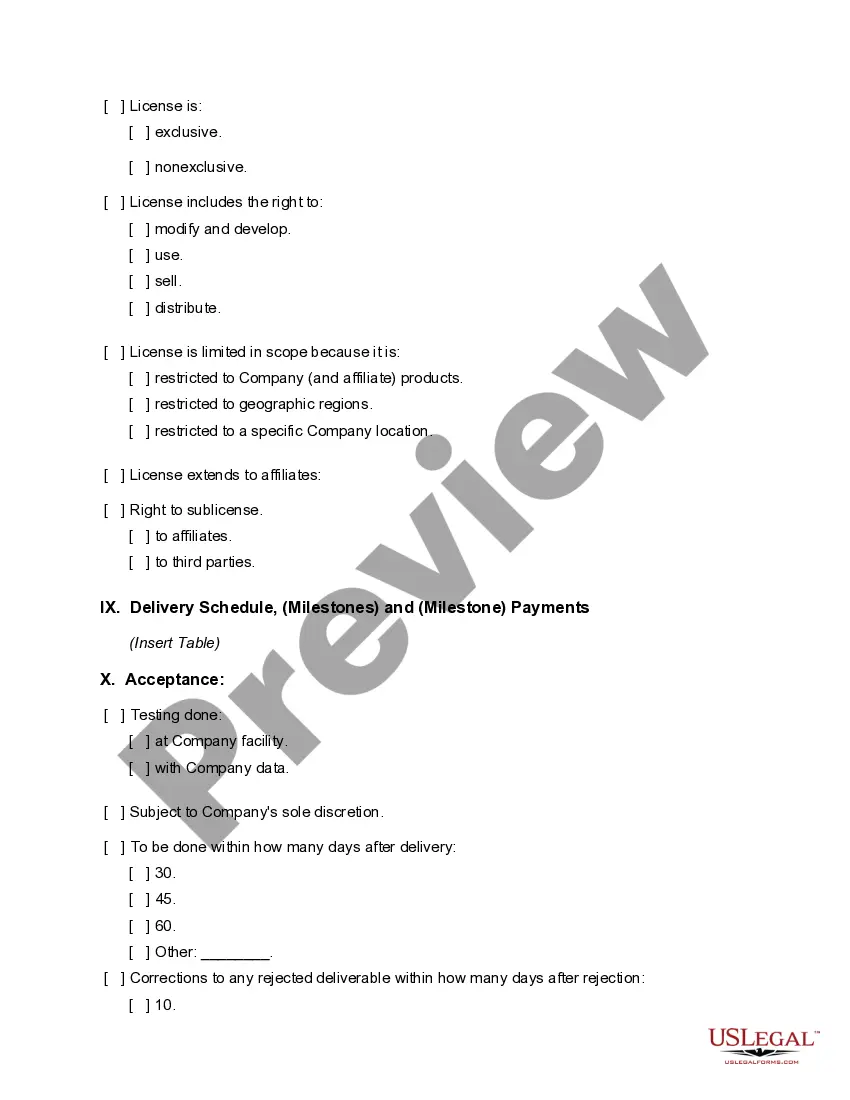
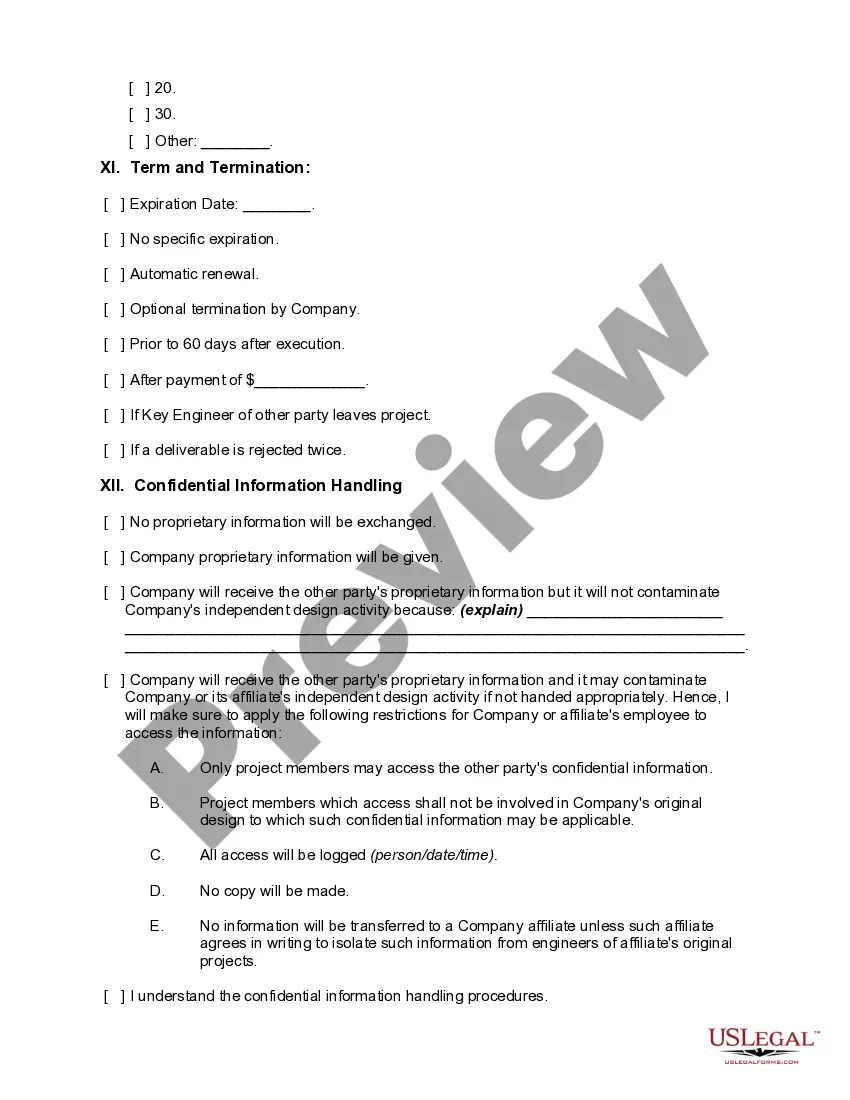
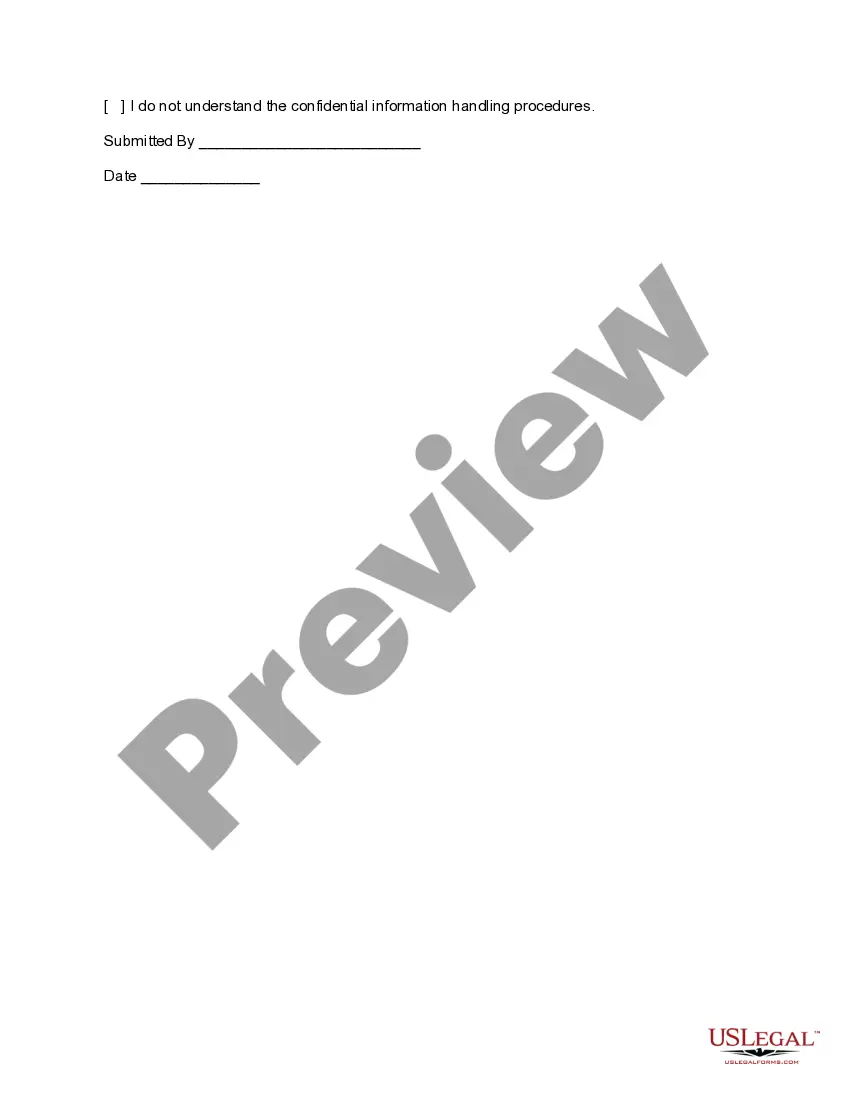
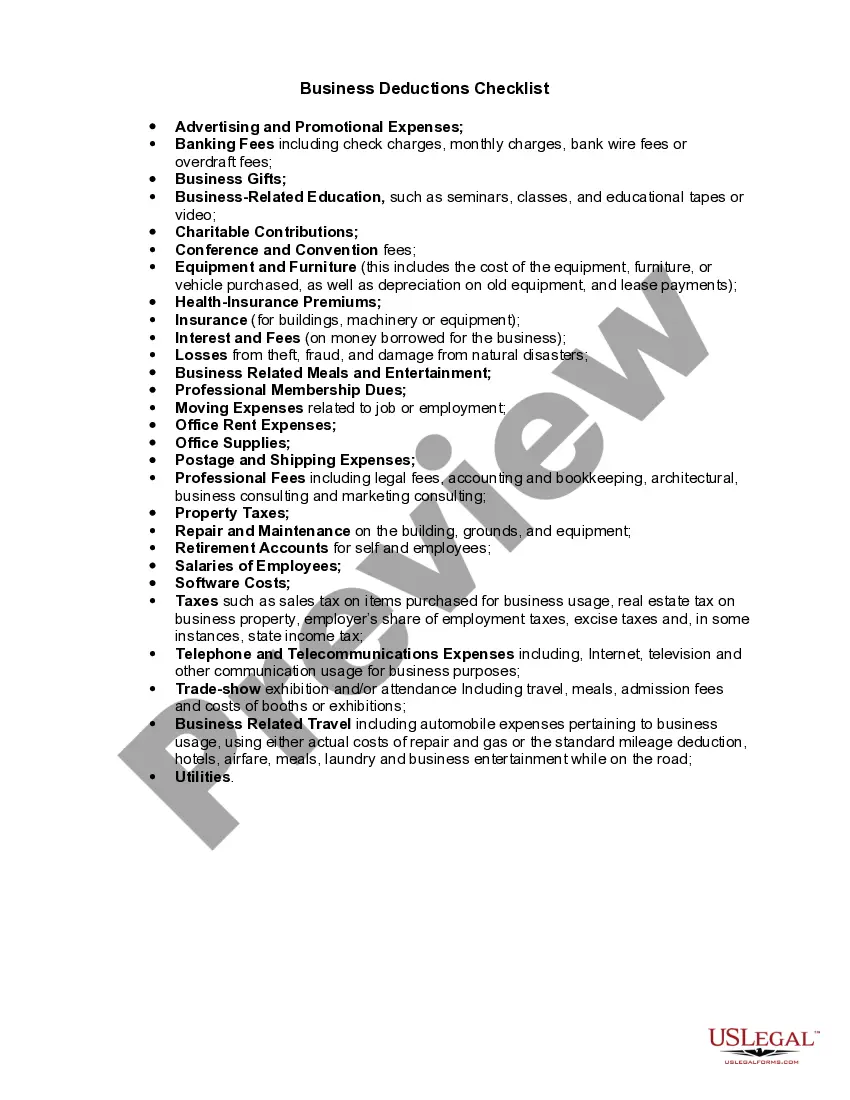
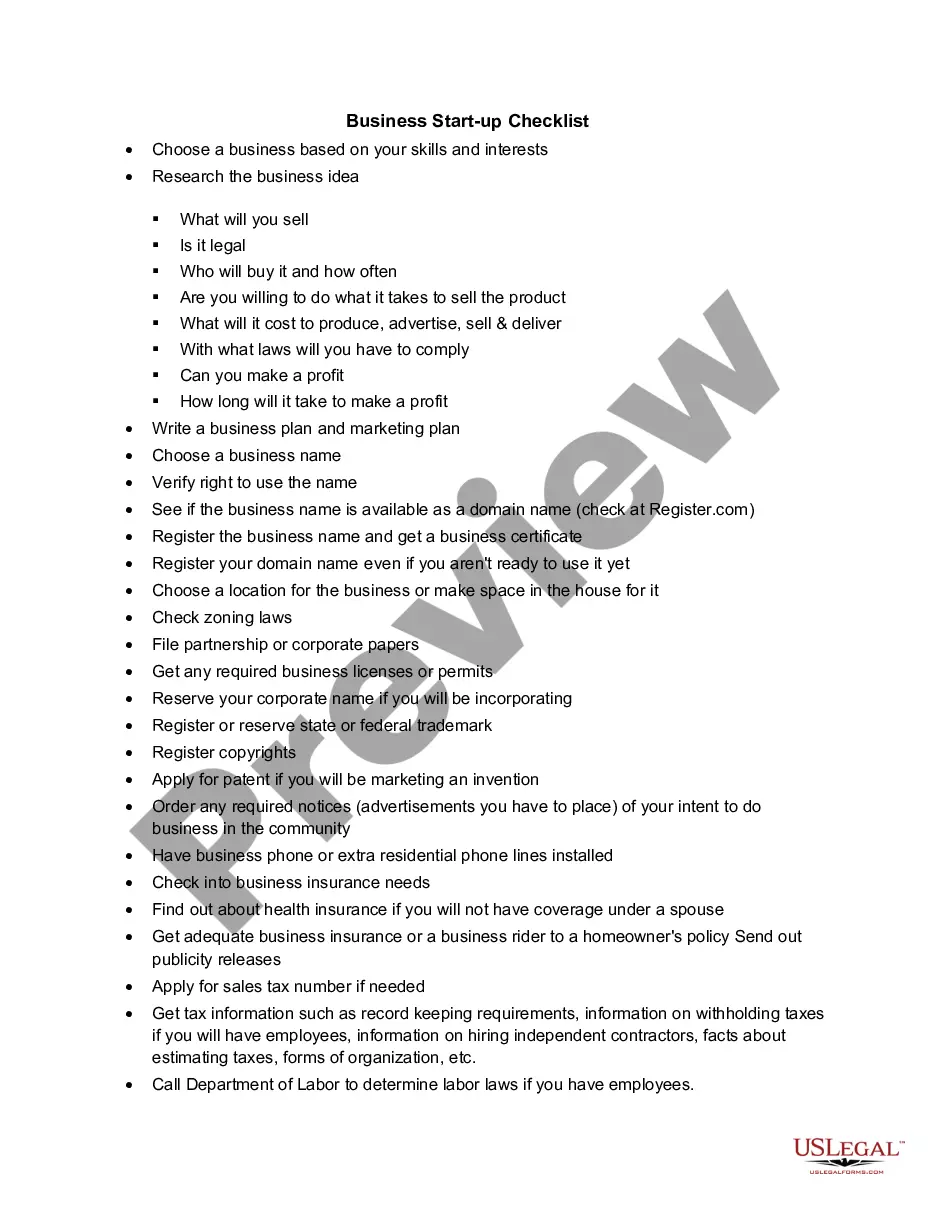
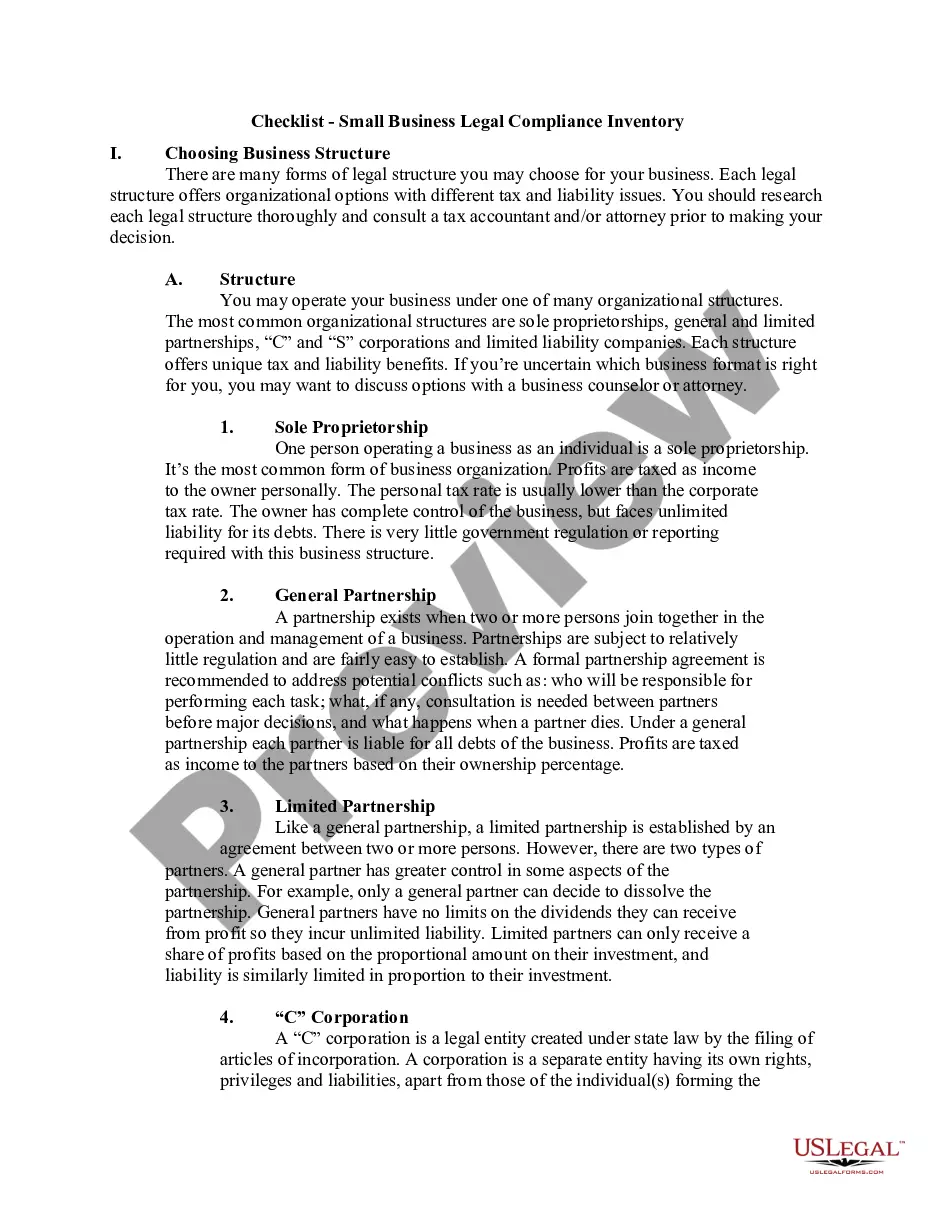
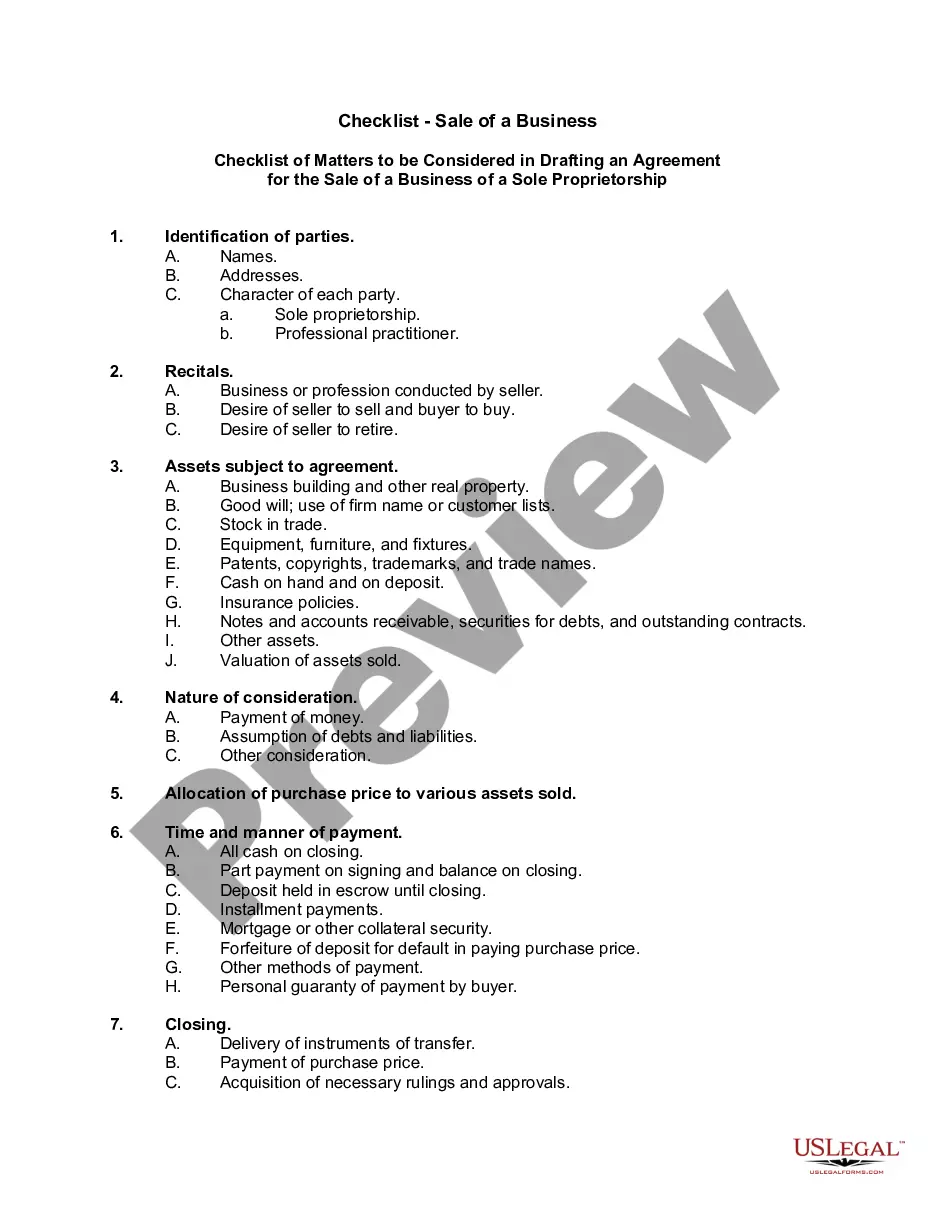
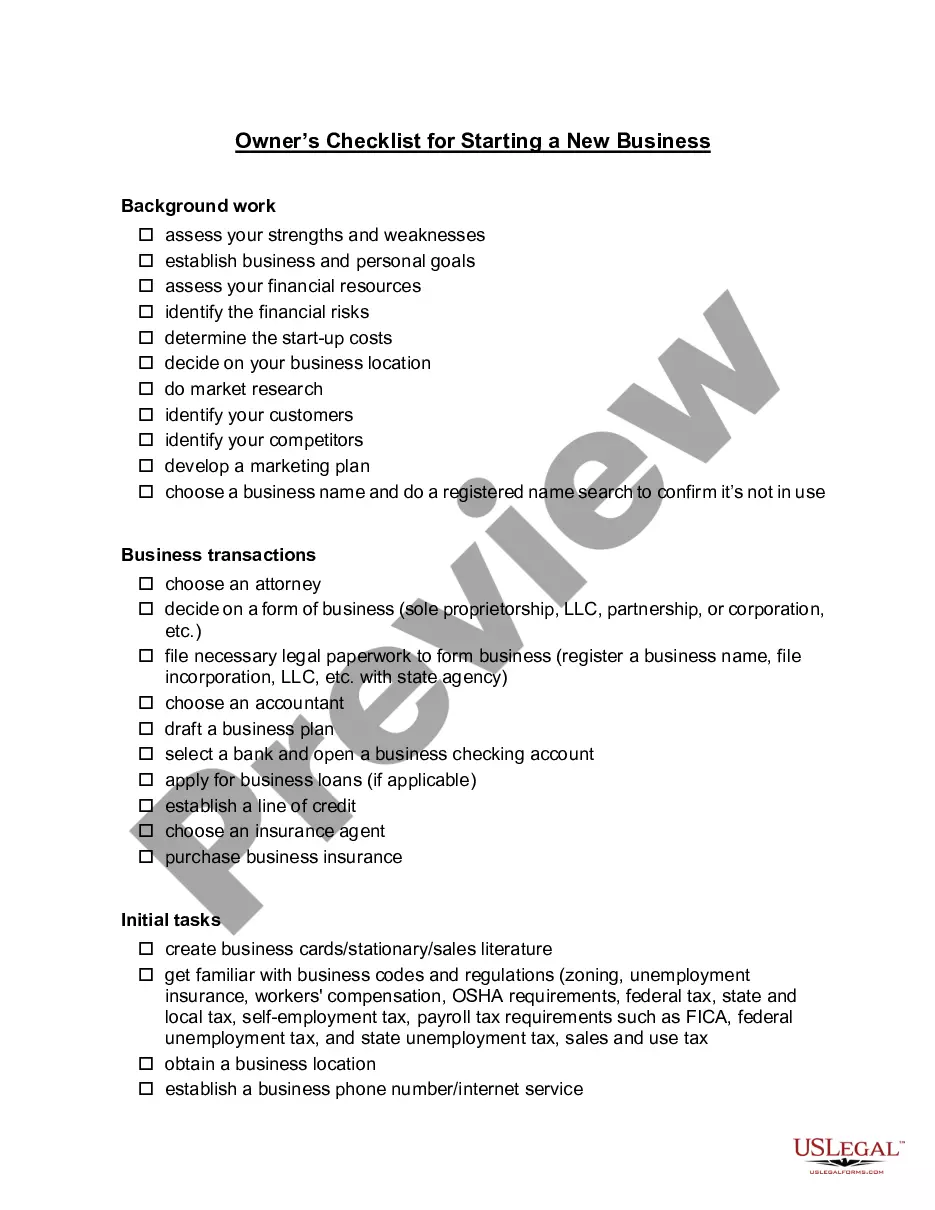
Get your form ready online
Our built-in tools help you complete, sign, share, and store your documents in one place.
Make edits, fill in missing information, and update formatting in US Legal Forms—just like you would in MS Word.
Download a copy, print it, send it by email, or mail it via USPS—whatever works best for your next step.
Sign and collect signatures with our SignNow integration. Send to multiple recipients, set reminders, and more. Go Premium to unlock E-Sign.
If this form requires notarization, complete it online through a secure video call—no need to meet a notary in person or wait for an appointment.
We protect your documents and personal data by following strict security and privacy standards.

Make edits, fill in missing information, and update formatting in US Legal Forms—just like you would in MS Word.

Download a copy, print it, send it by email, or mail it via USPS—whatever works best for your next step.

Sign and collect signatures with our SignNow integration. Send to multiple recipients, set reminders, and more. Go Premium to unlock E-Sign.

If this form requires notarization, complete it online through a secure video call—no need to meet a notary in person or wait for an appointment.

We protect your documents and personal data by following strict security and privacy standards.
Looking for another form?





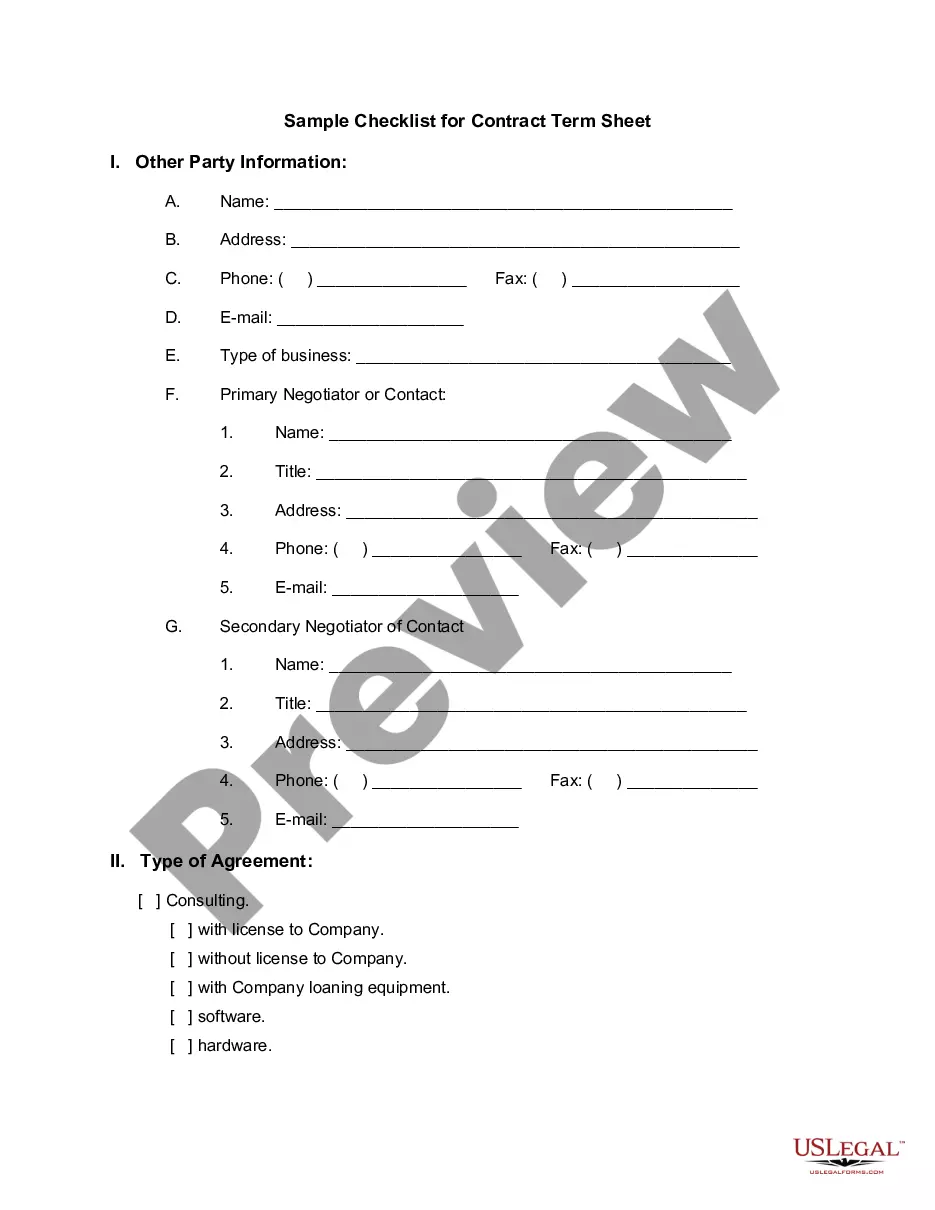
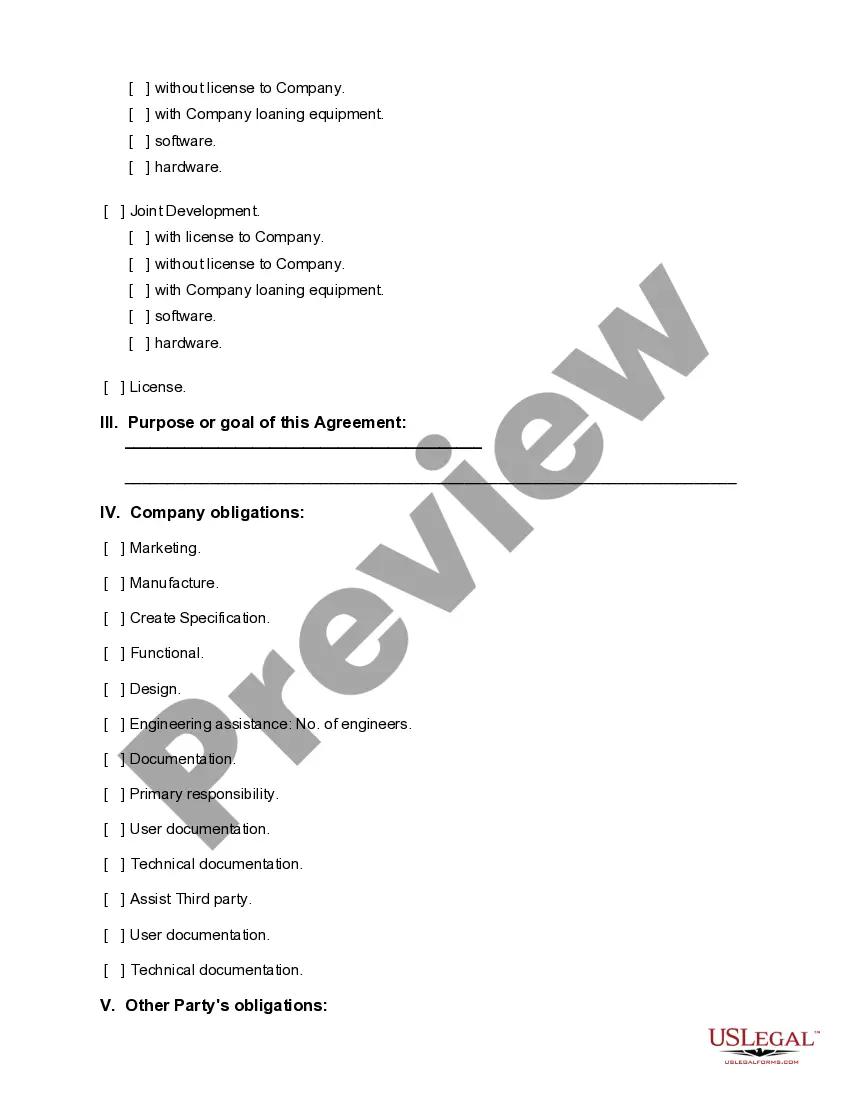
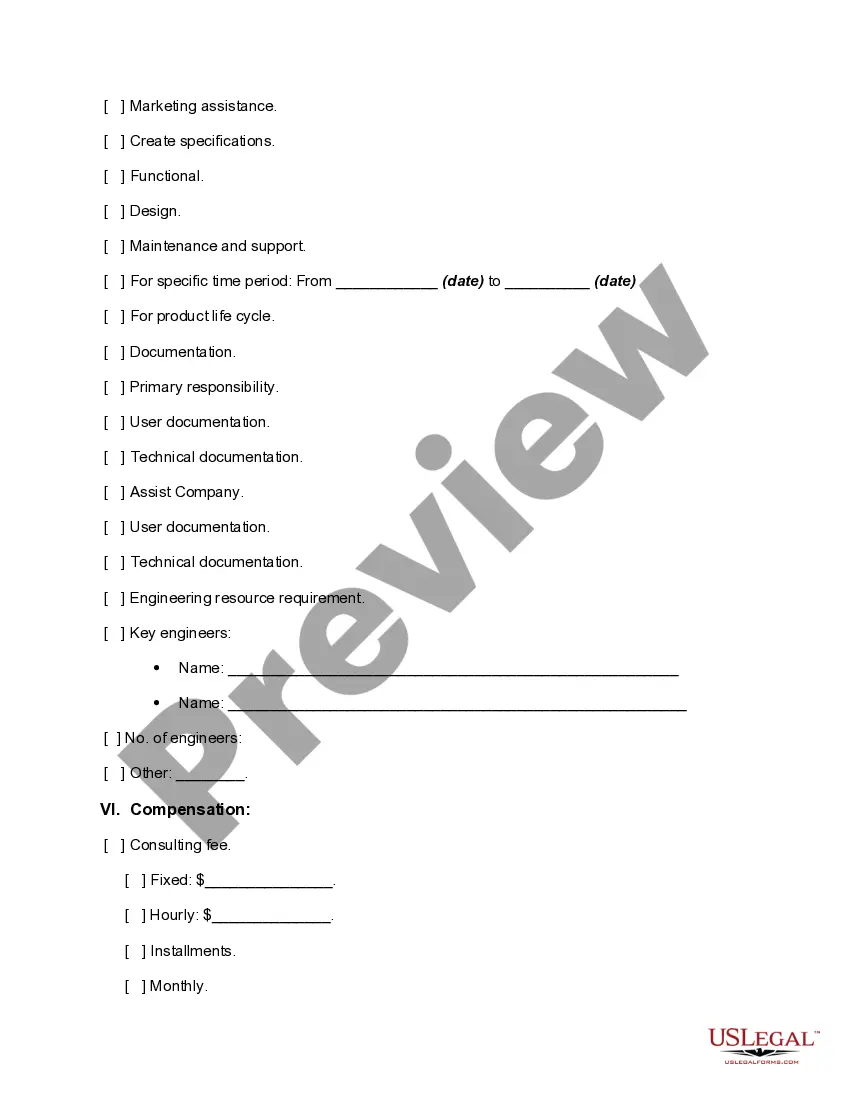
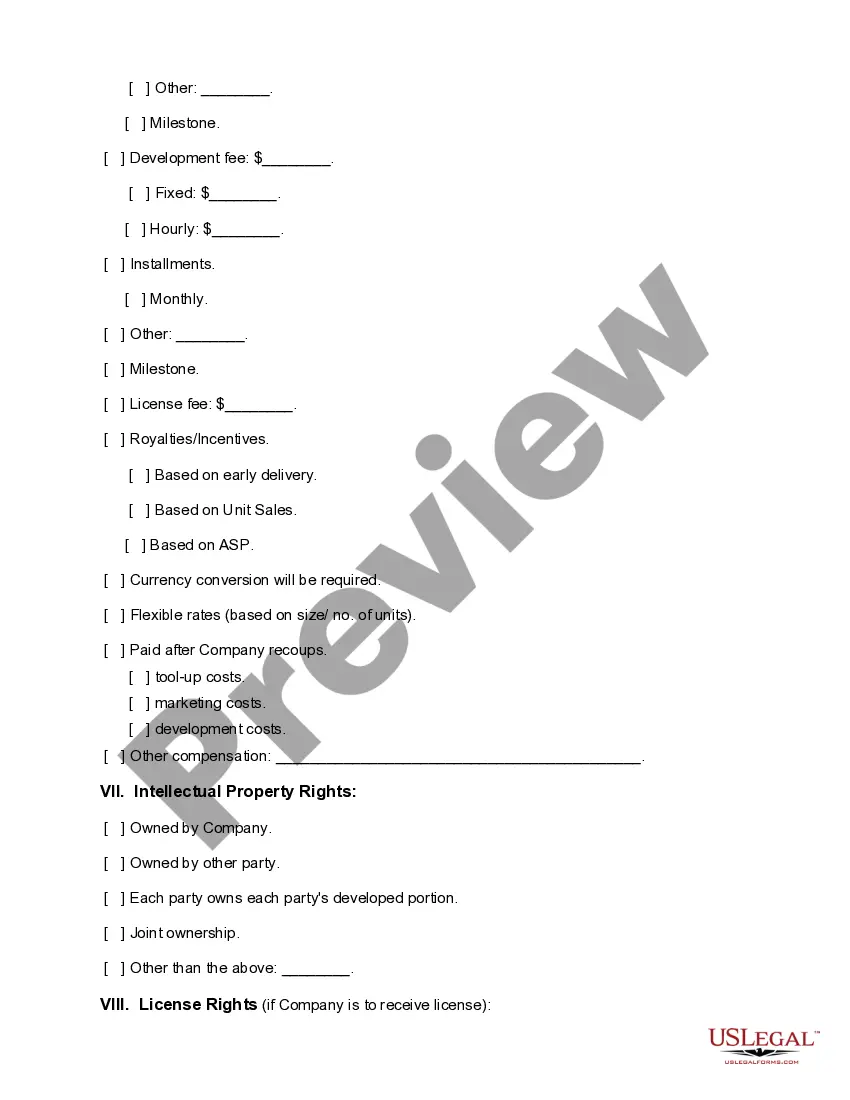
How to fill out Sample Checklist For Contract Term Sheet?
- If you're an existing user, log in to your account to access your saved templates and simply click the Download button. Ensure your subscription remains active or renew it if necessary.
- For first-time users, start by examining the document preview and description to confirm it's the correct term sheet that fits your requirements.
- Utilize the Search feature to find alternative templates if the first choice doesn't match your needs.
- Once you find a suitable template, click the Buy Now button and select a subscription plan that best suits your legal needs, creating an account for access.
- Complete your purchase using a credit card or PayPal to finalize your subscription.
- Download the term sheet and save it locally so you can easily edit and complete it later. You will also find it available anytime in the My Forms section of your profile.
Using US Legal Forms grants you access to an extensive collection of over 85,000 legal forms, all designed to be fillable and editable, ensuring that you get the right documents tailored to your needs.
In conclusion, US Legal Forms simplifies the legal document creation process, allowing startups to focus on what truly matters. Start your journey to effective legal documentation today!
Form popularity
FAQ
A typical VC term sheet outlines the key terms and conditions of an investment in a startup. It covers aspects such as the amount of investment, ownership percentages, and rights of investors. Understanding the term sheet for startups is crucial as it sets the framework for the future relationship between the company and the investors. By using US Legal Forms, you can access resources that help you navigate and comprehend these terms effectively.
To make a term sheet legally binding, it must include clear terms and evidence of mutual agreement from both parties. This often involves drafting it with legal language and ensuring all involved parties sign the agreement. Using legal resources, such as those available on the Ulegalforms platform, can facilitate this process and help create a binding term sheet.
The main difference between a term sheet and a Letter of Intent (LOI) lies in their purpose and detail. A term sheet for startups specifies the key deal points for investment, while an LOI outlines the intentions of a party to continue discussions toward a possible agreement. LOIs are often less detailed and more informal than term sheets.
Five key points of a term sheet for startups include valuation, the amount of investment, equity distribution, voting rights, and board composition. Each point directly impacts the future relationship between the startup and its investors. Understanding these elements is vital for achieving a successful investment deal.
A startup funding term sheet is a preliminary document that outlines the proposed terms for financing a startup. It typically includes details about the investment amount, the valuation of the company, and the rights of both parties. This document acts as a basis for further legal agreements, streamlining the funding process for startups.
Filling out a term sheet for startups involves clearly defining the essential terms such as valuation, funding amount, equity stake, and investor rights. Start by gathering all necessary information and engage in open discussions with potential investors to align on terms. Utilizing platforms like Ulegalforms can simplify this process with templates and guidance tailored for startups.
The term sheet for startups is a crucial document that outlines the key terms and conditions of an investment deal. It serves as a roadmap for negotiations between the startup and its investors. By summarizing the agreement, it ensures both parties have a clear understanding of the expectations and obligations involved.
A term sheet for startups should include essential details such as the amount of investment, ownership stakes, valuation, and governance rights. It may also address exit strategies, milestones, and any special investor rights. By including these components, startups can create a clear and comprehensive term sheet that serves as a solid basis for future legal agreements.
Term sheets play a crucial role in the startup investment process by establishing a mutual understanding between founders and investors. They outline investment structures and prevent misunderstandings that can arise later on. A well-crafted term sheet for startups can help streamline negotiations and provide a foundation for the legal documents that follow.
A key terms sheet is a simplified version of a standard term sheet for startups, focusing on the most critical elements of a deal. It provides a quick overview of valuation, funding deadlines, and key rights, making it easier for both founders and investors to understand the essential components. By using a key terms sheet, startups can facilitate quicker discussions and negotiations with potential investors.