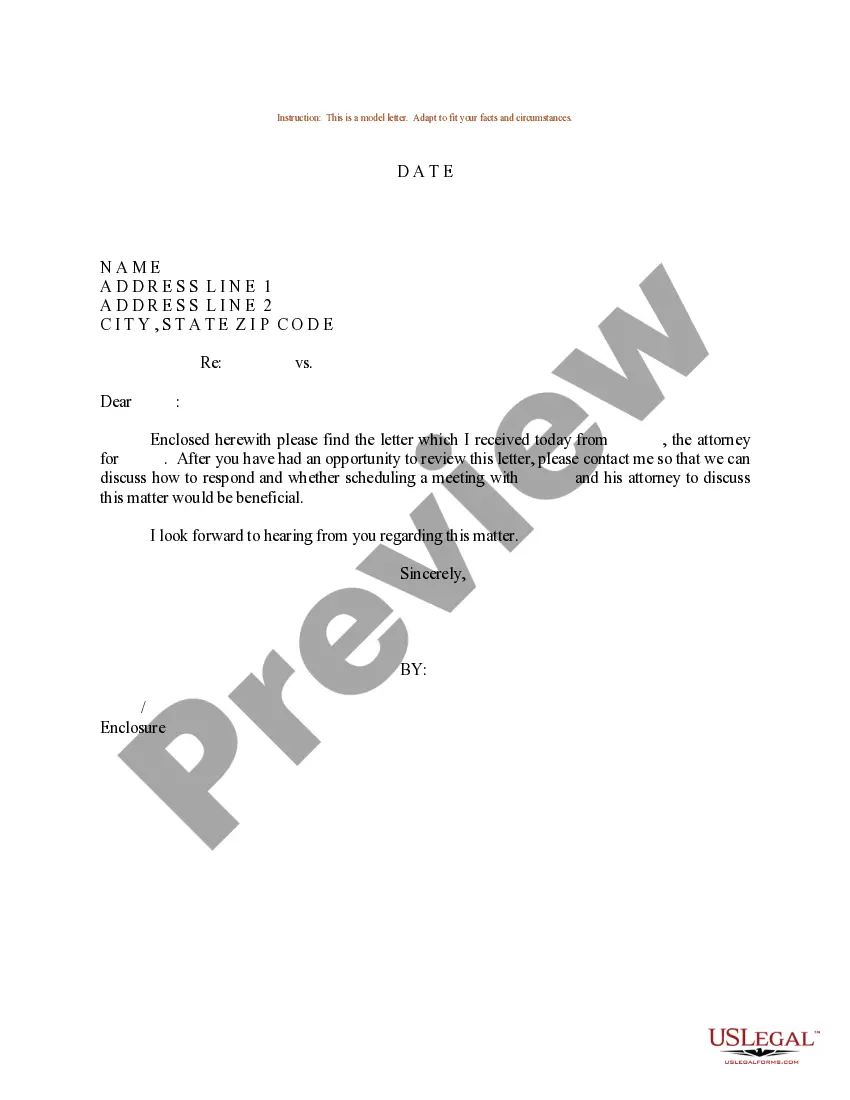
Letter To Attorney Requesting Transfer Of Files
Description
Get your form ready online
Our built-in tools help you complete, sign, share, and store your documents in one place.
Make edits, fill in missing information, and update formatting in US Legal Forms—just like you would in MS Word.
Download a copy, print it, send it by email, or mail it via USPS—whatever works best for your next step.
Sign and collect signatures with our SignNow integration. Send to multiple recipients, set reminders, and more. Go Premium to unlock E-Sign.
If this form requires notarization, complete it online through a secure video call—no need to meet a notary in person or wait for an appointment.
We protect your documents and personal data by following strict security and privacy standards.

Make edits, fill in missing information, and update formatting in US Legal Forms—just like you would in MS Word.

Download a copy, print it, send it by email, or mail it via USPS—whatever works best for your next step.

Sign and collect signatures with our SignNow integration. Send to multiple recipients, set reminders, and more. Go Premium to unlock E-Sign.

If this form requires notarization, complete it online through a secure video call—no need to meet a notary in person or wait for an appointment.

We protect your documents and personal data by following strict security and privacy standards.
Looking for another form?
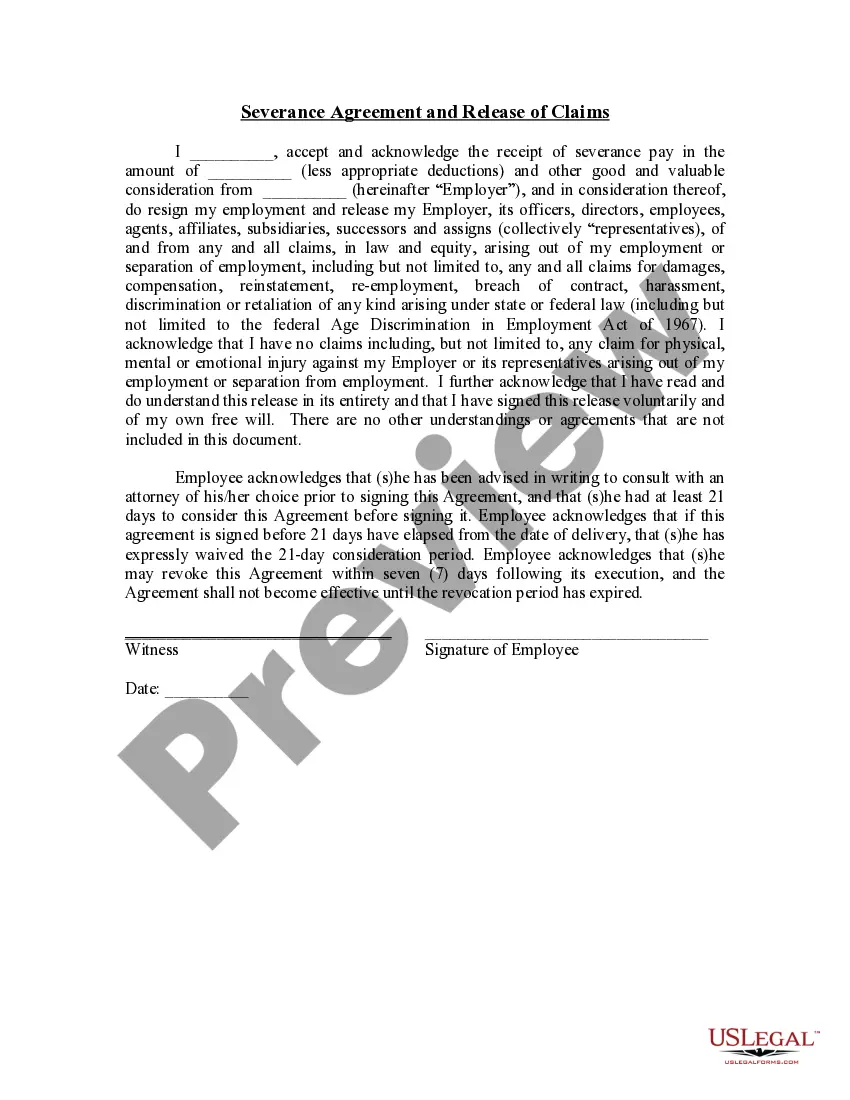
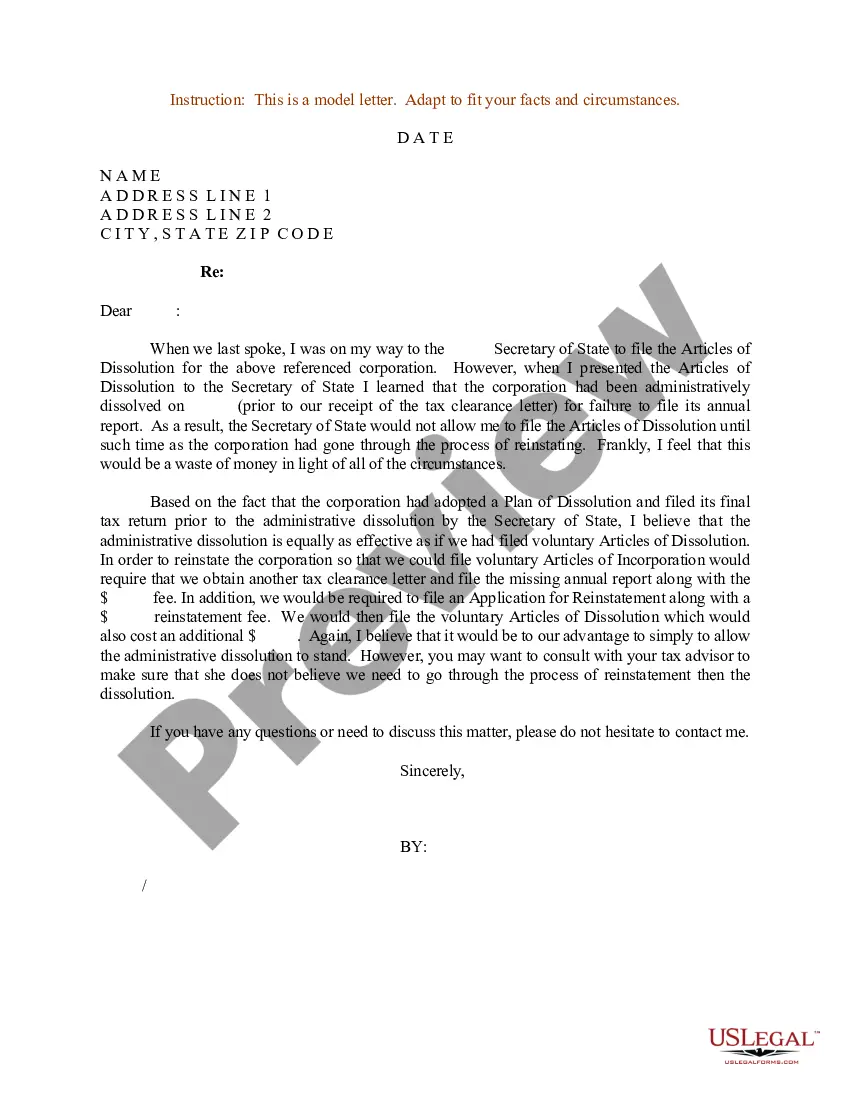
How to fill out Sample Letter For Meeting Opposing Attorney?
The Correspondence To Lawyer Soliciting Transfer Of Documents you observe on this site is a reusable professional template crafted by experienced attorneys in accordance with federal and local statutes and regulations.
For over 25 years, US Legal Forms has supplied individuals, businesses, and legal practitioners with more than 85,000 validated, state-specific documents for any commercial and personal occasion. It’s the quickest, simplest, and most trustworthy method to obtain the records you require, as the service assures the utmost level of data security and malware protection.
Subscribe to US Legal Forms to have authenticated legal templates available for all of life's circumstances.
- Search for the document you need and examine it.
- Browse through the sample you located and preview it or review the form details to ensure it meets your requirements. If it doesn’t, use the search function to find the appropriate one. Click Buy Now once you've identified the template you want.
- Register and Log Into your account.
- Choose the pricing option that works best for you and create an account. Make a quick payment using PayPal or a credit card. If you already have an account, Log In and verify your subscription to continue.
- Obtain the editable template.
- Select the format you prefer for your Correspondence To Lawyer Soliciting Transfer Of Documents (PDF, Word, RTF) and download the document onto your device.
- Complete and sign the document.
- Print the template to fill it out by hand. Alternatively, use an online versatile PDF editor to efficiently and accurately complete and sign your form with an eSignature.
- Download your documents again.
- Reutilize the same document whenever necessary. Access the My documents tab in your profile to redownload any previously acquired forms.
Form popularity
FAQ
Yes, you can ask for a copy of your file from your lawyer. It's your right to access your documents, including those related to your case. When making this request, consider writing a formal letter to attorney requesting transfer of files, which can streamline the process and make your request clear. This approach encourages a prompt response from your lawyer.
When writing a letter to request a transfer, start with a respectful introduction. Clearly outline the reason for your request, and provide any necessary details that the attorney may need. It helps to mention the specific files or information you wish to transfer. Incorporating the phrase 'letter to attorney requesting transfer of files' can keep your intention focused.
To write a formal letter to an attorney, begin with your contact information followed by the date. Next, include the attorney's details. In the body of the letter, clearly state your purpose, such as your intent to transfer files. The closing should be polite, followed by your signature. Keep in mind that a well-structured letter to attorney requesting transfer of files ensures clarity.
While your attorney generally must provide your file, there are certain circumstances where they might refuse, such as unresolved fees or other legal concerns. However, in most cases, you should have access. If you face resistance, sending a letter to attorney requesting transfer of files is an effective way to communicate your intent and seek resolution.
Requesting a copy of your file from your attorney is entirely within your rights. According to legal ethics, you should receive a full copy without undue delay. Utilizing a letter to attorney requesting transfer of files can ensure your request is formally acknowledged and handled efficiently.
Typically, an attorney is required to keep client files for a minimum of five to seven years after case closure, depending on state law and the nature of the case. This retention period allows for any potential future claims or inquiries. If you need access, don't hesitate to send a letter to attorney requesting transfer of files to facilitate your request.
You absolutely can request your file from your lawyer. Attorneys have an ethical obligation to provide their clients access to their own files. Sending a letter to attorney requesting transfer of files is a proactive way to formalize this request and ensure a smooth process.
Yes, you can ask a lawyer for a copy of a will, especially if you are a beneficiary or have a legitimate reason to request it. It's important to communicate your request clearly and reference the will specifically. A letter to attorney requesting transfer of files might be an effective way to make this request formal and documented.
To request a letter to ask for documents, you should clearly outline your needs in a formal format. Start by addressing the attorney directly and specify the documents you require. You can emphasize your intent by mentioning that this letter serves as a request for a letter to attorney requesting transfer of files.
To request a transfer of files, you should draft a letter to your attorney requesting the transfer of files. Start by including your contact information and the attorney's details. Clearly state your request, specifying the files you wish to transfer and any relevant case details. Be polite and professional, and remember to mention deadlines if applicable, as this will help ensure a swift response.