Meeting Board Form Template With Pictures
Description
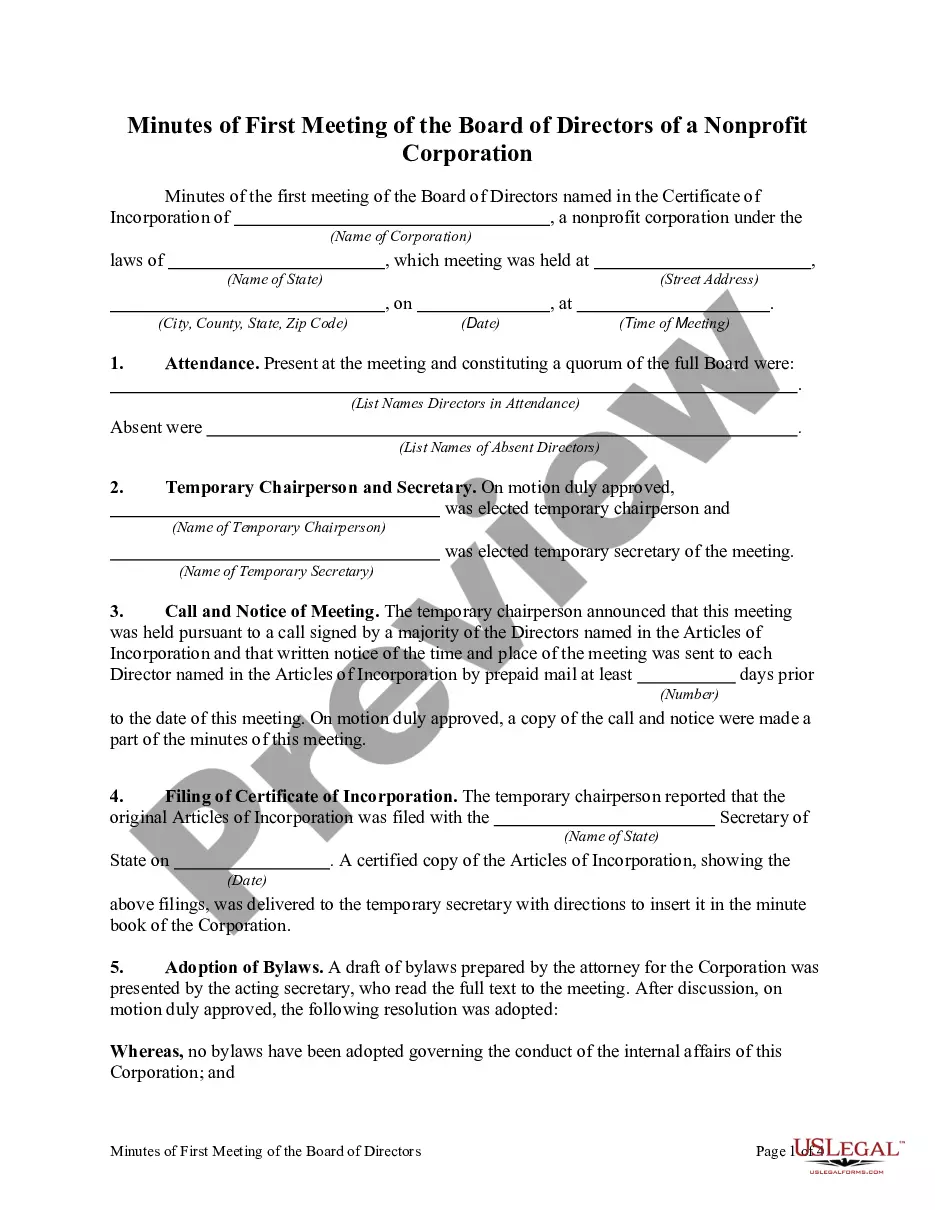
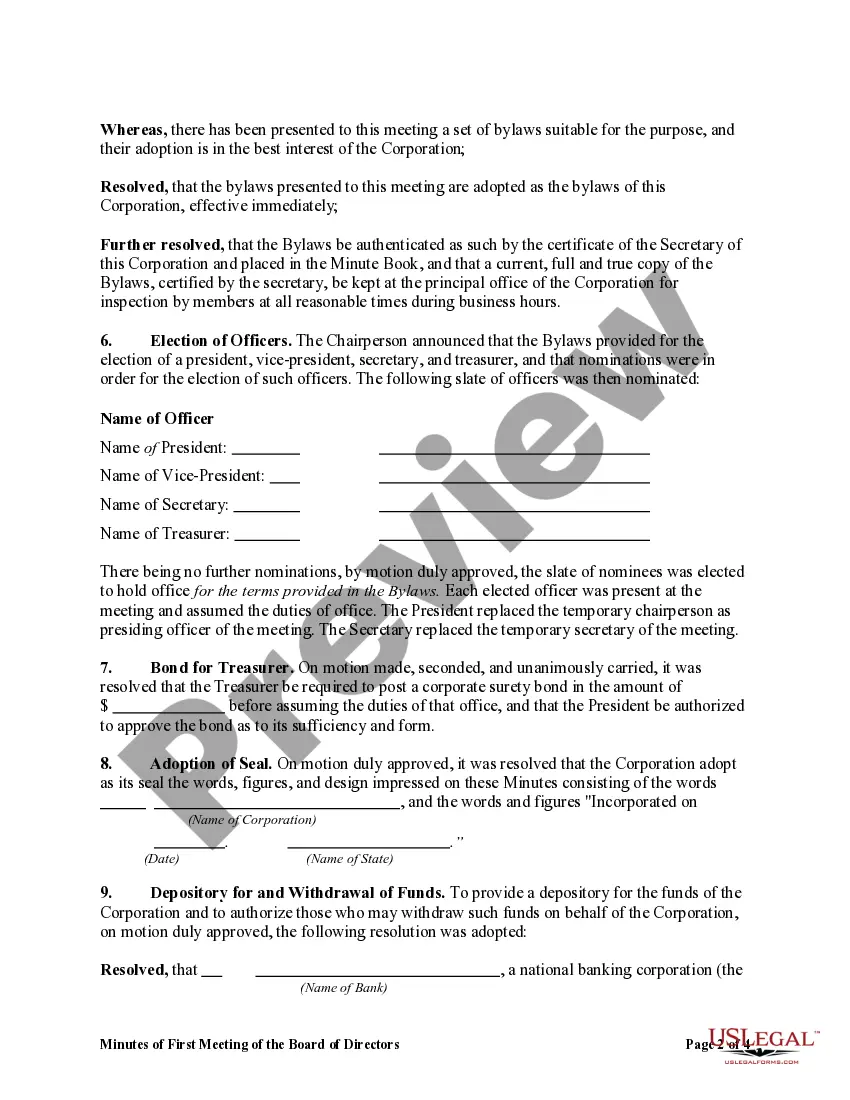
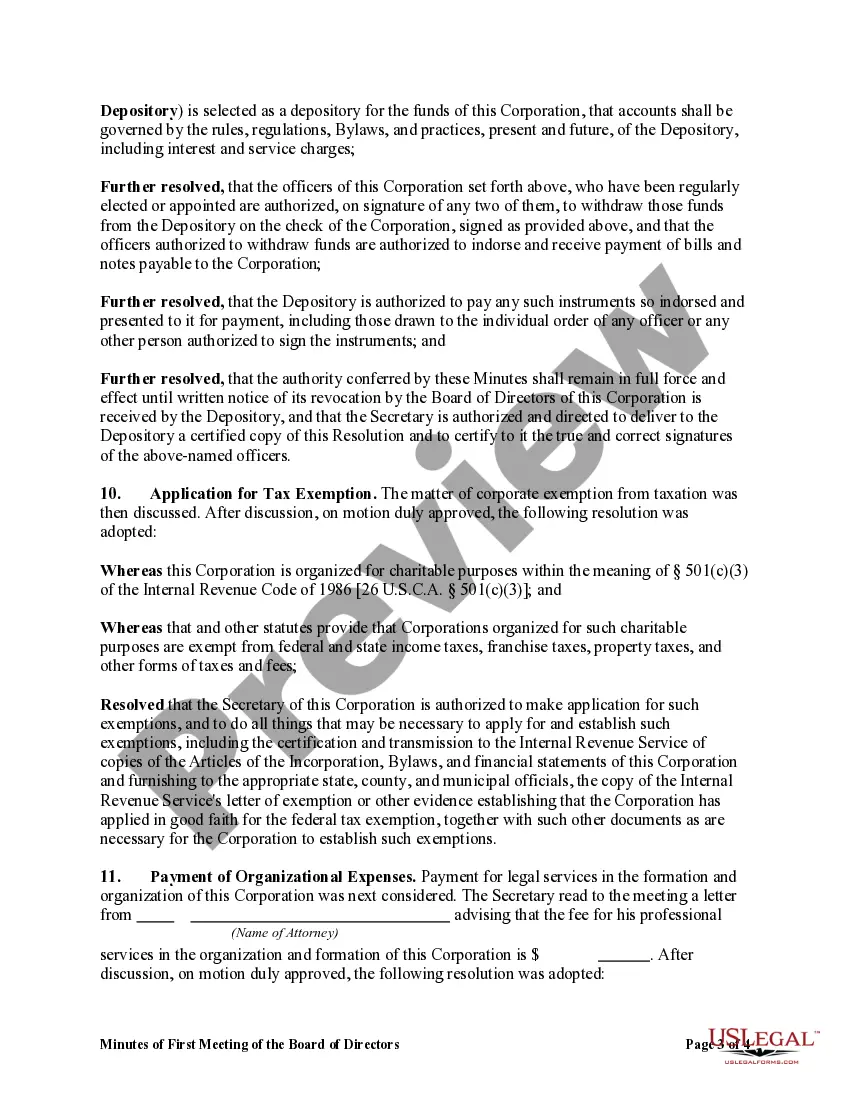
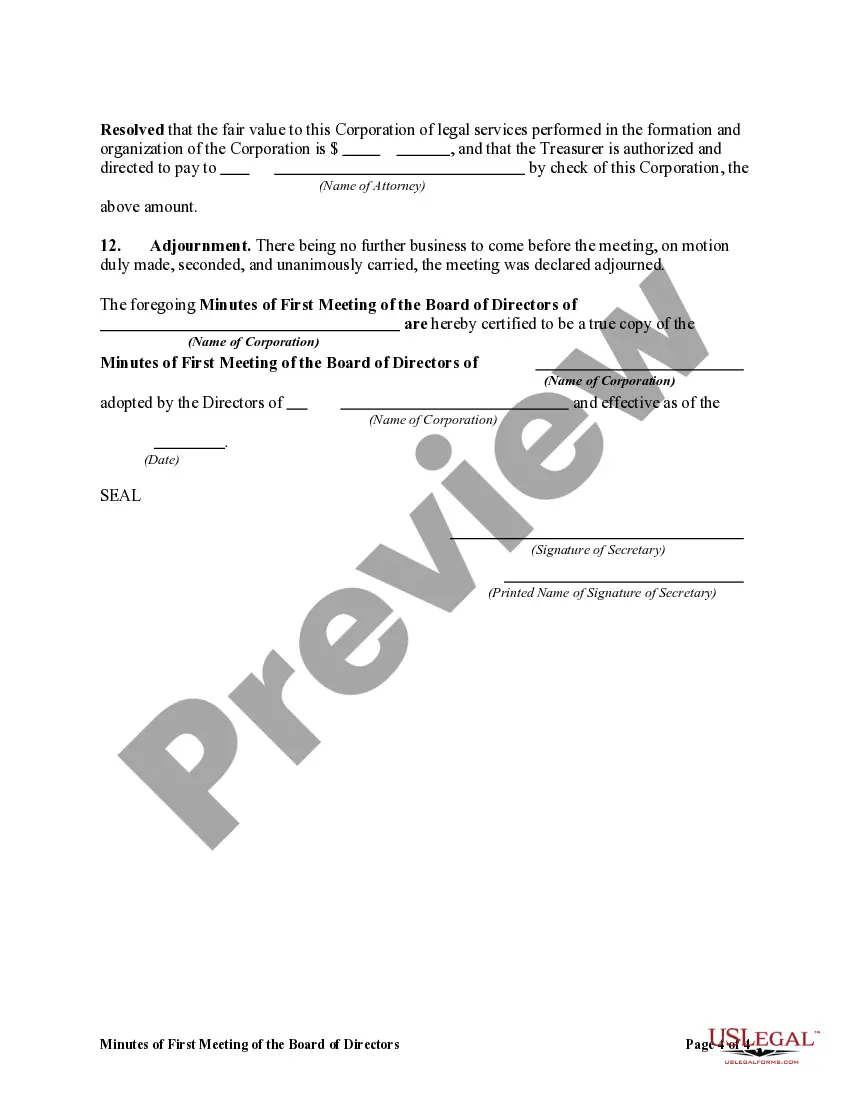

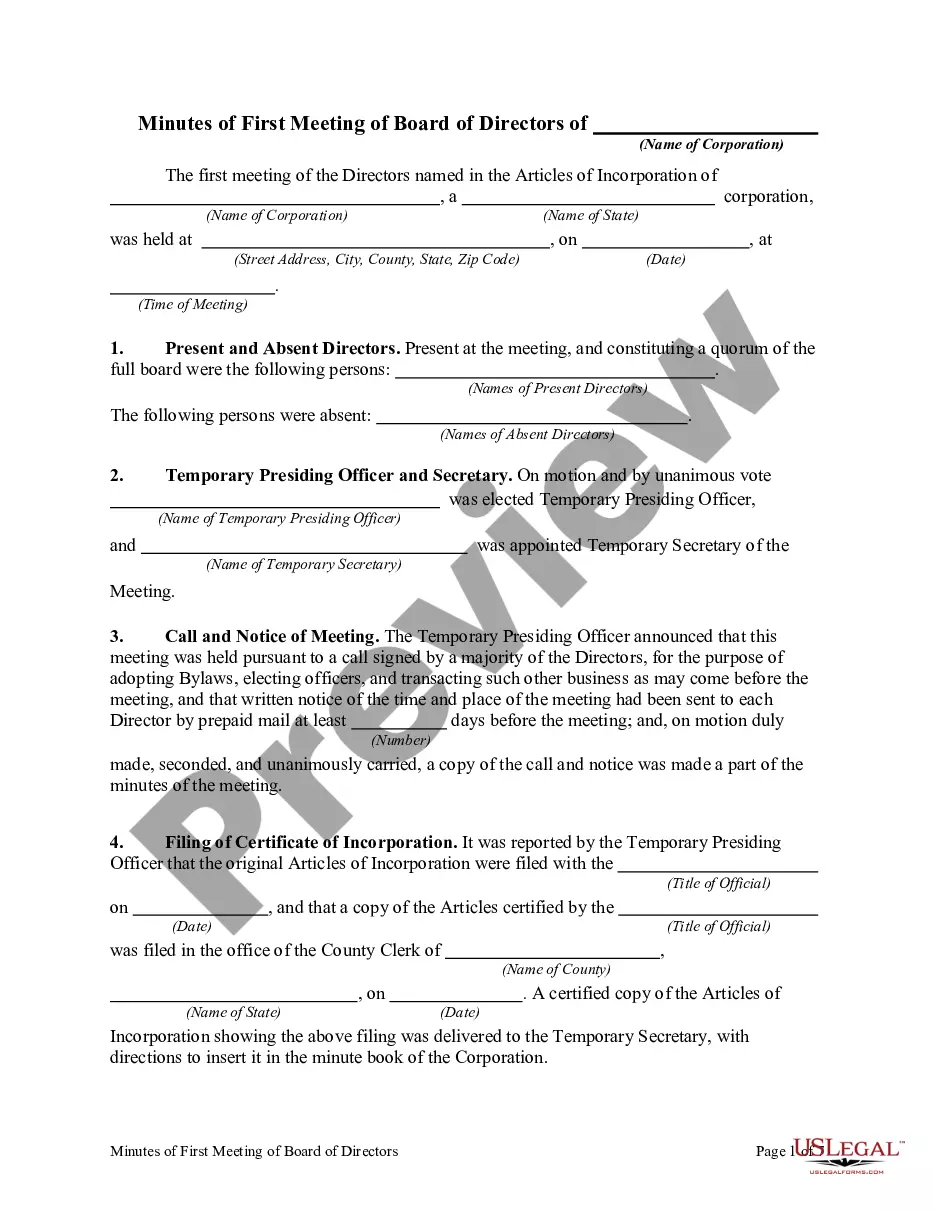
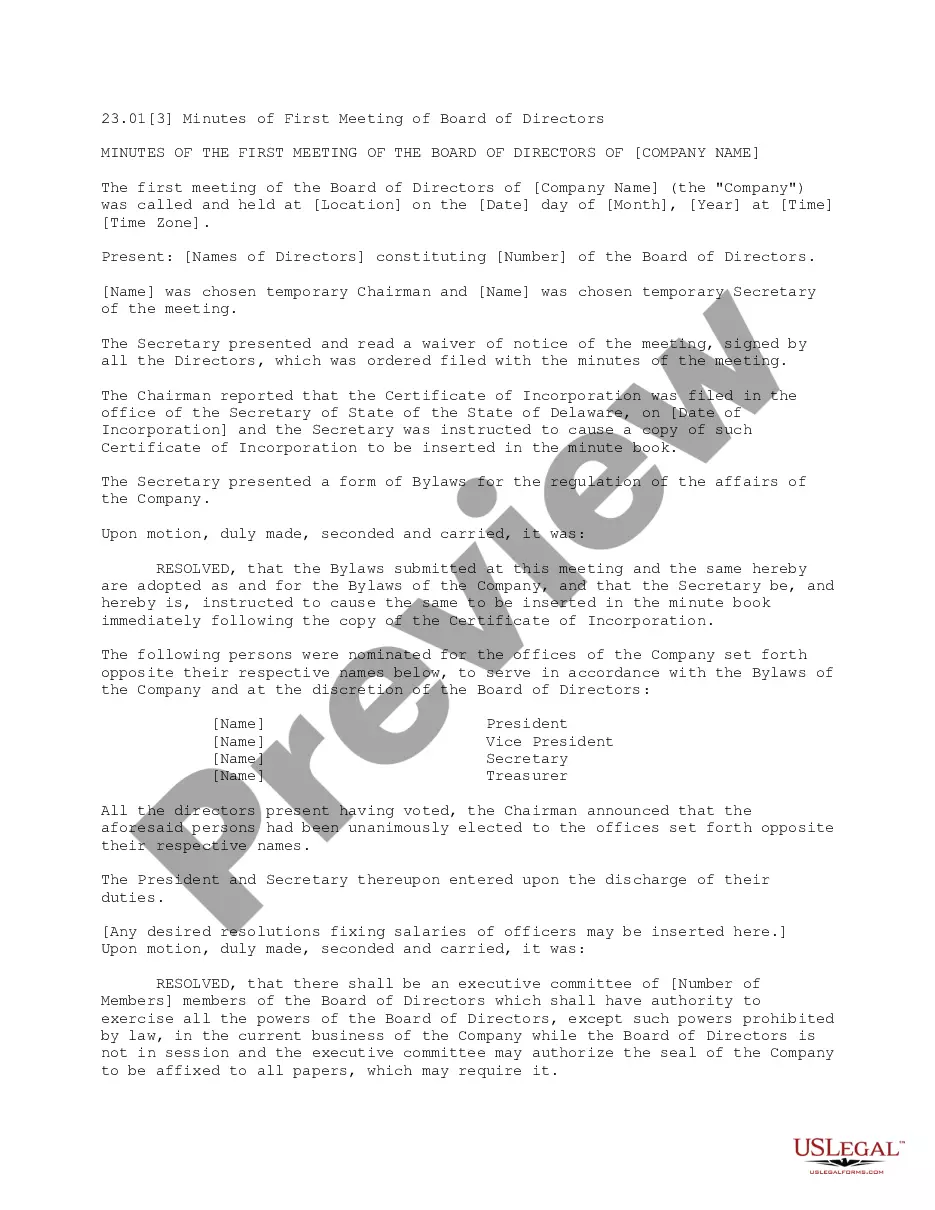
Get your form ready online
Our built-in tools help you complete, sign, share, and store your documents in one place.
Make edits, fill in missing information, and update formatting in US Legal Forms—just like you would in MS Word.
Download a copy, print it, send it by email, or mail it via USPS—whatever works best for your next step.
Sign and collect signatures with our SignNow integration. Send to multiple recipients, set reminders, and more. Go Premium to unlock E-Sign.
If this form requires notarization, complete it online through a secure video call—no need to meet a notary in person or wait for an appointment.
We protect your documents and personal data by following strict security and privacy standards.

Make edits, fill in missing information, and update formatting in US Legal Forms—just like you would in MS Word.

Download a copy, print it, send it by email, or mail it via USPS—whatever works best for your next step.

Sign and collect signatures with our SignNow integration. Send to multiple recipients, set reminders, and more. Go Premium to unlock E-Sign.

If this form requires notarization, complete it online through a secure video call—no need to meet a notary in person or wait for an appointment.

We protect your documents and personal data by following strict security and privacy standards.
Looking for another form?

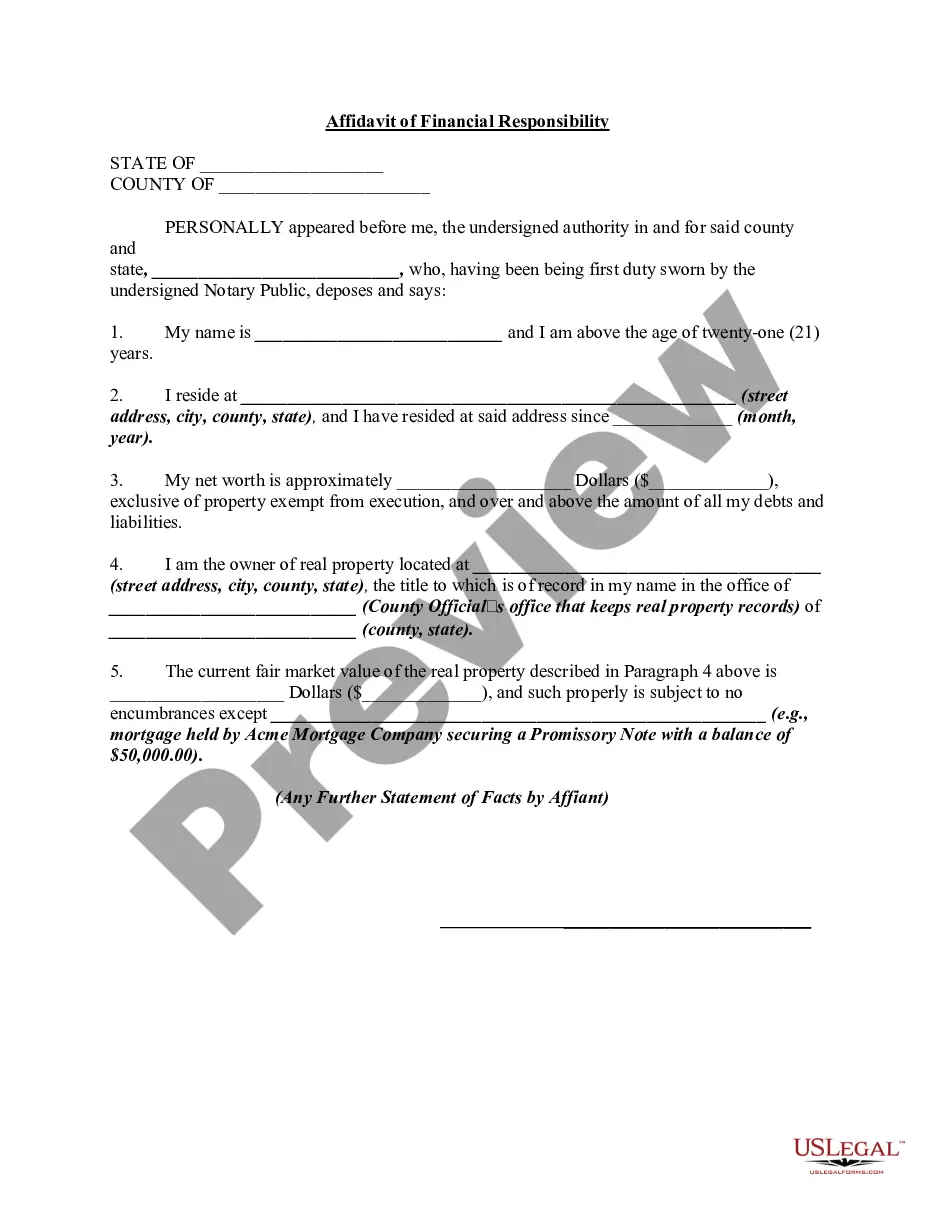
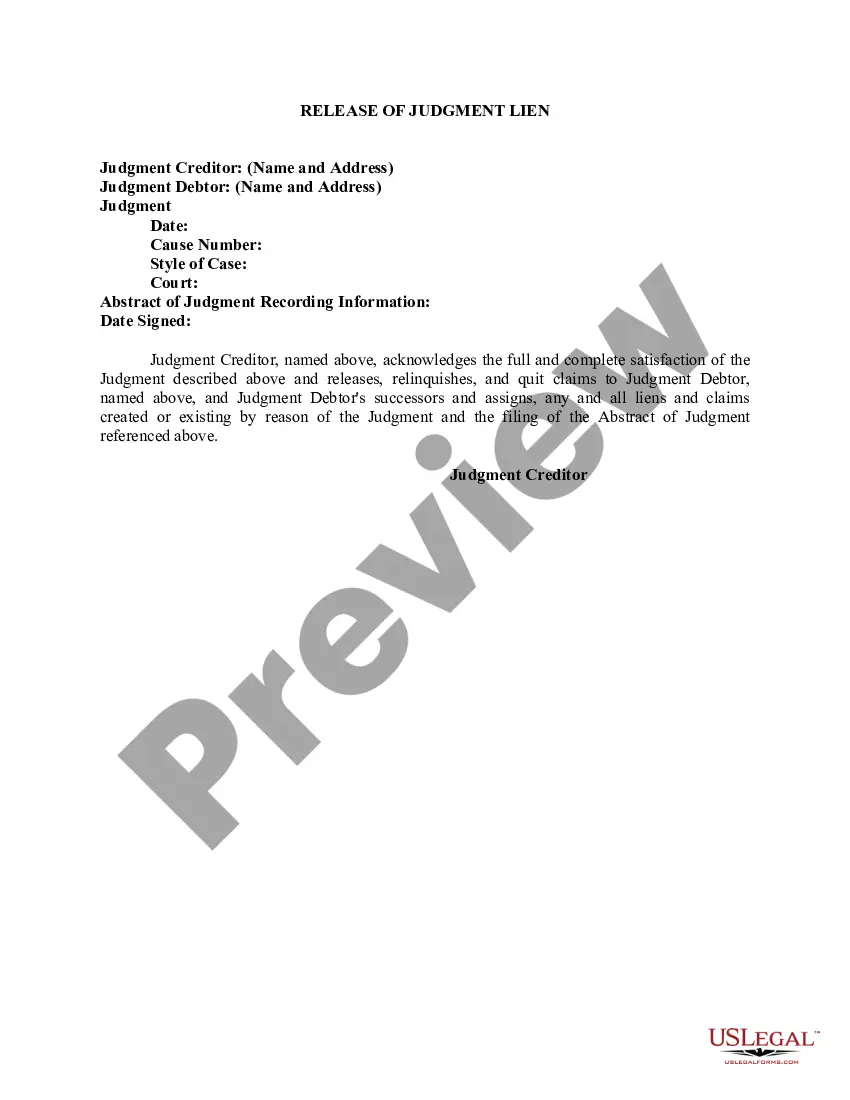






How to fill out Minutes Of First Meeting Of The Board Of Directors Of A Nonprofit Corporation?
Whether for professional reasons or personal matters, everyone must confront legal issues at some stage in their life. Completing legal documents requires meticulous attention, starting from choosing the correct form template.
For example, if you select an incorrect version of a Meeting Board Form Template With Pictures, it will be dismissed upon submission. Therefore, it is crucial to acquire a trustworthy source of legal documents like US Legal Forms.
With an extensive US Legal Forms catalog available, you won’t have to waste time searching for the appropriate template online. Utilize the library's user-friendly navigation to find the correct form for any circumstance.
- Locate the template you require by utilizing the search bar or browsing the catalog.
- Examine the form's details to verify it aligns with your circumstances, state, and locality.
- Click on the form's preview to examine it.
- If it is not the right form, return to the search feature to find the Meeting Board Form Template With Pictures sample you require.
- Obtain the template when it fulfills your needs.
- If you already possess a US Legal Forms account, click Log in to access previously saved documents in My documents.
- If you do not yet have an account, you can download the form by clicking Buy now.
- Select the suitable pricing option.
- Complete the profile registration form.
- Choose your payment method: either use a credit card or PayPal account.
- Select the document format you desire and download the Meeting Board Form Template With Pictures.
- Once it is saved, you can fill out the form using editing software or print it and complete it manually.
Form popularity
FAQ
How to Write a Meeting Agenda? 5 Key Steps Establish the meeting type. Not informing your team about the type of meeting they'd be attending can cause a lot of confusion. ... State the objective of the meeting. ... Identify specific meeting topics. ... Allocate time to discuss each topic. ... Include a list of necessary documents.
A board meeting agenda typically includes the following items: Meeting Date, Time, and Location: Enter the board meeting date, time, and location. Attendees: List the names of board members and guests in attendance. Meeting Scribe: Identify the person who takes notes for the board meeting minutes.
When following Robert's Rules of Order, board minutes must include: The type of meeting. The date, time, and location of the meeting. A list of attendees, including nonvoting participants with their names, titles, and reasons for attending. When the meeting was called to order and when it was adjourned.
Structure of a typical board meeting agenda Heading. The heading serves as a brief introduction to the agenda. ... Call to order. ... Changes to the agenda. ... Approval of minutes. ... Reports. ... Old business. ... New business. ... Remarks, announcements, and other business.
The objective of most board meetings is to make decisions, but board meeting agenda objectives may also include: Strategic planning. Challenge identification. Allocating tasks. Evaluating financial performance. Status updates. Clarifying goals. Reviewing policies. Choosing new members.