Mediation For Divorce
Description

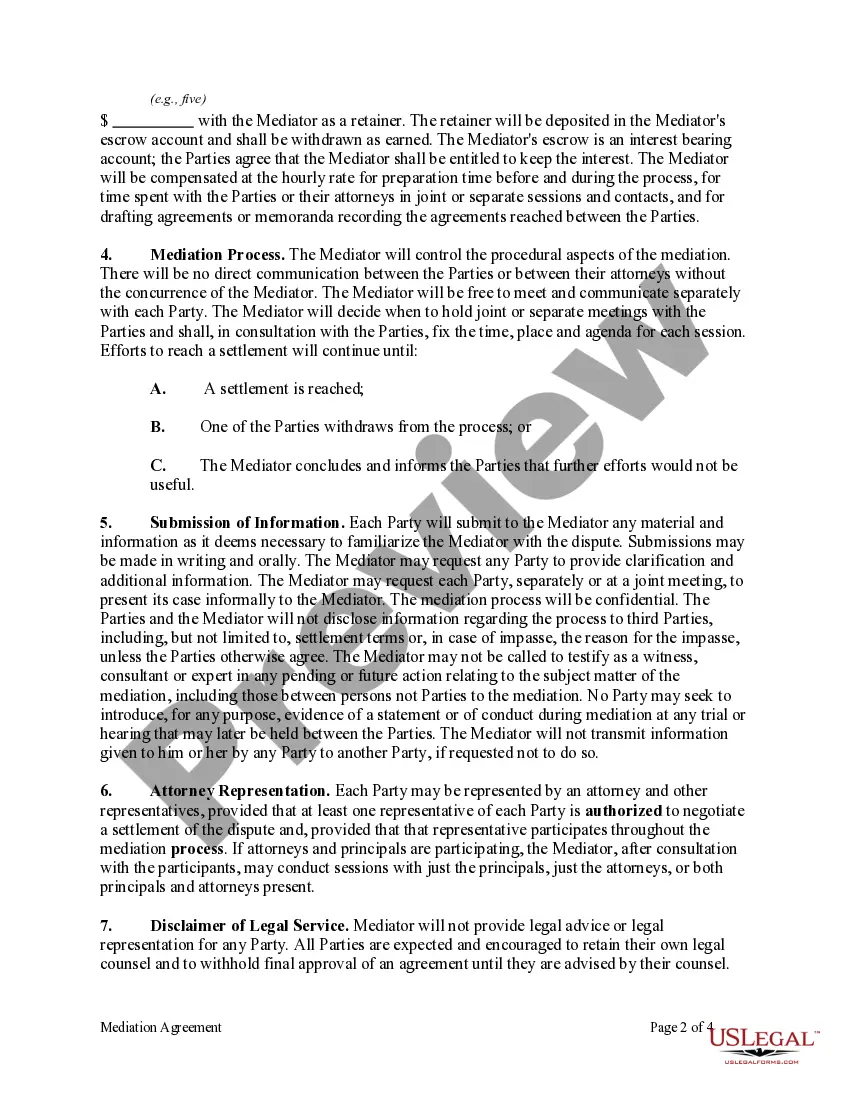
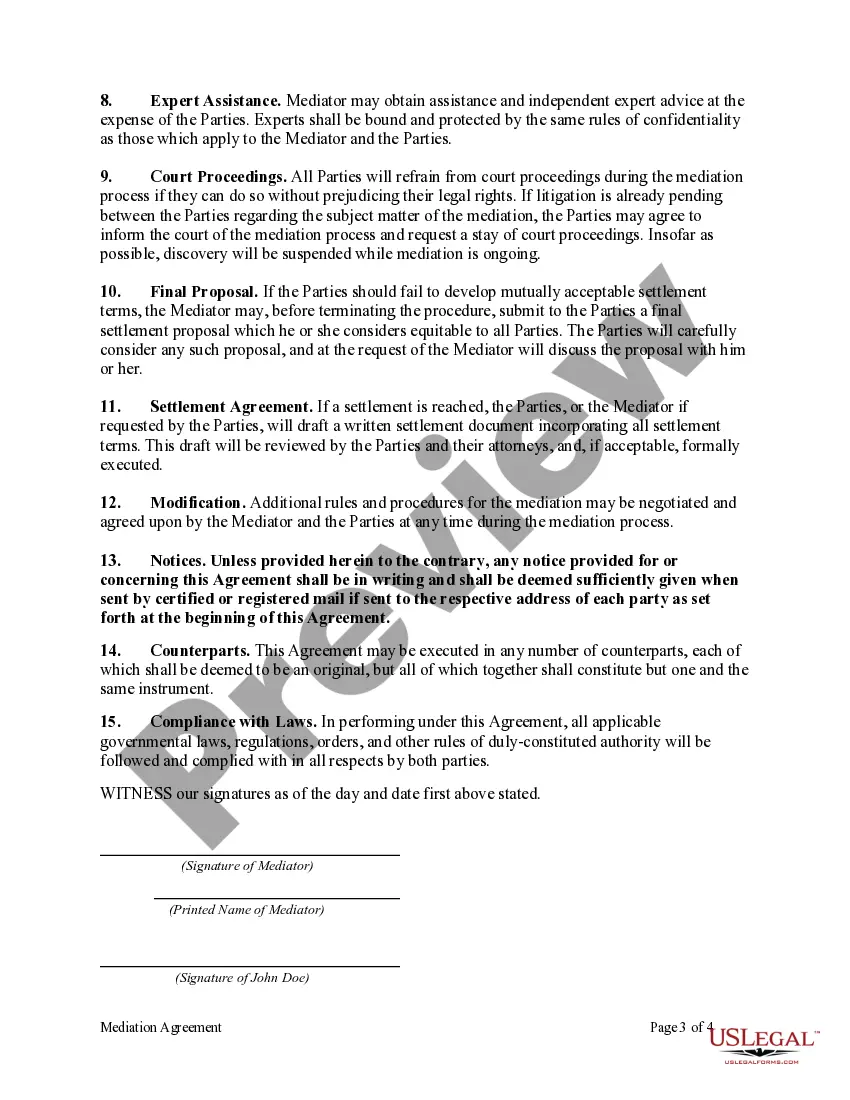
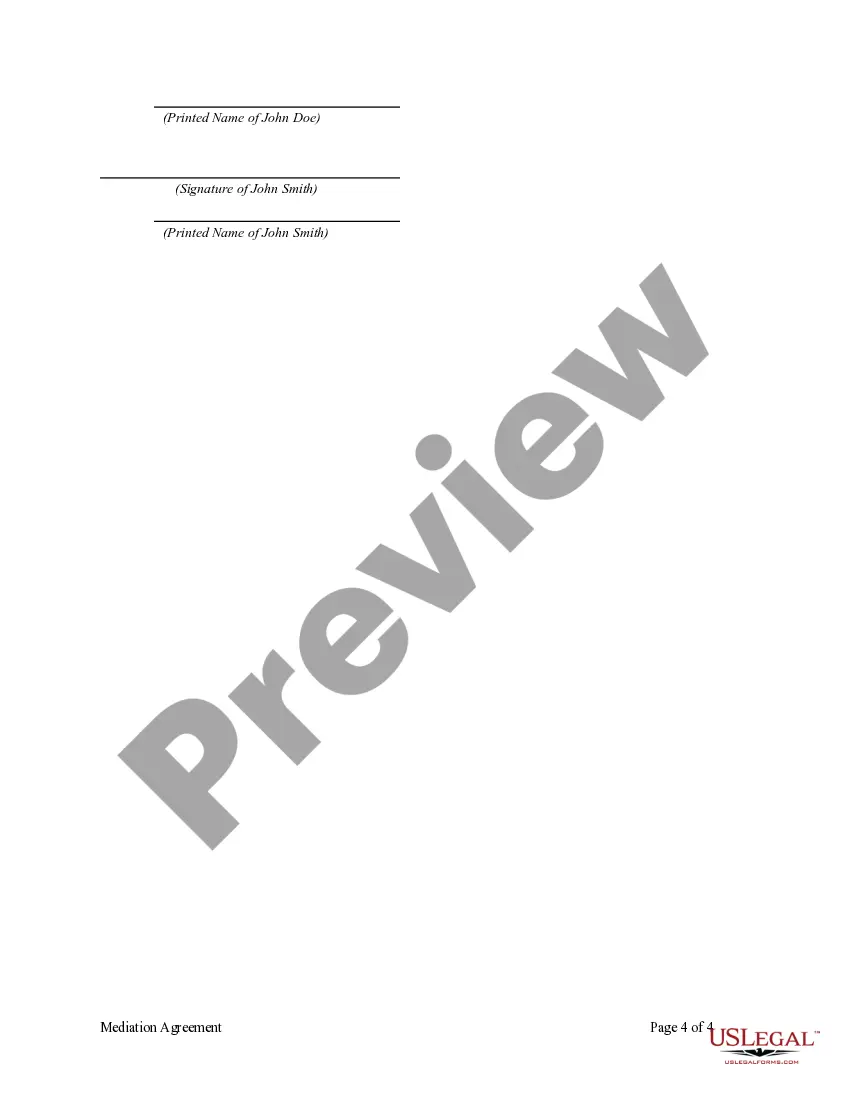

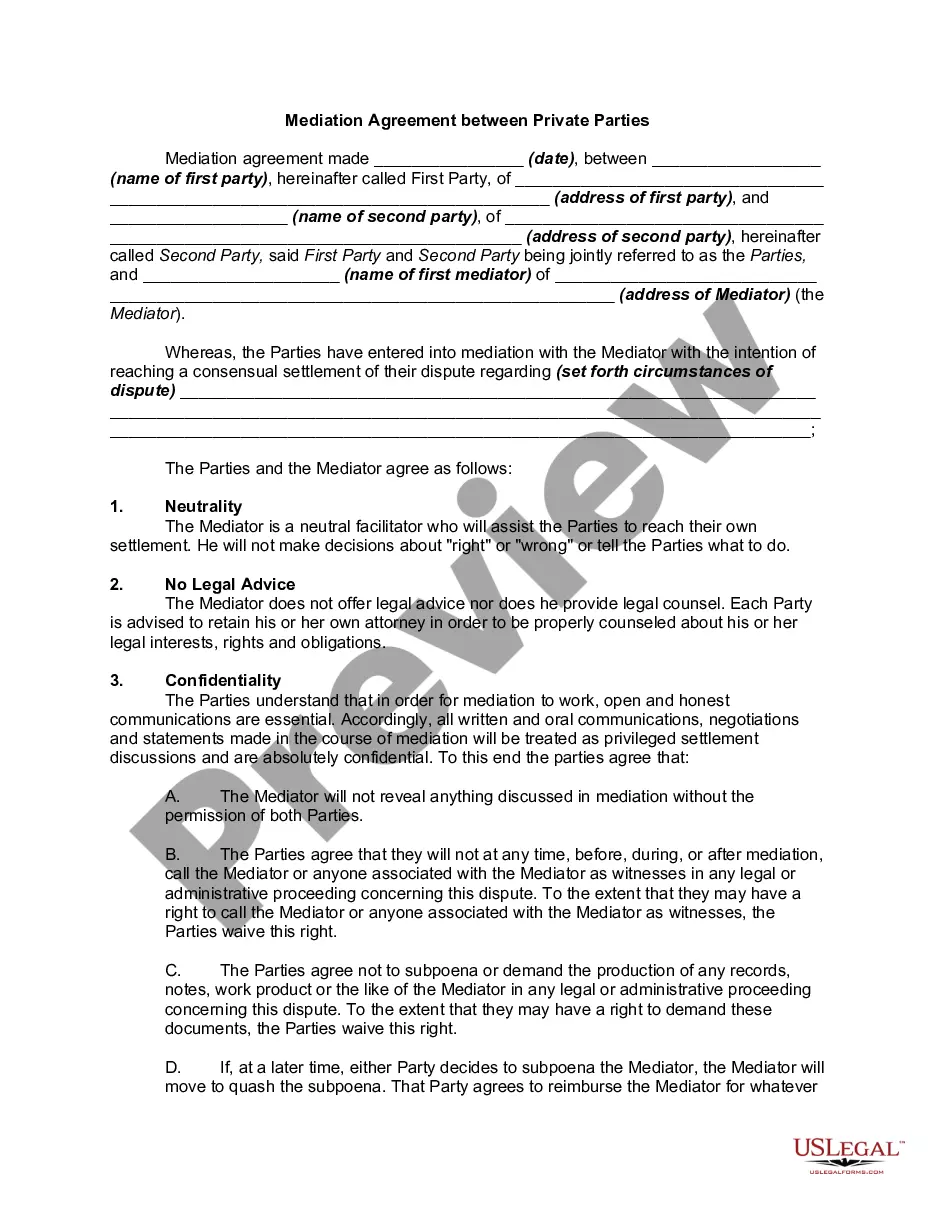
Get your form ready online
Our built-in tools help you complete, sign, share, and store your documents in one place.
Make edits, fill in missing information, and update formatting in US Legal Forms—just like you would in MS Word.
Download a copy, print it, send it by email, or mail it via USPS—whatever works best for your next step.
Sign and collect signatures with our SignNow integration. Send to multiple recipients, set reminders, and more. Go Premium to unlock E-Sign.
If this form requires notarization, complete it online through a secure video call—no need to meet a notary in person or wait for an appointment.
We protect your documents and personal data by following strict security and privacy standards.

Make edits, fill in missing information, and update formatting in US Legal Forms—just like you would in MS Word.

Download a copy, print it, send it by email, or mail it via USPS—whatever works best for your next step.

Sign and collect signatures with our SignNow integration. Send to multiple recipients, set reminders, and more. Go Premium to unlock E-Sign.

If this form requires notarization, complete it online through a secure video call—no need to meet a notary in person or wait for an appointment.

We protect your documents and personal data by following strict security and privacy standards.
Looking for another form?







Form popularity
FAQ
The five steps of the mediation process are preparation, opening statements, exploration of issues, bargaining, and finalizing the agreement. Engaging in mediation for divorce requires an organized approach, ensuring each step is addressed thoroughly. By following these steps, parties can maintain focus and work towards a resolution that works for everyone involved.
Writing a good mediation for divorce means clearly outlining the key issues, proposed solutions, and agreed-upon terms. Focus on presenting the information in a straightforward manner to facilitate understanding. Additionally, using structured formats, like checklists or tables, can enhance clarity and ensure that all critical aspects are covered during the mediation.
The 7 stages of mediation include the introduction, statement of the problem, information gathering, identifying interests, brainstorming solutions, negotiating agreements, and closure. Each stage in mediation for divorce plays a vital role in guiding the parties toward resolving disputes amicably. Familiarizing yourself with these stages can help set realistic expectations for the mediation journey.
The 5 phase model of mediation consists of defining the issues, gathering information, generating options, negotiating agreements, and concluding the process. In mediation for divorce, this structured approach assists in addressing key topics systematically, promoting a thorough examination of each issue. Understanding this model can streamline discussions and enhance clarity throughout the process.
One of the most challenging aspects of mediation for divorce is managing emotions. Engaging in discussions about sensitive topics, such as financial arrangements or child custody, can lead to heightened feelings. It is crucial to recognize these emotions and remain focused on finding solutions rather than allowing tensions to escalate.
To achieve the best results in mediation for divorce, it's essential to enter the process with an open mind and a willingness to negotiate. Preparing in advance by gathering relevant information and clarifying your goals will help you communicate effectively. Also, maintaining respect for your partner, despite any disagreements, can significantly enhance the likelihood of a positive outcome.
In mediation for divorce, the format typically involves both spouses and a neutral mediator. The mediator guides the discussion, ensuring each party has an opportunity to express their needs and concerns. This collaborative environment helps to foster open communication and encourages the parties to reach a mutually acceptable agreement.
Many individuals avoid mediation for divorce due to misconceptions or fear of vulnerability. Some believe mediation may not result in a fair outcome or worry they will lack control in the process. Others may simply prefer the certainty of litigation over a potentially uncertain mediation outcome. Understanding the benefits of mediation can help alleviate these concerns.
One aspect that is not typically an advantage of mediation for divorce is enforceability. Unlike a court order, agreements reached in mediation may lack legal backing if not formalized appropriately. Additionally, mediation may not provide the same level of protection as litigation for certain issues. Understanding these limitations is crucial before deciding on mediation.
Common problems in mediation for divorce include power imbalances and lack of cooperation. If one partner is unwilling to compromise, finding a resolution becomes difficult. Additionally, if there are unresolved issues or hidden assets, these can surface later, affecting the agreement's validity. Engaging a qualified mediator can help address these challenges effectively.
