Website Agreement Document Without Comments
Description
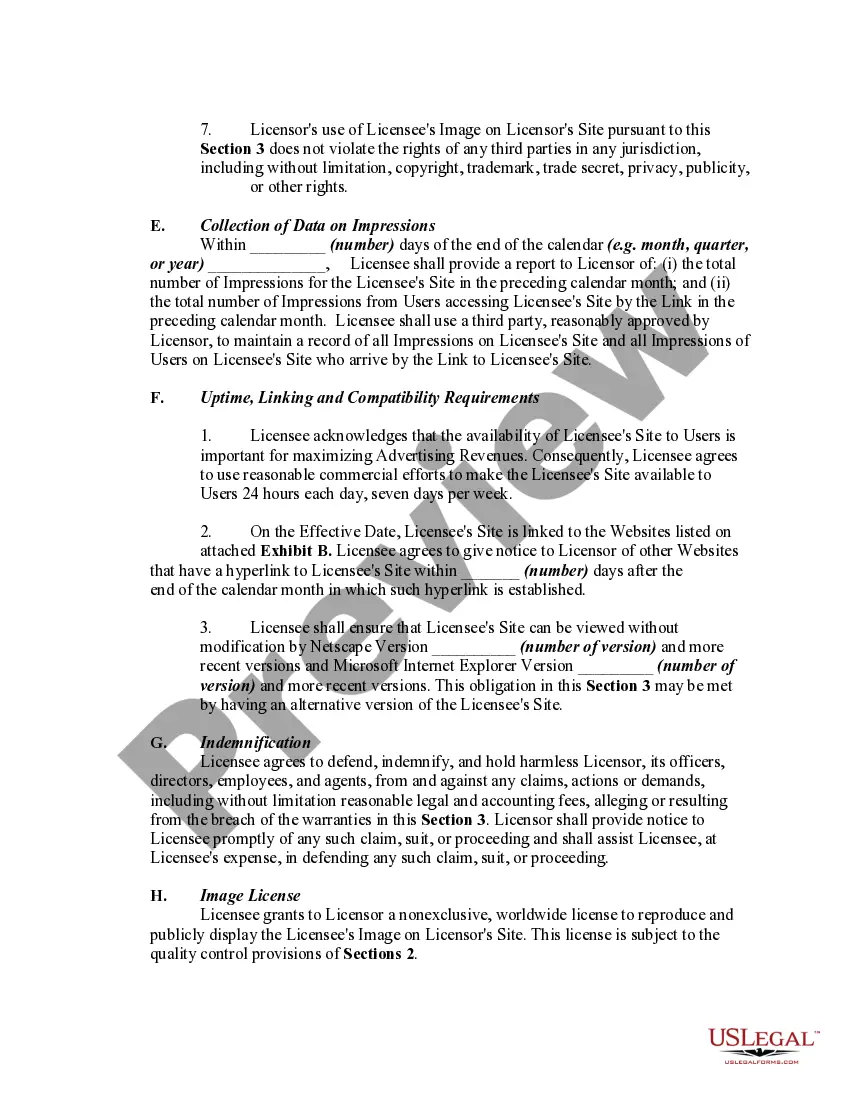
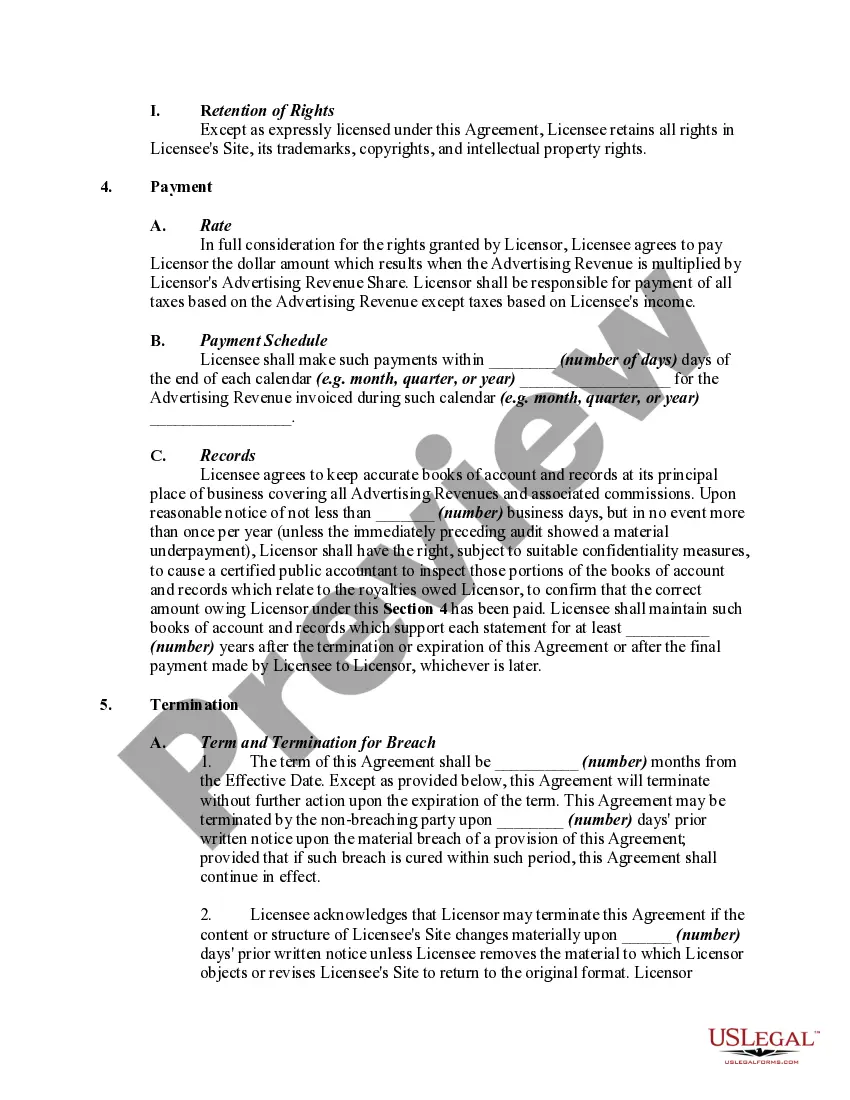
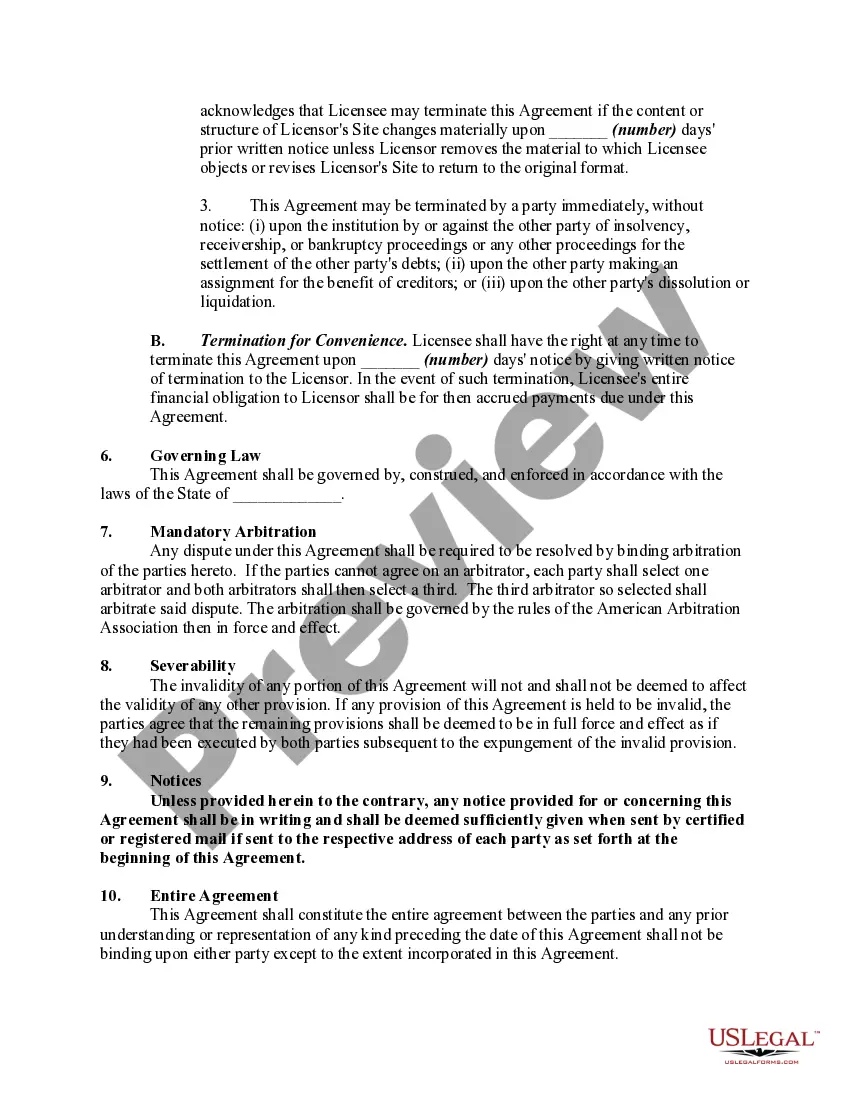
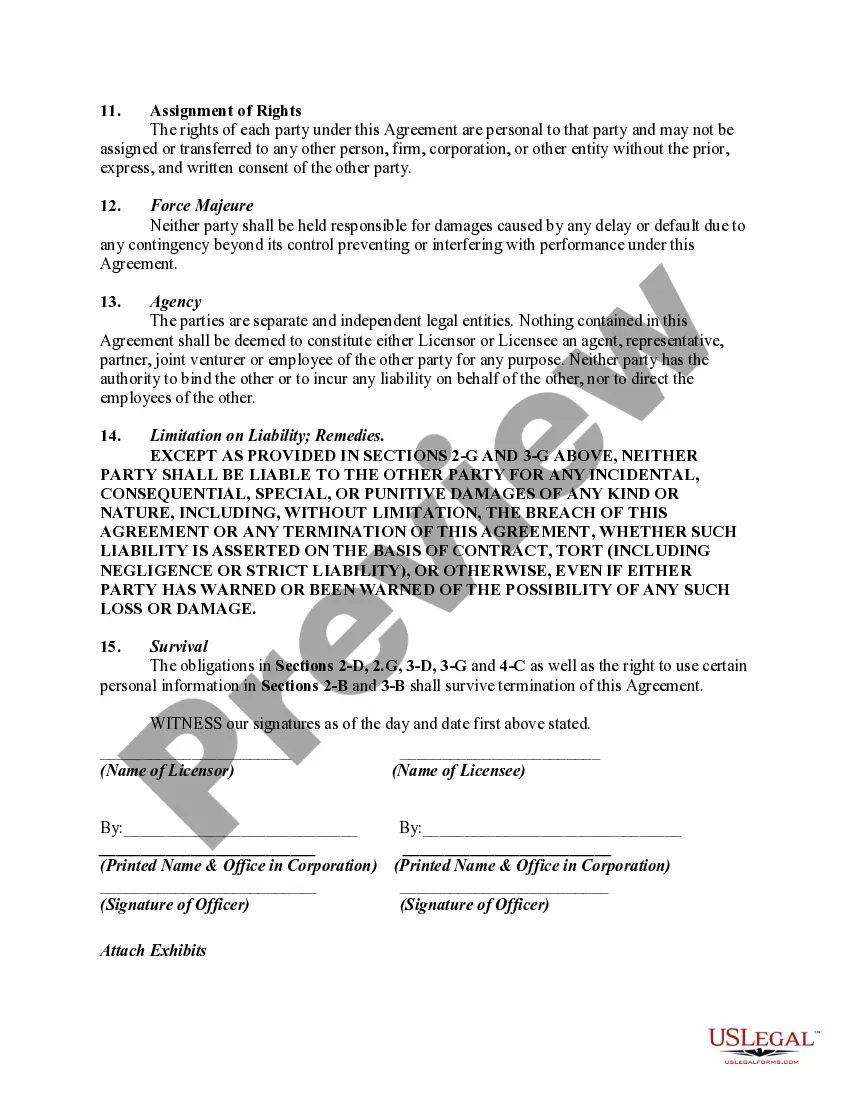
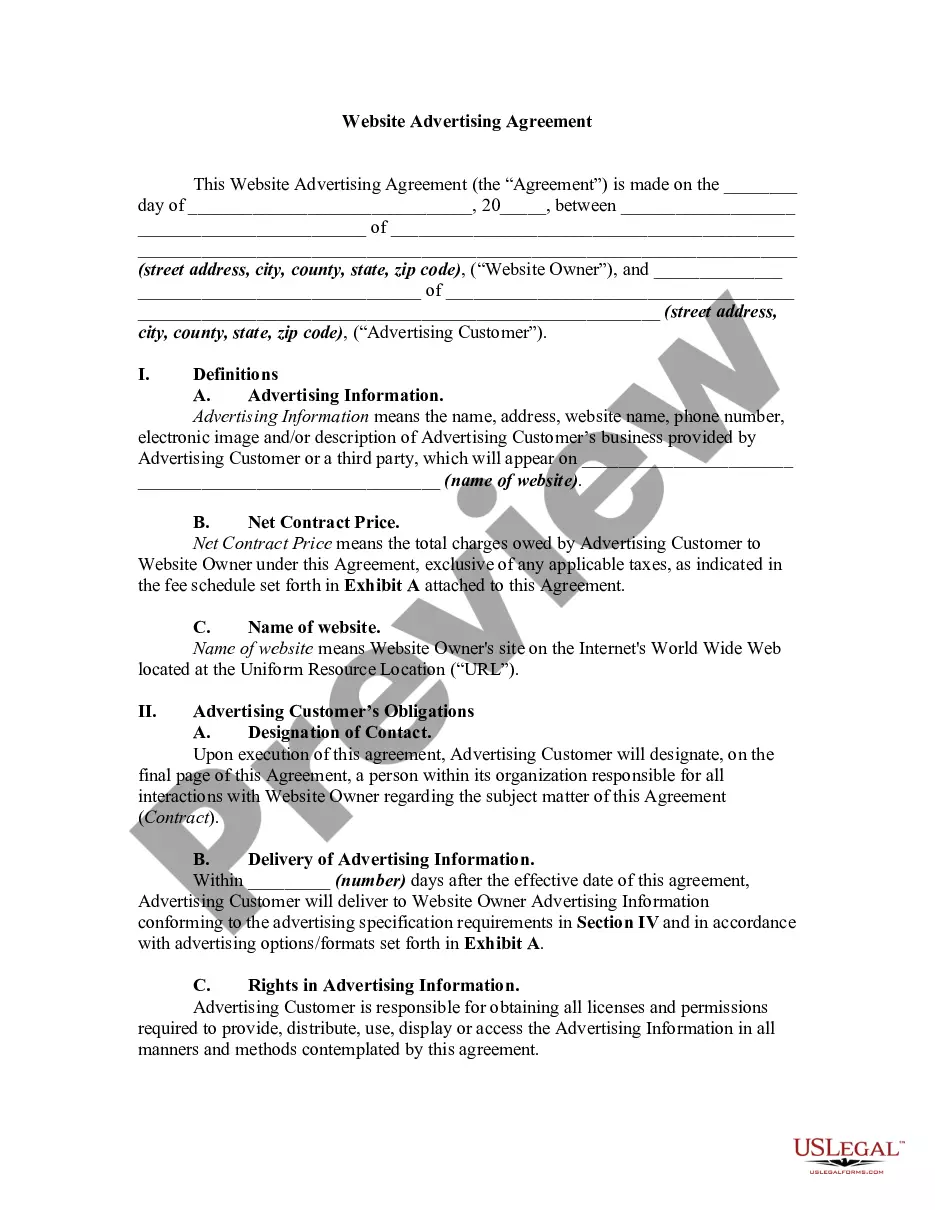
Get your form ready online
Our built-in tools help you complete, sign, share, and store your documents in one place.
Make edits, fill in missing information, and update formatting in US Legal Forms—just like you would in MS Word.
Download a copy, print it, send it by email, or mail it via USPS—whatever works best for your next step.
Sign and collect signatures with our SignNow integration. Send to multiple recipients, set reminders, and more. Go Premium to unlock E-Sign.
If this form requires notarization, complete it online through a secure video call—no need to meet a notary in person or wait for an appointment.
We protect your documents and personal data by following strict security and privacy standards.

Make edits, fill in missing information, and update formatting in US Legal Forms—just like you would in MS Word.

Download a copy, print it, send it by email, or mail it via USPS—whatever works best for your next step.

Sign and collect signatures with our SignNow integration. Send to multiple recipients, set reminders, and more. Go Premium to unlock E-Sign.

If this form requires notarization, complete it online through a secure video call—no need to meet a notary in person or wait for an appointment.

We protect your documents and personal data by following strict security and privacy standards.
Looking for another form?
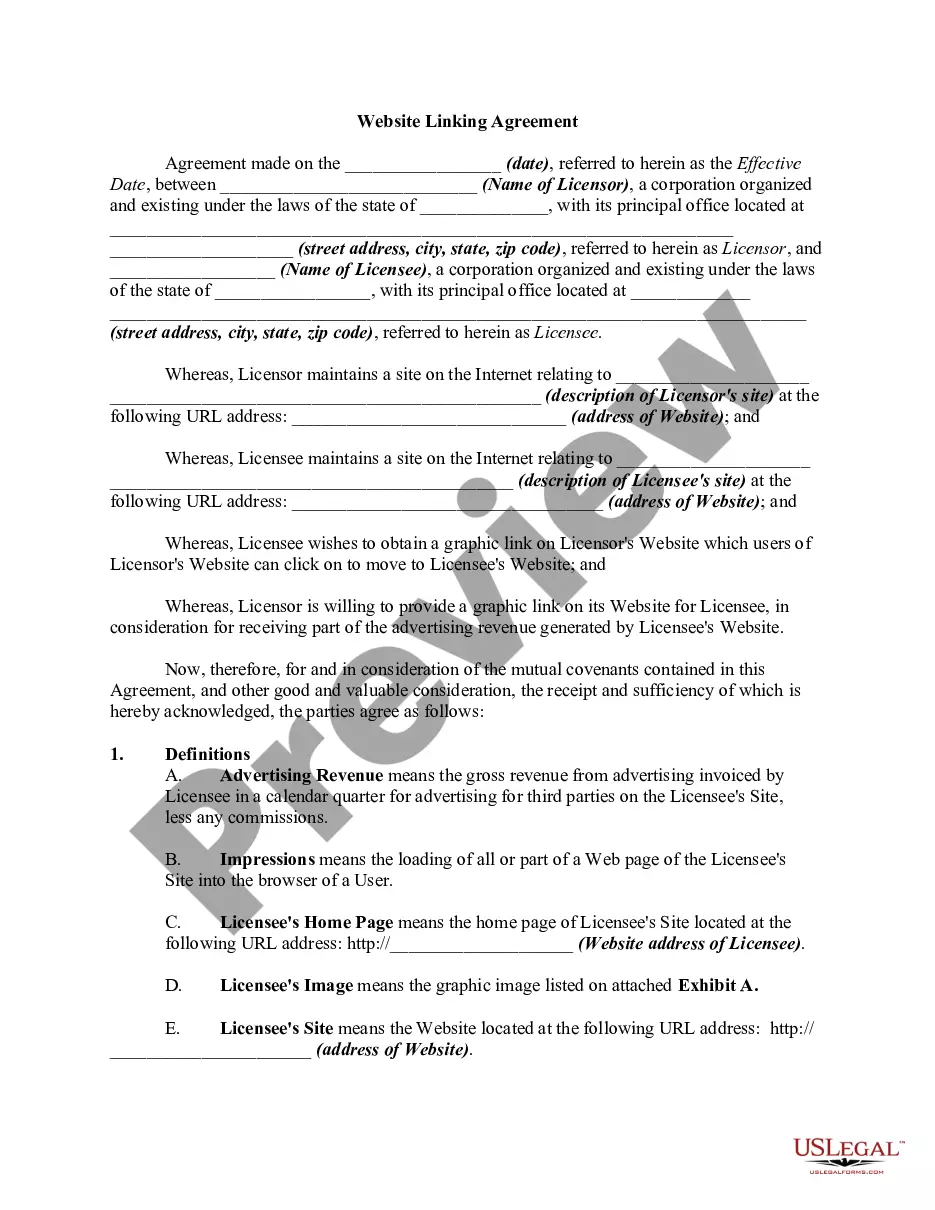
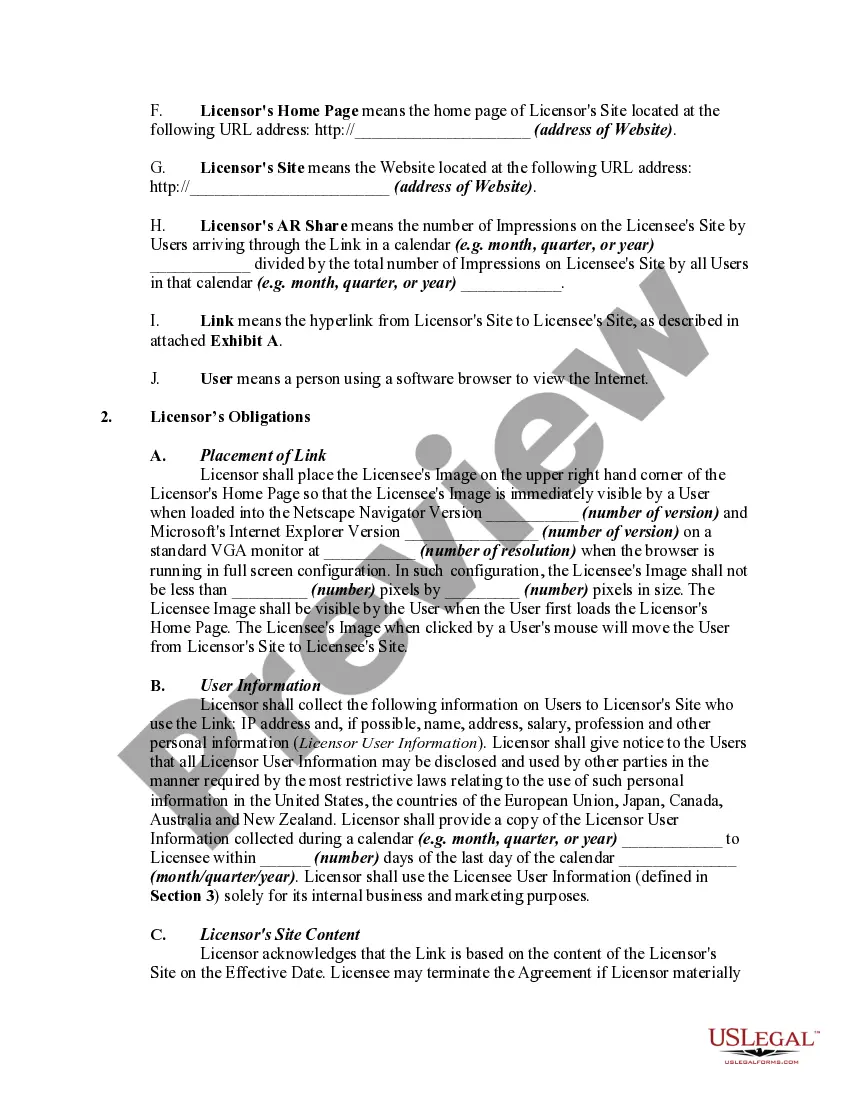
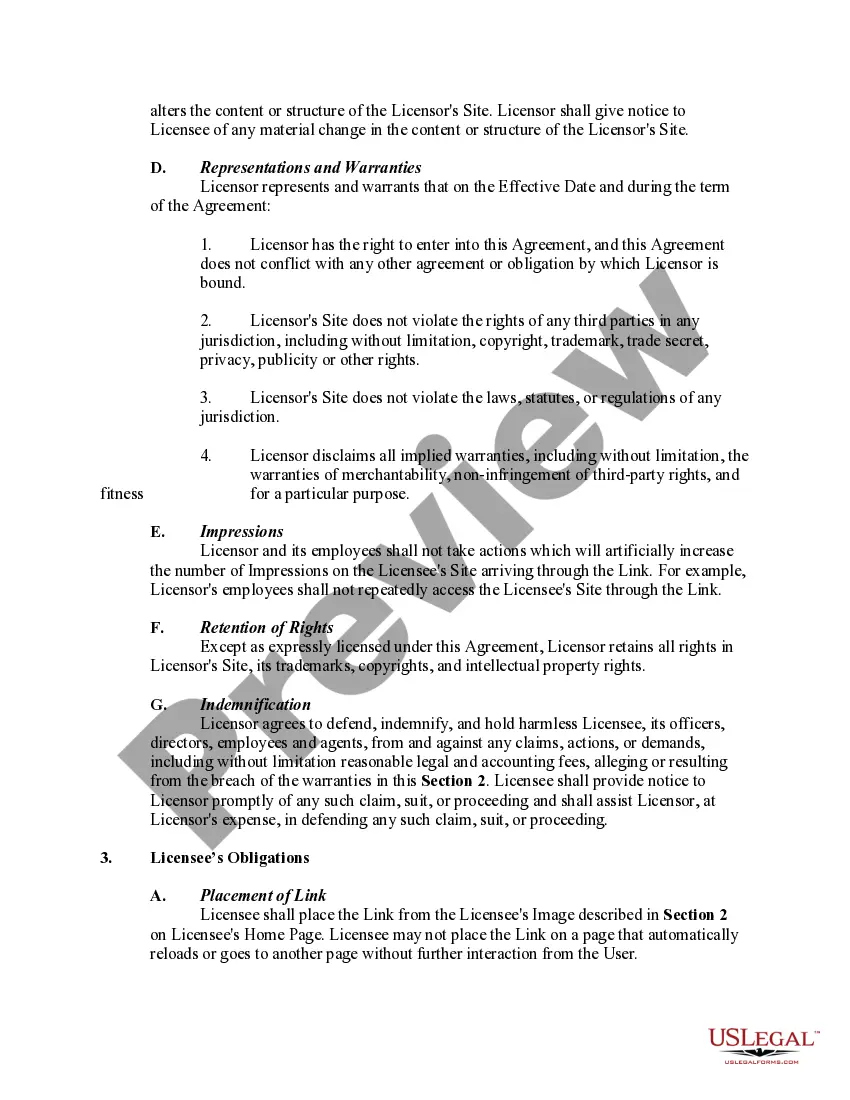
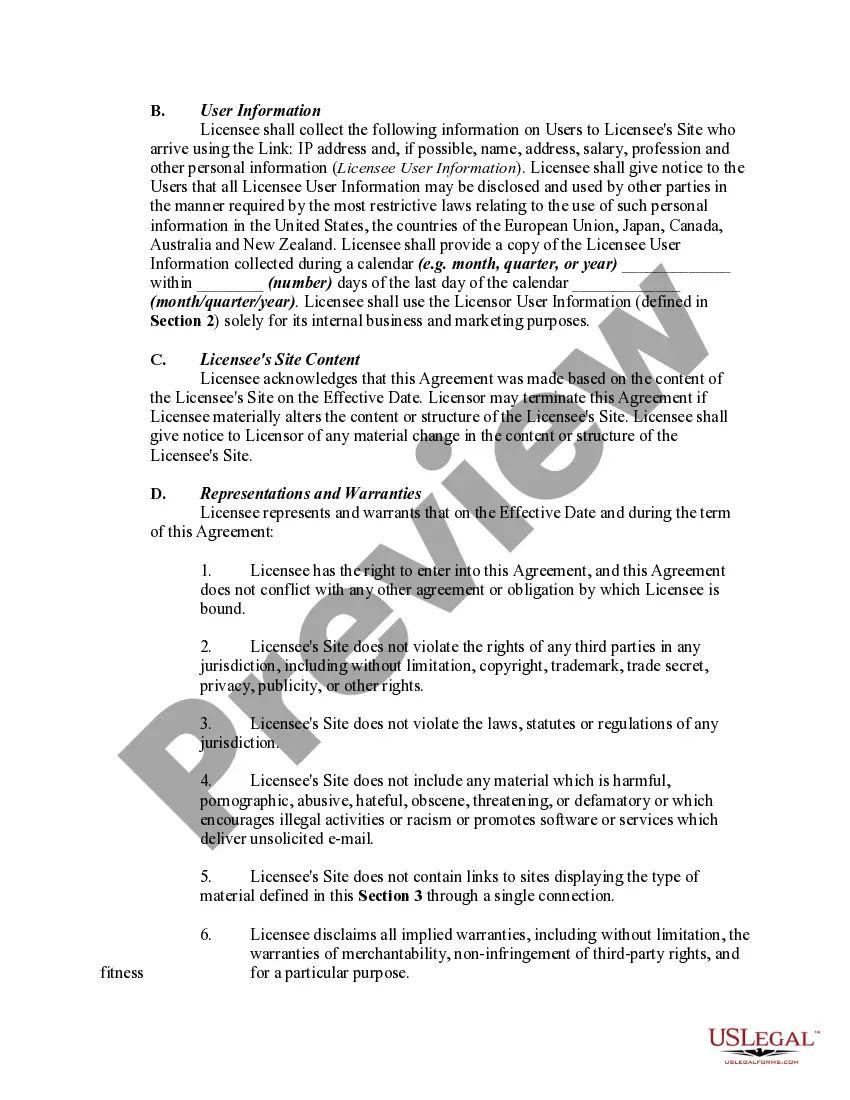
How to fill out Website Linking Agreement?
It’s well-known that you cannot become a legal professional instantly, nor can you quickly understand how to effectively prepare a Website Agreement Document Without Comments without possessing a specialized skill set. Drafting legal documents is a labor-intensive process that demands specific training and expertise. So why not entrust the creation of the Website Agreement Document Without Comments to the experts.
With US Legal Forms, one of the most extensive legal template collections, you can locate anything from court papers to templates for internal business correspondence. We recognize how vital compliance and adherence to federal and local laws and regulations are. That’s why, on our platform, all templates are location-specific and current.
Here’s how you can begin using our platform and acquire the document you need in just minutes.
You can regain access to your documents from the My documents tab at any time. If you’re an existing client, you can simply Log In, and locate and download the template from the same tab.
Regardless of the purpose of your documents—whether financial, legal, or personal—our platform has you covered. Experience US Legal Forms now!
- Find the form you require using the search bar at the top of the page.
- Preview it (if this option is available) and review the accompanying description to ascertain whether Website Agreement Document Without Comments is what you’re looking for.
- Restart your search if you need a different template.
- Create a free account and select a subscription plan to purchase the form.
- Click Buy now. After completing the payment, you can access the Website Agreement Document Without Comments, fill it out, print it, and deliver or send it by mail to the designated individuals or organizations.
Form popularity
FAQ
Step-by-Step Guide To Writing Your Terms and Conditions Step One: Determine what laws apply to your business. Step Two: Make an outline. Step Three: Pick all clauses relevant to your business. Step Four: Start writing using clear, straightforward language. Step Five: Link to other necessary legal and website policies.
How to create a solid web design freelance contract. A clear description of your client's design parameters. The number of pages you will create, plus the content. Your project fees. A description of any future site maintenance to be included. Project payment delivery schedule.
How to draft a contract agreement Check out the parties. Come to an agreement on the terms. Specify the length of the contract. Spell out the consequences. Determine how you would resolve any disputes. Think about confidentiality. Check the contract's legality. Open it up to negotiation.
Those seven elements are: Identification (Defining all the parties involved) Offer (The agreement) Acceptance (Agreement mirrored by other parties) Mutual consent (Signatory consent of all parties) Consideration (The value exchanged for the offer) Capacity (Legal/mental competence of all parties)
A simple contract might include an agreement between two acquaintances to exchange one service for another. For example, if one person is a plumber and the other an electrician, they might agree to complete certain work for each other as a trade exchange.