Release Information Provided With A Toe Board
Description
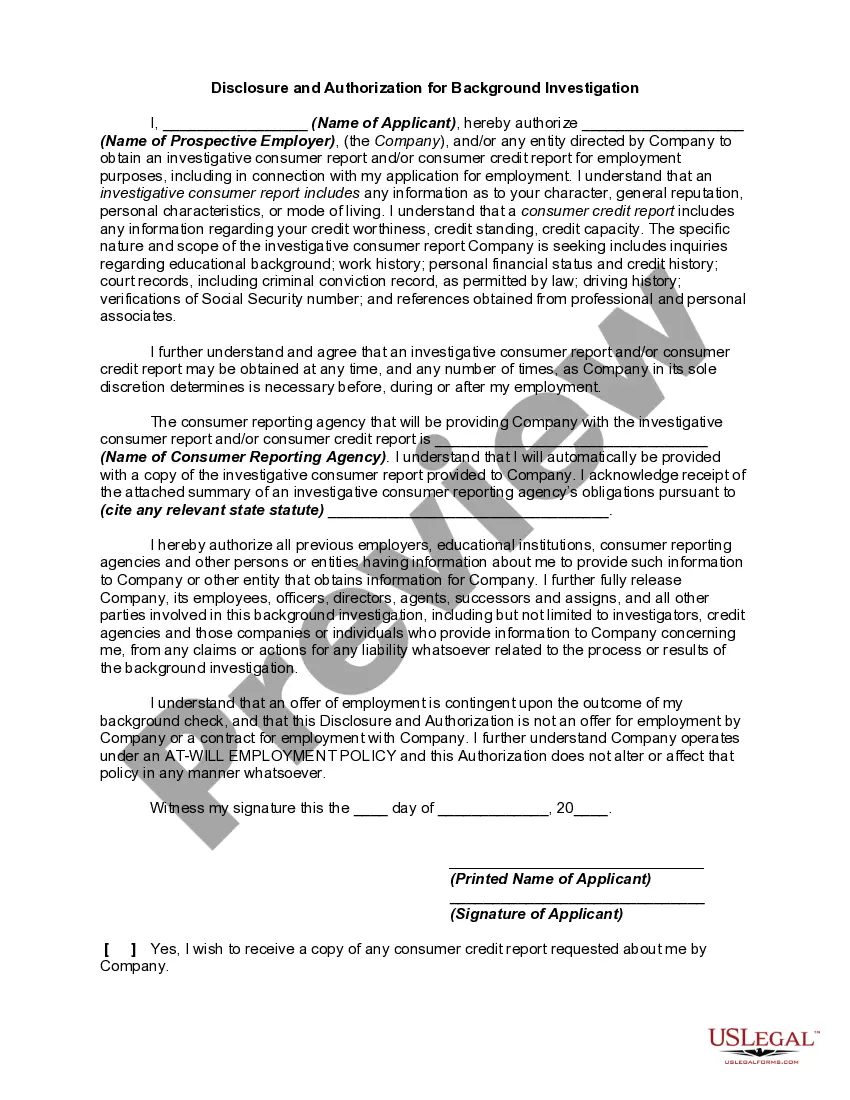
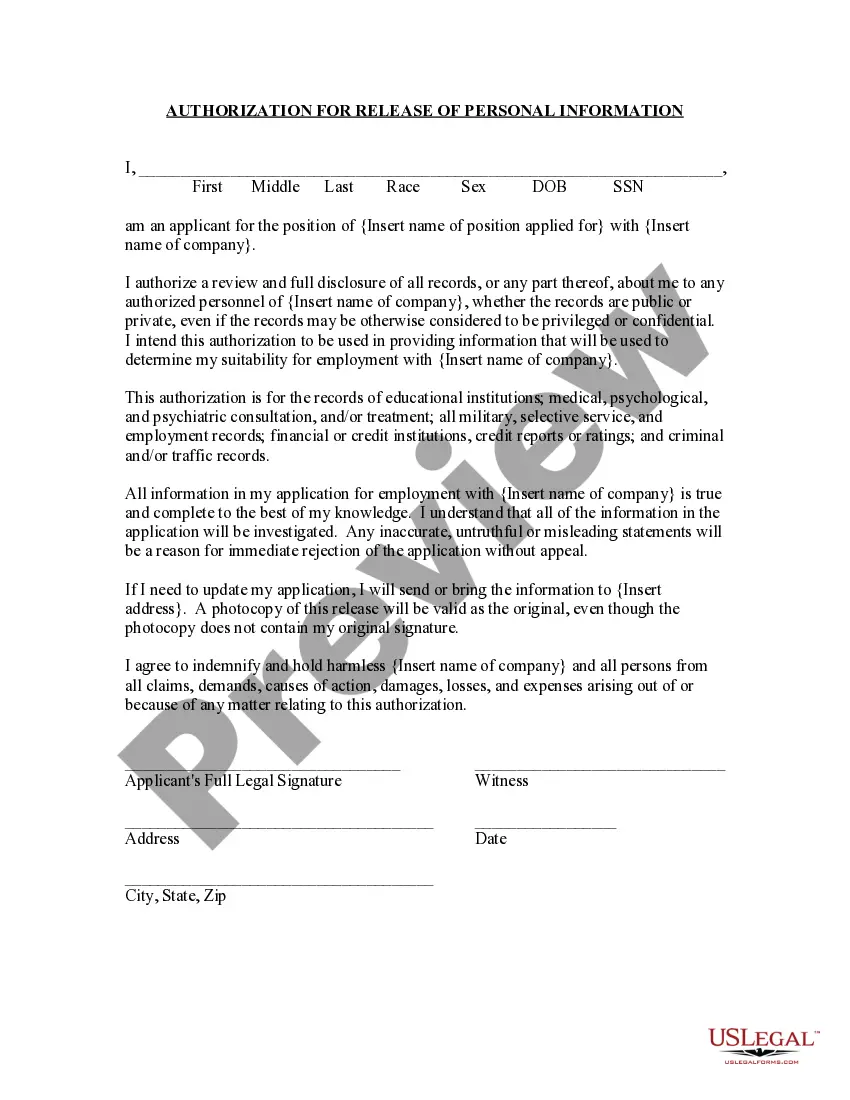
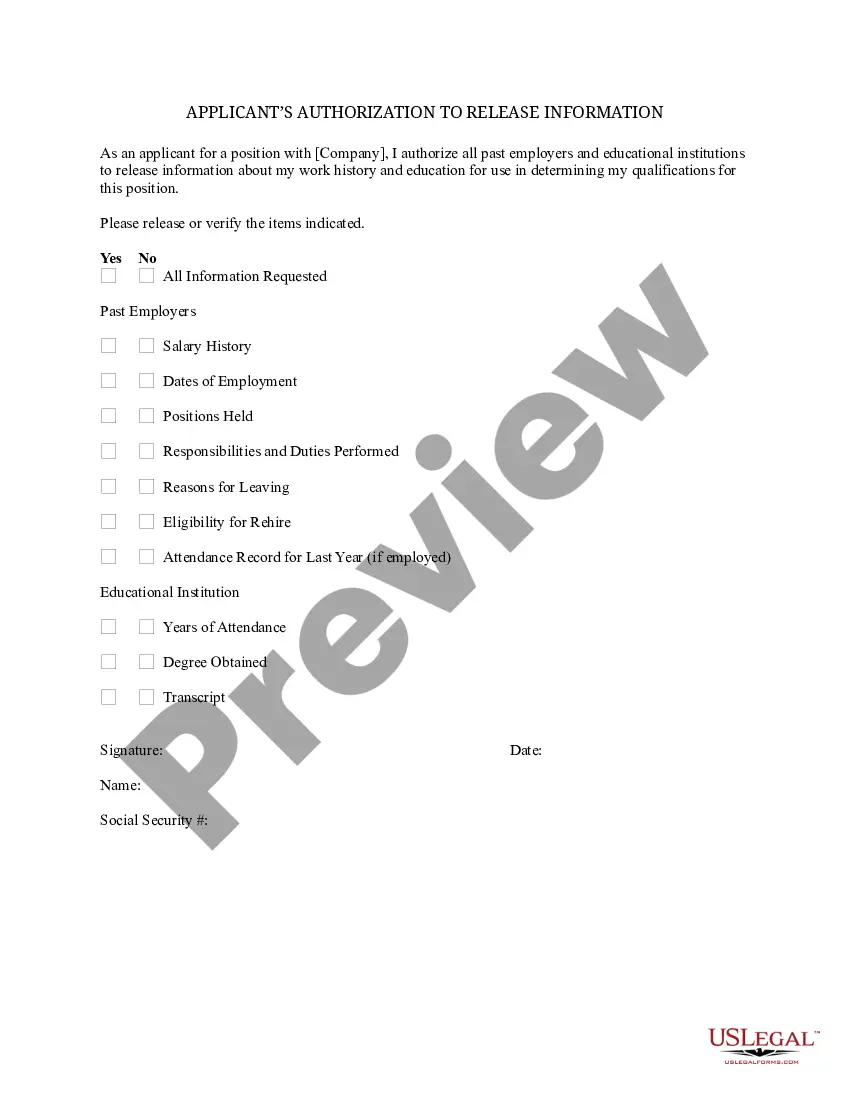
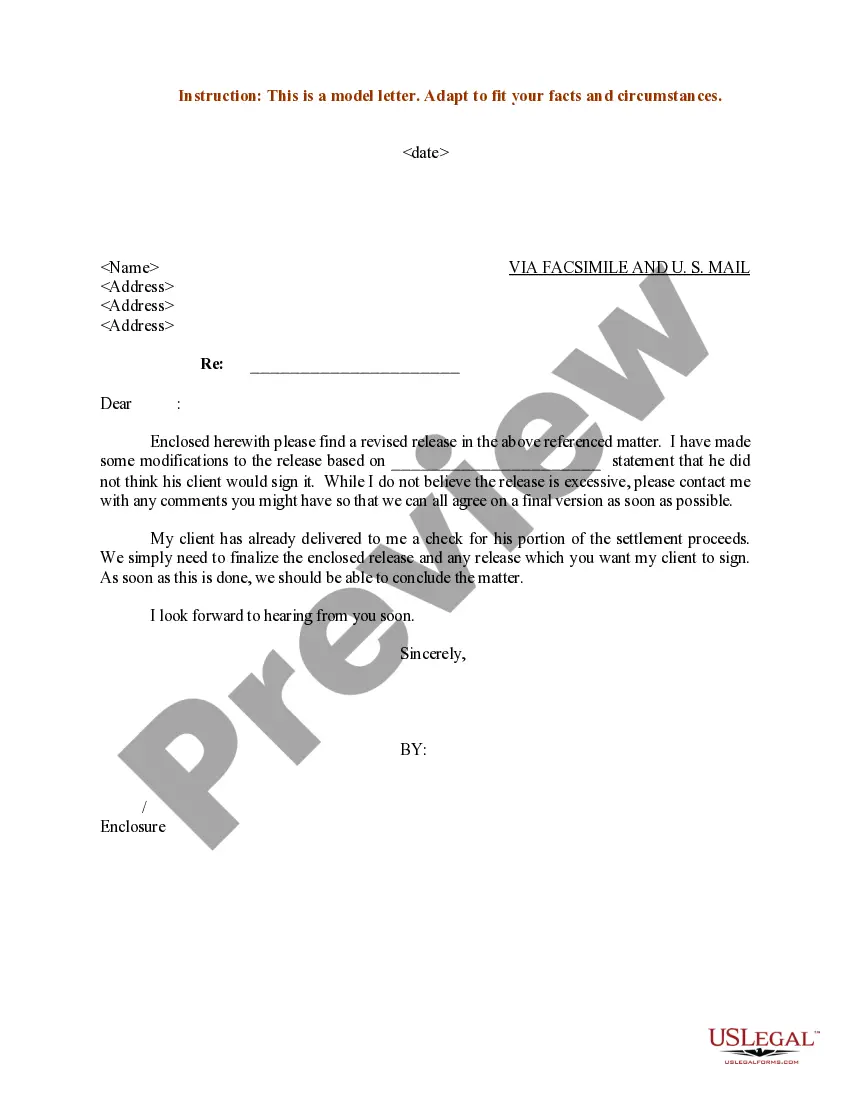
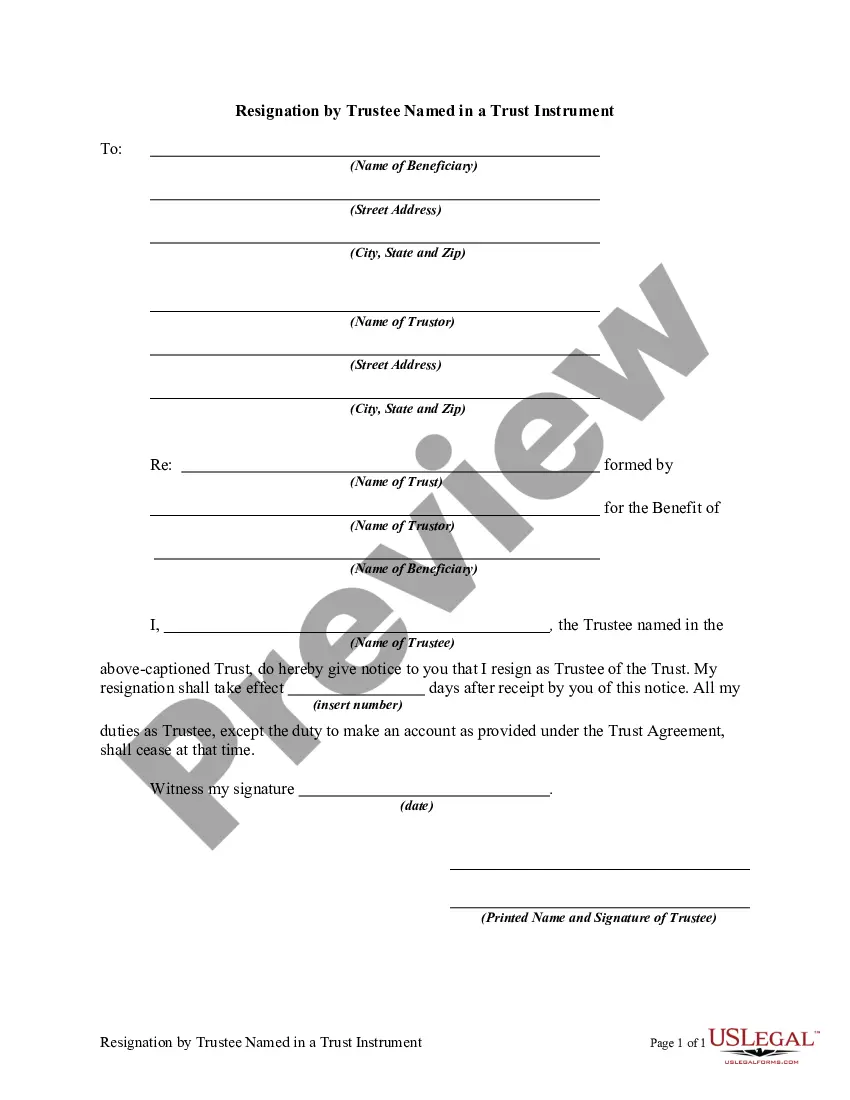
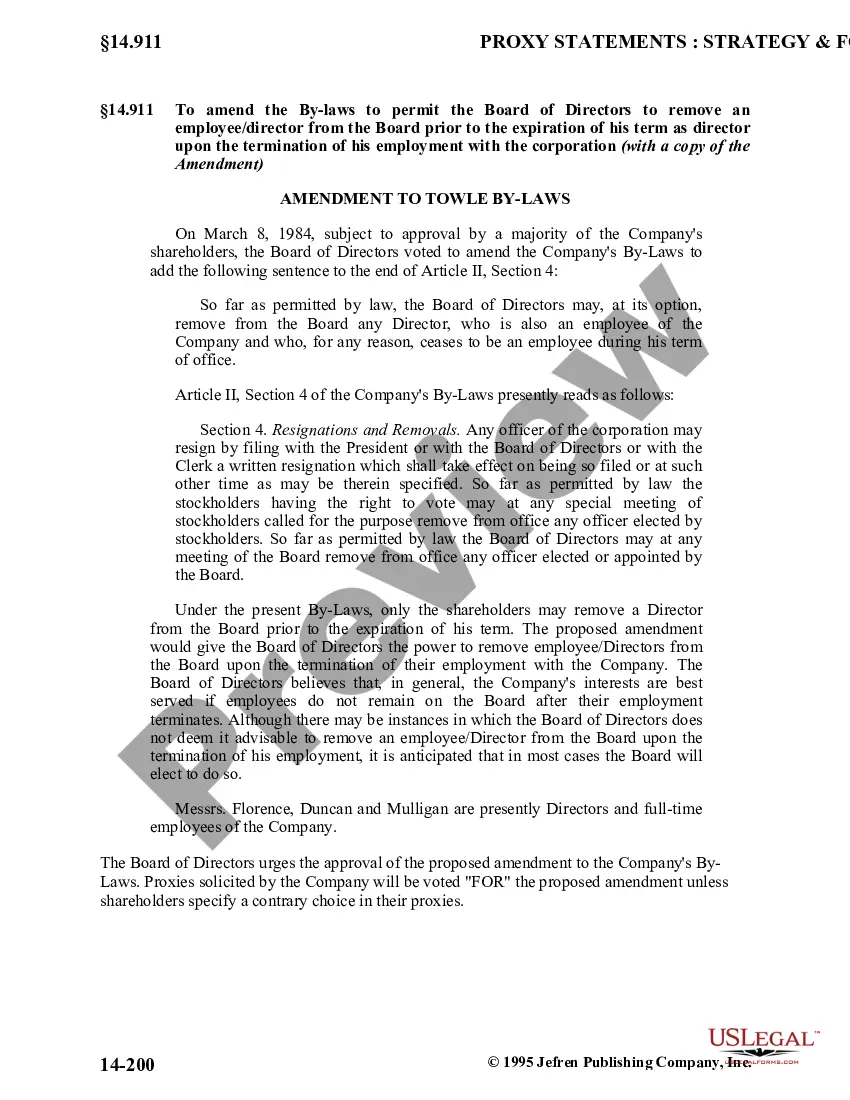
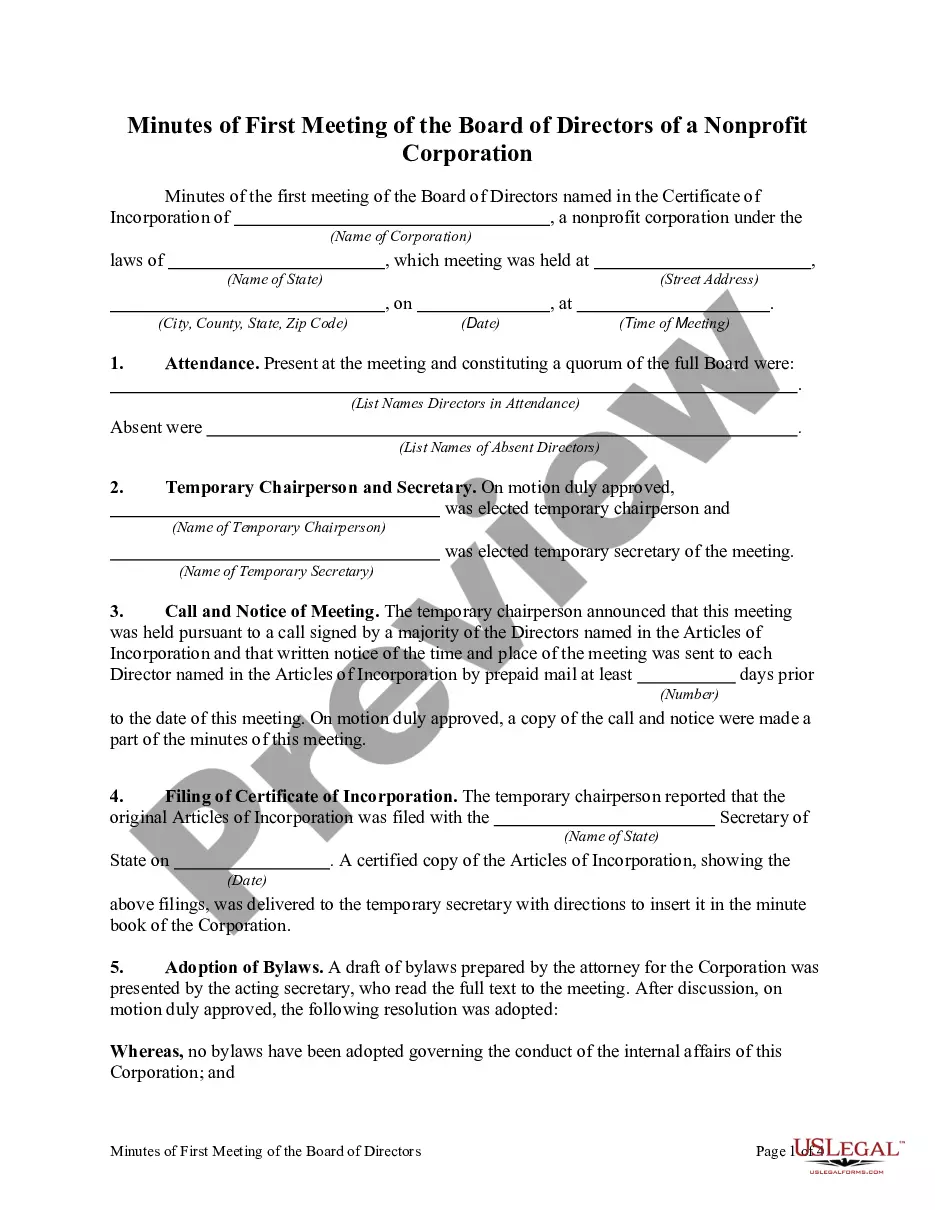



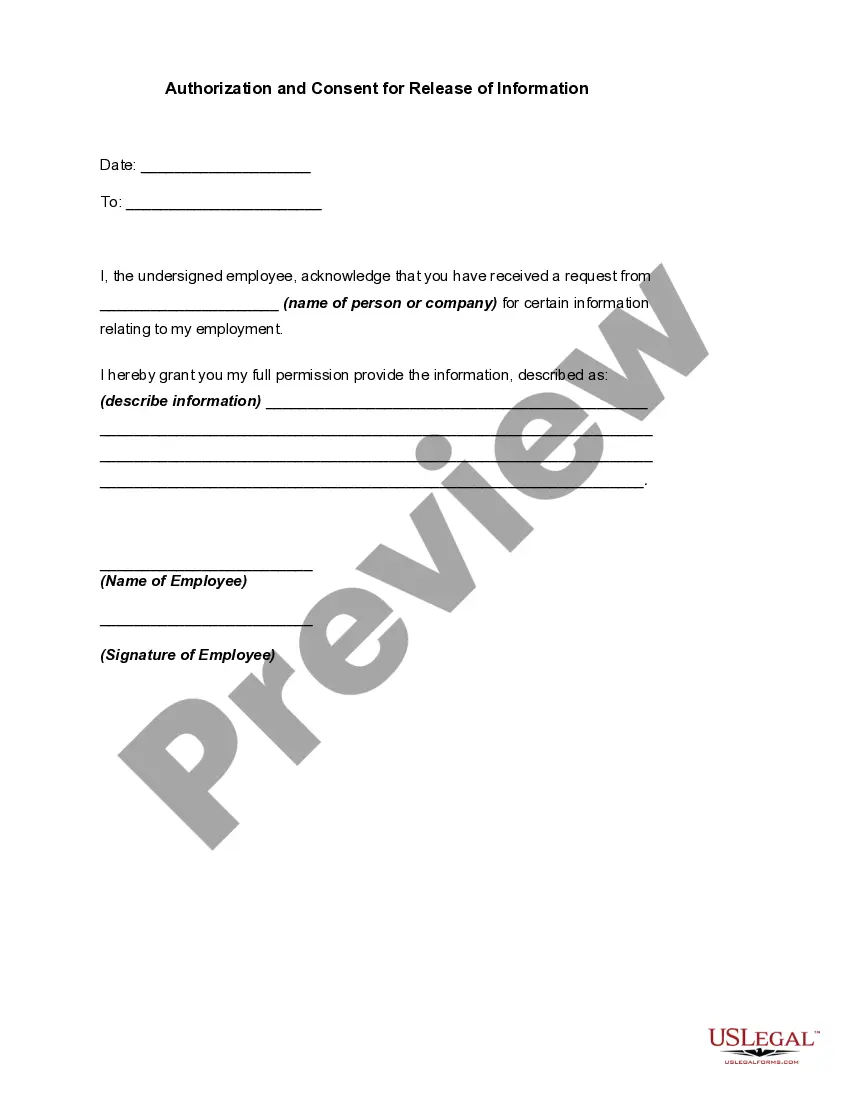
How to fill out Authorization And Consent For Release Of Information?
Obtaining legal templates that comply with federal and state laws is a matter of necessity, and the internet offers a lot of options to pick from. But what’s the point in wasting time searching for the correctly drafted Release Information Provided With A Toe Board sample on the web if the US Legal Forms online library already has such templates gathered in one place?
US Legal Forms is the biggest online legal library with over 85,000 fillable templates drafted by lawyers for any business and personal situation. They are easy to browse with all papers organized by state and purpose of use. Our specialists keep up with legislative changes, so you can always be confident your paperwork is up to date and compliant when obtaining a Release Information Provided With A Toe Board from our website.
Obtaining a Release Information Provided With A Toe Board is quick and easy for both current and new users. If you already have an account with a valid subscription, log in and save the document sample you need in the preferred format. If you are new to our website, adhere to the steps below:
- Analyze the template using the Preview option or via the text outline to ensure it fits your needs.
- Look for a different sample using the search tool at the top of the page if necessary.
- Click Buy Now when you’ve found the suitable form and choose a subscription plan.
- Register for an account or sign in and make a payment with PayPal or a credit card.
- Pick the format for your Release Information Provided With A Toe Board and download it.
All documents you locate through US Legal Forms are multi-usable. To re-download and fill out earlier purchased forms, open the My Forms tab in your profile. Take advantage of the most extensive and straightforward-to-use legal paperwork service!
Form popularity
FAQ
The purpose of toeboards is to prevent falling objects, tools, and equipment from going over an edge of a roof or platform. An unprotected edge poses a risk of falling material on those below. Toe boards also help protect workers from falling off elevated walking-working surfaces.
A toeboard is a protective barrier installed on the edges of work platforms or other raised areas to prevent objects from falling to a lower level and potentially harming someone or causing damage to property.
Ing to Occupational Health and Safety Administration (OSHA), scaffolding toe board requirement exists ?when there is a danger of tools, materials, or equipment falling from a scaffold?. The OSHA toe boards requirement states that it needs to be at 3.5? tall and the gap at the bottom should be no more than ¼?.
Toeboards shall be at least 3½ inches (8.9 cm) in height from top edge to floor level, and be capable of withstanding a force of 50 pounds (222 N) applied in any direction. Drainage clearance under toeboards is permitted.
The purpose of toeboards is to prevent falling objects, tools, and equipment from going over an edge of a roof or platform. An unprotected edge poses a risk of falling material on those below. Toe boards also help protect workers from falling off elevated walking-working surfaces.