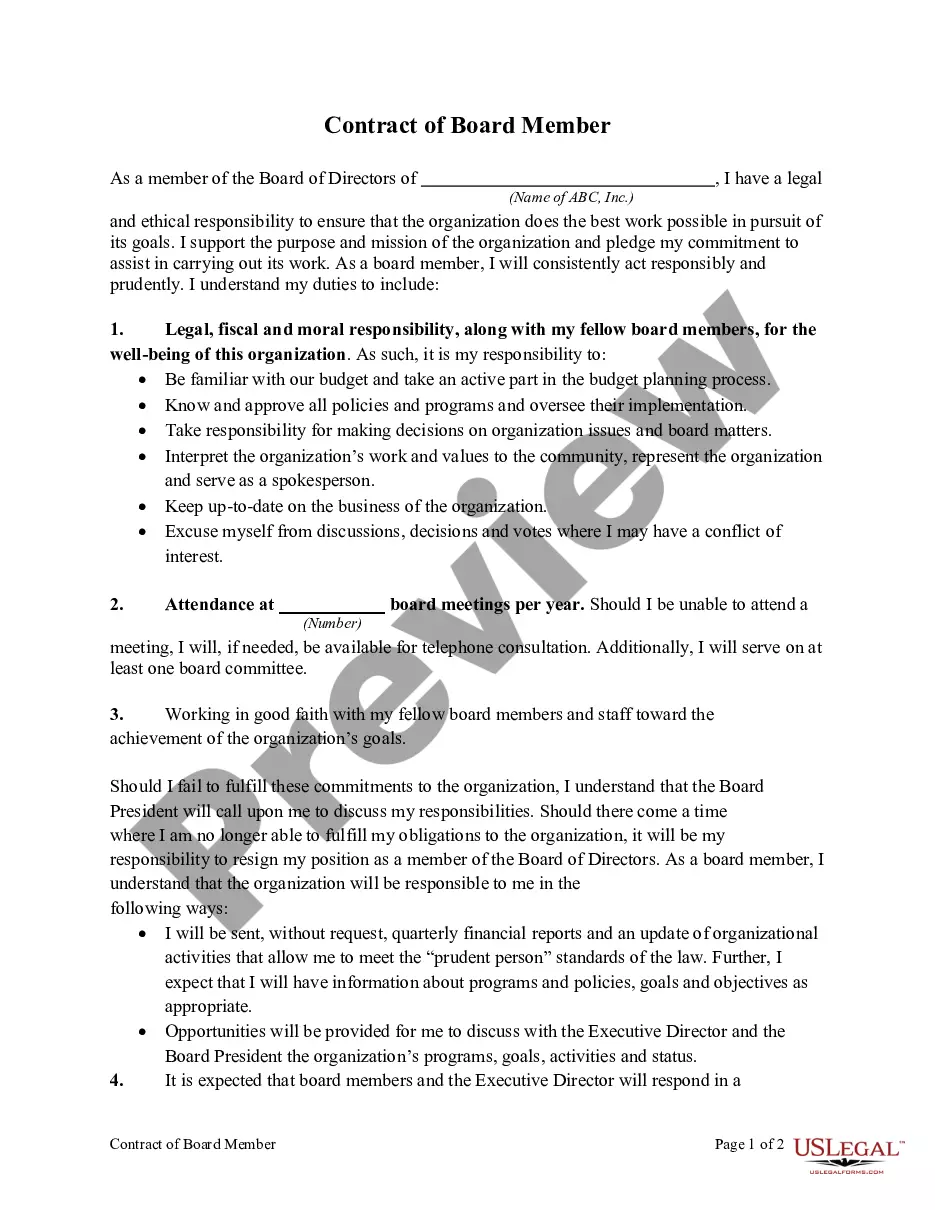
Contract Member Agreement With Vendor
Description
Get your form ready online
Our built-in tools help you complete, sign, share, and store your documents in one place.
Make edits, fill in missing information, and update formatting in US Legal Forms—just like you would in MS Word.
Download a copy, print it, send it by email, or mail it via USPS—whatever works best for your next step.
Sign and collect signatures with our SignNow integration. Send to multiple recipients, set reminders, and more. Go Premium to unlock E-Sign.
If this form requires notarization, complete it online through a secure video call—no need to meet a notary in person or wait for an appointment.
We protect your documents and personal data by following strict security and privacy standards.

Make edits, fill in missing information, and update formatting in US Legal Forms—just like you would in MS Word.

Download a copy, print it, send it by email, or mail it via USPS—whatever works best for your next step.

Sign and collect signatures with our SignNow integration. Send to multiple recipients, set reminders, and more. Go Premium to unlock E-Sign.

If this form requires notarization, complete it online through a secure video call—no need to meet a notary in person or wait for an appointment.

We protect your documents and personal data by following strict security and privacy standards.
Looking for another form?







How to fill out Contract Of Board Member?
Well-prepared official documentation is one of the essential safeguards against complications and legal disputes, yet attaining it without the aid of an attorney may require some time.
Whether you need to promptly locate a current Contract Member Agreement With Vendor or any other forms related to employment, family, or business situations, US Legal Forms is consistently available to assist.
For existing users of the US Legal Forms library, the process is even simpler. If your subscription is active, all you need to do is Log In to your account and press the Download button next to the selected document. Furthermore, you can retrieve the Contract Member Agreement With Vendor at any time, as all previously obtained documents on the platform remain accessible within the My documents section of your account. Conserve time and resources on creating official documents. Give US Legal Forms a try today!
- Confirm that the form aligns with your circumstances and location by reviewing the description and preview.
- Search for another example (if necessary) using the Search bar located in the page header.
- Select Buy Now after identifying the appropriate template.
- Pick the pricing option, sign in to your account or create a new one.
- Choose your preferred payment method to purchase the subscription plan (via credit card or PayPal).
- Select PDF or DOCX file format for your Contract Member Agreement With Vendor.
- Click Download, then print the document to complete it or upload it to an online editor.
Form popularity
FAQ
Creating a vendor contractStep 1: Specify business terms. The first part of each vendor contract usually outlines the business terms including:Step 2: Outline legal concepts. This section usually begins with the representations and warranties section.Step 3: Address consequences.
What To Include In Your Vendor Agreement1) Scope Of The Services Or Products.2) Contract Length And Duration.3) Price And How It Will Be Paid.4) How To Get Out Of The Contract.5) What Happens If Someone Doesn't Follow The Vendor Agreement.
A vendor contract (or vendor agreement) agreement is a business contract that sets out the terms and conditions of a purchase, and is an important touchpoint between the buyer and the seller. For the vendor or supplier, the contract helps to recognize revenue. For the buyer, it's about keeping track of spend.
All business contracts must contain the essential elements of an agreement. The essential elements include consideration, offer and acceptance, a legal purpose, capable parties and mutual assent. Consideration means something of value must be exchanged.
Generally, to be legally valid, most contracts must contain two elements:All parties must agree about an offer made by one party and accepted by the other.Something of value must be exchanged for something else of value. This can include goods, cash, services, or a pledge to exchange these items.