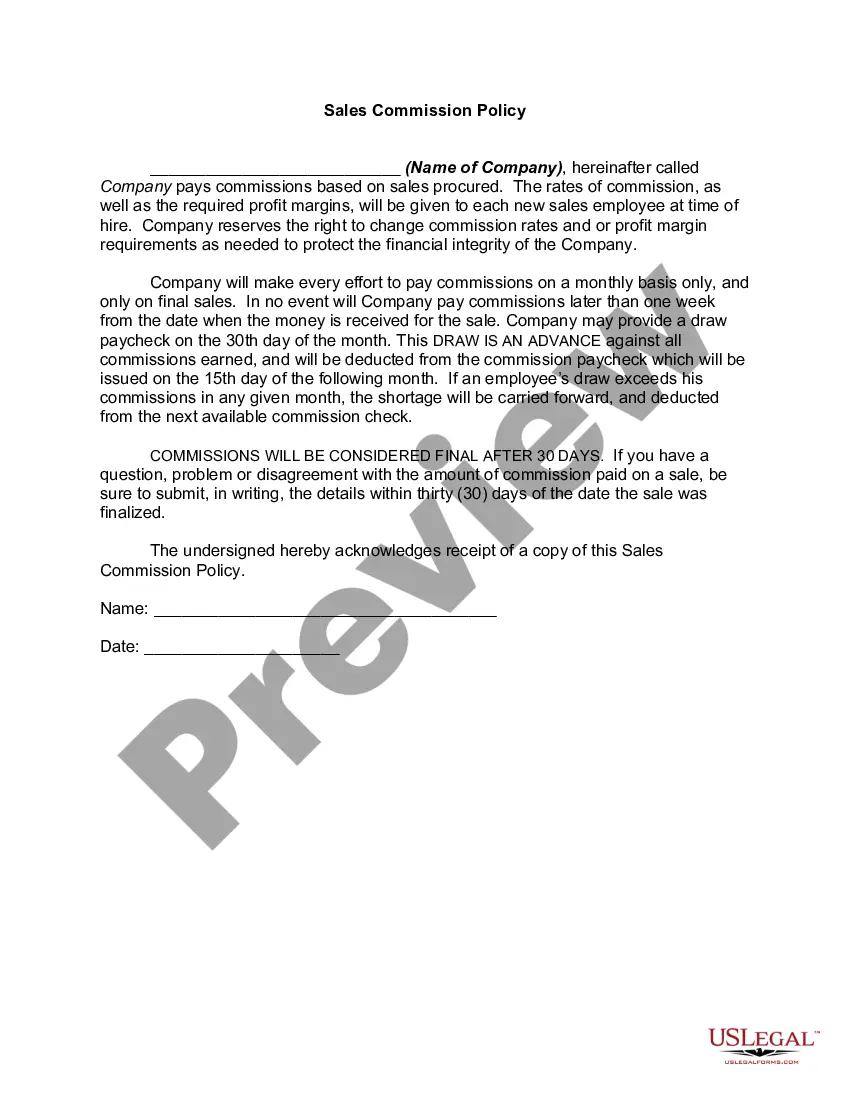
Commission Sample Statement For Audits
Description
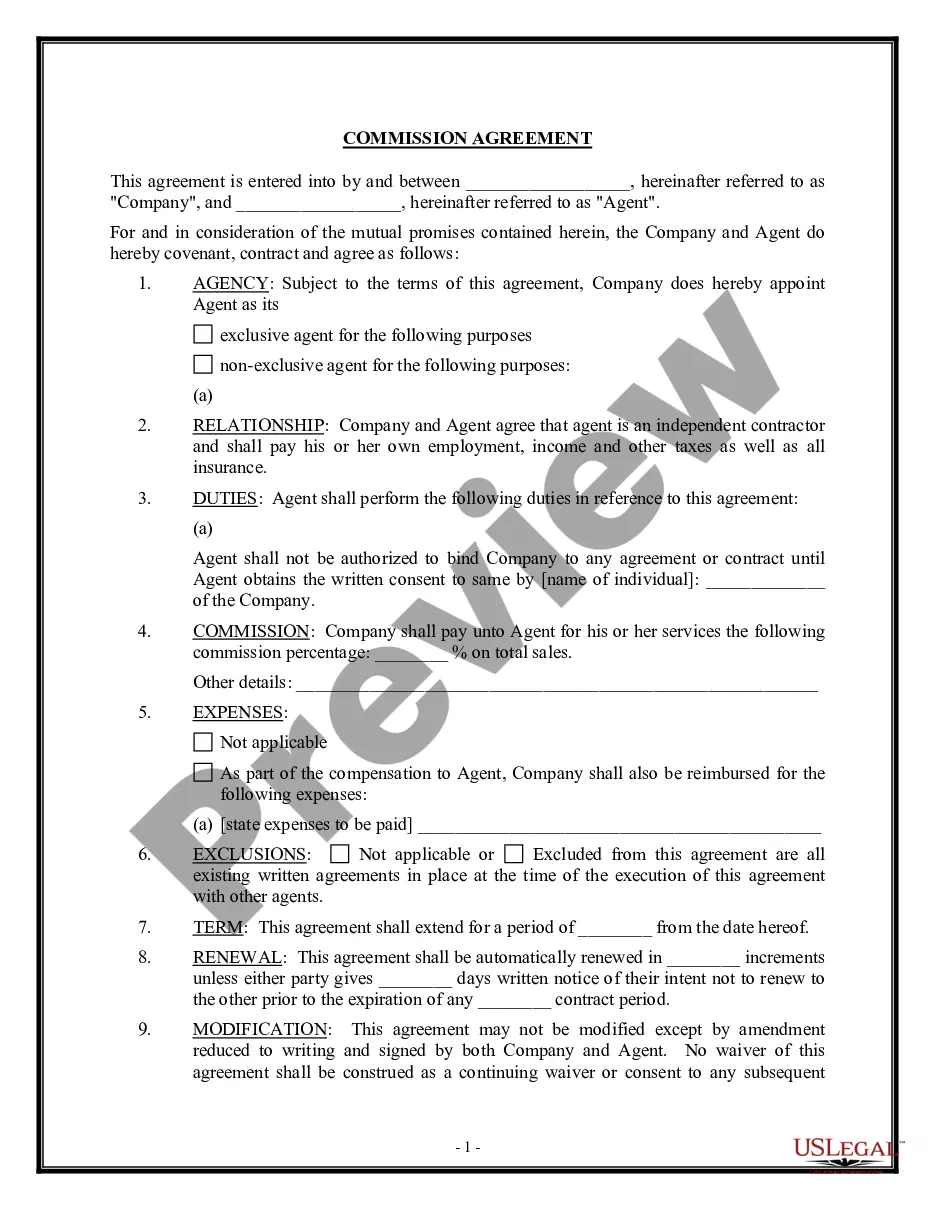
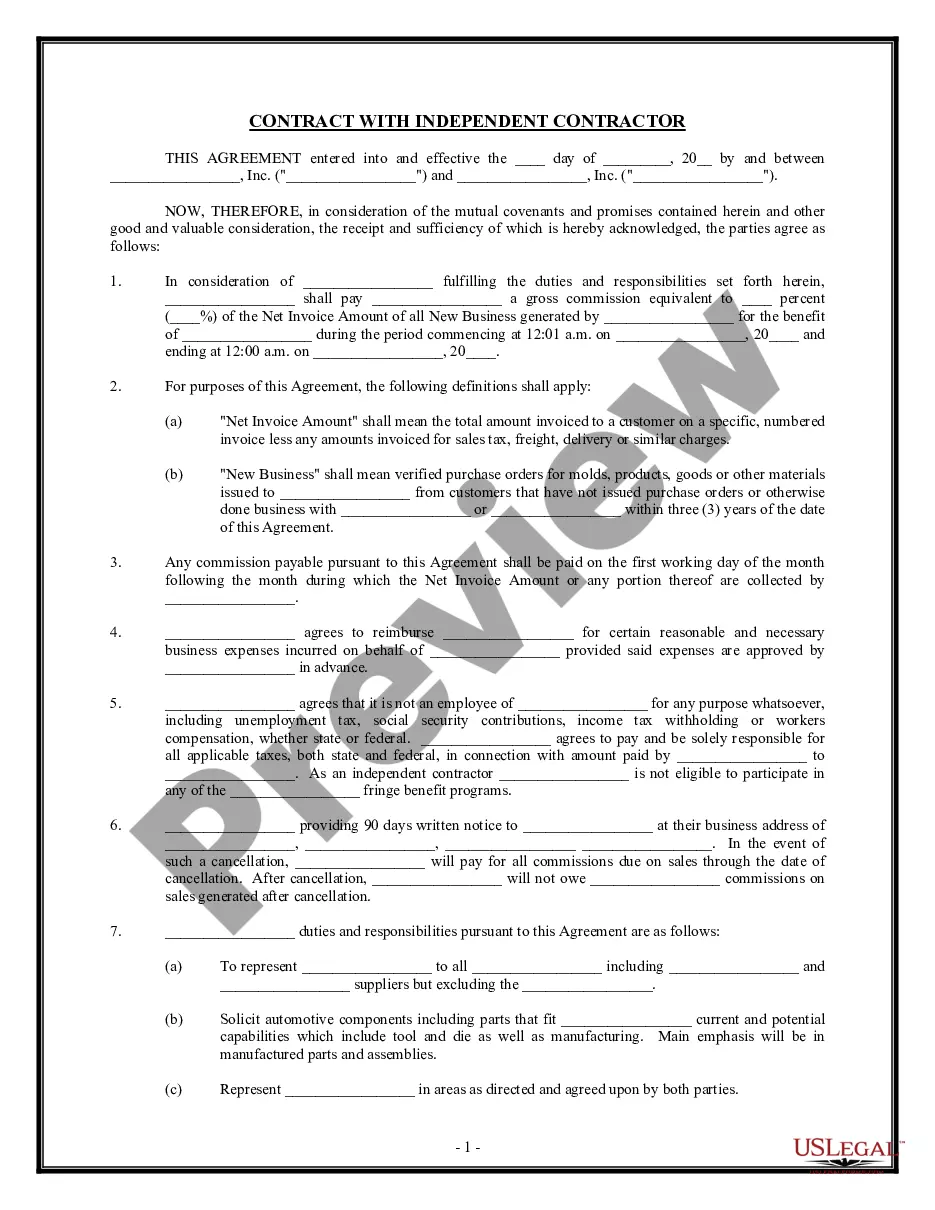
Get your form ready online
Our built-in tools help you complete, sign, share, and store your documents in one place.
Make edits, fill in missing information, and update formatting in US Legal Forms—just like you would in MS Word.
Download a copy, print it, send it by email, or mail it via USPS—whatever works best for your next step.
Sign and collect signatures with our SignNow integration. Send to multiple recipients, set reminders, and more. Go Premium to unlock E-Sign.
If this form requires notarization, complete it online through a secure video call—no need to meet a notary in person or wait for an appointment.
We protect your documents and personal data by following strict security and privacy standards.

Make edits, fill in missing information, and update formatting in US Legal Forms—just like you would in MS Word.

Download a copy, print it, send it by email, or mail it via USPS—whatever works best for your next step.

Sign and collect signatures with our SignNow integration. Send to multiple recipients, set reminders, and more. Go Premium to unlock E-Sign.

If this form requires notarization, complete it online through a secure video call—no need to meet a notary in person or wait for an appointment.

We protect your documents and personal data by following strict security and privacy standards.
Looking for another form?
How to fill out Sales Commission Policy?
It’s clear that you can’t instantly become a legal specialist, nor can you swiftly learn how to draft a Commission Sample Statement For Audits without possessing a targeted skill set.
Formulating legal documents is a lengthy journey that necessitates particular education and expertise. So why not allow the creation of the Commission Sample Statement For Audits to the experts.
With US Legal Forms, one of the most comprehensive legal document collections, you can locate everything from court documents to templates for internal business communication.
If you require any other template, restart your search. Create a free account and choose a subscription plan to buy the form.
Select Buy now. Once the payment is finalized, you can download the Commission Sample Statement For Audits, fill it out, print it, and send or mail it to the relevant parties or organizations.
- Understand how vital adherence to federal and local regulations is.
- Hence, on our site, all forms are specific to your location and up-to-date.
- Here’s how you can commence with our website and acquire the form you need in just minutes.
- Use the search bar at the top of the page to find the form you need.
- Preview it (if this option is available) and read the accompanying description to determine if the Commission Sample Statement For Audits meets your needs.
Form popularity
FAQ
10 Best Practices for Writing a Digestible Audit Report Reference everything. Include a reference section. Use figures, visuals, and text stylization. Contextualize the audit. Include positive and negative findings. Ensure every issue incorporates the five C's of observations. Include detailed observations.
How Can You Create an Internal Audit Checklist for Your Company? Review the company's policies and procedures. ... Assess the company's risk level. ... Tailor the checklist to meet the specific needs of the company. Include all the essential areas that need an audit. Check the company's quality management system documentation.
The Commission on Audit shall have the power, authority, and duty to examine, audit, and settle all accounts pertaining to the revenue and receipts of, and expenditures or uses of funds and property, owned or held in trust by, or pertaining to, the Government, or any of its subdivisions, agencies, or instrumentalities, ...
Essentially, audit documents are used to document records of planning, work performance, procedures performed, evidence obtained, and conclusion reached by the auditor.
Examples of audit documentation include memoranda, confirmations, correspondence, schedules, audit programs, and letters of representation. Audit documentation may be in the form of paper, electronic files, or other media.