Loan Corporate Form With Collateral
Description
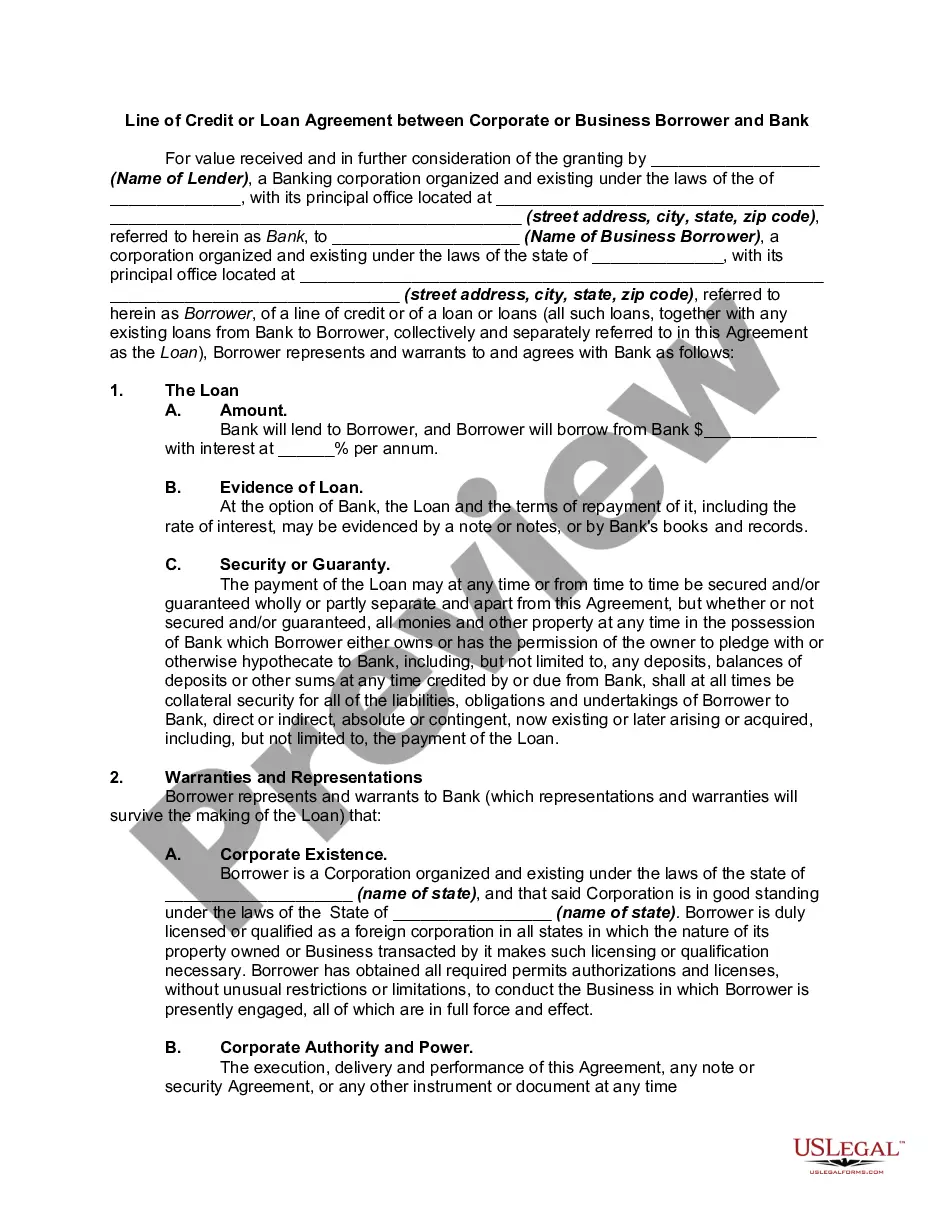
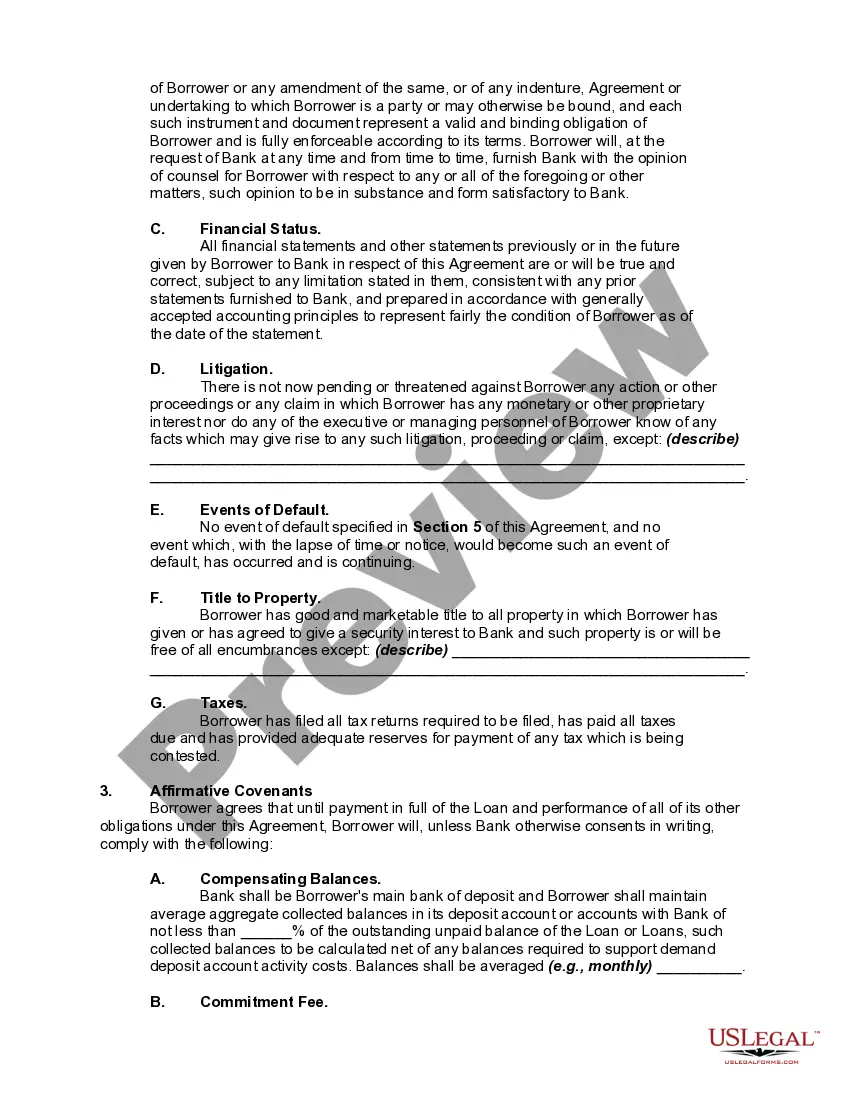
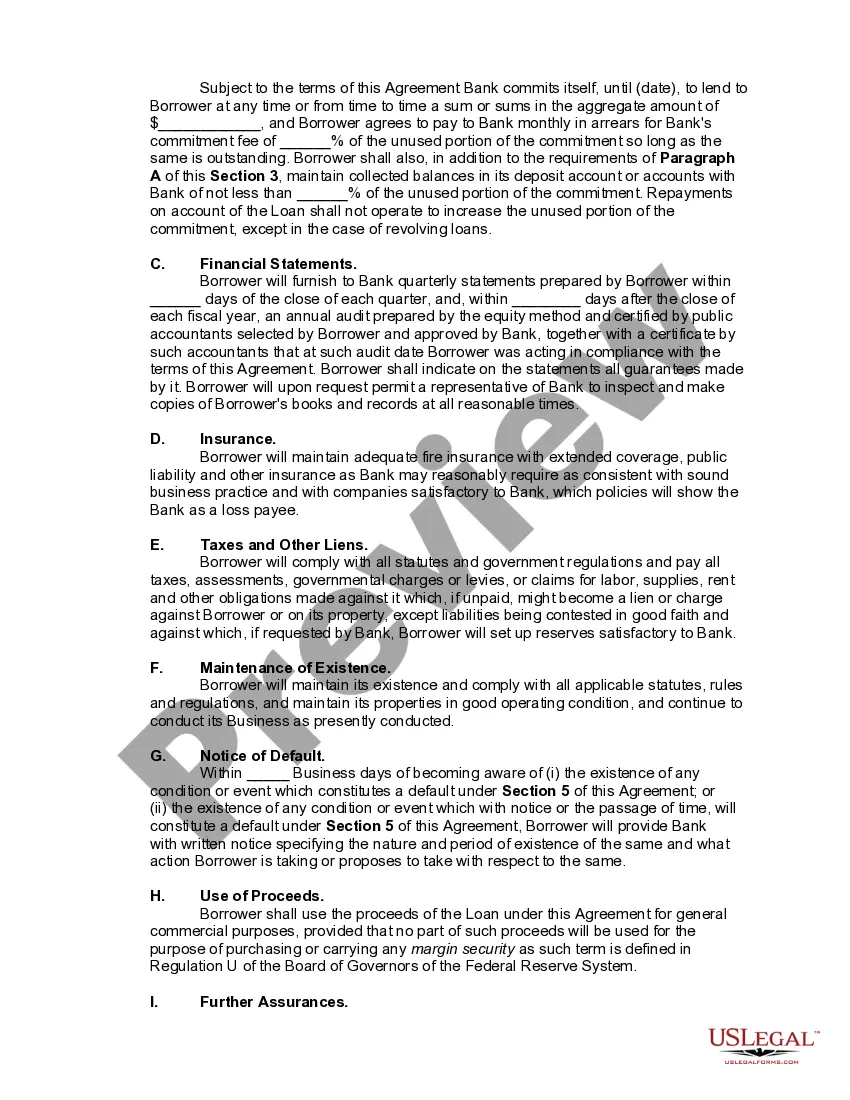
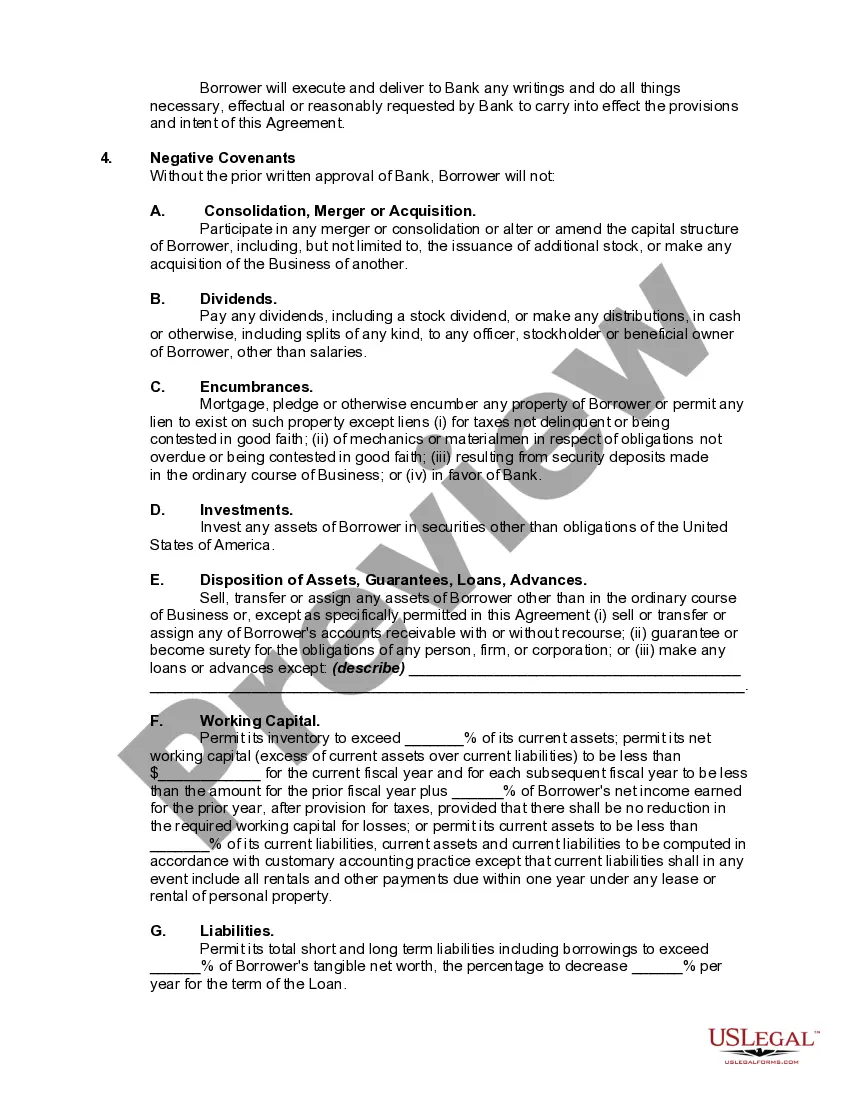
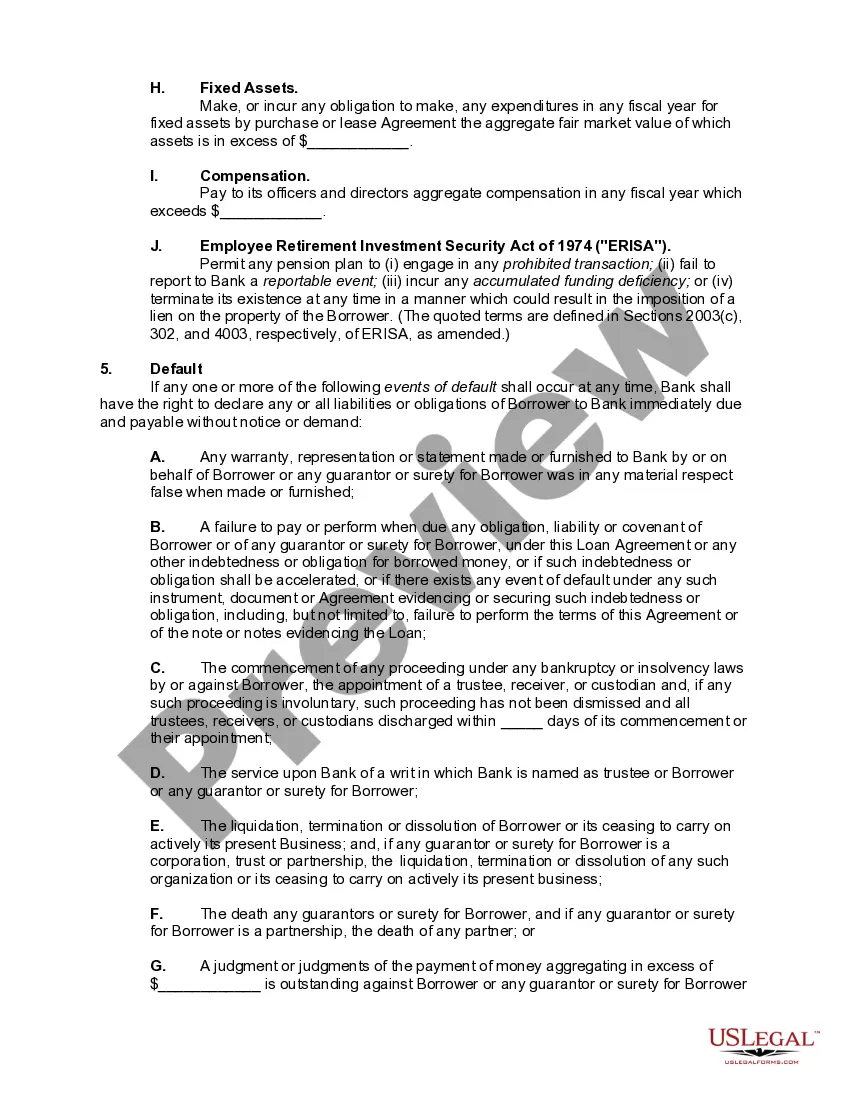
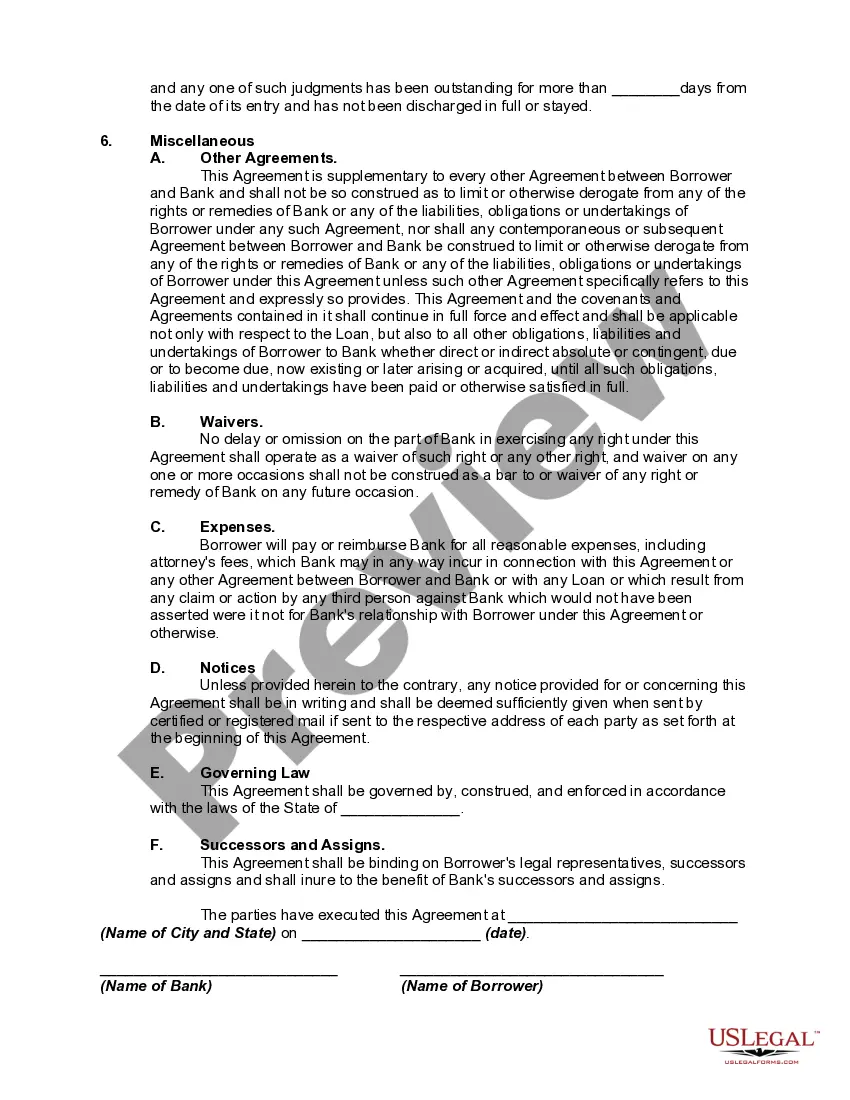
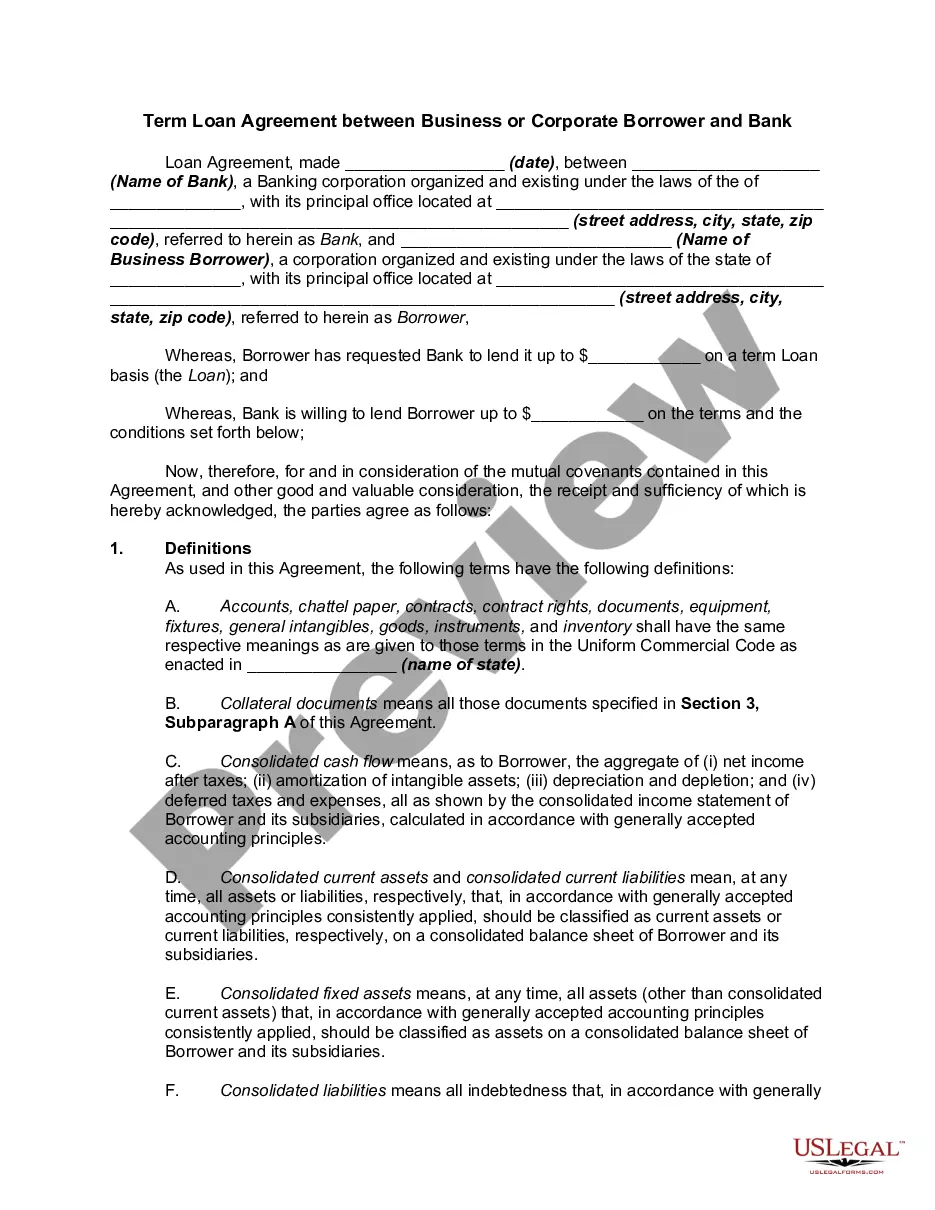


How to fill out Line Of Credit Or Loan Agreement Between Corporate Or Business Borrower And Bank?
Creating legal documents from the ground up can frequently be intimidating.
Certain situations may require extensive research and significant financial investment.
If you’re seeking a more straightforward and economical method for preparing Loan Corporate Form With Collateral or any other documentation without unnecessary complications, US Legal Forms is consistently available to you.
Our online repository of over 85,000 current legal forms encompasses nearly every aspect of your financial, legal, and personal issues.
Review the form preview and descriptions to confirm that you have located the document you need. Verify that the form you choose meets the criteria of your state and county. Select the most appropriate subscription plan to acquire the Loan Corporate Form With Collateral. Download the form, then complete, verify, and print it out. US Legal Forms boasts a solid reputation and over 25 years of expertise. Join us today and make document completion an easy and efficient process!
- With just a few clicks, you can immediately access state- and county-specific templates meticulously crafted for you by our legal professionals.
- Utilize our platform whenever you require reliable and trustworthy services through which you can swiftly find and download the Loan Corporate Form With Collateral.
- If you’re familiar with our services and have previously created an account with us, simply Log In to your account, find the form, and download it or re-download it anytime later in the My documents section.
- Don’t have an account? No problem. It only takes a few minutes to register and browse the catalog.
- But before directly downloading Loan Corporate Form With Collateral, consider these suggestions.
Form popularity
FAQ
Examples of acceptable collateral for business loans may include: Real estate. Business equipment. Vehicles. Inventory. Accounts receivable. Cash. Investments (i.e., stocks, bonds, etc.) Personal assets.
Collateral guarantees a loan, so it needs to be an item of value. For example, it can be a piece of property, such as a car or a home, or even cash that the lender can seize if the borrower does not pay.
Collateral documents include any documents granting a security interest in collateral by the borrower, parent or subsidiary in favor of the lender and all other documents required to be executed or delivered pursuant to those documents. Collateral documents do not include guaranties.
Examples of collateral documents are a security agreement, guarantee and collateral agreement, pledge agreement, deposit account control agreement, securities account control agreement, mortgage, and UCC-1s.
A contract for a collateral loan should clearly state what asset(s) are being used to secure the loan and include a clause on what could happen to the asset if the borrower defaults. It should also clearly outline the circumstances under which the collateral could be forfeited to the lender.