Loan Bank Form With Collateral
Description
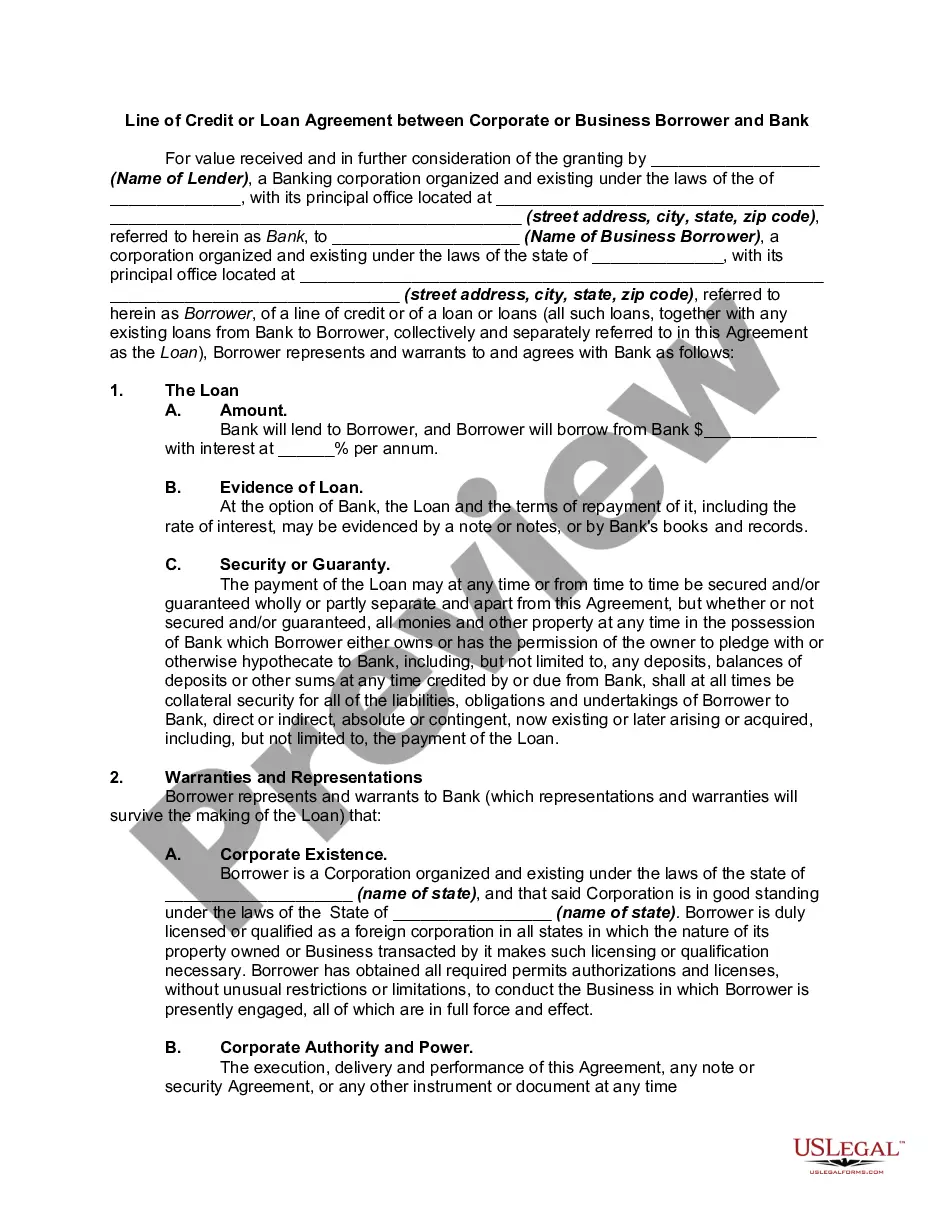
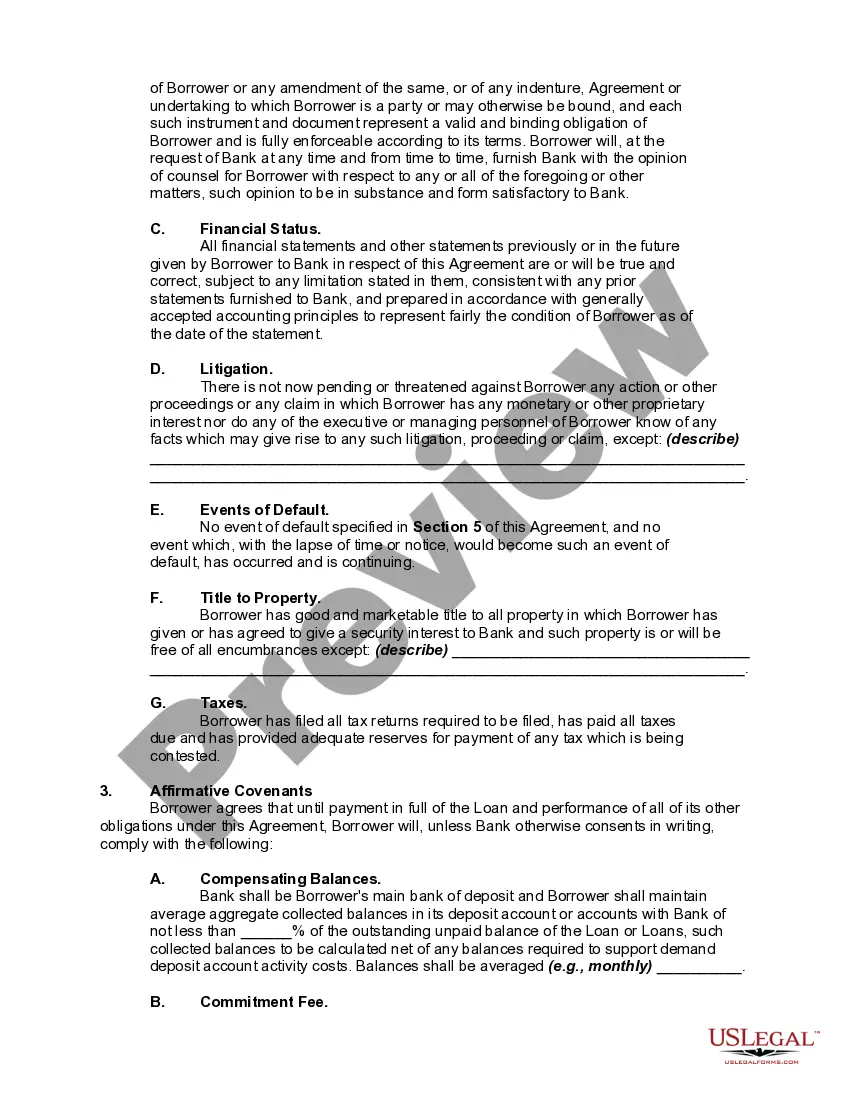
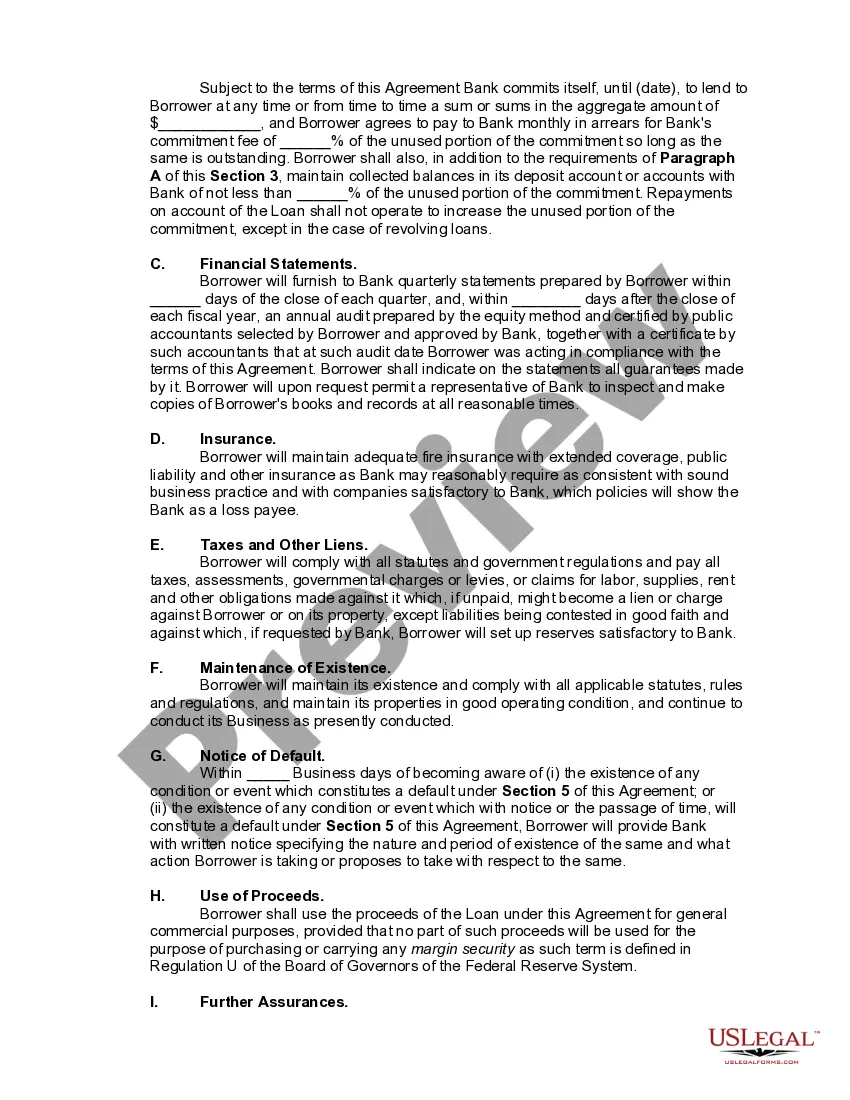
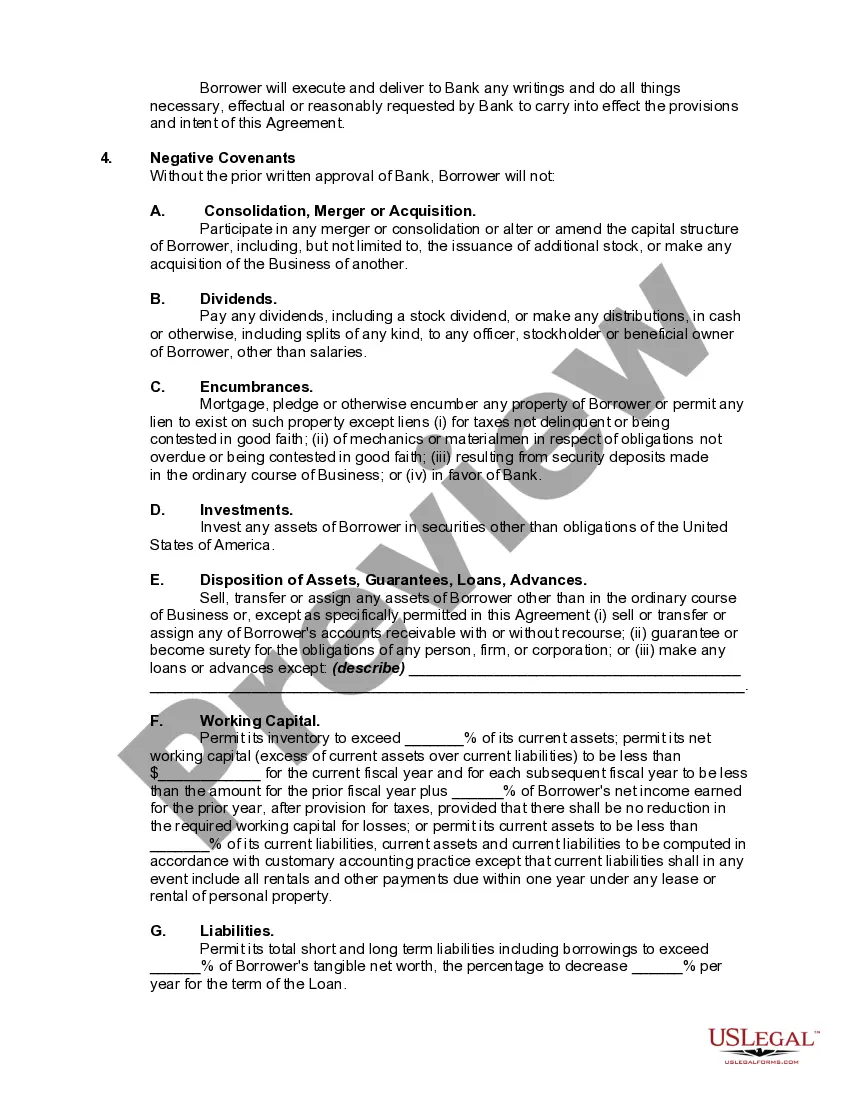
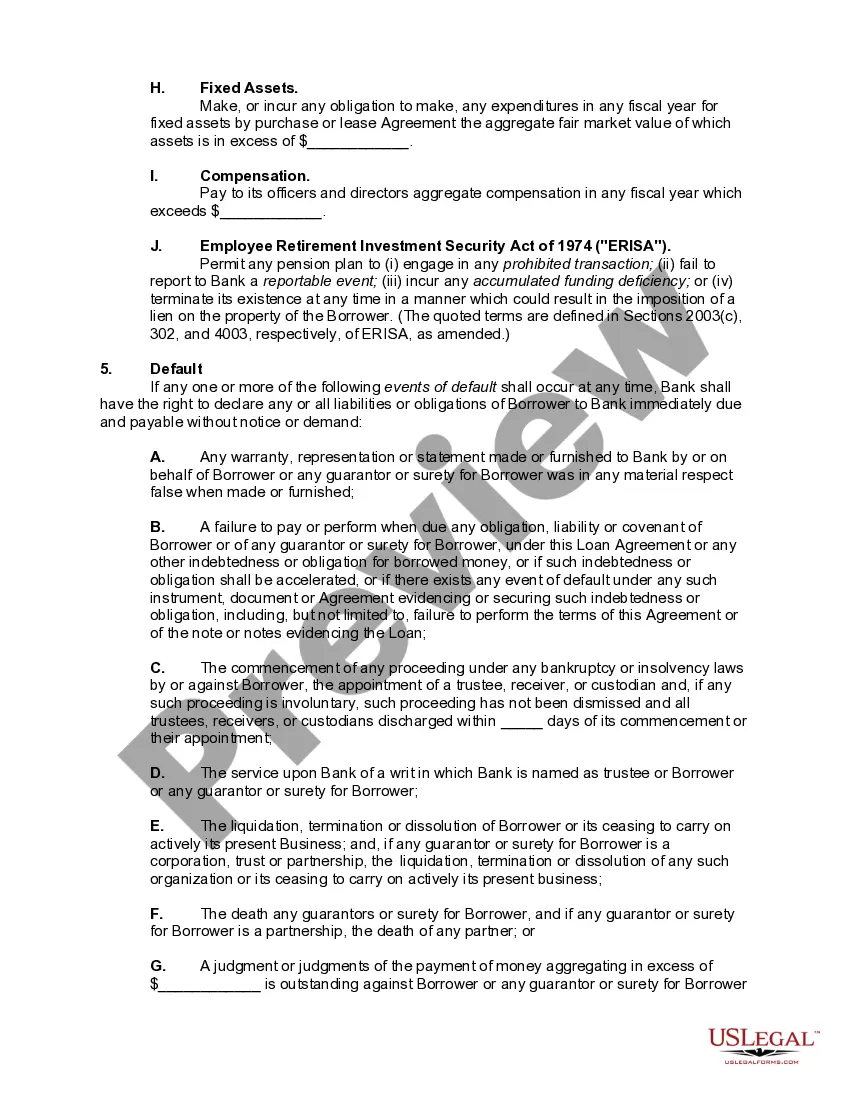
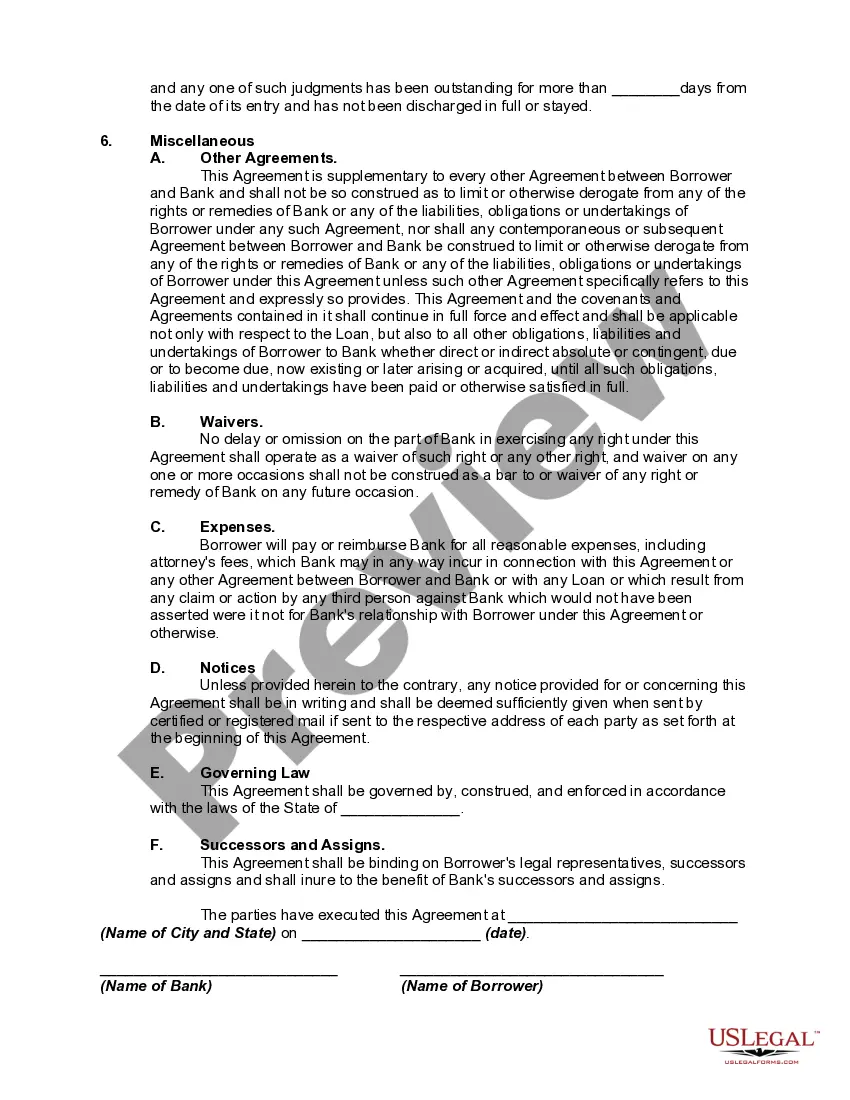
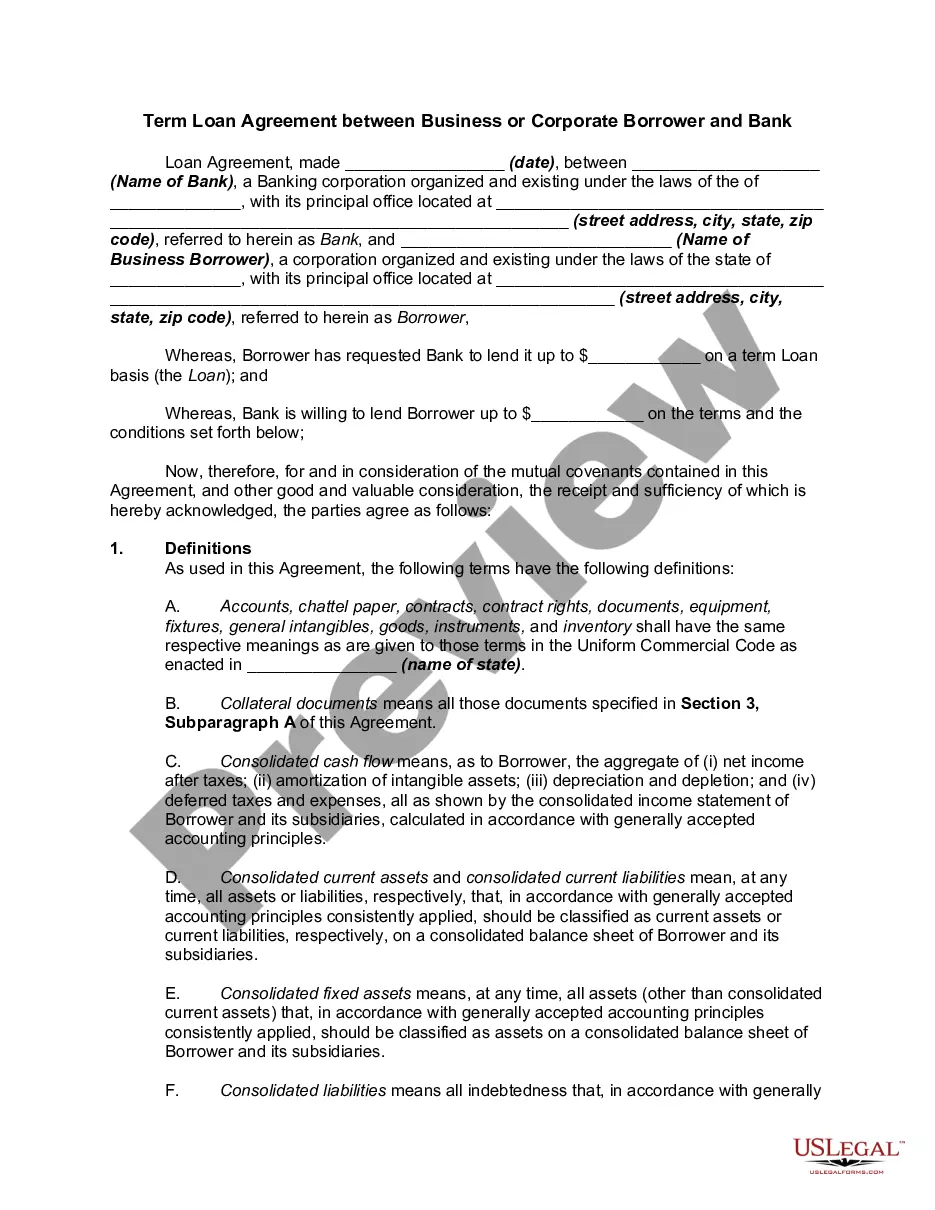


How to fill out Line Of Credit Or Loan Agreement Between Corporate Or Business Borrower And Bank?
Acquiring a reliable source for obtaining the latest and suitable legal documents is a significant portion of the challenge when dealing with bureaucracy. Selecting the appropriate legal forms requires accuracy and careful consideration, which is why it is crucial to obtain examples of Loan Bank Form With Collateral exclusively from trustworthy providers, such as US Legal Forms. An incorrect template will squander your time and delay the matter at hand. With US Legal Forms, you have minimal concerns. You can access and verify all pertinent details regarding the document’s application and suitability for your situation and in your jurisdiction.
Follow these outlined steps to complete your Loan Bank Form With Collateral.
Once you have the form on your device, you can modify it using the editor or print it and fill it out by hand. Eliminate the hassle that comes with your legal documentation. Browse the extensive US Legal Forms library to discover legal templates, assess their applicability to your situation, and download them instantly.
- Utilize the catalog navigation or search bar to find your template.
- Access the form’s details to verify if it meets the stipulations of your state and locality.
- View the form preview, if available, to confirm that it is indeed the form you seek.
- Return to the search and find the correct template if the Loan Bank Form With Collateral does not align with your needs.
- If you are confident in the form’s appropriateness, download it.
- As an authorized user, click Log in to verify and access your chosen templates in My documents.
- If you have yet to create an account, click Buy now to acquire the template.
- Select the pricing option that fits your requirements.
- Proceed to registration to finalize your acquisition.
- Complete your acquisition by choosing a payment method (credit card or PayPal).
- Select the document format for downloading Loan Bank Form With Collateral.
Form popularity
FAQ
In lending, collateral is typically defined as an asset that a borrower uses to secure a loan. Collateral can take the form of a physical asset, such as a car or home. Or it could be a financial asset, like investments or cash. Lenders may require collateral for certain loans to minimize their risk.
Collateral secures a loan, minimizing the risk for the lender ? but not for the borrower. Collateral is a valuable asset (like a car, house or even cash) you can pledge to secure a loan. If you fail to repay your loan, the lender can seize whatever you've put up as collateral.
Collateral is an asset or form of physical wealth that the borrower owns like house, livestock, vehicle etc. It is against these assets that the banks provide loans to the borrower. The collateral serves as a security measure for the lender.
What can be used as collateral for a personal loan? Real estate. Vehicles you own. Savings account. Money market or certificate of deposit (CD) accounts. Investments, such as stocks and bonds in an investment account. Fine art and collectibles. Jewelry, or other valuables.
Examples of collateral documents are a security agreement, guarantee and collateral agreement, pledge agreement, deposit account control agreement, securities account control agreement, mortgage, and UCC-1s.