Borrower Agreement Format
Description
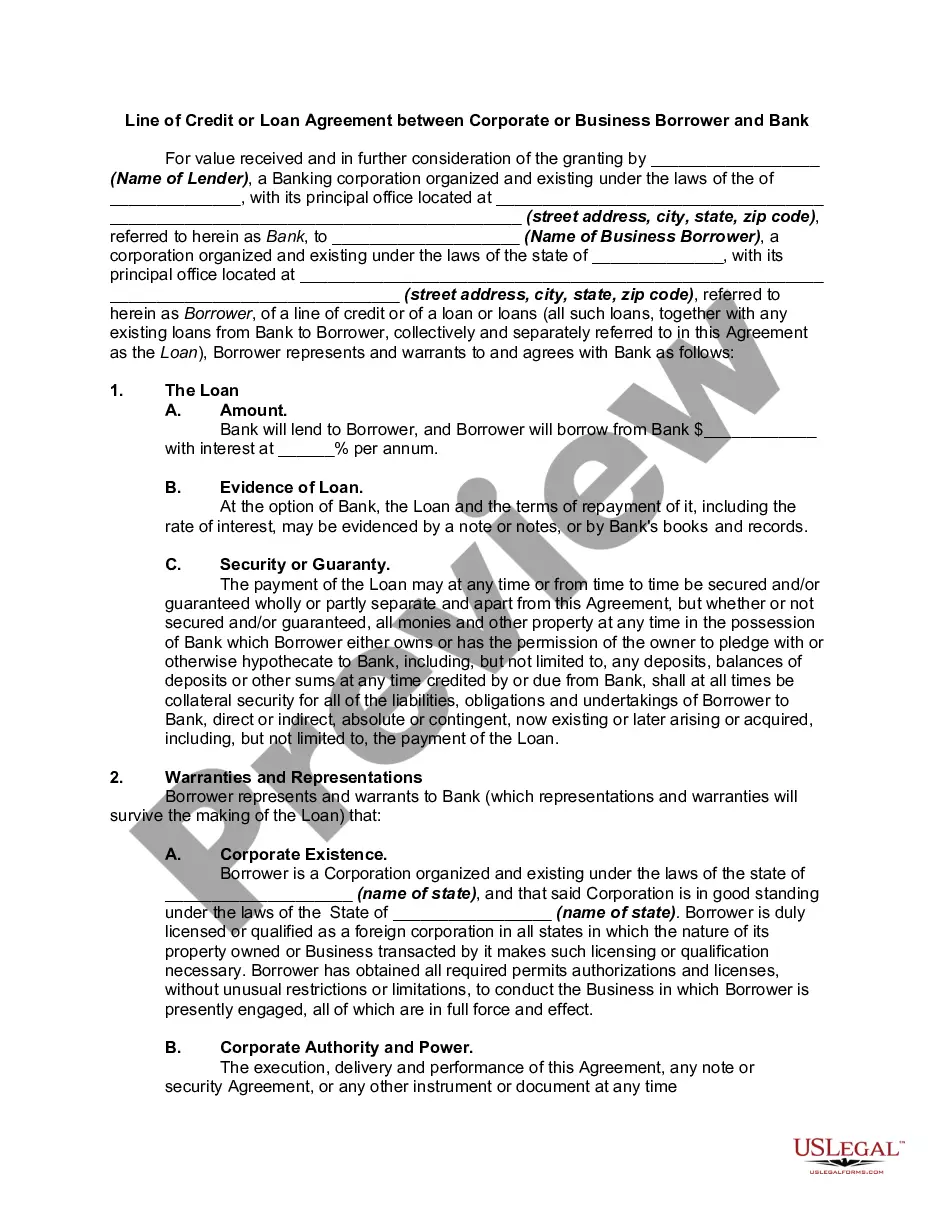
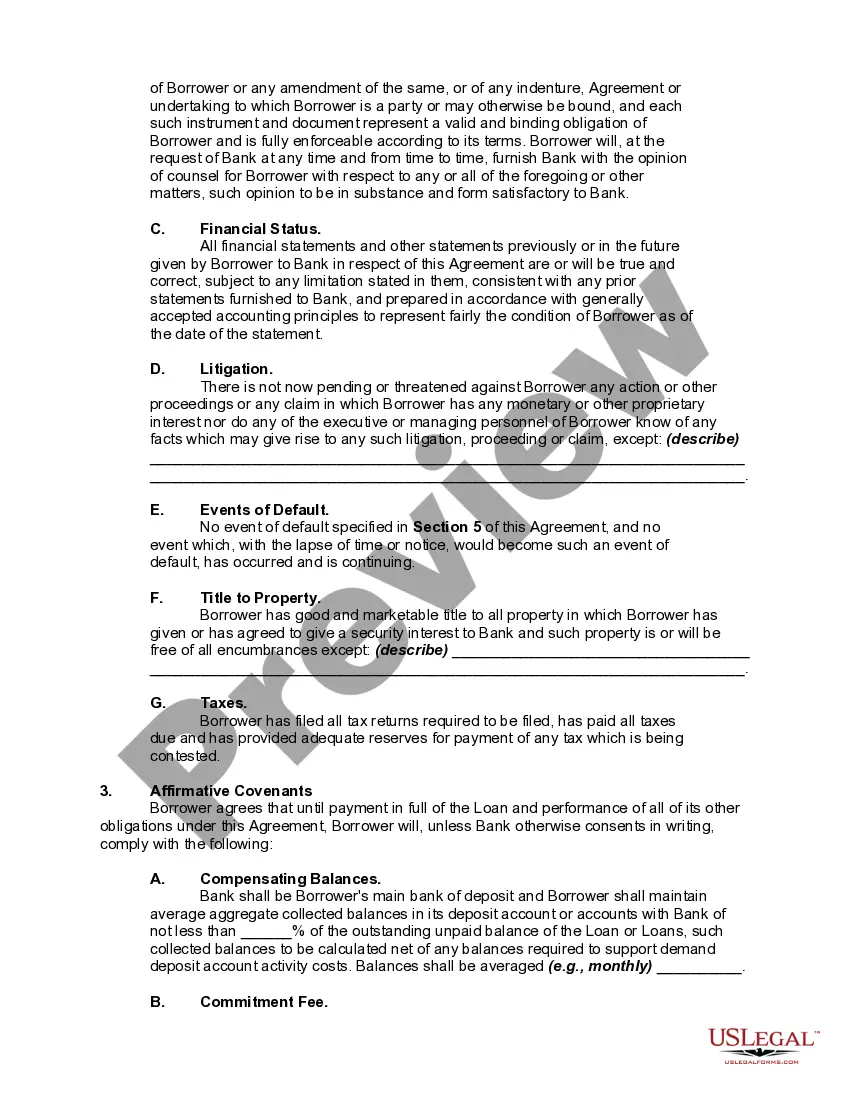
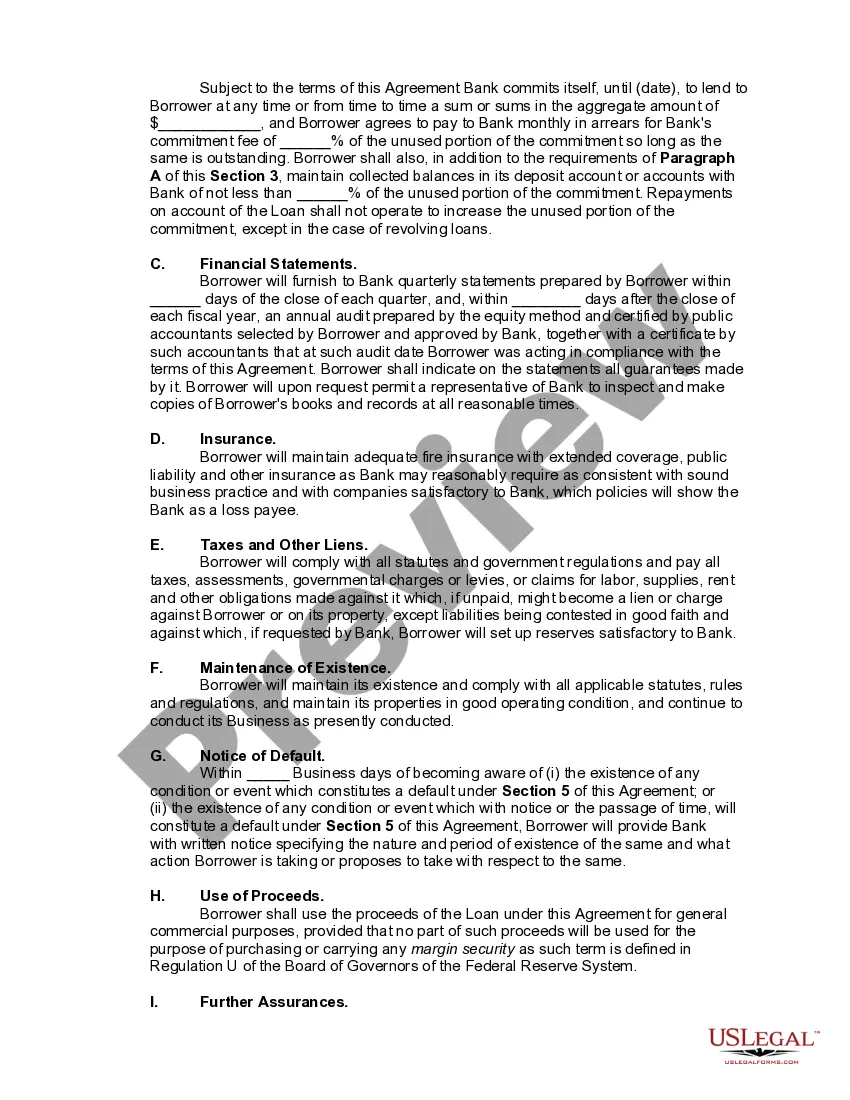
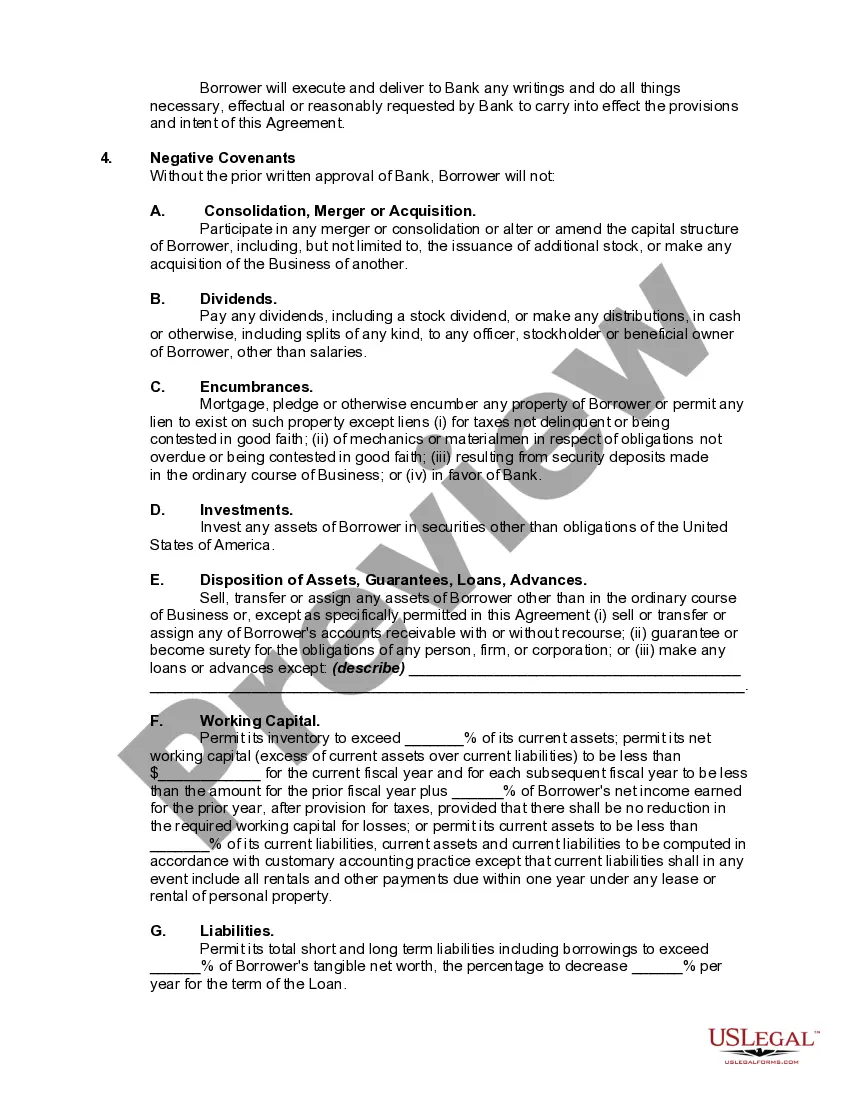
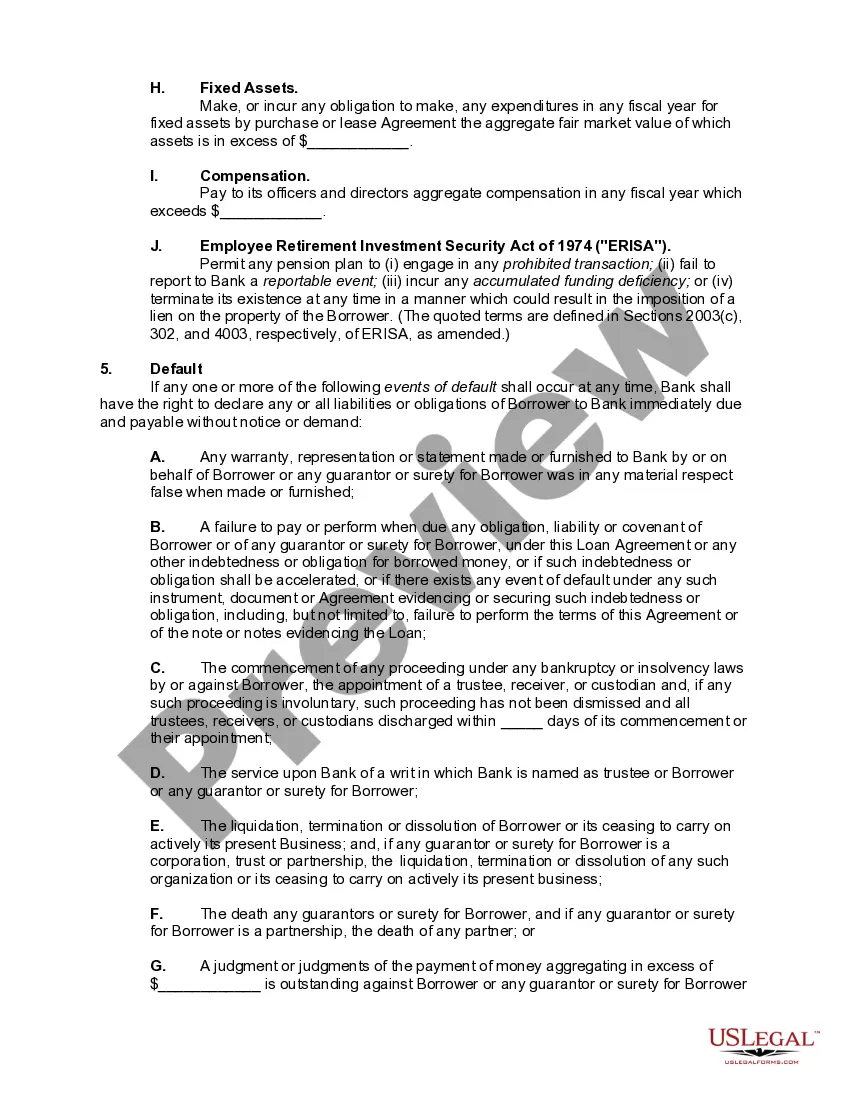
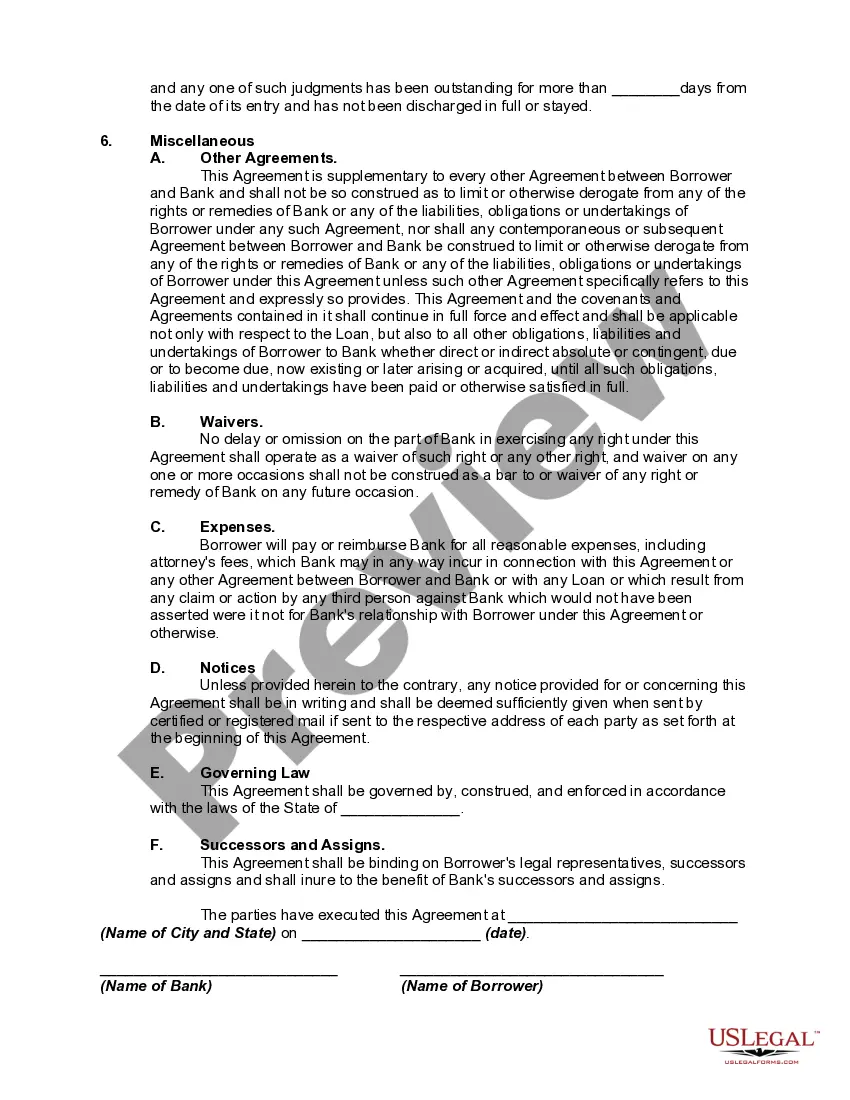
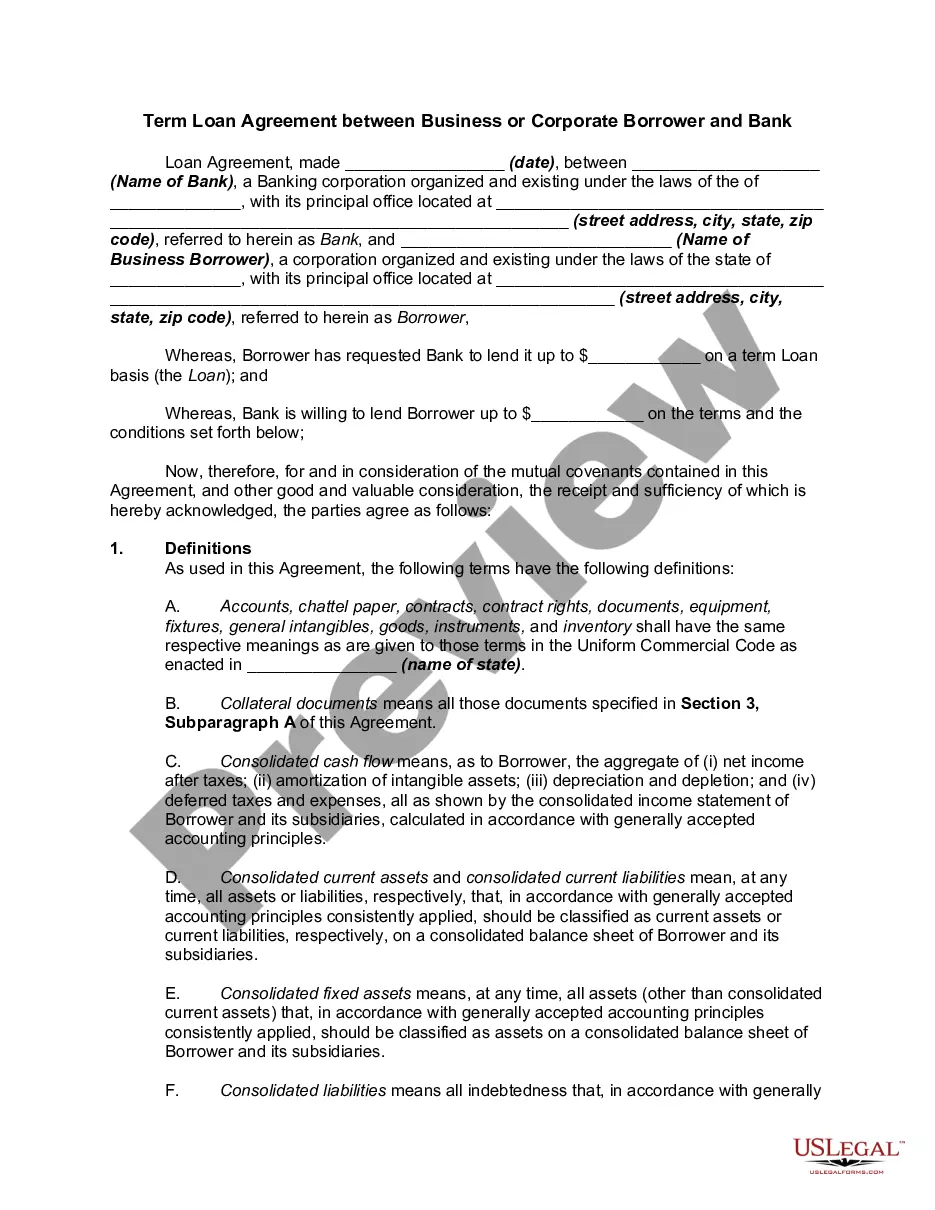
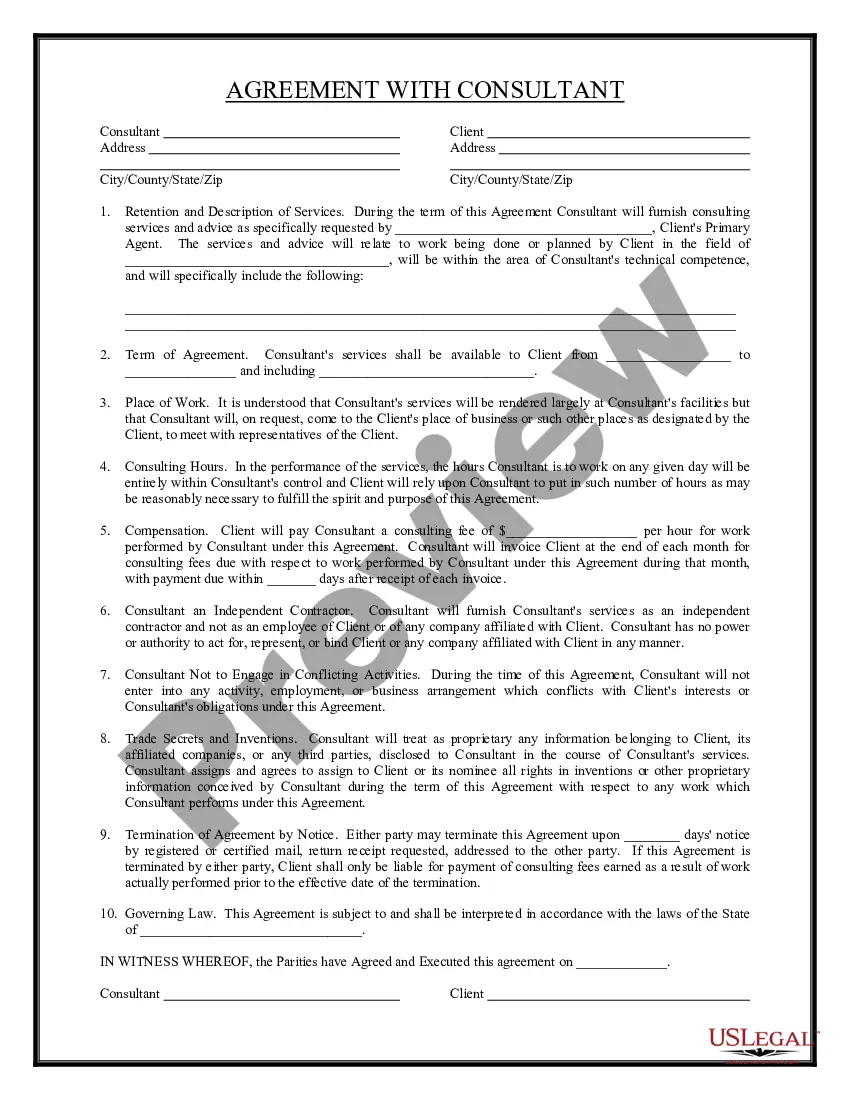

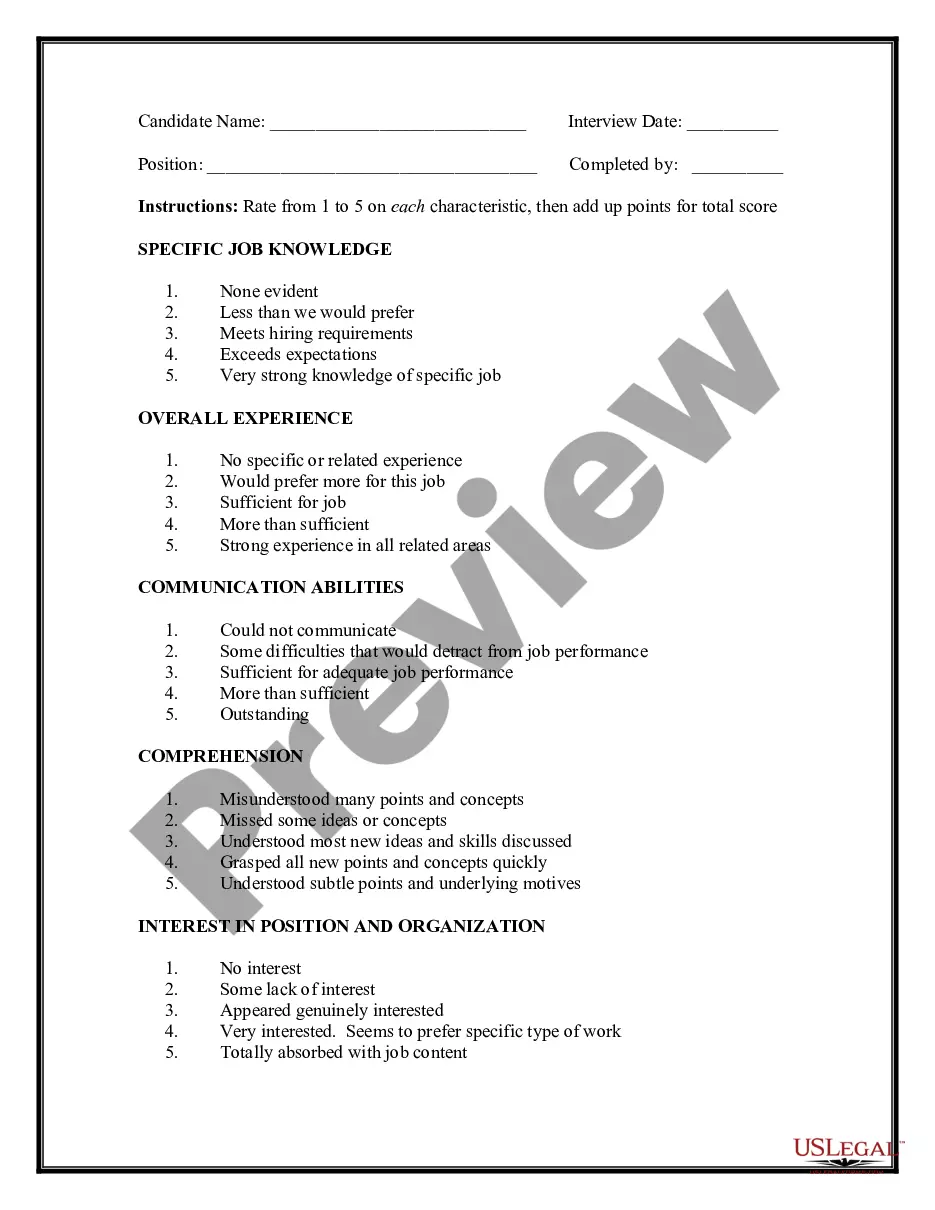

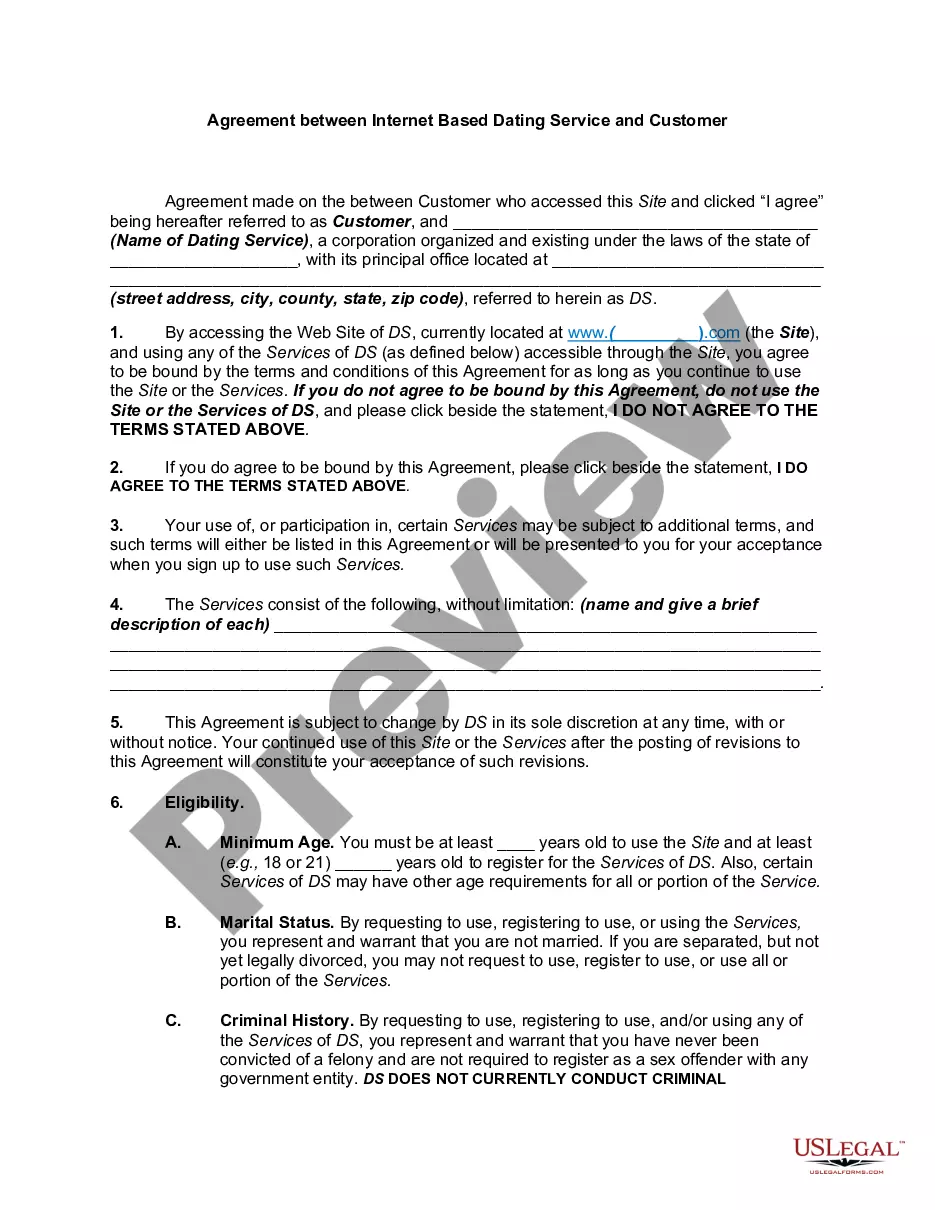

How to fill out Line Of Credit Or Loan Agreement Between Corporate Or Business Borrower And Bank?
Whether for professional reasons or personal affairs, everyone must confront legal matters at some stage in their life.
Completing legal documents necessitates meticulous focus, beginning with choosing the appropriate form template.
With a comprehensive US Legal Forms database available, you do not have to waste time searching for the correct sample across the web. Use the library's simple navigation to find the right form for any circumstance.
- Acquire the template you require by utilizing the search feature or browsing the catalog.
- Review the form's description to ensure it aligns with your situation, jurisdiction, and county.
- Click on the form's preview to view it.
- If it is the incorrect document, return to the search feature to find the Borrower Agreement Format template you need.
- Download the template once it satisfies your criteria.
- If you already have a US Legal Forms account, simply click Log in to access previously saved documents in My documents.
- If you do not yet have an account, you can acquire the form by clicking Buy now.
- Select the suitable pricing option.
- Complete the profile registration form.
- Choose your payment method: use a credit card or PayPal account.
- Select the file format you desire and download the Borrower Agreement Format.
- Once it is saved, you can fill out the form with the assistance of editing software or print it and complete it manually.
Form popularity
FAQ
The 777 rule involves a specific guideline that debt collectors must follow during their communication with debtors. This rule states that a debt collector can contact you 7 times within 7 days after an overdue account is reported. It’s essential to understand your rights under this rule to protect yourself from harassment. If you’re looking to create a borrower agreement format, ensuring clarity in communication can help you navigate such issues effectively.
Yes, you can create your own written agreement, provided it includes all necessary elements such as the parties' names, obligations, and terms. However, the language must be clear to prevent ambiguity. To ensure your agreement is legally sound, consider following a borrower agreement format from US Legal Forms. This way, you’ll have a solid foundation to start with and ensure compliance with legal standards.
Writing a debt agreement involves outlining the total amount owed and the timeline for repayment. Be sure to include the conditions under which the debt can be renegotiated or canceled. Clarity is key, as it helps to avoid misunderstandings later. Utilizing a standardized borrower agreement format can guide you in structuring a comprehensive debt agreement.
To write a borrowing agreement, start by clearly stating the names of the parties involved and the amount being borrowed. Next, outline the terms, including the repayment schedule and any interest rates. It’s essential to be specific about any fees or penalties for late payments. Using a reliable borrower agreement format, like those provided by US Legal Forms, can simplify this process and ensure all important details are covered.
Drafting Note: Read This Before Using Document A proof of claim is a written statement setting out a creditor's claim and asserting its right to receive a distribution from the bankruptcy estate. It must "conform substantially" to Official Bankruptcy Form B410 (Fed. R. Bankr.
The IRS may file a Form 4490, Proof of Claim for Internal Revenue Taxes, with the court or location mandated by state law to give notice of taxes due. By filing a POC the Service is notifying the estate administrator of taxes due, putting the Service in a higher priority among other creditors to be paid.
Instruction to fill proof of claim form - YouTube YouTube Start of suggested clip End of suggested clip Step 7 if the debtor incurred their debt under a different name listed next to 3ei. If your businessMoreStep 7 if the debtor incurred their debt under a different name listed next to 3ei. If your business has a uniform claim number used to identify large businesses. List it next to 3b.
The biggest difference between Chapter 7 and Chapter 13 is that Chapter 7 focuses on discharging (getting rid of) unsecured debt such as credit cards, personal loans and medical bills while Chapter 13 allows you to catch up on secured debts like your home or your car while also discharging unsecured debt.
In a Nutshell. The court sends this document to the creditors you listed on your bankruptcy paperwork when you file. It gives each creditor important information about your case and tells them what they need to do if they have a reasonable objection to your bankruptcy.
A proof of claim is a form submitted by a creditor in order to receive money from a debtor who has filed for bankruptcy. The document provides notice of the claim to all of the other relevant parties involved in the bankruptcy, including the court, the debtor, and any other creditors.