Short Notes On Promissory Note
Description
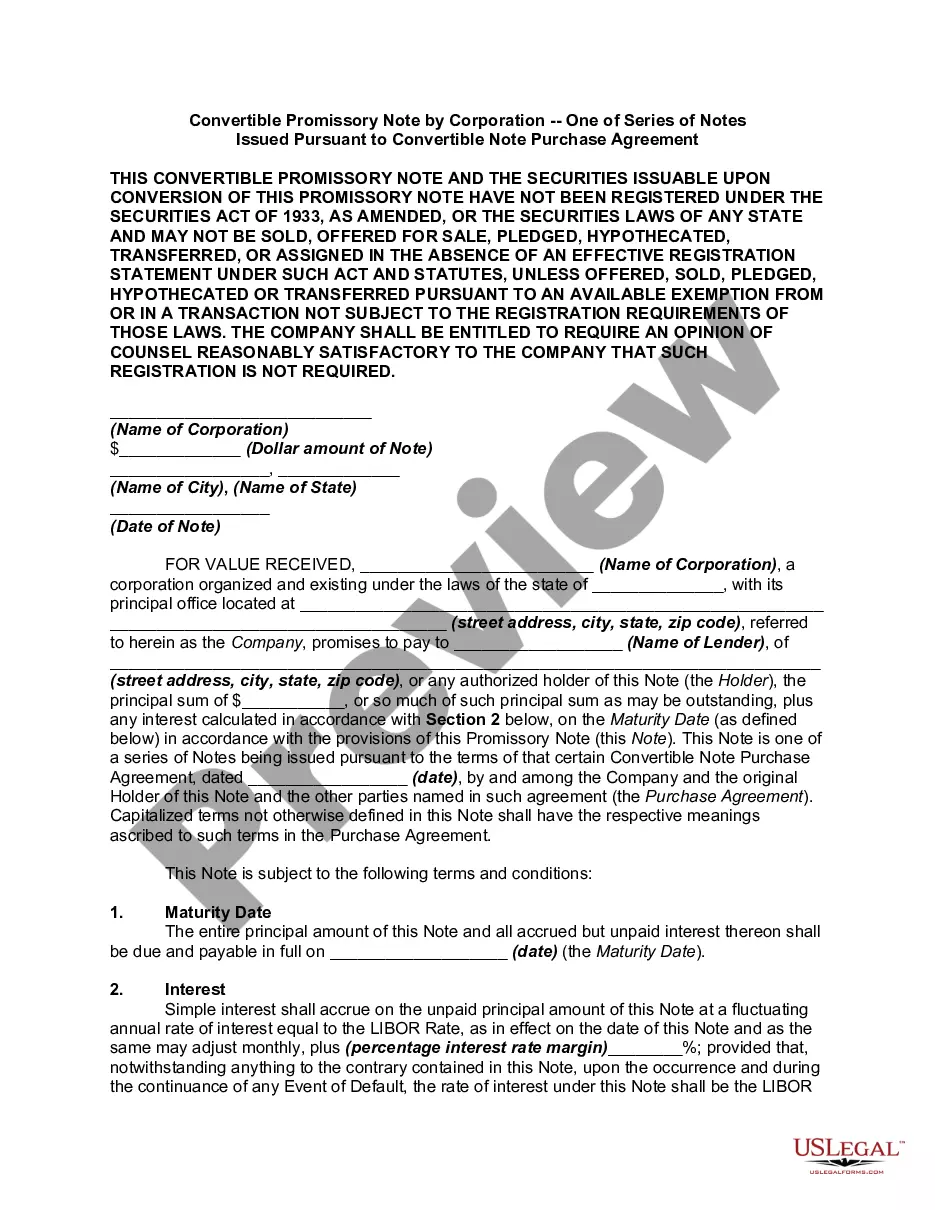
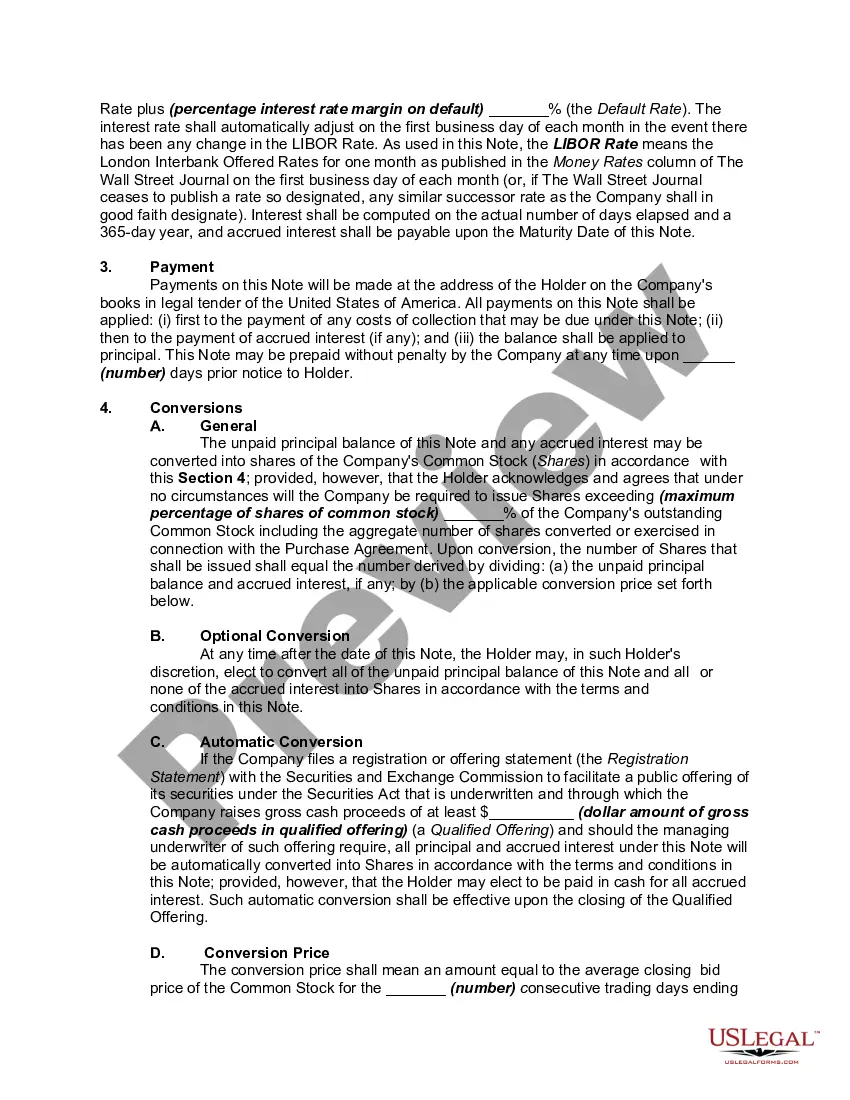
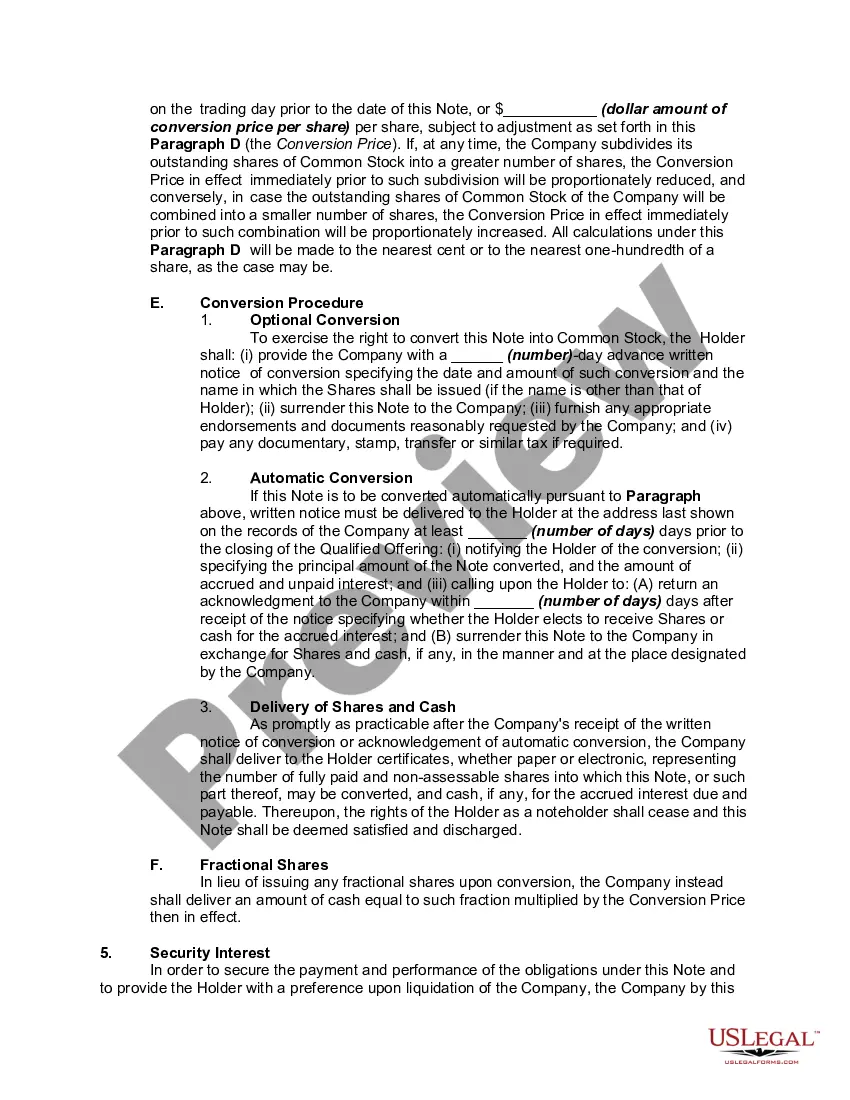
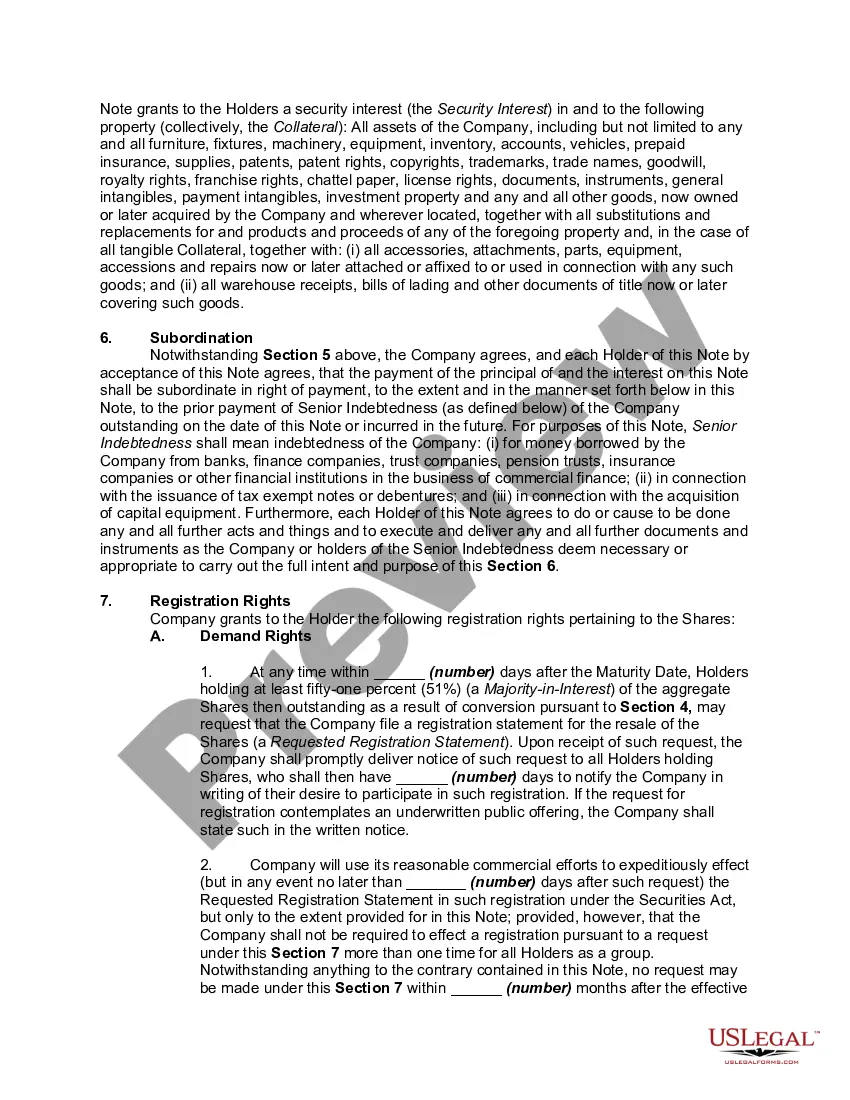
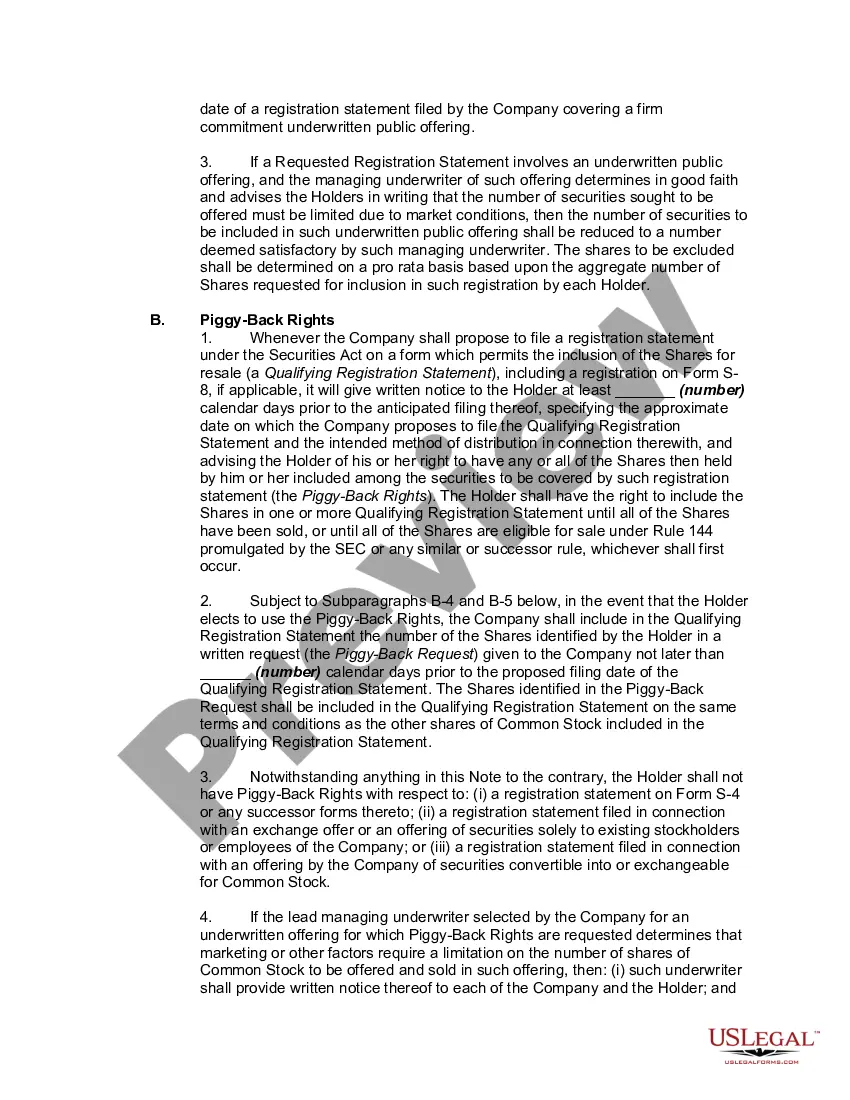
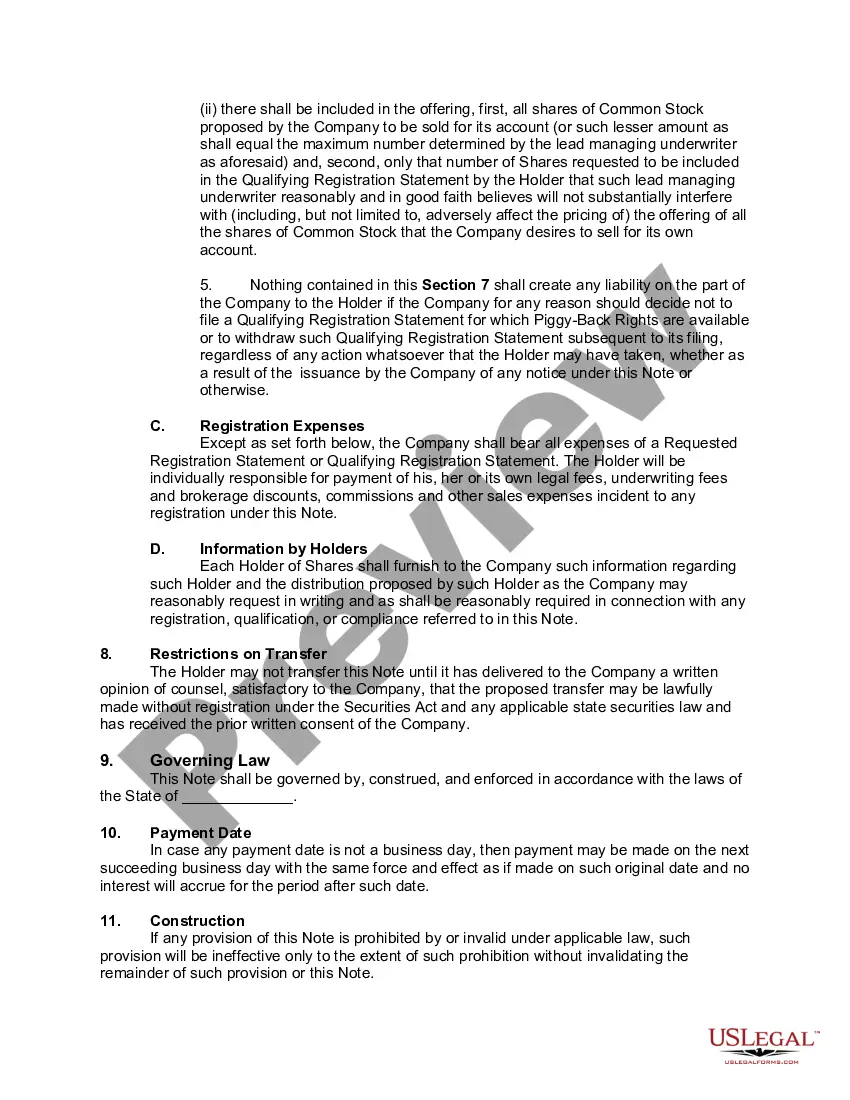
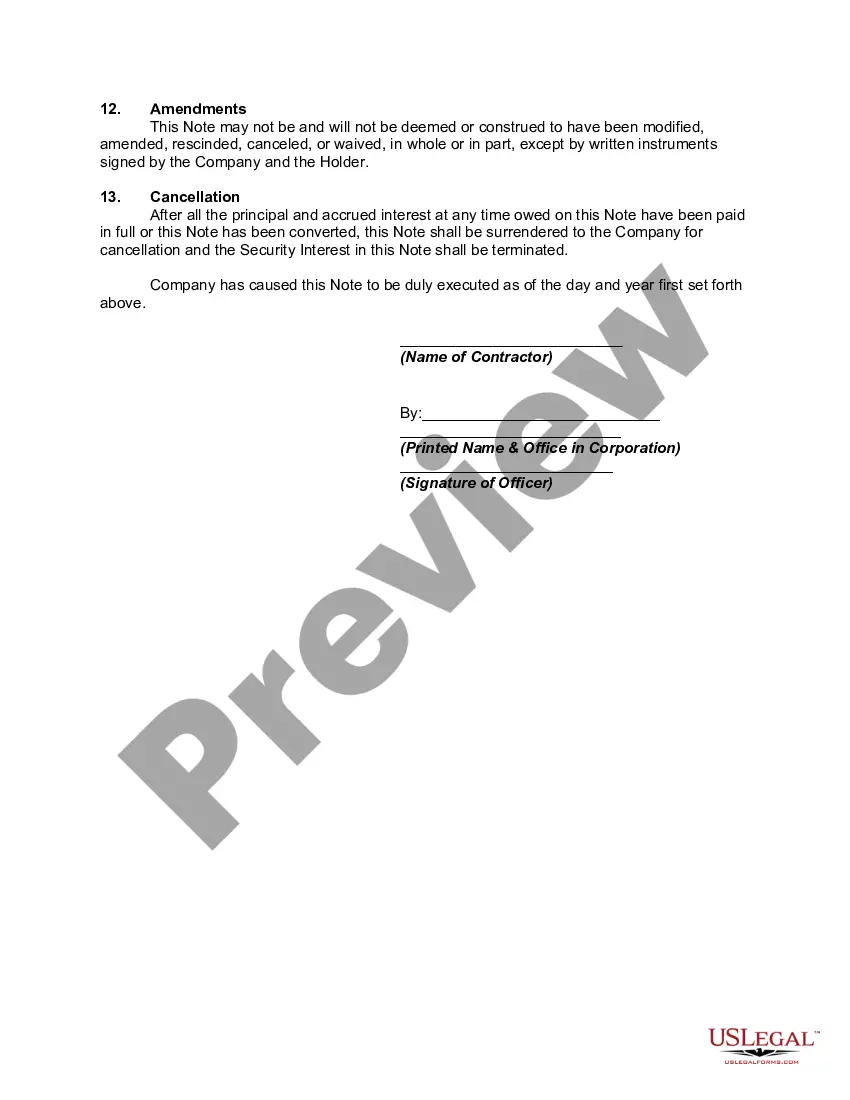
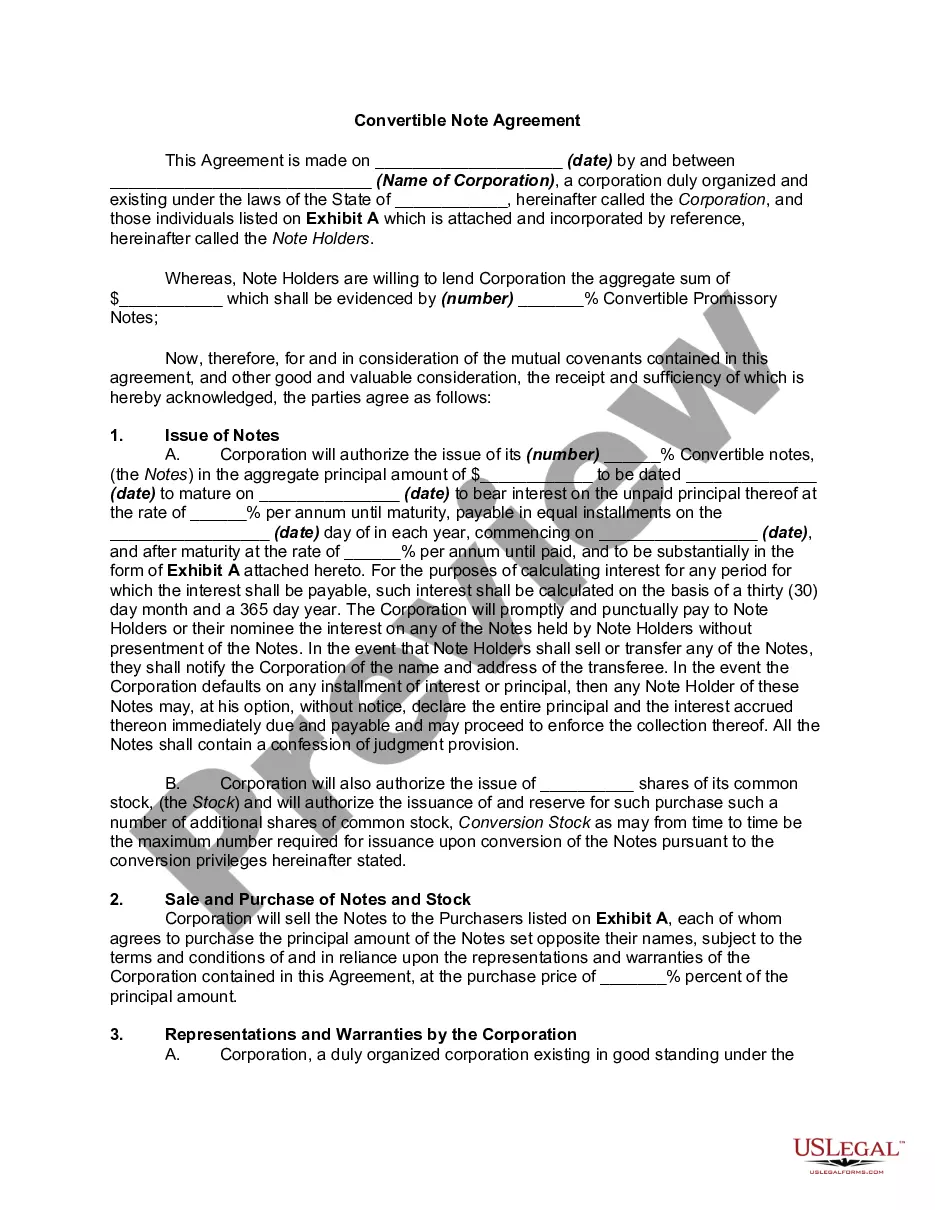
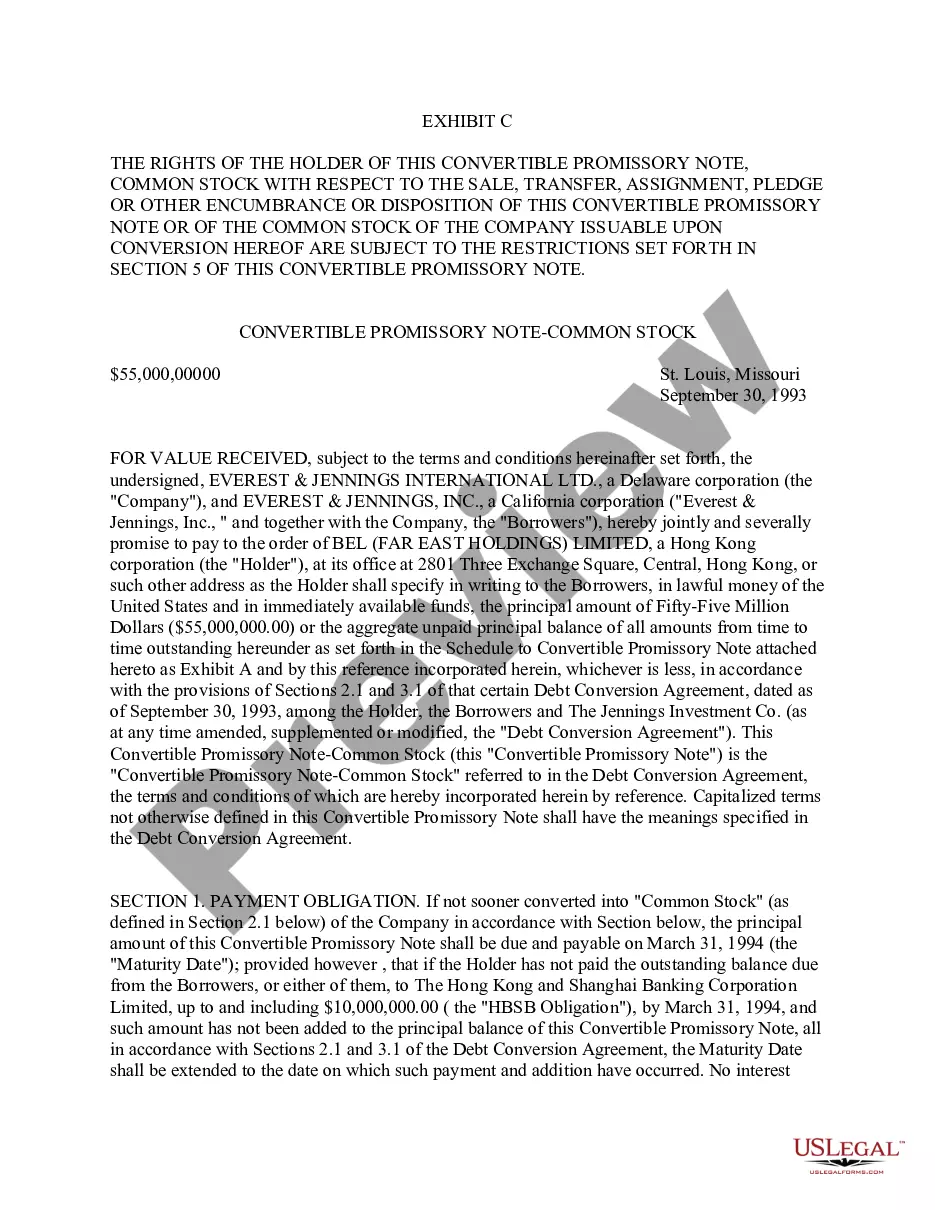

How to fill out Convertible Promissory Note By Corporation - One Of Series Of Notes Issued Pursuant To Convertible Note Purchase Agreement?
It’s well-known that you can’t transform into a legal expert instantly, nor can you quickly learn how to efficiently create Short Notes On Promissory Note without a specialized skill set.
Drafting legal documents is a lengthy process that requires specific education and skills. So why not entrust the creation of the Short Notes On Promissory Note to the experts.
With US Legal Forms, one of the most extensive legal template repositories, you can find everything from court documents to templates for internal business communication.
If you need any other template, restart your search.
Create a free account and select a subscription plan to purchase the template. Click Buy now. After the payment is finalized, you can obtain the Short Notes On Promissory Note, complete it, print it, and deliver or send it to the required individuals or entities.
- We recognize how vital compliance and adherence to federal and state regulations are.
- That’s why, on our platform, all templates are location-specific and current.
- Here’s how you can begin using our platform and acquire the document you need in just minutes.
- Locate the form you require by utilizing the search bar at the top of the page.
- Preview it (if this option is available) and review the supporting description to determine whether Short Notes On Promissory Note is what you’re seeking.
Form popularity
FAQ
Names of Parties: The first paragraph will include the name of the debtor as well as their address. The creditor's full name should also be included along with their address. Acknowledgment of Debt: The first paragraph is about acknowledging that money is owed and that you have the intention to pay this money.
At its most basic, a promissory note should include the following things: Date. Name of the lender and borrower. Loan amount. Whether the loan is secured or unsecured. If it's secured with collateral: What is the collateral? ... Payment amount and frequency. Payment due date. Whether the loan has a cosigner, and if so, who.
The concise sample promissory note covers: proper identification of the parties. basic repayment terms ? interest, payment dates, place of payment, etc. optional default and confession of judgment provisions. repayment ledger.
A simple promissory note might be for a lump sum repayment on a certain date. For example, you lend your friend $1,000 and he agrees to repay you by December 1. The full amount is due on that date, and there is no payment schedule involved.
A promissory note is a financial instrument that contains a written promise by one party (the note's issuer or maker) to pay another party (the note's payee) a definite sum of money, either on demand or at a specified future date.