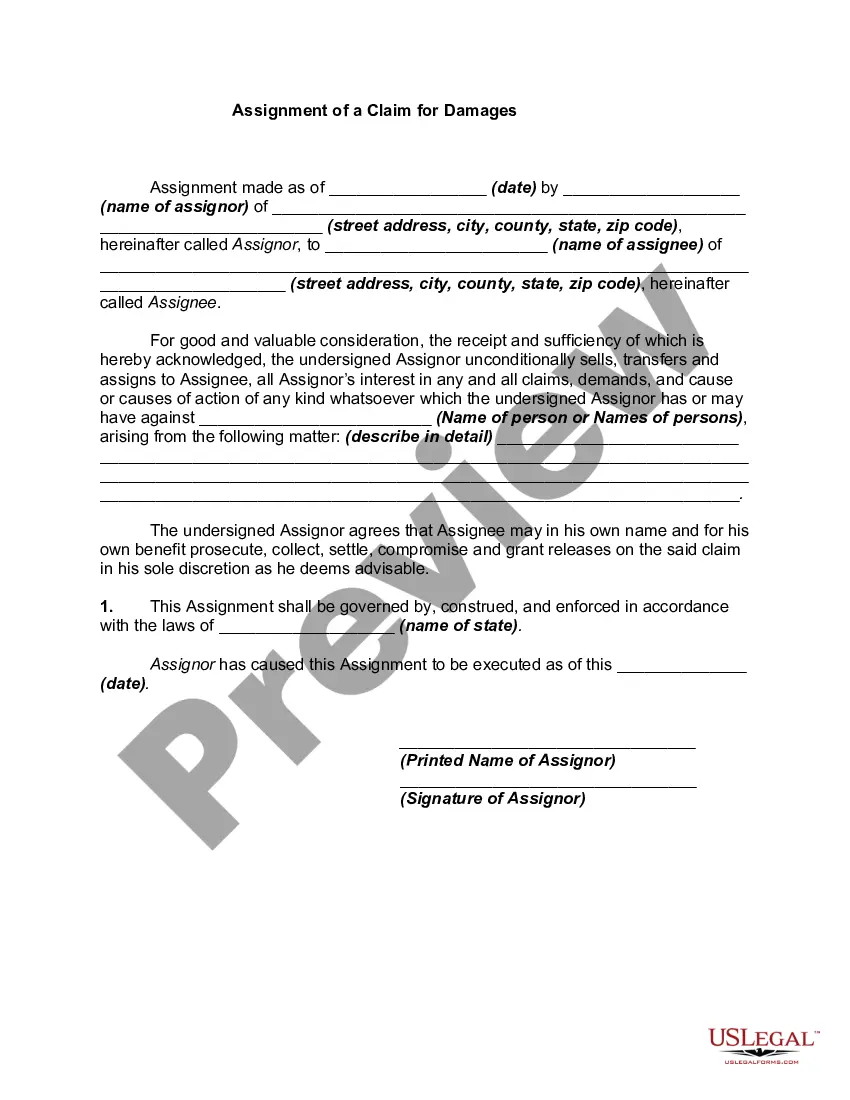
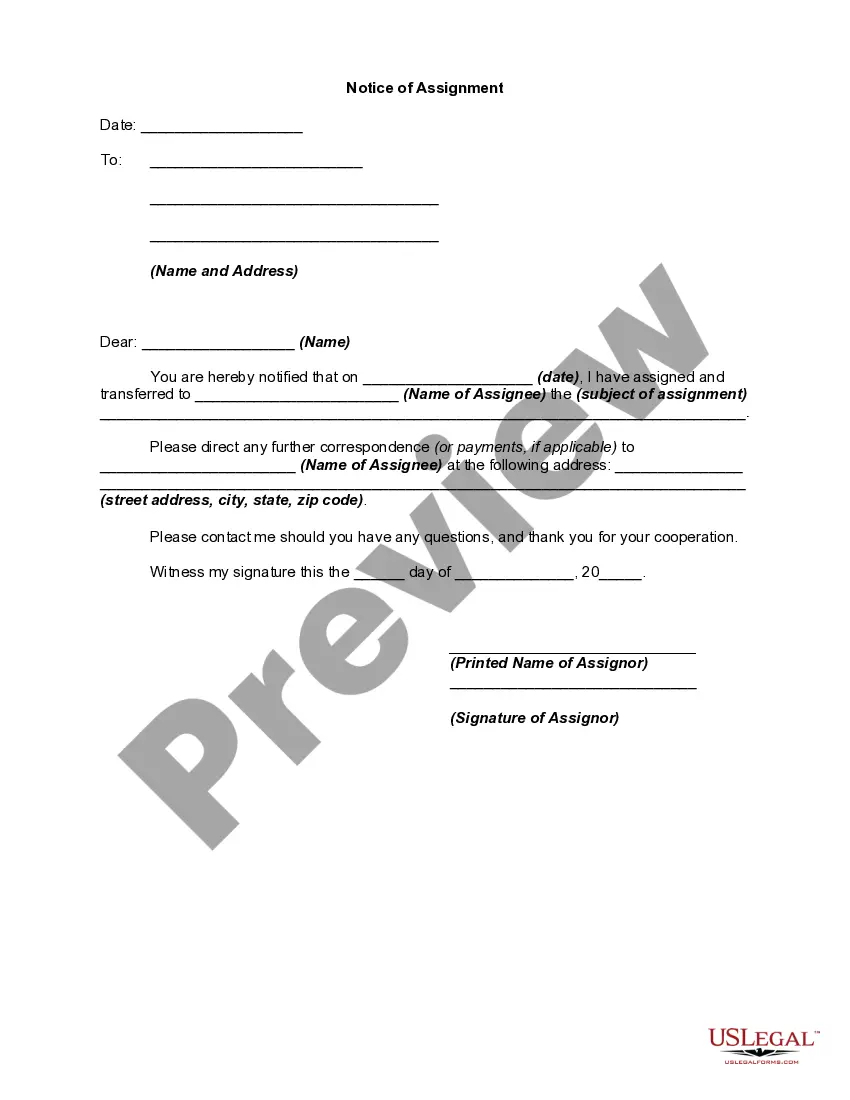
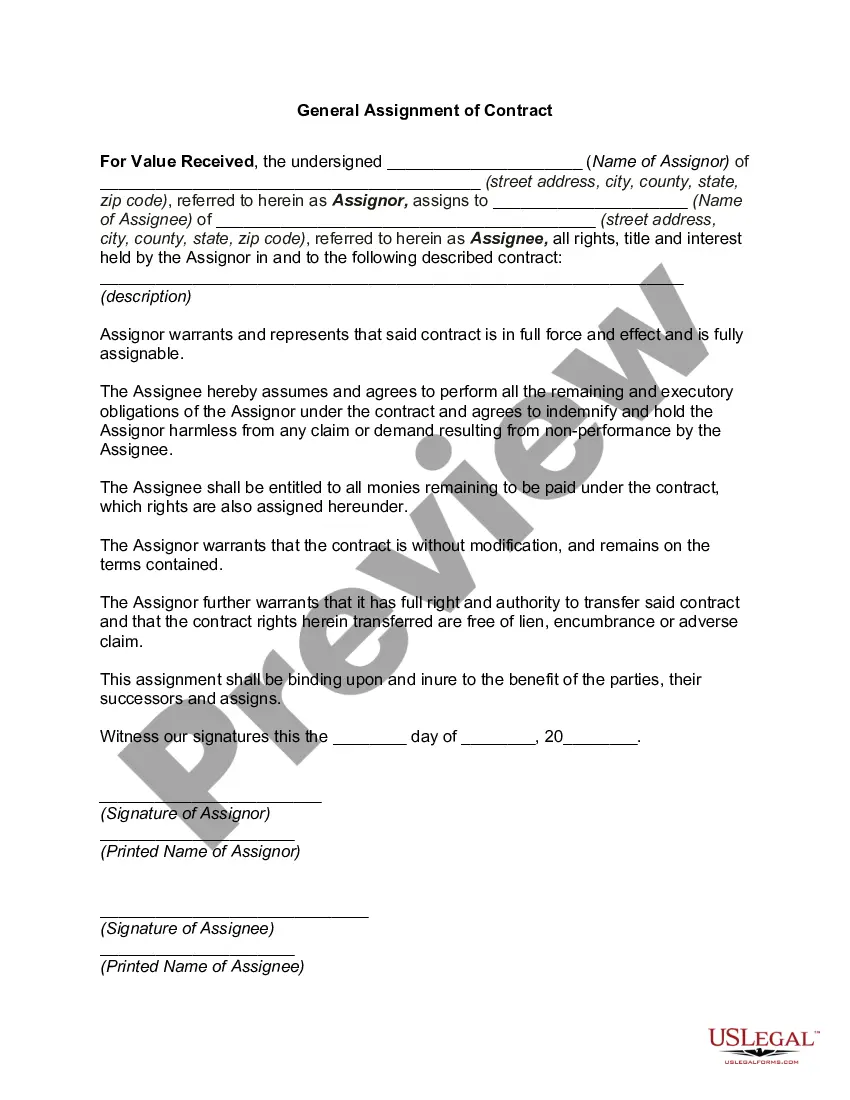
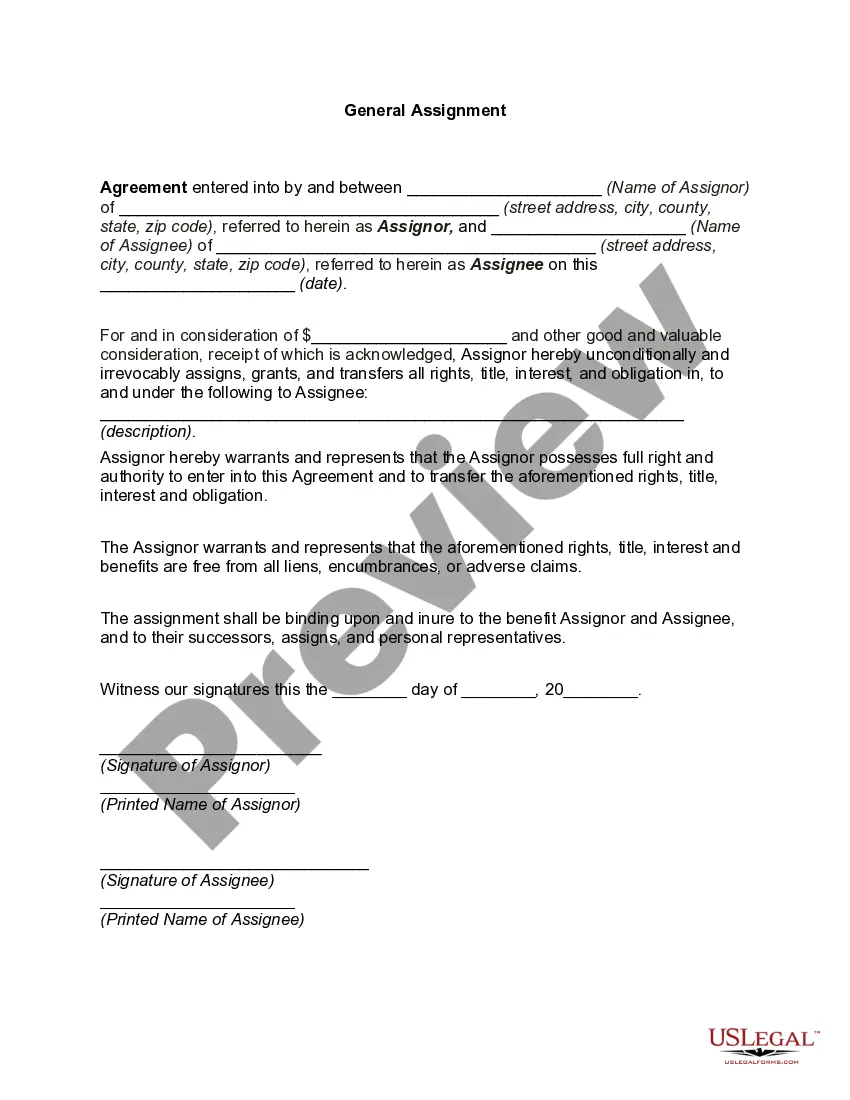
Claiming Damages Statement For Mental Distress
Description
Get your form ready online
Our built-in tools help you complete, sign, share, and store your documents in one place.
Make edits, fill in missing information, and update formatting in US Legal Forms—just like you would in MS Word.
Download a copy, print it, send it by email, or mail it via USPS—whatever works best for your next step.
Sign and collect signatures with our SignNow integration. Send to multiple recipients, set reminders, and more. Go Premium to unlock E-Sign.
If this form requires notarization, complete it online through a secure video call—no need to meet a notary in person or wait for an appointment.
We protect your documents and personal data by following strict security and privacy standards.

Make edits, fill in missing information, and update formatting in US Legal Forms—just like you would in MS Word.

Download a copy, print it, send it by email, or mail it via USPS—whatever works best for your next step.

Sign and collect signatures with our SignNow integration. Send to multiple recipients, set reminders, and more. Go Premium to unlock E-Sign.

If this form requires notarization, complete it online through a secure video call—no need to meet a notary in person or wait for an appointment.

We protect your documents and personal data by following strict security and privacy standards.
Looking for another form?




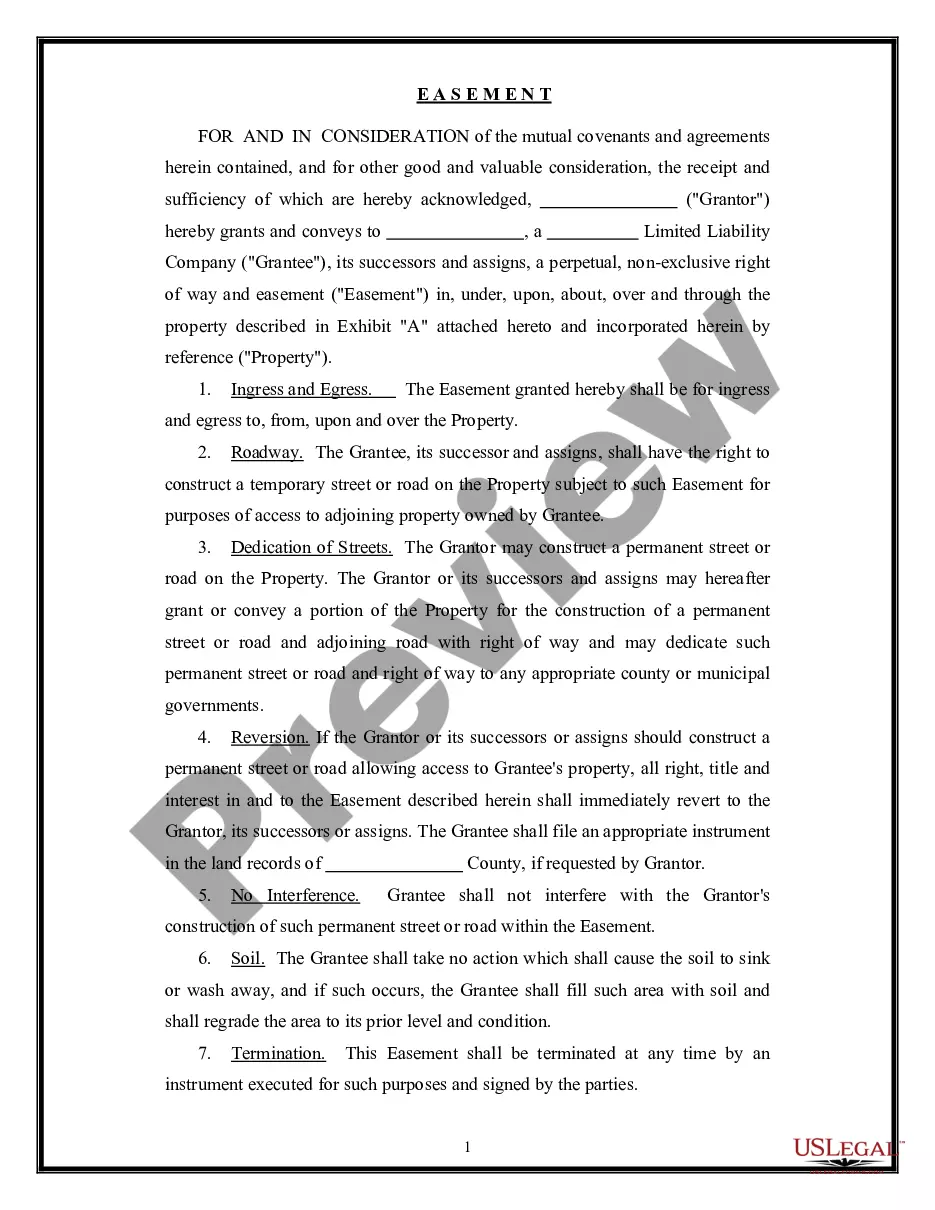

How to fill out Assignment Of A Claim For Damages?
It’s clear that you cannot transform into a legal authority instantly, nor can you comprehend how to swiftly create a Claiming Damages Statement For Mental Distress without possessing a specialized skill set.
Drafting legal documents is a lengthy endeavor that necessitates specific training and expertise. So, why not entrust the preparation of the Claiming Damages Statement For Mental Distress to the experts.
With US Legal Forms, one of the most comprehensive legal template repositories, you can find everything from court documents to templates for internal communication.
If you need a different template, begin your search anew.
Register for a free account and select a subscription plan to acquire the template. Click Buy now. After the transaction is finalized, you can obtain the Claiming Damages Statement For Mental Distress, fill it out, print it, and send or mail it to the relevant parties or organizations. You can access your documents again from the My documents tab anytime. If you are a returning customer, simply Log In, and find and download the template from the same tab. Regardless of the purpose of your documents—whether financial, legal, or personal—our platform has you covered. Try US Legal Forms today!
- We recognize how vital compliance and adherence to federal and local regulations are.
- That’s why, on our platform, all forms are location-specific and current.
- To start with our platform and obtain the document you need in just a few minutes.
- Locate the form you require by utilizing the search bar at the top of the page.
- Preview it (if this option is available) and read the accompanying description to ascertain whether the Claiming Damages Statement For Mental Distress is what you are looking for.
Form popularity
FAQ
To recover for the intentional infliction of emotional distress, a plaintiff usually has the burden to prove that 1) the defendant has acted intentionally or recklessly; 2) defendant's act was outrageous and extreme and 3) such act has caused the plaintiff's emotional distress.
Here are five ways to prove emotional distress in court. #1: Intensity. The intensity of your emotional distress can help your attorney prove that you suffered damages. ... #2: Duration. ... #3: Related Bodily Harm. ... #4: Underlying Cause. ... #5: Doctor's Note.
Examples of Intentional Infliction of Emotional Distress claims can include racial insults, sex discrimination, false imprisonment and conduct that threatens your physical security (although a physical injury is not necessary).
The distress caused must be reasonably severe and for your claim to be successful you will have to prove that it has affected your quality of life. You must show that you have suffered a 'loss of amenity' because of it.
This may include medical records, witness statements, and testimony from mental health professionals. To help your case, keep a journal and document your feelings and emotional distress symptoms.