Agreement Assign With A Function
Description
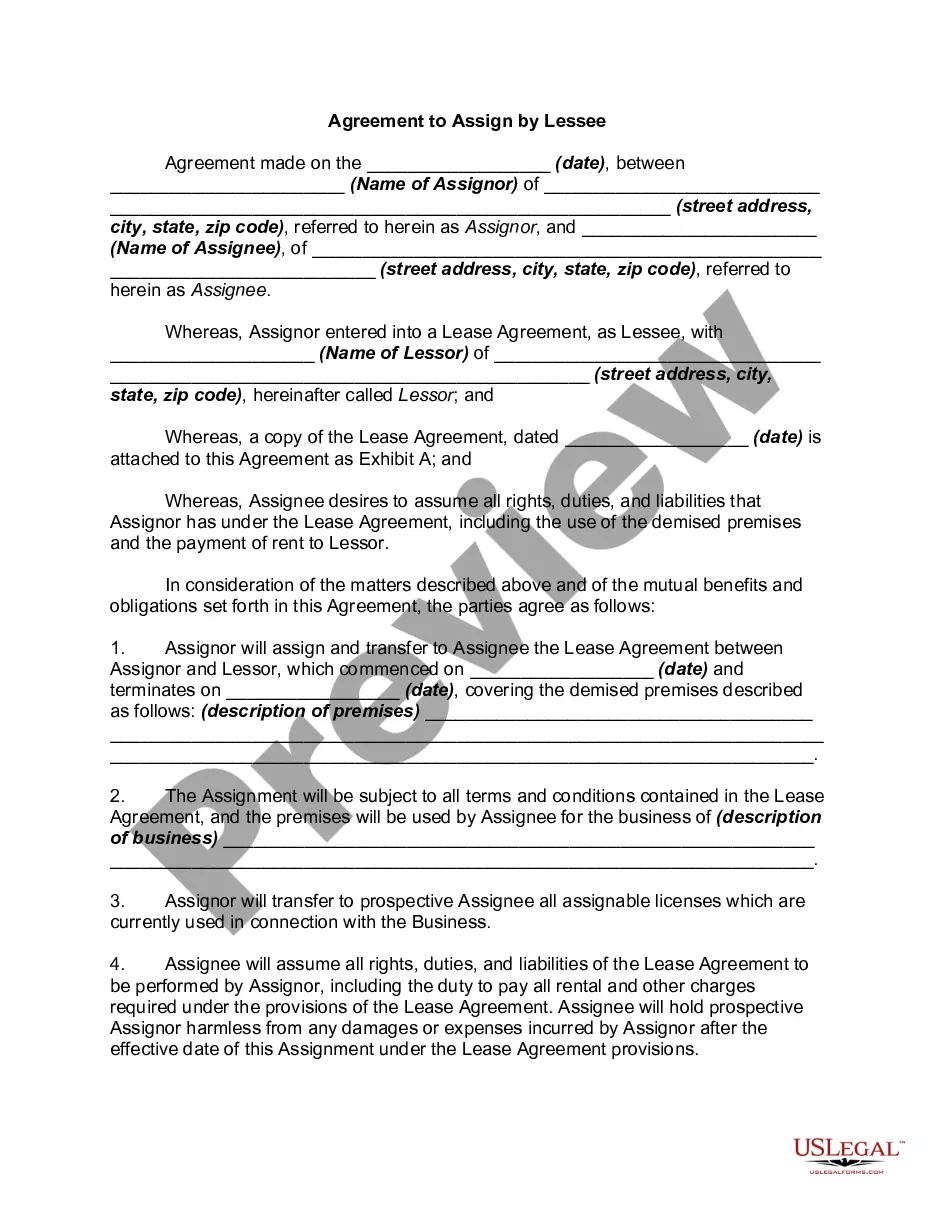
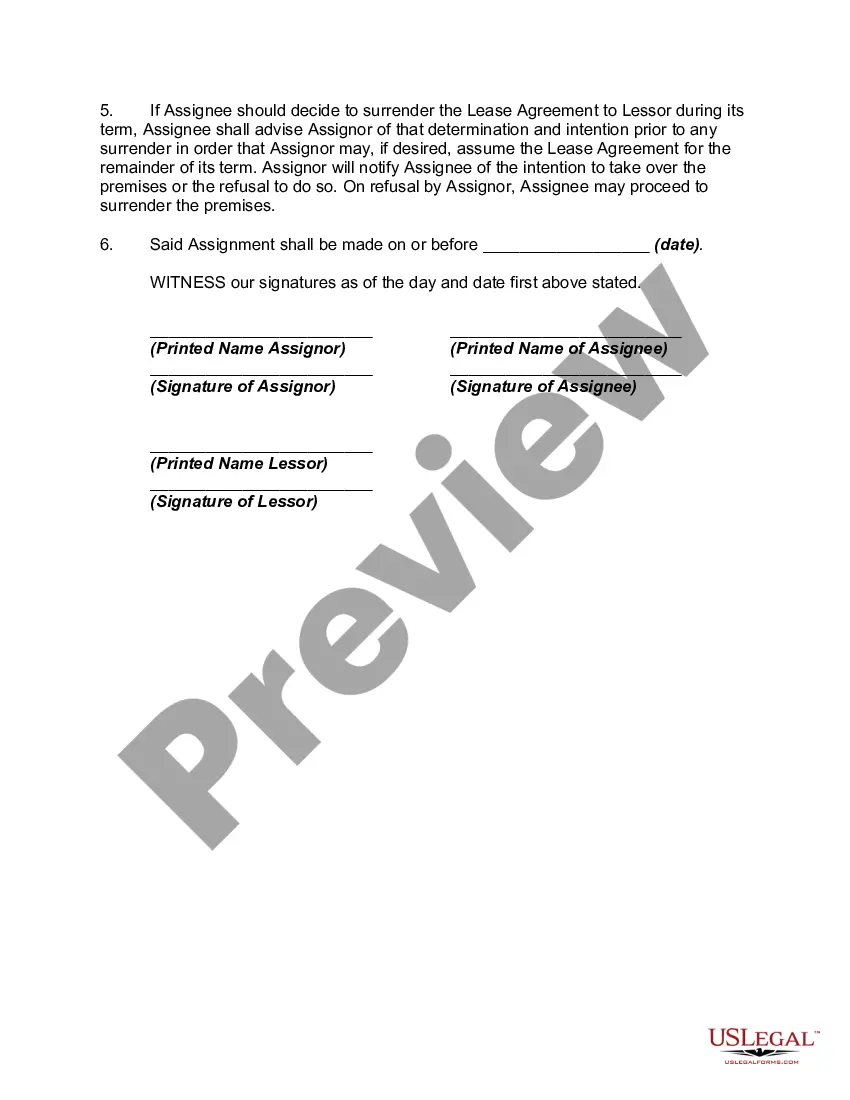
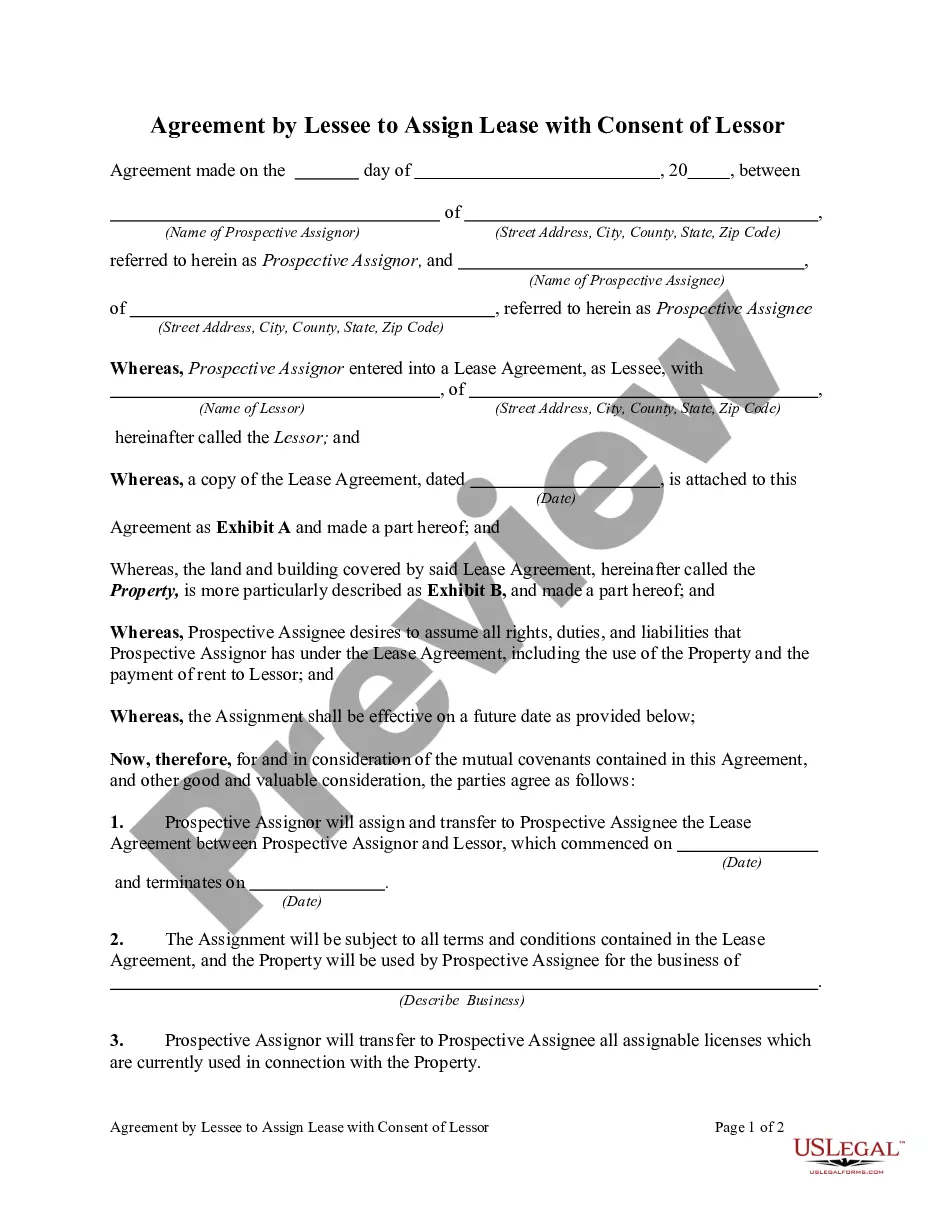
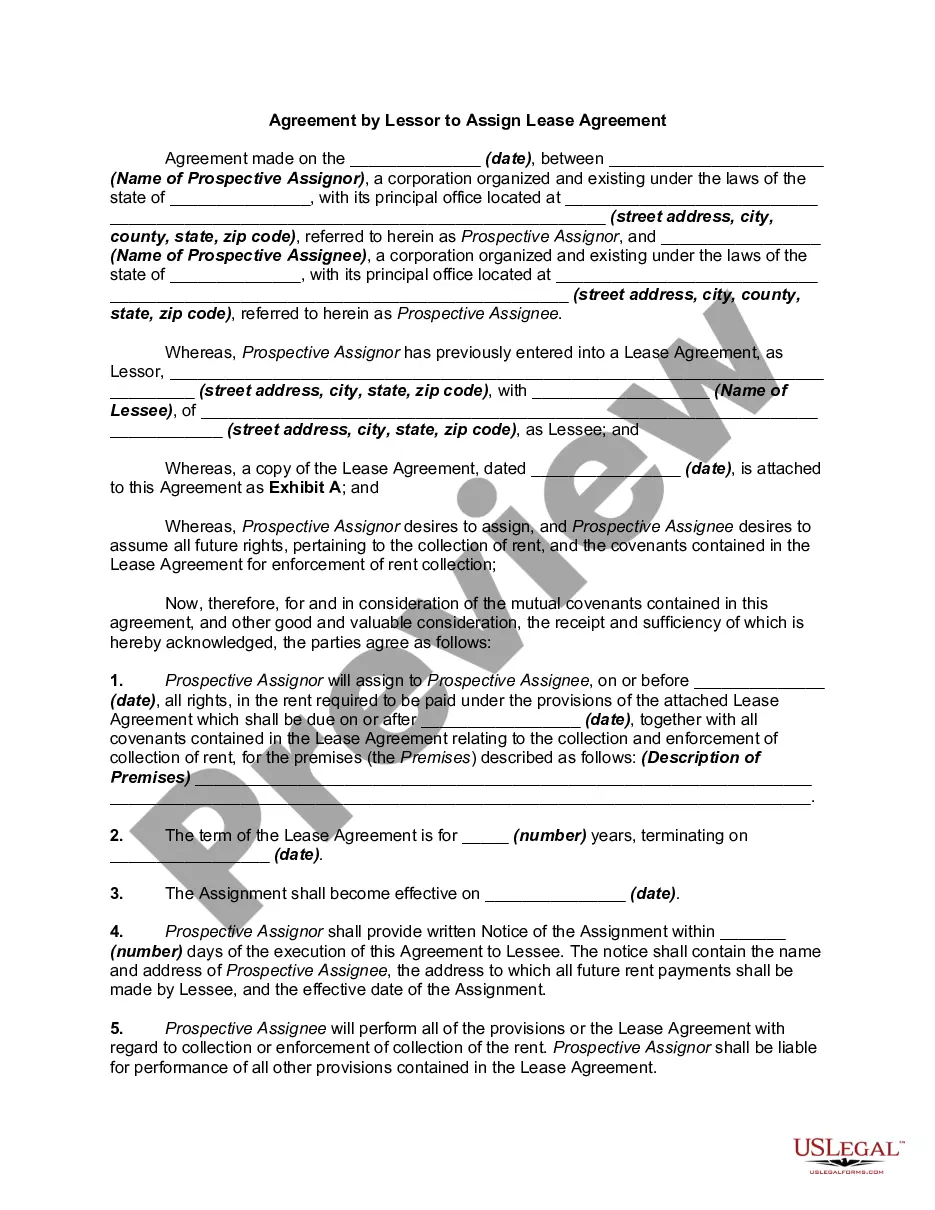

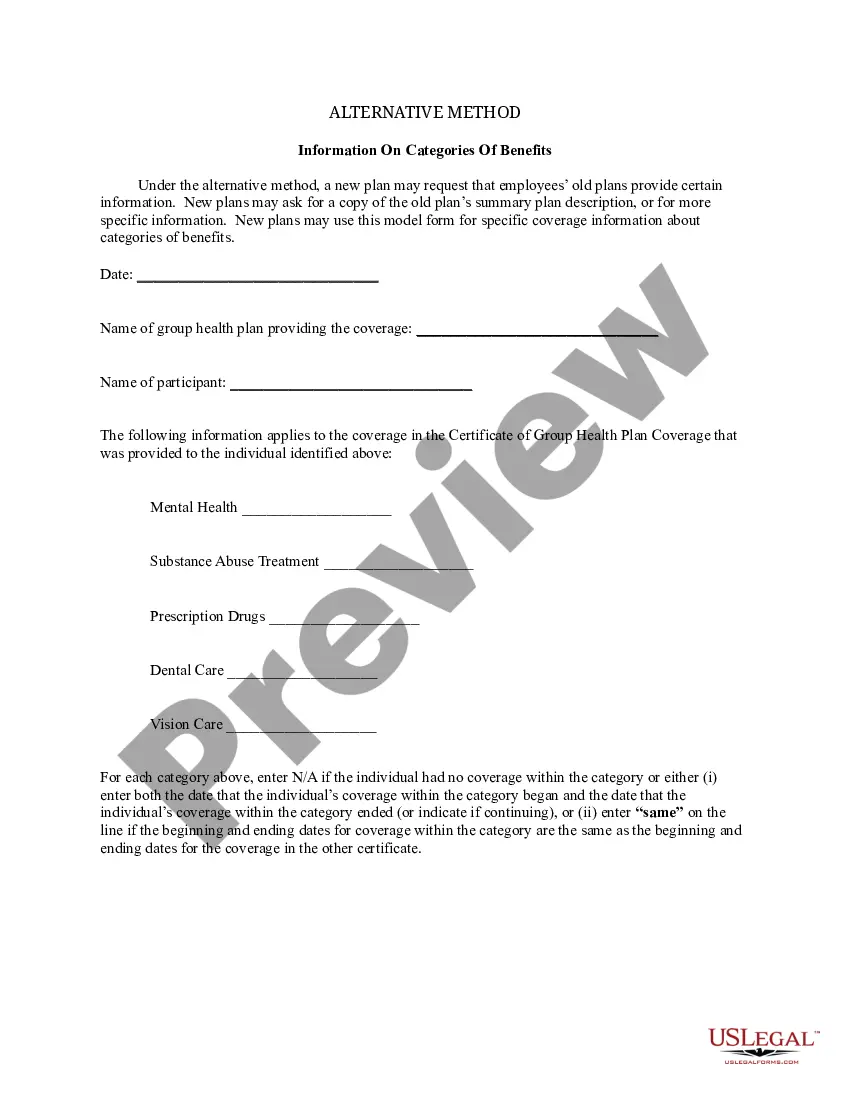
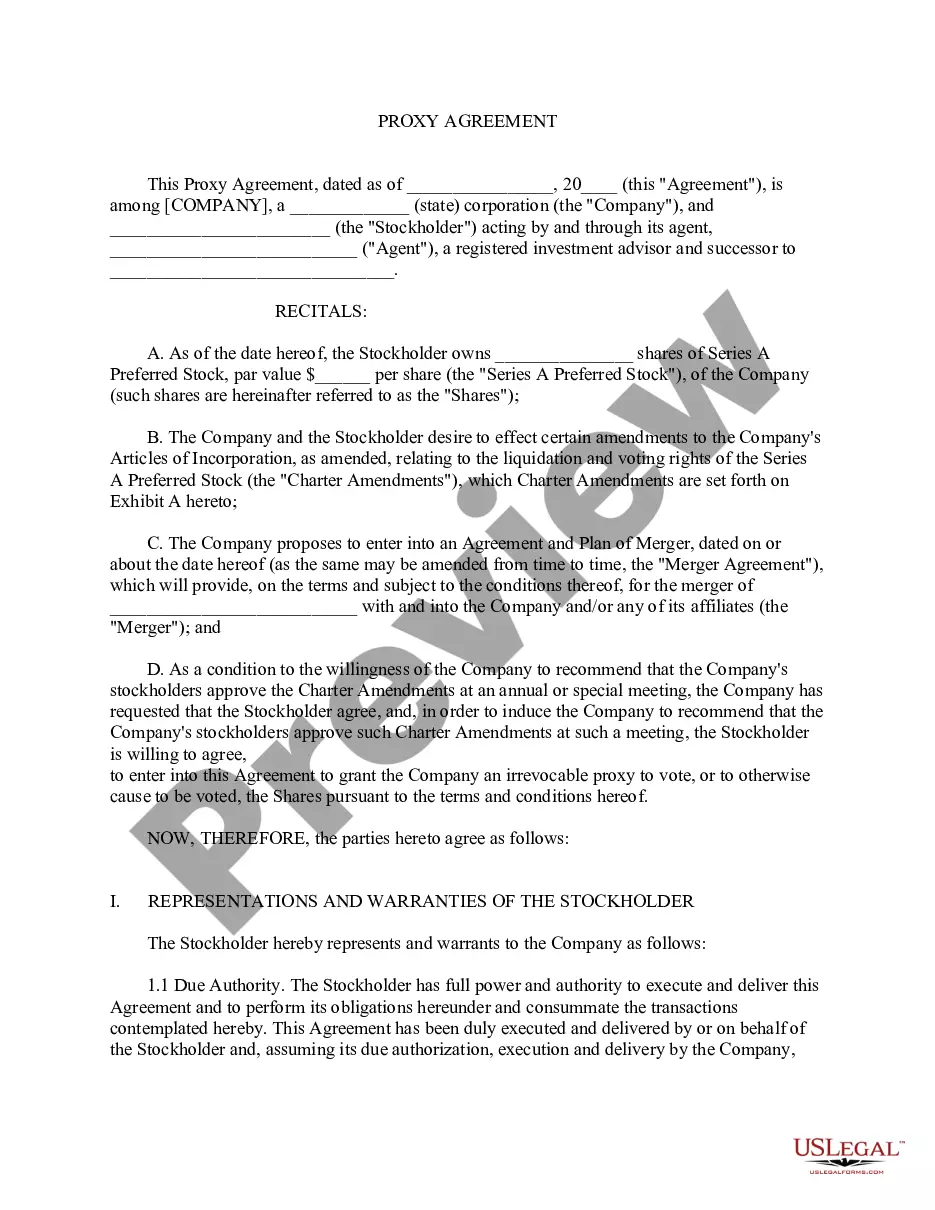
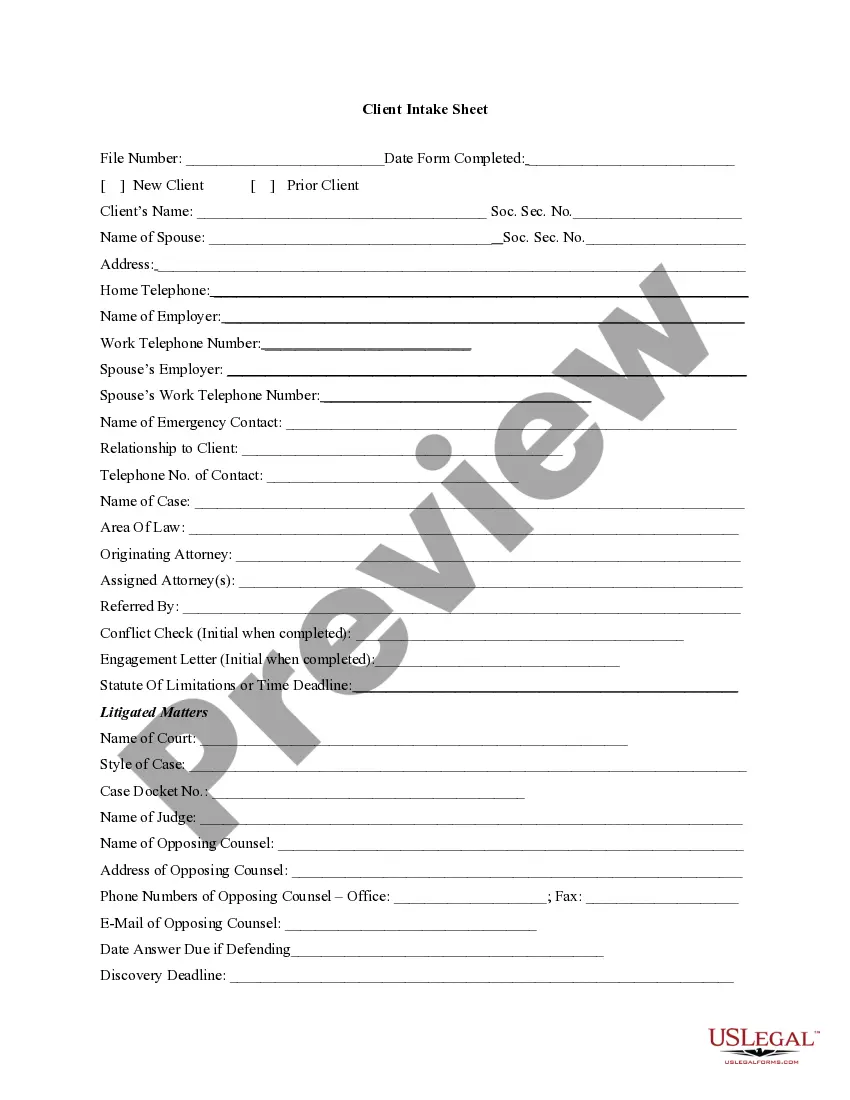
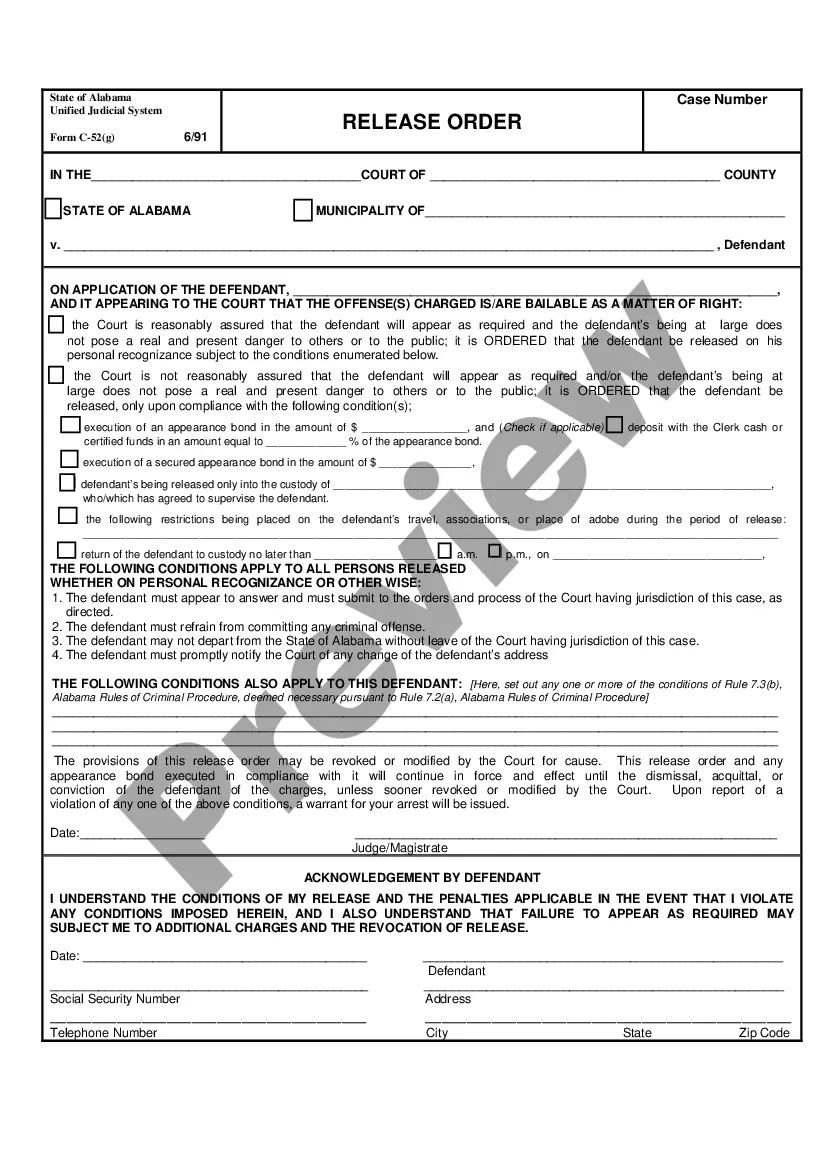

How to fill out Agreement To Assign By Lessee?
- If you are a returning user, log in to your account and download the required form template by clicking the Download button. Verify that your subscription is active before proceeding.
- If you are new to our services, start by checking the Preview mode and the specific form description to ensure it meets your requirements.
- If you identify any discrepancies, utilize the Search tab at the top of the page to find the correct template that aligns with your local jurisdiction.
- Once you've selected the right document, click 'Buy Now' and choose a subscription plan that suits you. You'll need to create an account to access our full range of resources.
- Proceed with your purchase by entering your credit card information or completing the transaction via PayPal.
- Finally, download your form to your device. You can also find it later in the My Forms section of your profile.
By leveraging US Legal Forms, you not only gain access to a robust library of over 85,000 editable legal forms but also the support of premium experts who ensure your documents are legally sound.
Don't leave your legal documentation to chance. Start your journey today with US Legal Forms and secure the forms you need with ease!
Form popularity
FAQ
An example of an assignment of a contract is when a tenant assigns their lease agreement to another tenant. This process allows the original tenant to transfer their rights and obligations to the new tenant while ensuring the property landlord remains informed. This showcases how effectively managing an Agreement assign with a function works in practical scenarios.
To assign an agreement, first, ensure that the original contract allows for assignment. Next, draft an assignment document that specifies the parties involved and the rights being assigned. Provide all necessary details, including the effective date. Finally, both parties must sign the document to complete the assignment, thereby maintaining the integrity of the Agreement assign with a function.
A valid assignment of a contract must be in writing, clearly state the rights being assigned, and be signed by both the assignor and assignee. Additionally, the original contract should not prohibit assignment. Meeting these requirements ensures the transfer is legally enforceable and that the Agreement assign with a function is upheld.
Different types of assignment of contracts include absolute and conditional assignments. An absolute assignment transfers all rights and obligations without conditions. In contrast, a conditional assignment may depend on specific criteria being met before the rights are transferred. Understanding these types helps you execute an Agreement assign with a function effectively.
When formatting a contract agreement, start with a clear title that reflects the purpose of the contract. Organize the document into sections, such as definitions, terms, and obligations. Use bullet points for key details and keep paragraphs short to enhance readability. Finally, leave space for signatures at the end to formalize the agreement.
An example of an assignment of contract occurs when one party transfers its rights and obligations to another party. For instance, if a homeowner hires a contractor for renovations, the homeowner might assign the contract to a different contractor. This transfer maintains the original agreement, but under a new party's management.
To fill out a contract, start by identifying all parties involved and their roles. Include crucial details such as the purpose of the contract, terms and conditions, and timelines. Be clear in your language to prevent misunderstandings. Lastly, ensure that all parties sign and date the agreement to make it legally binding.
In a contract, function generally refers to the specific role or purpose that the agreement serves. This could include how the parties agree to interact, the obligations they assume, and the outcomes they expect. Understanding the function of an agreement is vital, as it helps ensure all parties are aligned in their expectations and can fulfill their roles effectively.
Reassigning a contract involves creating a formal assignment document that specifies the terms of the reassignment. This document should be signed by both the assignor and the assignee, along with any necessary parties involved in the original agreement. To simplify the reassignment process, consider using uslegalforms, which can help guide you through the necessary steps and provide the right templates.
To make a contract assignable, include a clause that explicitly allows assignment within the contract's terms. Additionally, ensure both parties have discussed and agreed upon the assignment process to avoid conflicts later. If unsure about the wording, platforms like uslegalforms provide customizable templates designed to craft assignable agreements easily and effectively.