Overtime For Salary Below Rm4000
Description
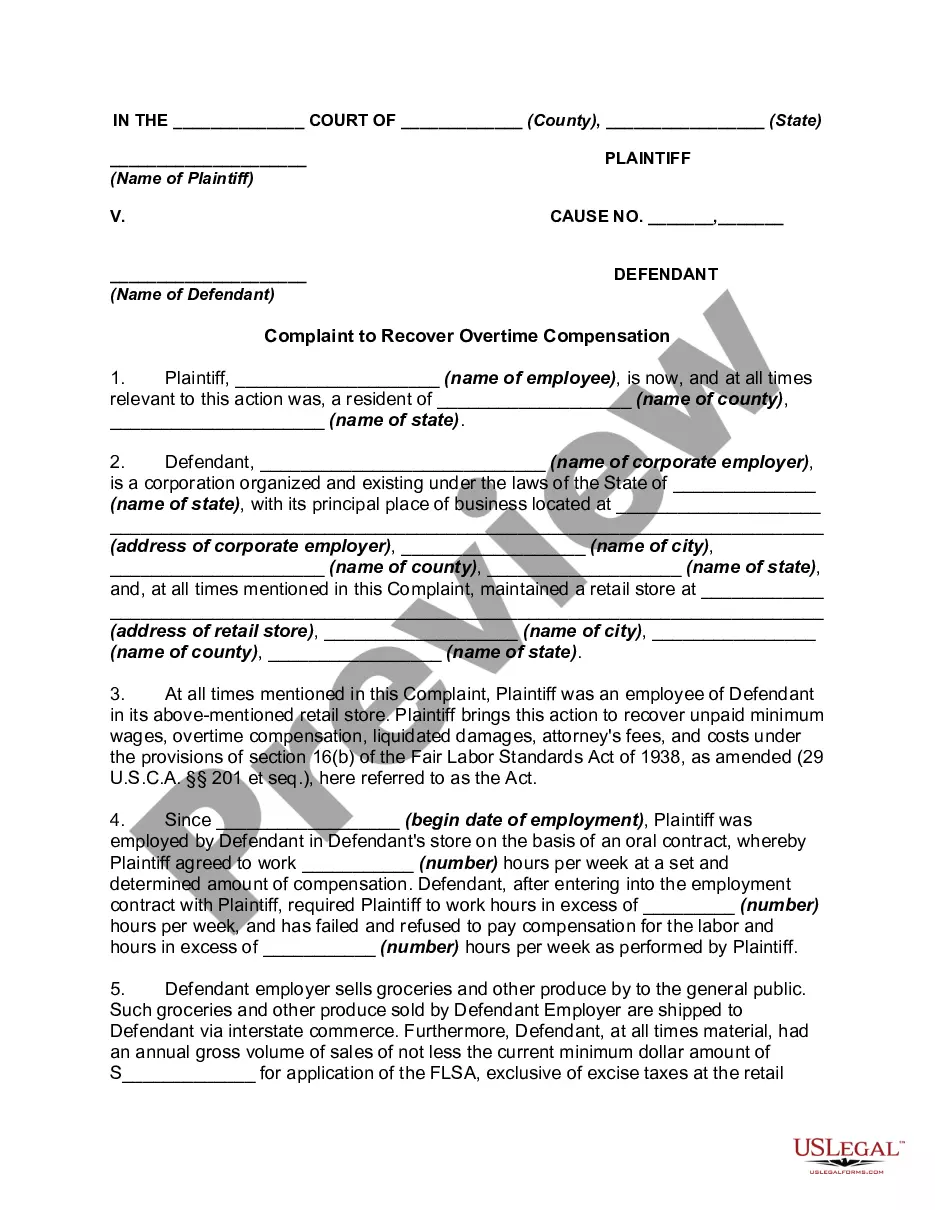
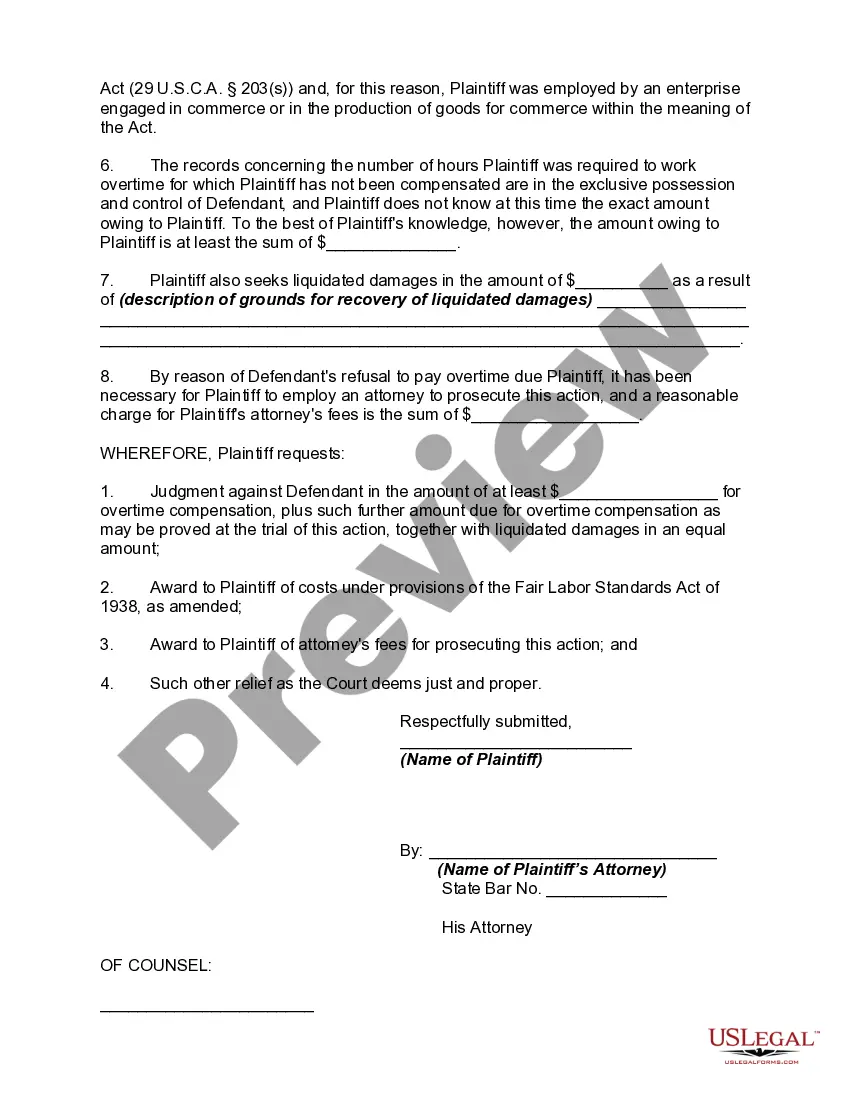

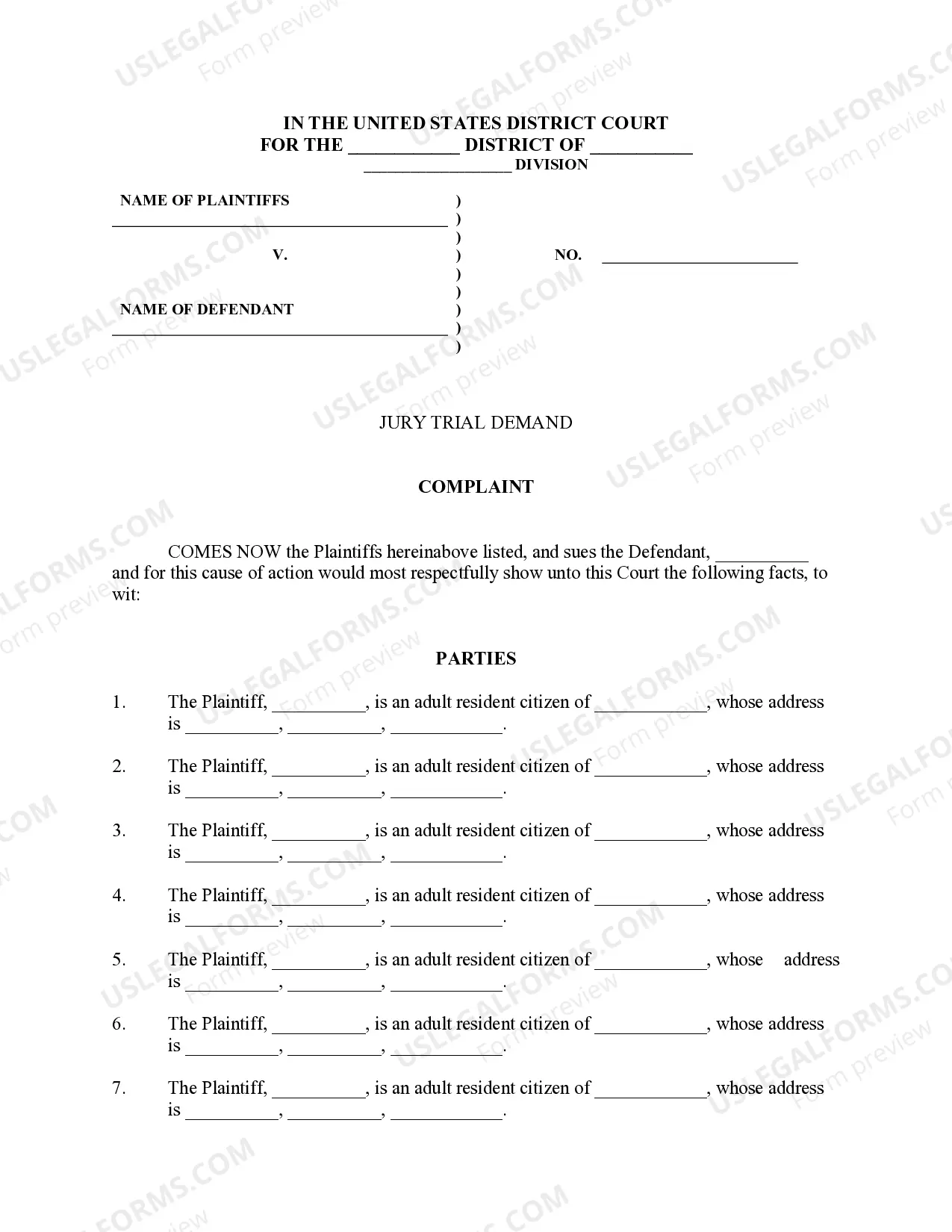
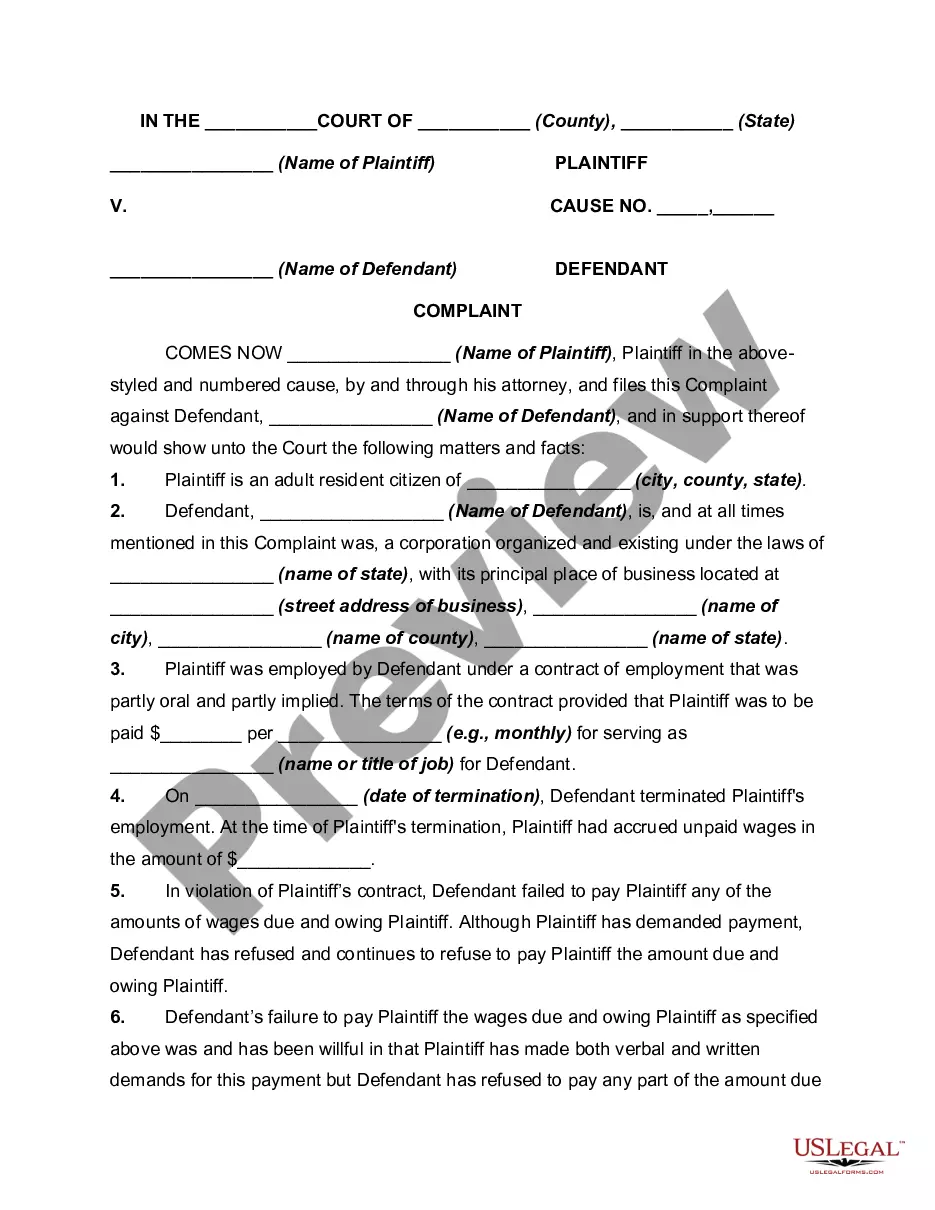





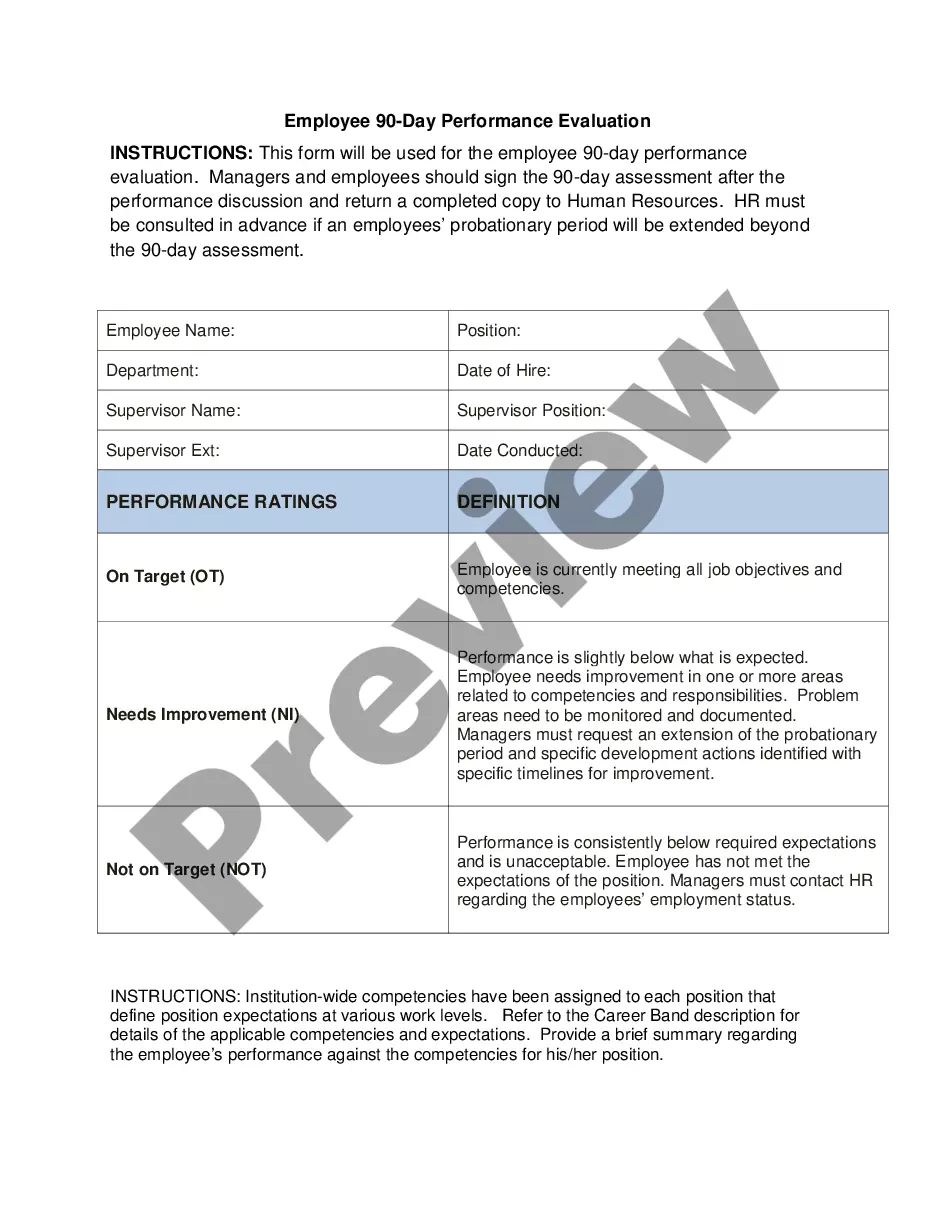
How to fill out Complaint To Recover Overtime Compensation Or Wages In State Court Under Section 16(b) Of Fair Labor Standards Act?
- Begin by visiting the US Legal Forms website and check if you already have an account. If so, log in and ensure your subscription is active to access the required forms.
- If you're a new user, explore the library and identify the form that specifically addresses your overtime requirements. Use the Preview mode to verify its relevance to your local laws.
- Should you need a different template, utilize the Search tool to find suitable options that match your specific needs.
- Once you've settled on the correct document, click the Buy Now button and select your preferred subscription plan. Creating an account will grant you access to countless resources.
- Proceed with checking out by entering your payment details, either through credit card or PayPal, to purchase the form.
- After transaction confirmation, download the form to your device. You can always retrieve it later from the My Forms section of your profile.
US Legal Forms empowers individuals and attorneys alike by offering a robust collection of legal forms. With more forms than competitors at a similar cost, the platform supports quick and efficient document completion.
Start simplifying your legal processes today with US Legal Forms. Access the resources you need and ensure your forms are correct and compliant!
Form popularity
FAQ
The minimum wage for overtime often depends on both federal and state regulations. Generally, employees must earn at least the federal minimum wage before overtime rules apply. If you earn a salary below rm4000, it's crucial to check your state guidelines, as they can establish higher minimums, affecting your overtime eligibility.
To calculate overtime for salary below rm4000, first determine your hourly rate by dividing your annual salary by the number of hours you typically work in a year. For instance, if you work a standard 40-hour week, you would take your salary, divide it by 2080 hours to get your hourly wage. Once you have this rate, any overtime hours worked should be compensated at one and a half times this figure, ensuring fair compensation for your extra effort.
To find overtime for salary below rm4000, first calculate your hourly rate by dividing your weekly salary by 40. Next, multiply your hourly rate by 1.5 to determine your overtime rate. Finally, for each hour worked over 40, multiply the overtime rate by the number of overtime hours. This formula ensures you receive the correct compensation for your hard work.
Overtime for salary below rm4000 is determined based on the Fair Labor Standards Act (FLSA). For salaried employees, overtime is calculated by taking their weekly salary and dividing it by the total hours worked in a week. If an employee works more than 40 hours, they are entitled to receive time-and-a-half for those extra hours. It's important to understand these calculations to ensure compliance and fair compensation.
To calculate overtime for a non-exempt salary, first determine your hourly wage by dividing your total salary by the total hours expected in a workweek. Next, multiply that hourly wage by 1.5 for any hours worked beyond 40 in a week. This approach is especially important for those earning a salary below RM4000, as it ensures you receive proper compensation for your efforts. Utilize tools from uslegalforms to simplify this calculation.
The fixed rate for overtime (OT) typically reflects the standard wage multiplied by 1.5 for hours beyond the normal work schedule. If you earn less than RM4000, this structure ensures fair compensation for your extra work. Understanding this rate is crucial, especially for employees receiving a salary under RM4000. platforms like uslegalforms can help you navigate these calculations more easily.
The minimum salary for overtime exemption is usually established to protect workers earning below a specified amount. In many cases, employees who earn less than RM4000 do not fall under this exemption and can claim overtime compensation. Understanding this threshold helps you better advocate for your rights in the workplace. If you need clarification, consider consulting resources, such as USLegalForms, for guidance.