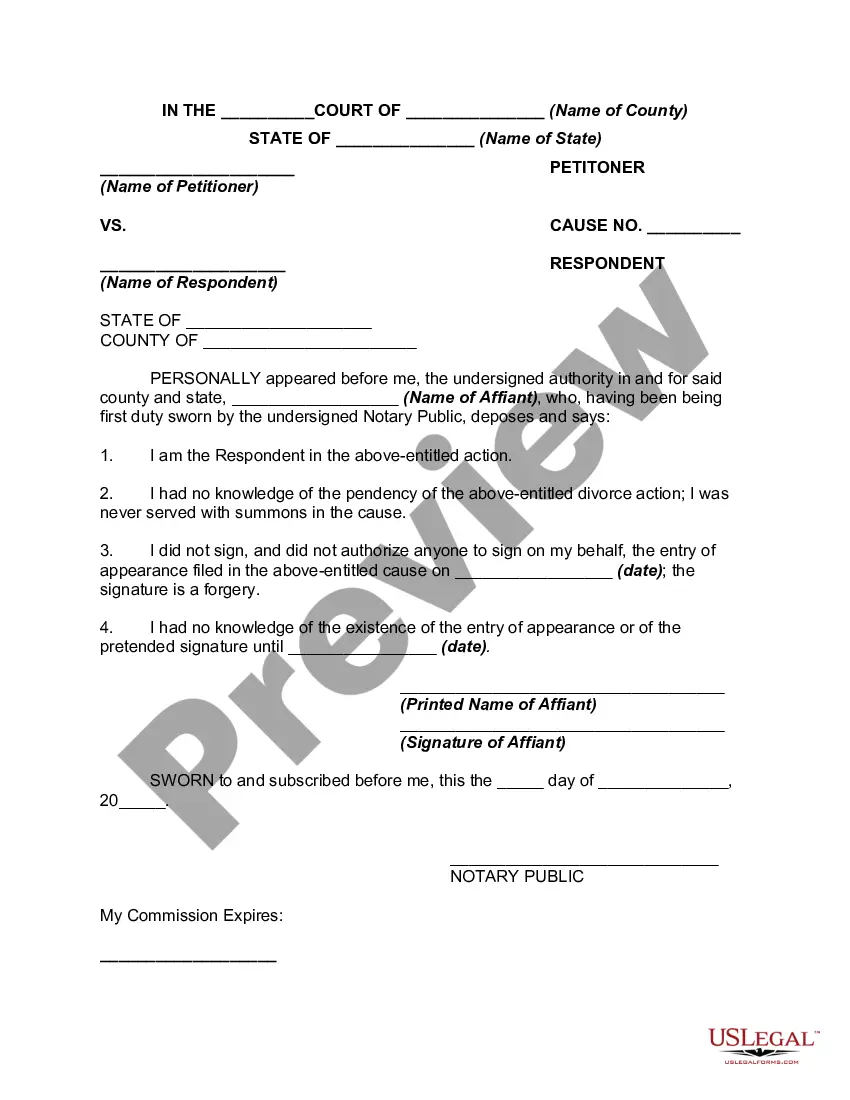
Vacate Divorce Form California
Description
Get your form ready online
Our built-in tools help you complete, sign, share, and store your documents in one place.
Make edits, fill in missing information, and update formatting in US Legal Forms—just like you would in MS Word.
Download a copy, print it, send it by email, or mail it via USPS—whatever works best for your next step.
Sign and collect signatures with our SignNow integration. Send to multiple recipients, set reminders, and more. Go Premium to unlock E-Sign.
If this form requires notarization, complete it online through a secure video call—no need to meet a notary in person or wait for an appointment.
We protect your documents and personal data by following strict security and privacy standards.

Make edits, fill in missing information, and update formatting in US Legal Forms—just like you would in MS Word.

Download a copy, print it, send it by email, or mail it via USPS—whatever works best for your next step.

Sign and collect signatures with our SignNow integration. Send to multiple recipients, set reminders, and more. Go Premium to unlock E-Sign.

If this form requires notarization, complete it online through a secure video call—no need to meet a notary in person or wait for an appointment.

We protect your documents and personal data by following strict security and privacy standards.
Looking for another form?



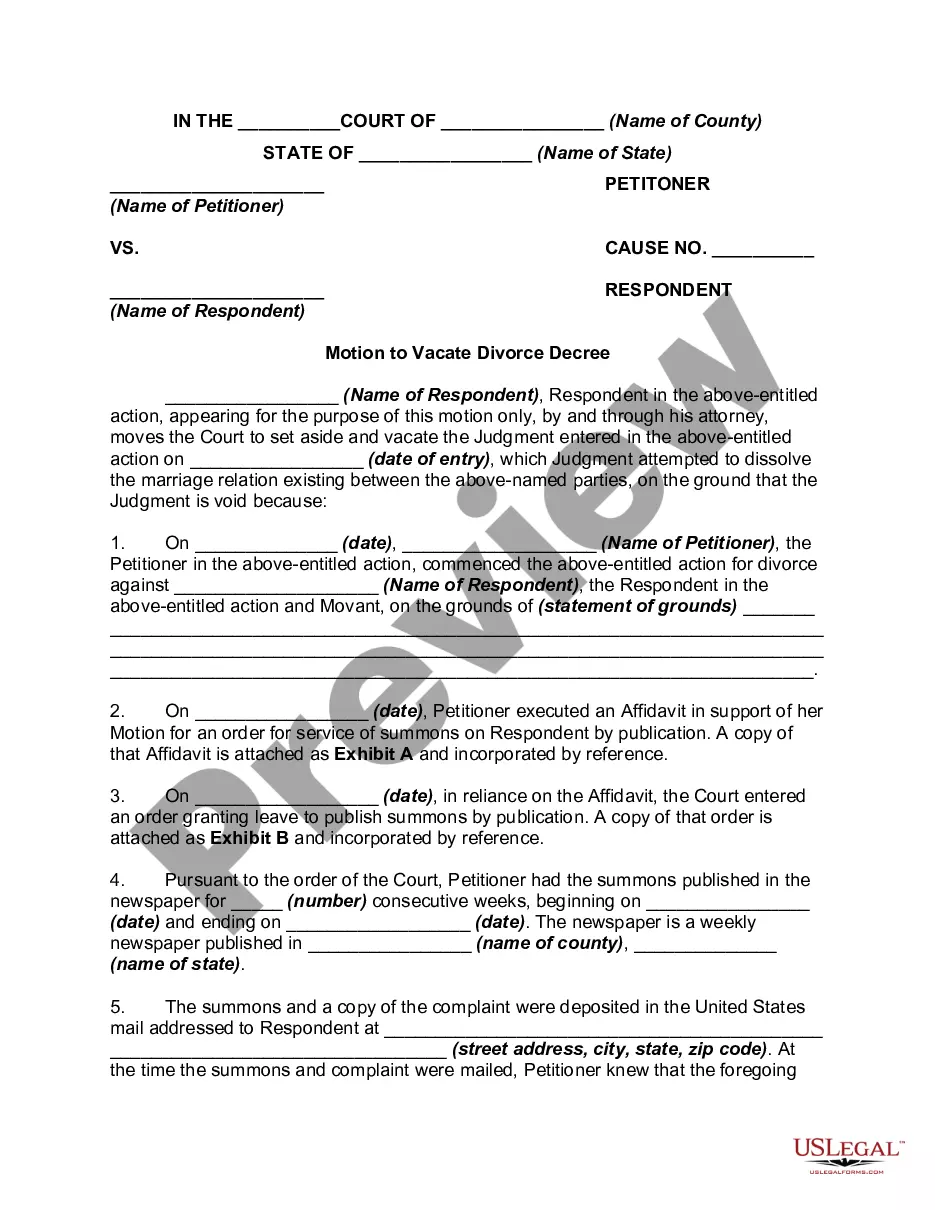
How to fill out Affidavit By Respondent In Support Of Motion To Vacate Divorce Decree On Grounds Of Fraud Due To Forgery Of Signature As To Appearance?
It’s clear that you cannot become a legal authority instantly, nor can you learn how to swiftly create a Vacate Divorce Form California without a specialized education.
Compiling legal papers is a lengthy process that demands particular training and abilities. So why not entrust the creation of the Vacate Divorce Form California to the professionals.
With US Legal Forms, one of the most extensive legal document collections, you can discover everything from court paperwork to templates for office communication.
If you need any other form, start your search over.
Create a free account and choose a subscription plan to purchase the form. Click Buy now. Once the payment is complete, you can download the Vacate Divorce Form California, complete it, print it, and send it to the relevant parties or organizations.
- We understand how crucial compliance and observance of federal and state laws and regulations are.
- That’s why, on our platform, all forms are location-specific and current.
- Here’s how to get started with our site and acquire the form you need in just minutes.
- Find the form you require using the search bar at the top of the webpage.
- Preview it (if this feature is available) and review the accompanying description to determine if Vacate Divorce Form California is what you are looking for.
Form popularity
FAQ
To ask a court to set aside (cancel) a court order or judgment, you have to file a ?request for order to set aside,? sometimes called a ?motion to set aside? or ?motion to vacate.? The terms ?set aside? or ?vacate? a court order basically mean to ?cancel? or undo that order to start over on a particular issue.
How do I file the motion? Get the form SC-135: Notice of Motion to Vacate Judgment. You must explain on the form why you did not come to court. File the form with the Small Claims Court Clerk's Office at the court where your case was heard. Pay the filing fee.
Ending a legal separation in California involves creating a motion to vacate the court's order of legal separation. You must follow the court rules for filing the motion, serve the other party, and state in court documents that you no longer wish for the legal separation to be in effect.
I certify that the information given is true and complete to the best of my knowledge. I understand that if I have deliberately given any false information or have withheld any information regarding any situation, I am liable for prosecution for fraud and/or perjury.
How to Write a Declaration for Family Court in California Give background information or tell their side of the story; Explain any requests and reasons for proposing those requests; Provide additional needed information or explain specific problems; and. Respond to the opposing party's requests or declarations.